The Reptile Atlas
Explore the world's reptile species — snakes, lizards, turtles, crocodilians, and more. Discover their habitats, diets, and seasonal feeding guides.
Massive thanks to everyone who has visited the site almost 8k and I really hope it helps yinz out. Google play store app in the works!!!!! Log in for more features
Huge thanks to everyone who has joined the testing program for the app. The closed testing has begun — 6 days to go! Stay tuned for more updates on a full release of the app.
Seasonal Feeding Alerts
Northern Hemisphere
Autumn
435 species
Southern Hemisphere
Spring
268 species
Current feeding schedule changes
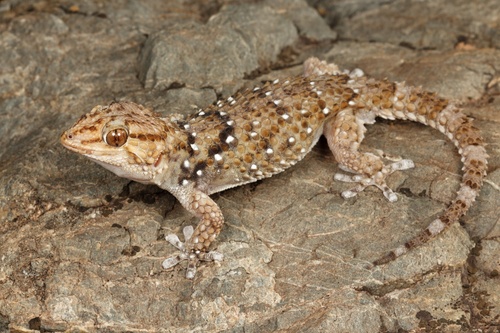
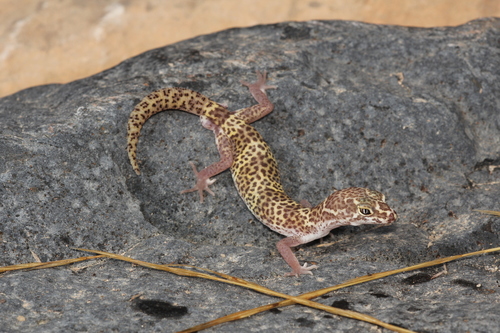
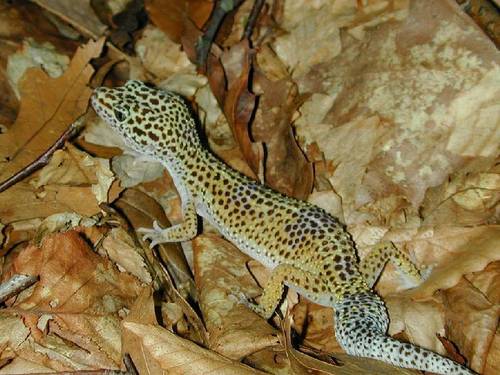
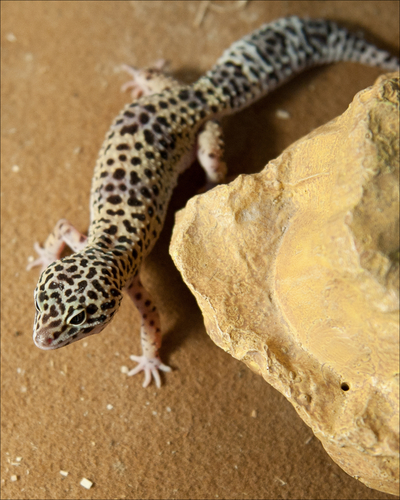
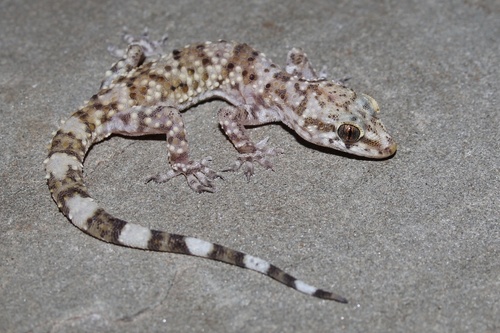
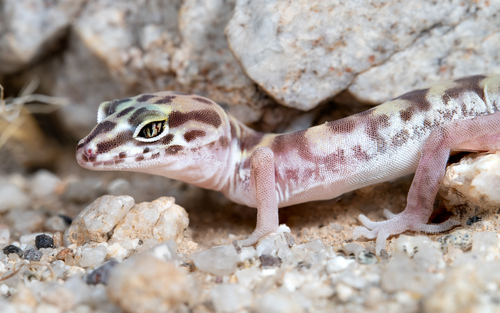
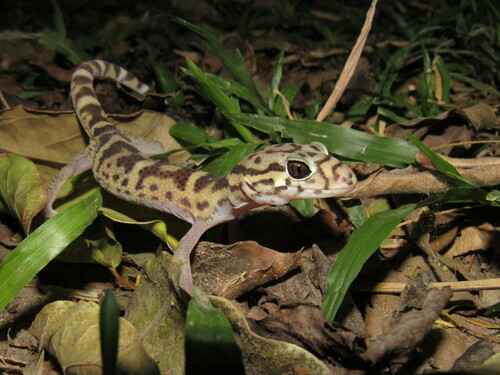
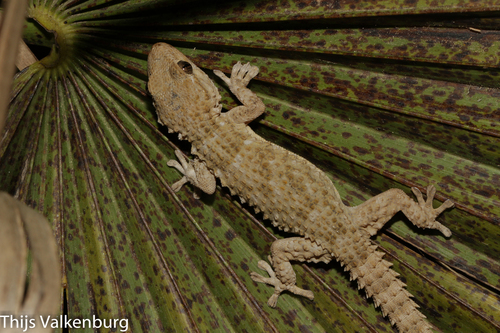
🍂Afghan Leopard Gecko
Autumn: Maintain feeding to build tail fat reserves ahead of winter; 2–3 times per week.
Black Soldier Fly Larvae
Autumn: Harvest remaining larvae. Colony activity decreases with shorter days.
Hornworms
Autumn: Maintain cultures at room temperature. Continue commercial diet only.
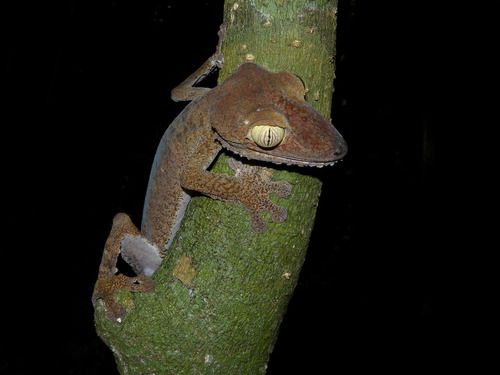
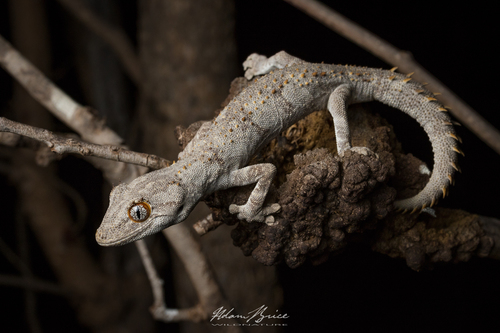
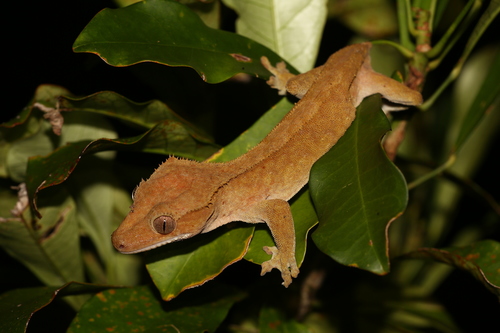
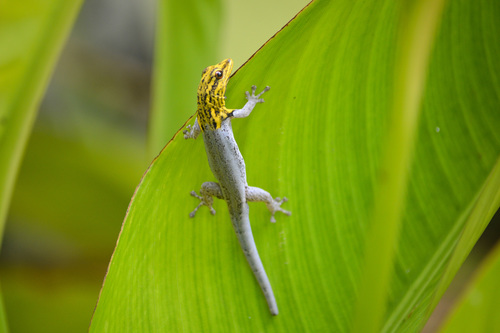
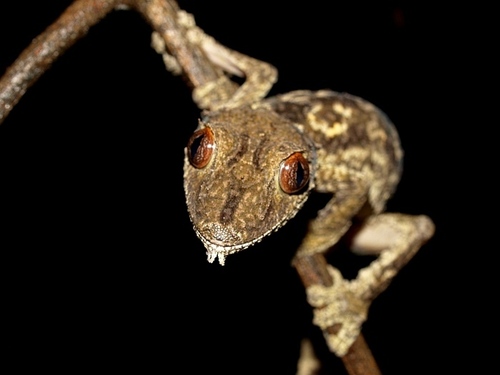
Henkel's Leaf-tailed Gecko (related form)
Spring: Increase feeding as temperatures warm; offer appropriately sized insects 3–4 times per week, dusted with calcium.
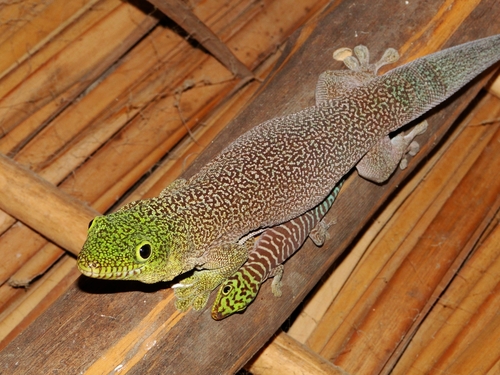
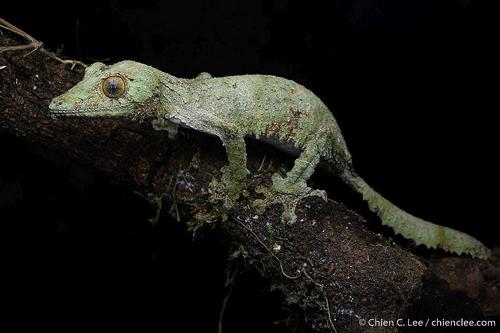
Sorah Leaf-tailed Gecko
Spring: Increase feeding as humidity rises; offer small insects 3–4 times per week with calcium dusting.
Log in to unlock your personal collection page, feeding logs, breeding tracking, calendar sync, and more features. Fixing Google login issues — you can still log in by registering.
Showing 632 species · 64 sub-species
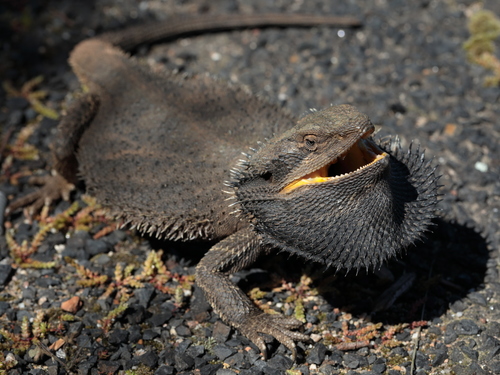
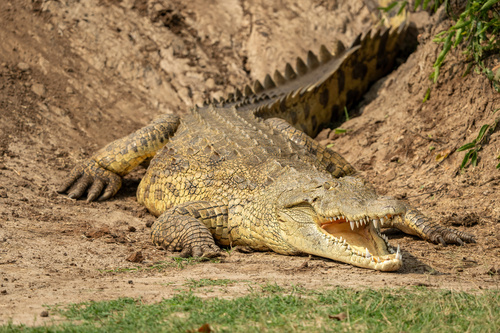
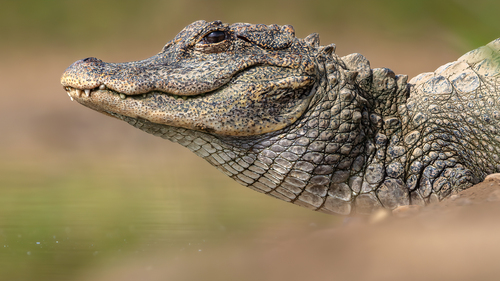
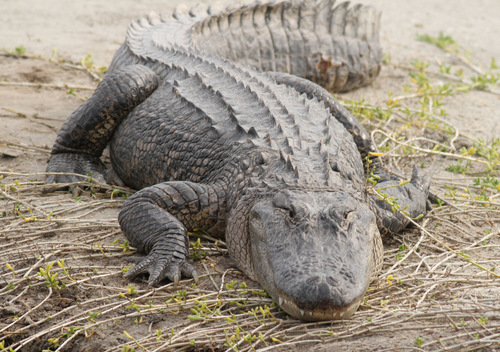








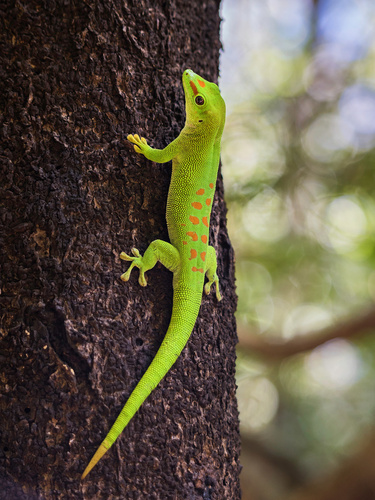

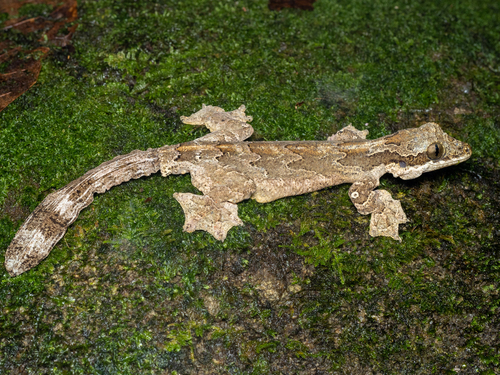
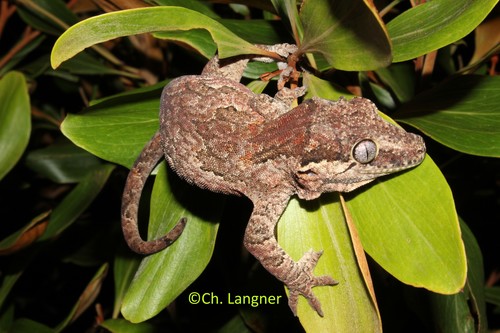

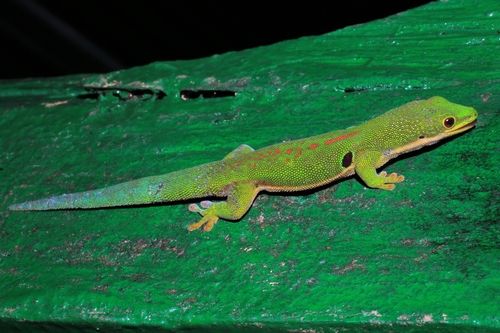






































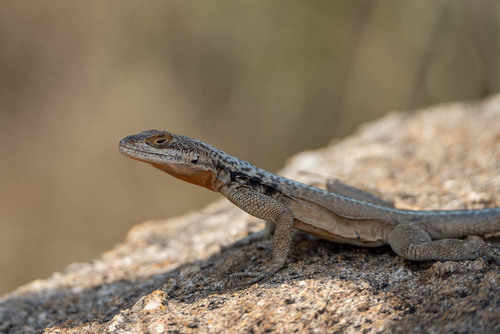

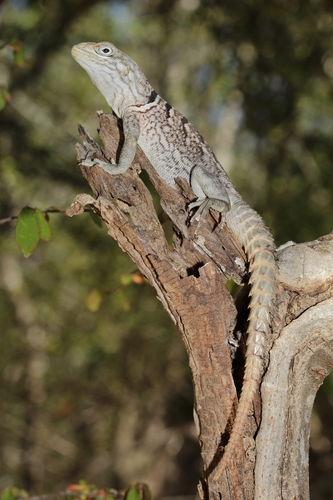

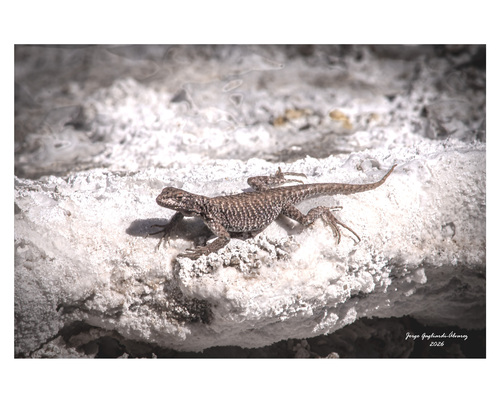

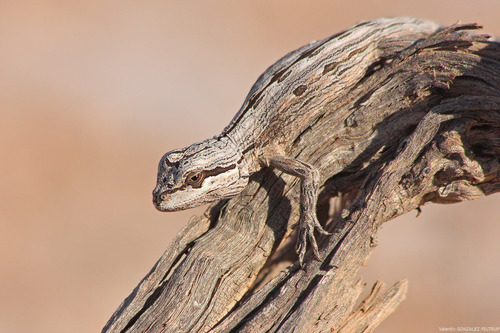



























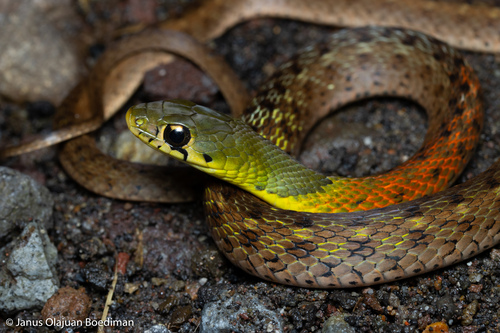
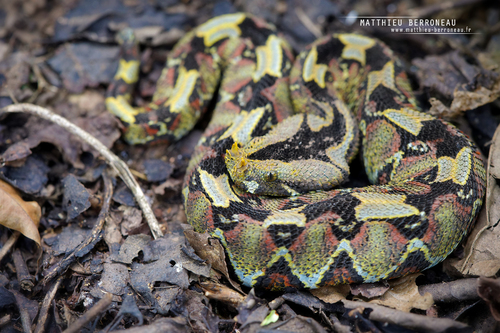
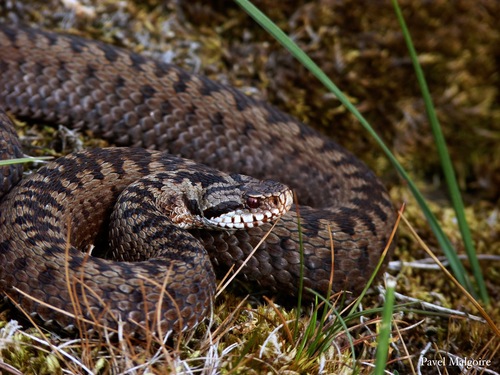
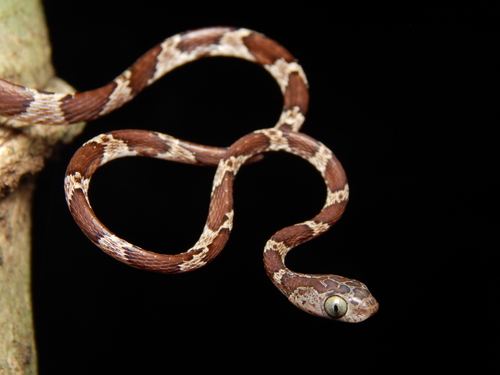







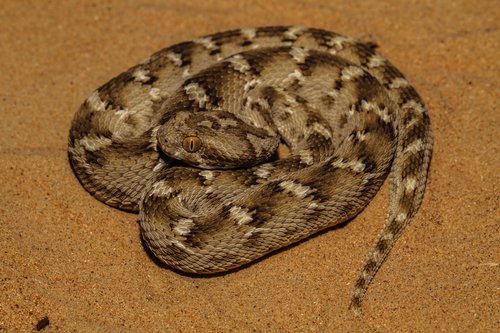
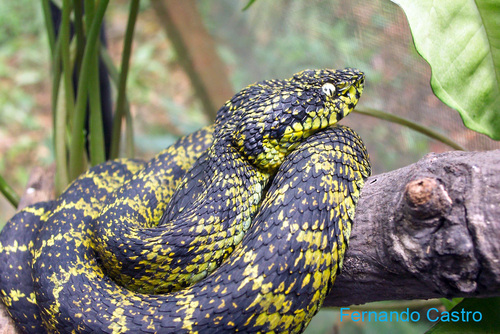
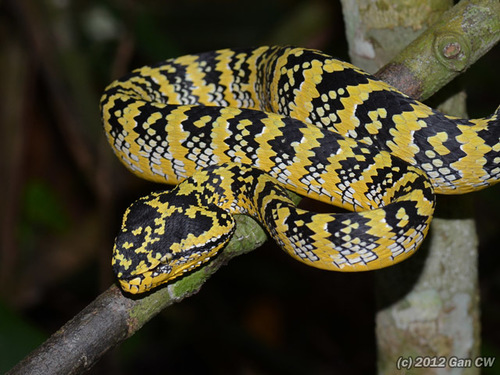

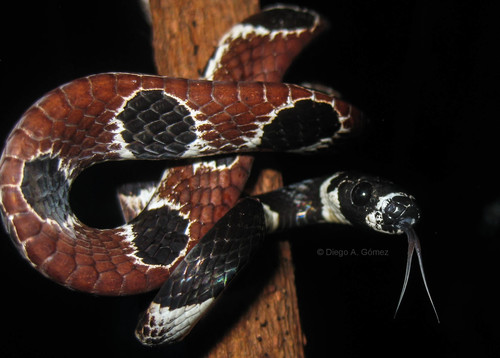






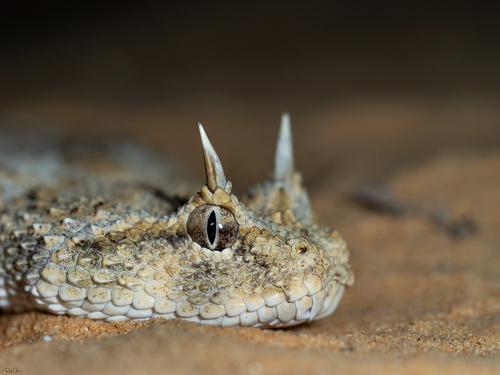


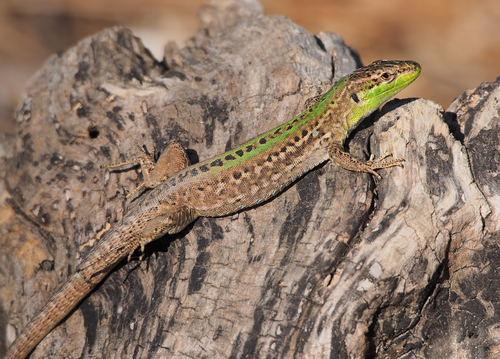


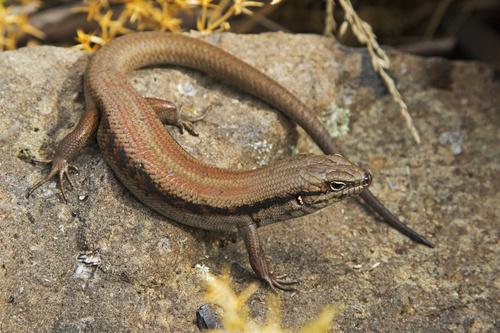


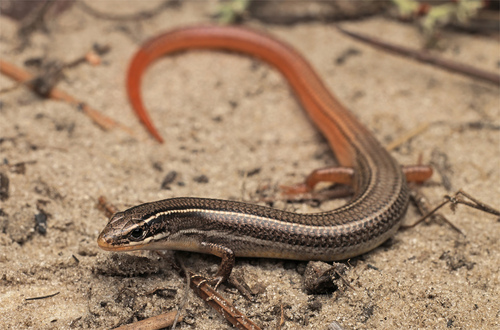



























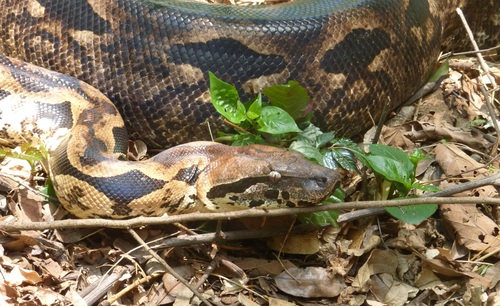


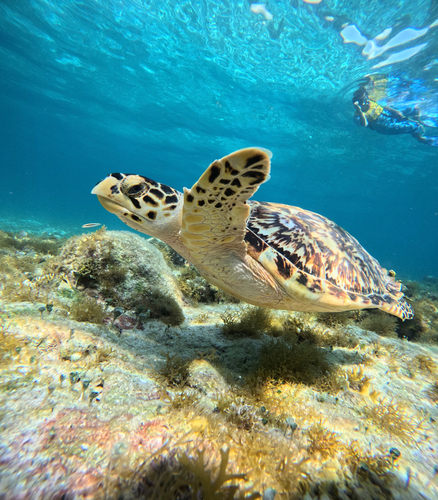


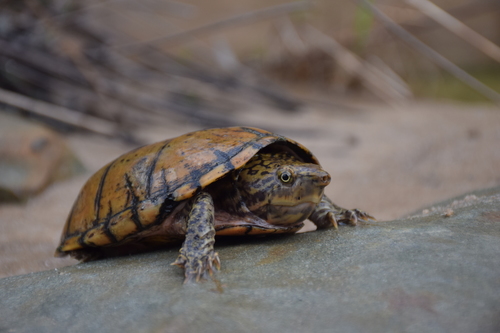


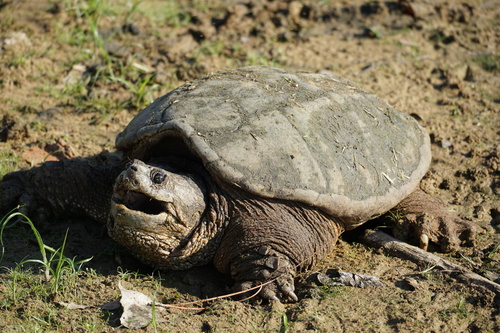


































































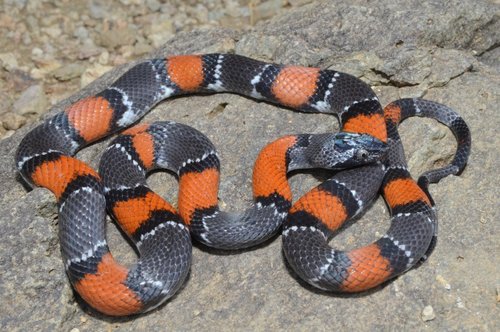

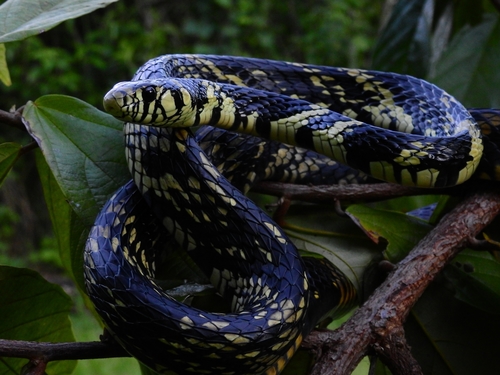


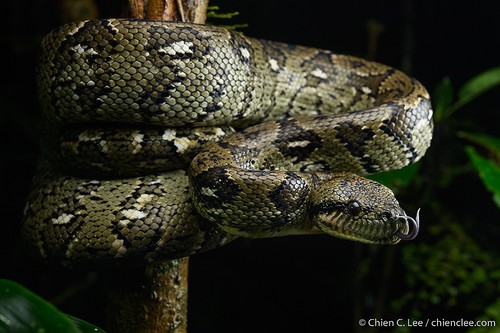
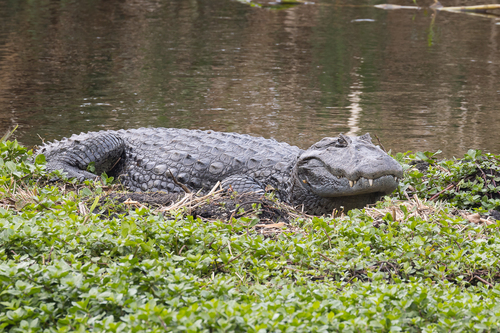











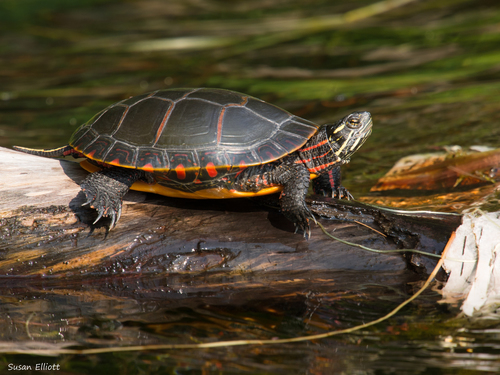

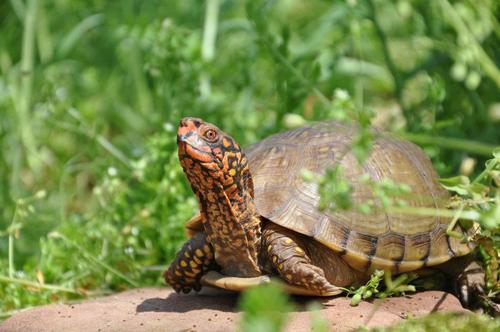

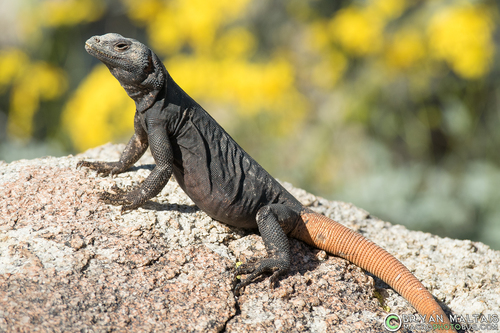
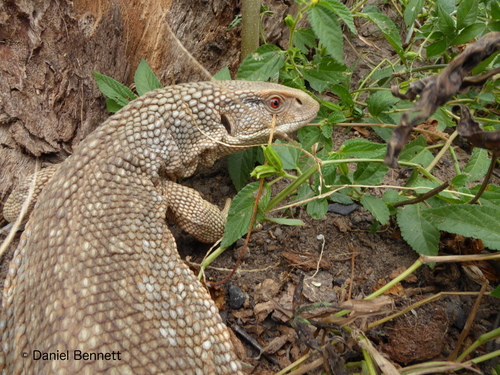
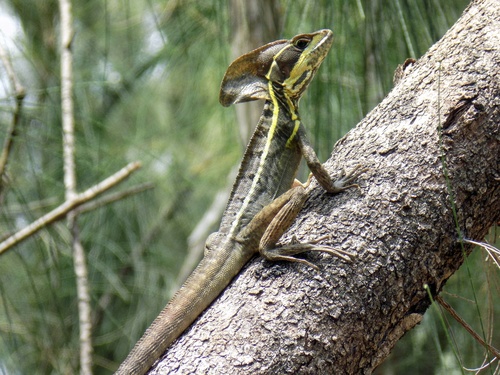
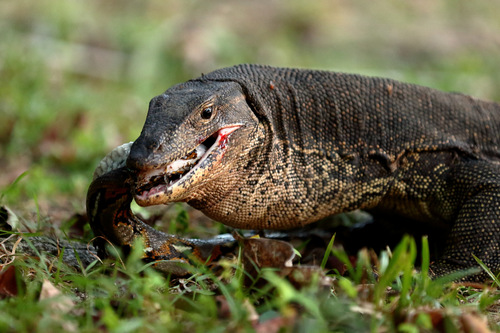


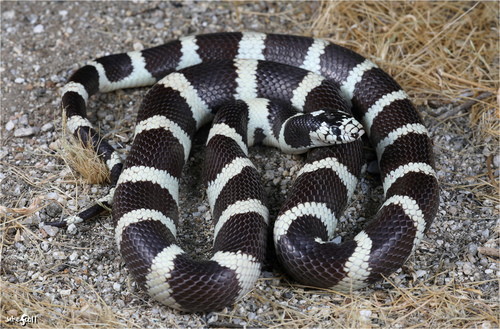
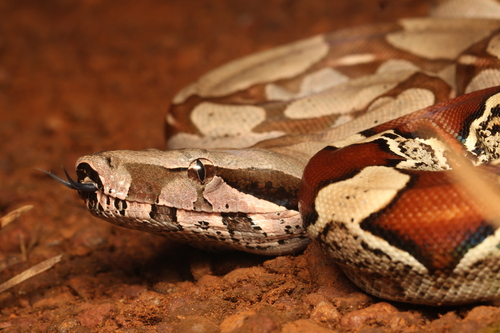





Seasonal Feeding Alerts
Current feeding schedules based on seasonal changes
Autumn
0 species
Spring
0 species
Feeding Dashboard
Bulk Import
Upload spreadsheets to quickly populate your species catalog and feeding logs
Reptile Species
Expected columns
common_name, scientific_name, category, natural_habitat, geographic_range, description, size, diet, image_url, conservation_status
Click to upload a CSV or Excel file
.csv, .xlsx, or .json supported
Feeding Logs
Expected columns
species_name, feeding_date, food_type, quantity, weight_grams, notes, completed
Click to upload a CSV or Excel file
.csv, .xlsx, or .json supported
Enrichment Guide
Practical activities, climbing structures, and mental-stimulation ideas to encourage natural behaviors across different reptile species.
36 enrichment ideas across 6 groups
Ground-dwelling Geckos
Leopard, African Fat-tailed, Frog-eyed
Terrestrial and nocturnal geckos that benefit from foraging, digging, and secure cover rather than vertical climbing.
Dig box
A corner of loose, safe substrate (organic topsoil/sand mix) for burrowing and thermoregulation.
Scatter feeding
Release live insects into the enclosure so the gecko tracks and hunts instead of being tong-fed.
Three-hide rotation
Warm dry, cool, and humid hides spaced across the thermal gradient.
Low cork & rock rubble
Sturdy low rocks and cork bark pieces create exploration routes and rubbing surfaces.
Slow / puzzle feeders
Insects in a covered dish or wobble feeder extend activity time and prevent rapid overeating.
Scent trails
Dragging a feeder along decor leaves scent paths that encourage nose-down searching.
Arboreal Geckos
Crested, Gargoyle, Day geckos, Leaf-tails, Tokay
Climbing specialists that thrive with varied vertical structure, elevated feeding, and humidity-driven activity.
Vertical cork & bamboo
Tall cork bark, bamboo, and diagonals encourage climbing, clinging, and patrolling.
Live & silk foliage
Broad-leafed plants and vines provide resting spots, camouflage, and jumping routes.
Elevated feeding ledges
Place CGD/nectar and insects on ledges at different heights to spread foraging across the enclosure.
Evening misting
Misting at dusk prompts drinking, raises humidity, and triggers natural hunting activity.
Foliage scatter feeding
Tuck small insects among leaves so the gecko stalks through the canopy.
Route rotation
Periodically reposition branches and foliage to create novel climbing paths.
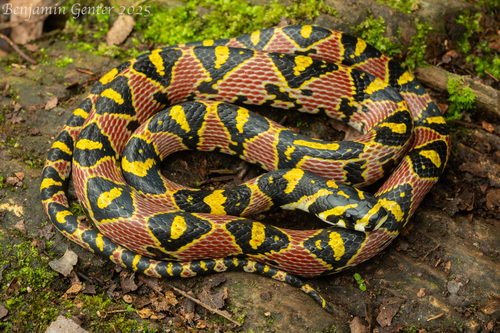
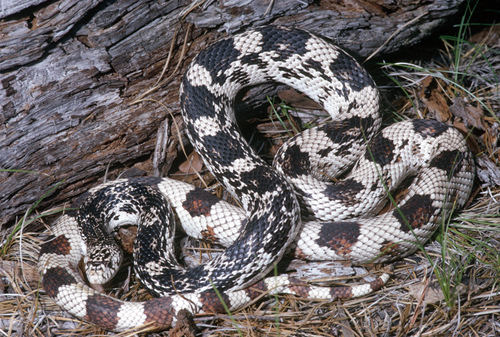
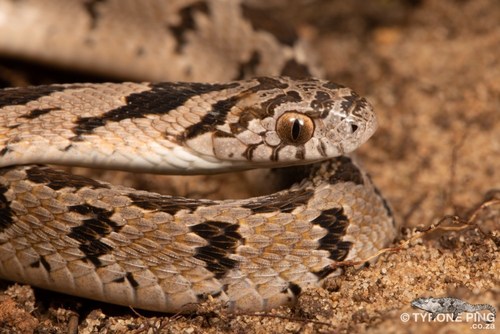
Snakes
Colubrids, pythons, boas, sand boas
From ground-dwelling colubrids to arboreal pythons — enrichment centers on hides, climbing, scent-based foraging, and substrate choice.
Multiple secure hides
At least two snug hides (warm and cool) plus a humid hide to reduce stress and aid shedding.
Climbing for arboreal species
Sturdy branches and vines for tree pythons, tree boas, and arboreal colubrids; skip for heavy ground snakes.
Scent trails
Warm a thawed feeder and drag it along decor to create a scent path for tracking.
Cluttered ground
For ground snakes, add fake plants and cork pieces so movement feels secure rather than exposed.
Burrowable substrate
Aspen or a safe soil mix lets fossorial snakes tunnel and self-regulate.
Soaking dish
A sturdy water dish large enough to soak supports hydration and shedding.
Lizards
Bearded dragons, skinks, monitors, chameleons
Active, often diurnal lizards that benefit from basking variety, digging, climbing, and foraging puzzles.
Basking platforms & gradients
Stacked rocks and branches create varied basking heights and a broad thermal gradient.
Climbing structure
Sturdy branches and cork for monitors and chameleons; ensure stability for heavy-bodied species.
Scatter & salad presentation
Scatter insects and offer greens in different spots/times to extend feeding activity.
Feeder puzzles
Rock bowls or wobble feeders slow down eager feeders and add problem-solving.
Dig opportunity
A dig area of safe substrate satisfies skinks' and monitors' burrowing instincts.
Full-spectrum basking variety
Varied UV and heat zones let lizards self-regulate exposure and activity.
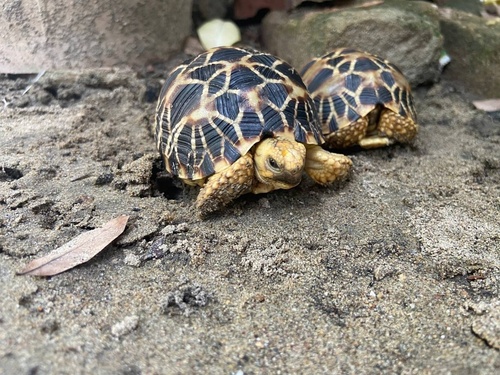
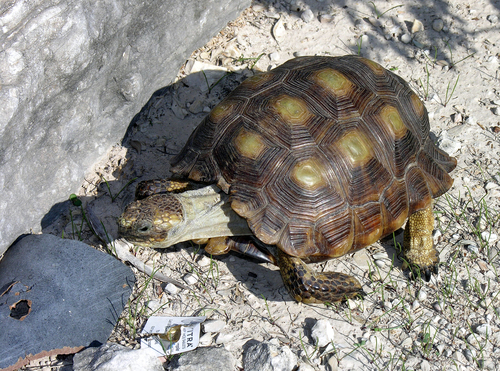
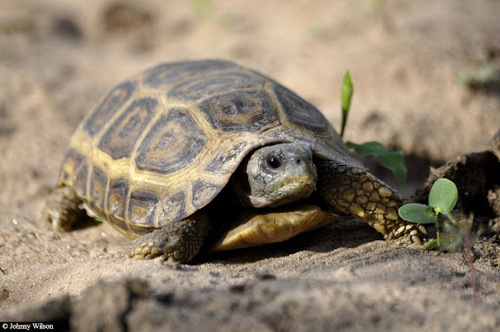
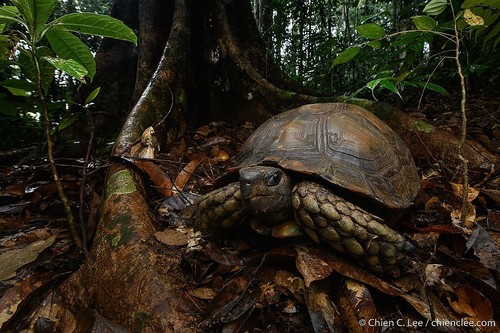
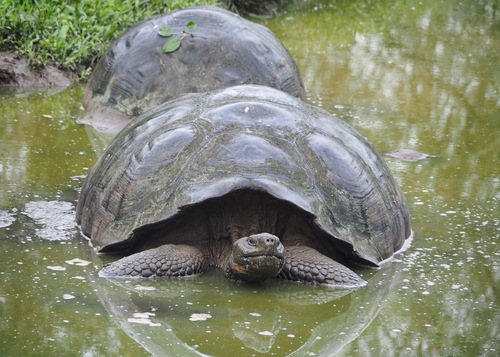
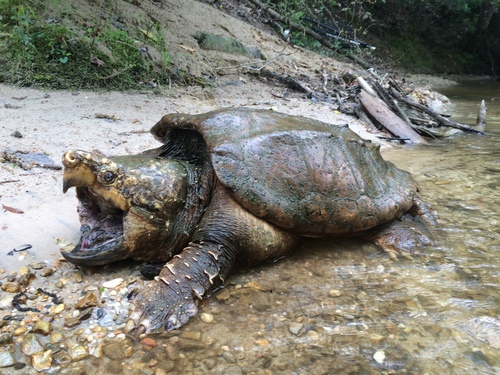
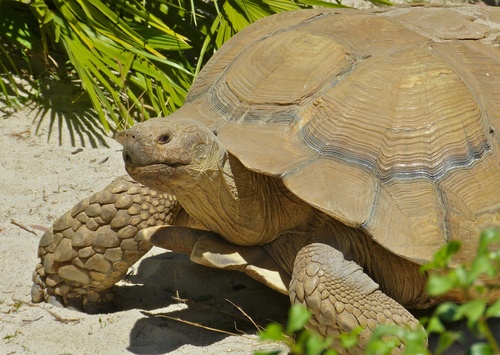
Turtles & Tortoises
Box turtles, tortoises, aquatic turtles
Grazers, walkers, and swimmers — enrichment comes from terrain, foraging, and space to roam.
Grazing & weed foraging
Plant or offer safe weeds, grasses, and flowers across the enclosure for natural browsing.
Terrain variety
Hills, flat zones, and varied substrates encourage walking and limb exercise.
Hides & shade
Multiple shelters and shaded spots for thermoregulation and security.
Soaking water
Shallow clean water for aquatic turtles to swim and tortoises to soak.
Scatter feeding
Spread food instead of a single pile to encourage movement and searching.
Obstacle browsing
Place food at varying heights/locations to prompt climbing, stretching, and exploration.
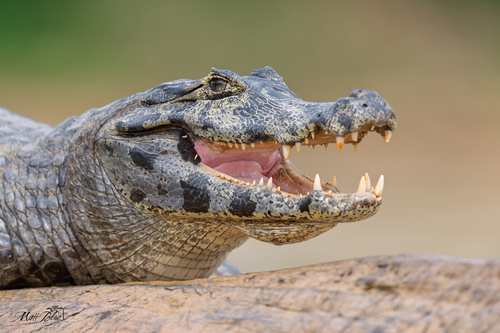
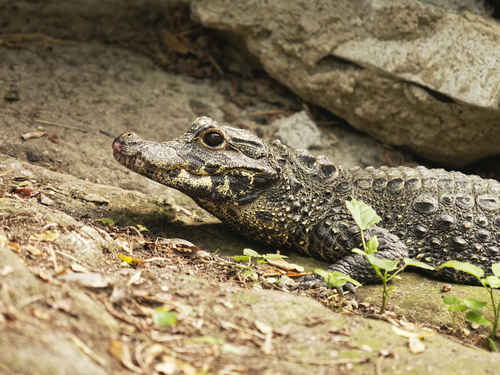
Crocodilians
Caimans, dwarf crocodiles (captive-appropriate species)
Semi-aquatic ambush predators — enrichment centers on water features, basking, and target-based interaction.
Varied water depth
Deep areas for swimming and shallow shelves for resting support natural posture and movement.
Basking platforms
Sturdy dry platforms under heat/UV for thermoregulation and digestion.
Gentle water movement
Low current or aeration adds sensory variety and encourages active swimming.
Varied prey presentation
Offer food at different spots and in the water to promote searching and ambush behavior.
Target training
Use a target stick to cue feeding and basic handling — builds trust and mental engagement.
Hiding cover
Submerged and dry cover reduces stress and lets the animal choose its exposure.
A few ground rules
Introduce changes gradually, sanitize any natural items (bake cork bark, rinse branches), and avoid enrichment that could cause impaction, entanglement, or escapes. When in doubt, match enrichment to the species' natural history — arboreal climbers climb, ground snakes burrow.