The Reptile Atlas
Explore the world's reptile species — snakes, lizards, turtles, crocodilians, and more. Discover their habitats, diets, and seasonal feeding guides.
Massive thanks to everyone who has visited the site almost 8k and I really hope it helps yinz out. Google play store app in the works!!!!!
Seasonal Feeding Alerts
Northern Hemisphere
Autumn
443 species
Southern Hemisphere
Spring
271 species
Current feeding schedule changes
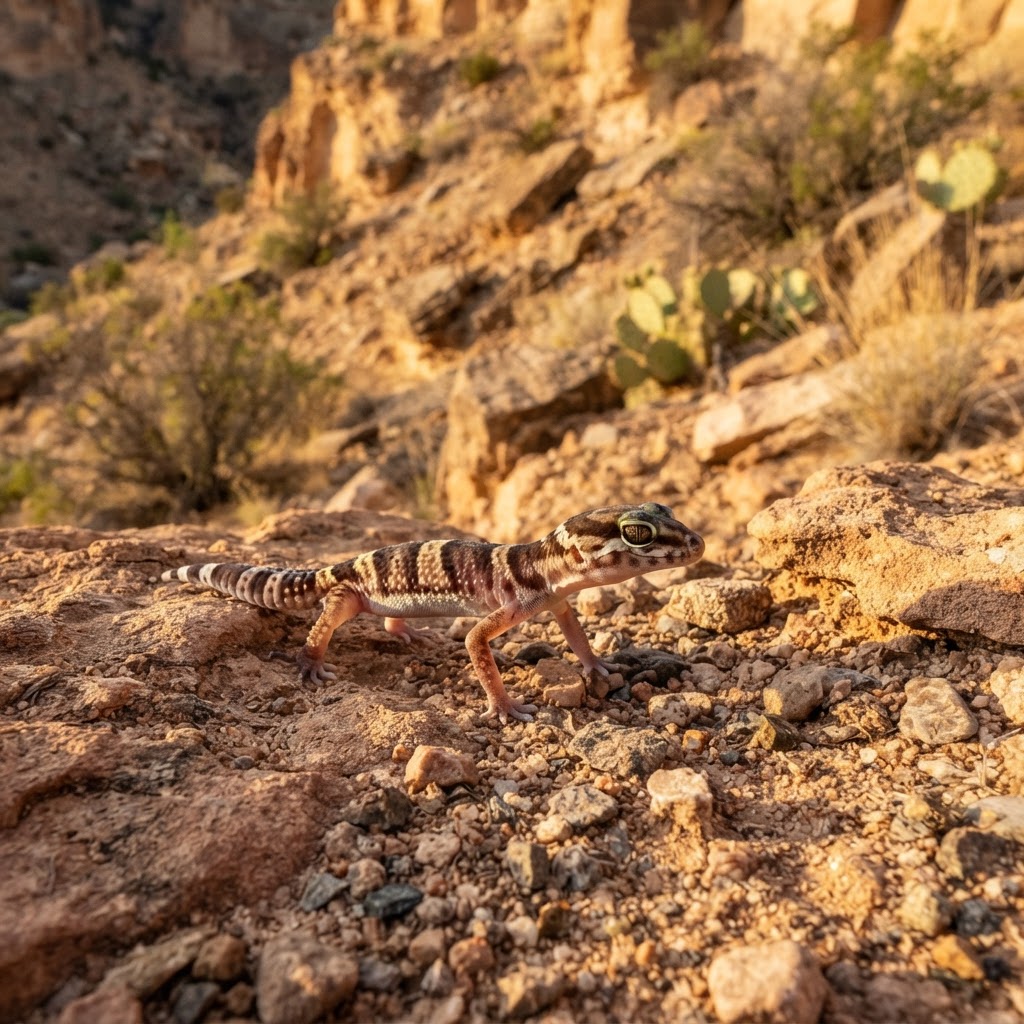
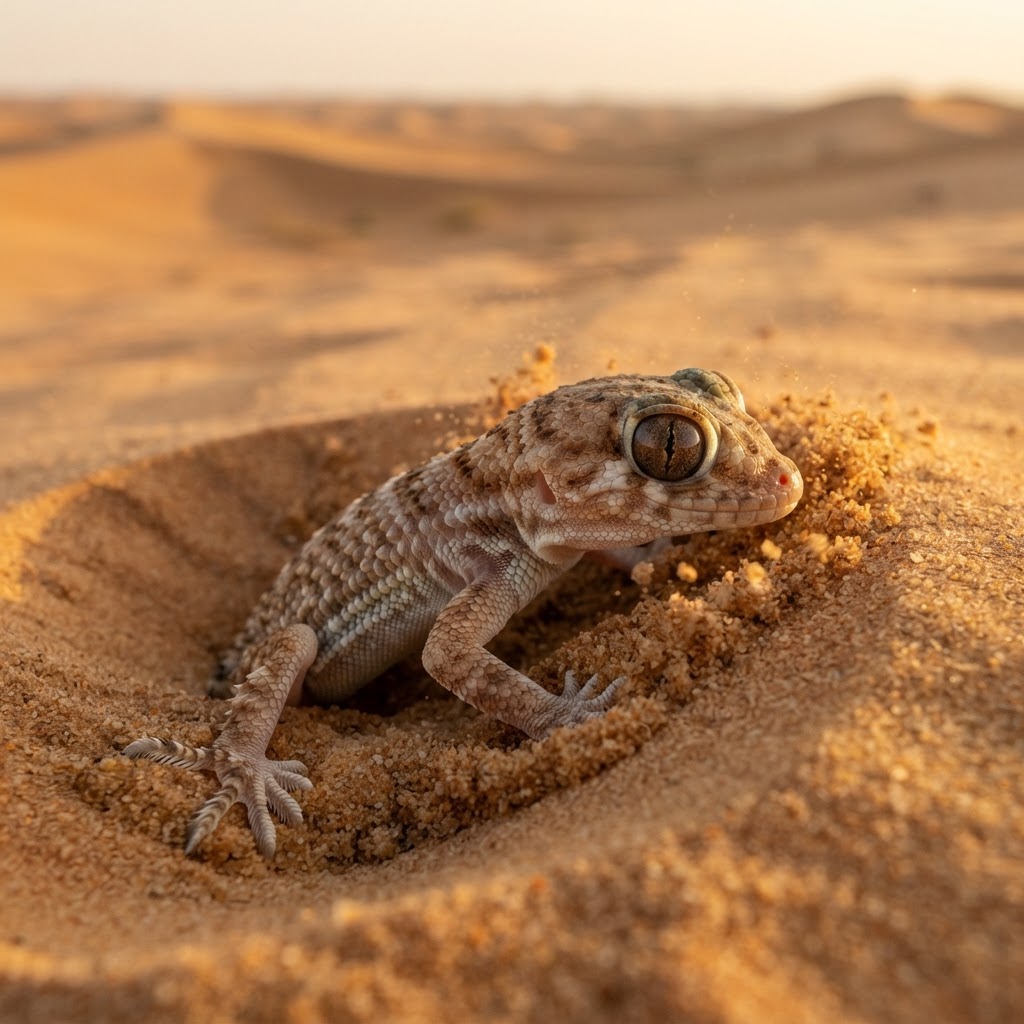
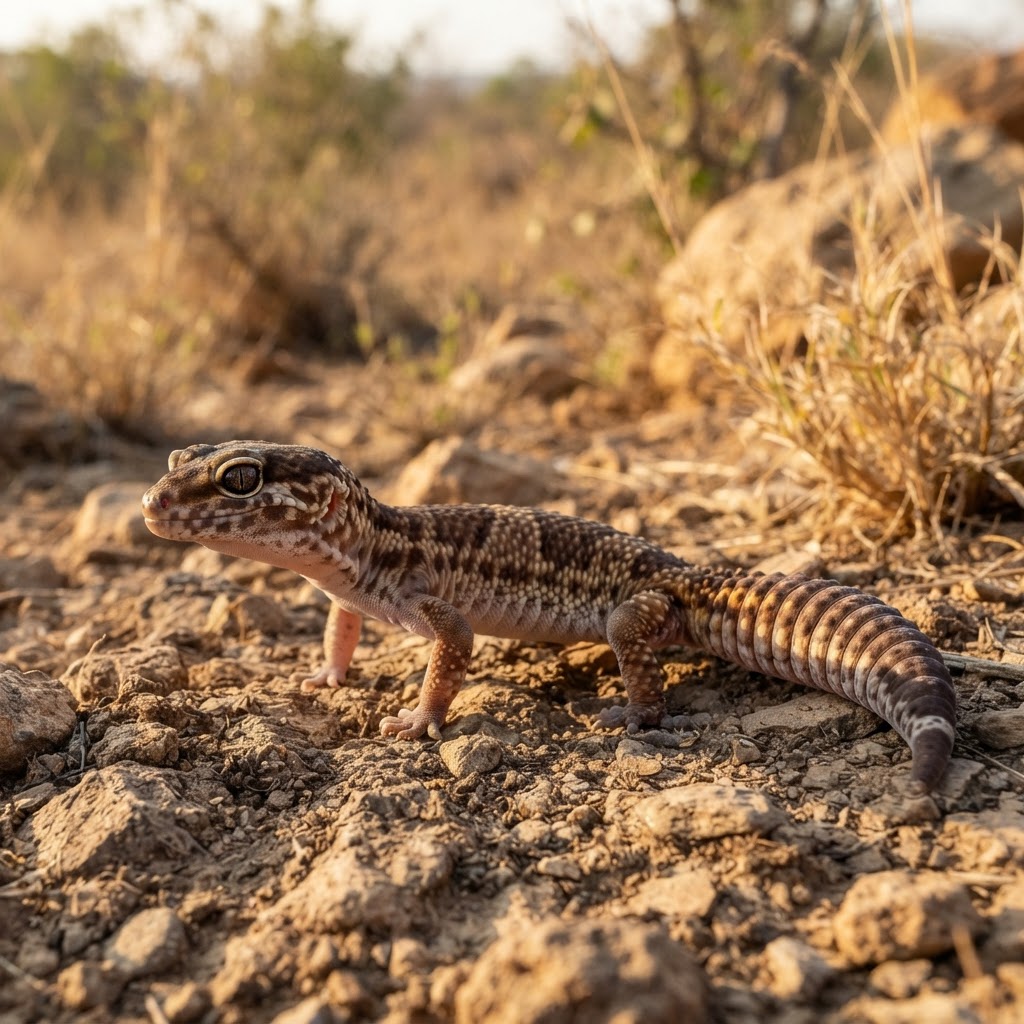
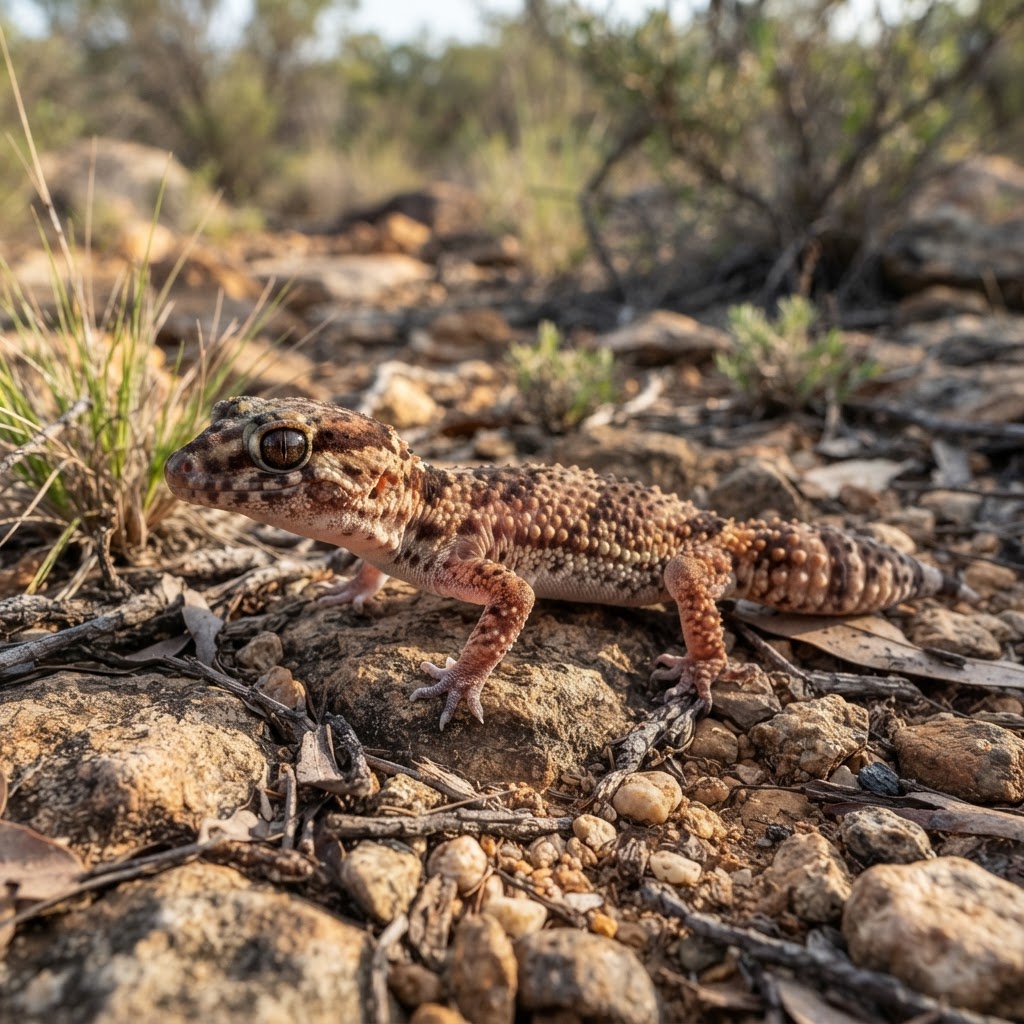
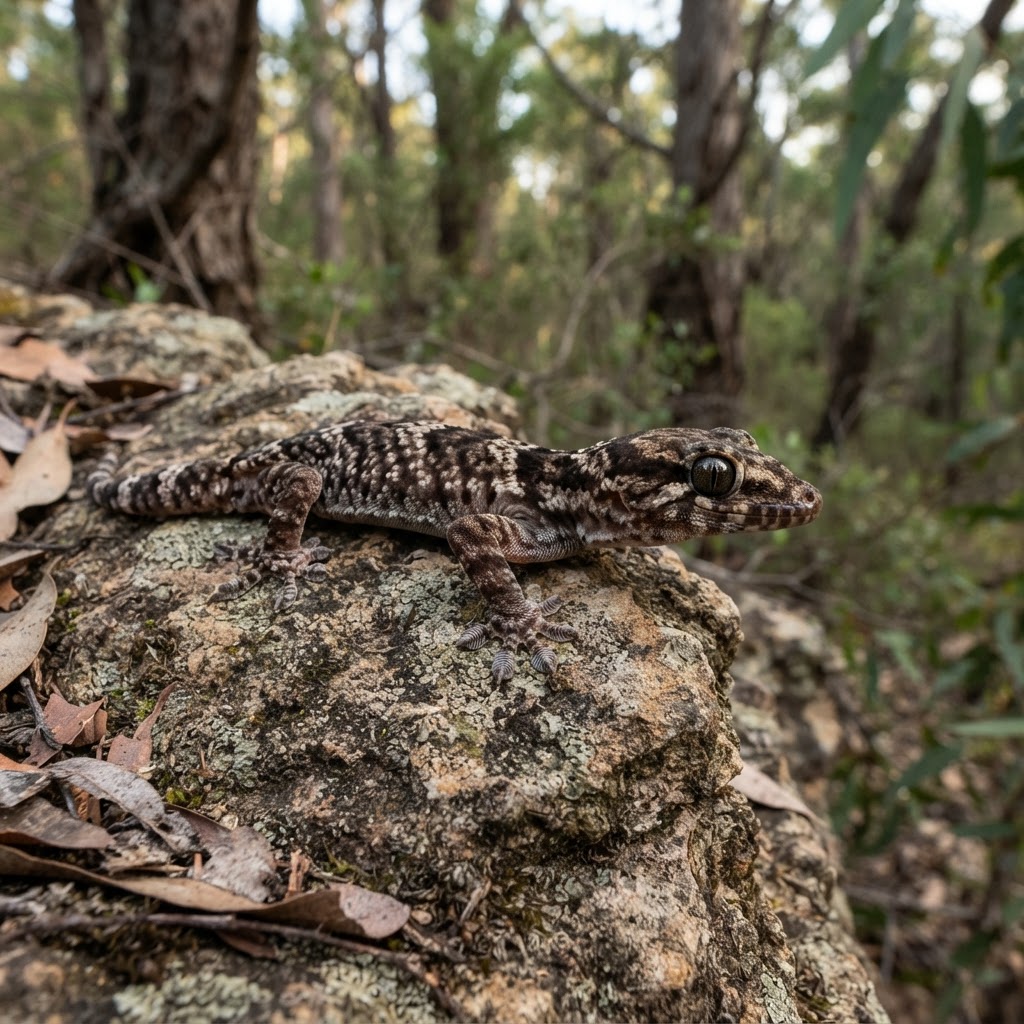
🍂Afghan Leopard Gecko
Autumn: Maintain feeding to build tail fat reserves ahead of winter; 2–3 times per week.
Waxworms & Butterworms
Autumn: Continue cool storage. Monitor for pupation and remove moths.
Silkworms
Autumn: Continue feeding as larvae approach pupation. Maintain clean, dry enclosures.
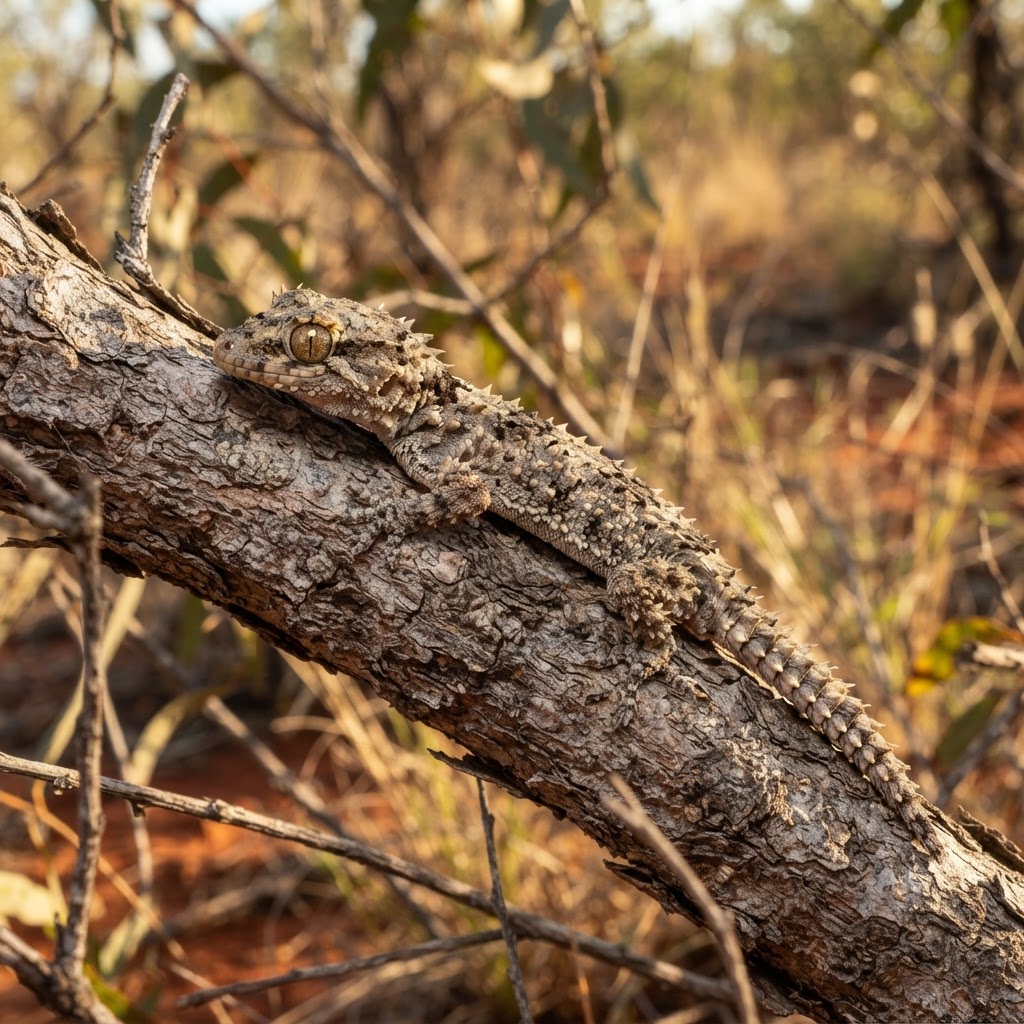
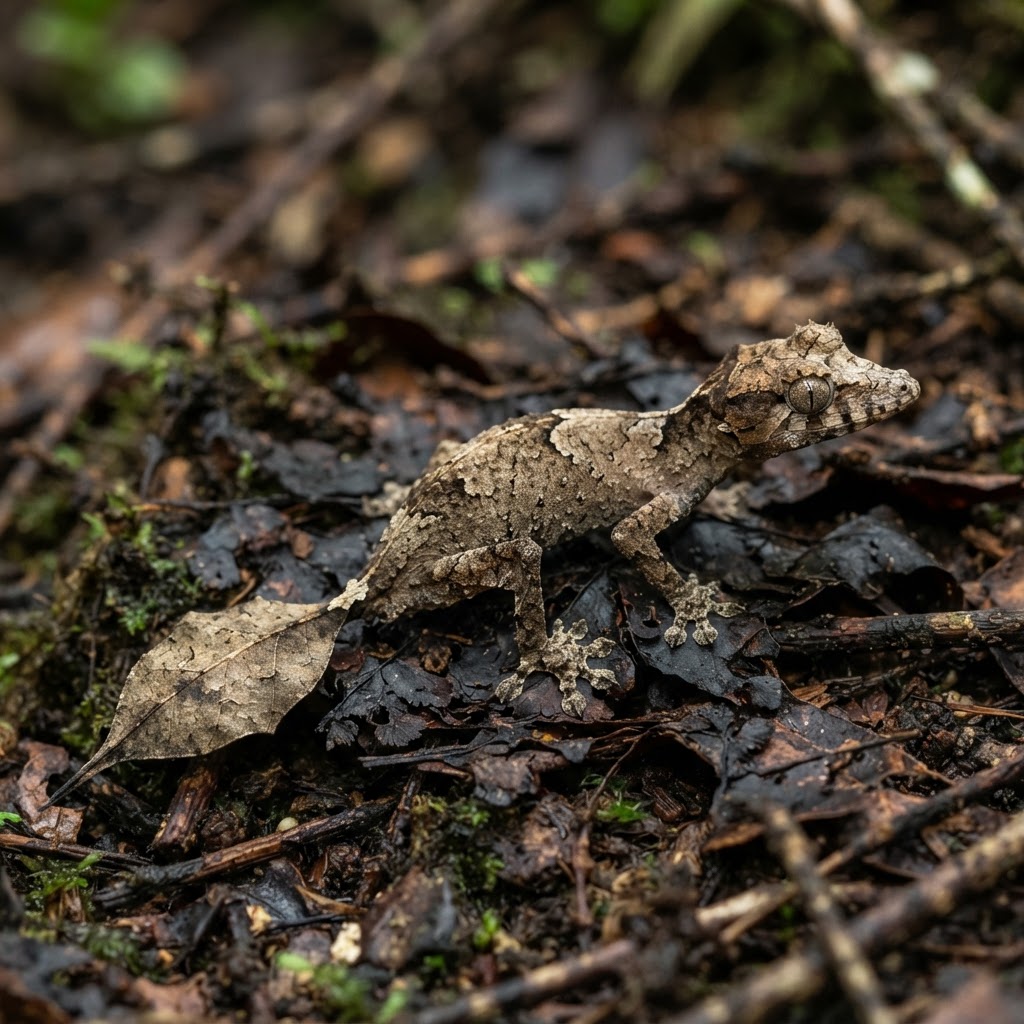
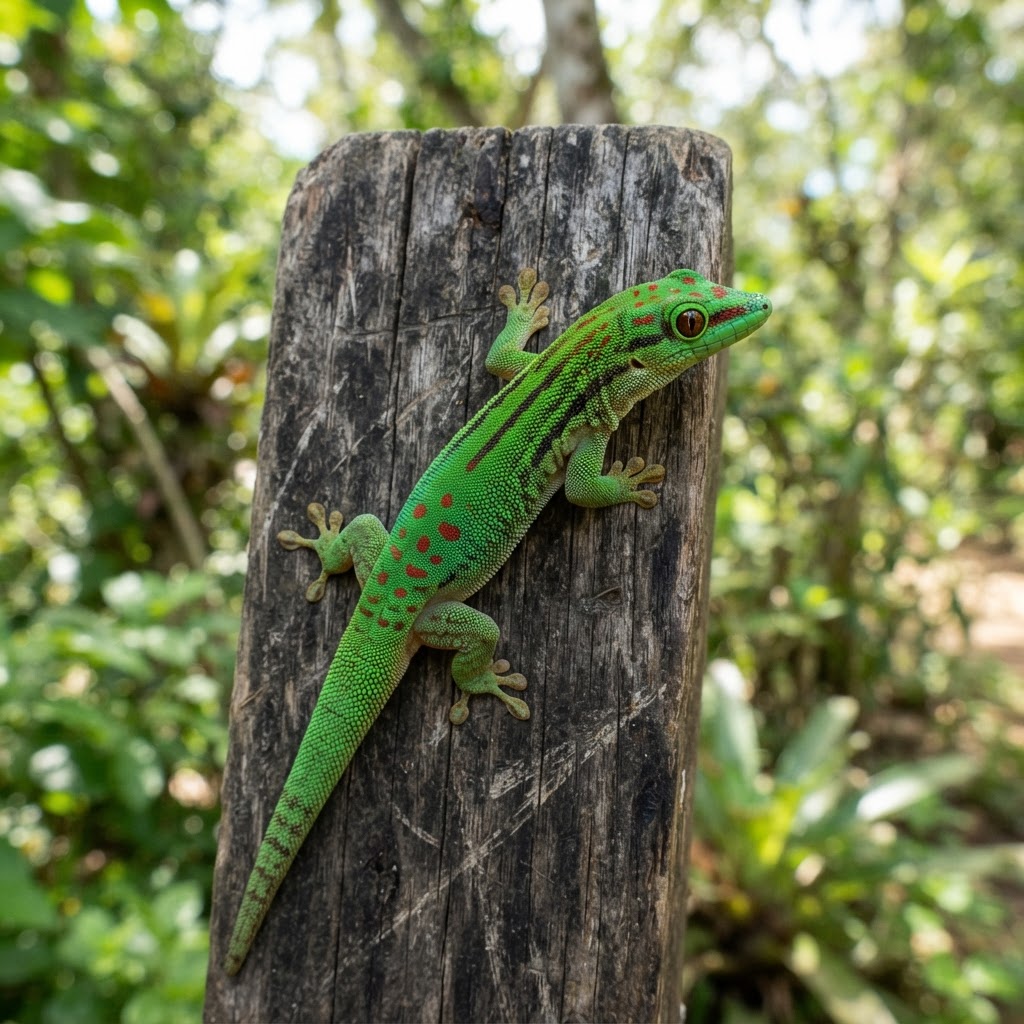
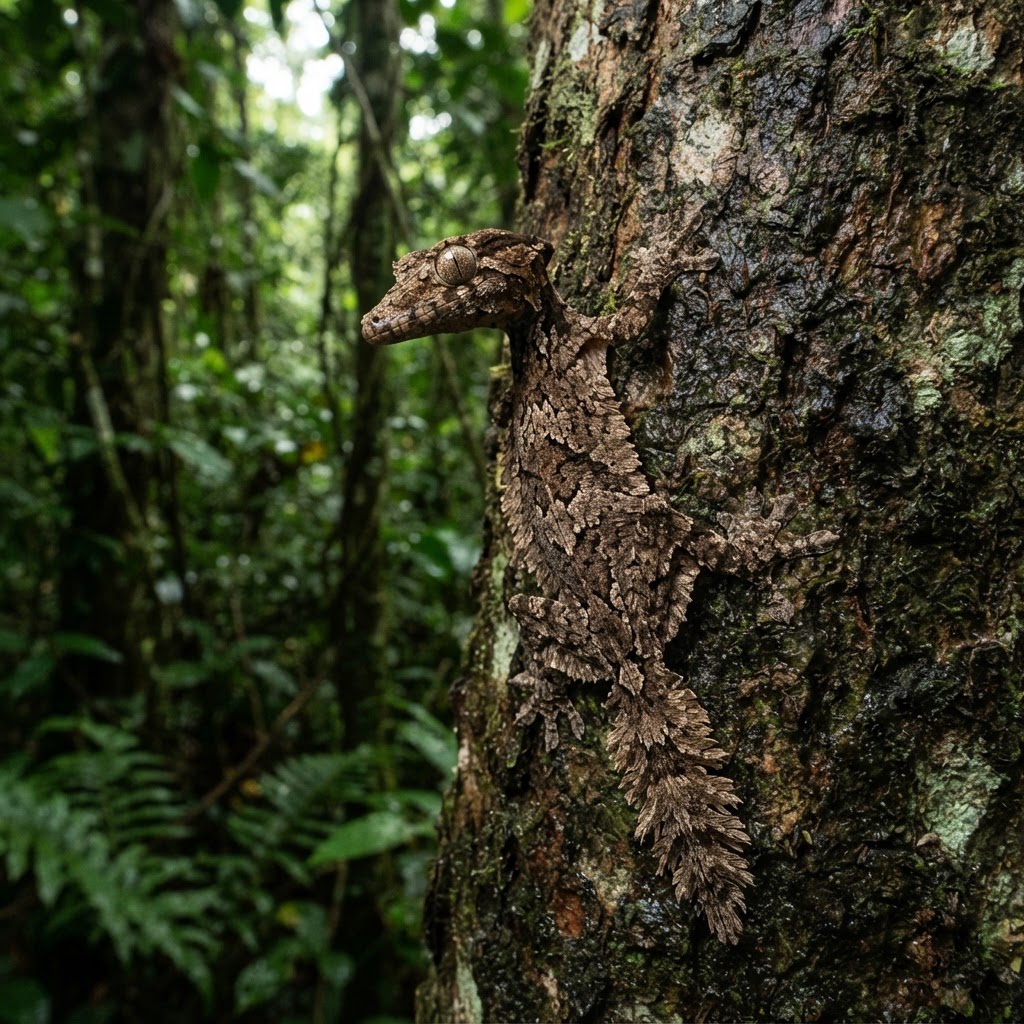
Henkel's Leaf-tailed Gecko
Spring: Increase feeding as temperatures warm; offer appropriately sized insects 3–4 times per week, dusted with calcium.
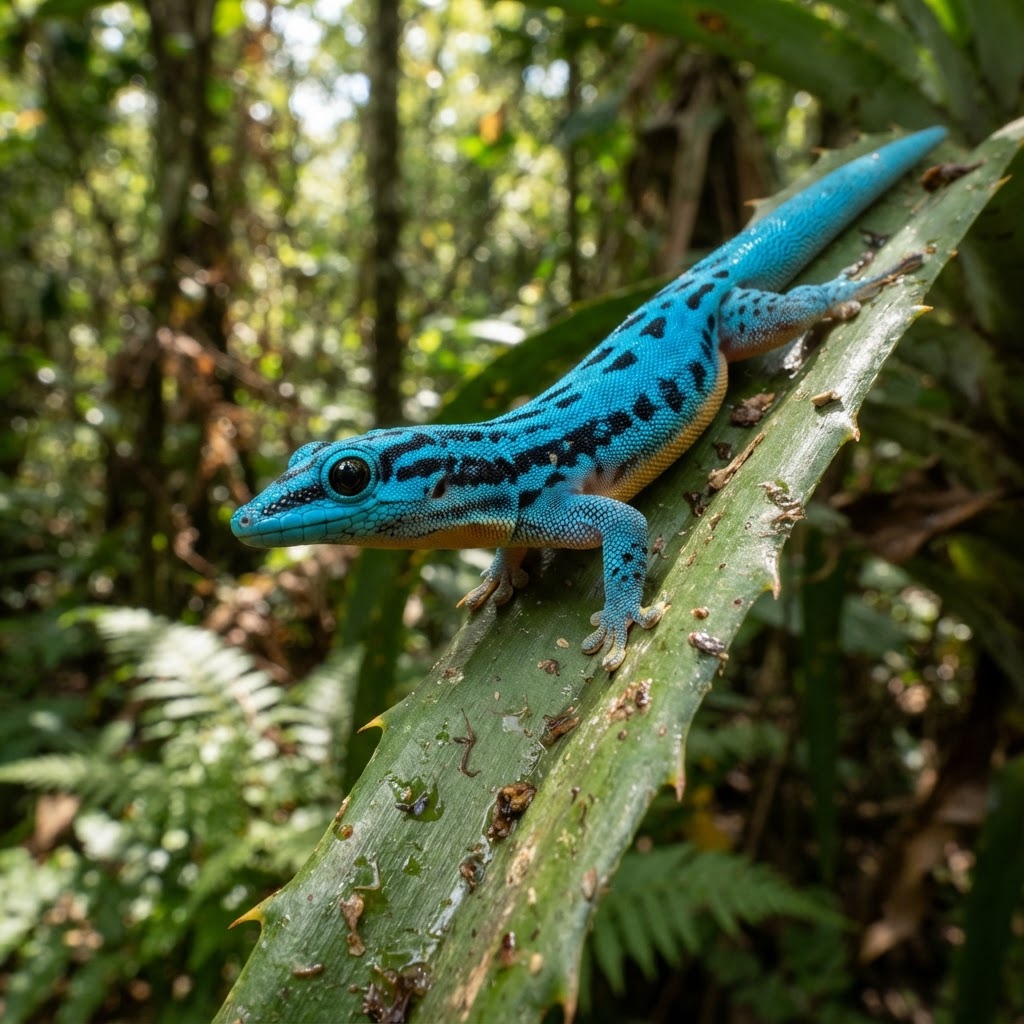
Sorah Leaf-tailed Gecko
Spring: Increase feeding as humidity rises; offer small insects 3–4 times per week with calcium dusting.
Log in to unlock your personal collection page, feeding logs, breeding tracking, calendar sync, and more features. Fixing Google login issues — you can still log in by registering.
Showing 704 species · 3 sub-species


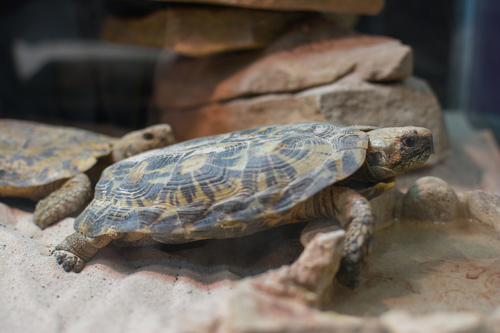
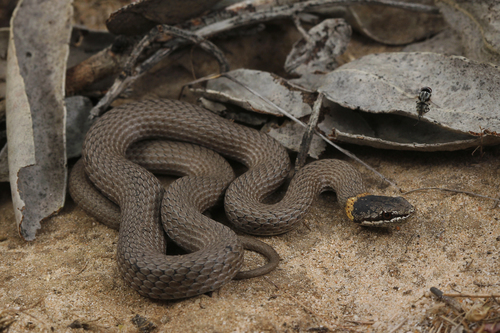
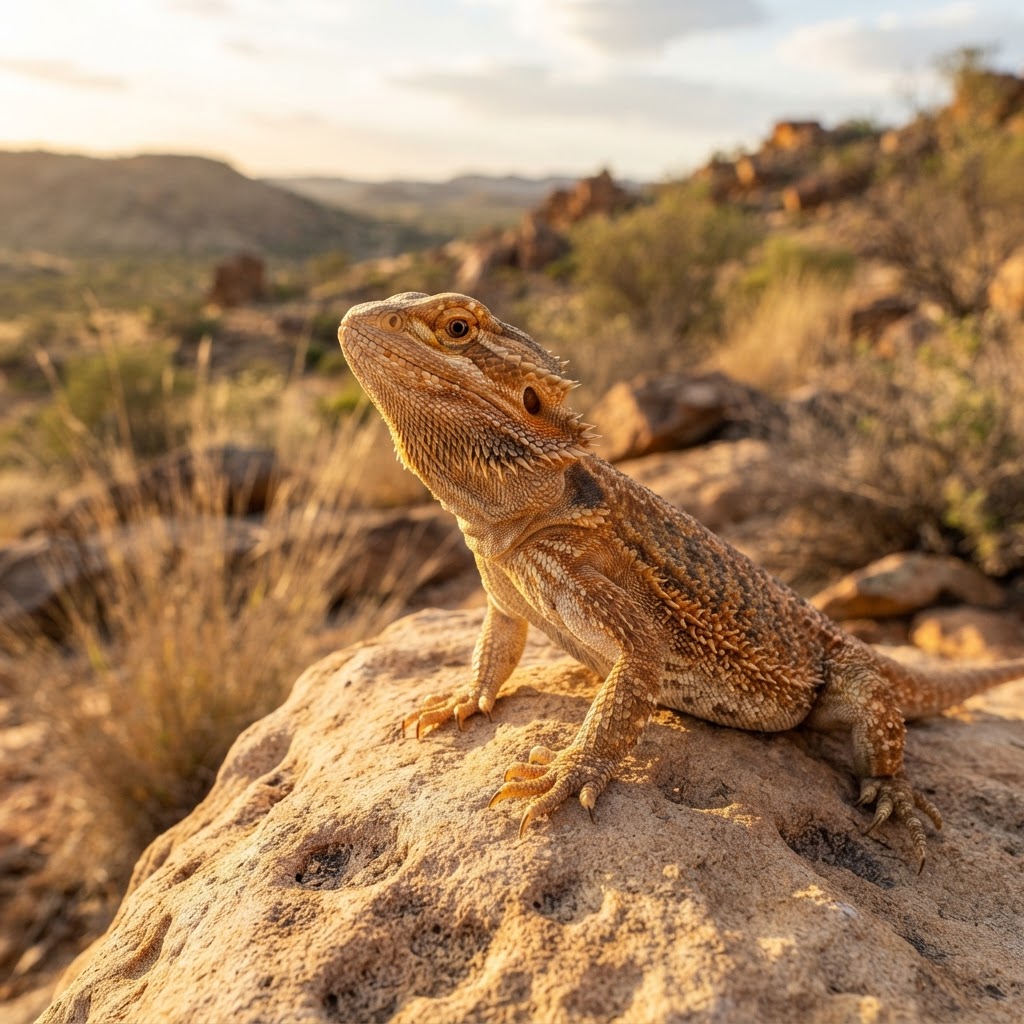
%20male.jpg)
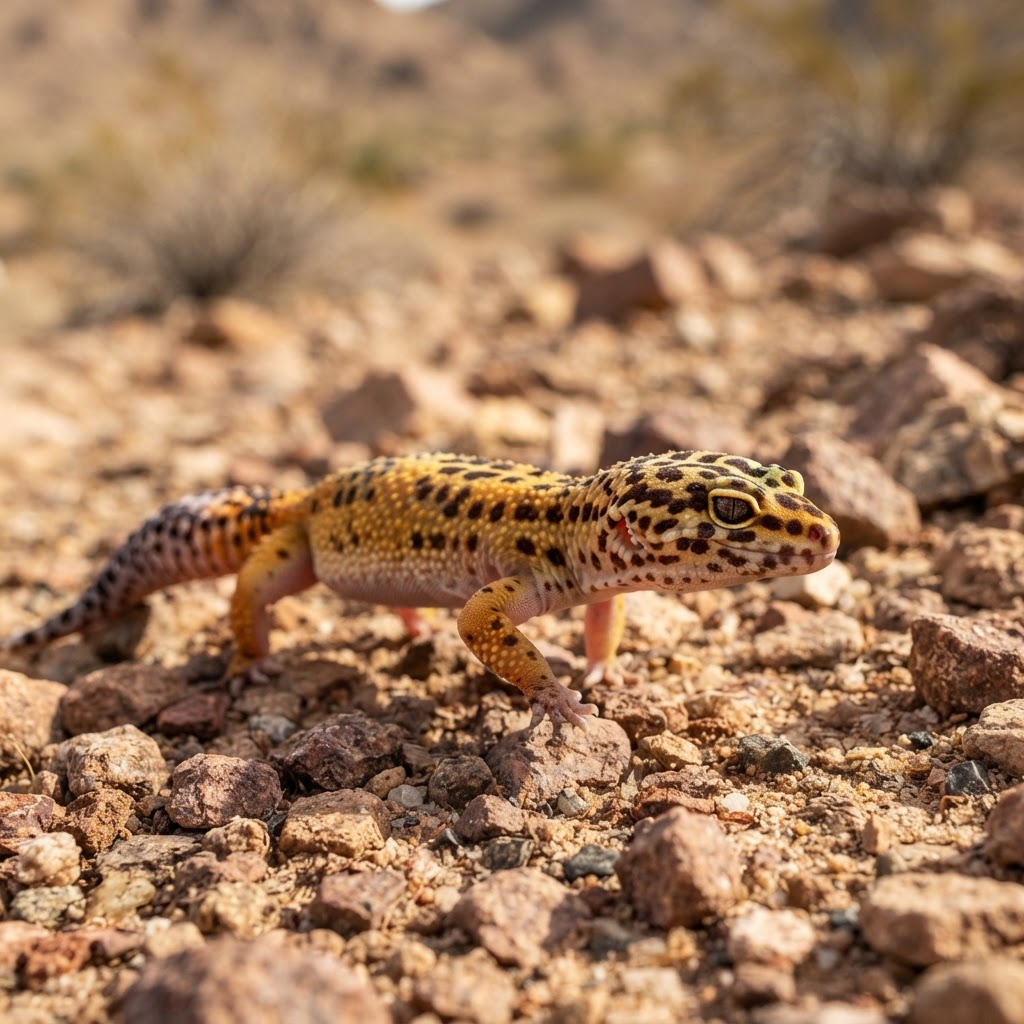
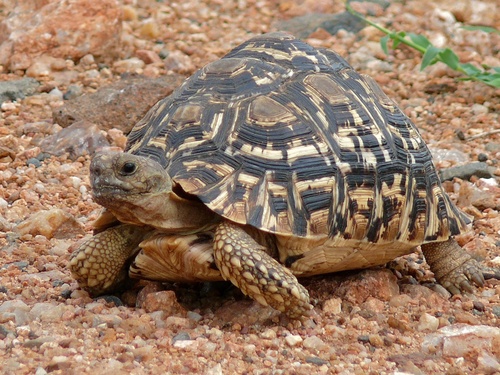
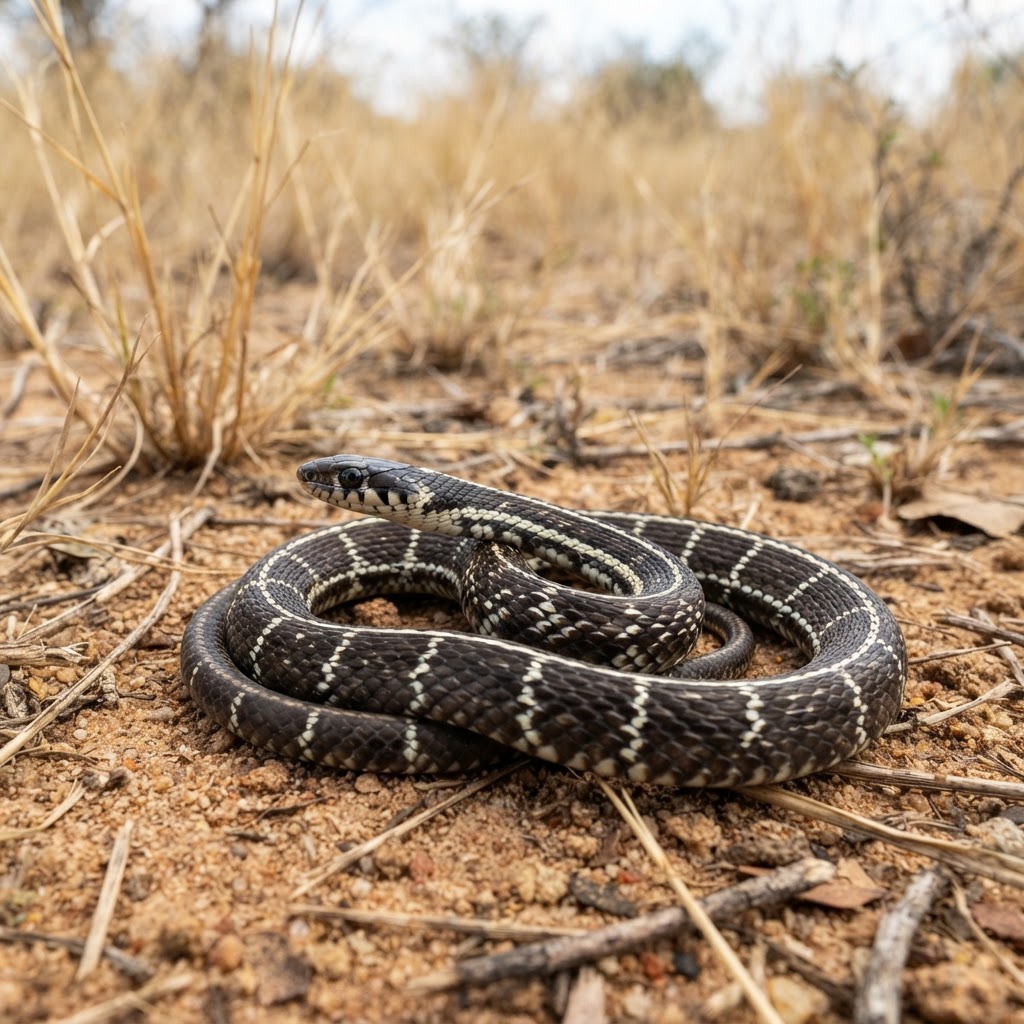
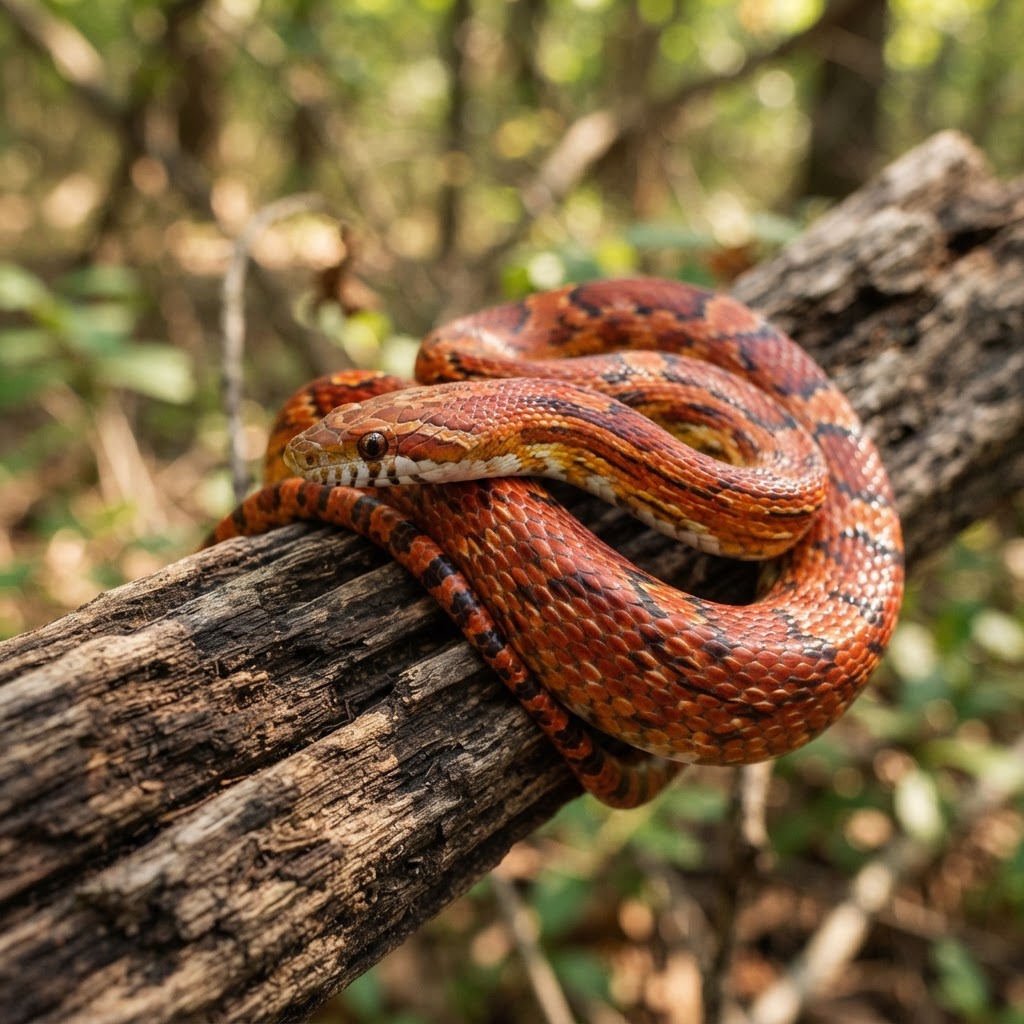
.jpg)
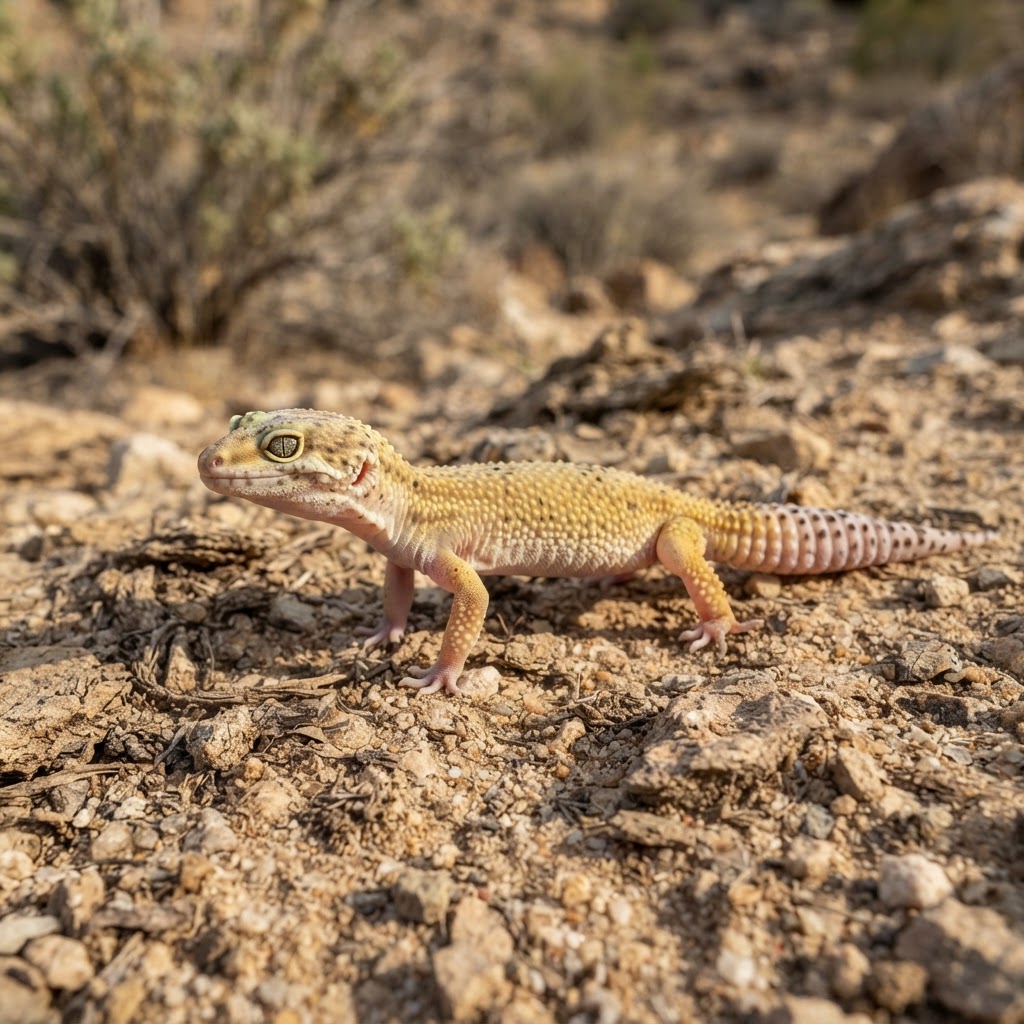
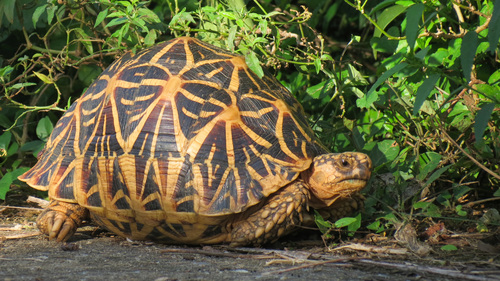
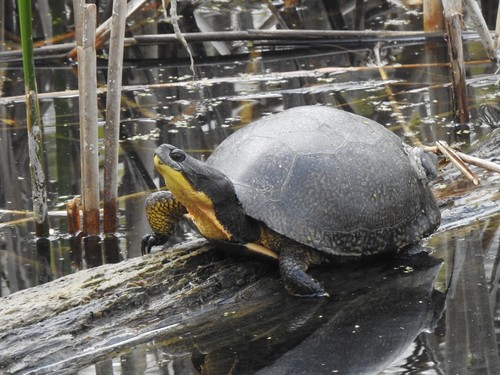
%20(10106331165).jpg)
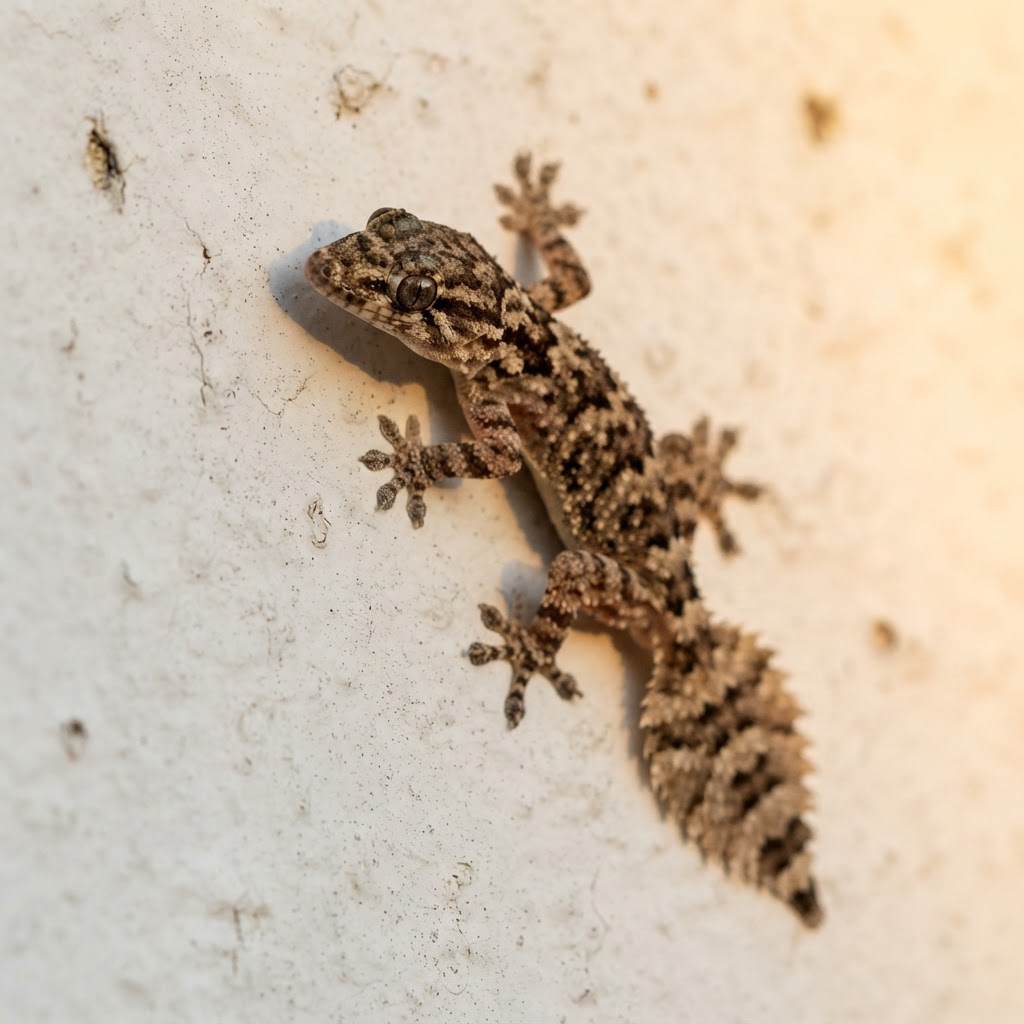
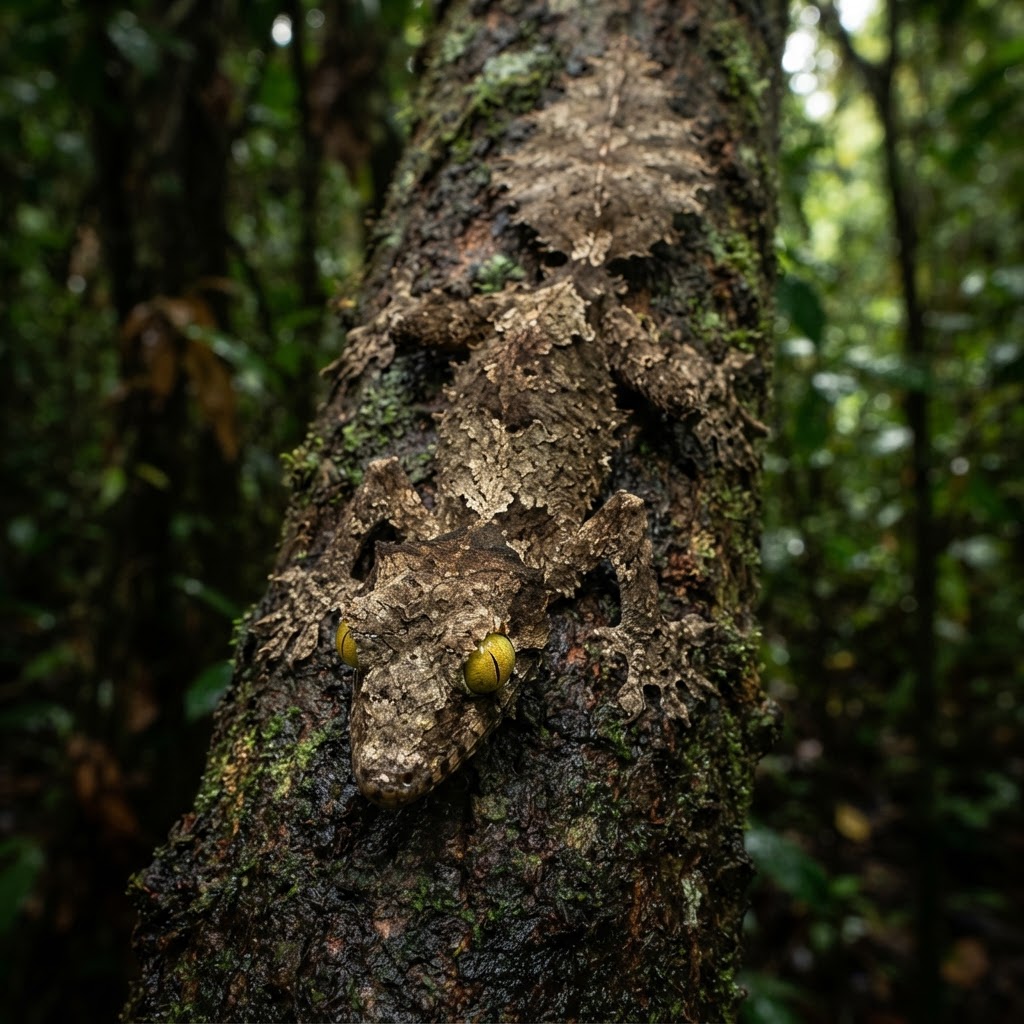
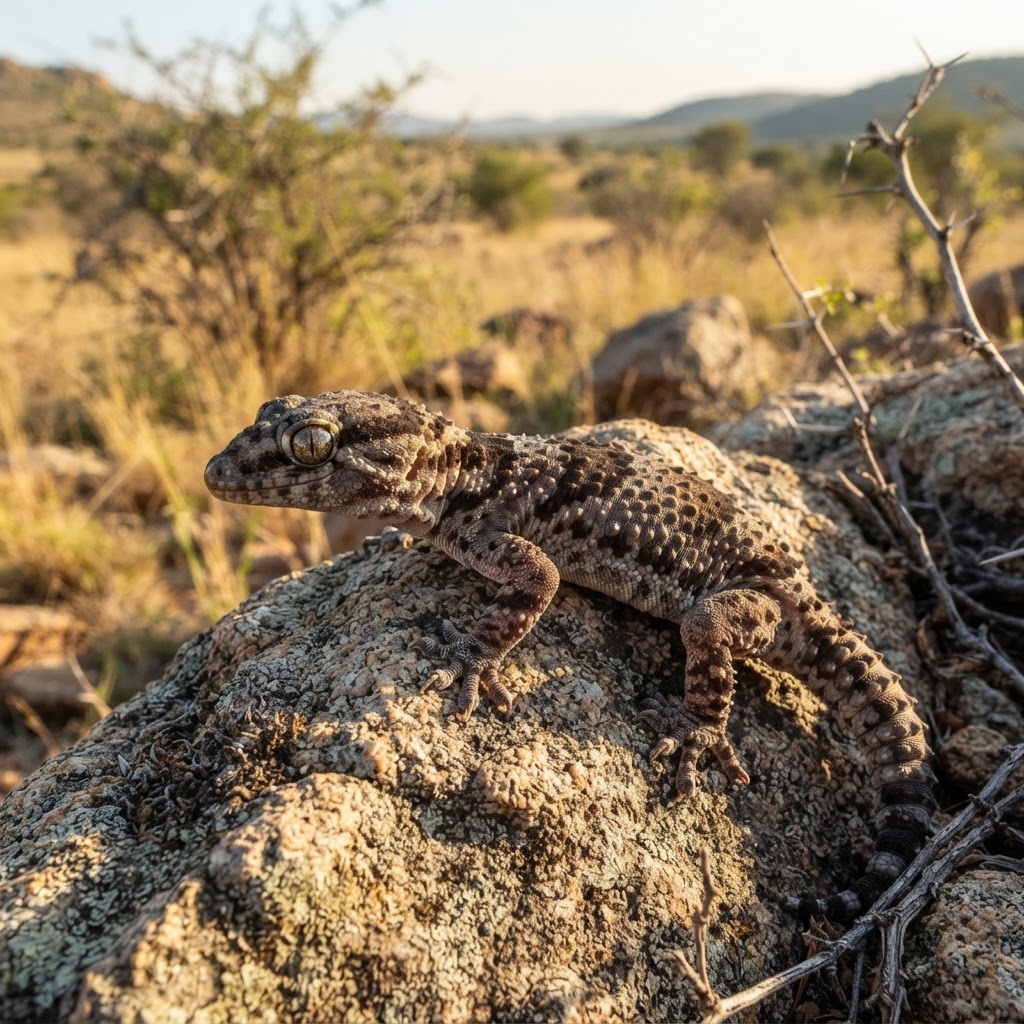
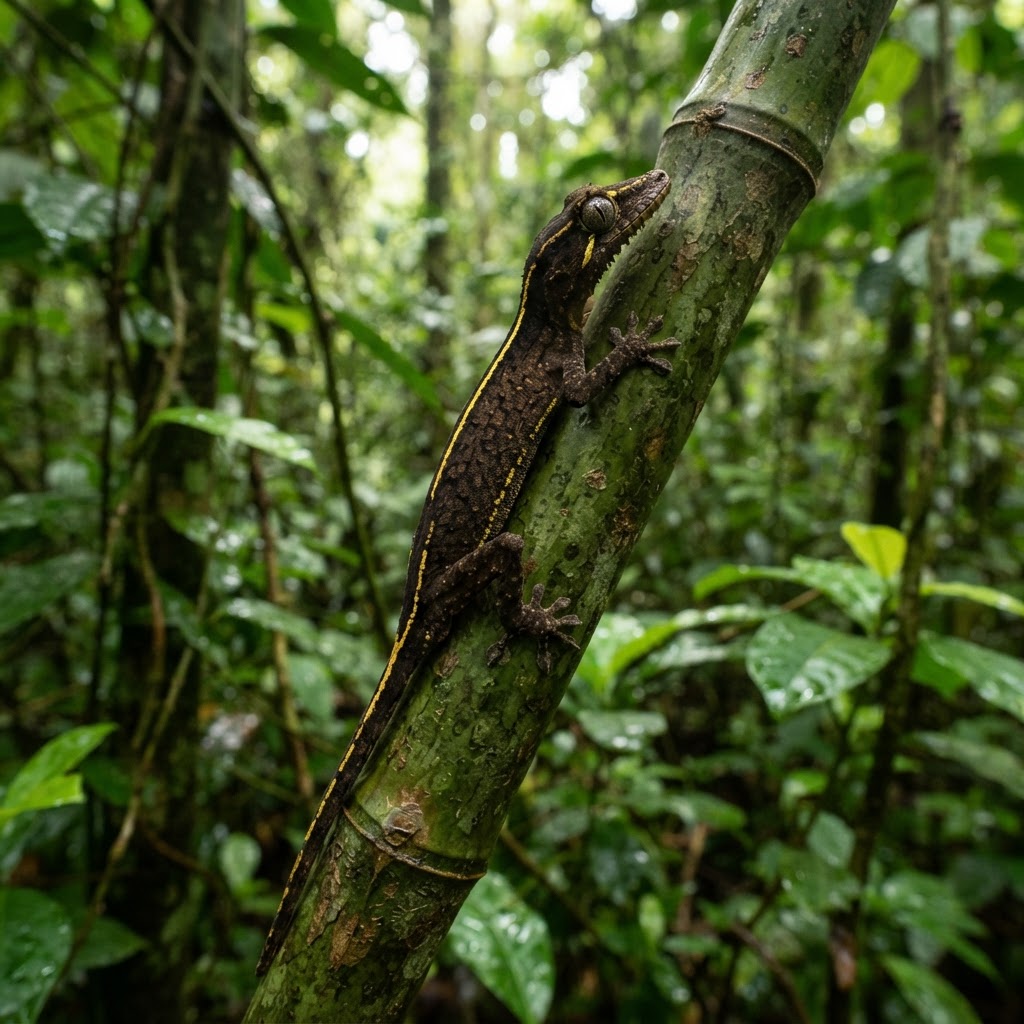



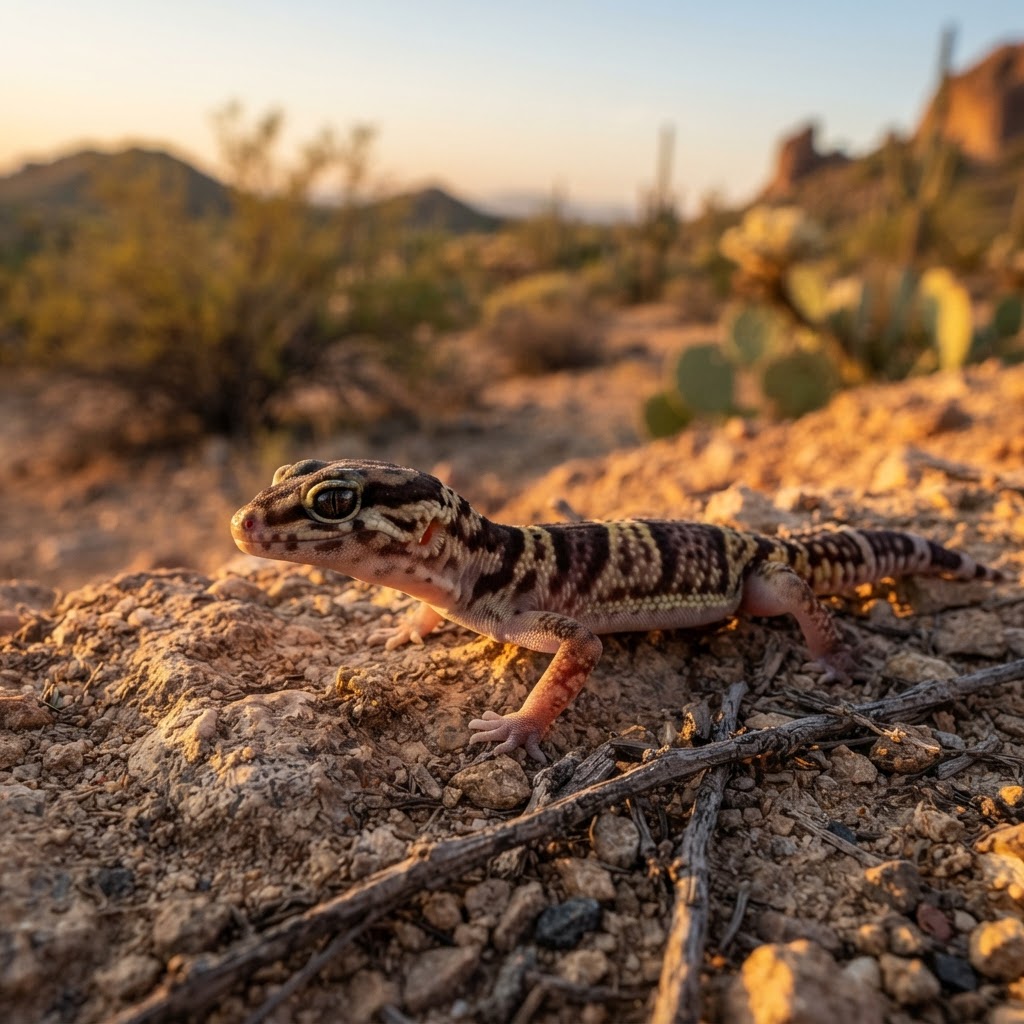

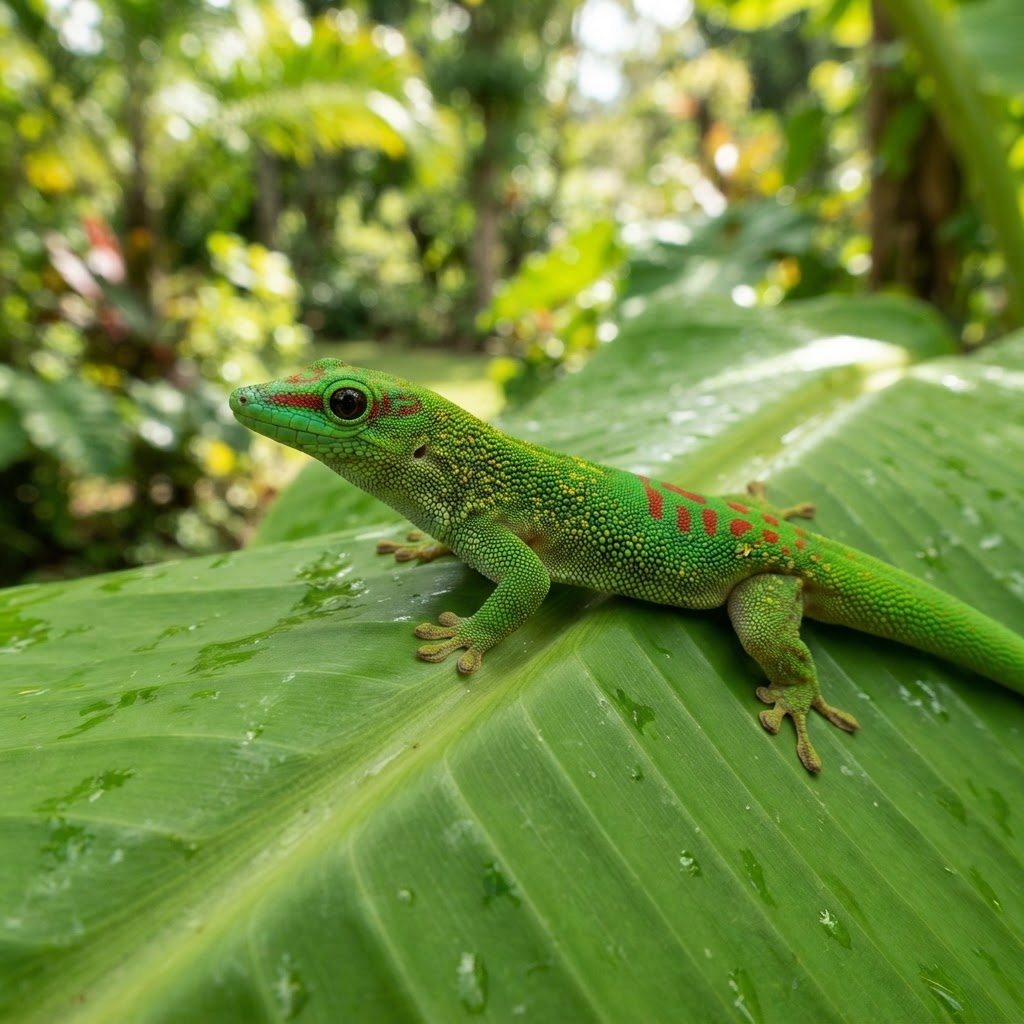
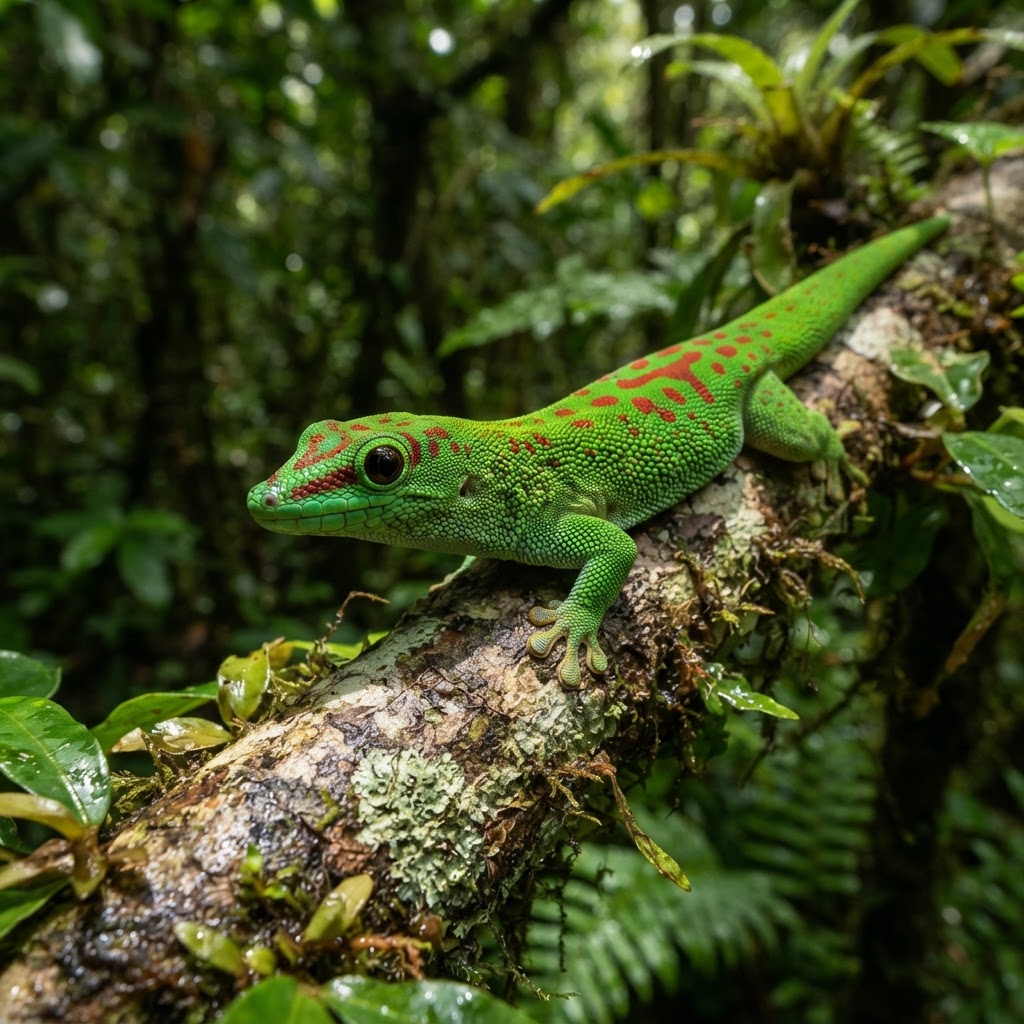
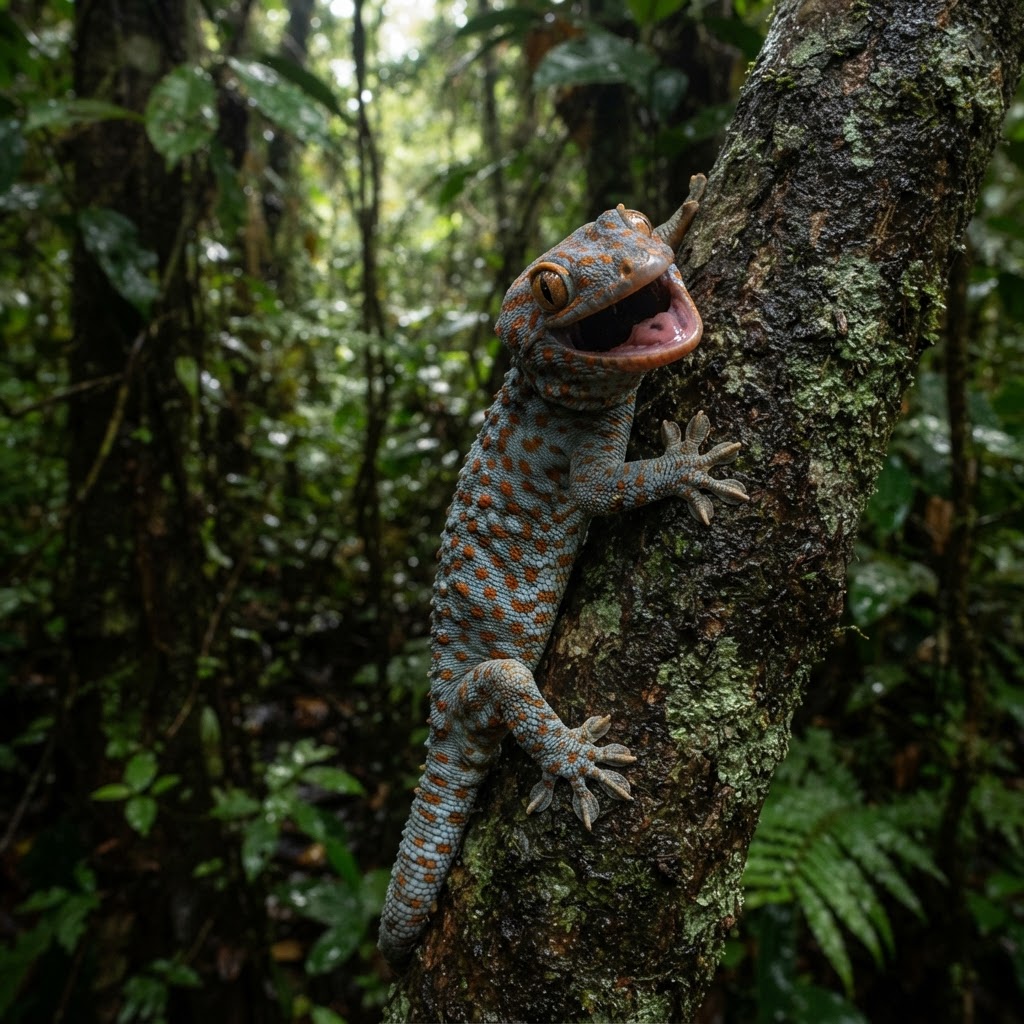
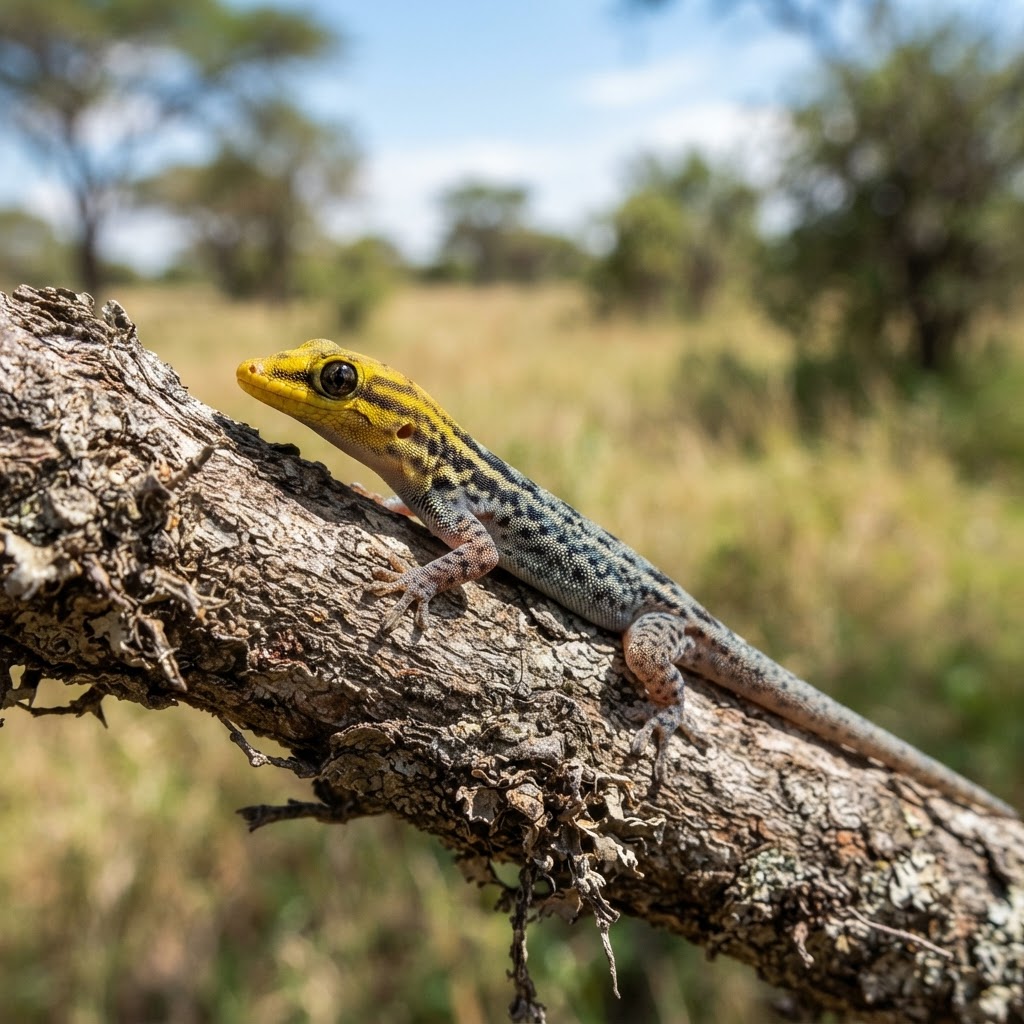
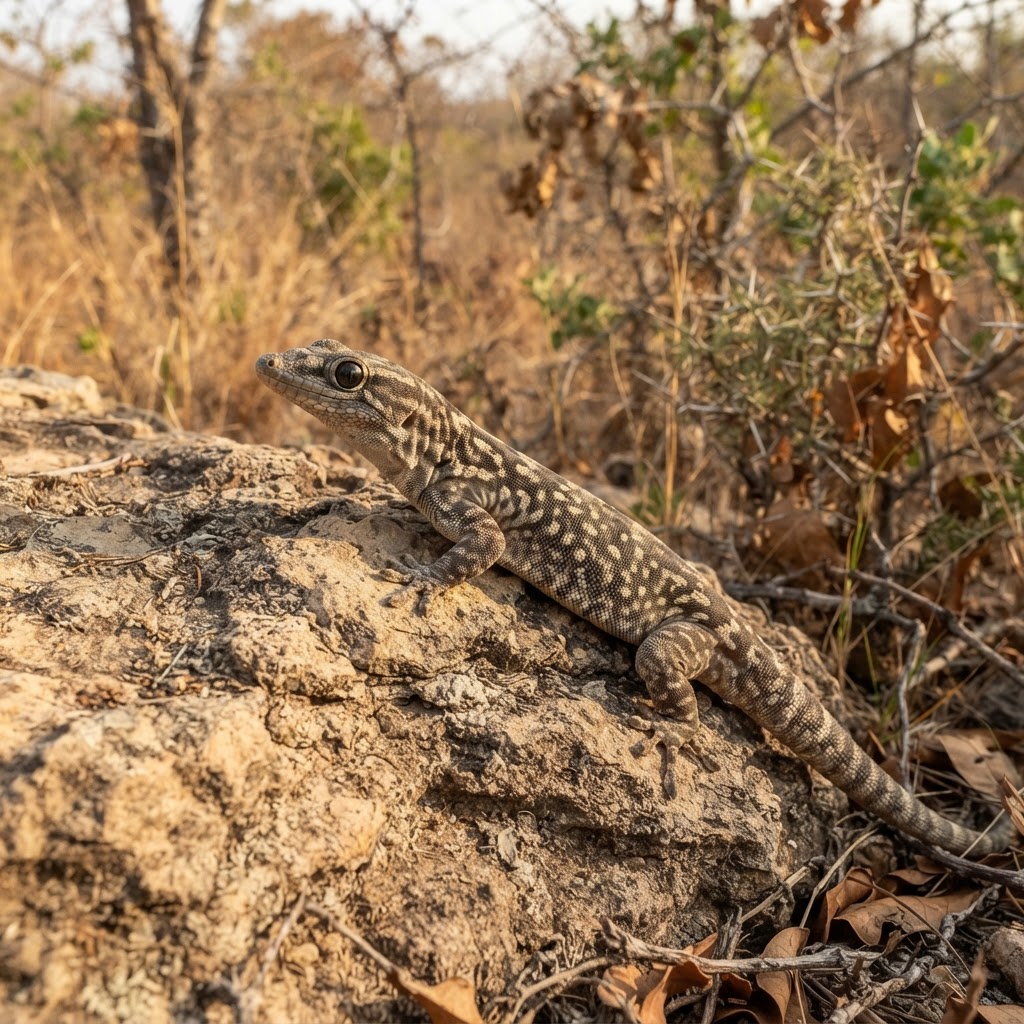
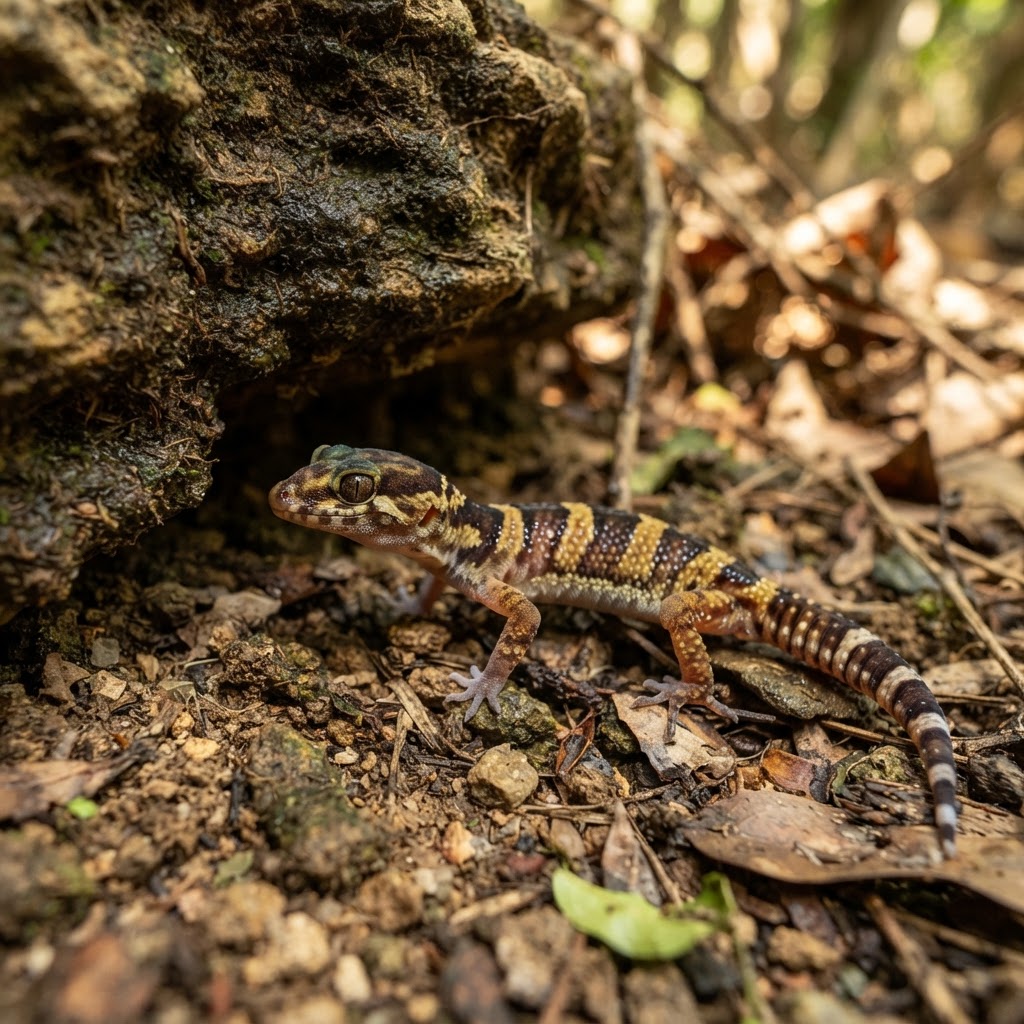
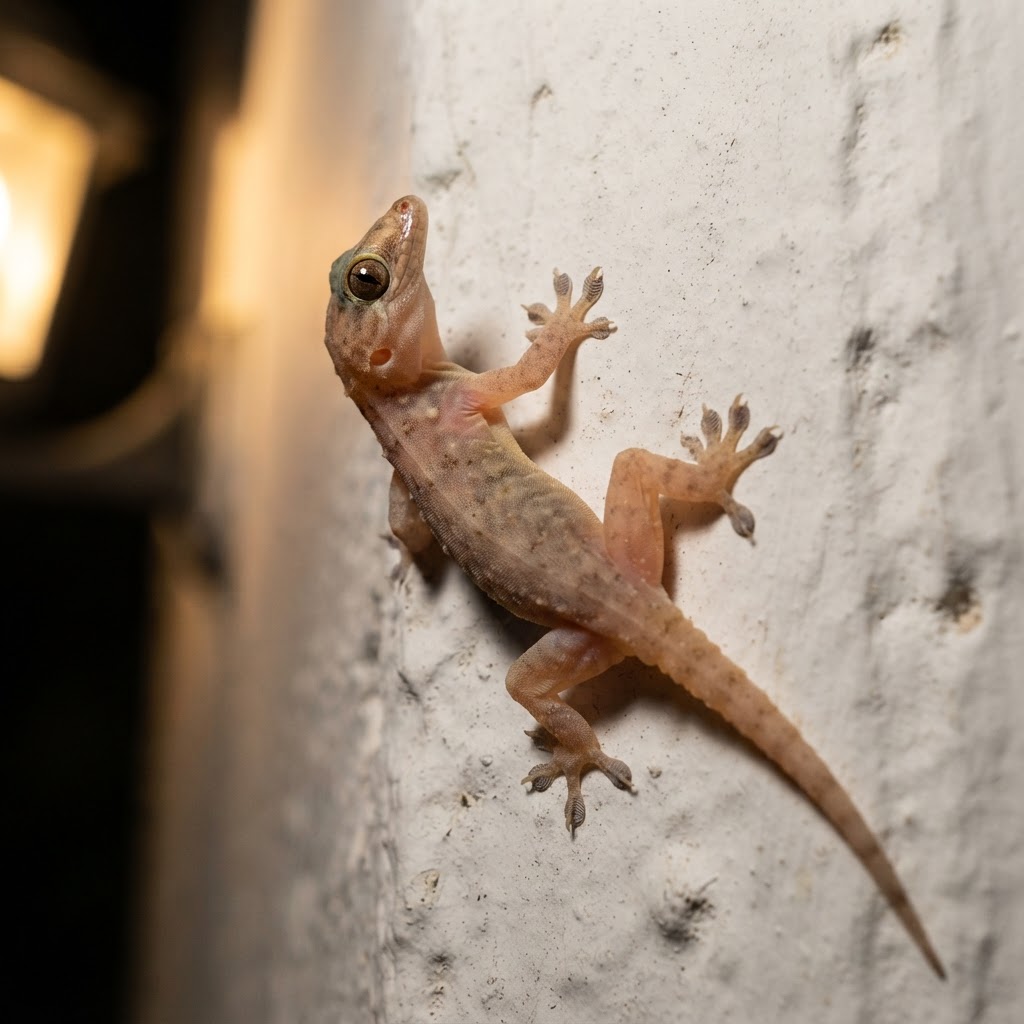
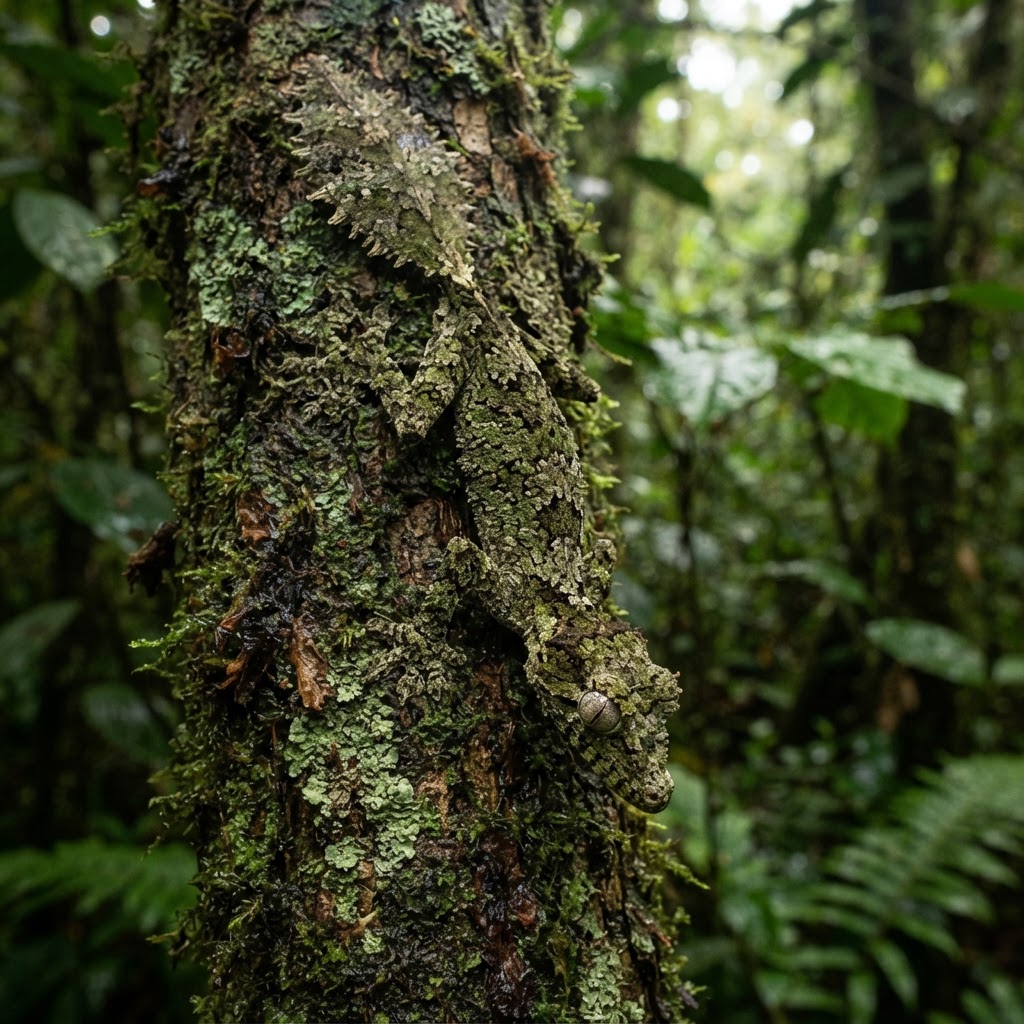




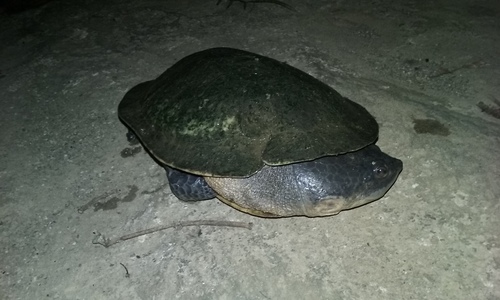

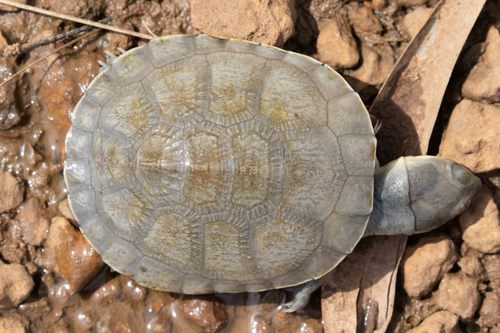
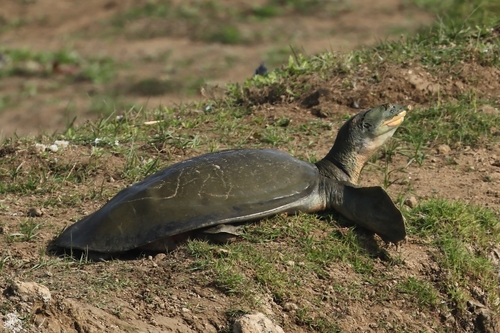
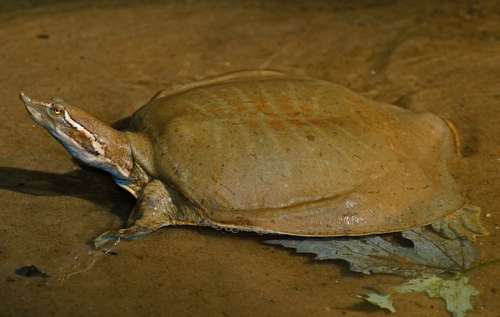
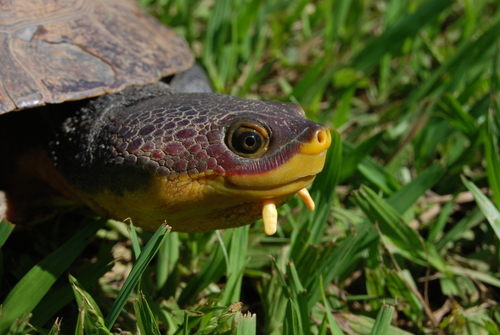

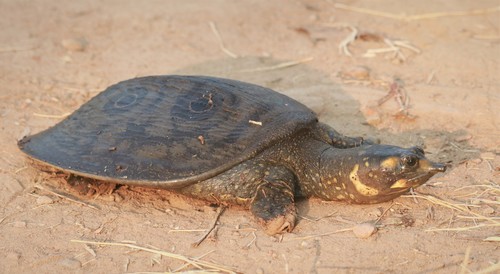
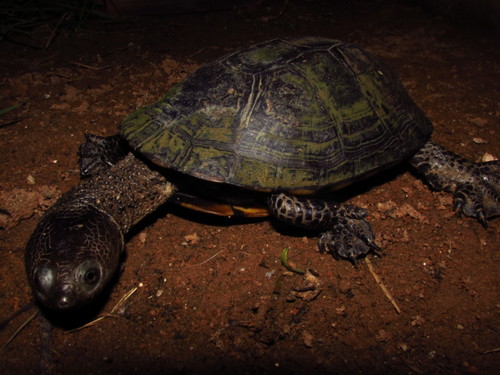
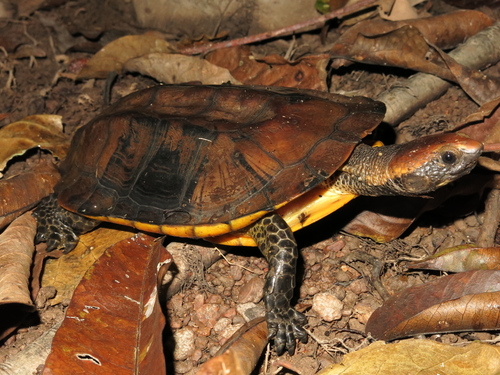
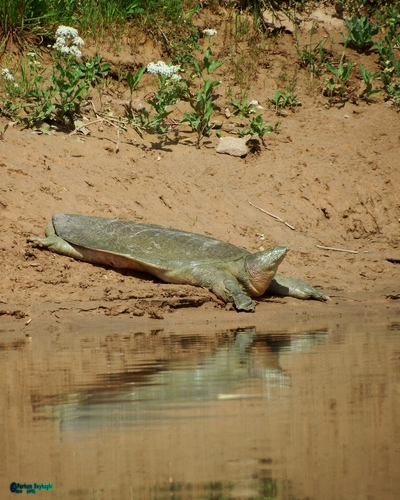
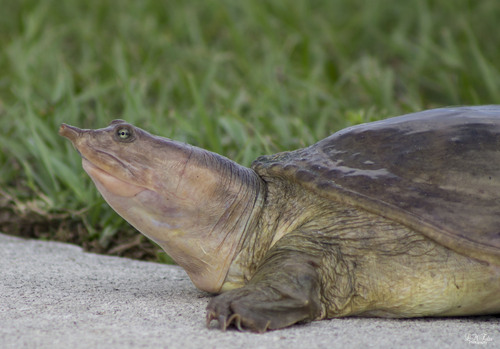
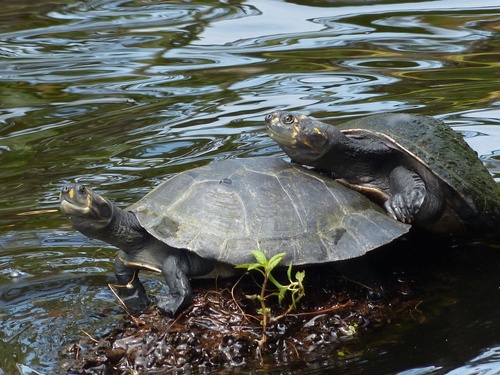
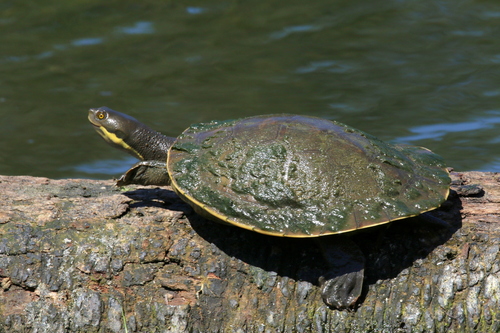
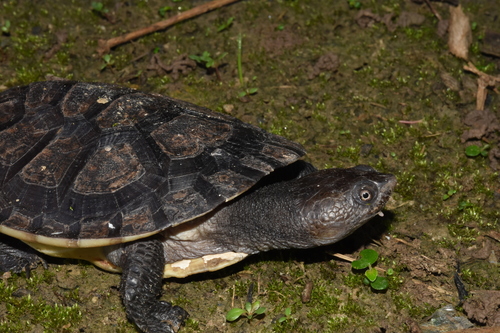
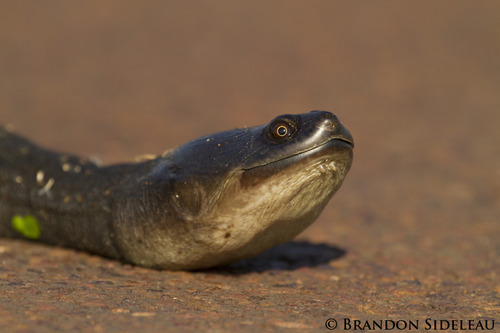
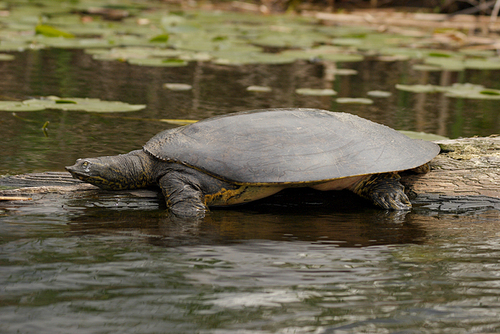

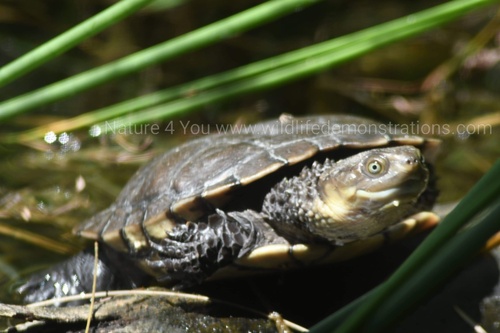

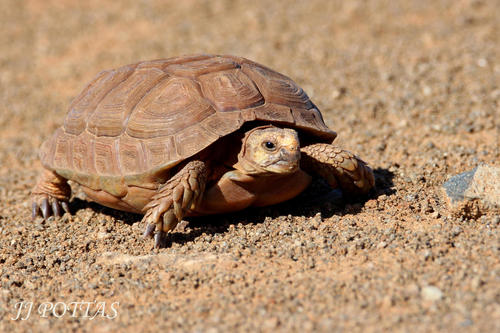
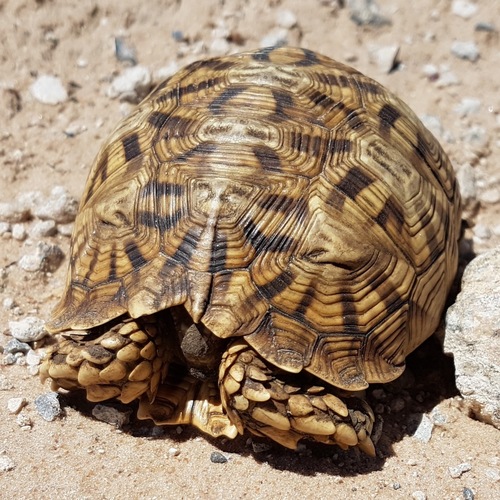
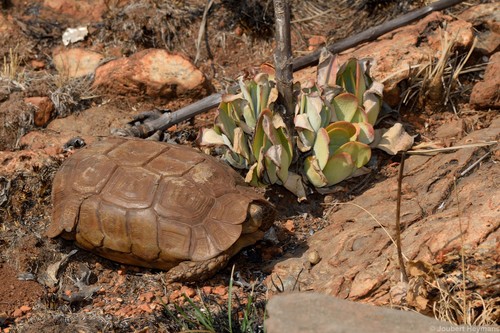



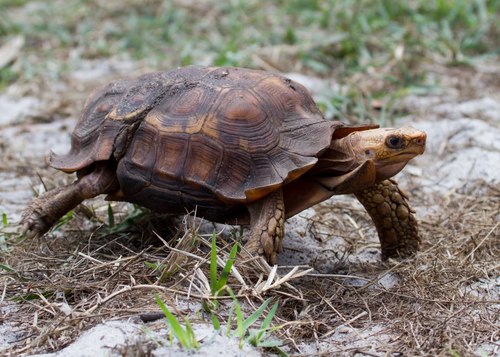

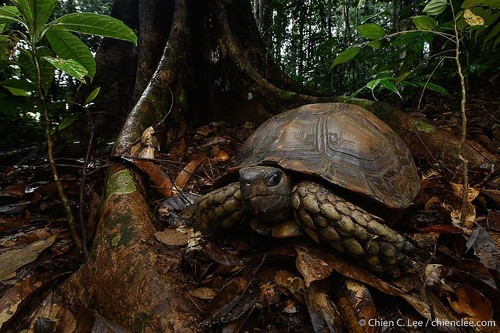
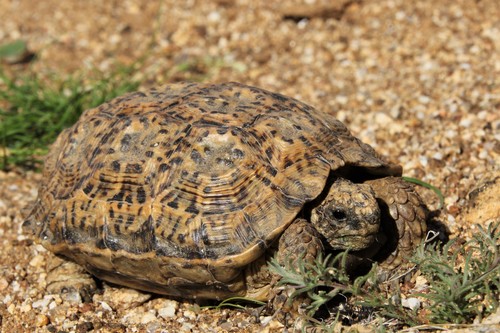
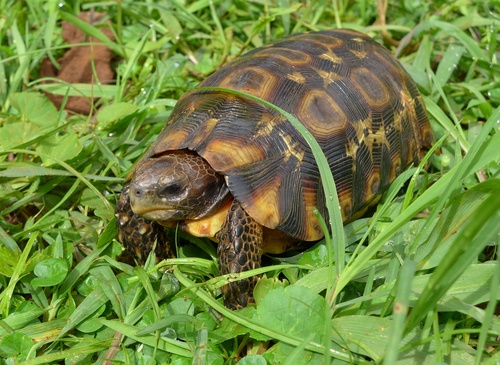













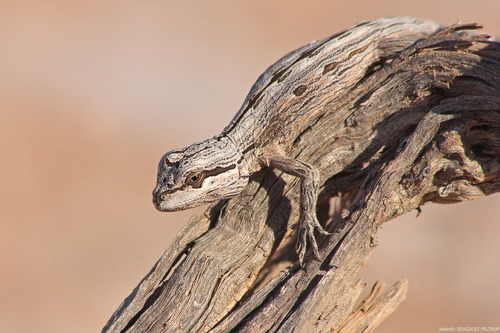

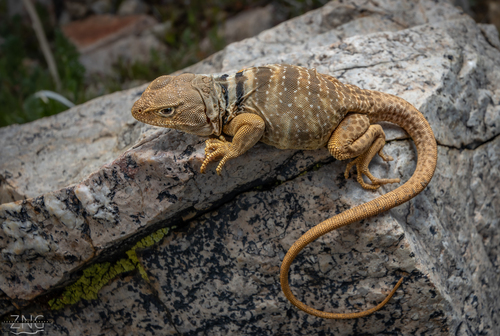


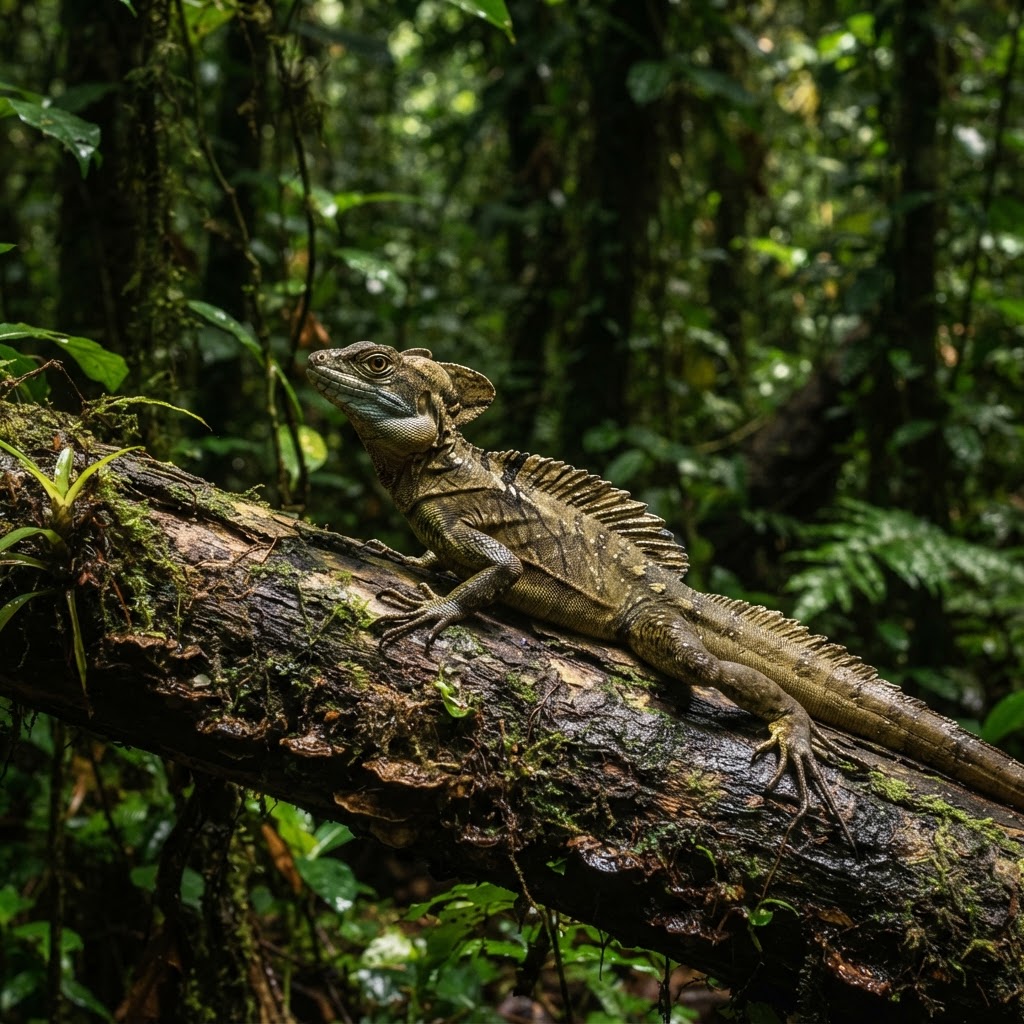


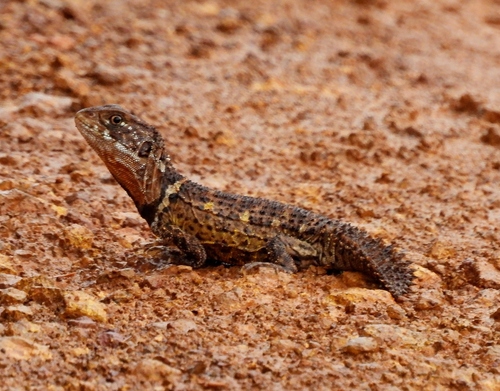


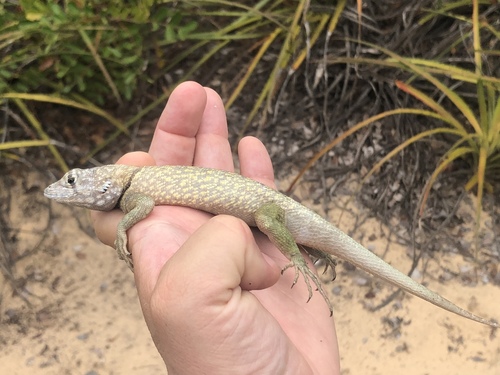


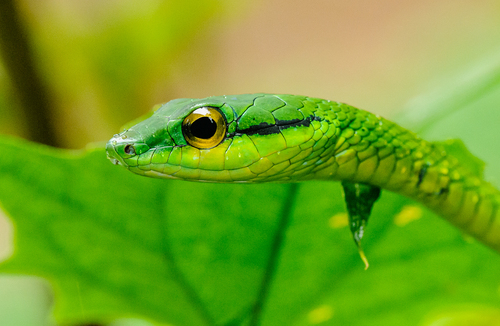
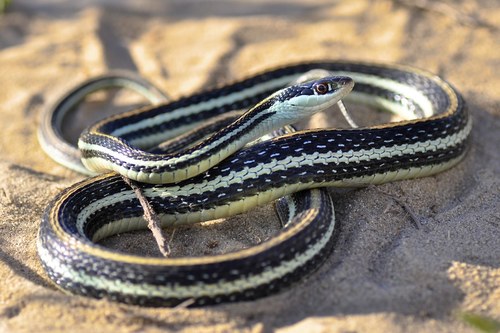


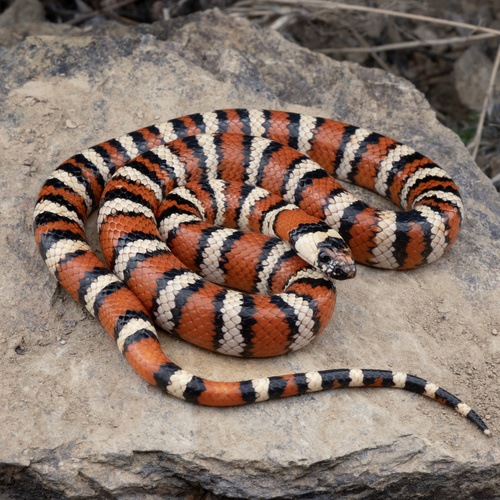










































Seasonal Feeding Alerts
Current feeding schedules based on seasonal changes
Autumn
0 species
Spring
0 species
Feeding Dashboard
Track feeding activity and growth trends over time
11
Total Feedings
3
Species Tracked
5
Weight Entries
1.11 oz (31.6 g)
Avg Weight
Feeding Frequency
Feedings per month (last 8 months)
Weight Trends
Weight over time per species (top 5)
Food Type Breakdown
Most used food types
Recent Feedings
Leopard Gecko
Aug 16, 2026 · Mealworms · 4 · 1.73 oz (49 g)
Leopard Gecko
Aug 15, 2026 · Dubia and crickets · 9 crickets 3 dubia · 1.59 oz (45 g)
Leopard Gecko
Aug 6, 2026 · Mealworms · 1 · 1.55 oz (44 g)
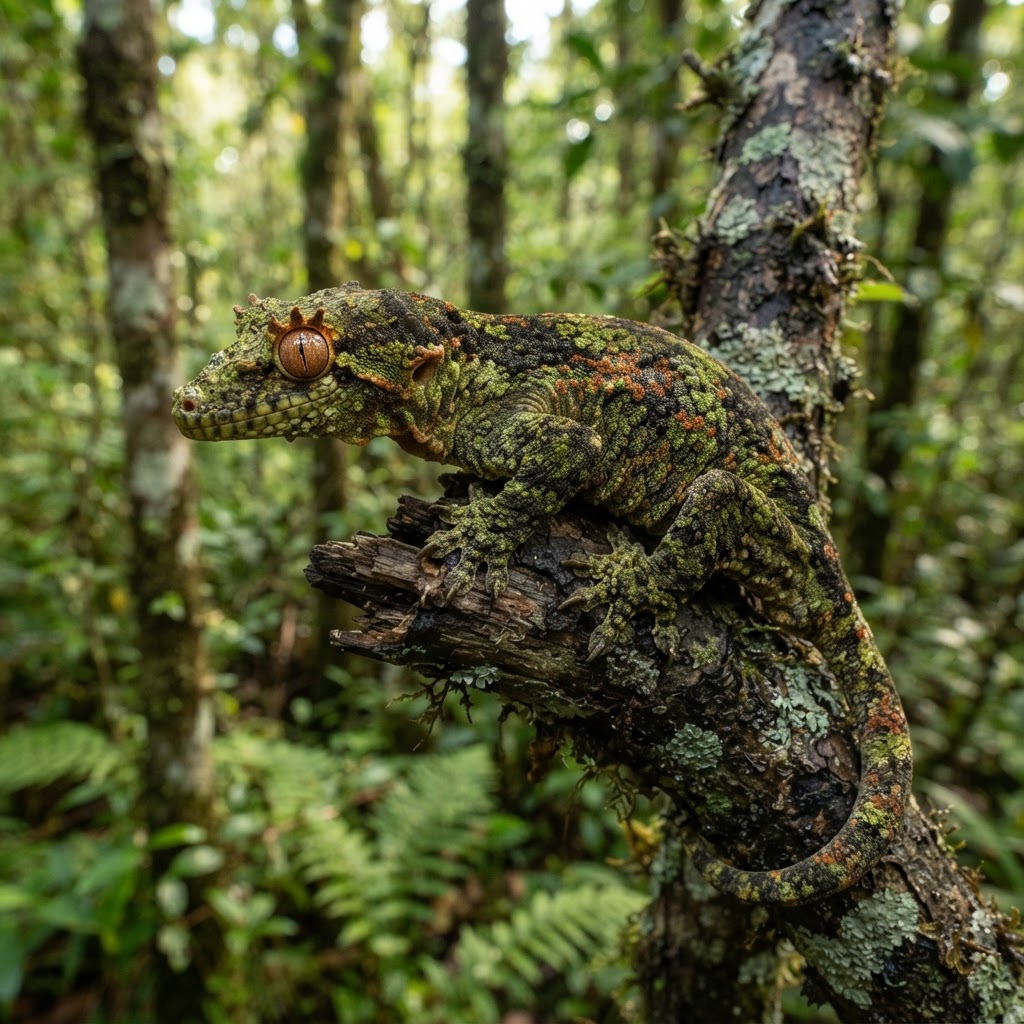
Mossy Leaf-tailed Gecko
Aug 5, 2026 · Crickets and mealworms · 7 crickets and 5 mealworms · 0.5 oz (14.1 g)
Mossy Leaf-tailed Gecko
Aug 3, 2026 · Crickets · 0 · 0.5 oz (14.1 g)
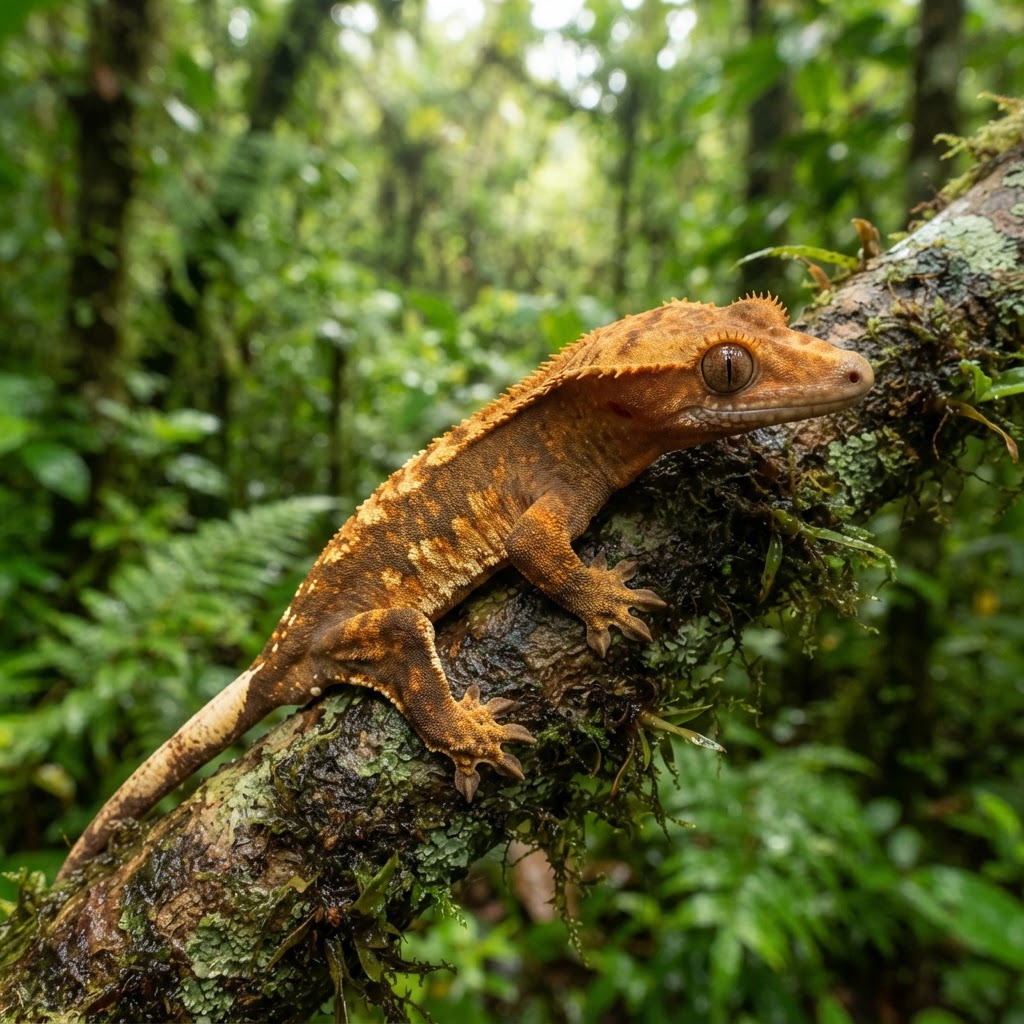
Crested Gecko
Jul 22, 2026 · CGD · 5 drops
Crested Gecko
Jul 22, 2026 · CGD · 4 drops
Leopard Gecko
Jul 22, 2026 · Crickets · 20
Bulk Import
Upload spreadsheets to quickly populate your species catalog and feeding logs
Reptile Species
Expected columns
common_name, scientific_name, category, natural_habitat, geographic_range, description, size, diet, image_url, conservation_status
Click to upload a CSV or Excel file
.csv, .xlsx, or .json supported
Feeding Logs
Expected columns
species_name, feeding_date, food_type, quantity, weight_grams, notes, completed
Click to upload a CSV or Excel file
.csv, .xlsx, or .json supported
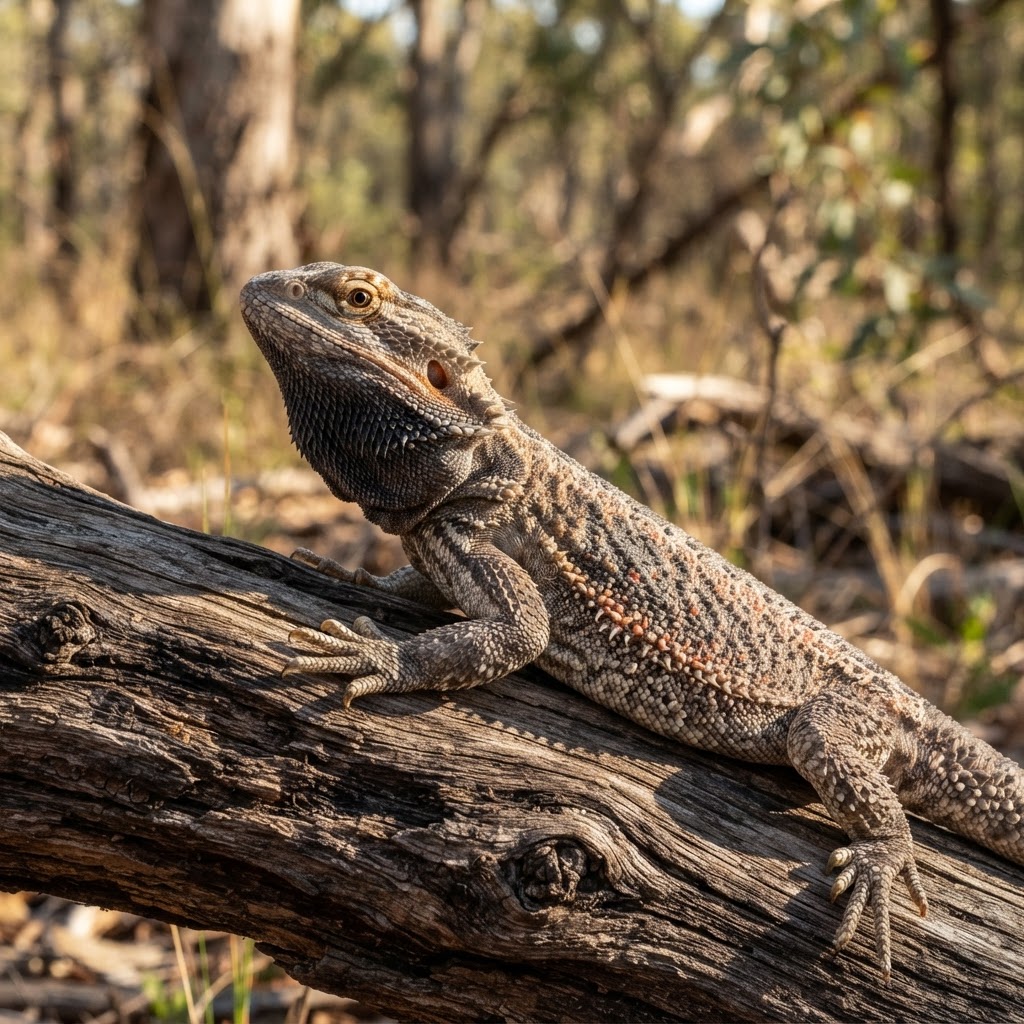
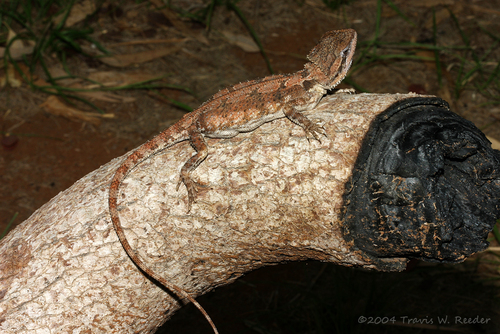
Eastern Bearded Dragon
Pogona barbata
Dry sclerophyll forests, woodlands, heathlands, and coastal dunes; often found basking on fallen timber, fence posts, and rocky outcrops in open, sunlit areas.
Eastern and south-eastern Australia, including eastern New South Wales, Victoria, southern Queensland, and parts of South Australia.
18–24 in / 46–61 cm
Omnivorous: insects (crickets, roaches, grasshoppers, beetles), other small invertebrates, soft vegetation, flowers, fruits, and occasionally small vertebrates.
About this species
A robust, moderately large agamid lizard recognised by the spiny 'beard' of skin under its throat that puffs and darkens when the animal feels threatened. Body is grey-brown to reddish with lighter patterning, covered in rough keeled scales and a row of soft spines along the flanks. Diurnal and omnivorous; an opportunistic feeder that basks prominently and uses arm-waving and head-bobbing displays in social communication.
Enrichment & behavioral stimulation
Eastern Bearded Dragon is arboreal — enrichment focuses on climbing structure, foliage, and hydration.
- Provide sturdy branches, vines, and bamboo for climbing and perching.
- Add live or silk foliage for cover, hiding, and jumping routes.
- Offer food on elevated ledges or among foliage to encourage active foraging.
- Mist regularly to support hydration and natural activity, especially for species that drink droplets.
- Vary perch diameters to exercise grip variety.
- Position a basking spot near a favored perch for thermoregulation.
Housing & Social Behavior
Highly territorial and aggressive toward others; cohabitation is risky and generally discouraged.
Housing guidance is general and based on species-typical behavior; always verify against current husbandry references and observe individual temperament.