The Reptile Atlas
Explore the world's reptile species — snakes, lizards, turtles, crocodilians, and more. Discover their habitats, diets, and seasonal feeding guides.
Massive thanks to everyone who has visited the site almost 8k and I really hope it helps yinz out. Google play store app in the works!!!!! Log in for more features
The app is in the testing stage and I'm looking for Android users to help test it out. If interested, you can email me at geckoatlas.support@gmail.com
Seasonal Feeding Alerts
Northern Hemisphere
Autumn
443 species
Southern Hemisphere
Spring
271 species
Current feeding schedule changes
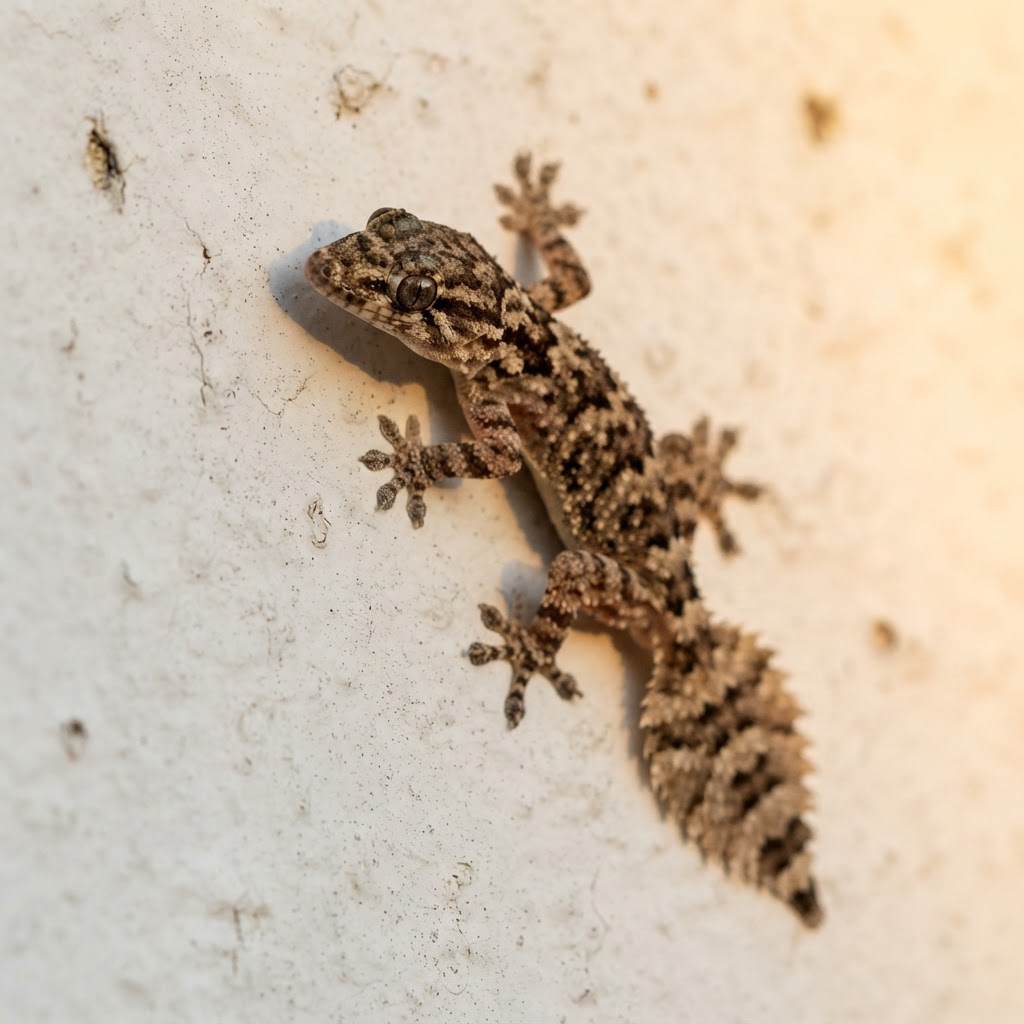
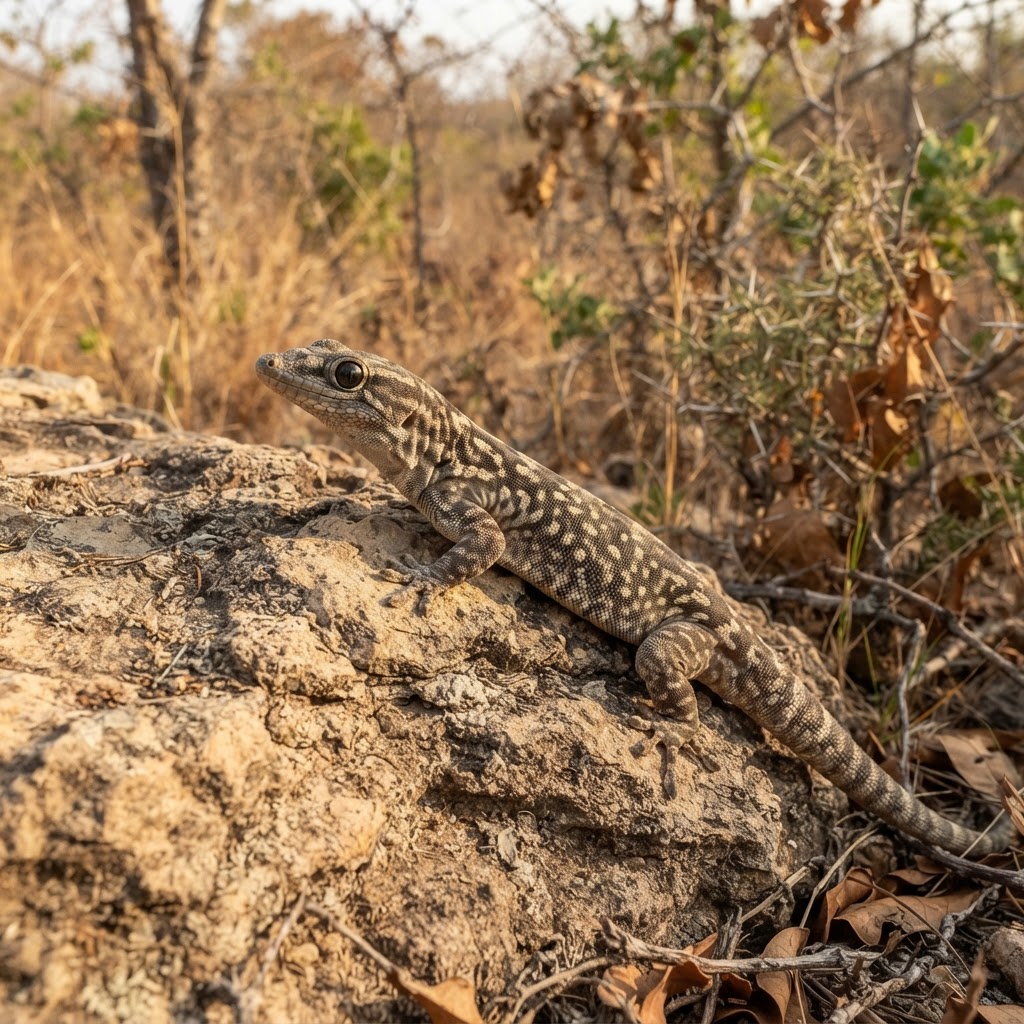
🍂Afghan Leopard Gecko
Autumn: Maintain feeding to build tail fat reserves ahead of winter; 2–3 times per week.
Hornworms
Autumn: Maintain cultures at room temperature. Continue commercial diet only.
Mealworms & Superworms
Autumn: Continue regular feeding. Monitor for pupation and separate beetles from larvae.
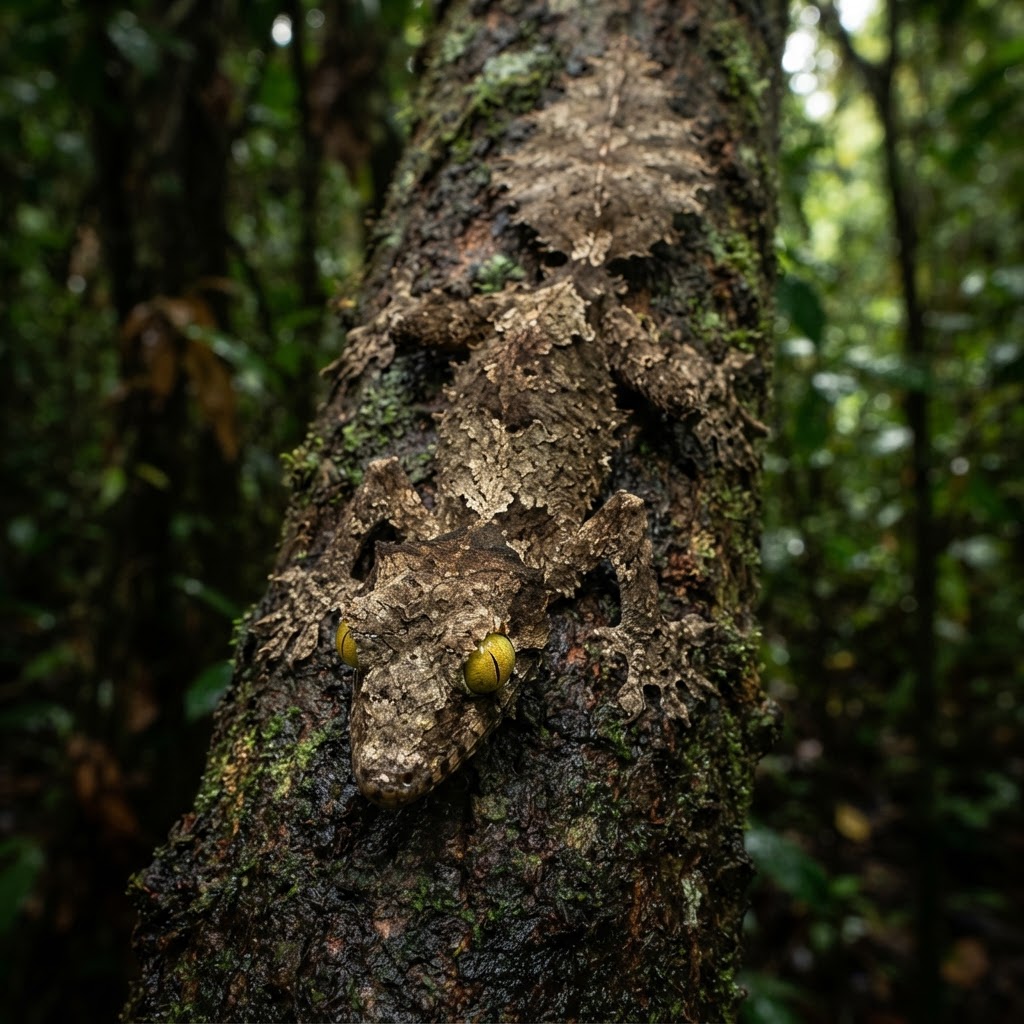
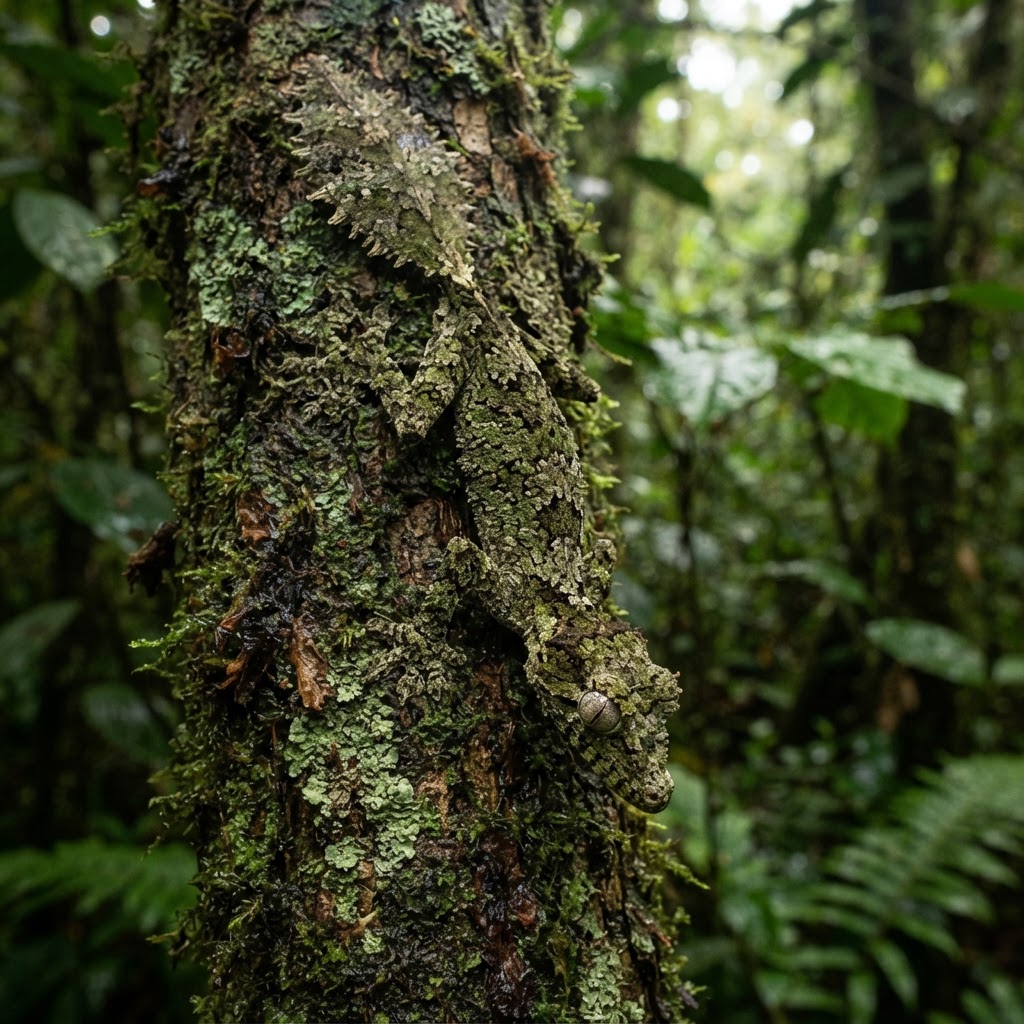
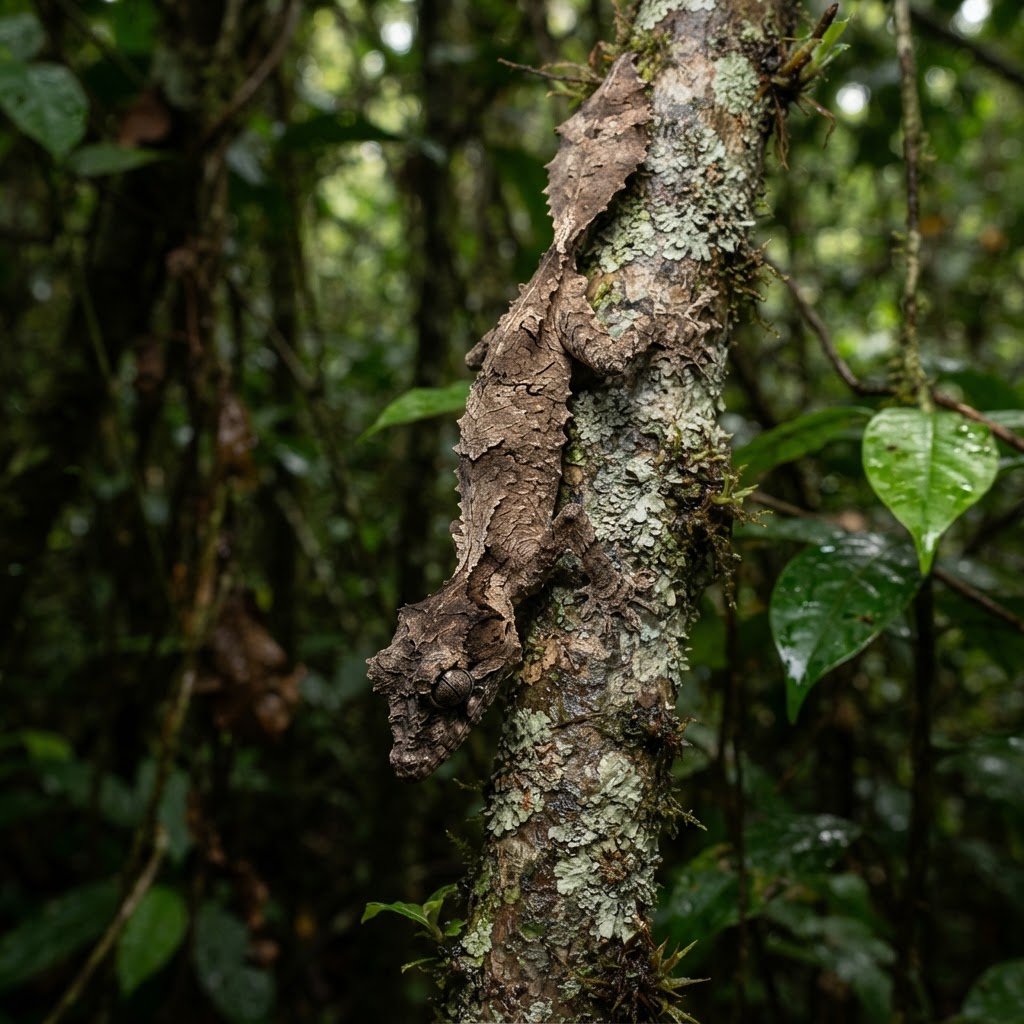
Henkel's Leaf-tailed Gecko
Spring: Increase feeding as temperatures warm; offer appropriately sized insects 3–4 times per week, dusted with calcium.
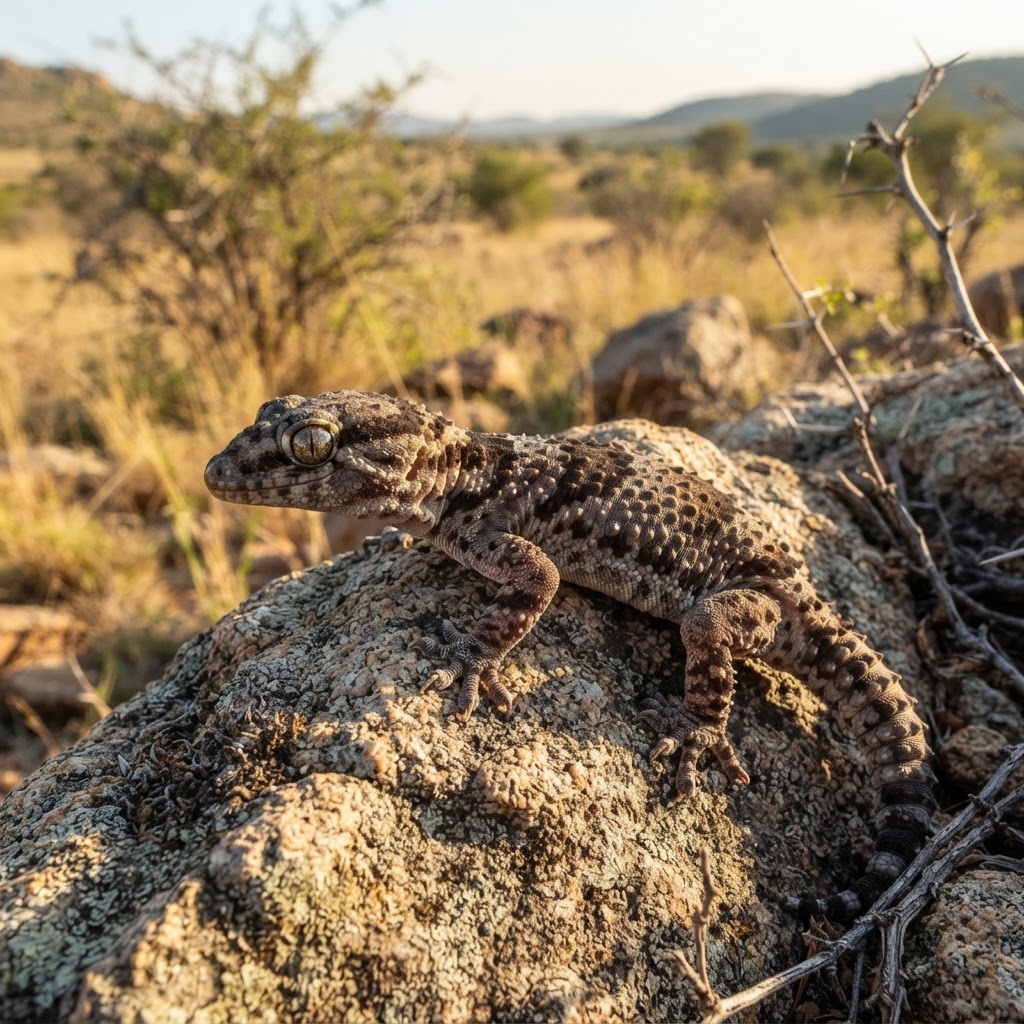
Sorah Leaf-tailed Gecko
Spring: Increase feeding as humidity rises; offer small insects 3–4 times per week with calcium dusting.
Log in to unlock your personal collection page, feeding logs, breeding tracking, calendar sync, and more features. Fixing Google login issues — you can still log in by registering.
Showing 704 species · 3 sub-species
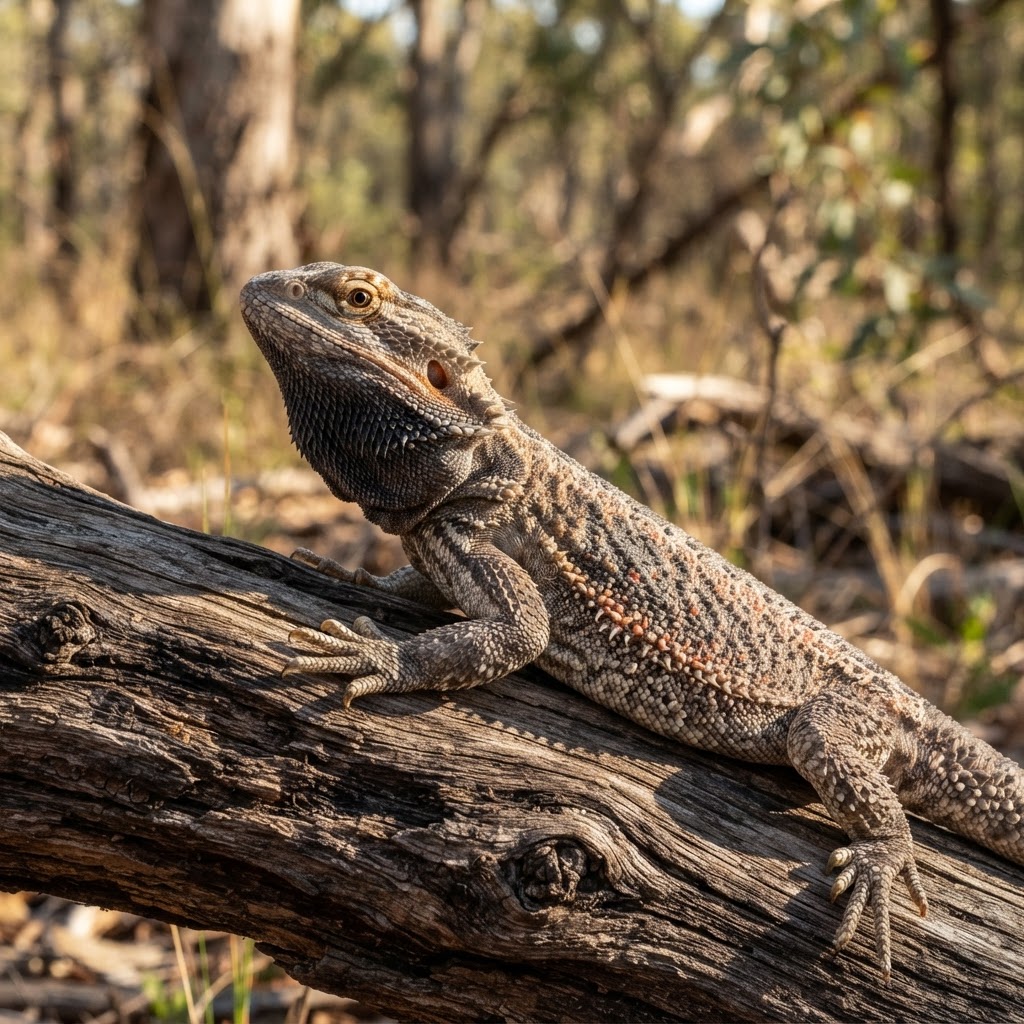


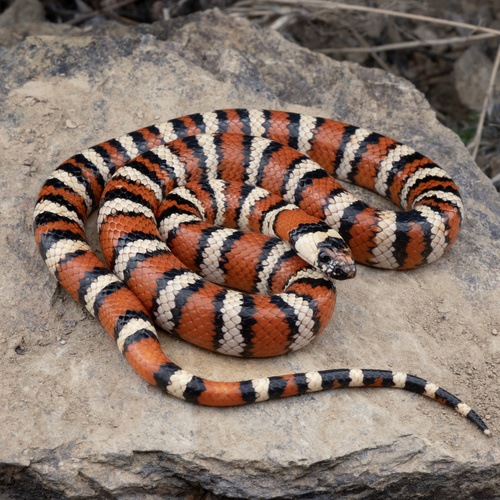
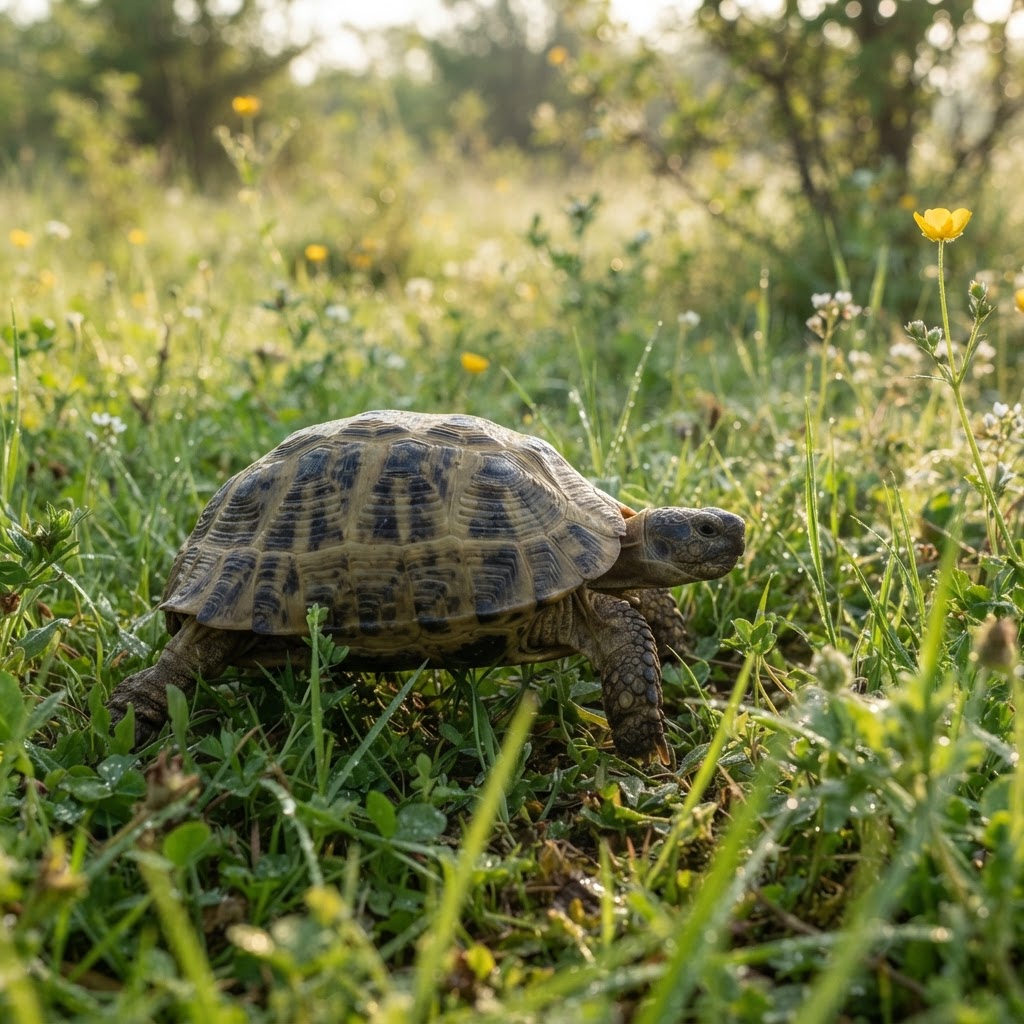
%20male.jpg)
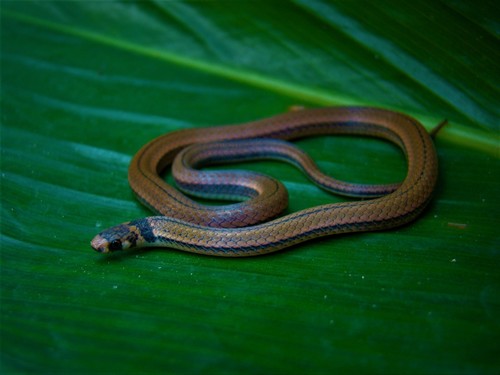
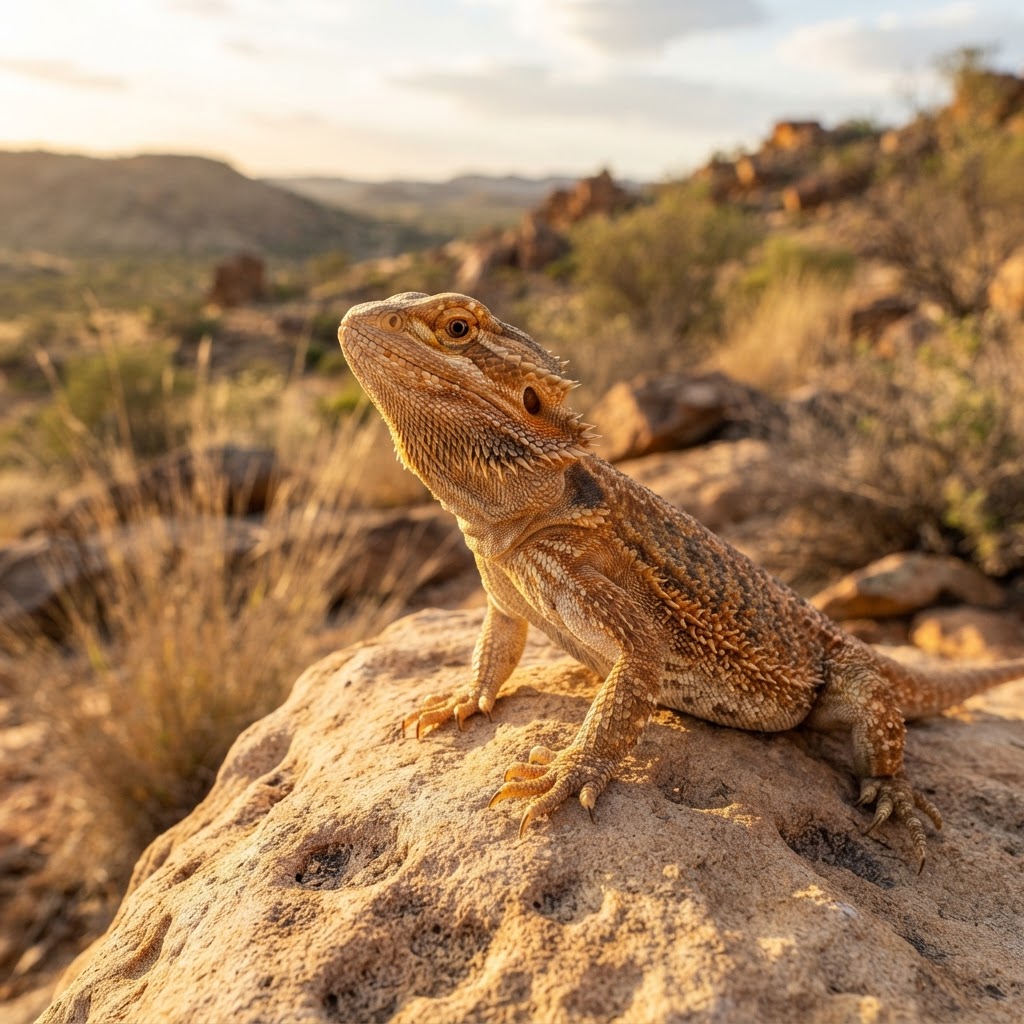
.jpg)
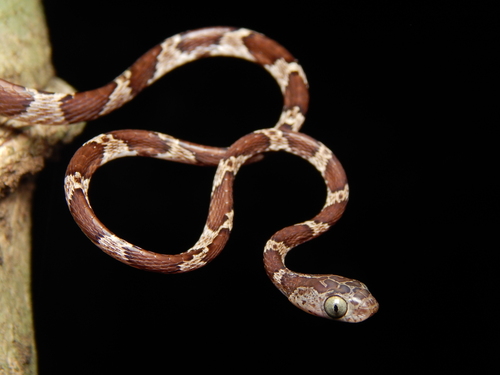
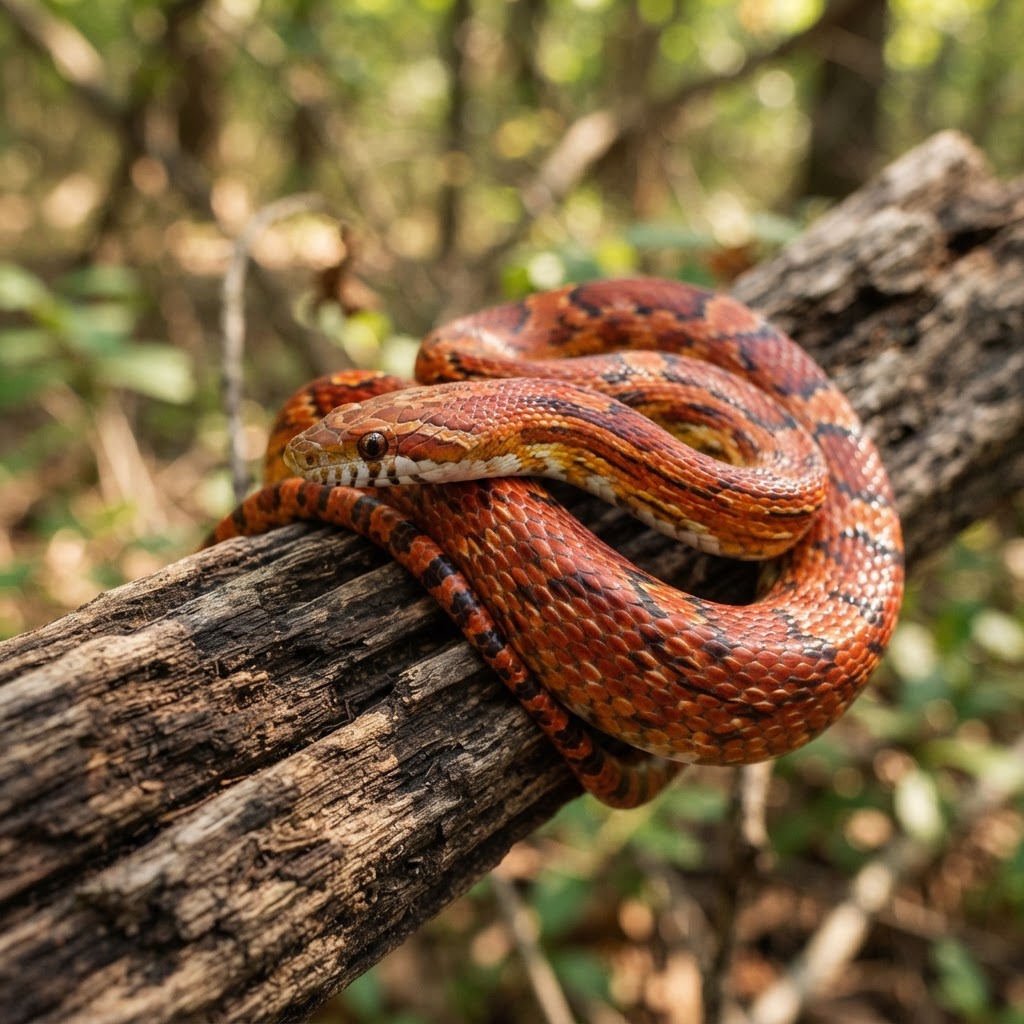
%20(10106331165).jpg)
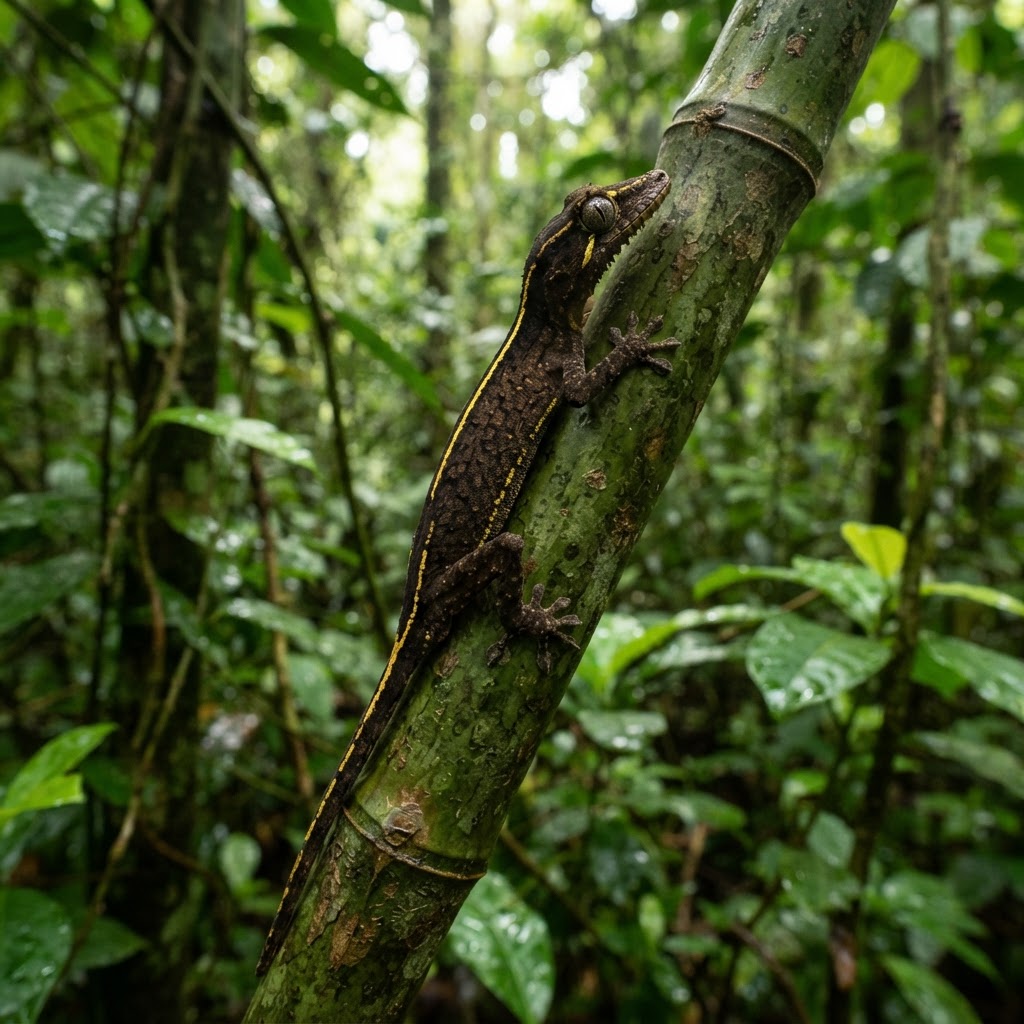
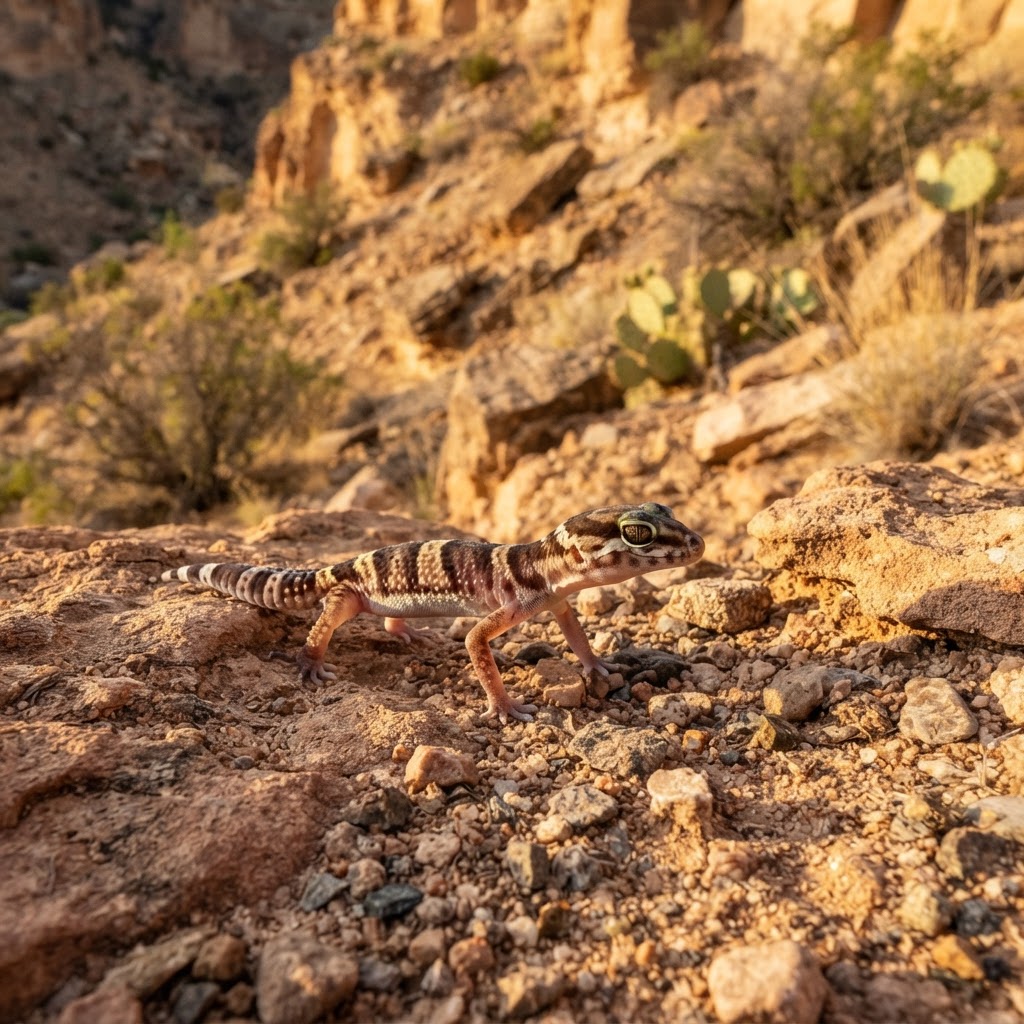
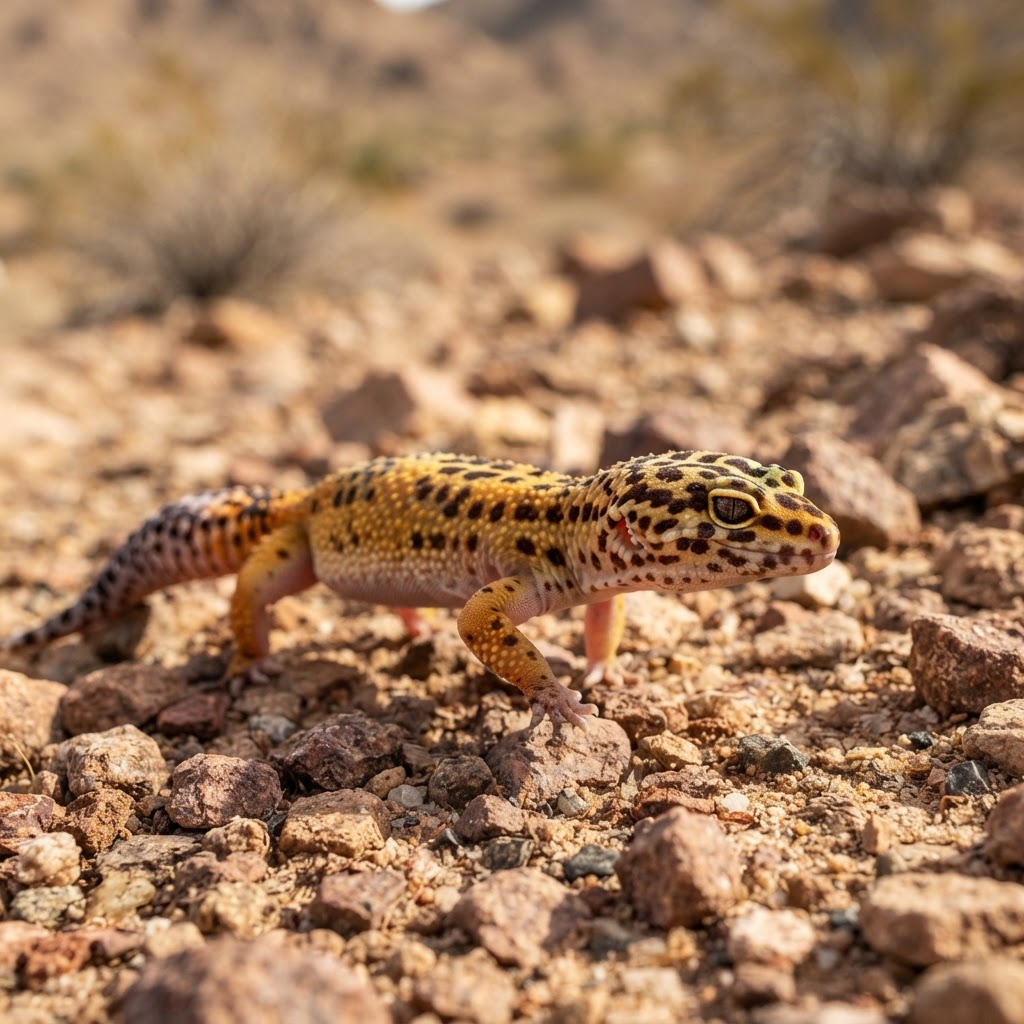
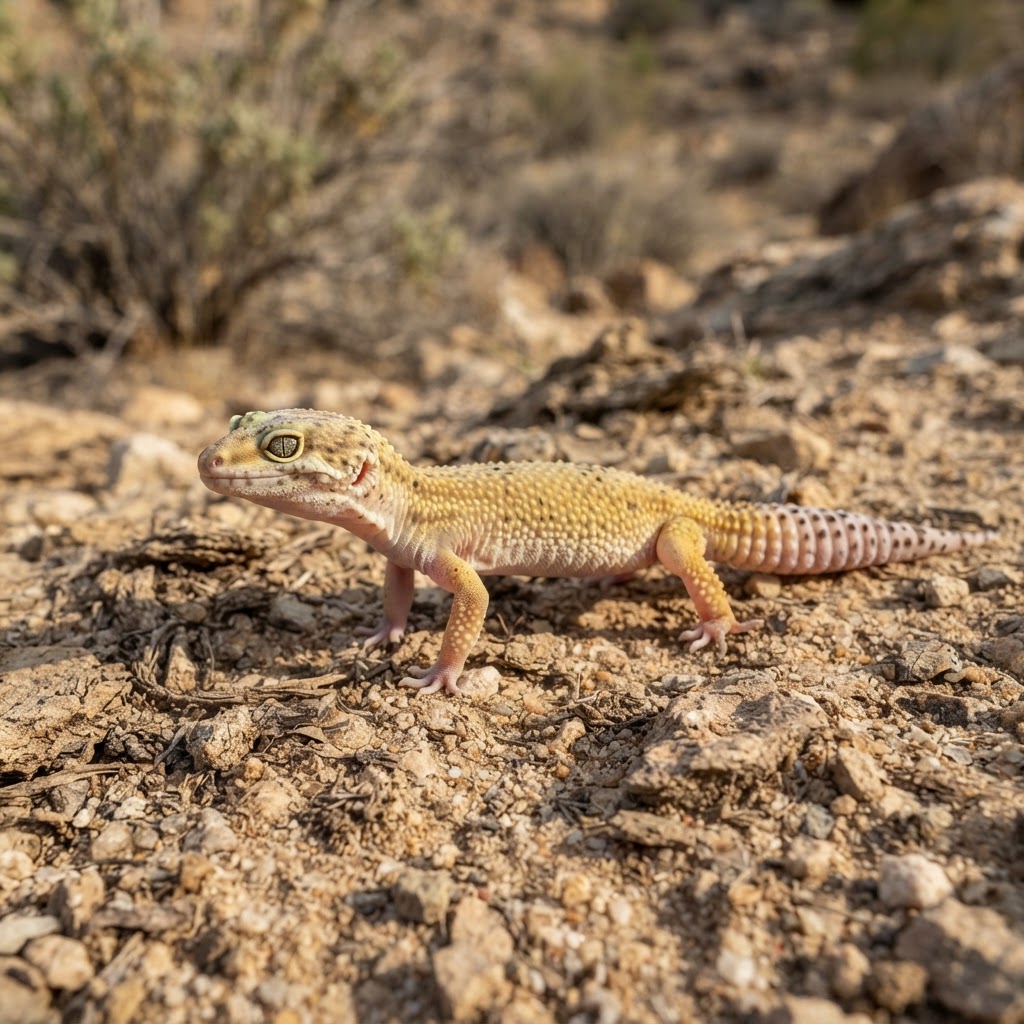
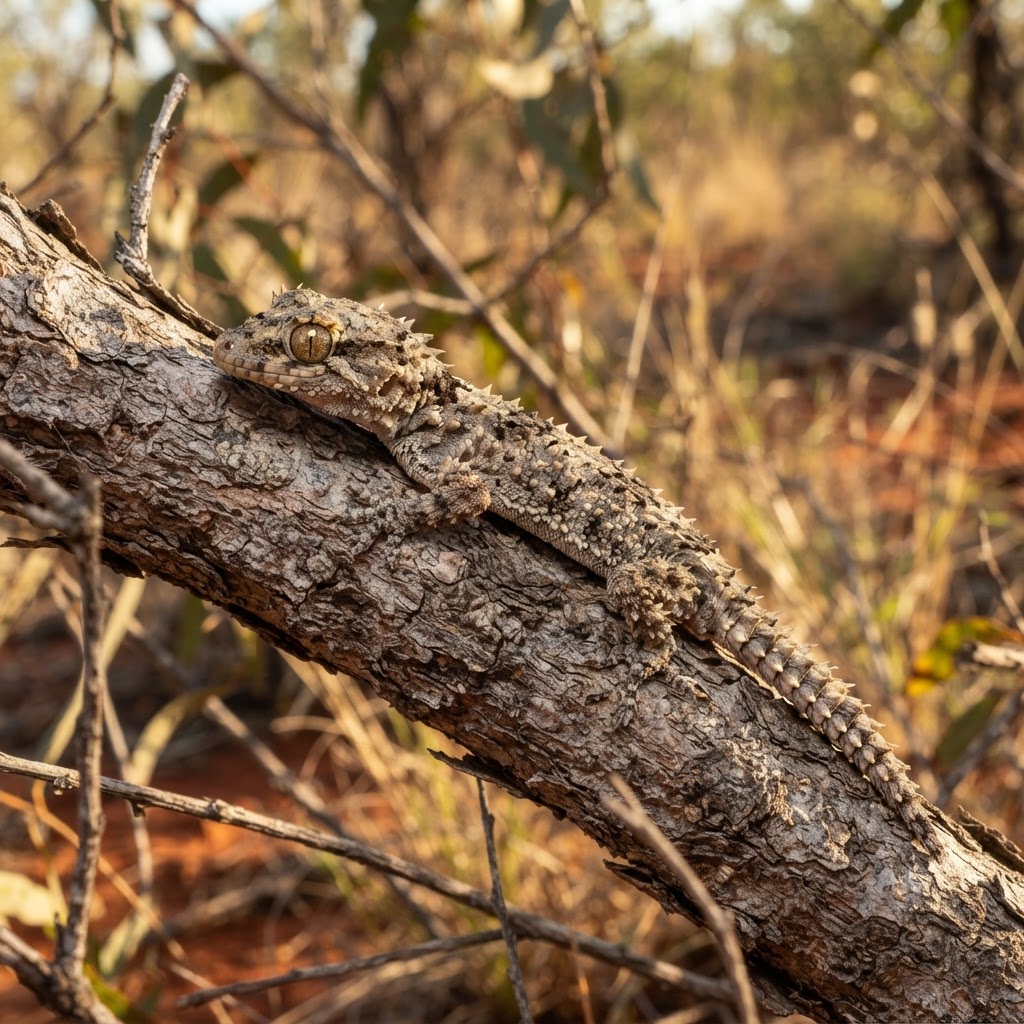
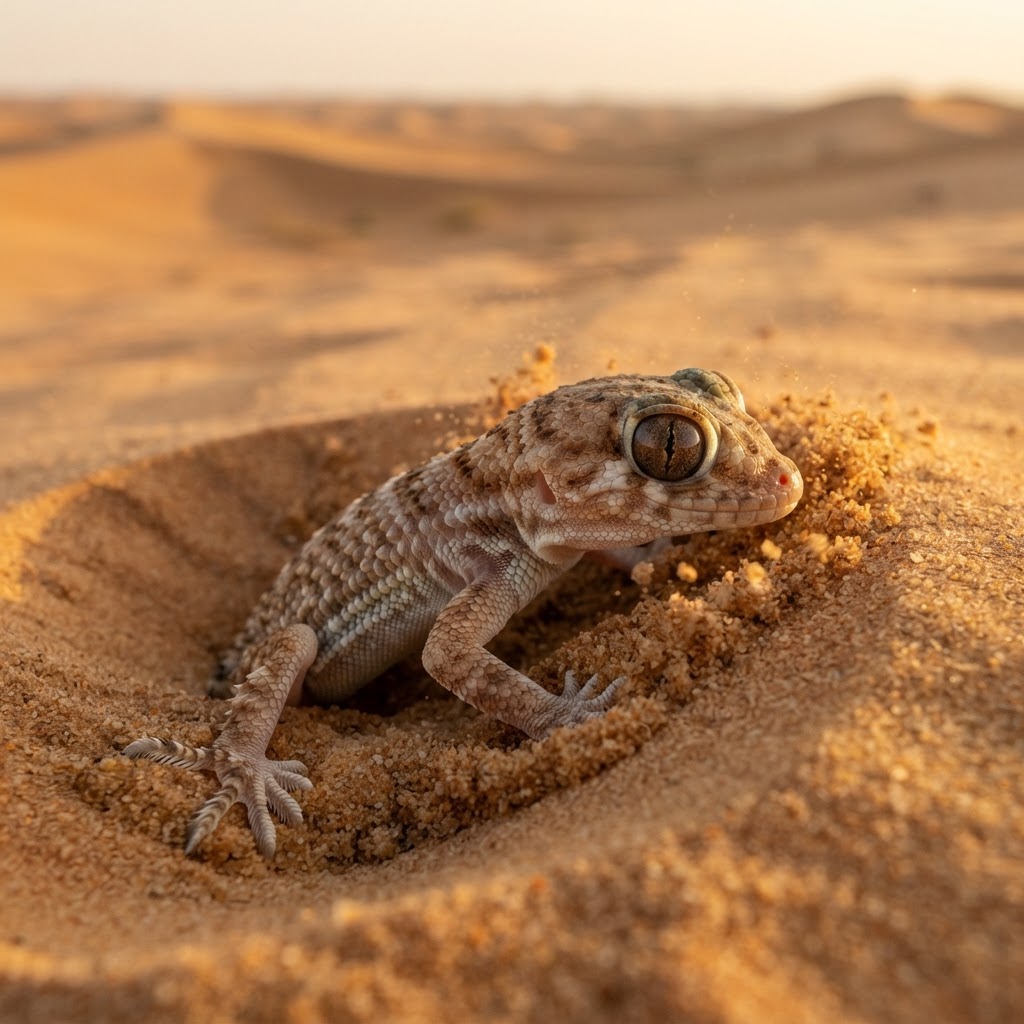
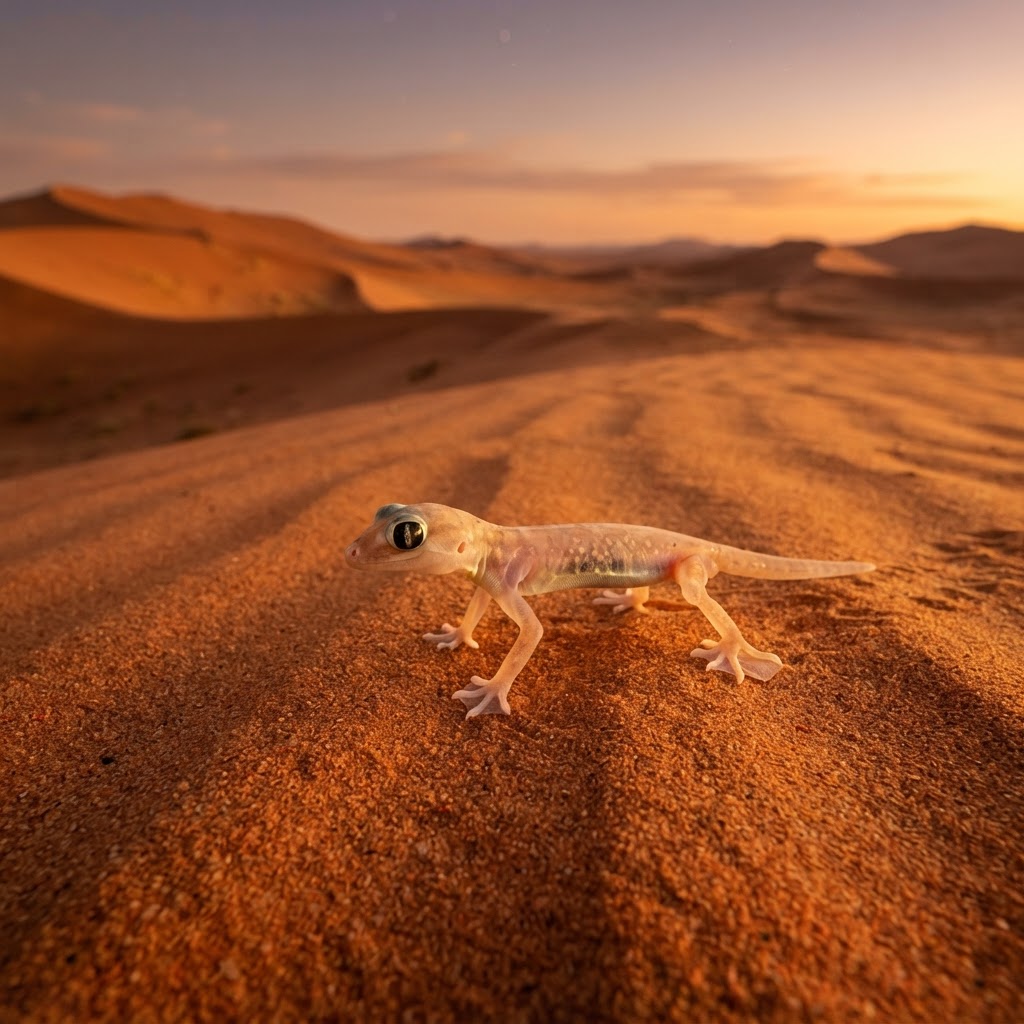
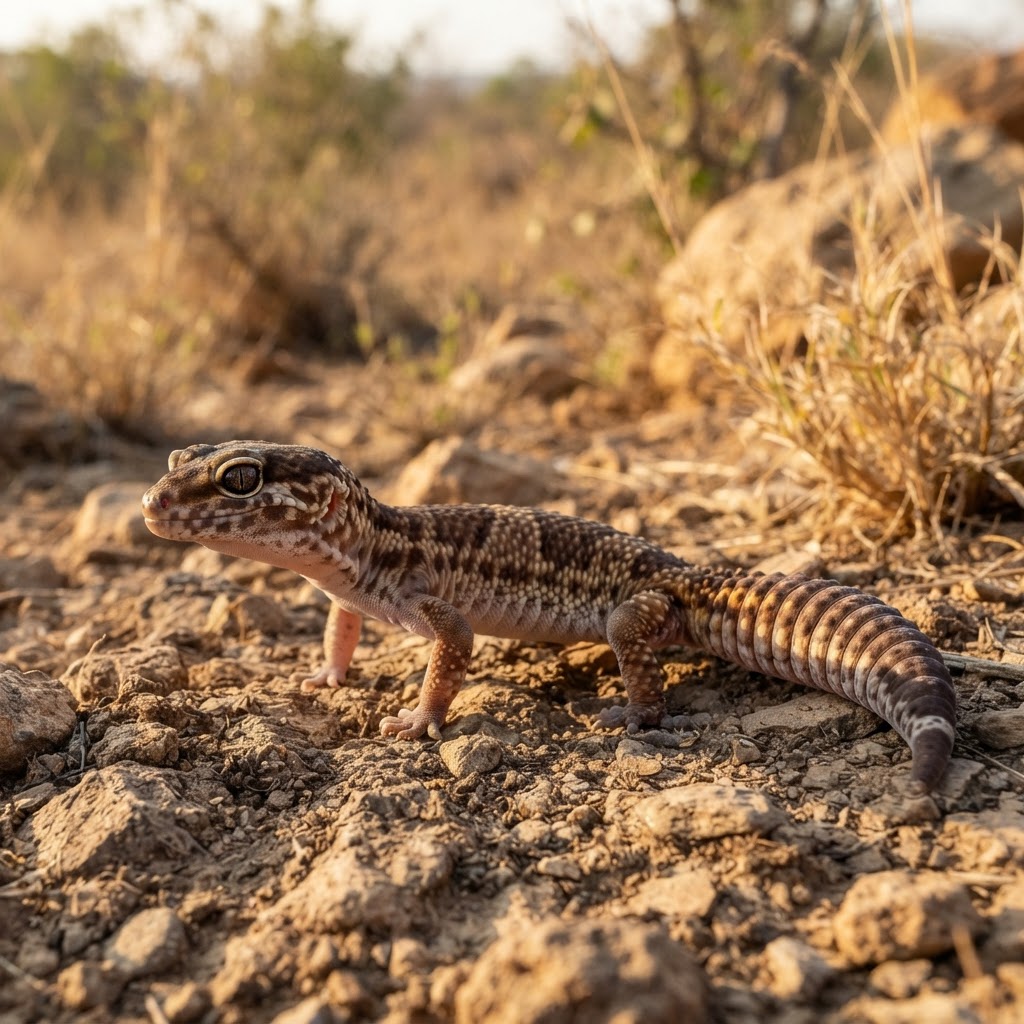
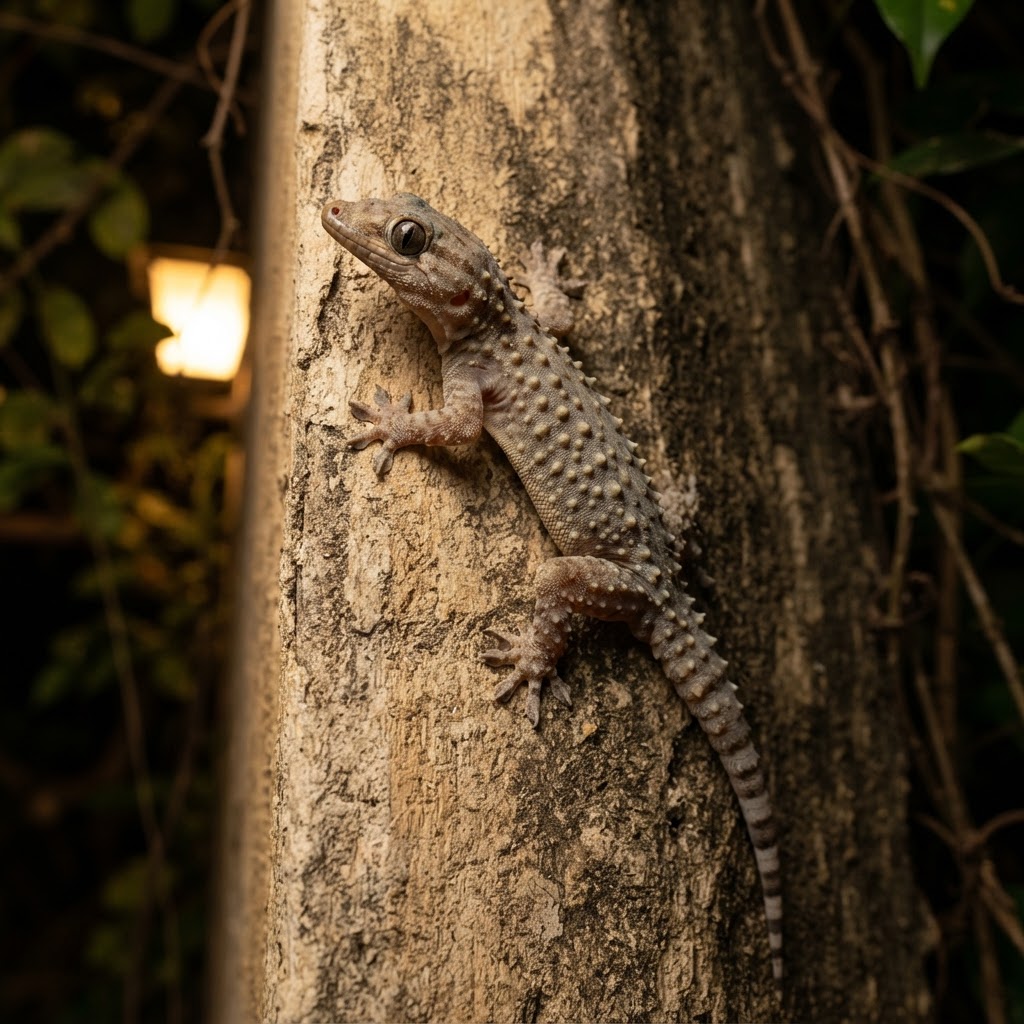

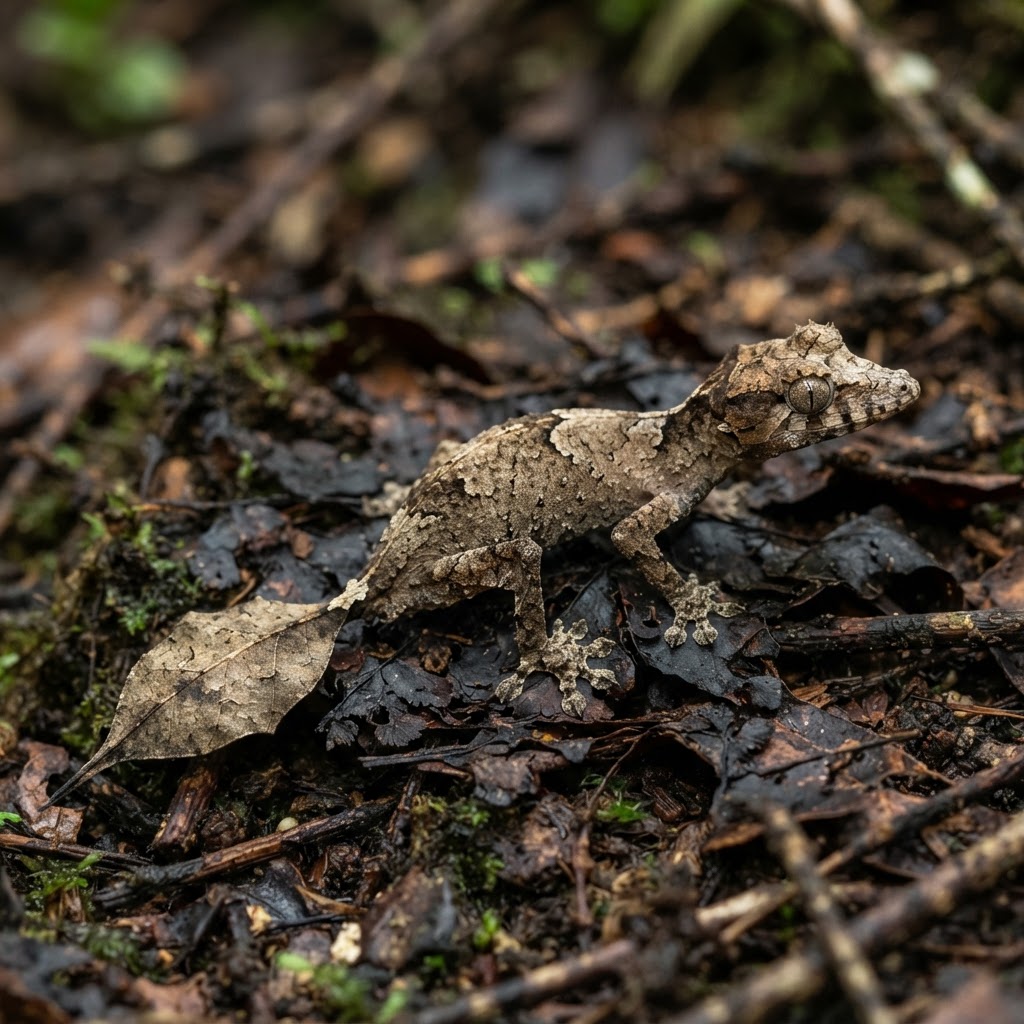
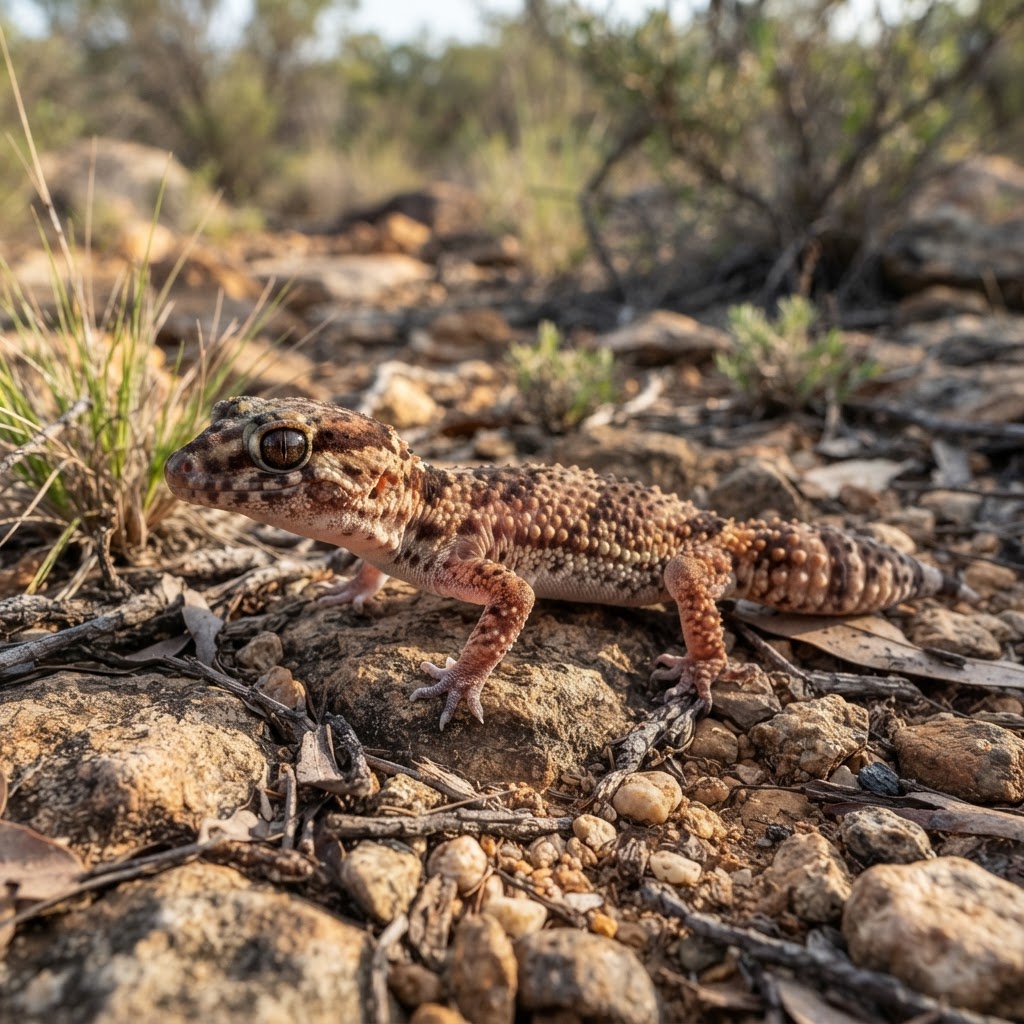
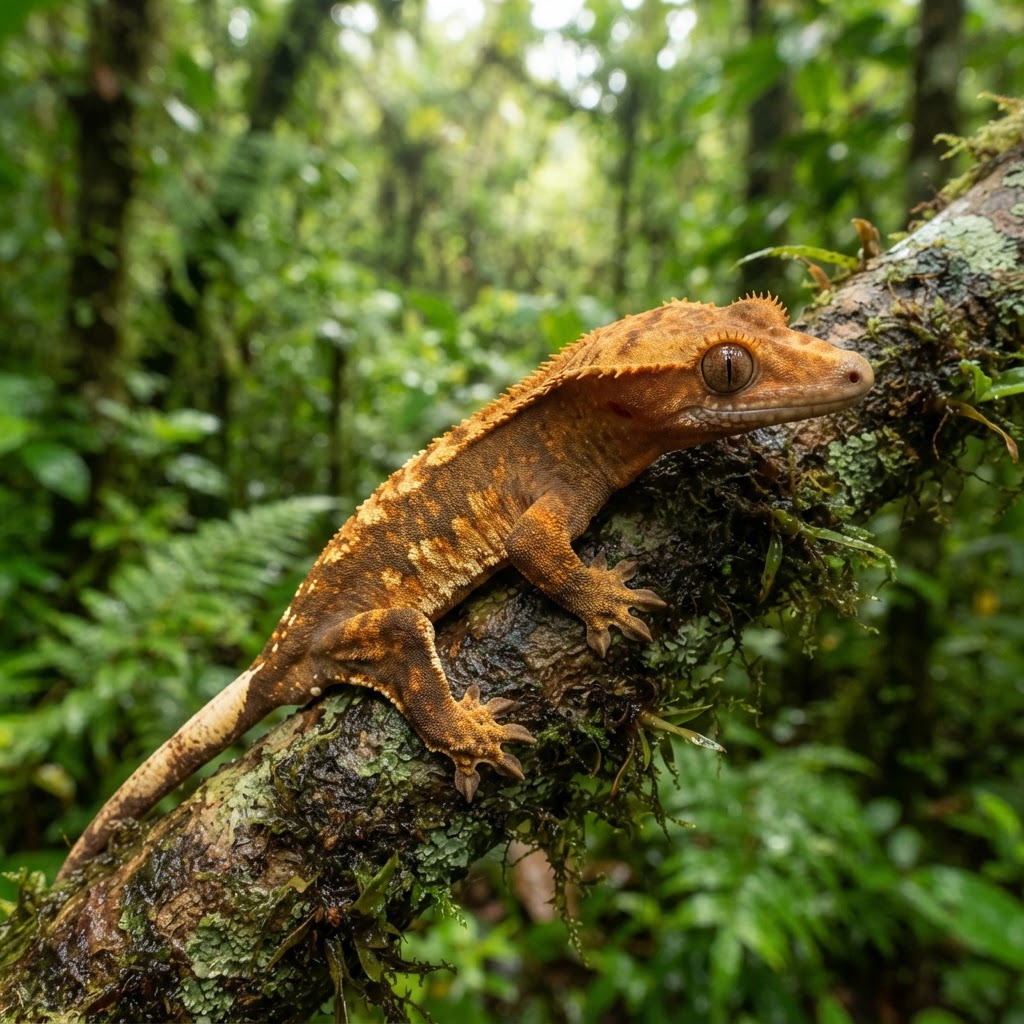
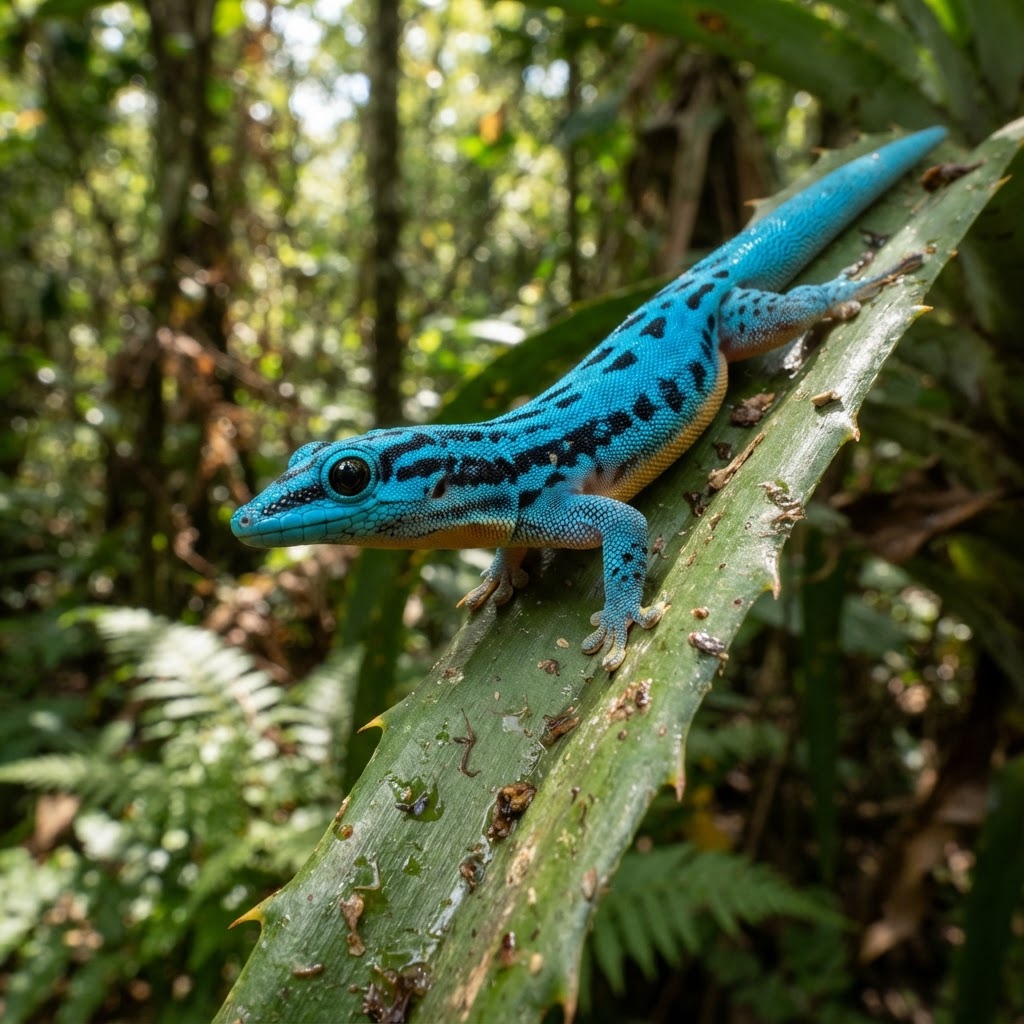
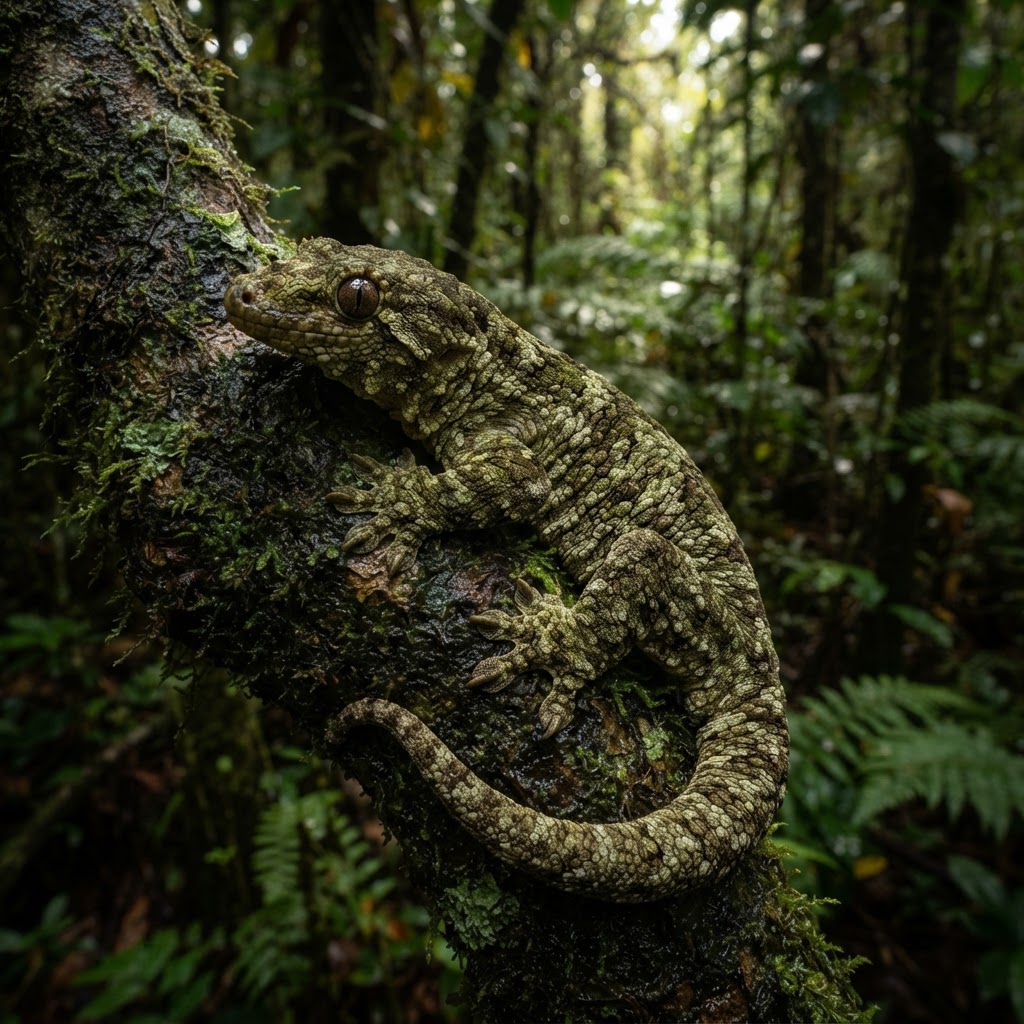
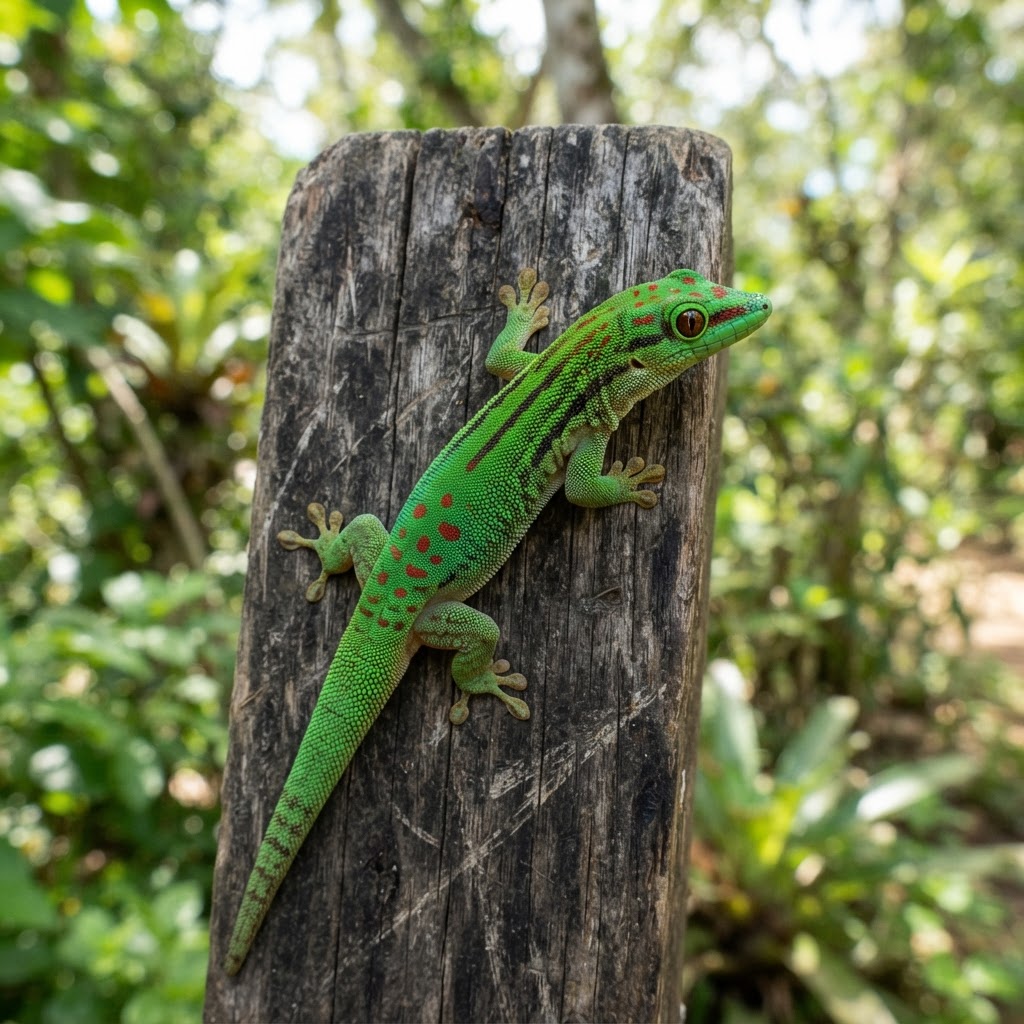
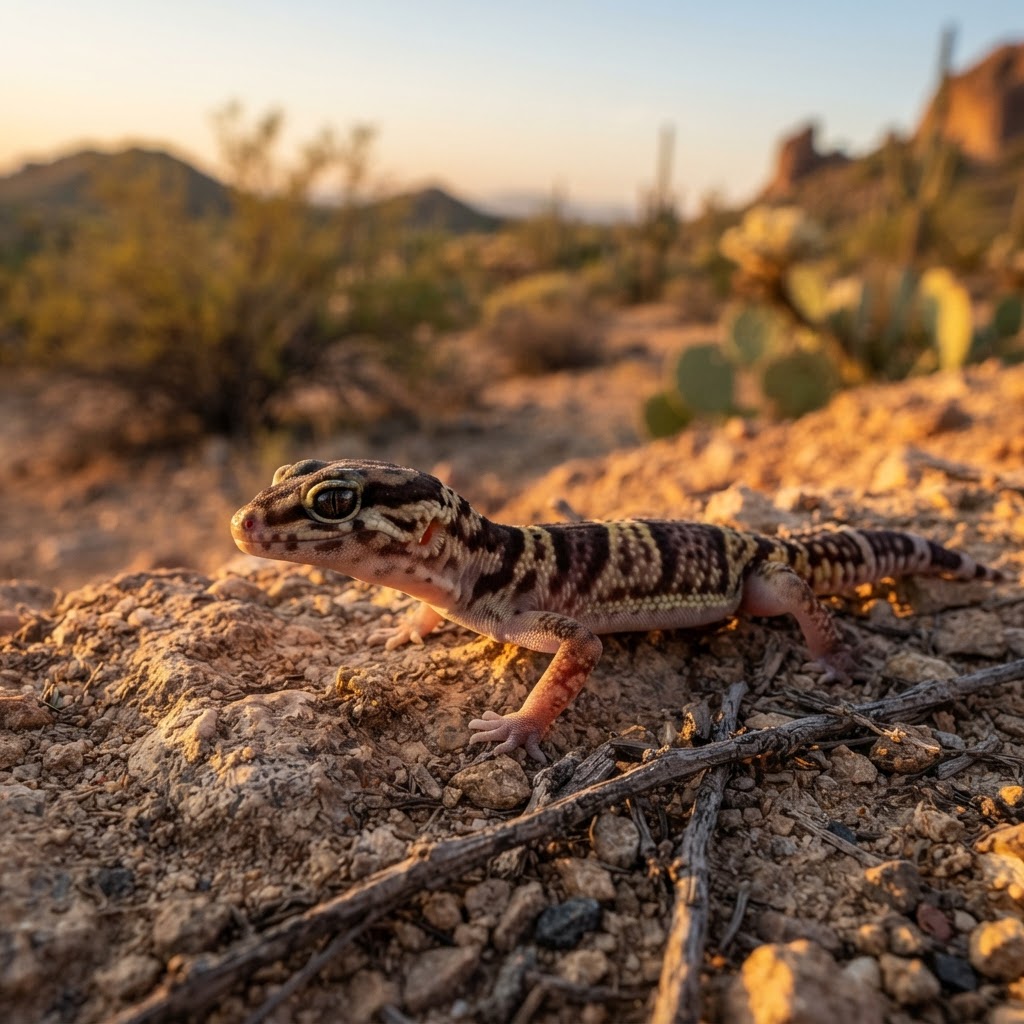

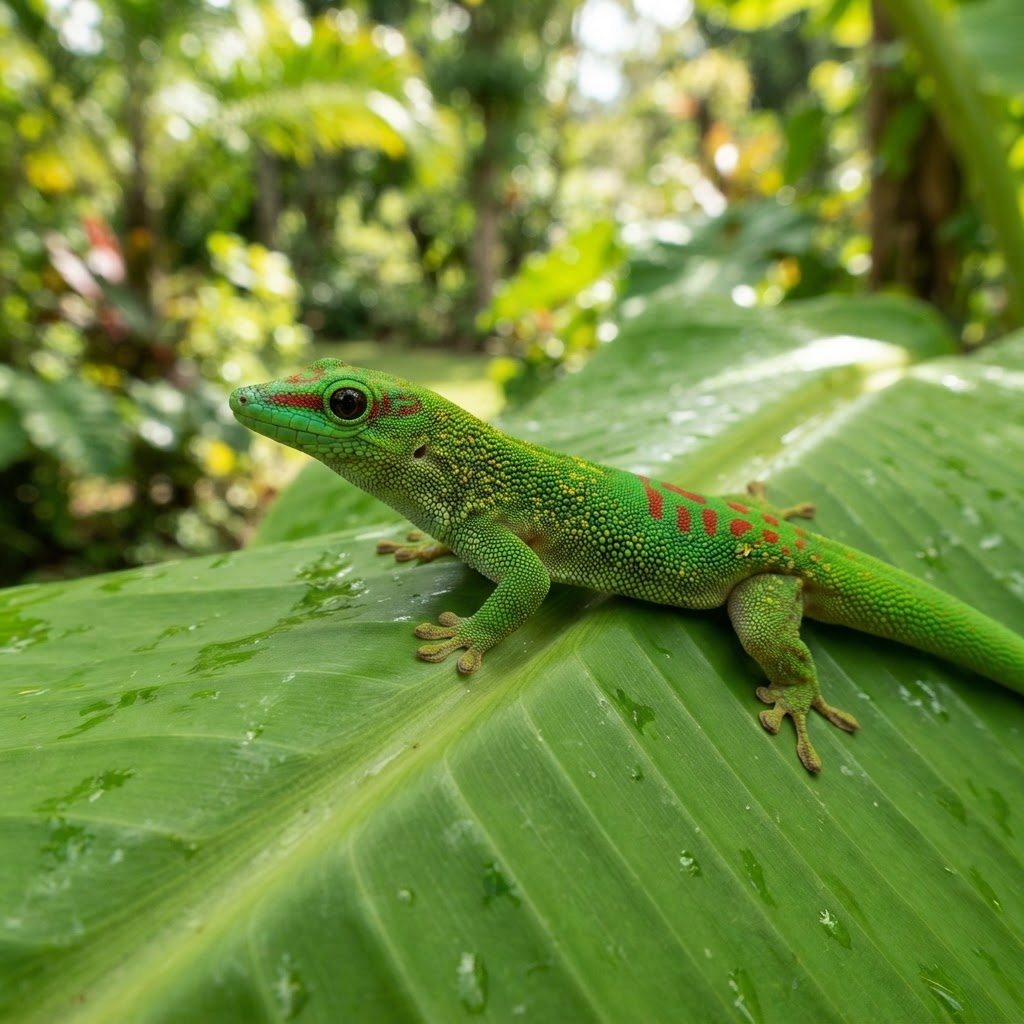
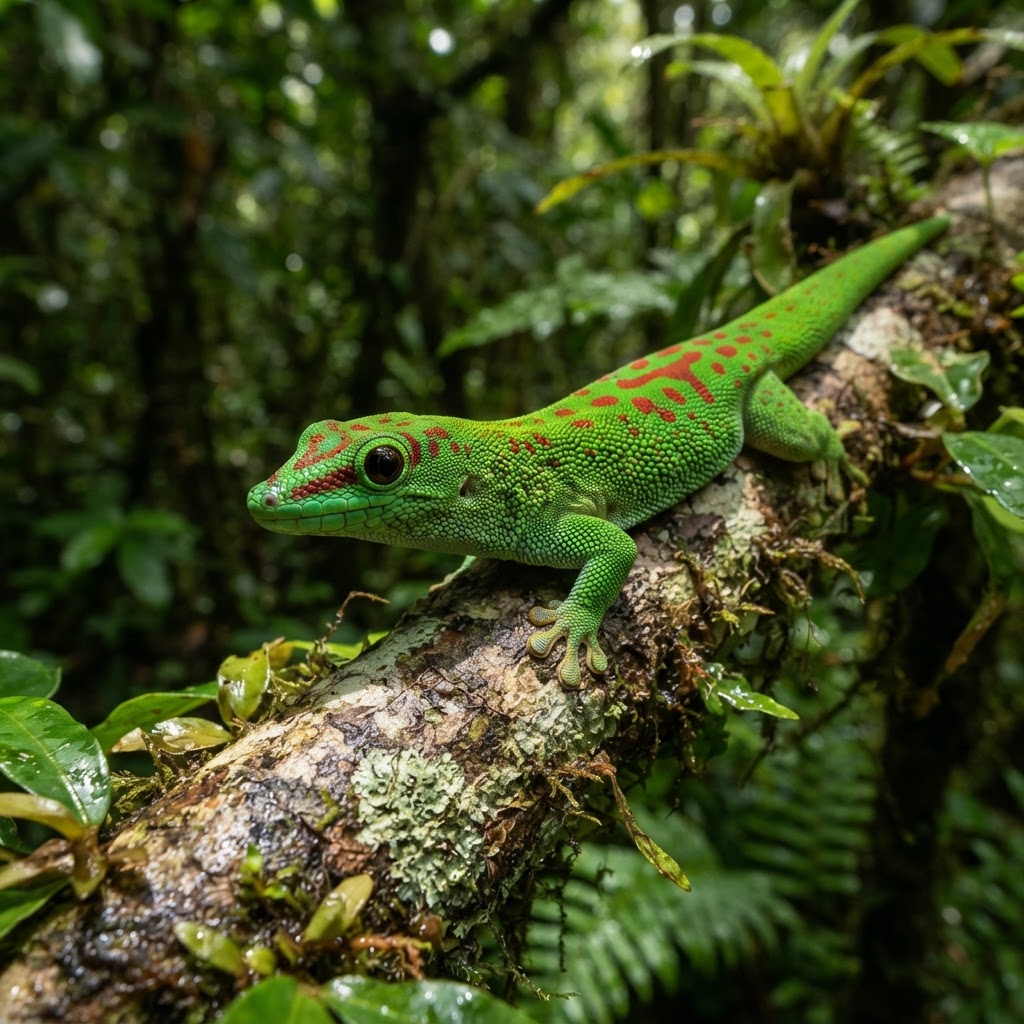
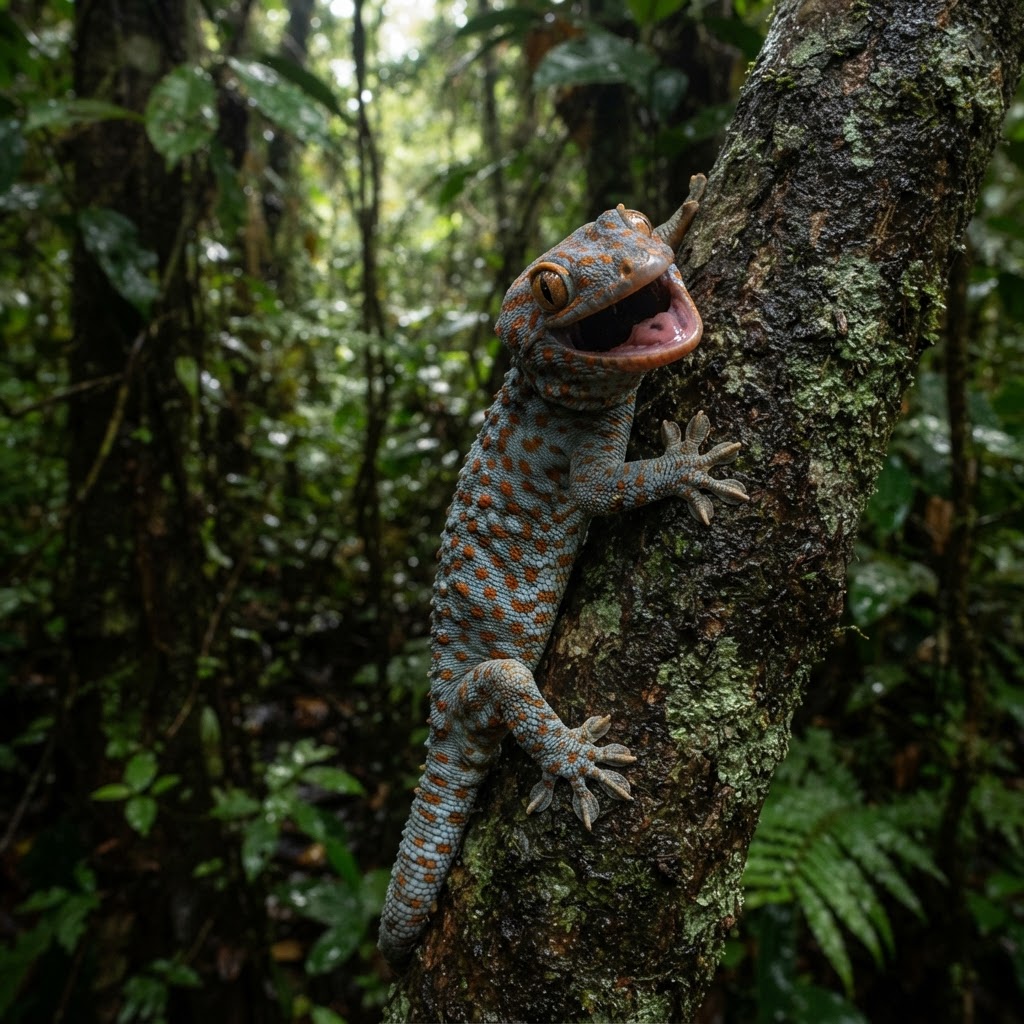
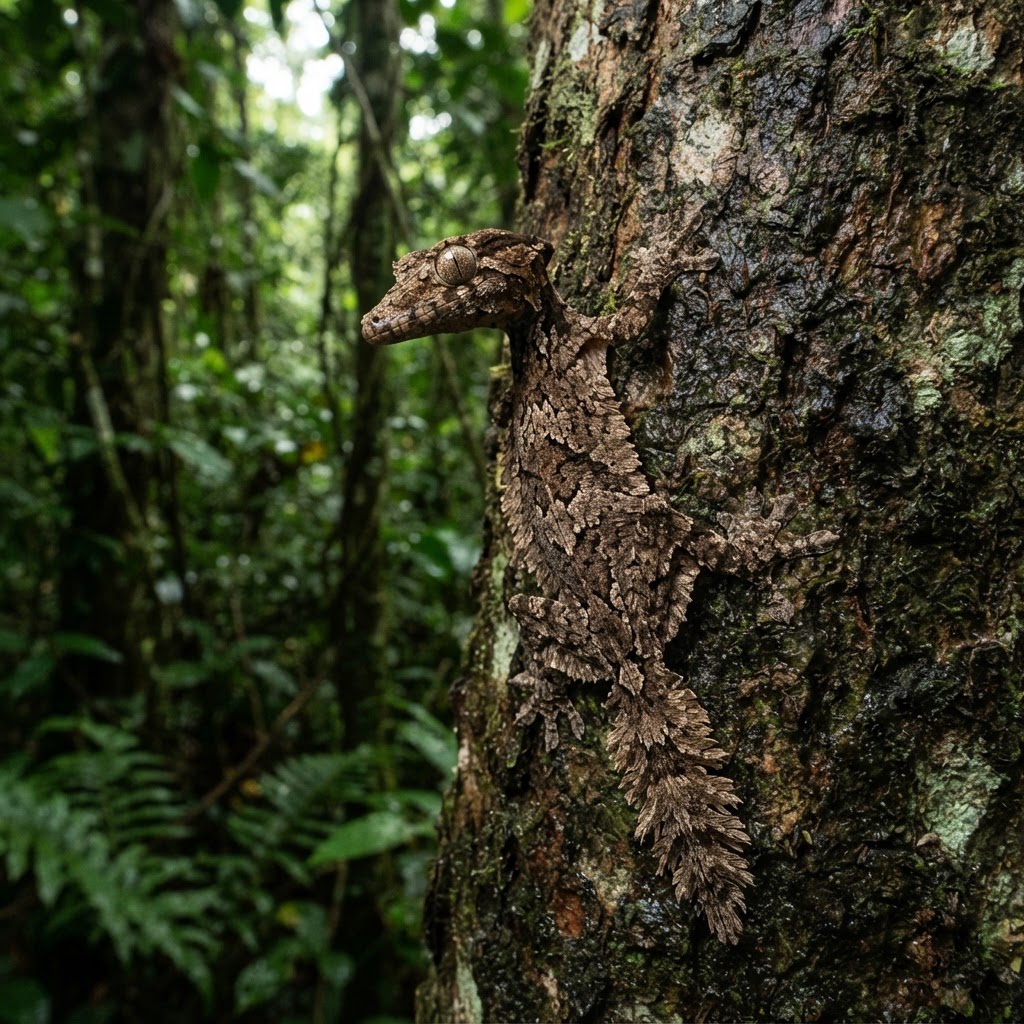
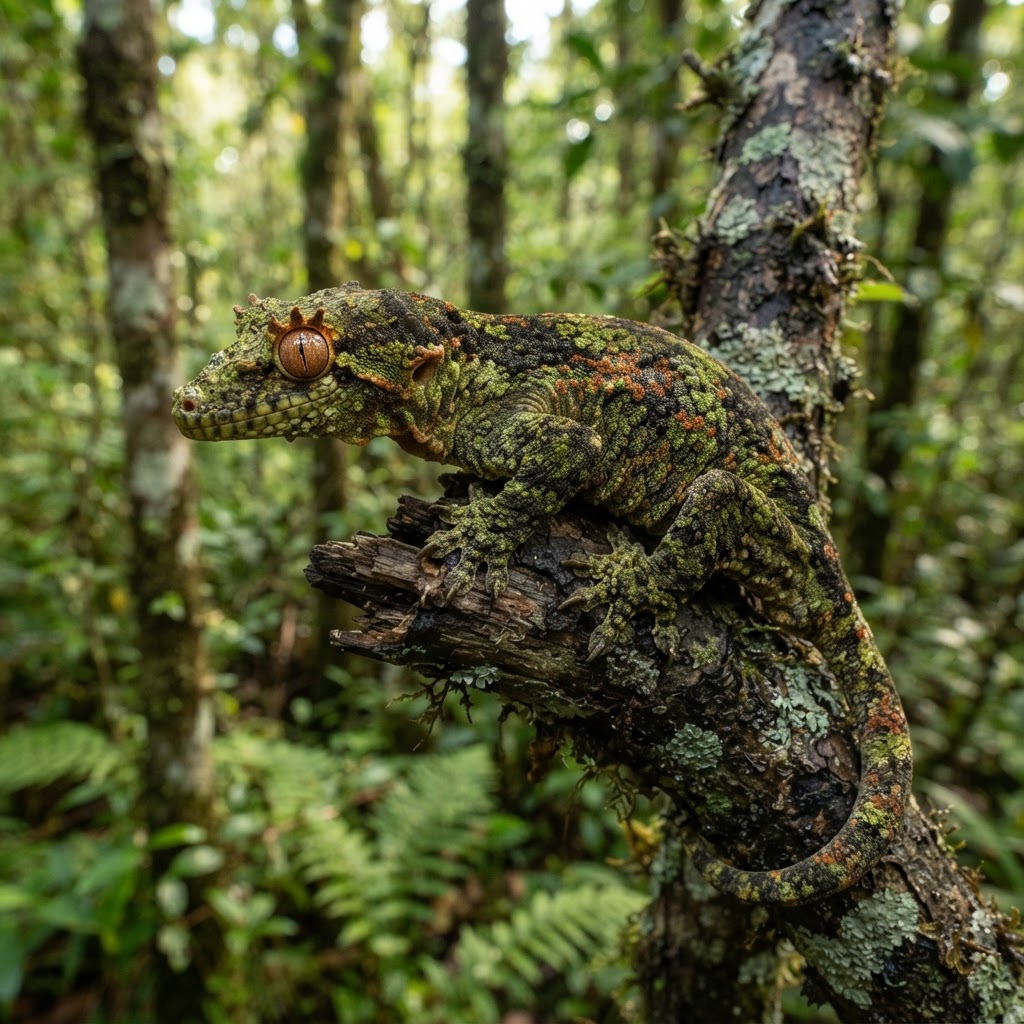
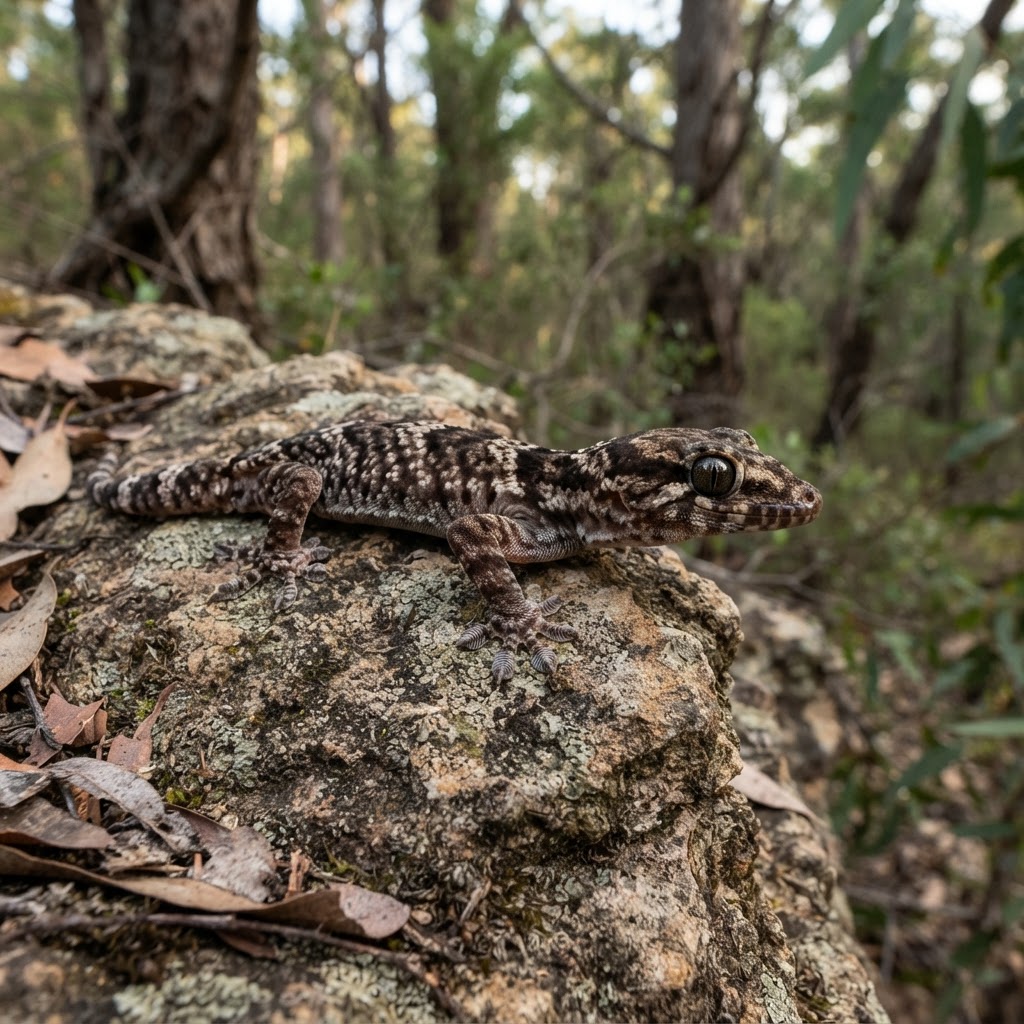
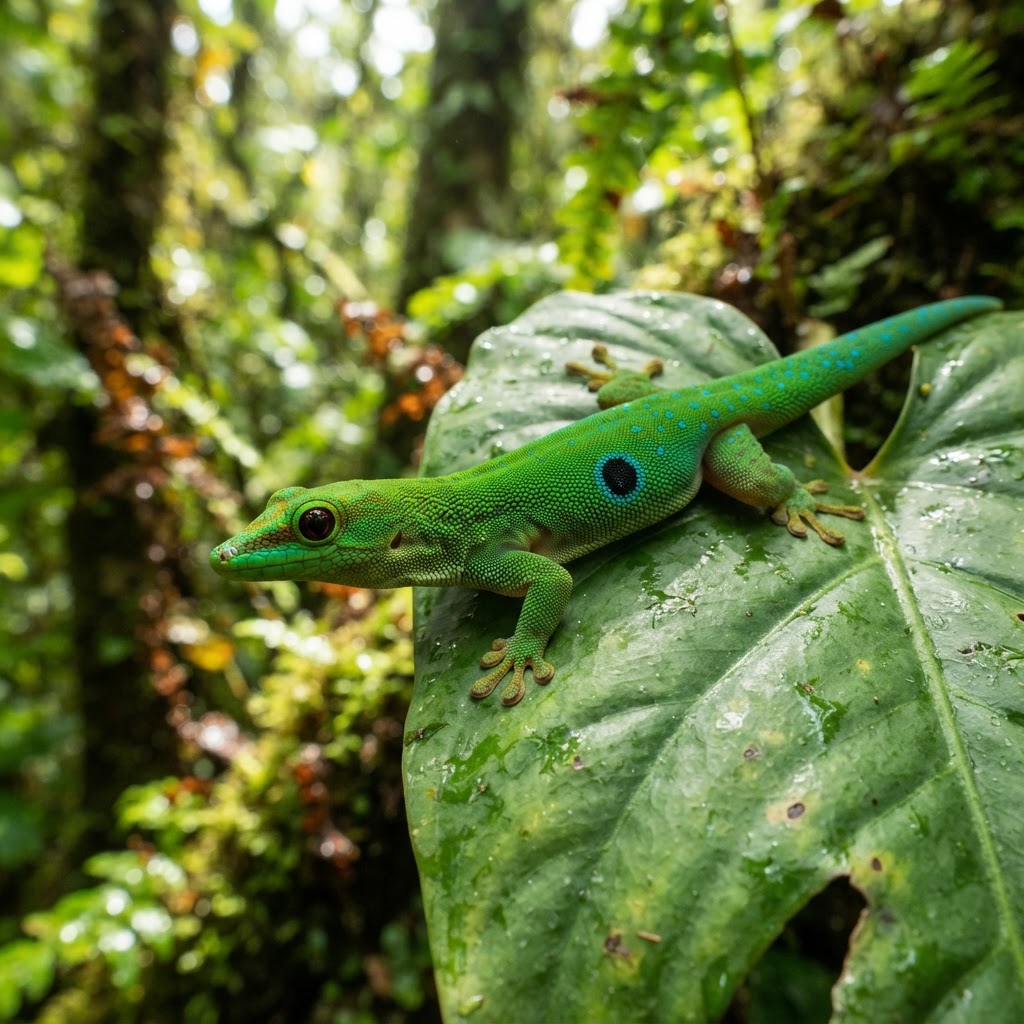
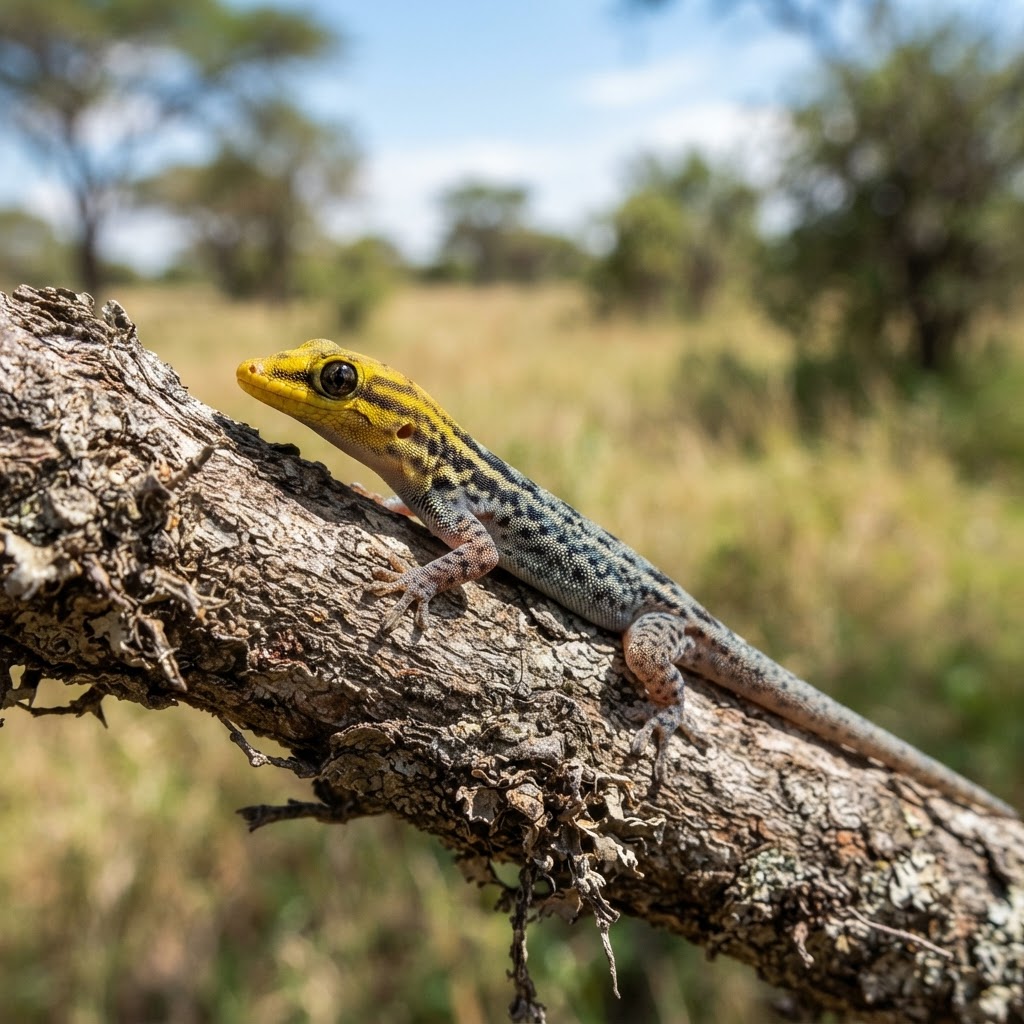
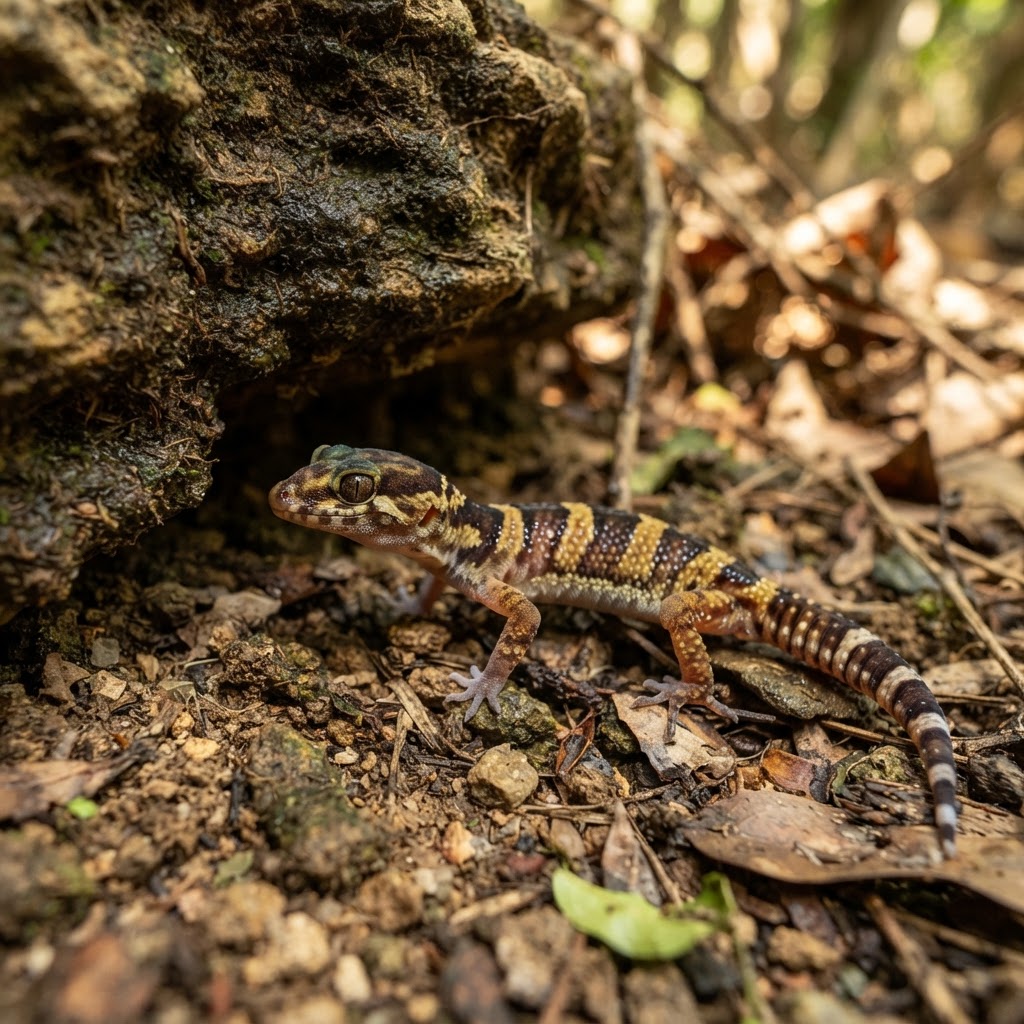
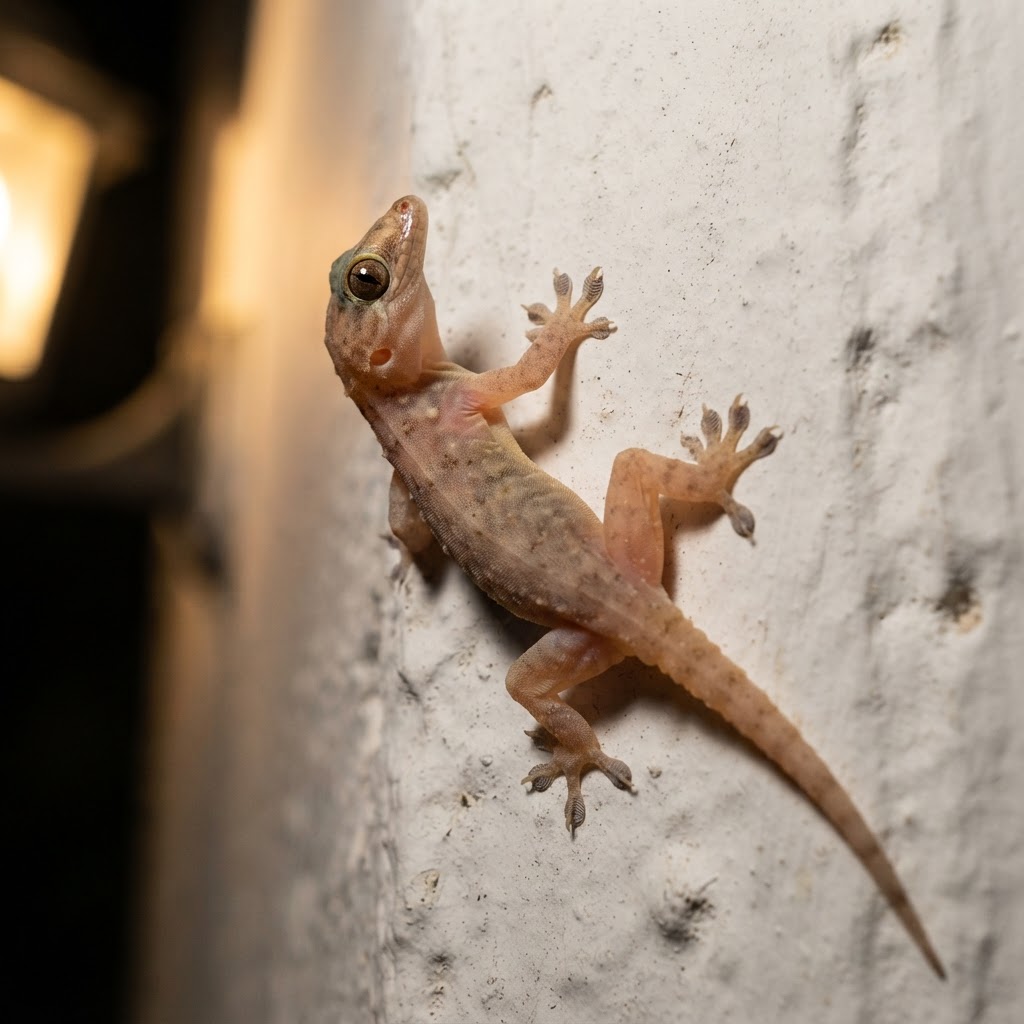




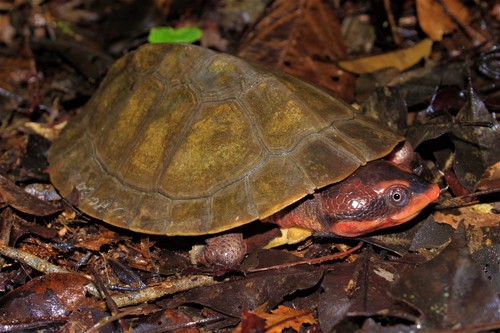
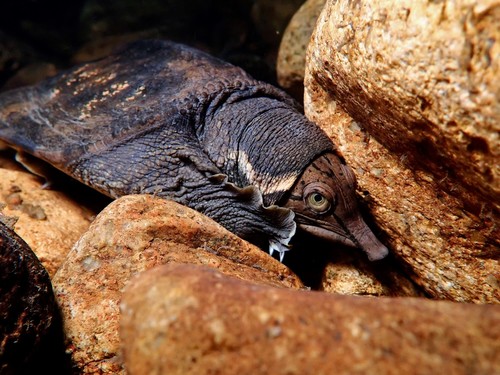
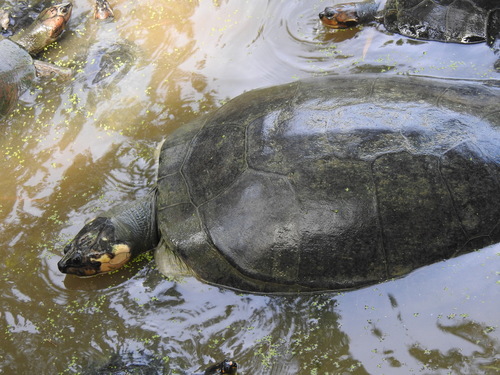
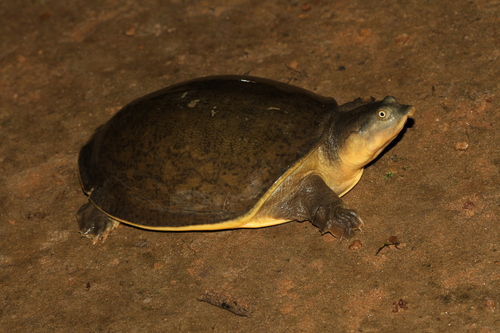

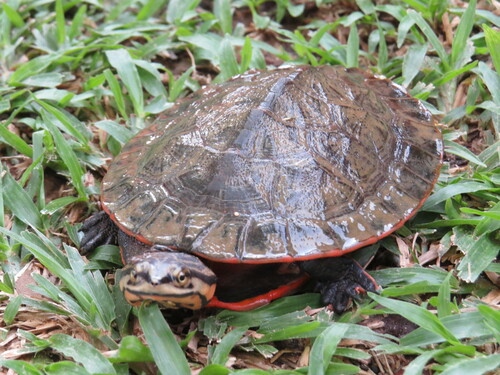
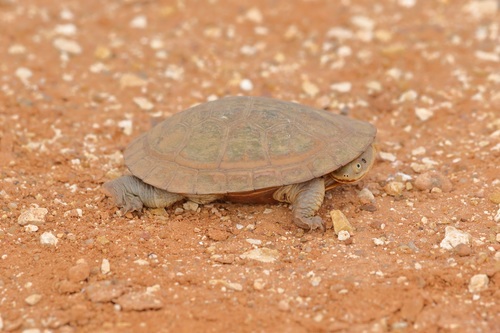
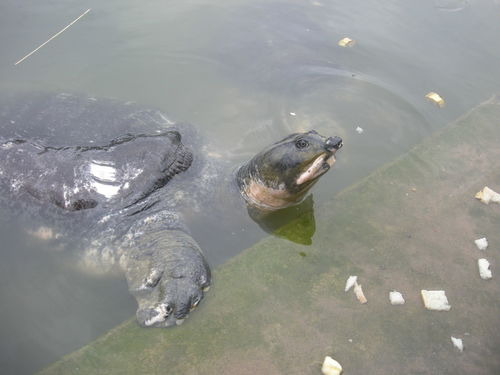
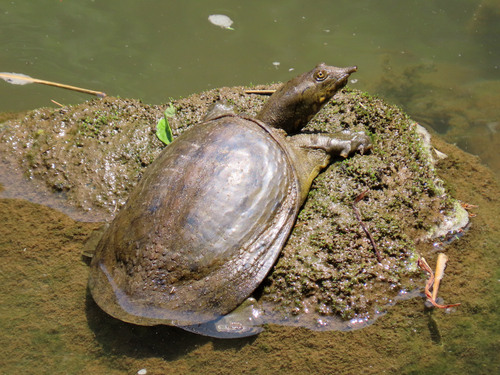
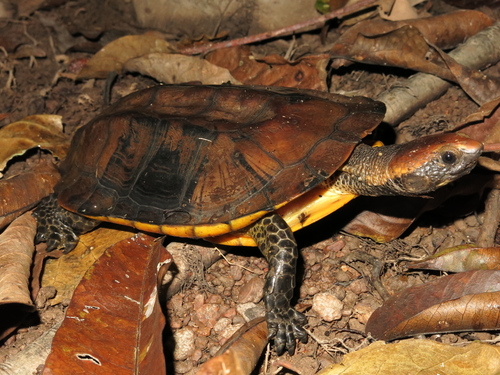
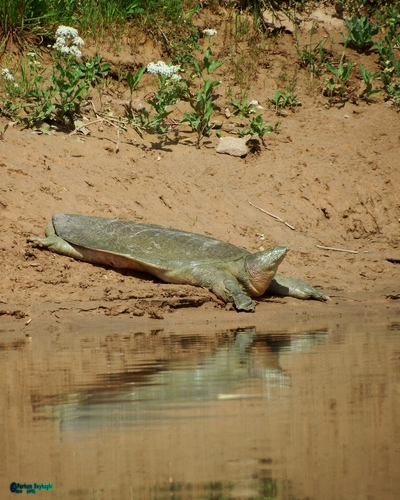
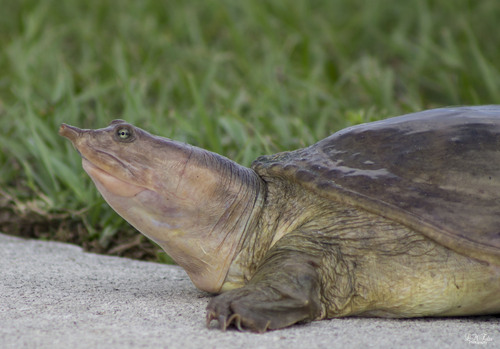
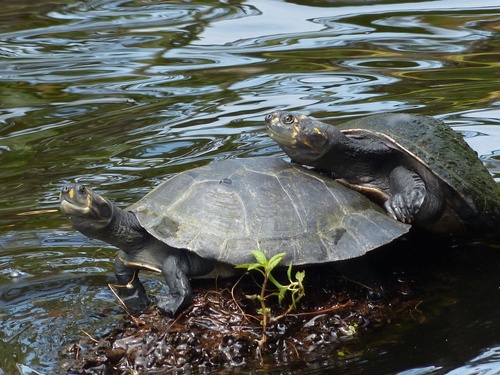
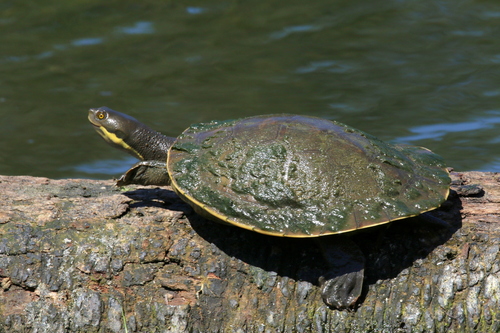
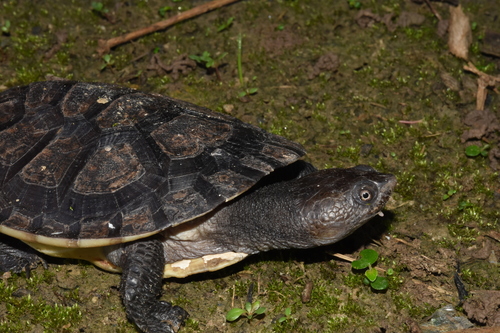
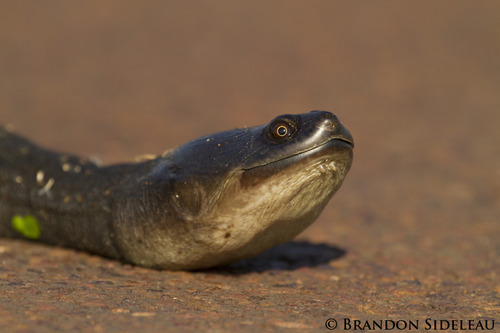
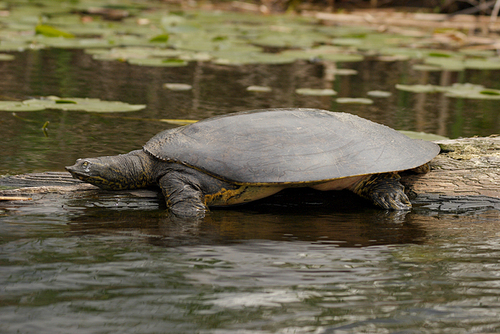
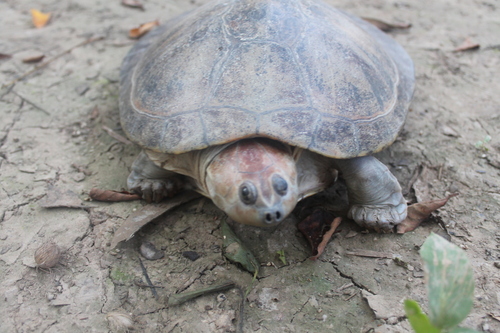
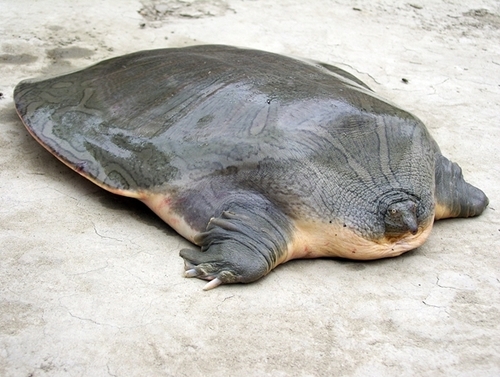
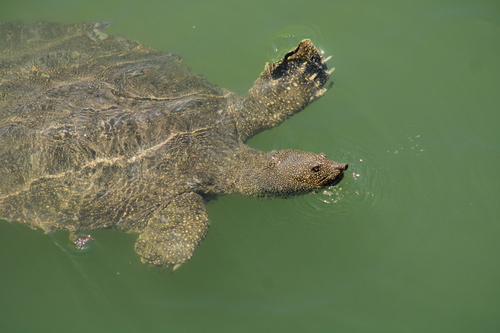

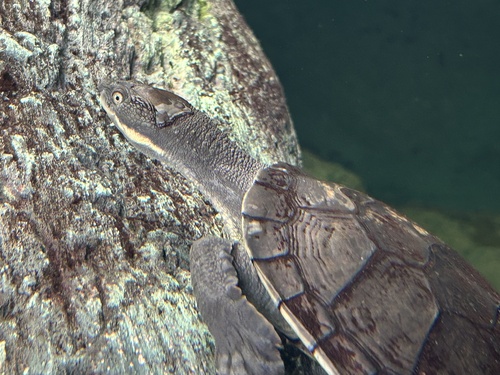




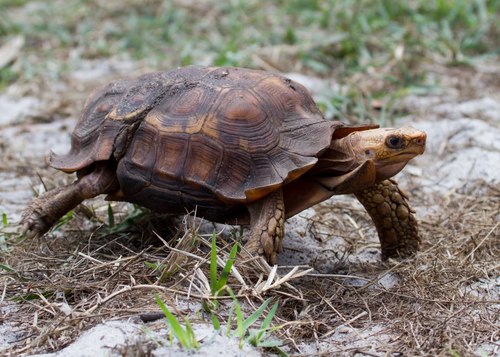

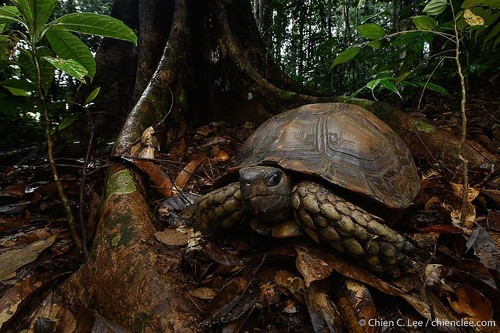
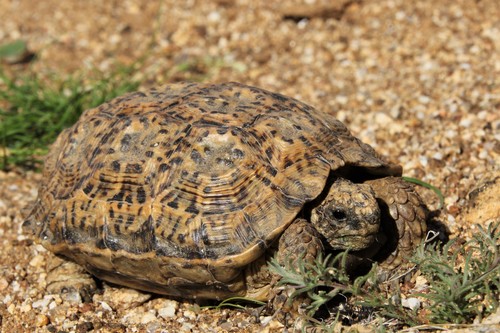
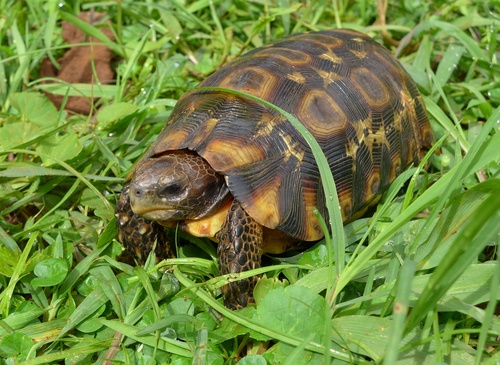
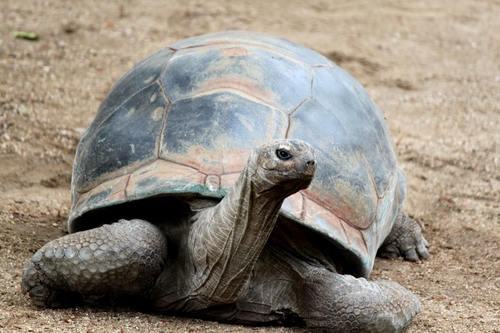

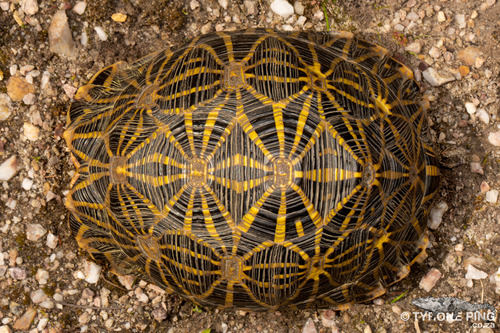
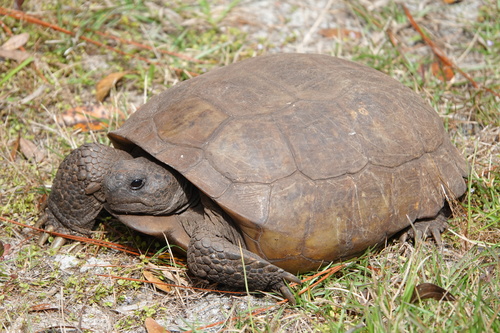

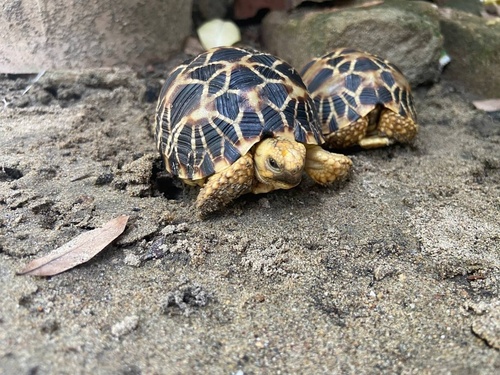




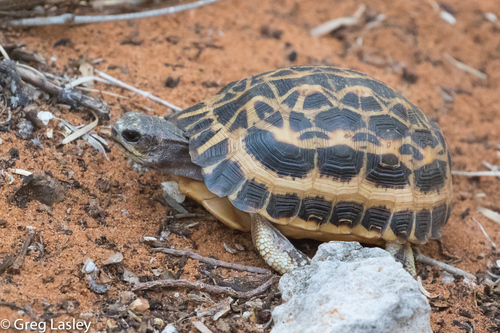

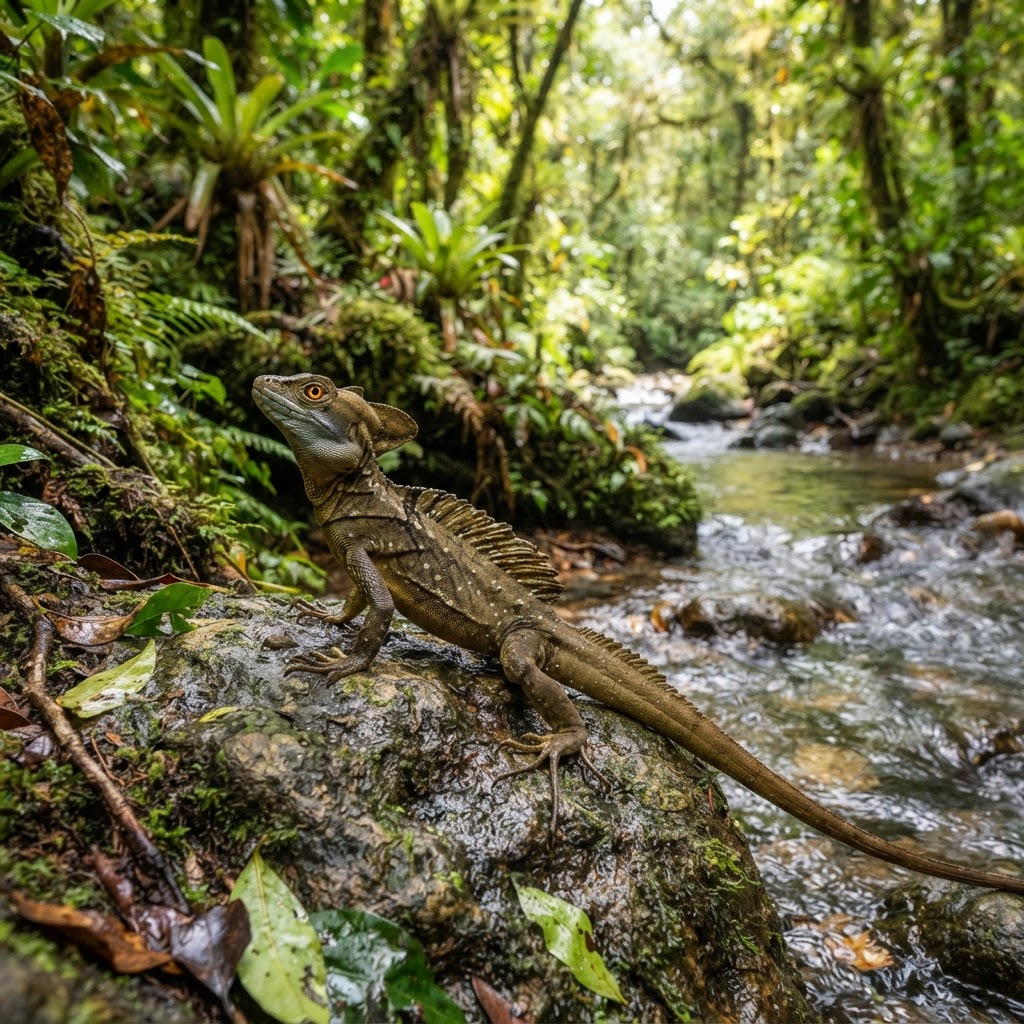


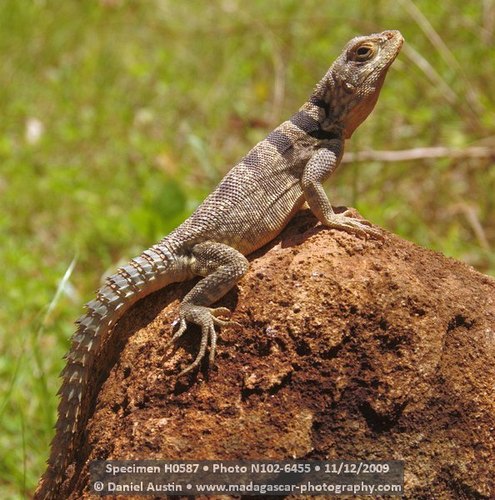
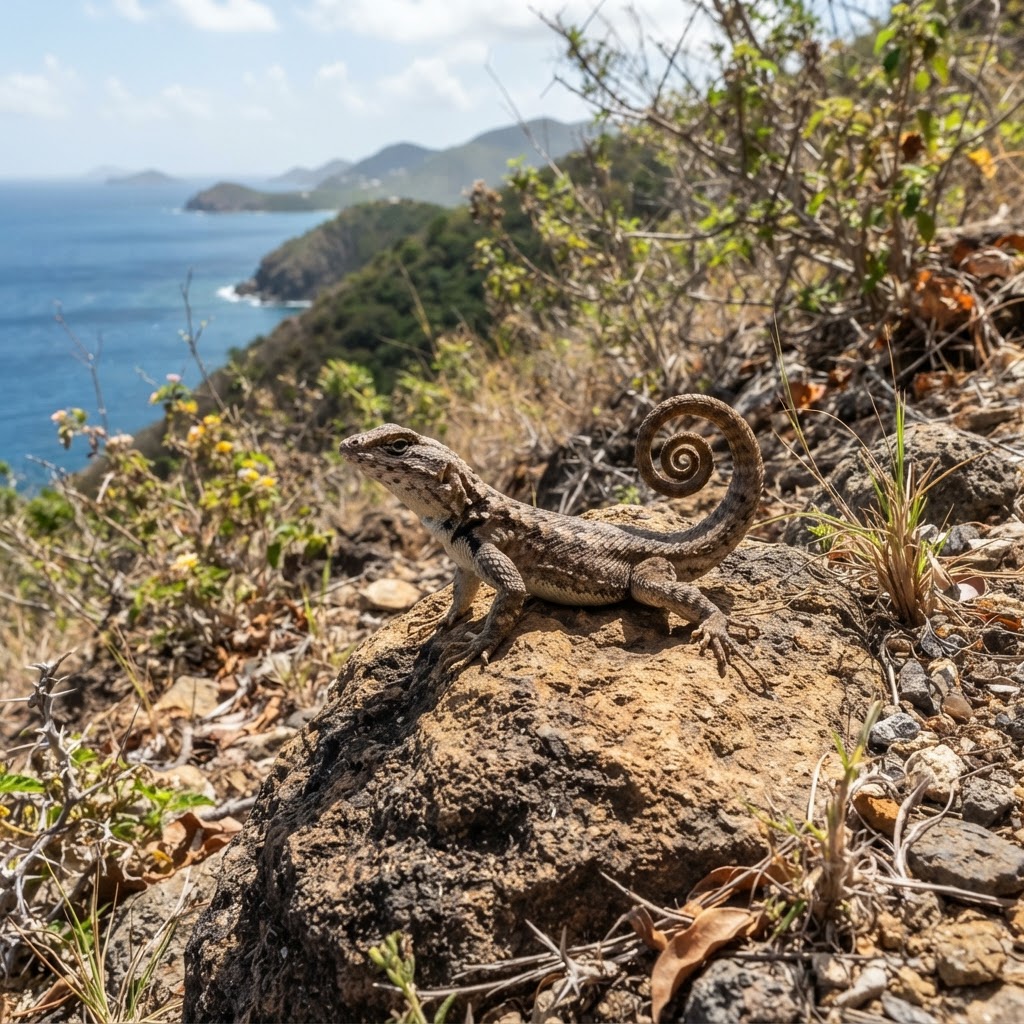


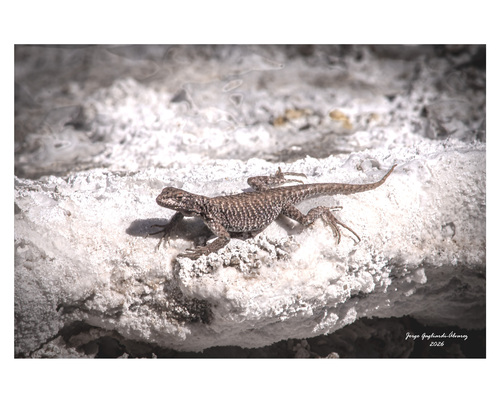

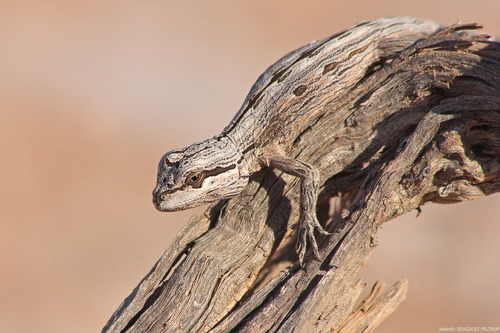

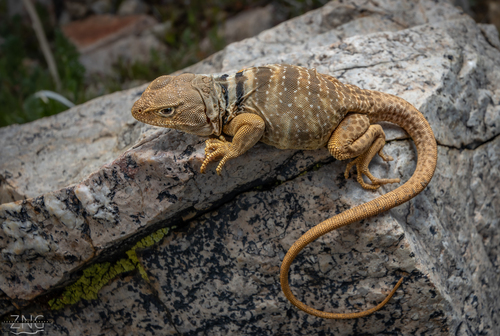


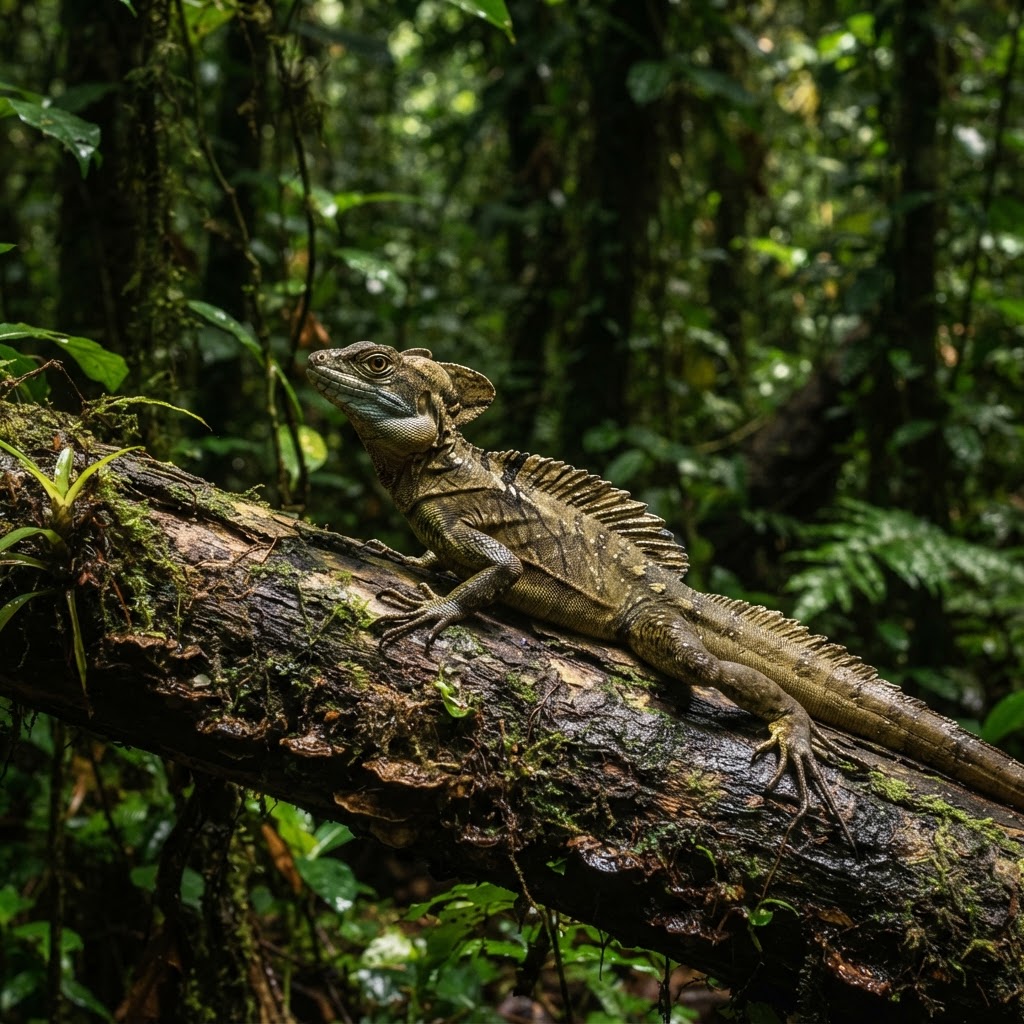


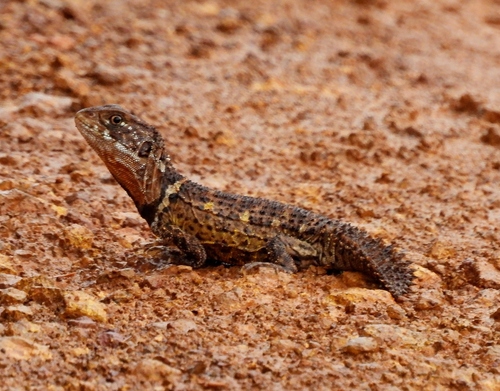


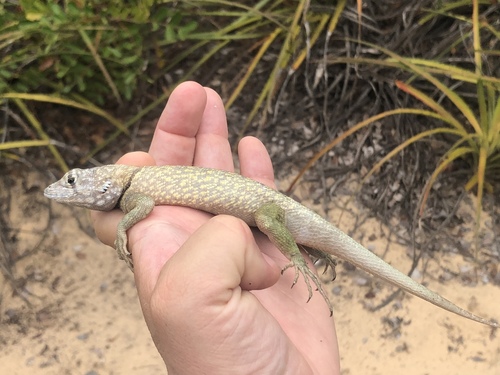


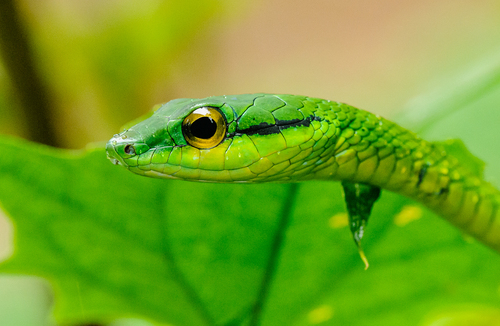
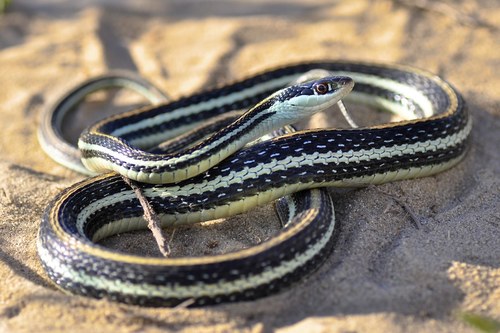




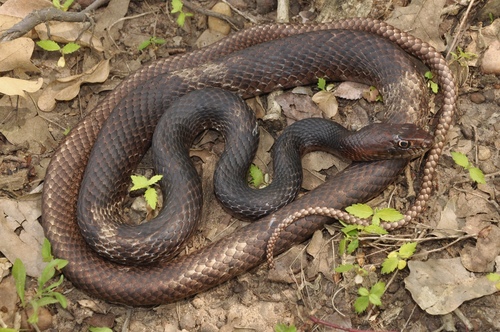

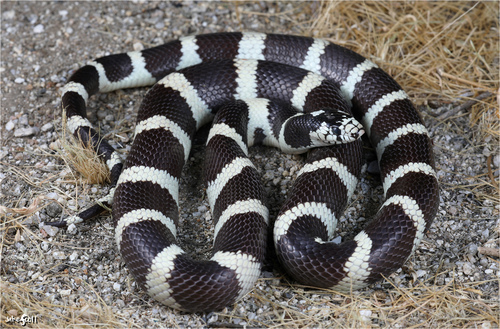


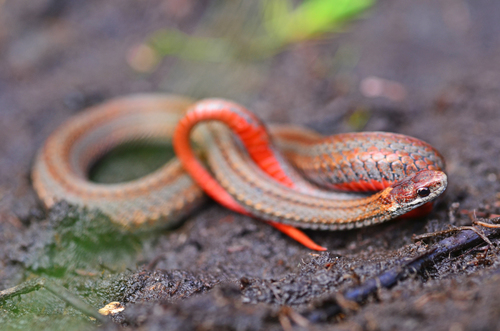


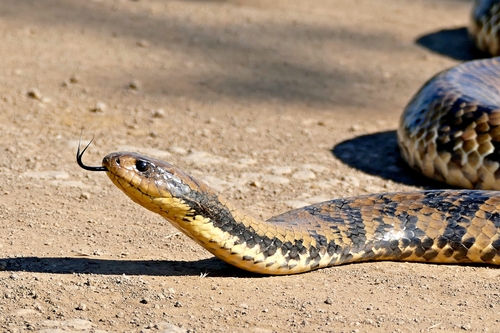









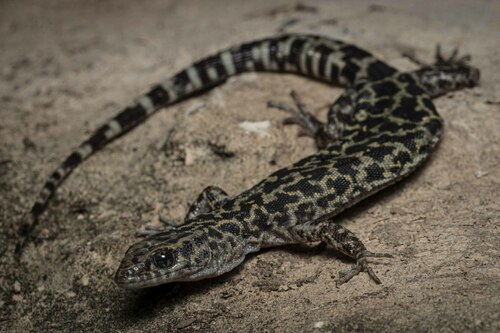


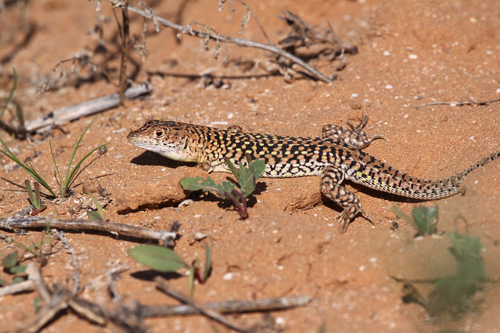


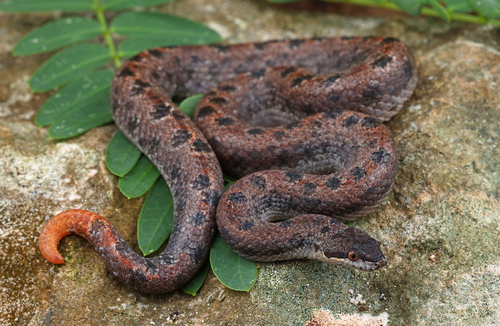


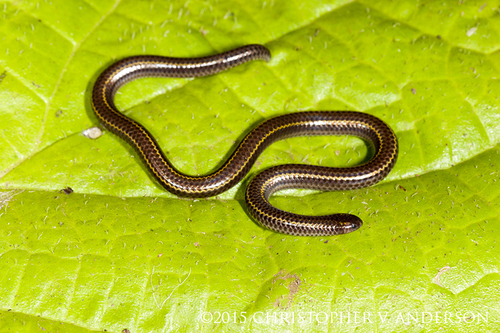


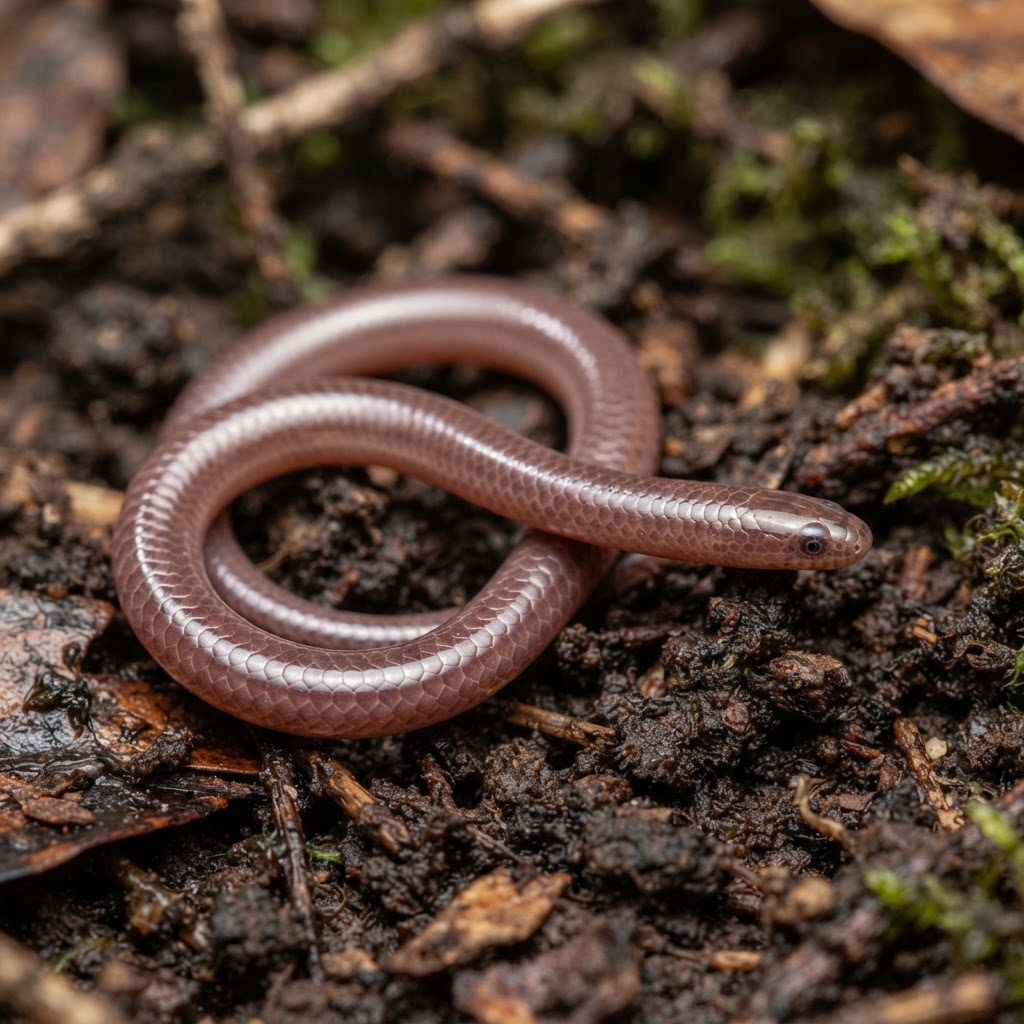


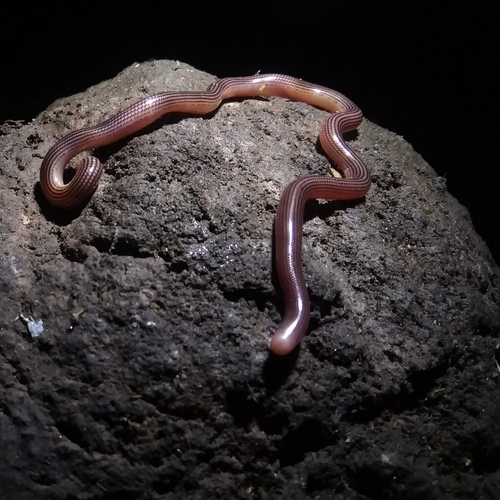


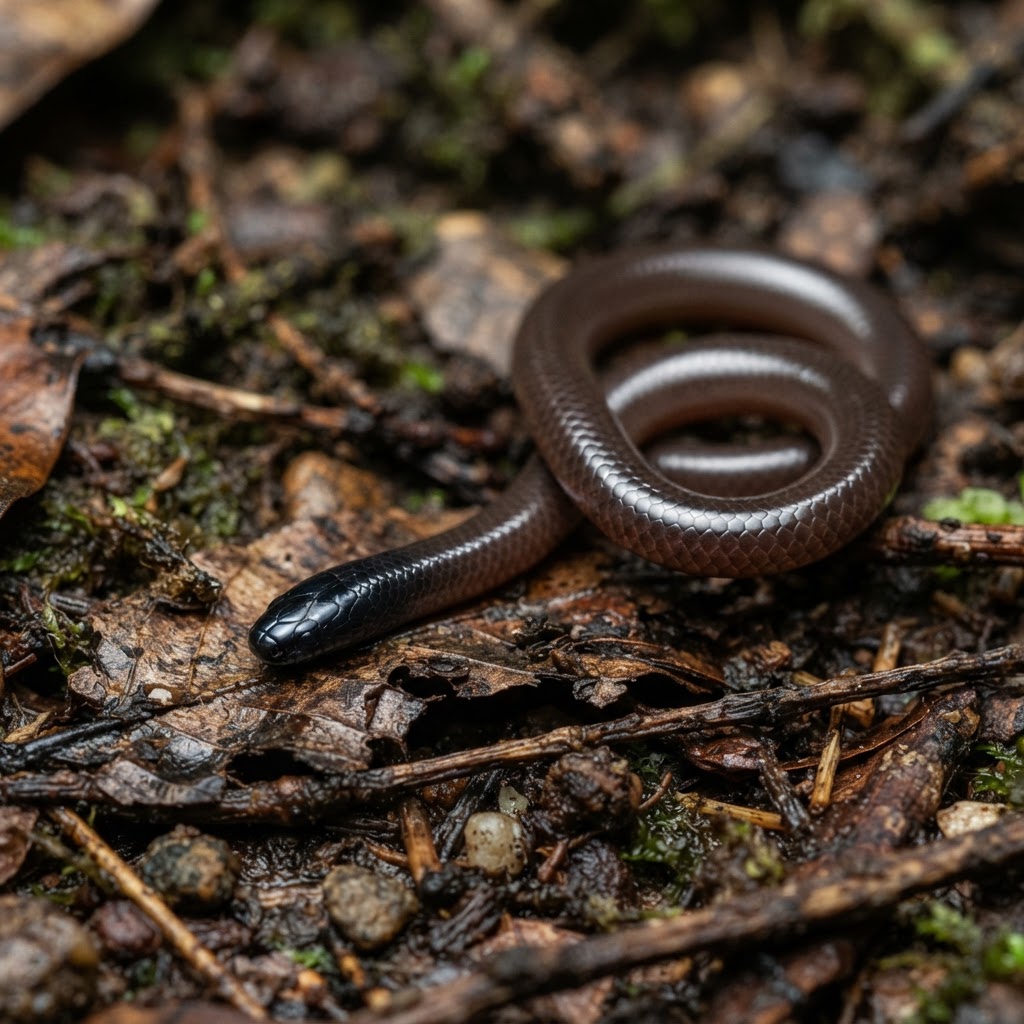


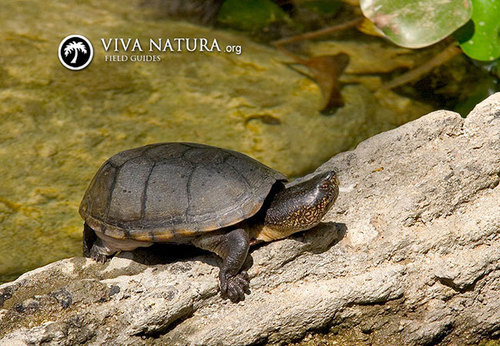











Seasonal Feeding Alerts
Current feeding schedules based on seasonal changes
Autumn
0 species
Spring
0 species
Feeding Dashboard
Bulk Import
Upload spreadsheets to quickly populate your species catalog and feeding logs
Reptile Species
Expected columns
common_name, scientific_name, category, natural_habitat, geographic_range, description, size, diet, image_url, conservation_status
Click to upload a CSV or Excel file
.csv, .xlsx, or .json supported
Feeding Logs
Expected columns
species_name, feeding_date, food_type, quantity, weight_grams, notes, completed
Click to upload a CSV or Excel file
.csv, .xlsx, or .json supported

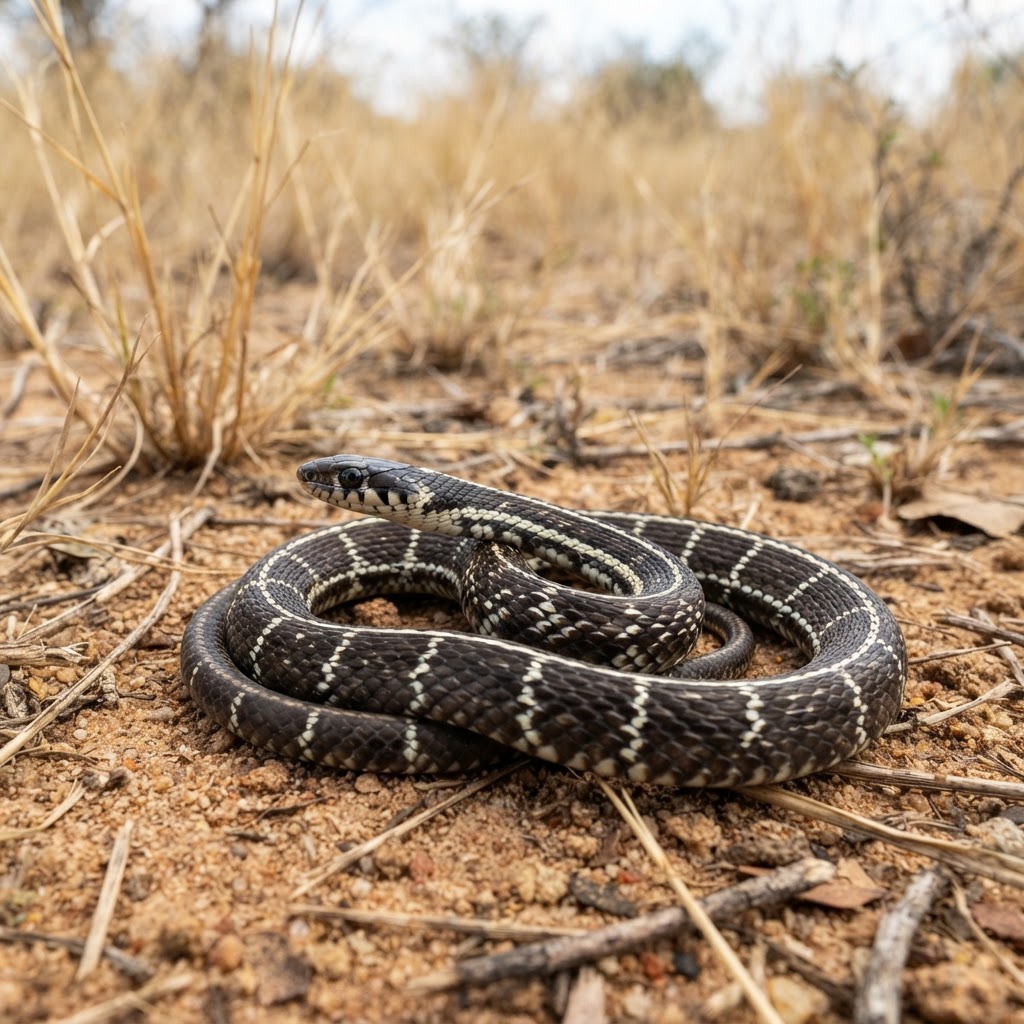
Cape Boa
Eryx colubrinus loveridgei
Rocky and sandy areas
Africa
2 ft (0.6 m)
Mice and lizards
About this species
This subspecies of sand boa is known for its intricate orange and black patterning. It is a very popular pet.
Enrichment & behavioral stimulation
Cape Boa is primarily ground-dwelling — enrichment centers on hides, burrowable substrate, and scent-based foraging.
- Provide at least two snug hides (warm and cool) plus a humid hide to reduce stress and aid shedding.
- Use aspen or a safe soil mix deep enough to allow burrowing and self-regulation.
- Warm prey and drag it along decor to create scent trails for tracking.
- Add fake plants and cork pieces so movement feels secure rather than exposed.
- Provide a sturdy water dish large enough for soaking.
- Offer low sturdy branches only if the species is known to climb opportunistically.
Housing & Social Behavior
Strictly solitary; keeps stress levels low and aids in monitoring individual health.
Housing guidance is general and based on species-typical behavior; always verify against current husbandry references and observe individual temperament.