The Reptile Atlas
Explore the world's reptile species — snakes, lizards, turtles, crocodilians, and more. Discover their habitats, diets, and seasonal feeding guides.
Massive thanks to everyone who has visited the site almost 8k and I really hope it helps yinz out. Google play store app in the works!!!!!
Seasonal Feeding Alerts
Northern Hemisphere
Autumn
443 species
Southern Hemisphere
Spring
271 species
Current feeding schedule changes
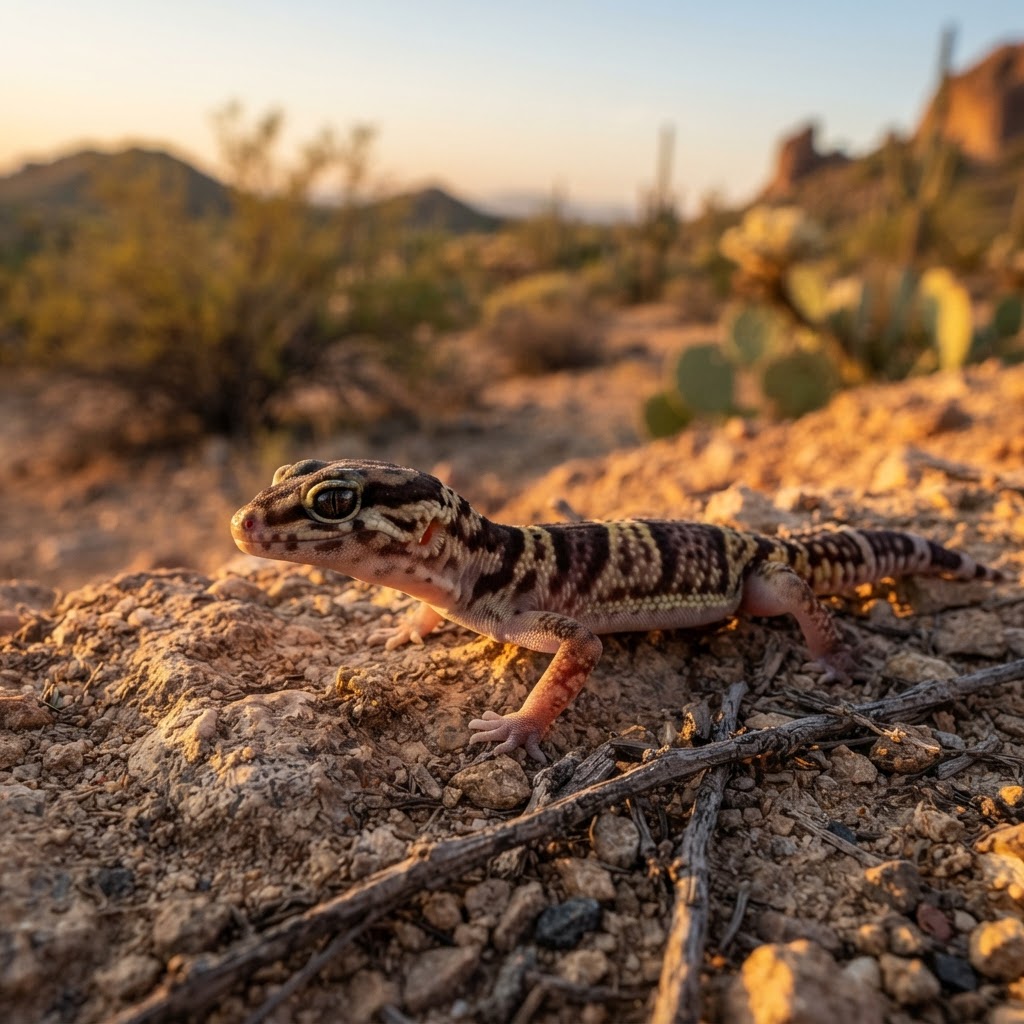
🍂Afghan Leopard Gecko
Autumn: Maintain feeding to build tail fat reserves ahead of winter; 2–3 times per week.
Black Soldier Fly Larvae
Autumn: Harvest remaining larvae. Colony activity decreases with shorter days.
Hornworms
Autumn: Maintain cultures at room temperature. Continue commercial diet only.
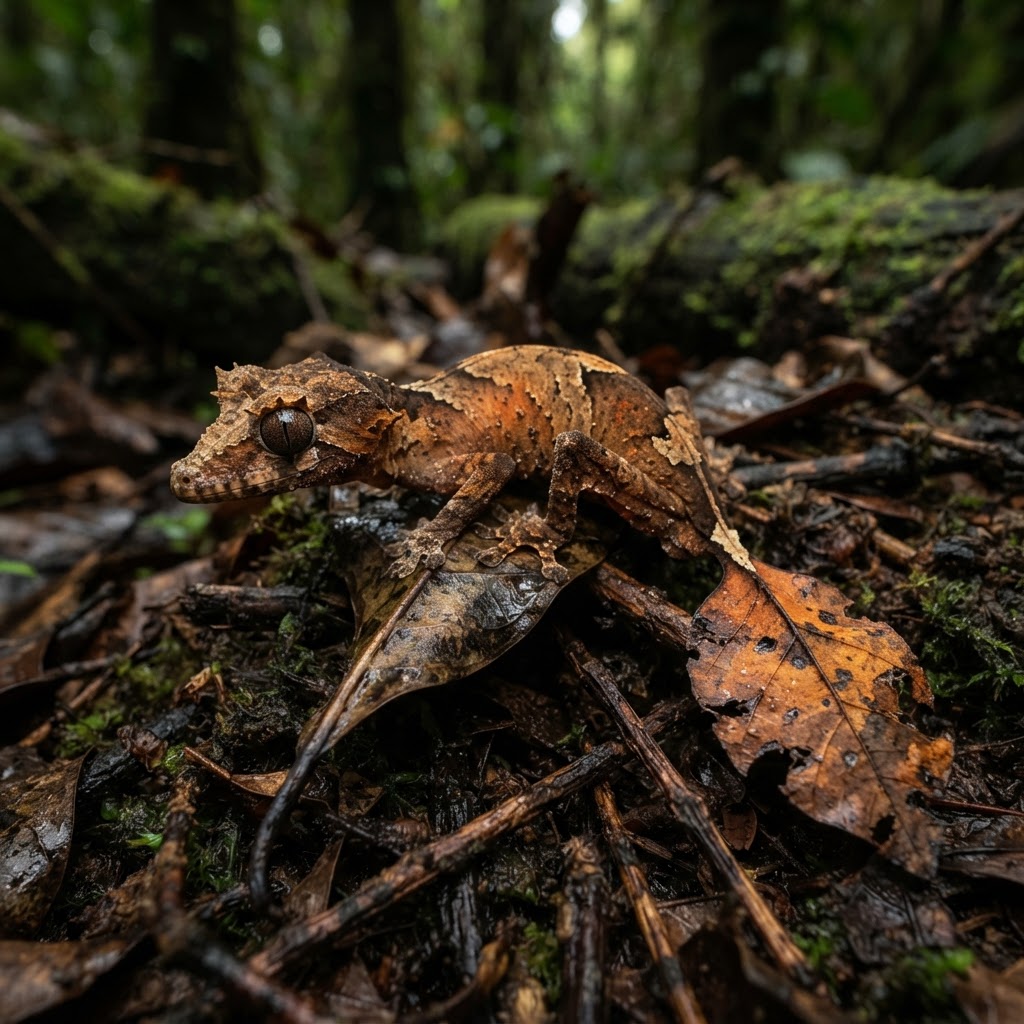
Henkel's Leaf-tailed Gecko
Spring: Increase feeding as temperatures warm; offer appropriately sized insects 3–4 times per week, dusted with calcium.
Sorah Leaf-tailed Gecko
Spring: Increase feeding as humidity rises; offer small insects 3–4 times per week with calcium dusting.
Log in to unlock your personal collection page, feeding logs, breeding tracking, calendar sync, and more features. Fixing Google login issues — you can still log in by registering.
Showing 704 species · 3 sub-species
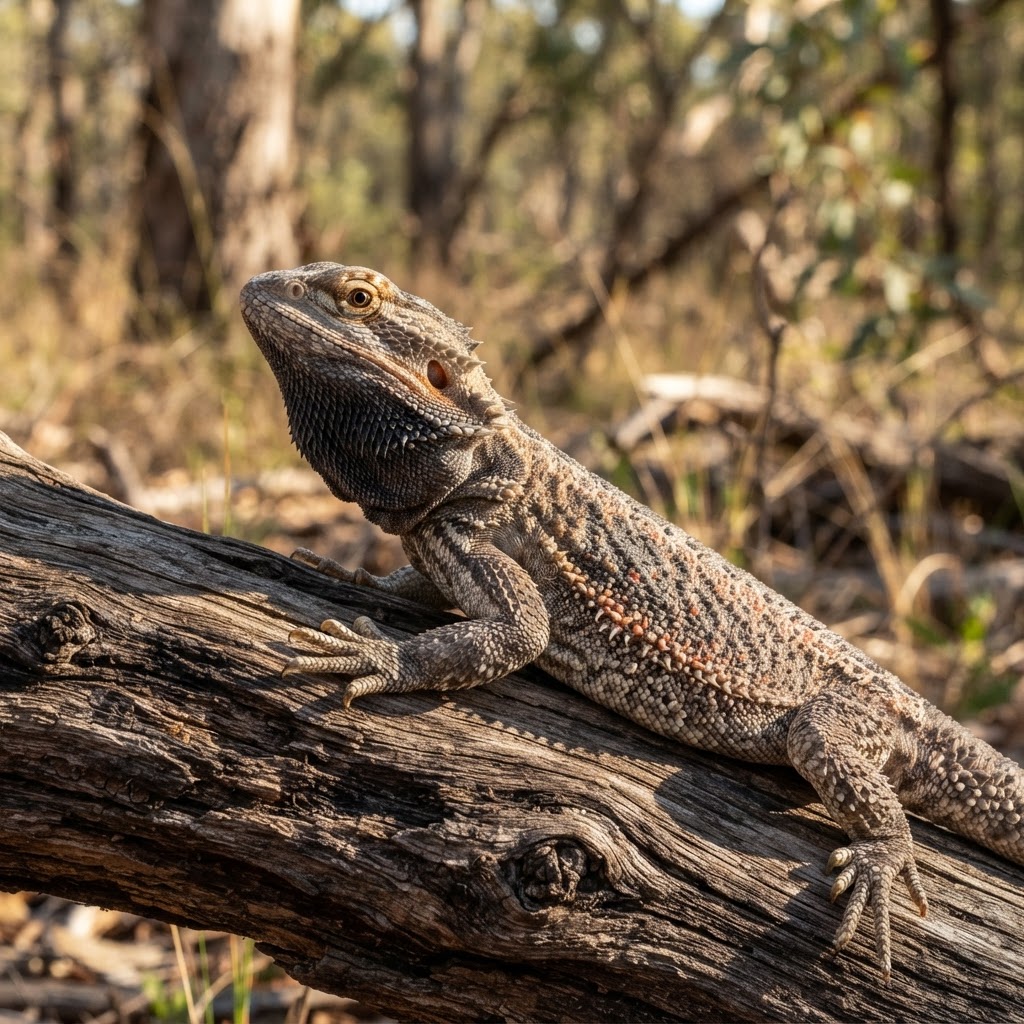


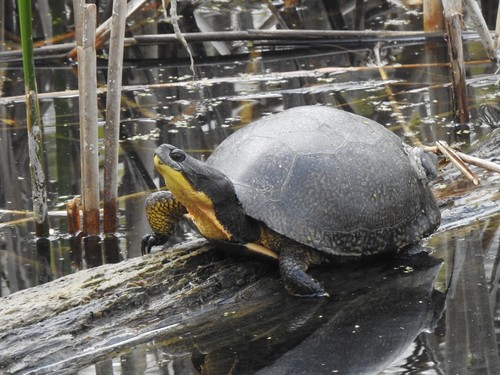
%20male.jpg)
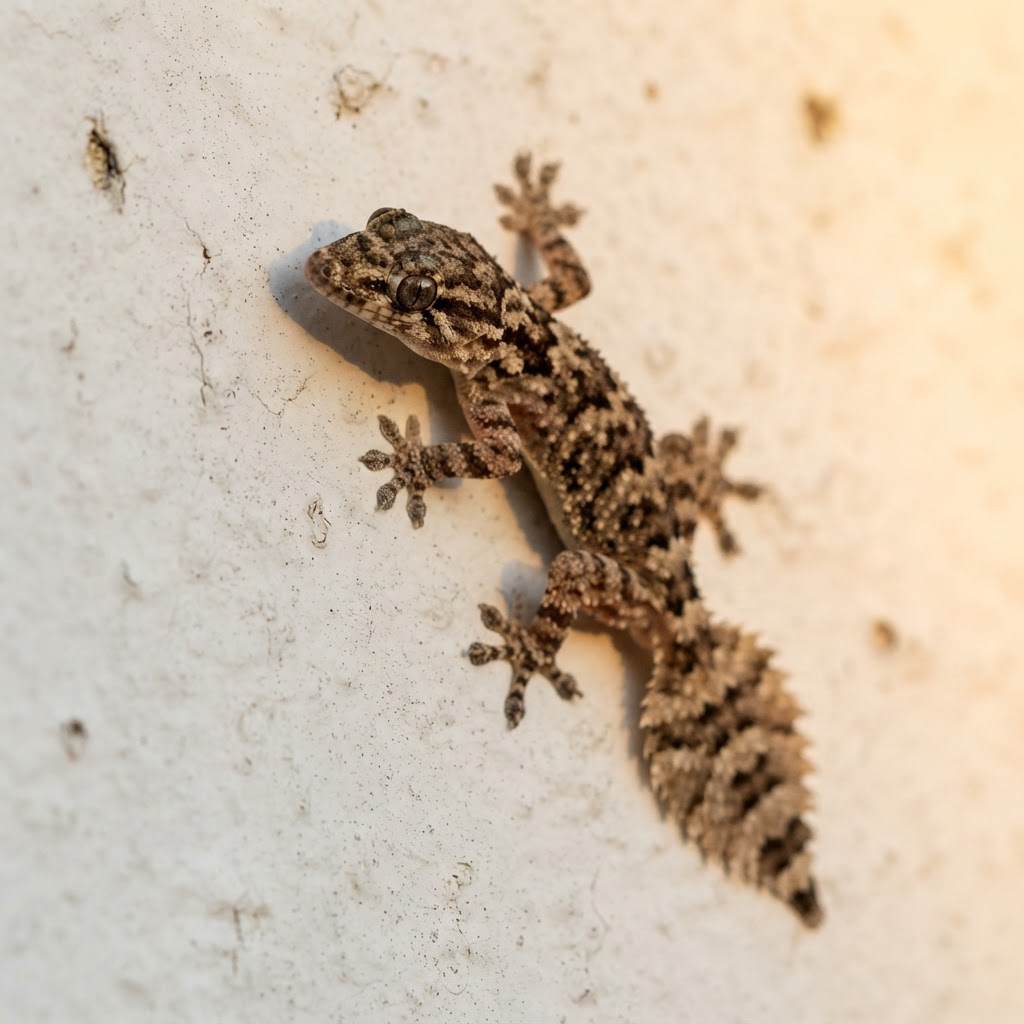
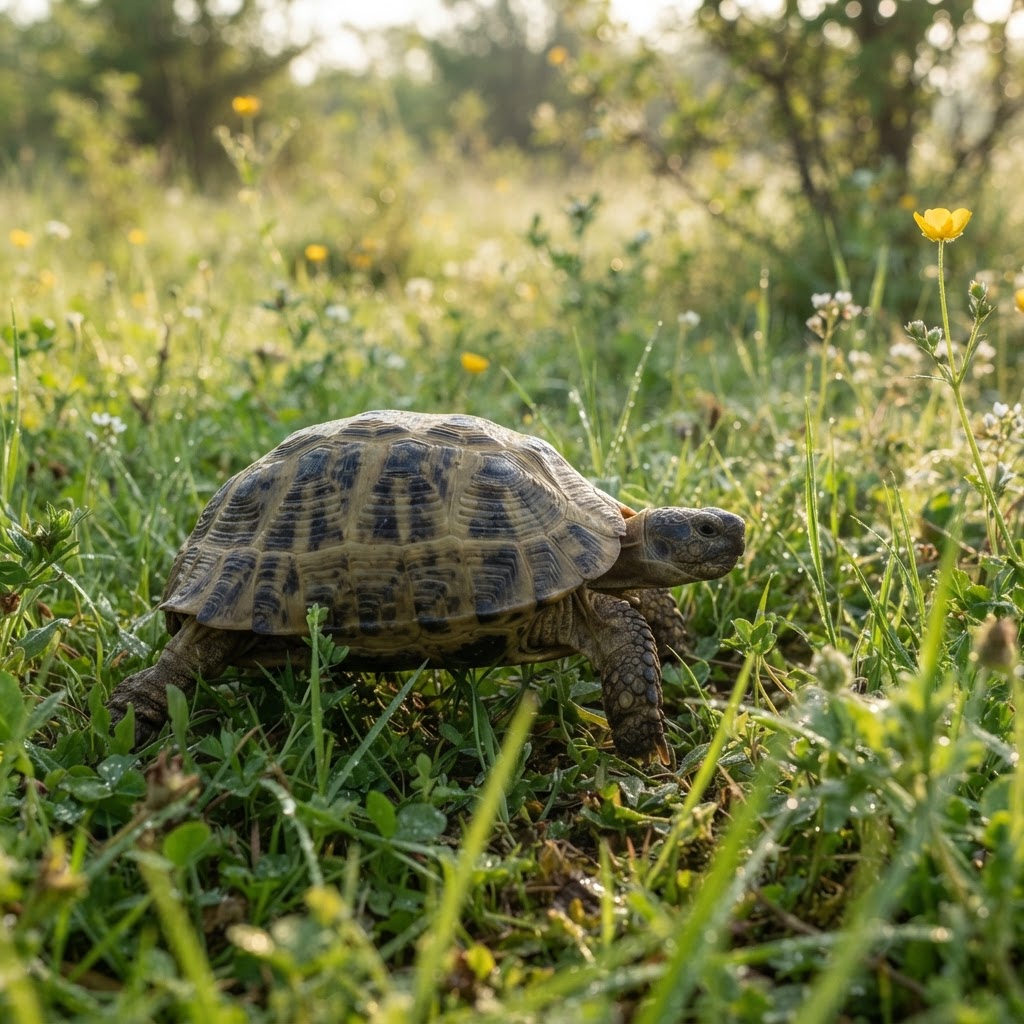
.jpg)
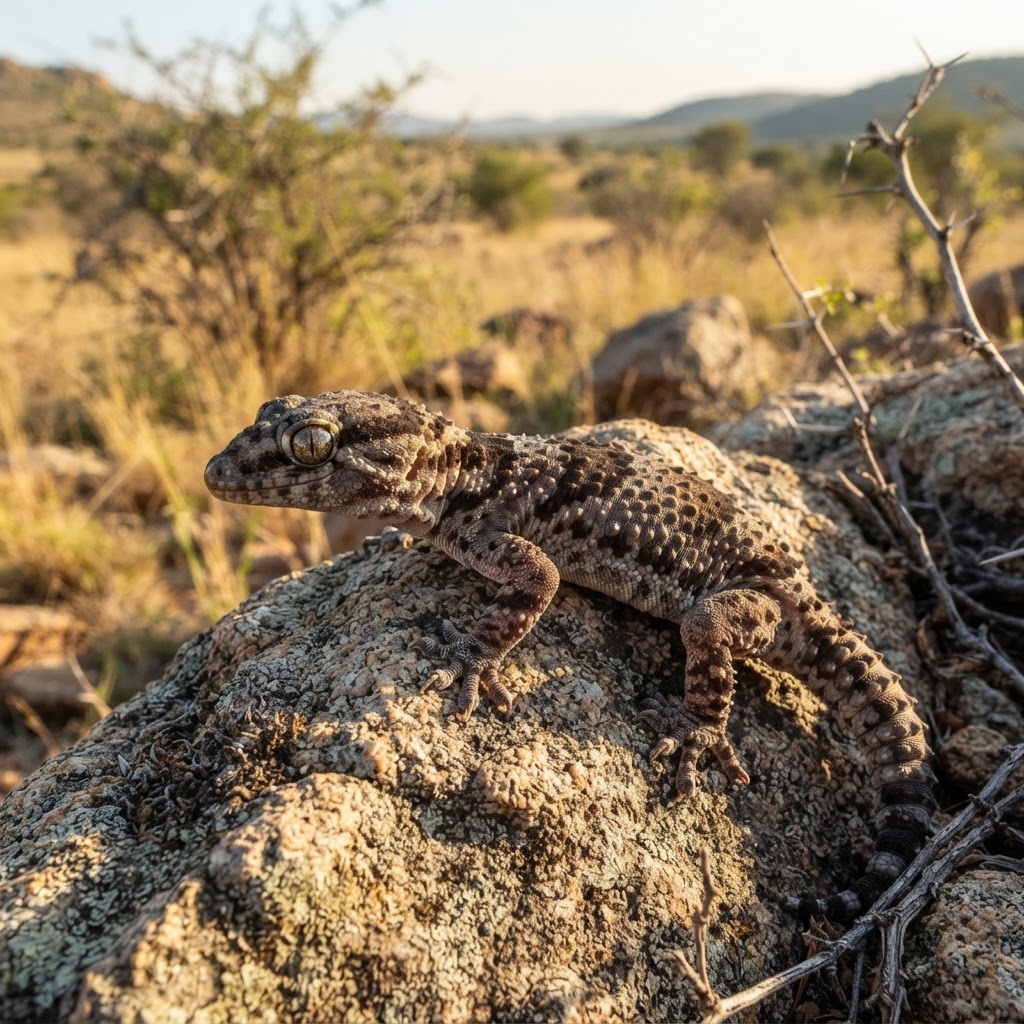
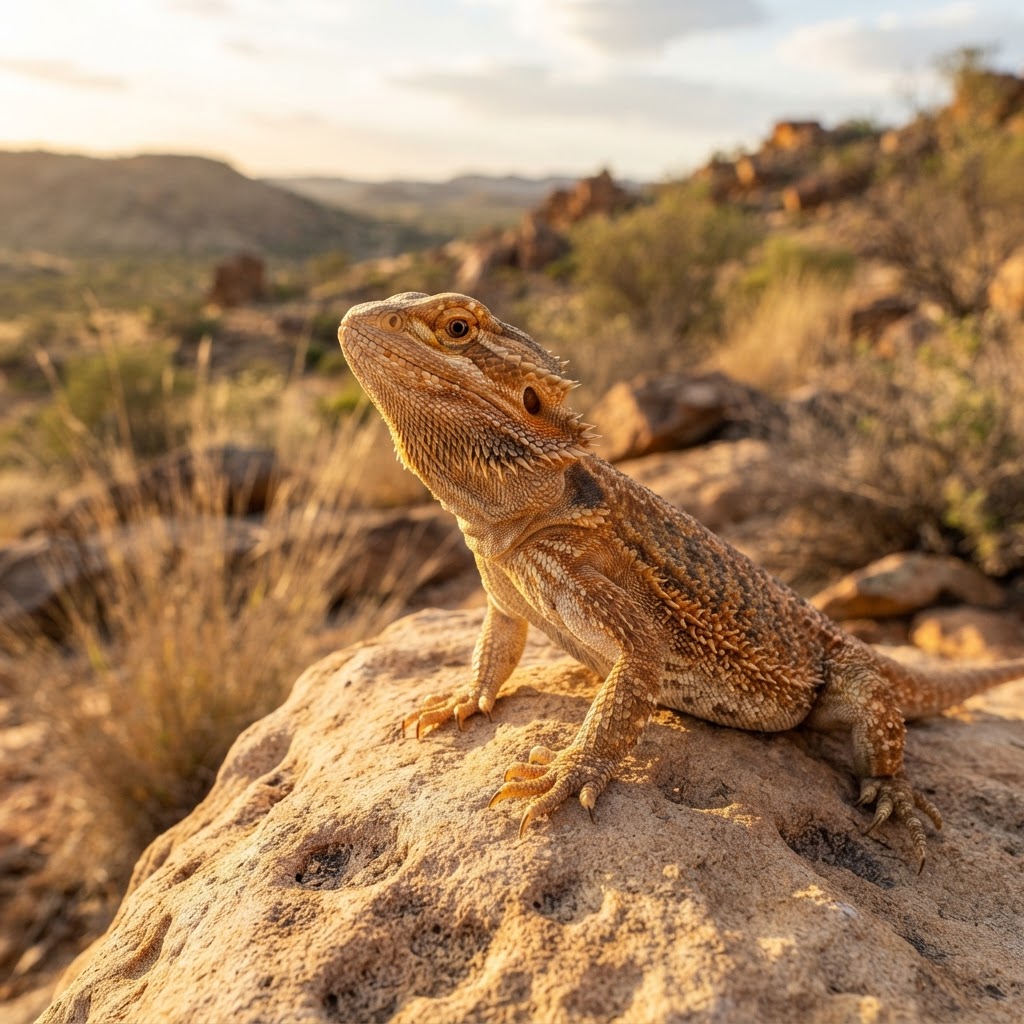
%20(10106331165).jpg)
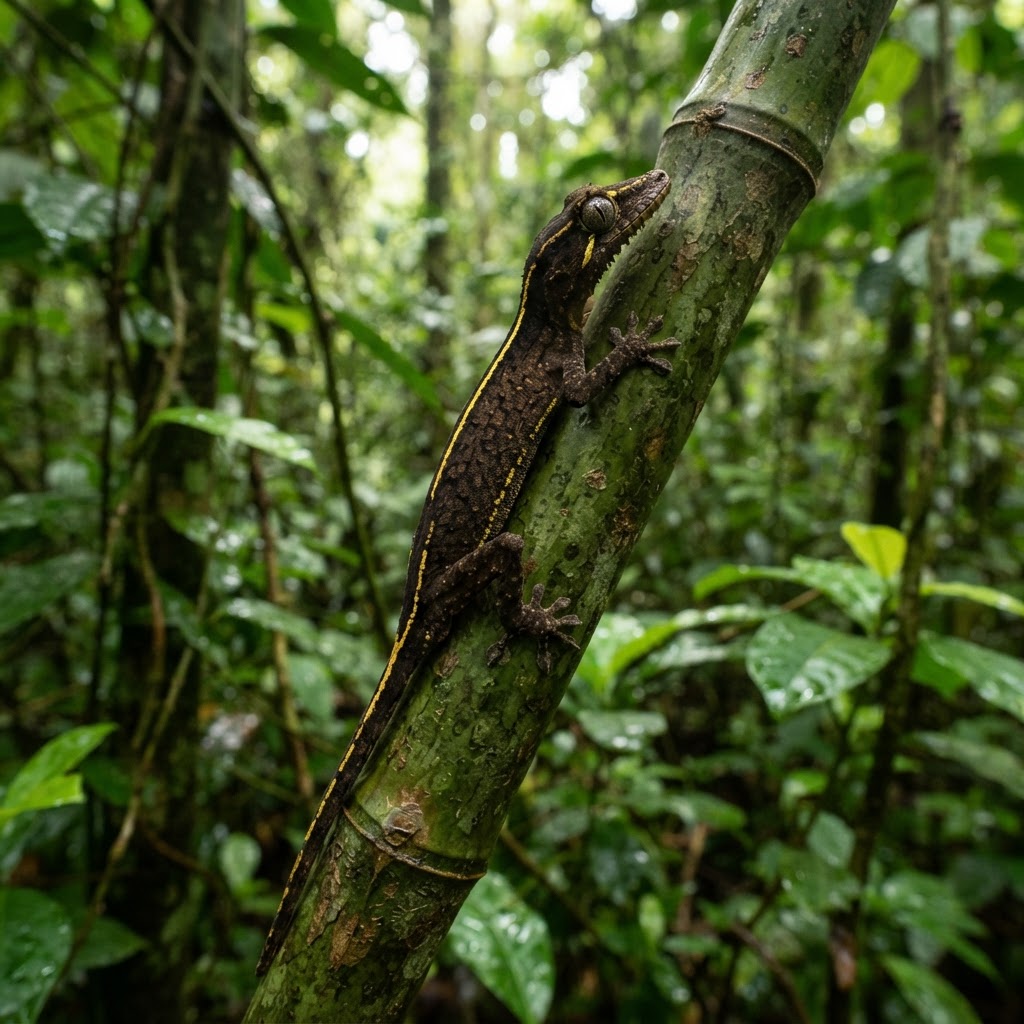
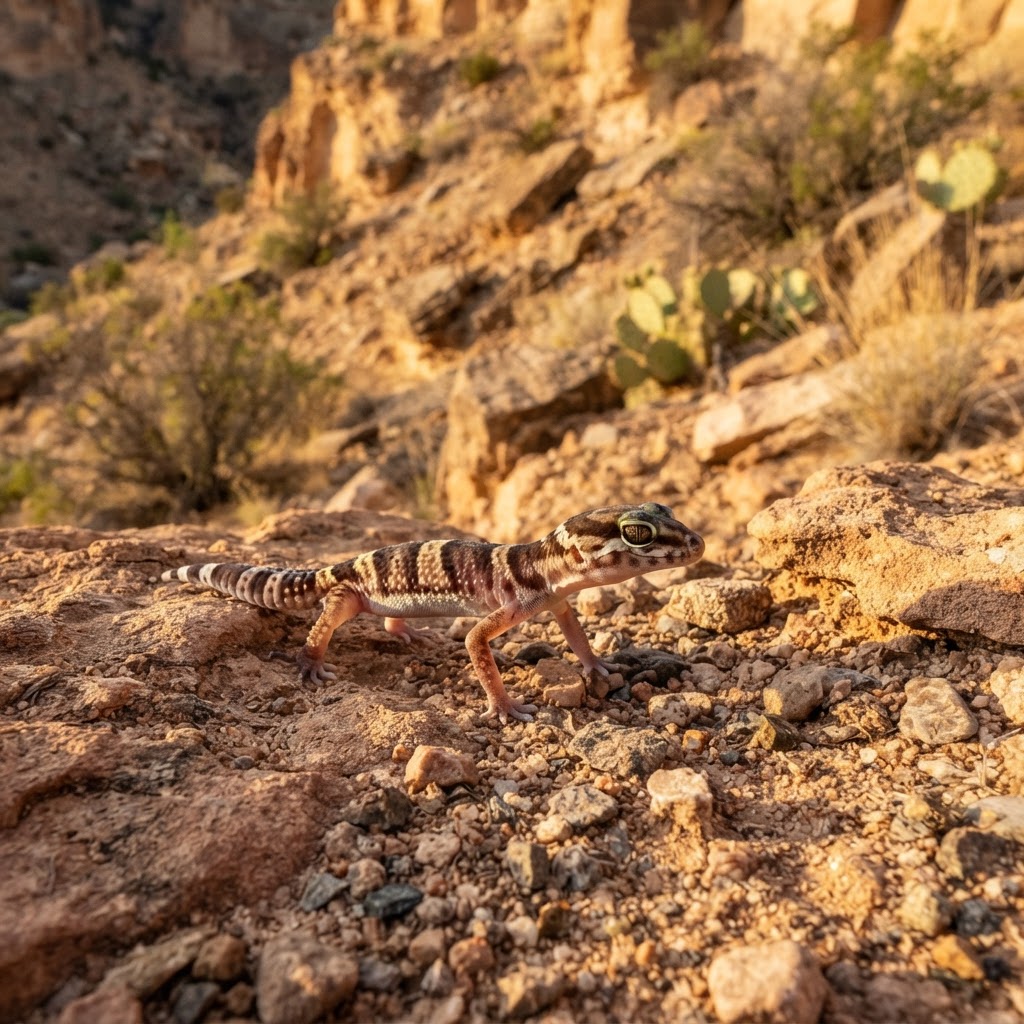
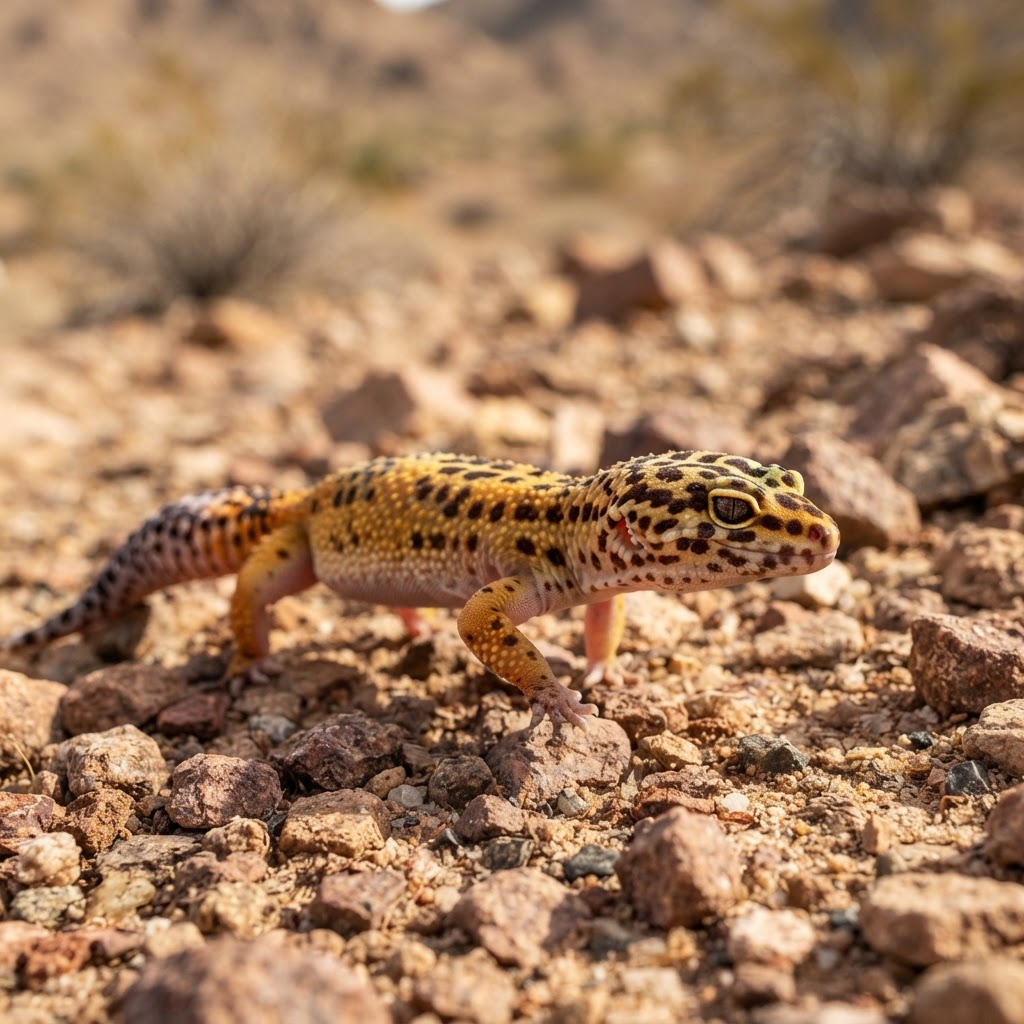
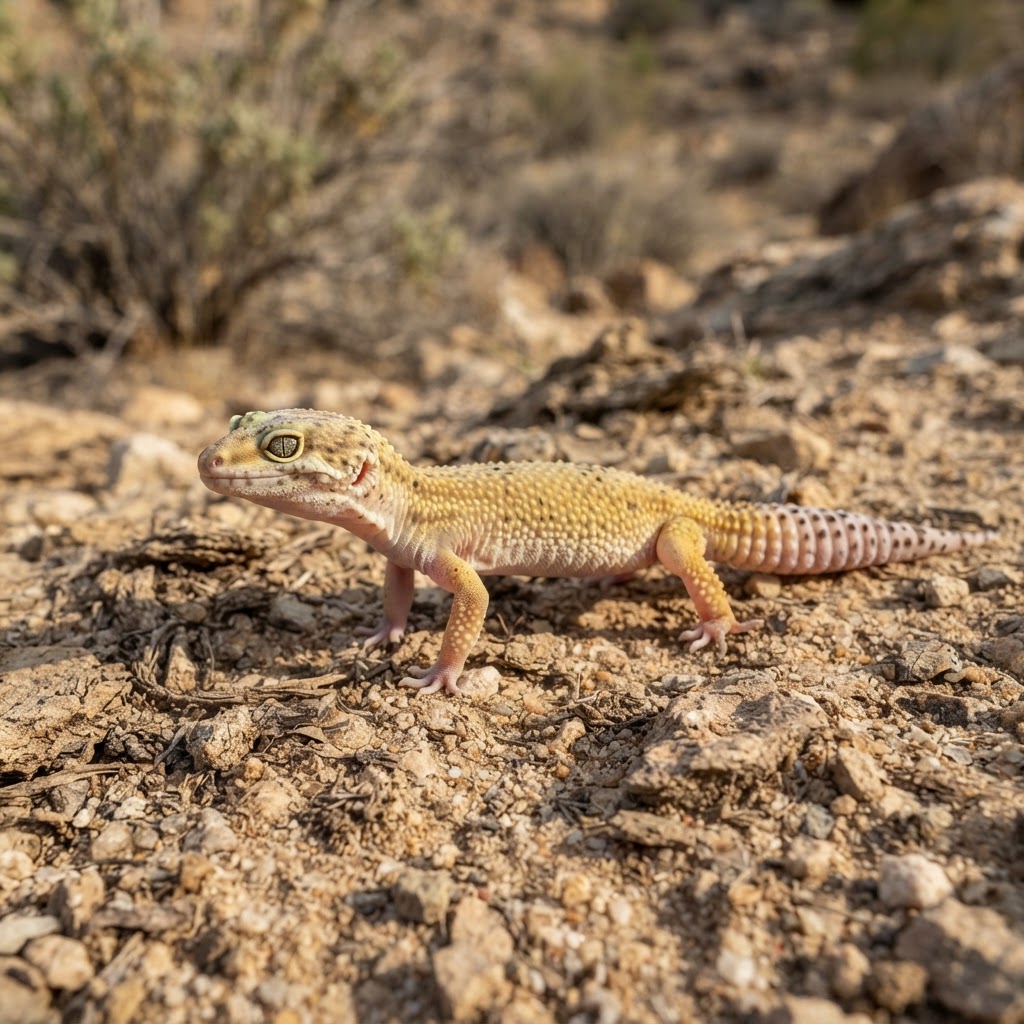
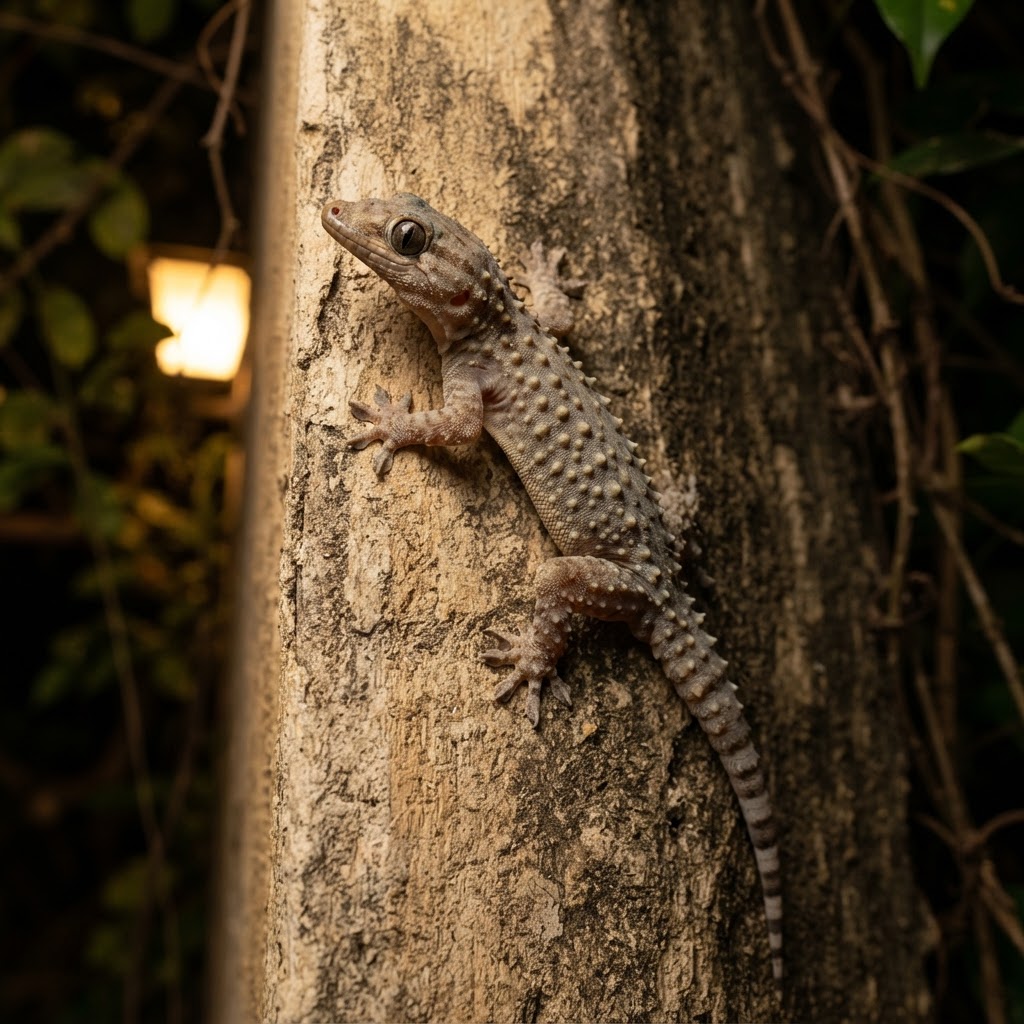
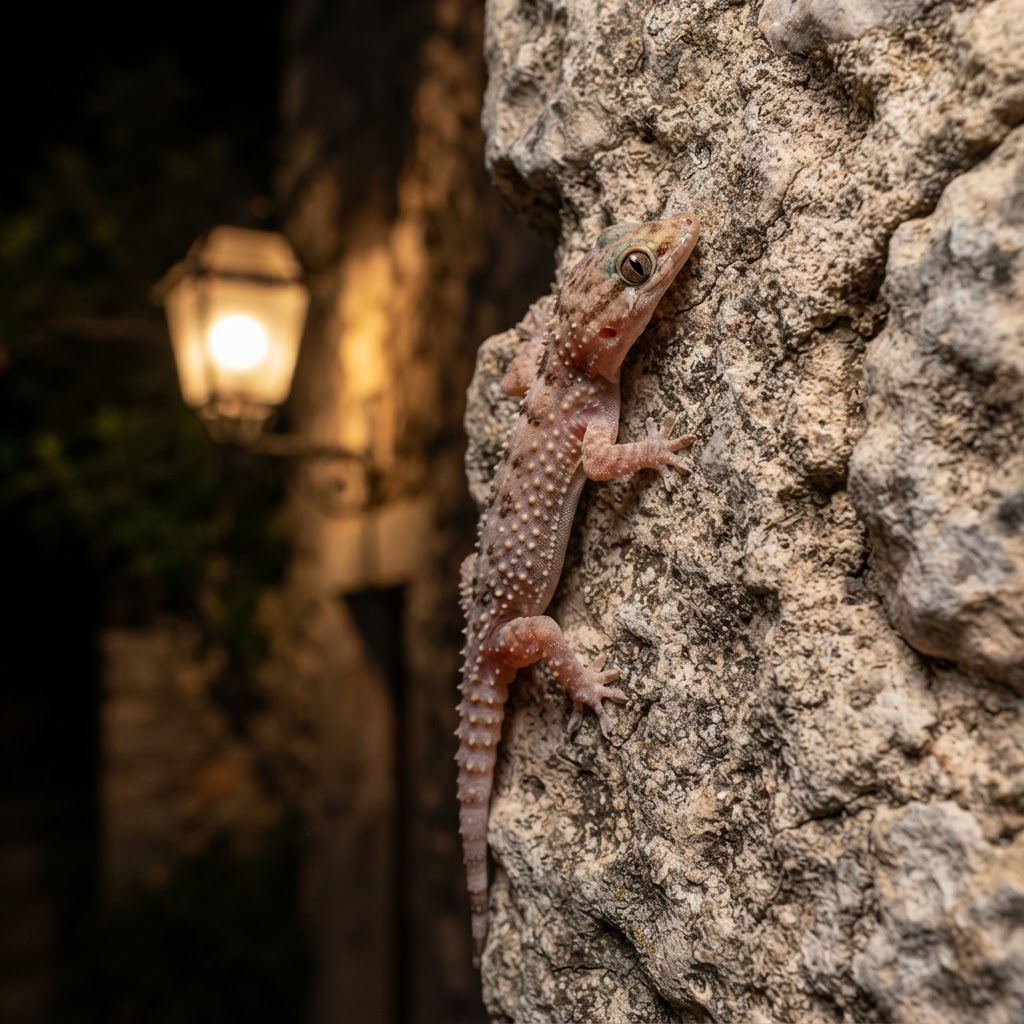
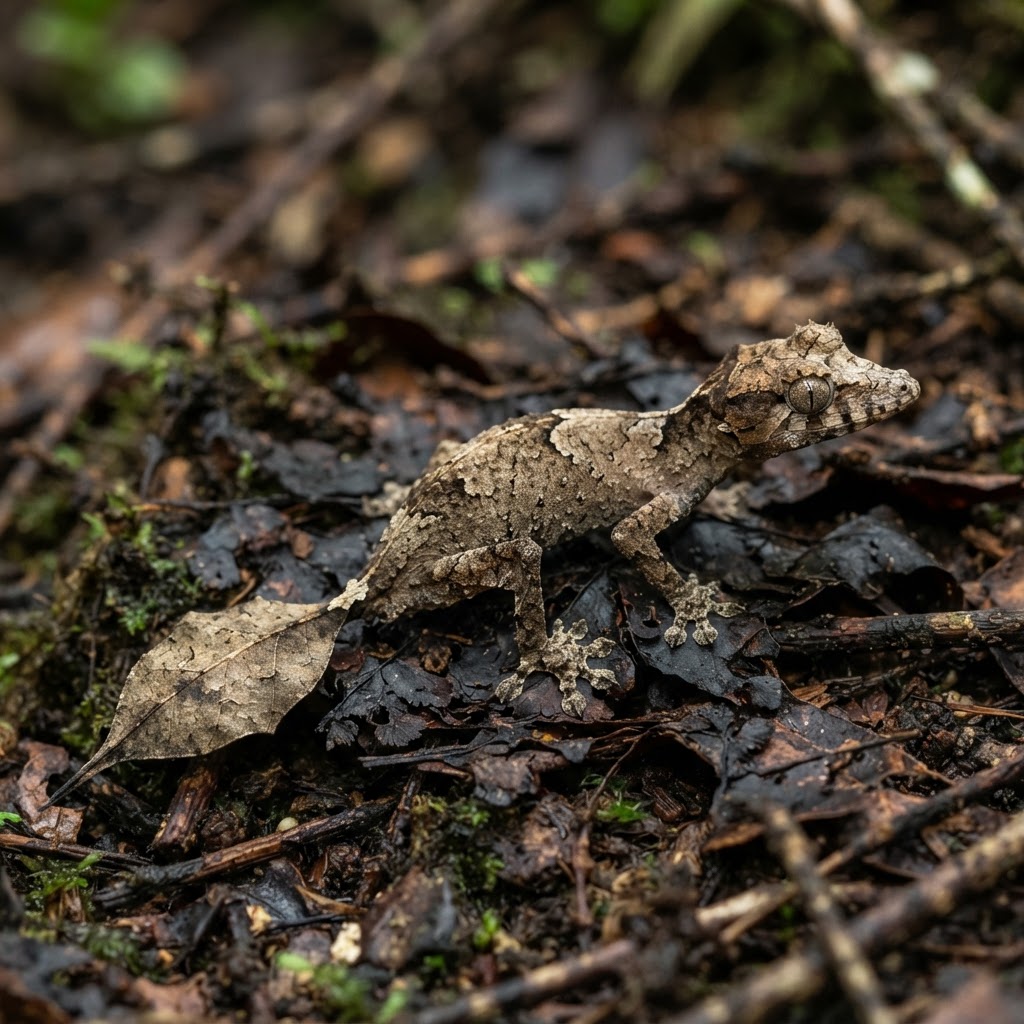
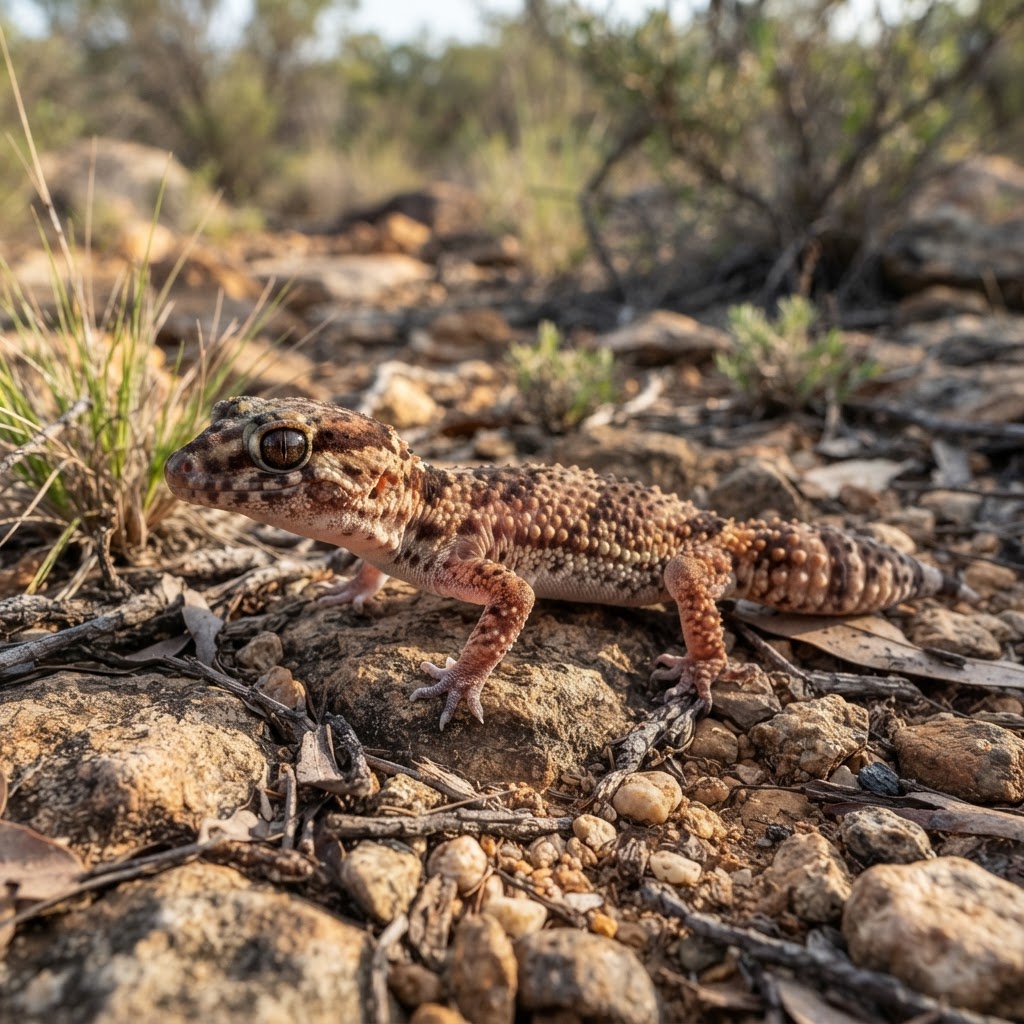
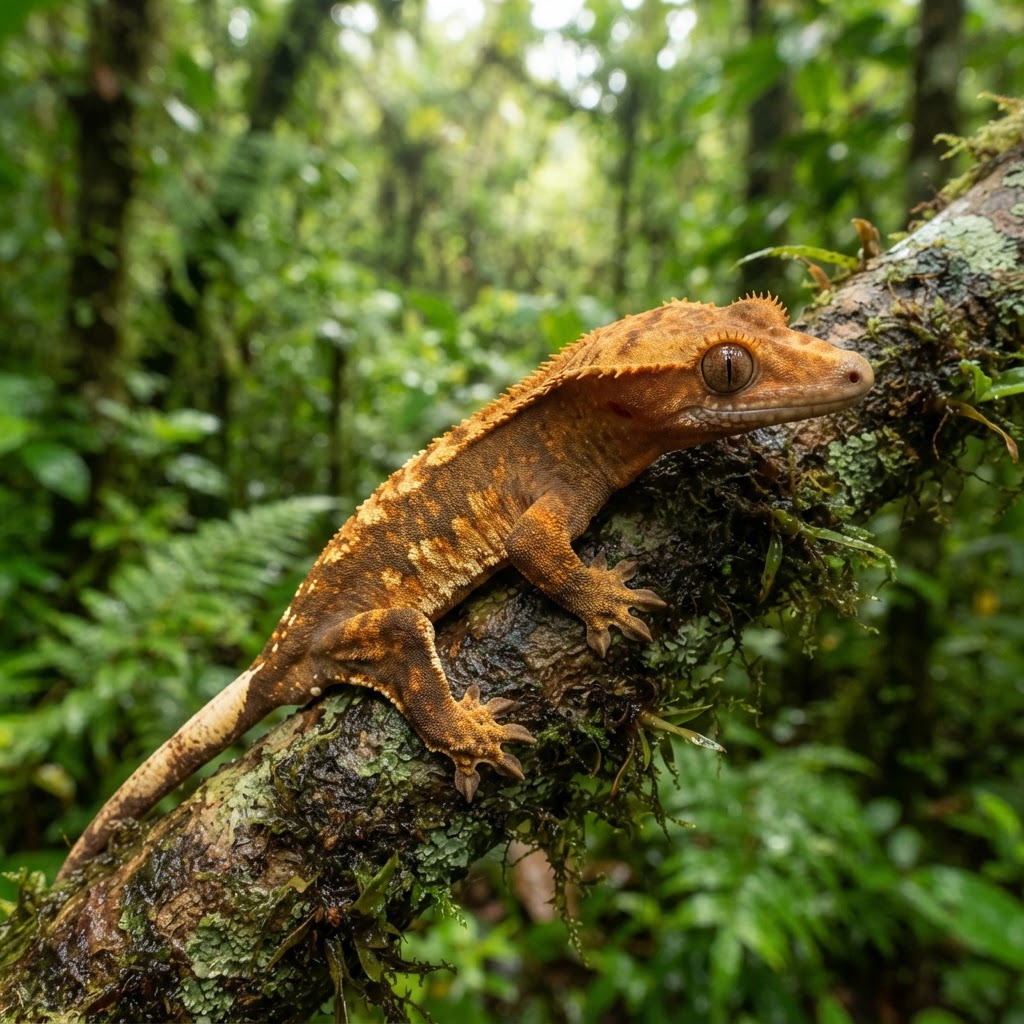
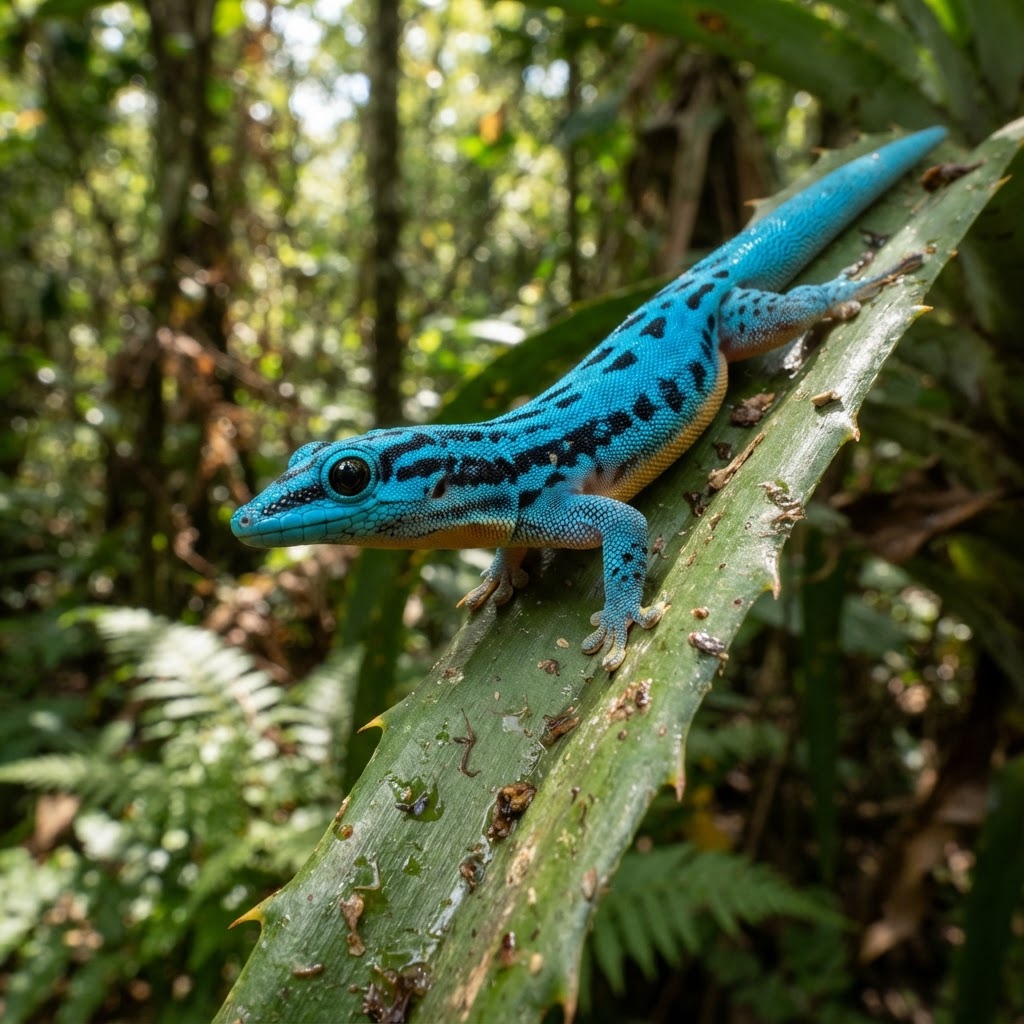
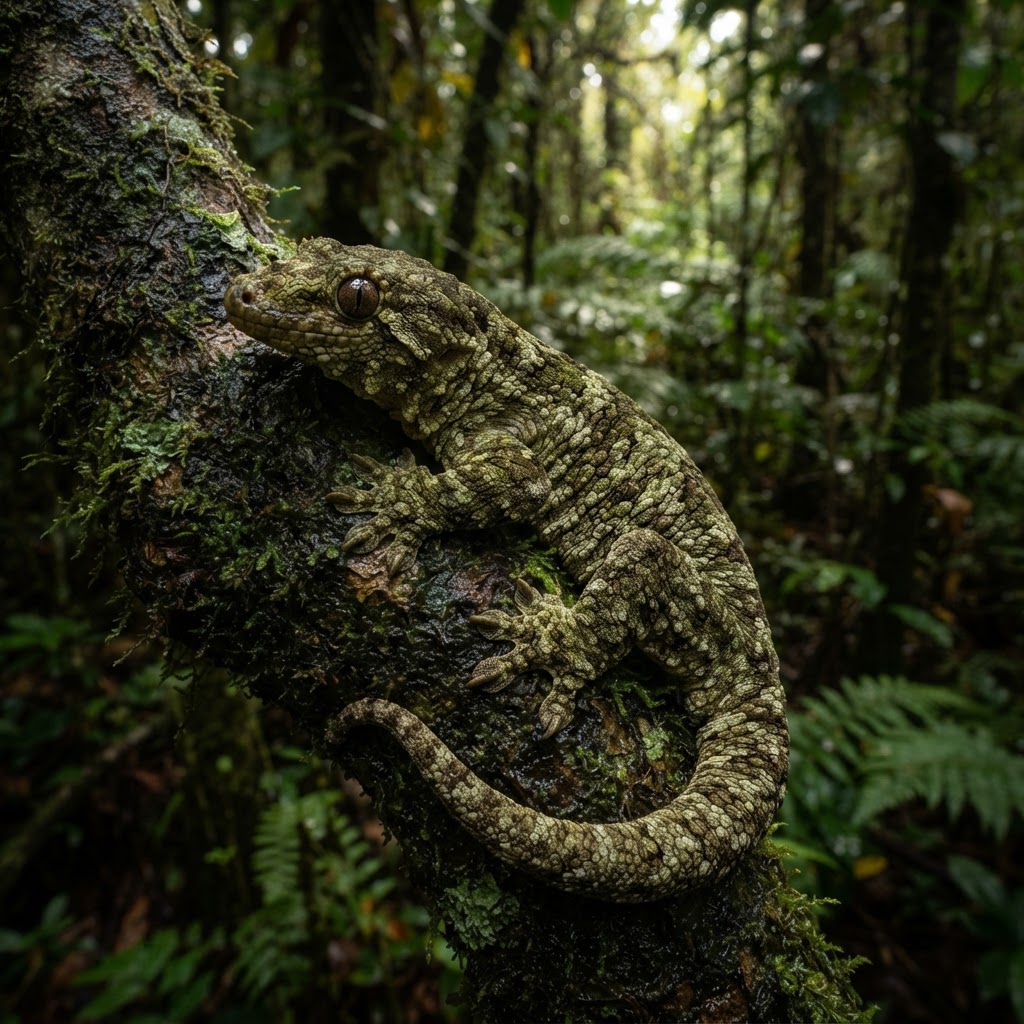
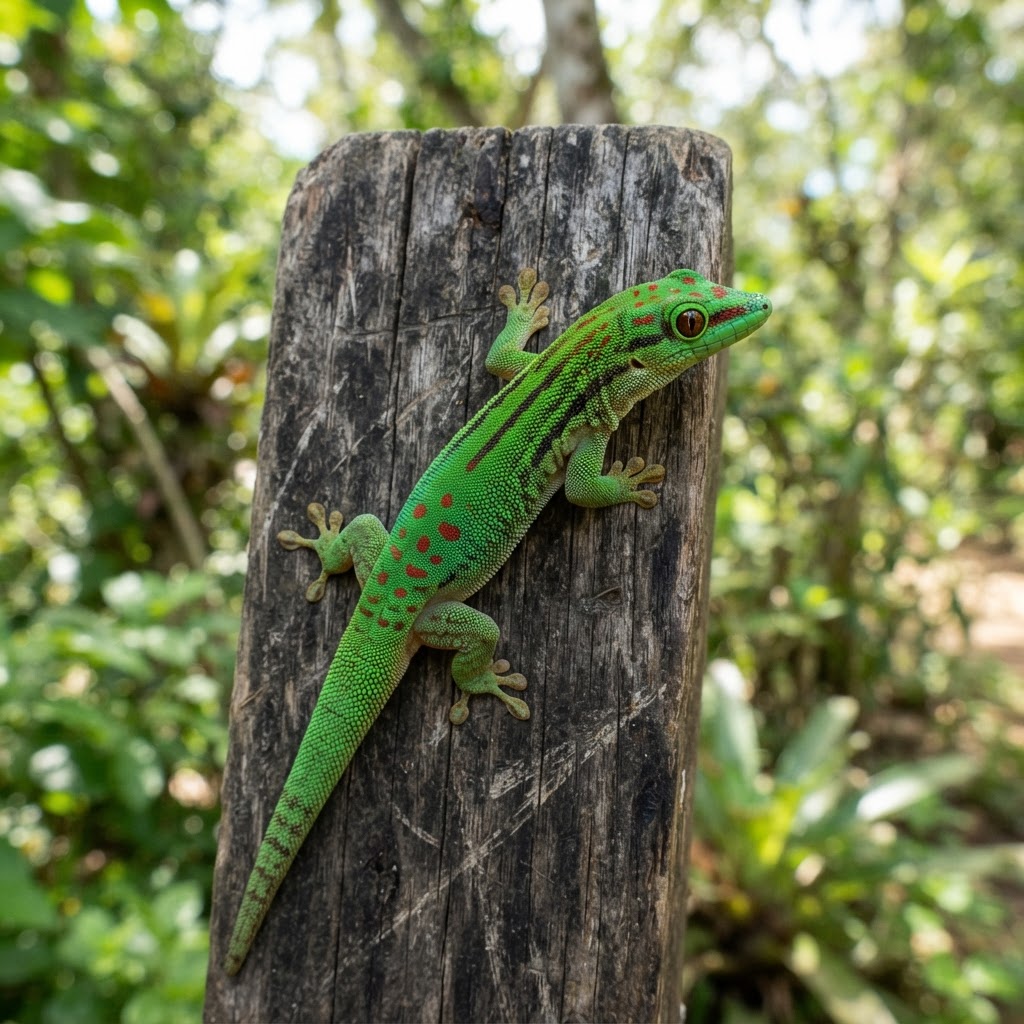
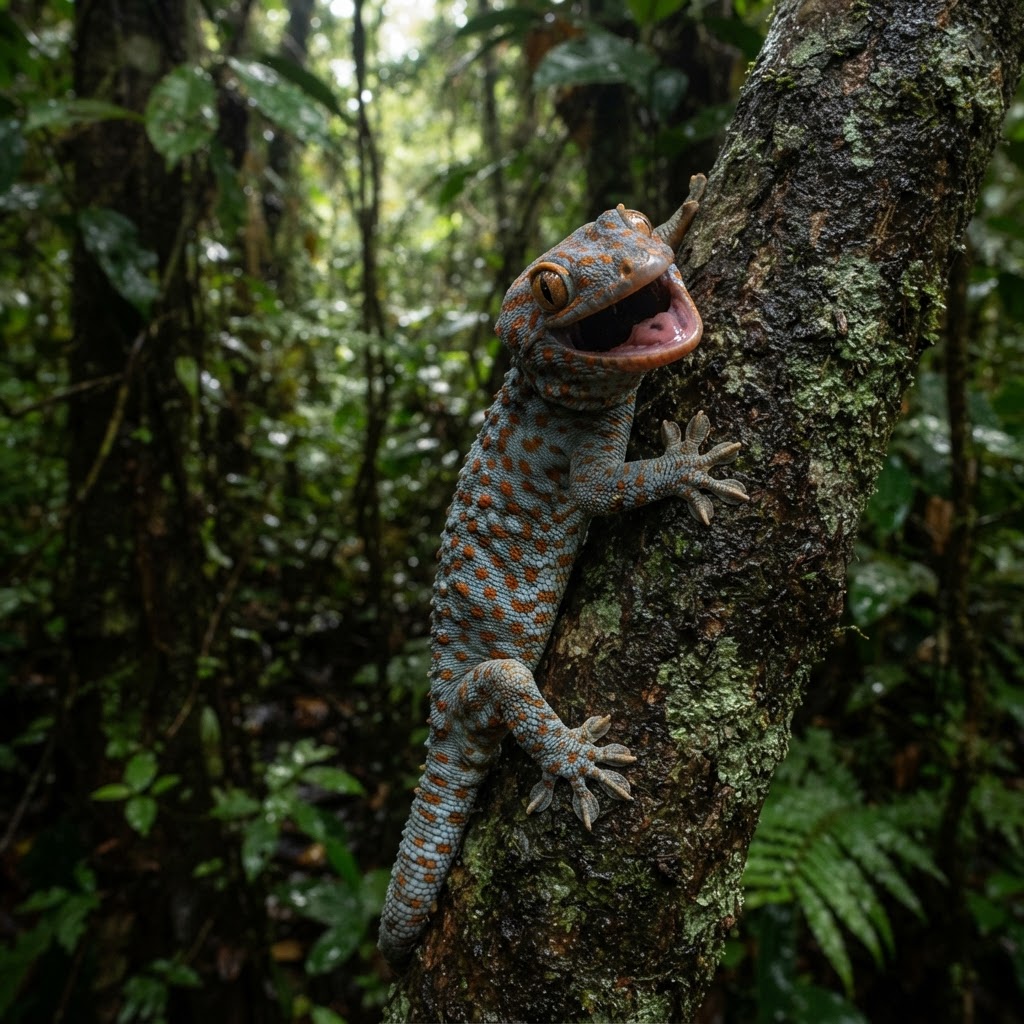
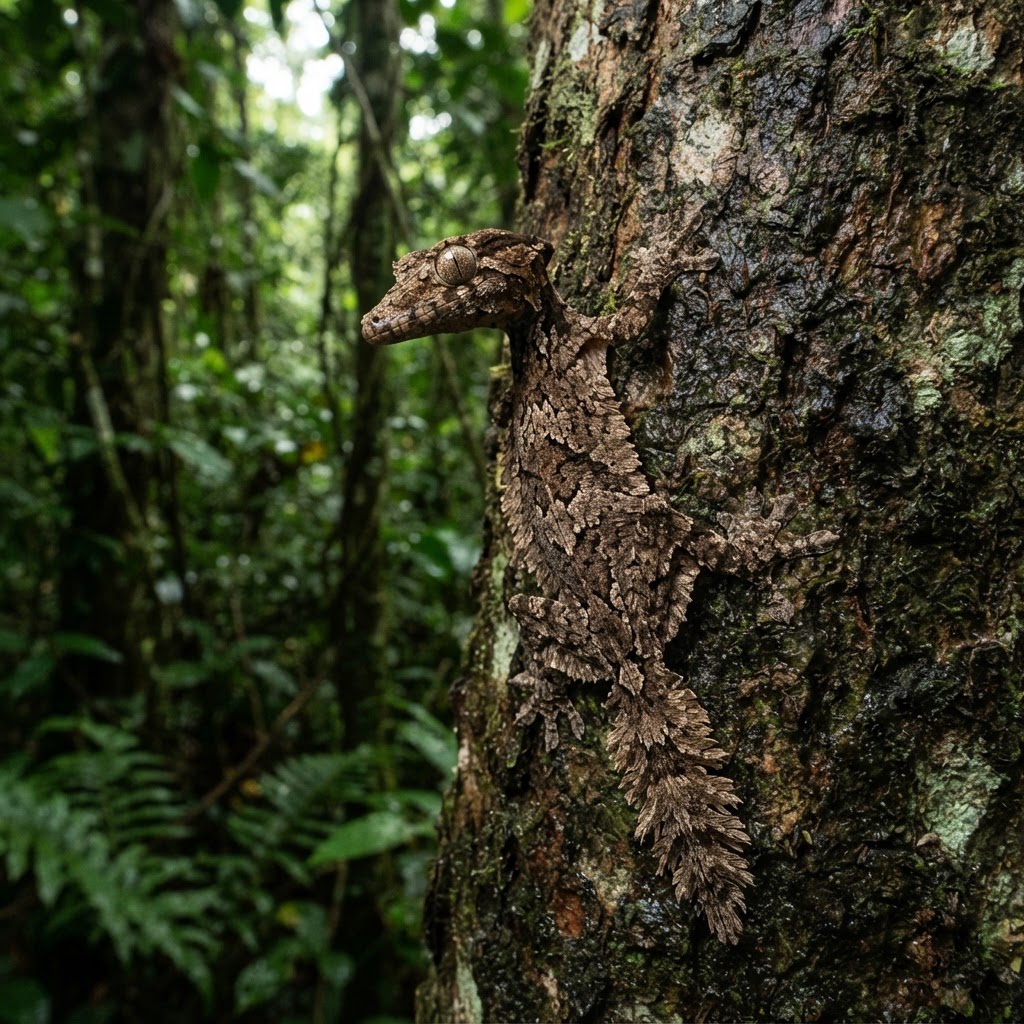
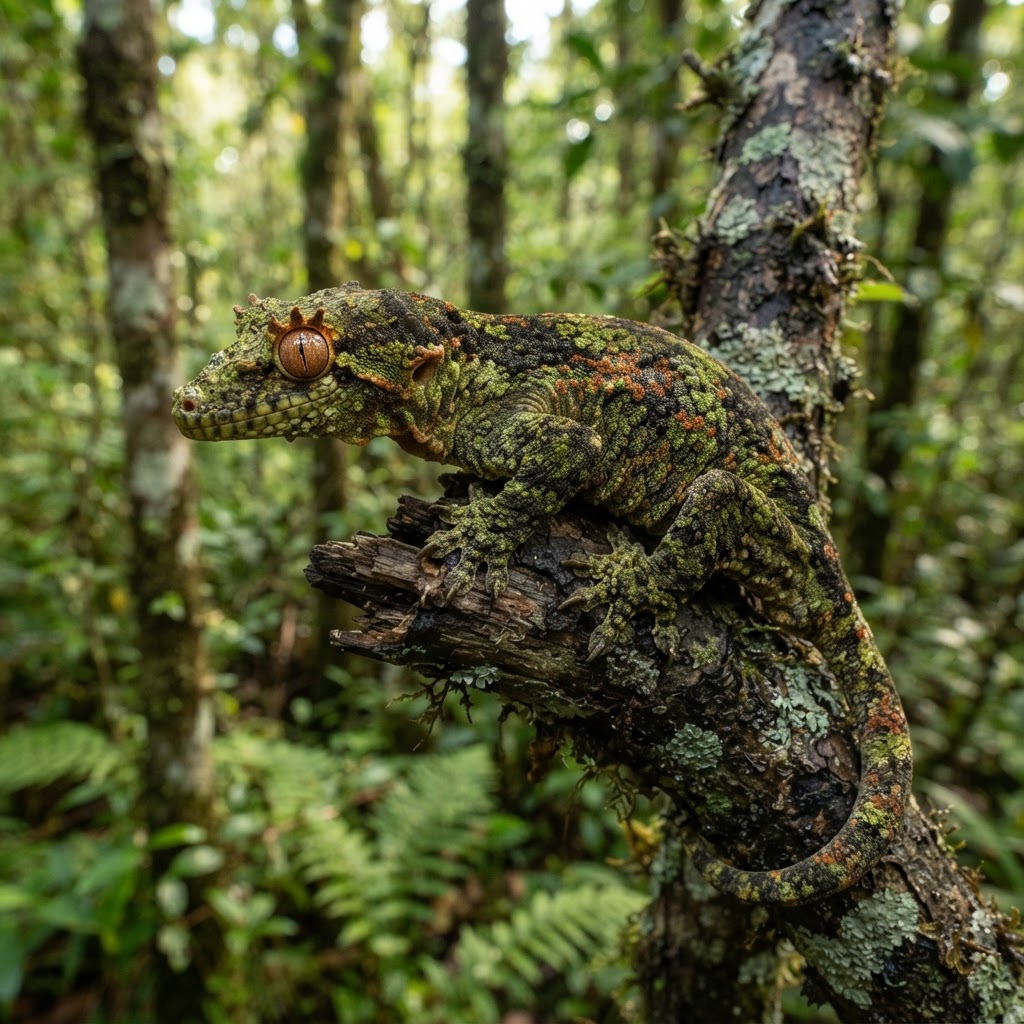
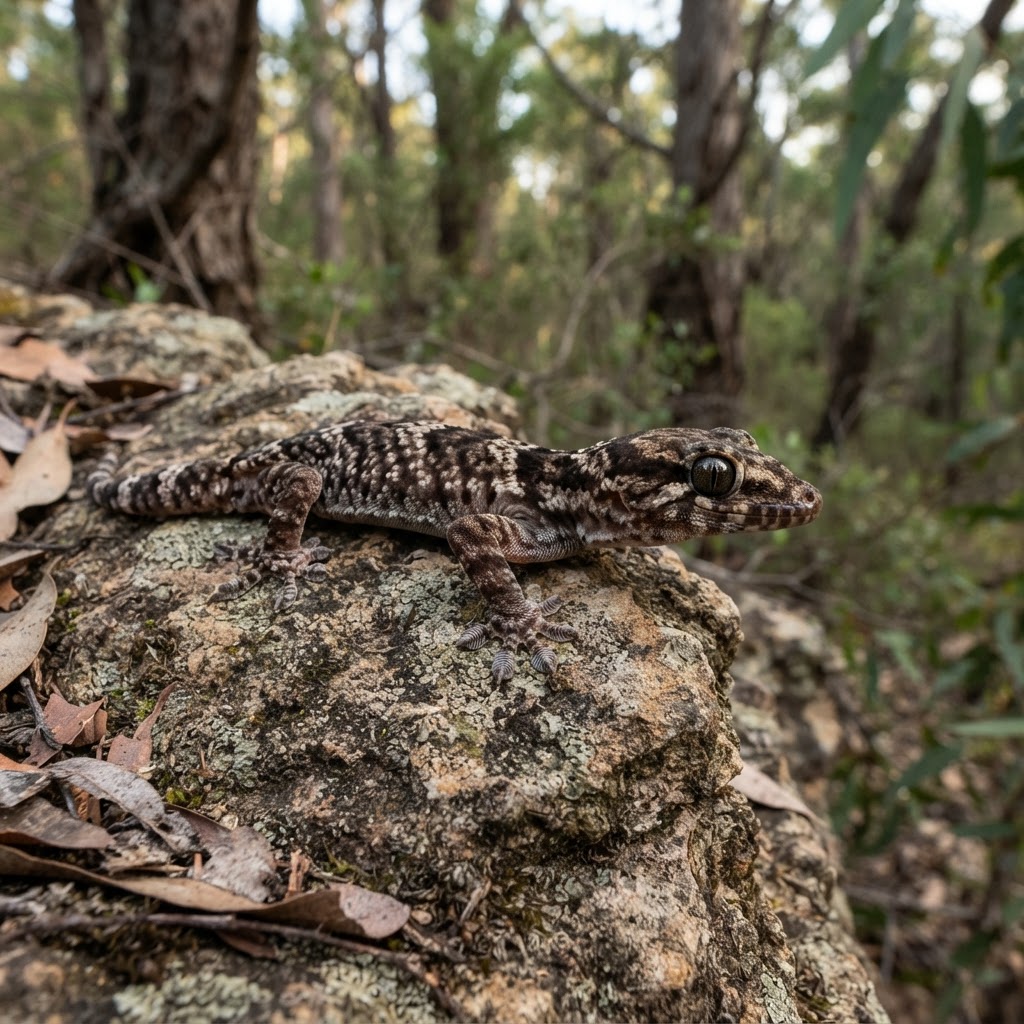
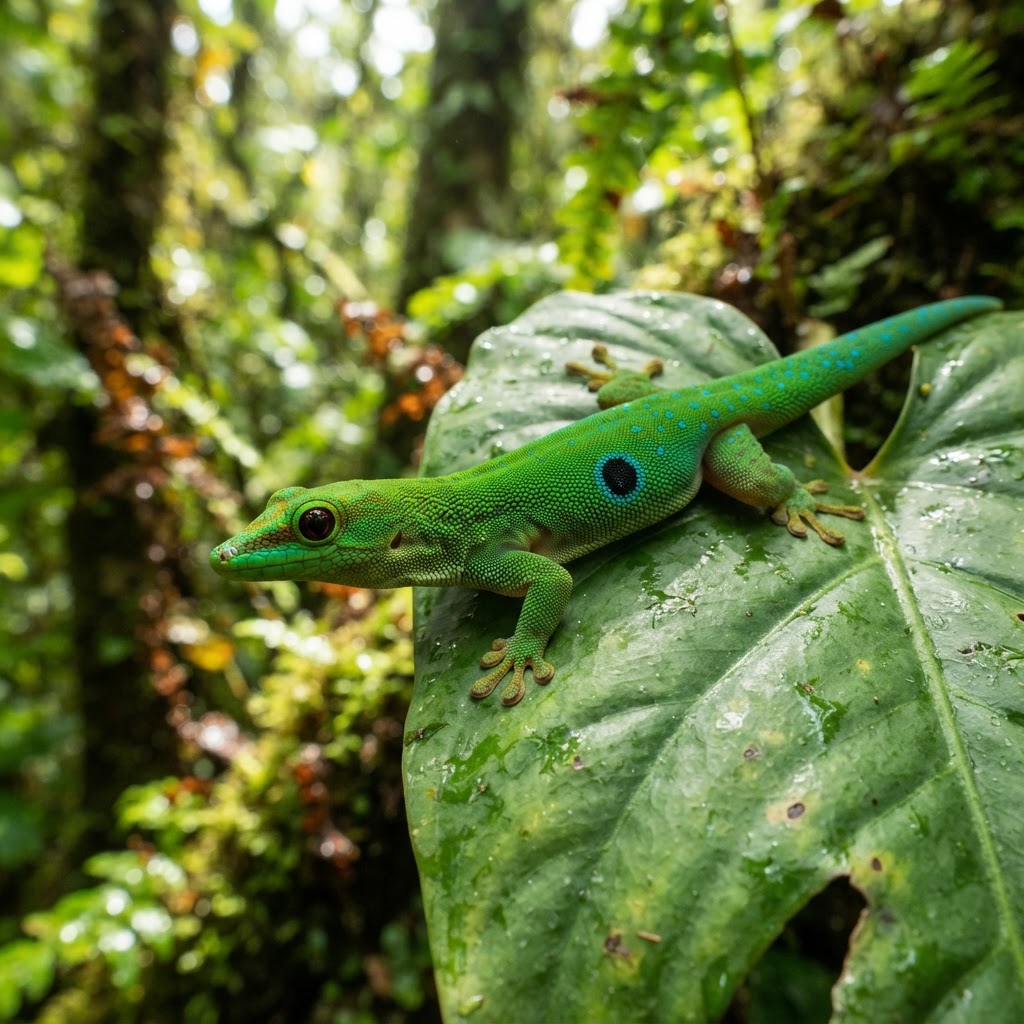
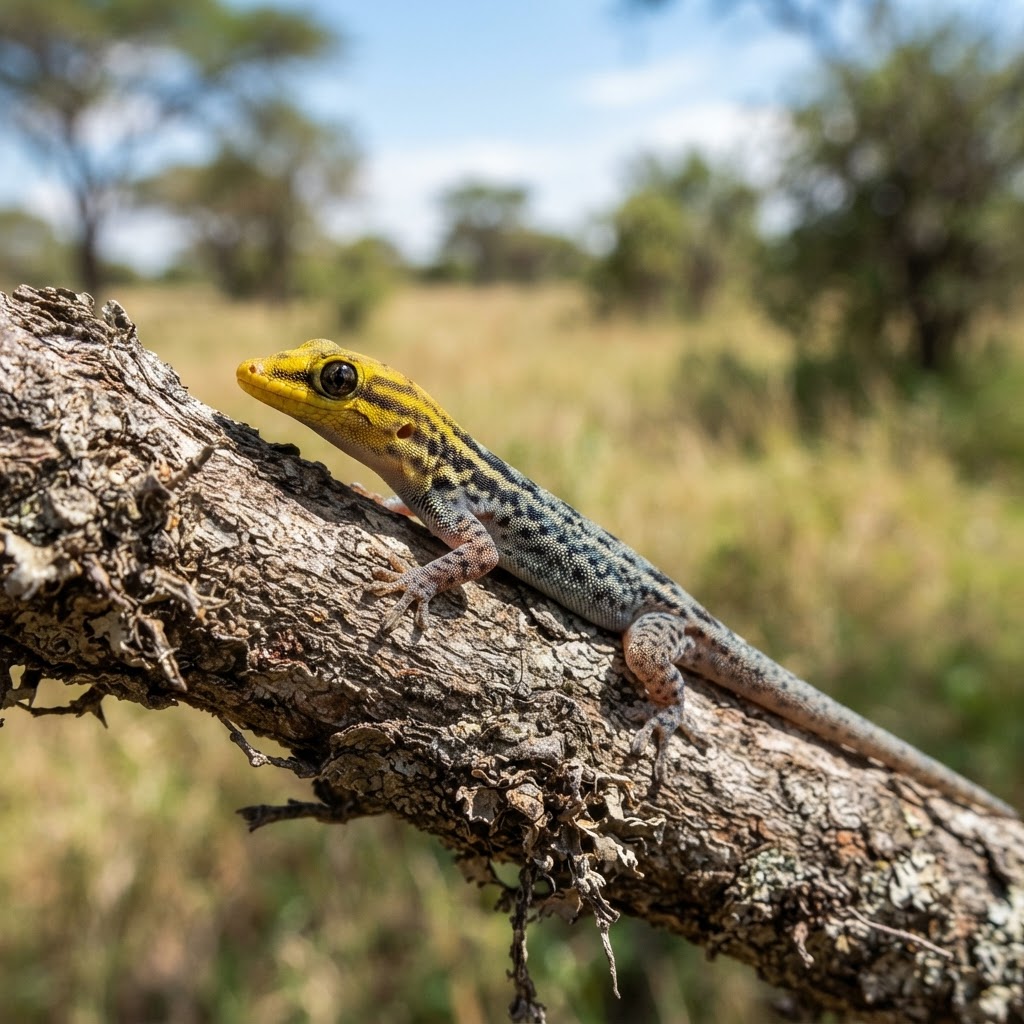
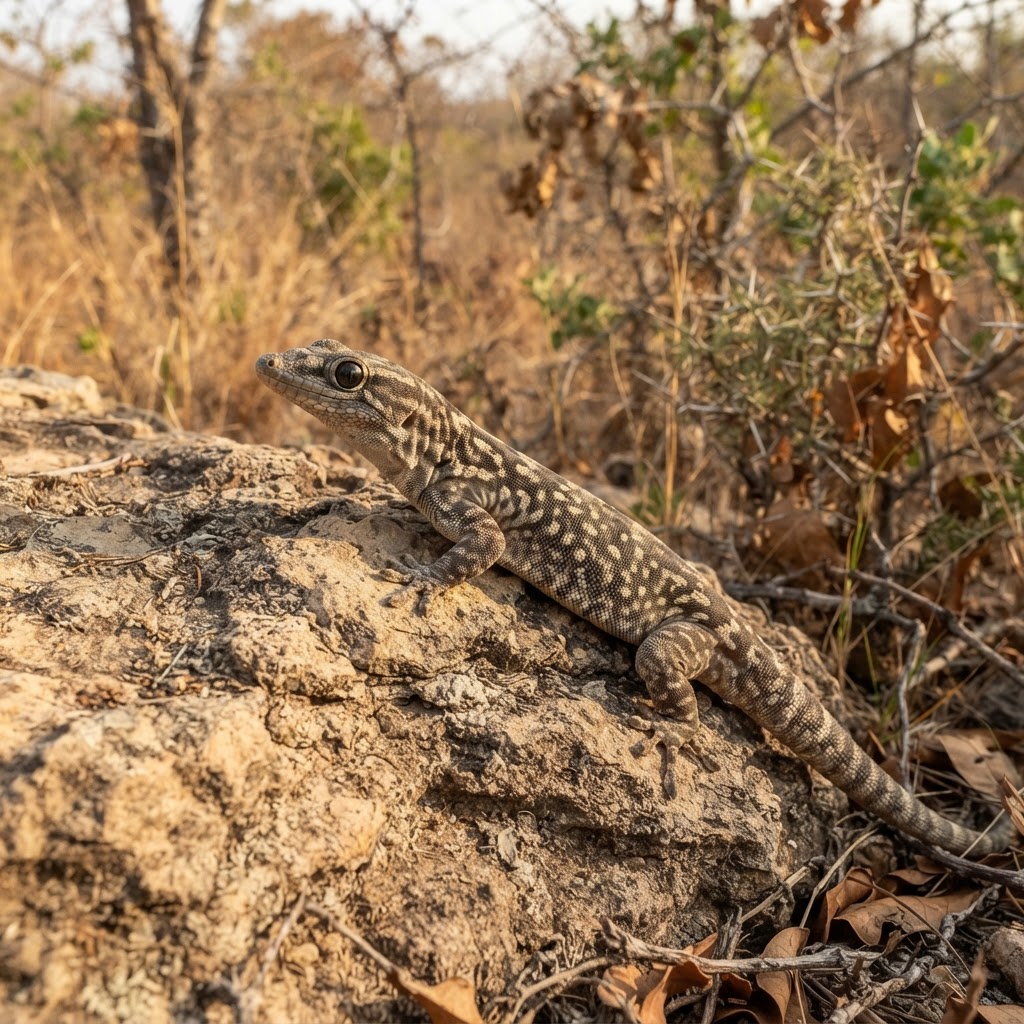
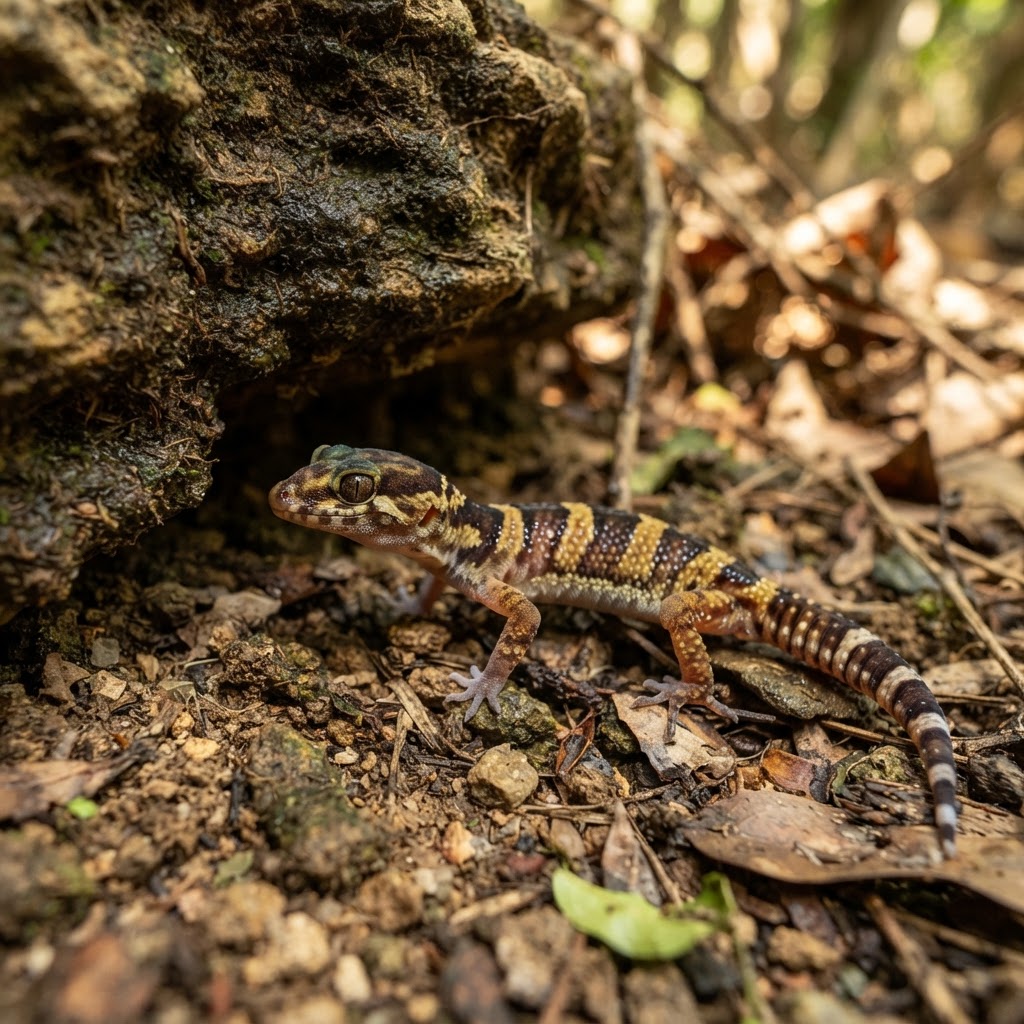
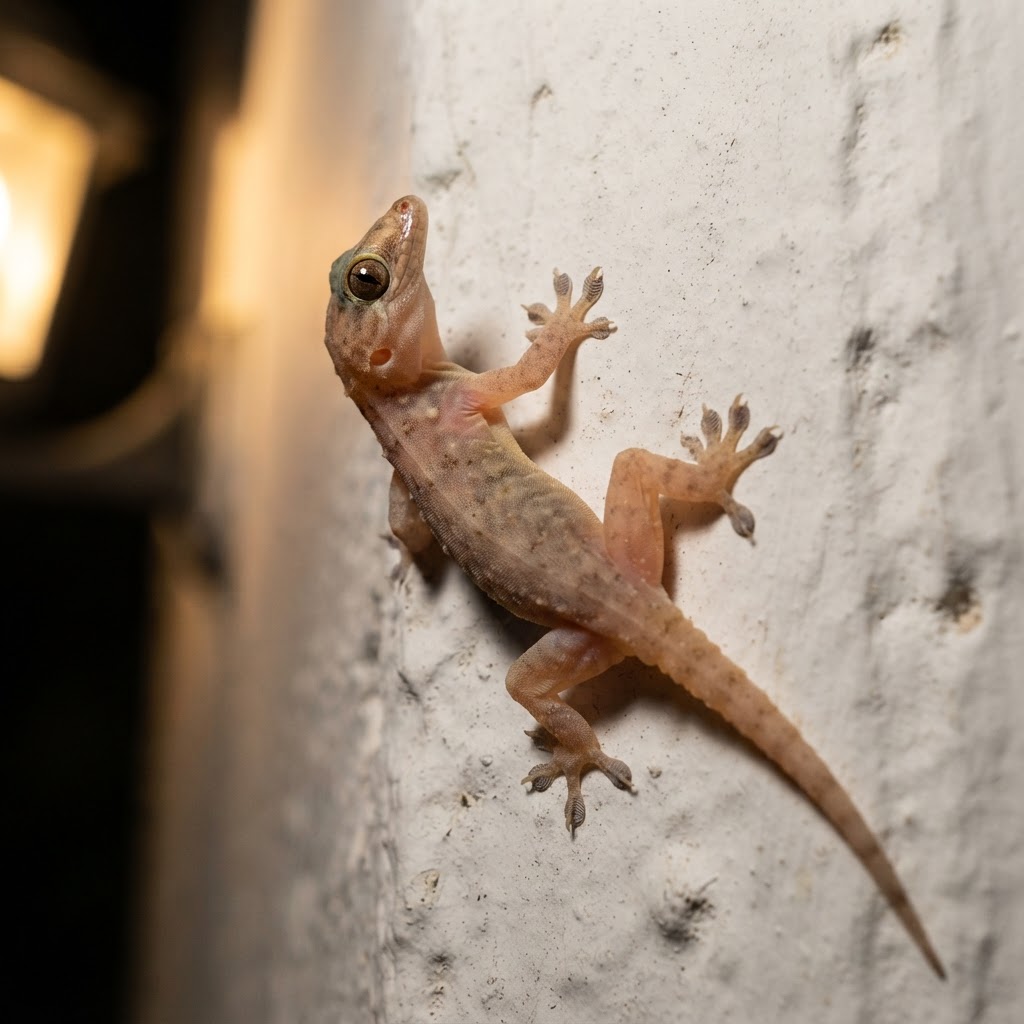
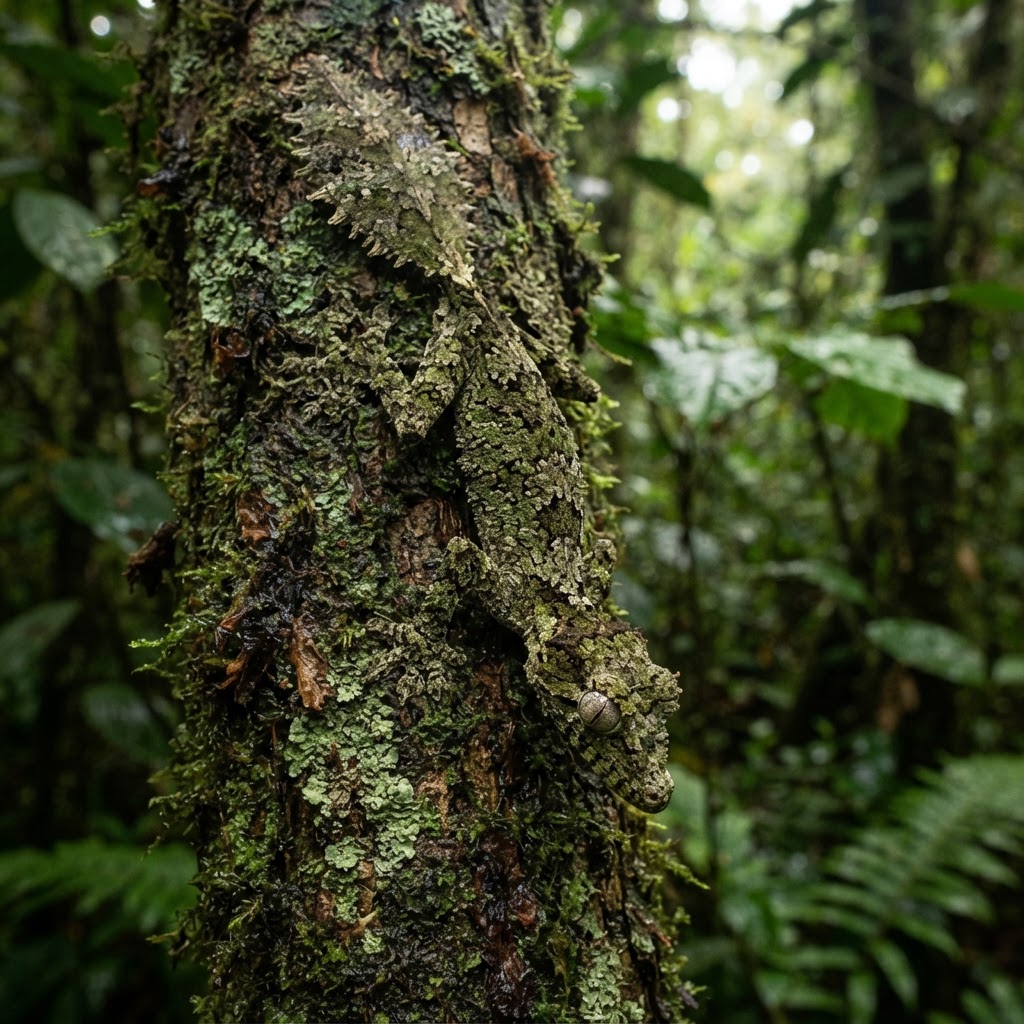
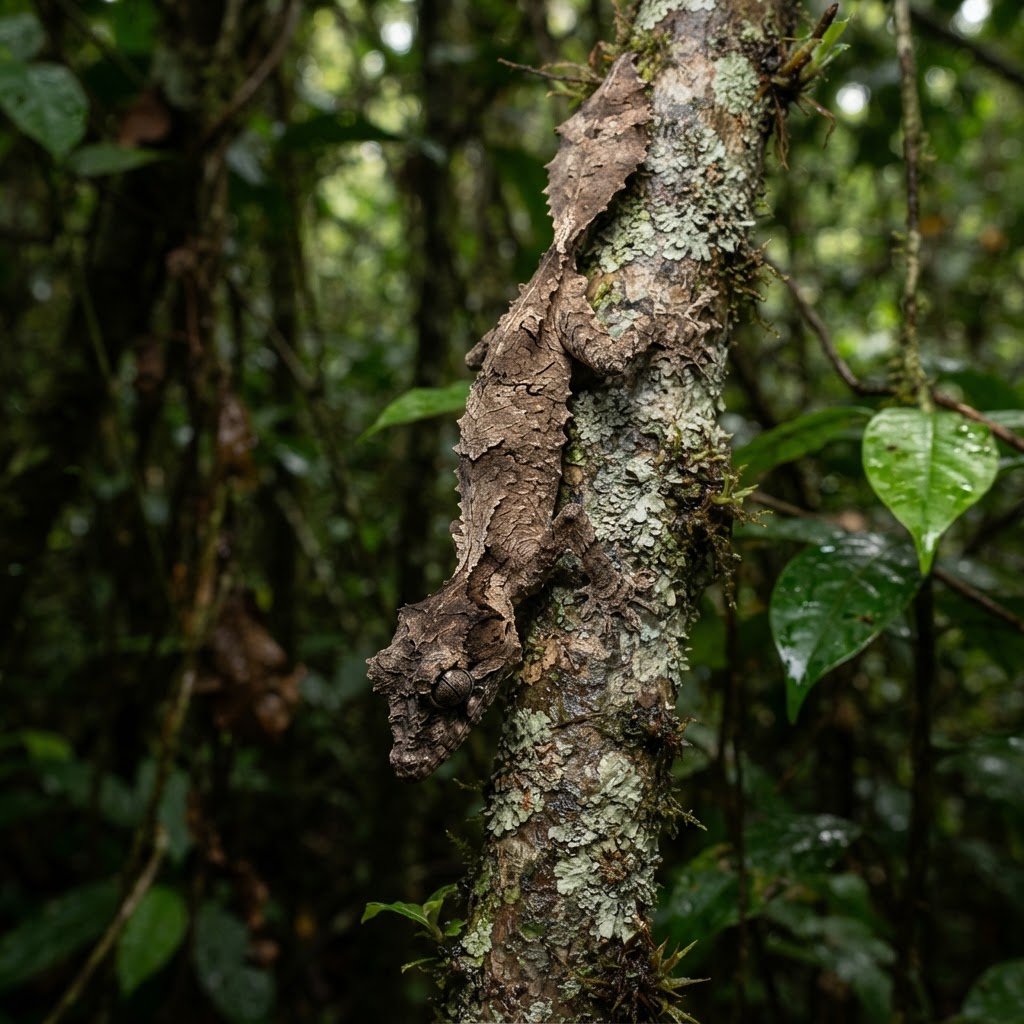


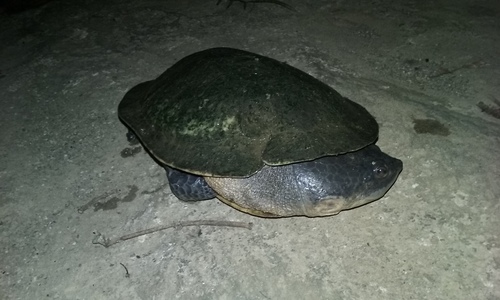

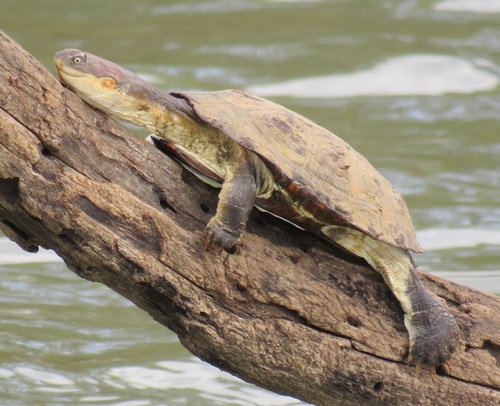
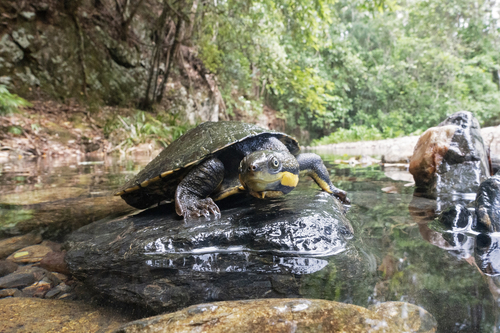
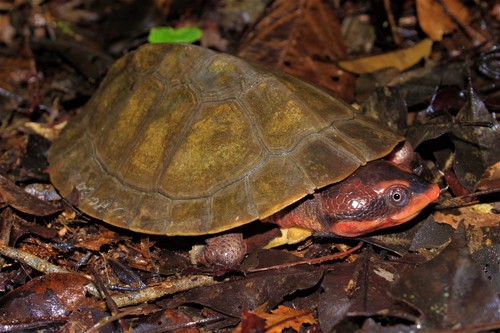
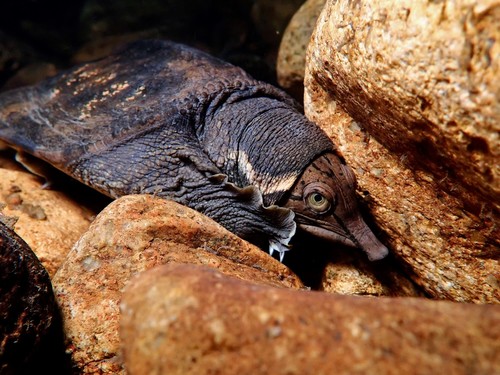



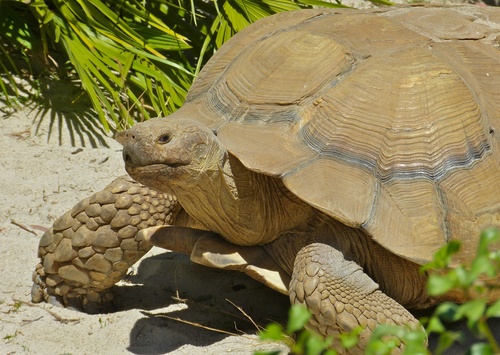

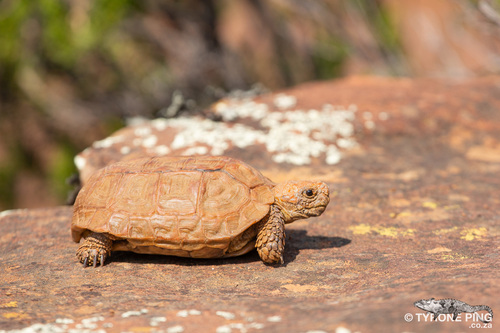
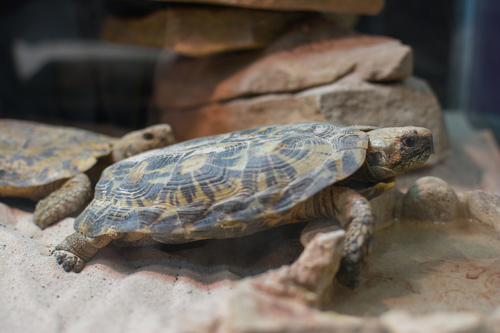

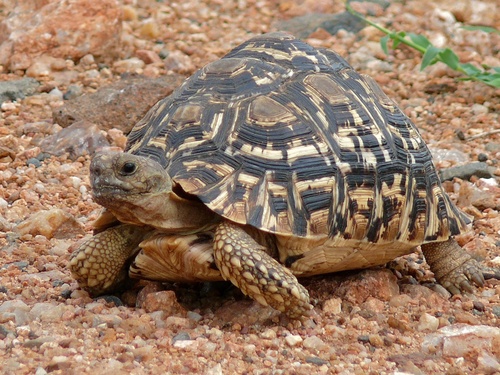
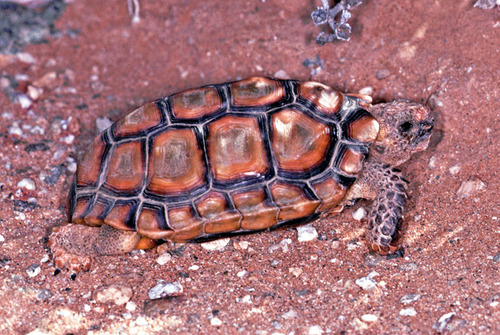
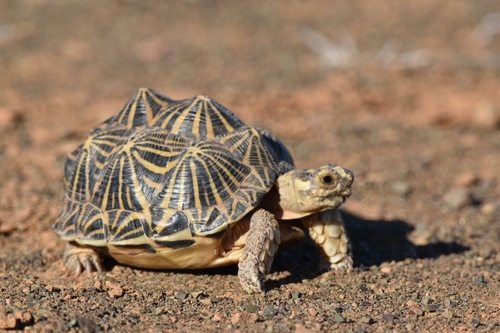
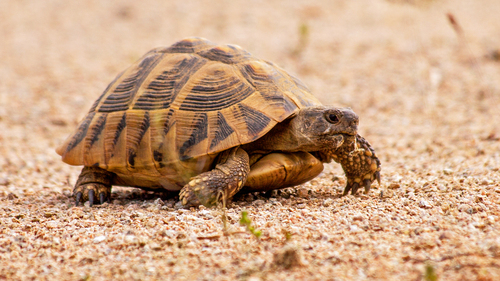
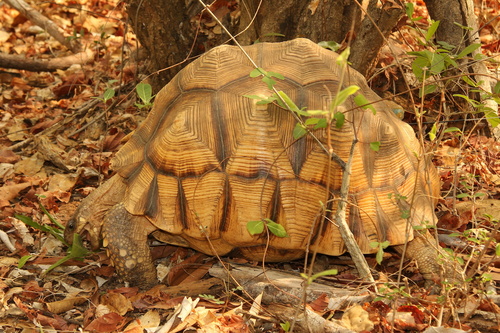
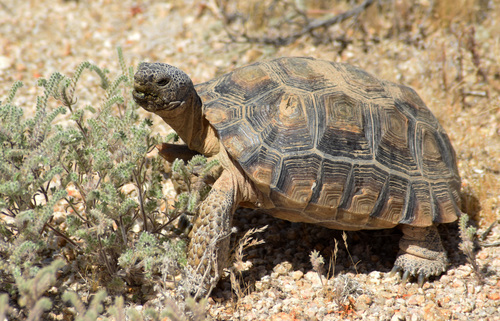
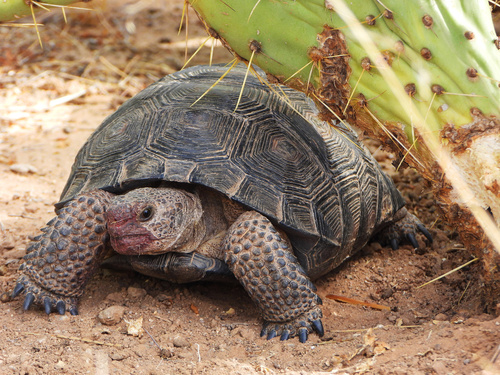

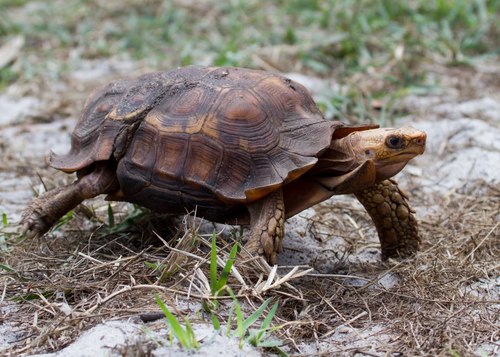

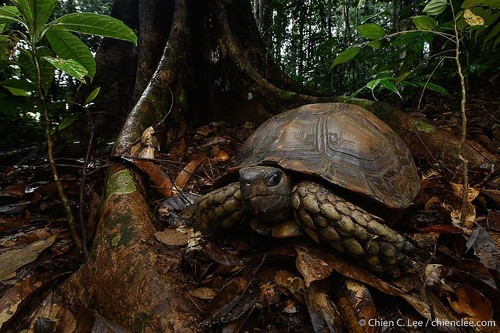





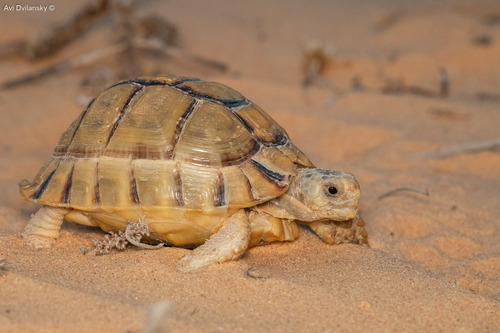

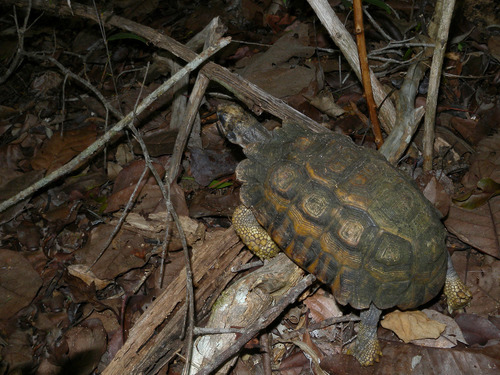
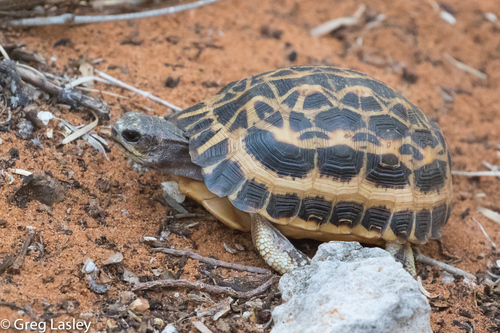

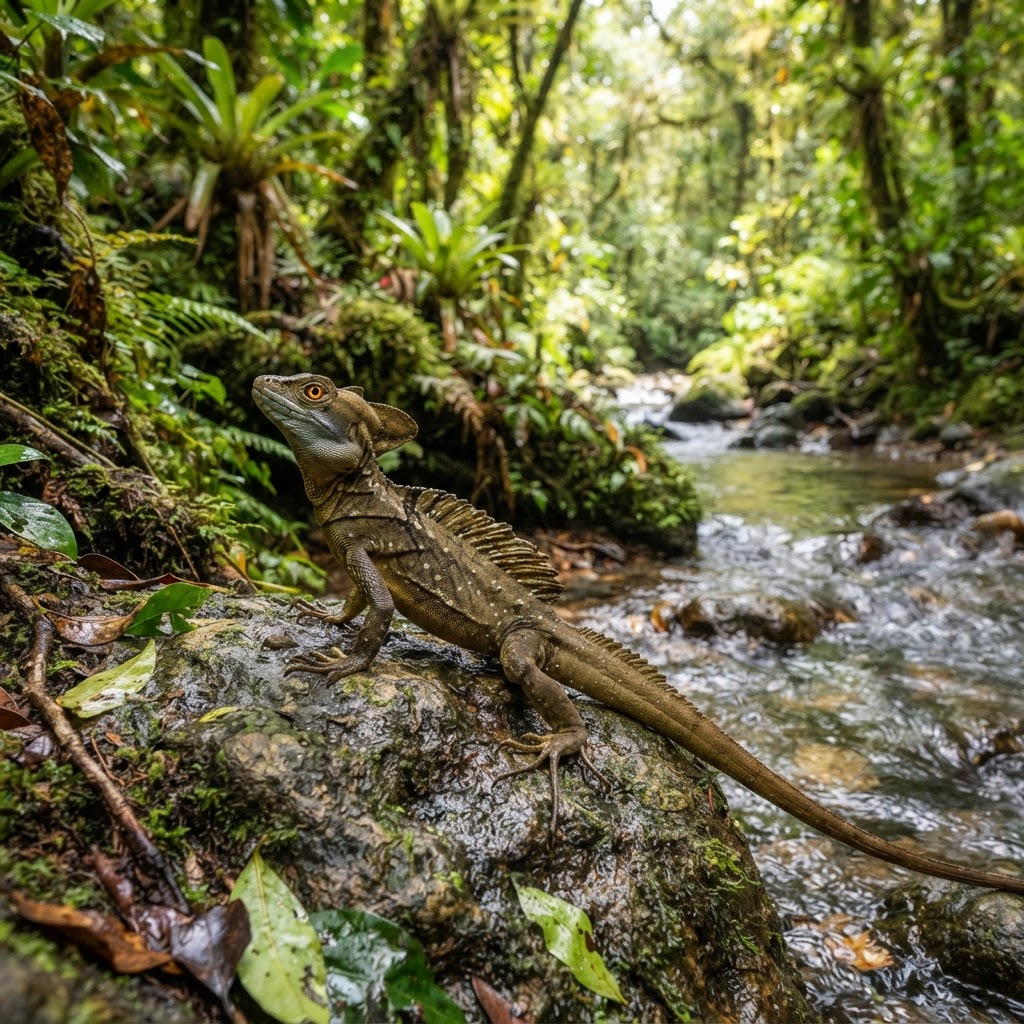


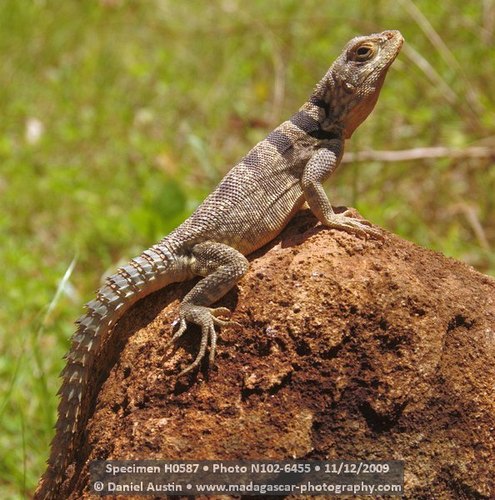



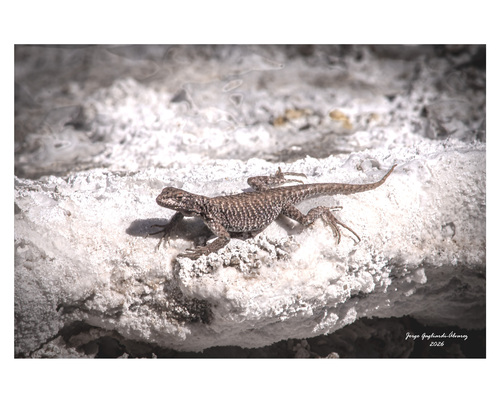

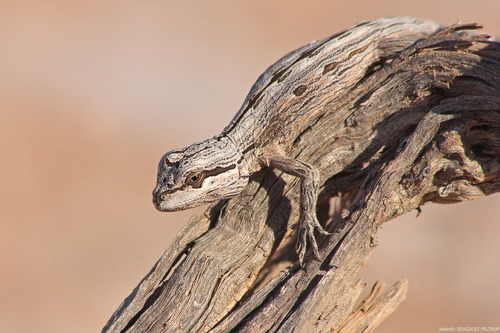

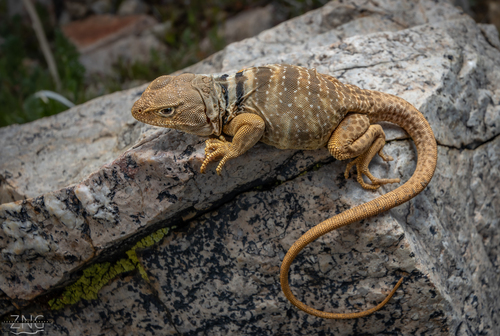








































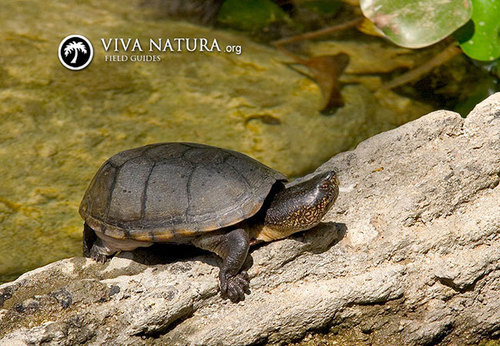


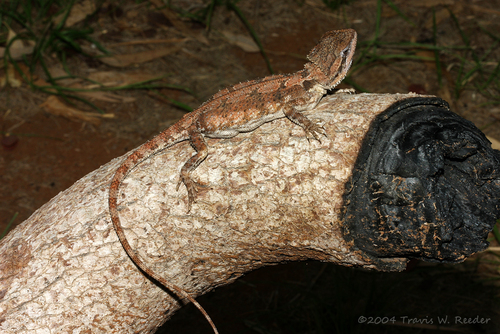


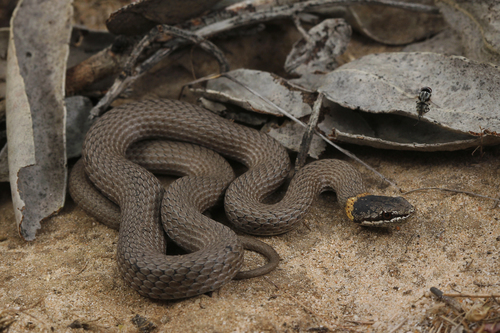


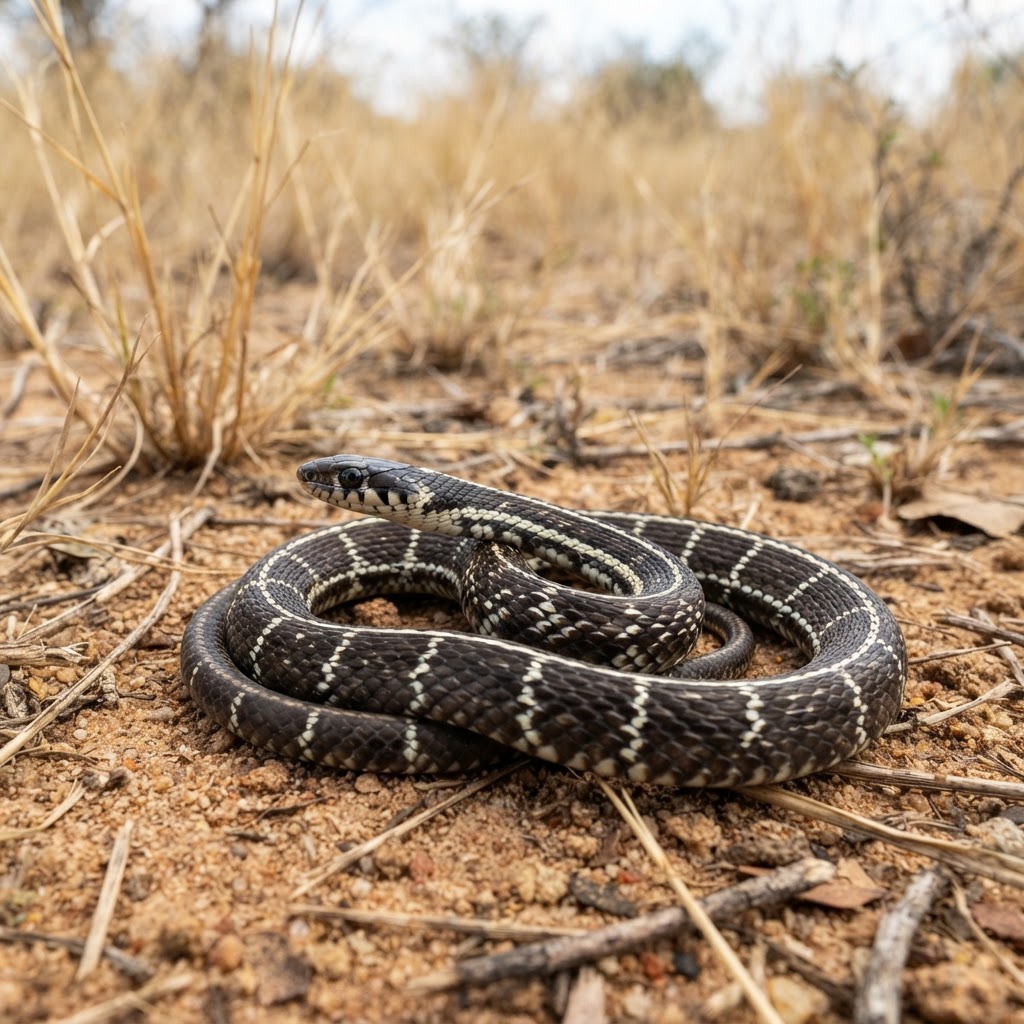




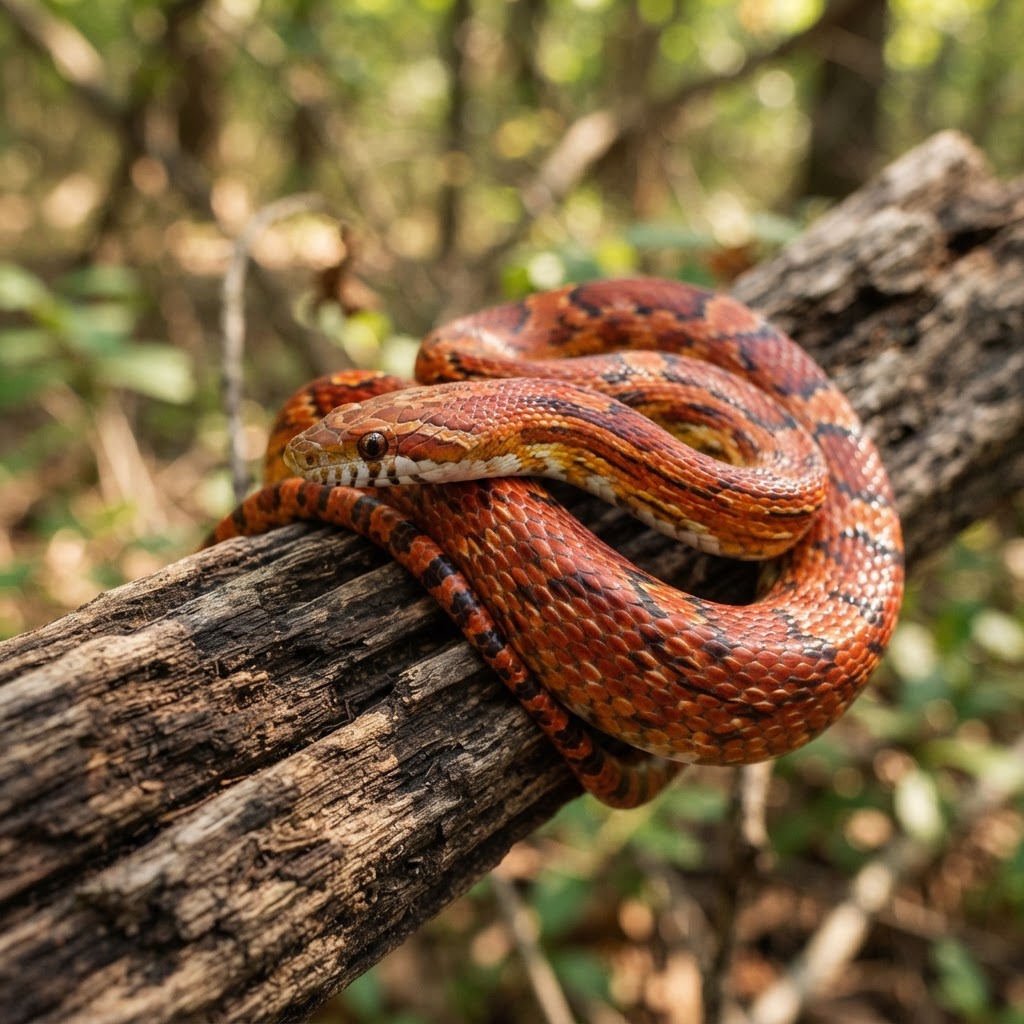

Seasonal Feeding Alerts
Current feeding schedules based on seasonal changes
Autumn
0 species
Spring
0 species
Feeding Dashboard
Track feeding activity and growth trends over time
11
Total Feedings
3
Species Tracked
5
Weight Entries
1.11 oz (31.6 g)
Avg Weight
Feeding Frequency
Feedings per month (last 8 months)
Weight Trends
Weight over time per species (top 5)
Food Type Breakdown
Most used food types
Recent Feedings
Leopard Gecko
Aug 16, 2026 · Mealworms · 4 · 1.73 oz (49 g)
Leopard Gecko
Aug 15, 2026 · Dubia and crickets · 9 crickets 3 dubia · 1.59 oz (45 g)
Leopard Gecko
Aug 6, 2026 · Mealworms · 1 · 1.55 oz (44 g)
Mossy Leaf-tailed Gecko
Aug 5, 2026 · Crickets and mealworms · 7 crickets and 5 mealworms · 0.5 oz (14.1 g)
Mossy Leaf-tailed Gecko
Aug 3, 2026 · Crickets · 0 · 0.5 oz (14.1 g)
Crested Gecko
Jul 22, 2026 · CGD · 5 drops
Crested Gecko
Jul 22, 2026 · CGD · 4 drops
Leopard Gecko
Jul 22, 2026 · Crickets · 20
Bulk Import
Upload spreadsheets to quickly populate your species catalog and feeding logs
Reptile Species
Expected columns
common_name, scientific_name, category, natural_habitat, geographic_range, description, size, diet, image_url, conservation_status
Click to upload a CSV or Excel file
.csv, .xlsx, or .json supported
Feeding Logs
Expected columns
species_name, feeding_date, food_type, quantity, weight_grams, notes, completed
Click to upload a CSV or Excel file
.csv, .xlsx, or .json supported

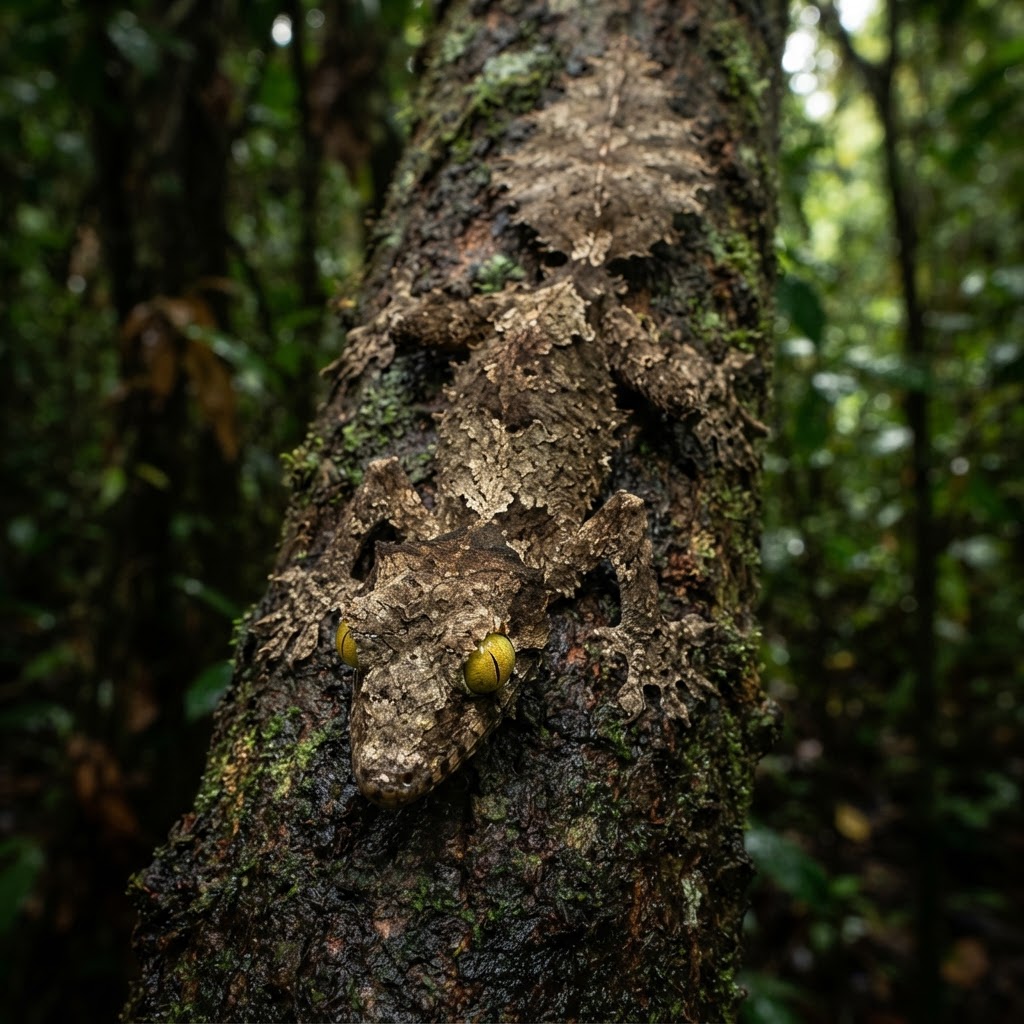
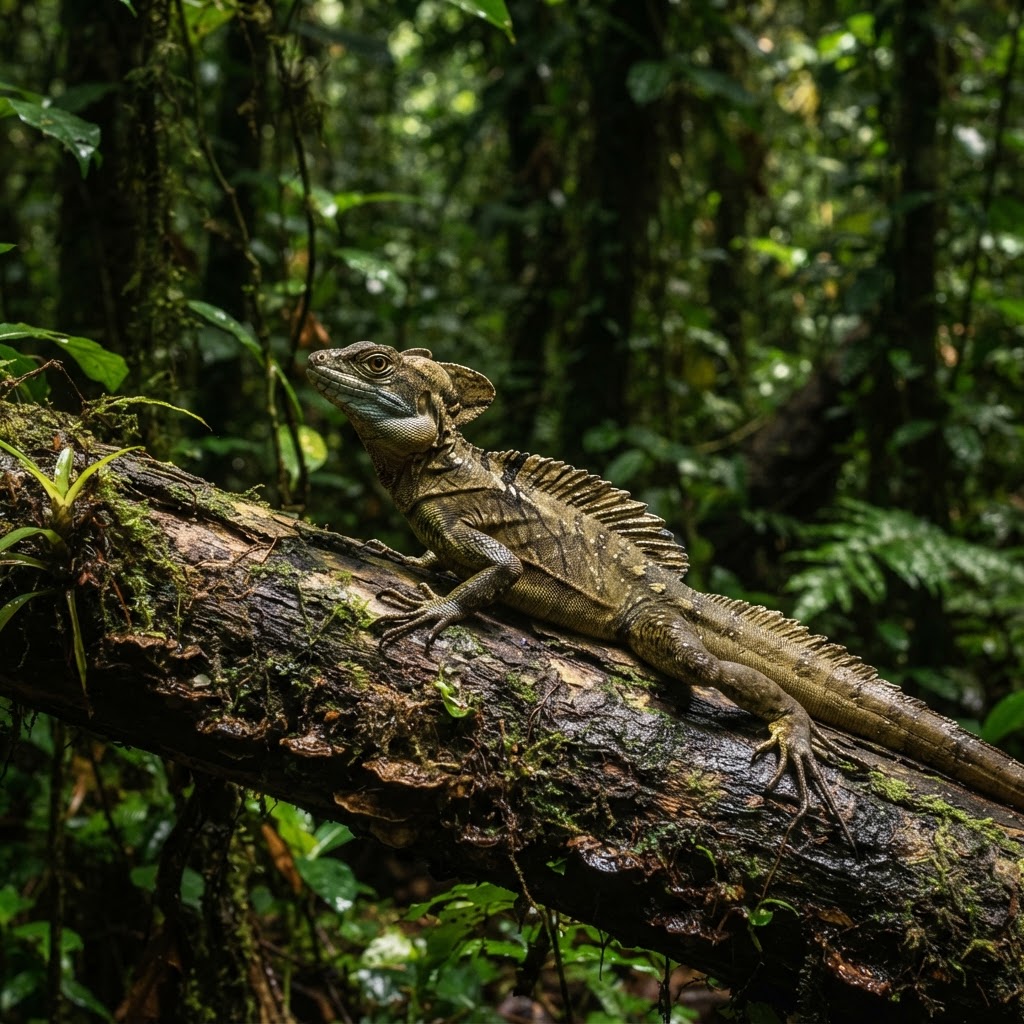
Primary and secondary lowland rainforest of northern and eastern Madagascar; rests by day pressed flat against mossy tree trunks and large branches, descending to hunt insects at night.
Northern and eastern Madagascar (Nosy Be, Sambirano region, and the Masoala area).
9–11 in / 23–28 cm (SVL ~10–14 cm, total length up to 28 cm)
Nocturnal insectivore and opportunist — crickets, moths, roaches, and other arboreal invertebrates.
About this species
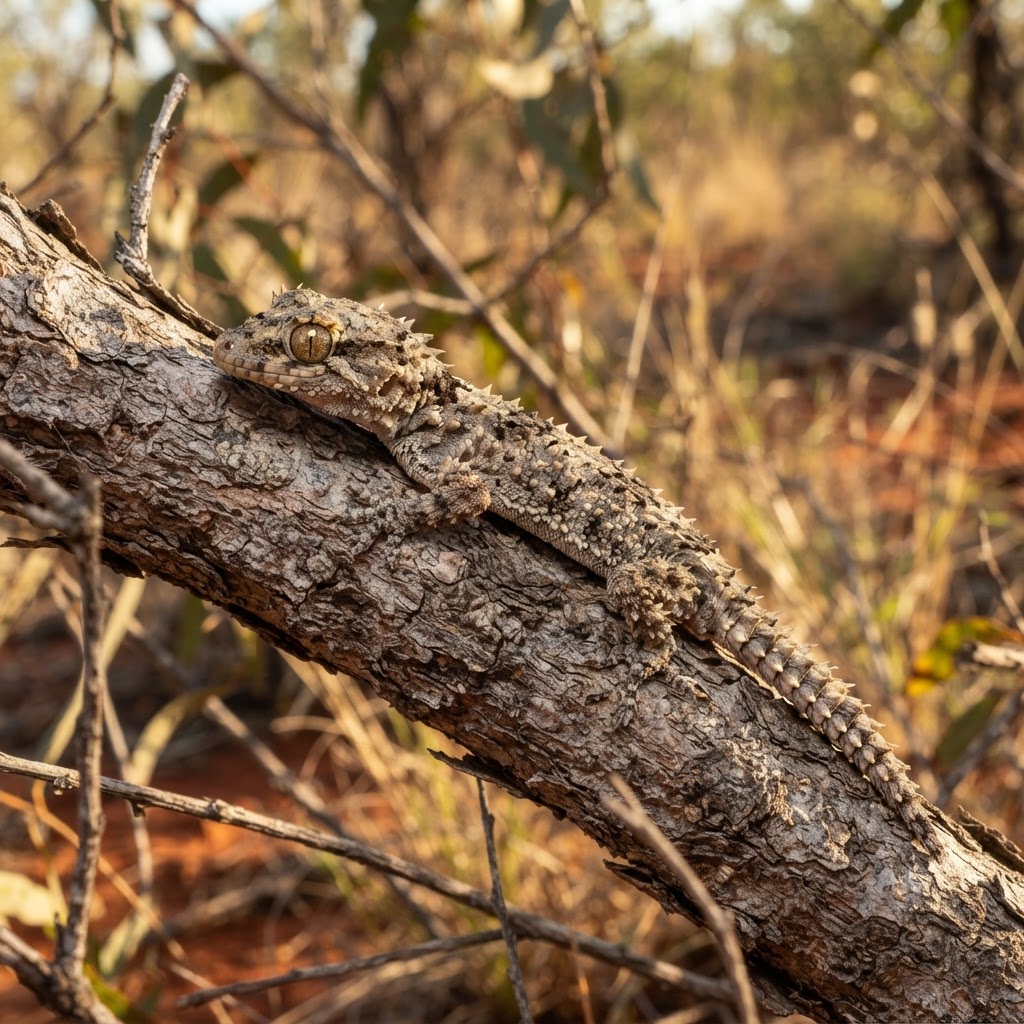
A large, heavy-bodied Uroplatus with a broad, leaf-shaped head, prominent lidless eyes, and deeply fringed, bark-like skin along the body and tail. One of the largest leaf-tailed geckos; closely allied to the mossy leaf-tailed gecko (U. sikorae) and sometimes confused with the giant leaf-tail (U. fimbriatus), but distinguished by body proportions and the fleshy dermal flaps that break up its outline against bark. Nocturnal and arboreal, relying on extreme camouflage rather than flight.
Enrichment & behavioral stimulation
Henkel's Leaf-tailed Gecko is arboreal — enrichment focuses on vertical climbing, elevated feeding, and humidity-driven activity.
- Provide tall vertical cork bark, bamboo, and diagonals to encourage climbing, clinging, and patrolling.
- Add broad-leafed live or silk foliage and vines for resting, camouflage, and jumping routes.
- Offer food on elevated feeding ledges at different heights to spread foraging across the enclosure.
- Mist in the evening to prompt drinking, raise humidity, and trigger natural hunting activity.
- Tuck small insects among foliage so the gecko stalks through the canopy.
- Periodically reposition branches and foliage to create novel climbing paths.
Housing & Social Behavior
Can be kept in pairs if space allows, but monitor for stress or aggression closely.
Housing guidance is general and based on species-typical behavior; always verify against current husbandry references and observe individual temperament.