The Reptile Atlas
Explore the world's reptile species — snakes, lizards, turtles, crocodilians, and more. Discover their habitats, diets, and seasonal feeding guides.
Massive thanks to everyone who has visited the site almost 8k and I really hope it helps yinz out. Google play store app in the works!!!!! Log in for more features
The app is in the testing stage and I'm looking for Android users to help test it out. If interested, you can email me at geckoatlas.support@gmail.com
Seasonal Feeding Alerts
Northern Hemisphere
Autumn
443 species
Southern Hemisphere
Spring
271 species
Current feeding schedule changes
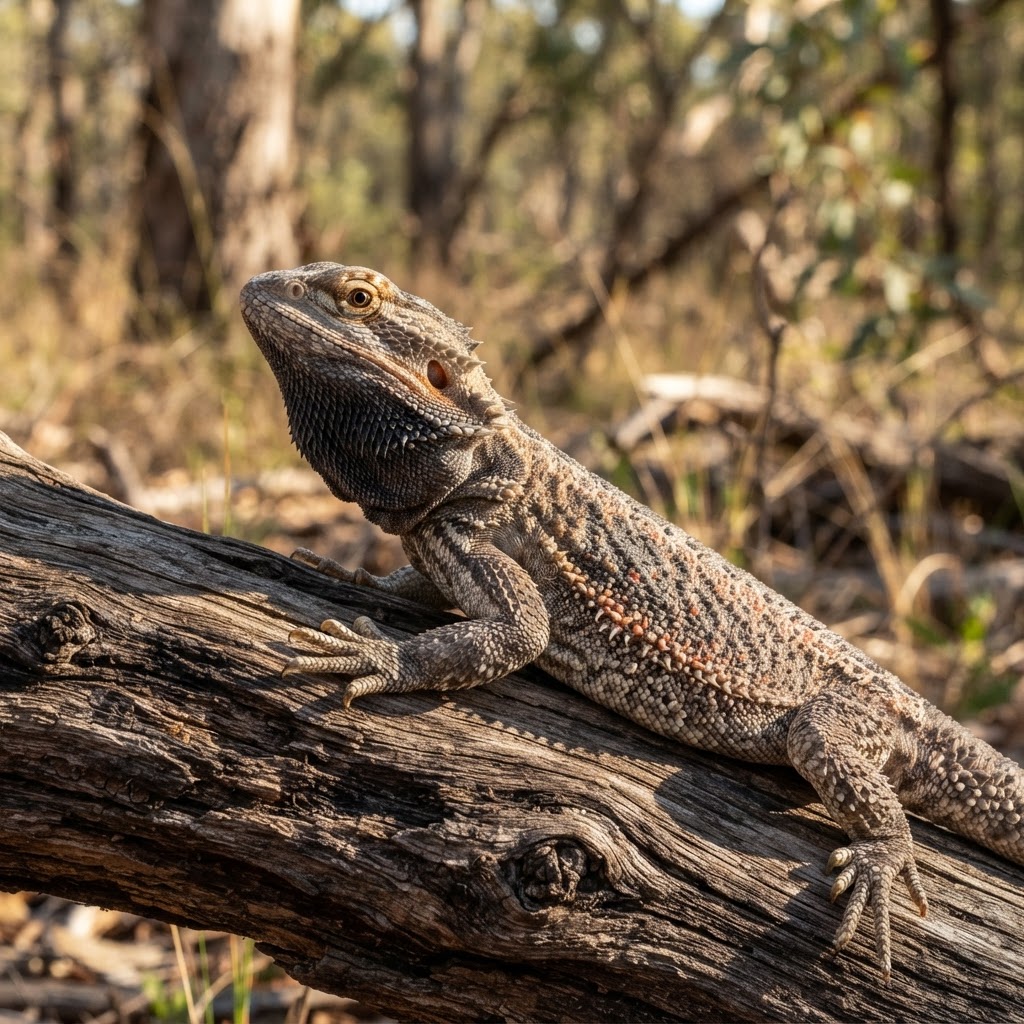
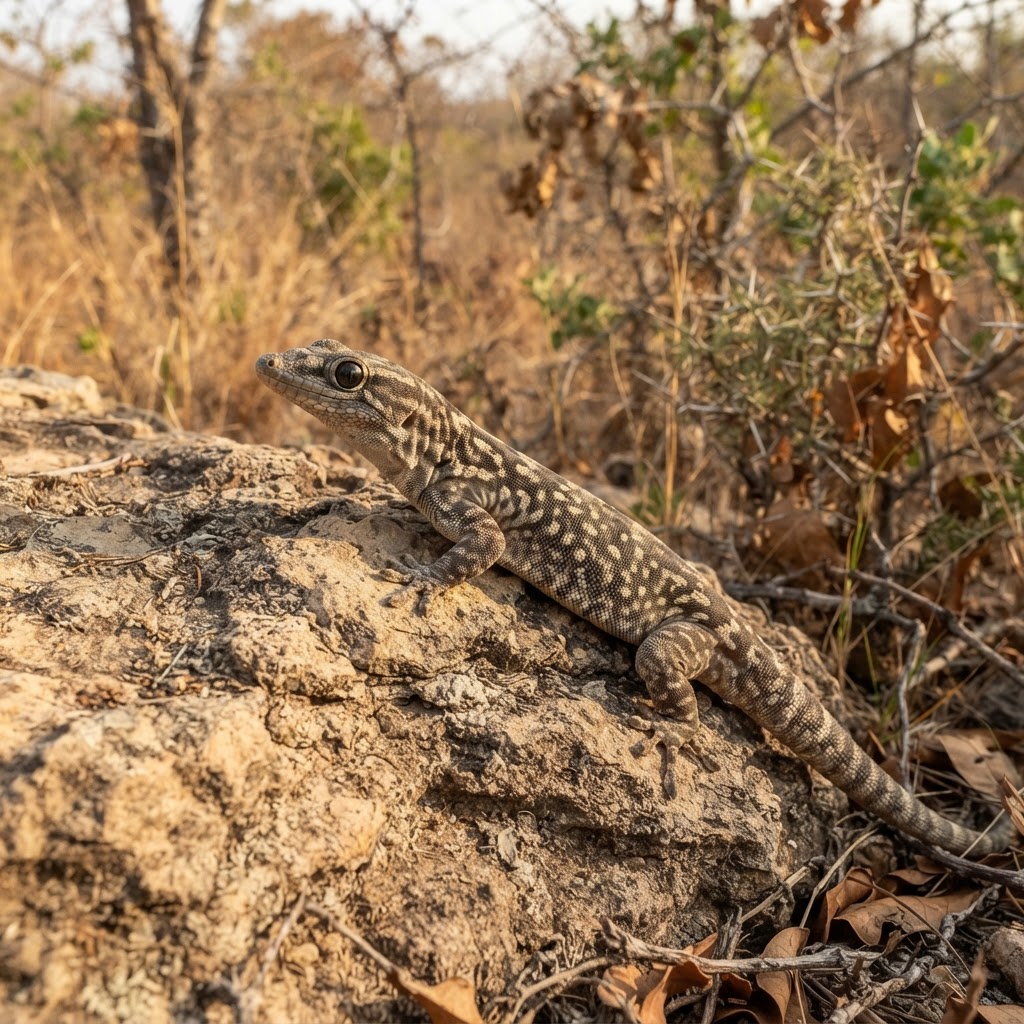
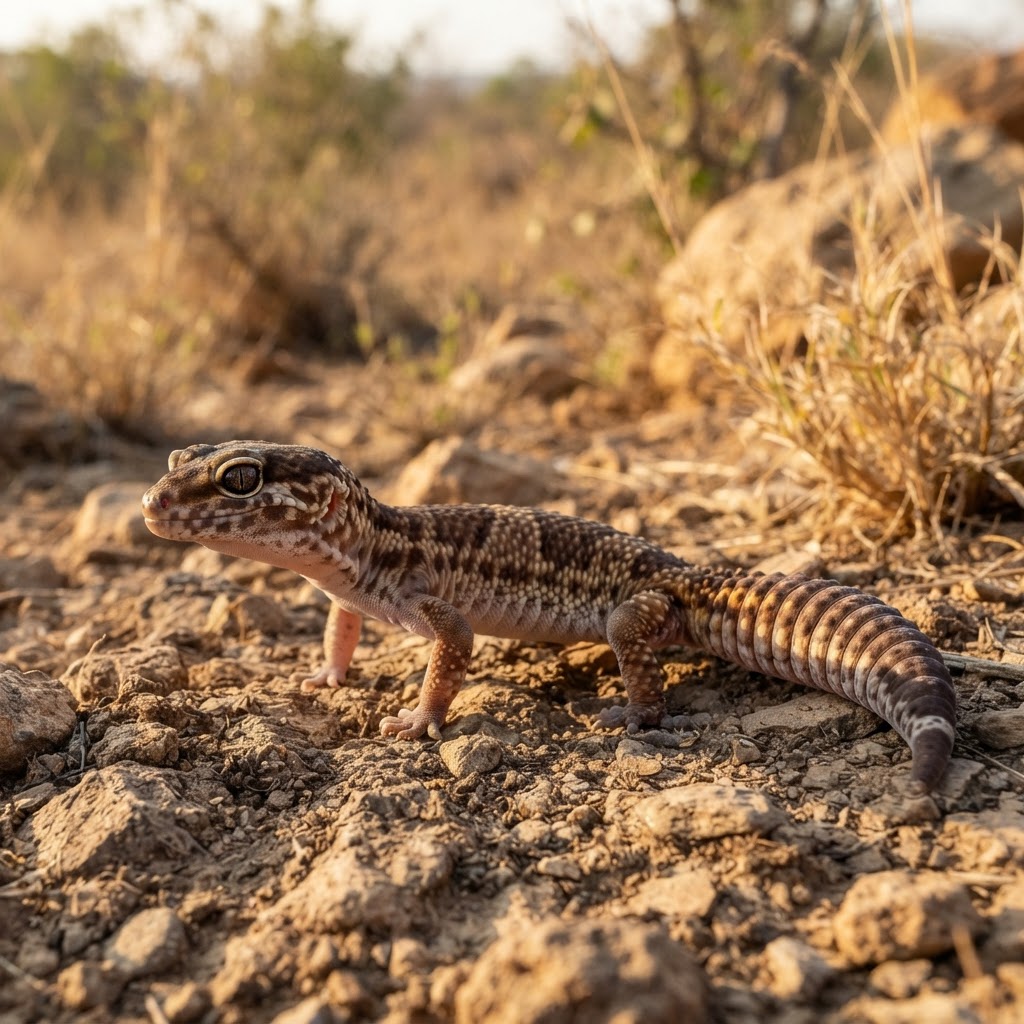
🍂Afghan Leopard Gecko
Autumn: Maintain feeding to build tail fat reserves ahead of winter; 2–3 times per week.
Hornworms
Autumn: Maintain cultures at room temperature. Continue commercial diet only.
Mealworms & Superworms
Autumn: Continue regular feeding. Monitor for pupation and separate beetles from larvae.
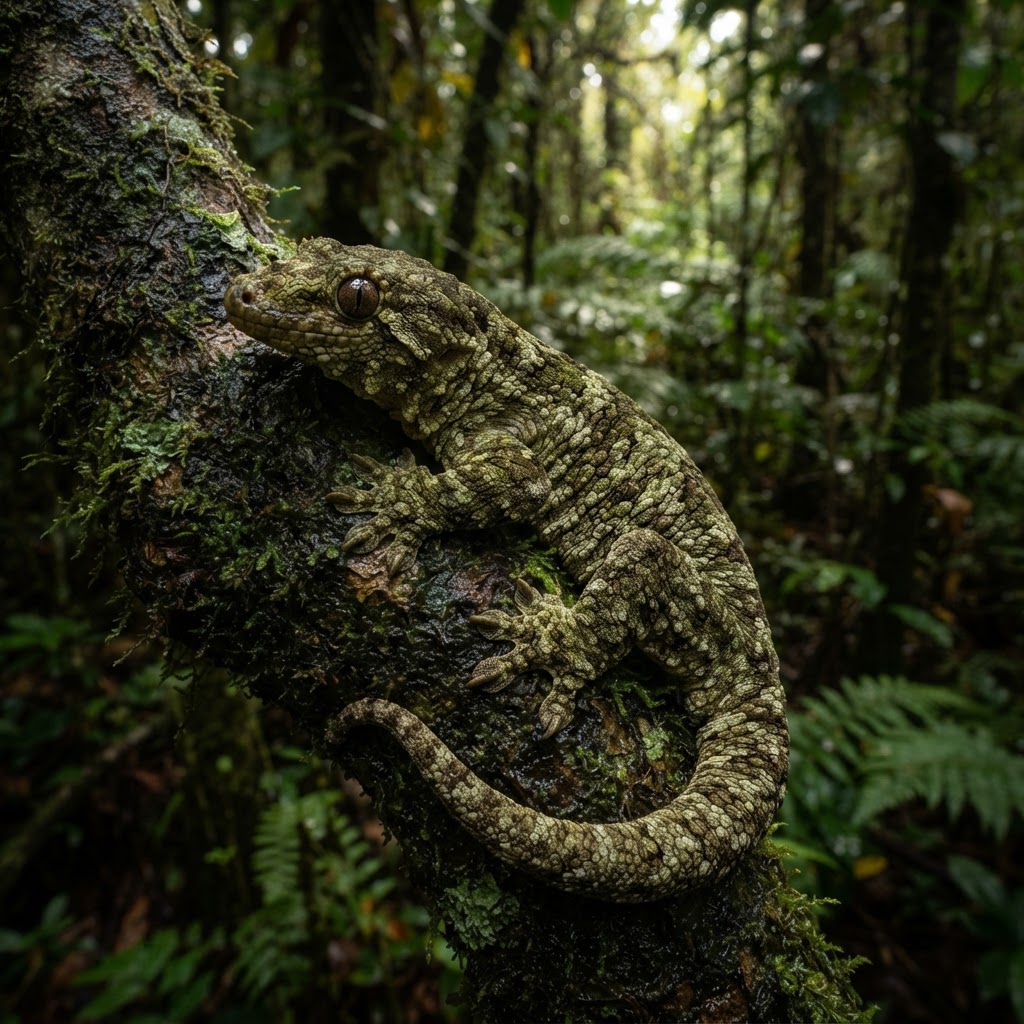
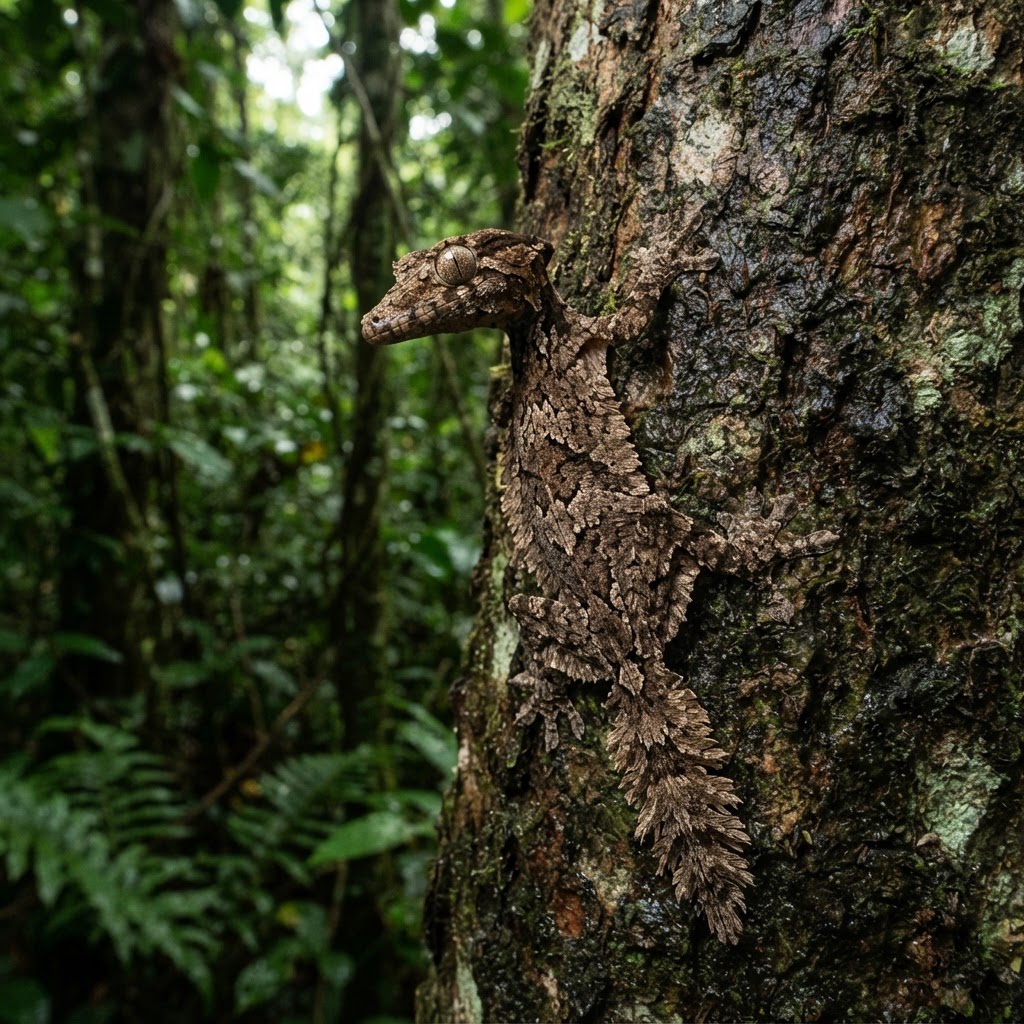
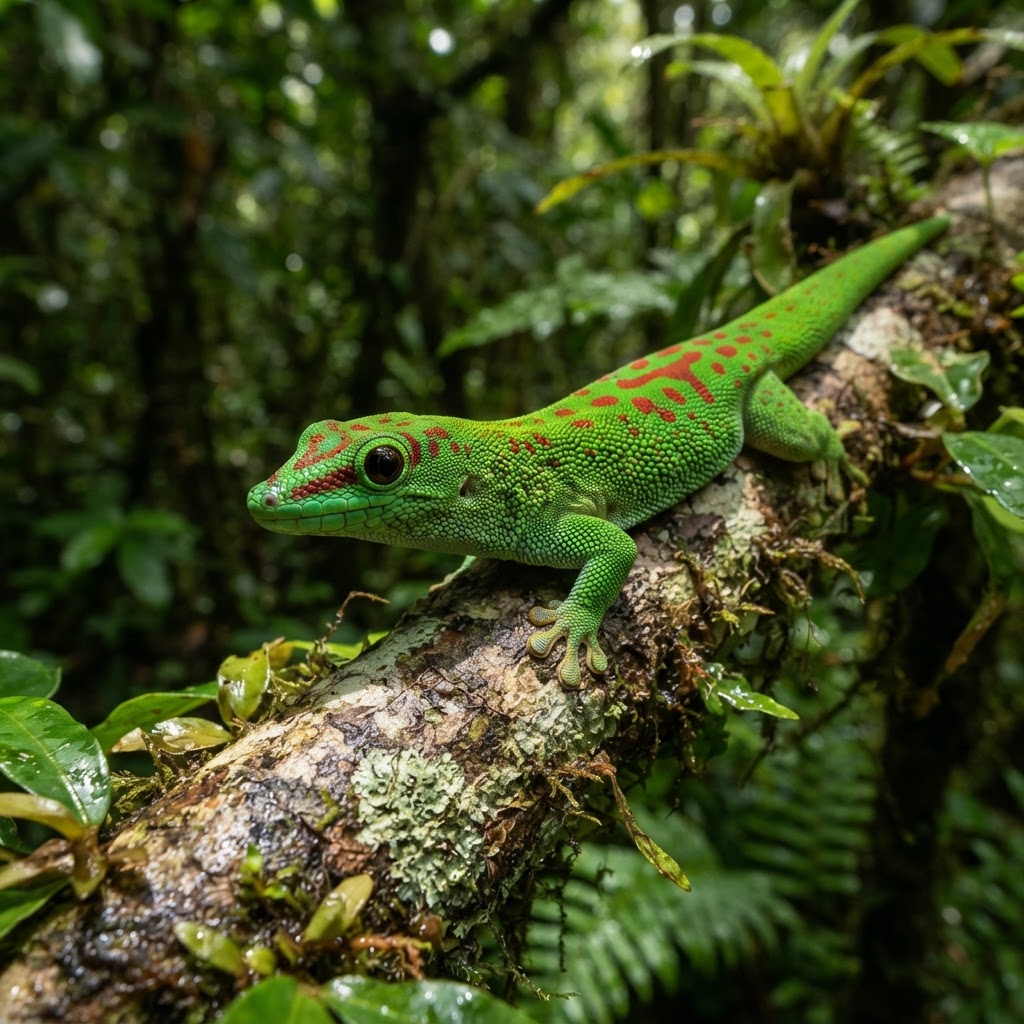
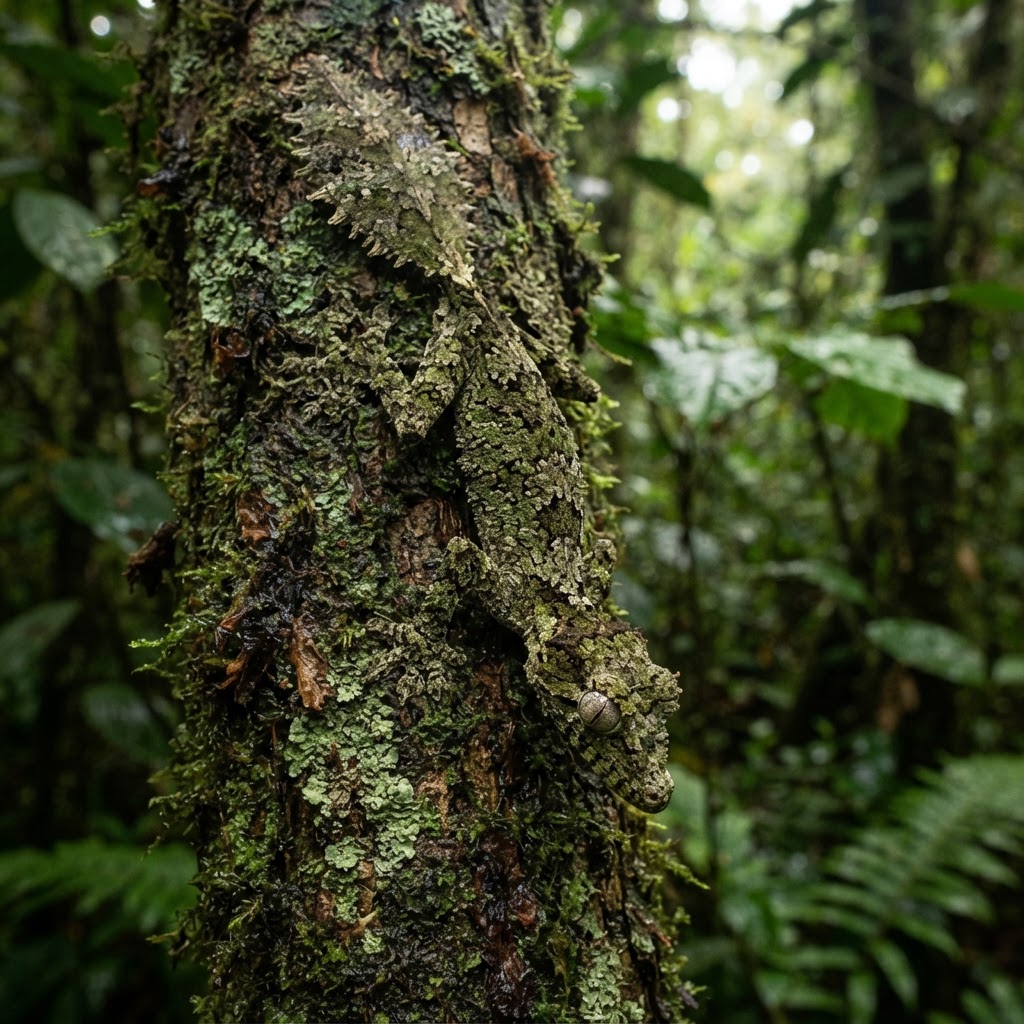
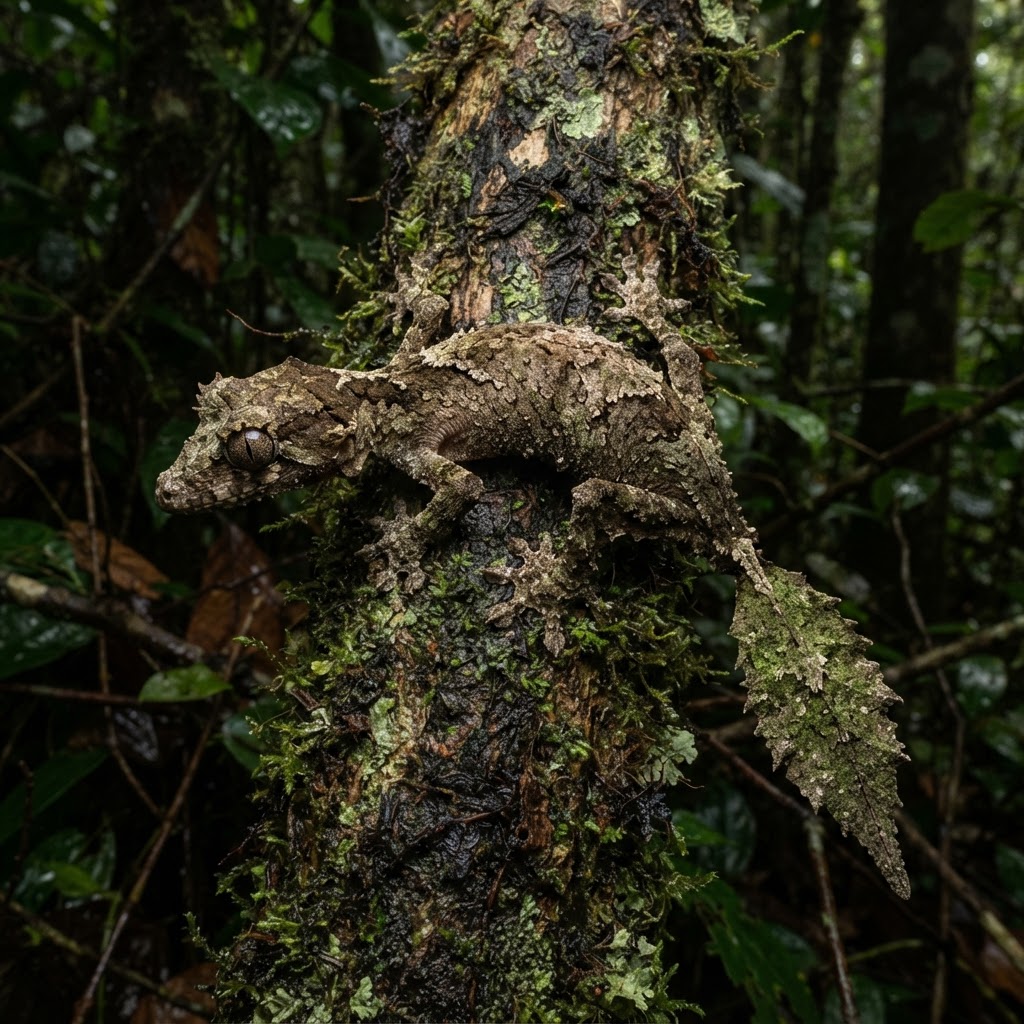
Henkel's Leaf-tailed Gecko
Spring: Increase feeding as temperatures warm; offer appropriately sized insects 3–4 times per week, dusted with calcium.
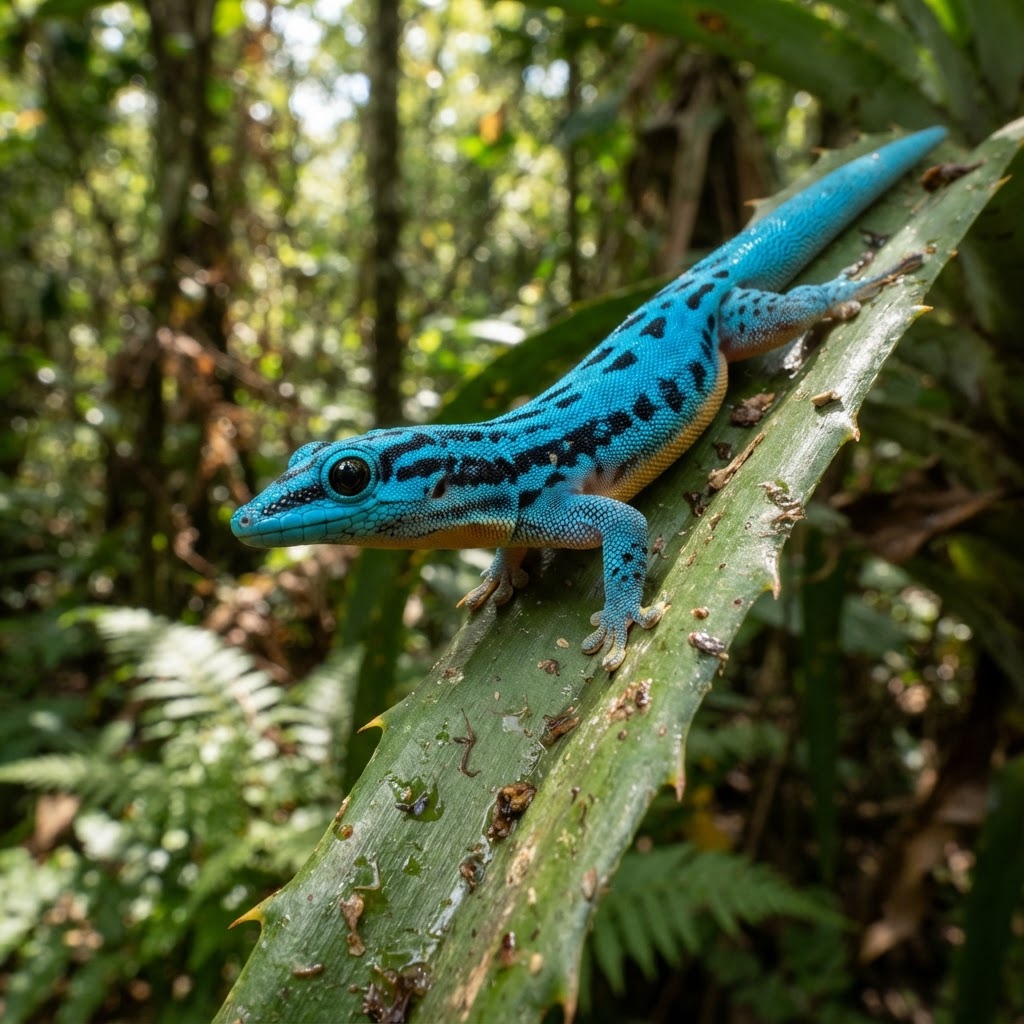
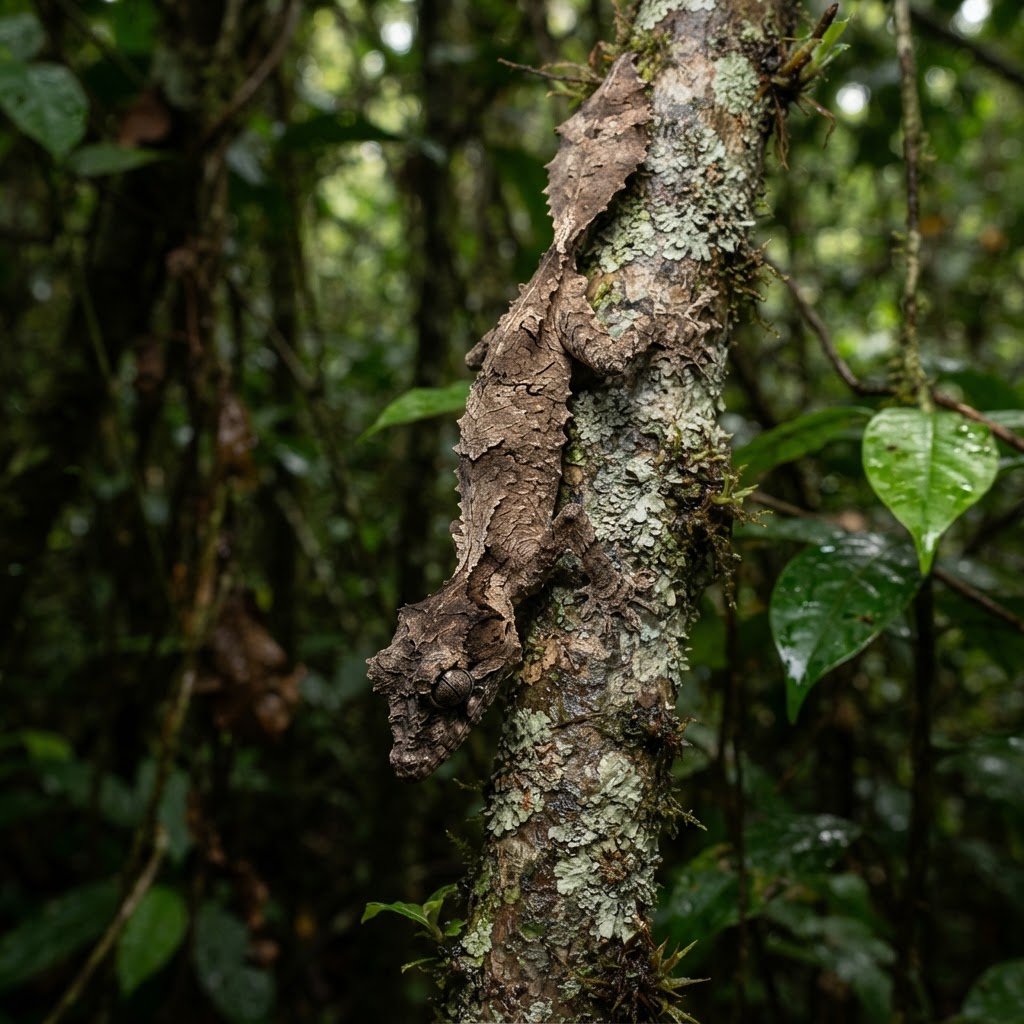
Sorah Leaf-tailed Gecko
Spring: Increase feeding as humidity rises; offer small insects 3–4 times per week with calcium dusting.
Log in to unlock your personal collection page, feeding logs, breeding tracking, calendar sync, and more features. Fixing Google login issues — you can still log in by registering.
Showing 704 species · 3 sub-species


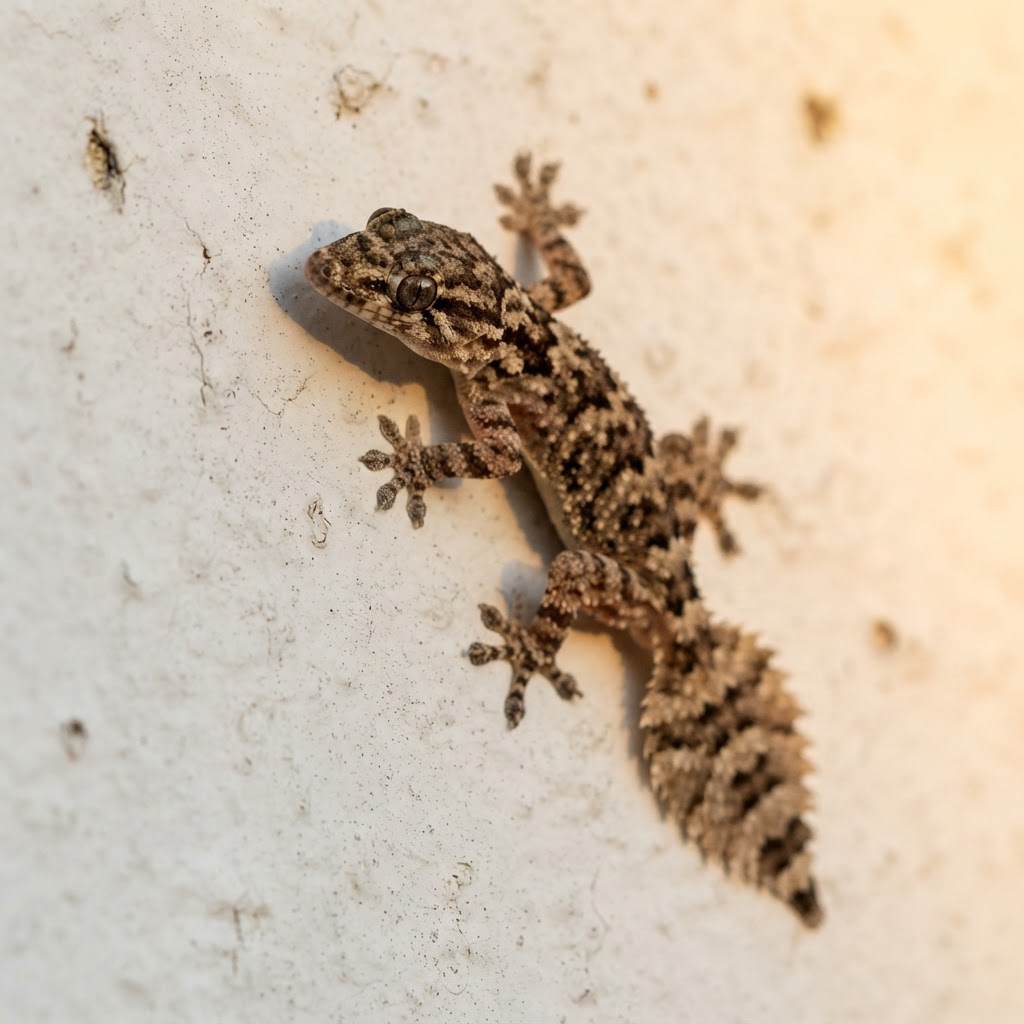
%20male.jpg)
.jpg)

%20(10106331165).jpg)
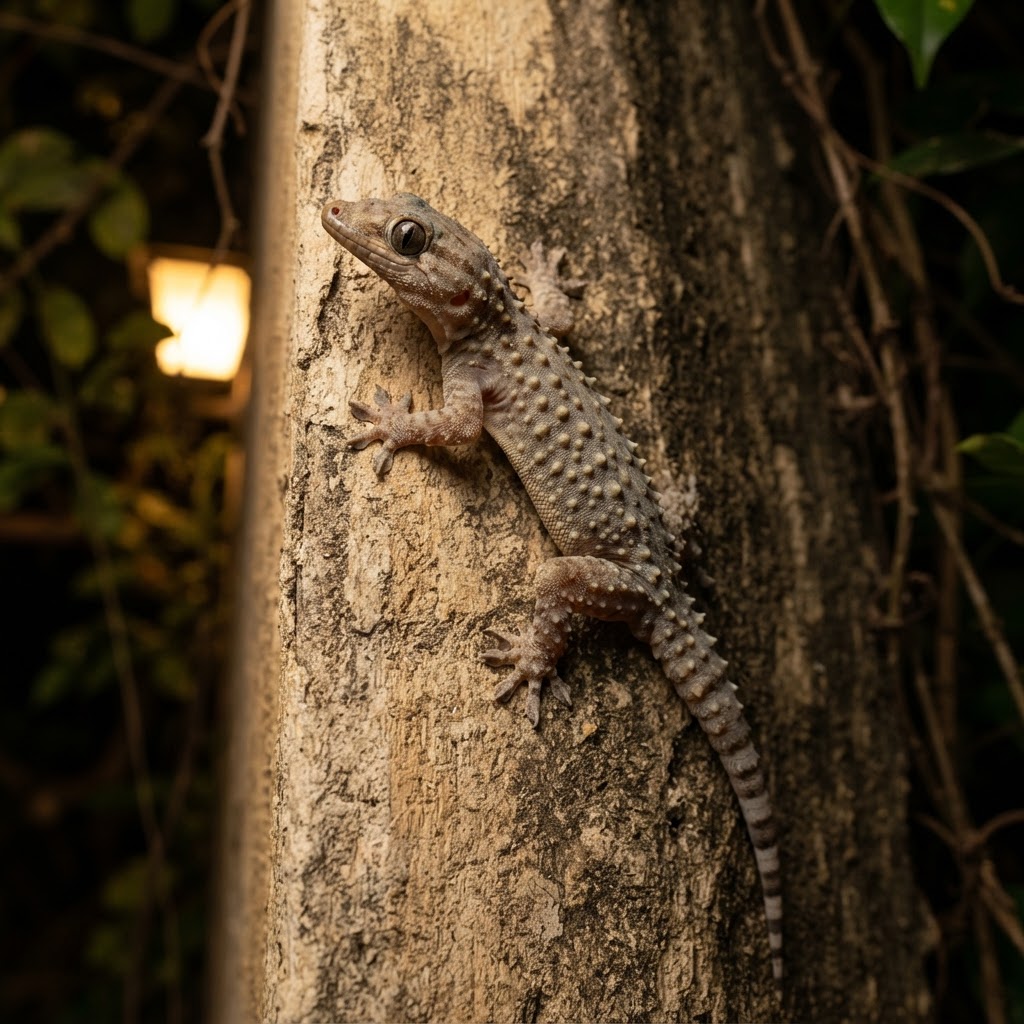
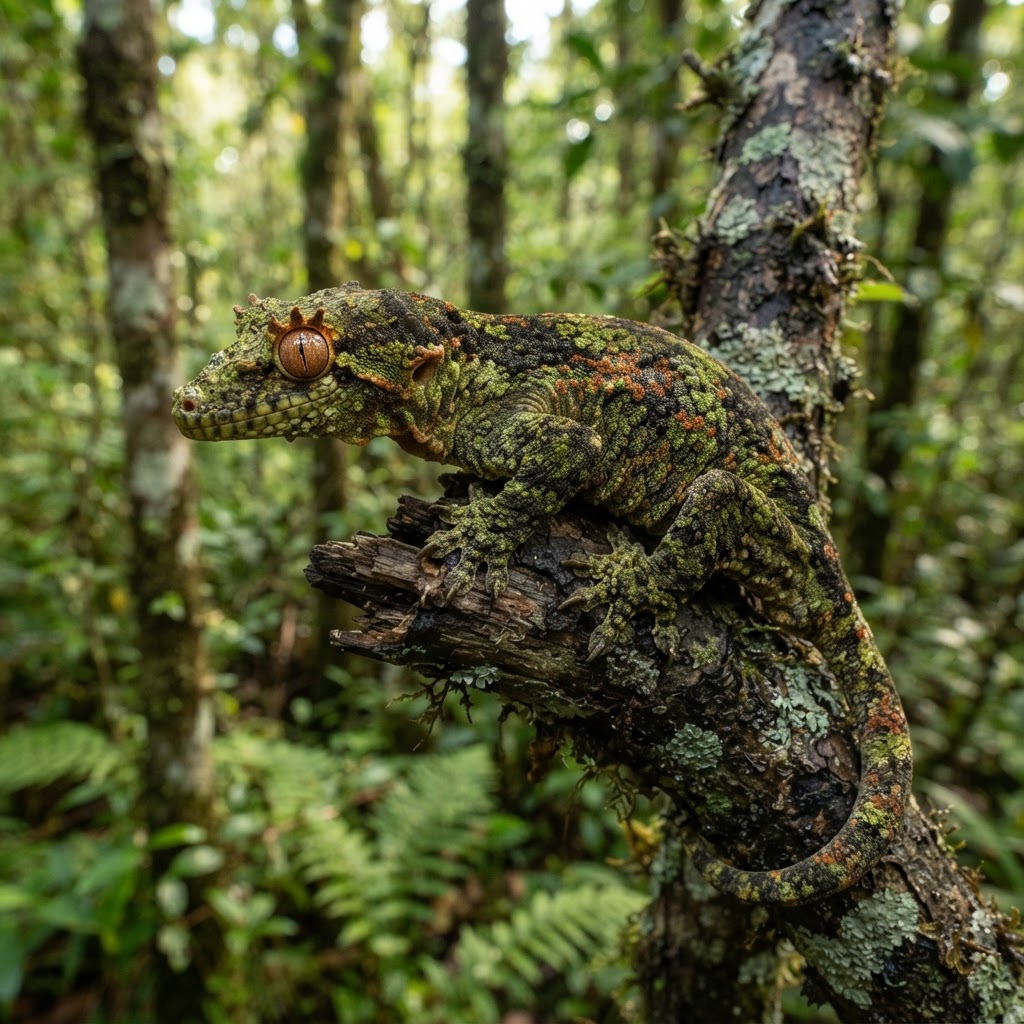
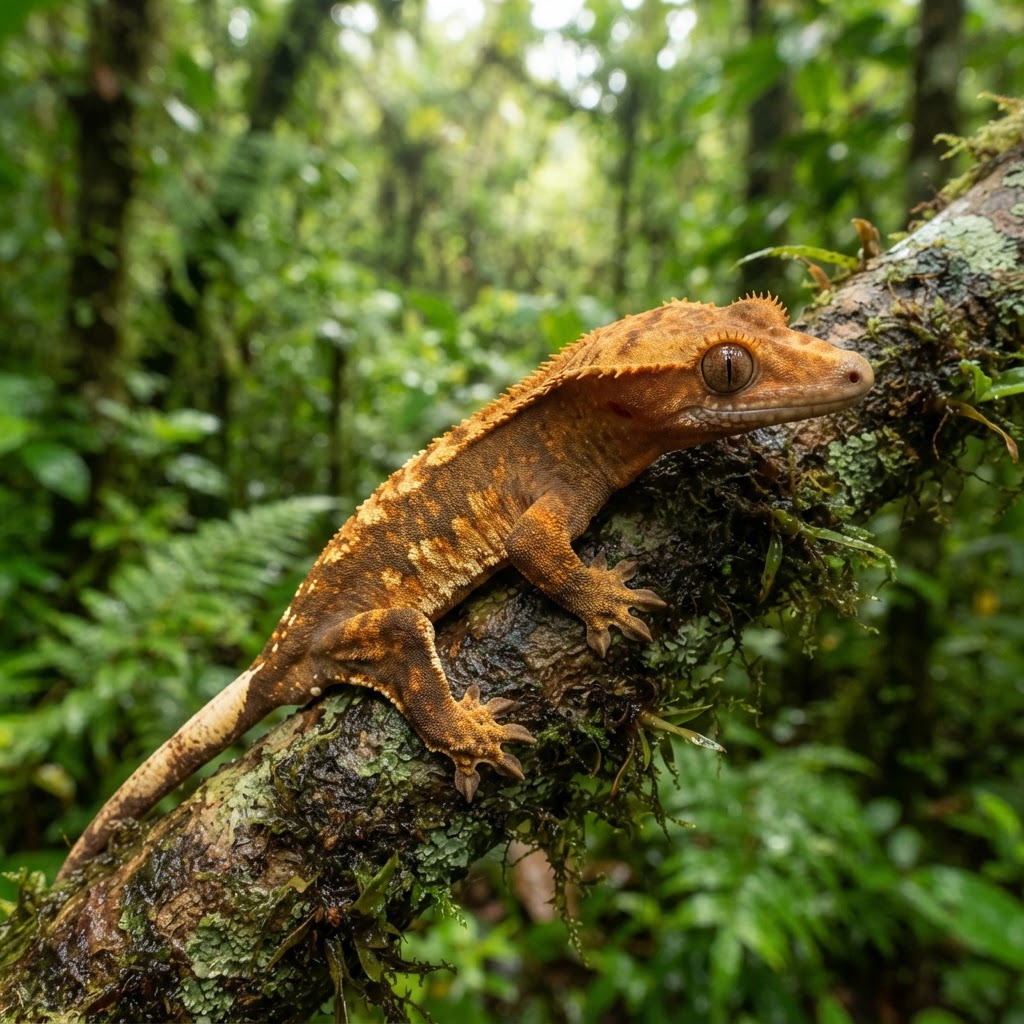
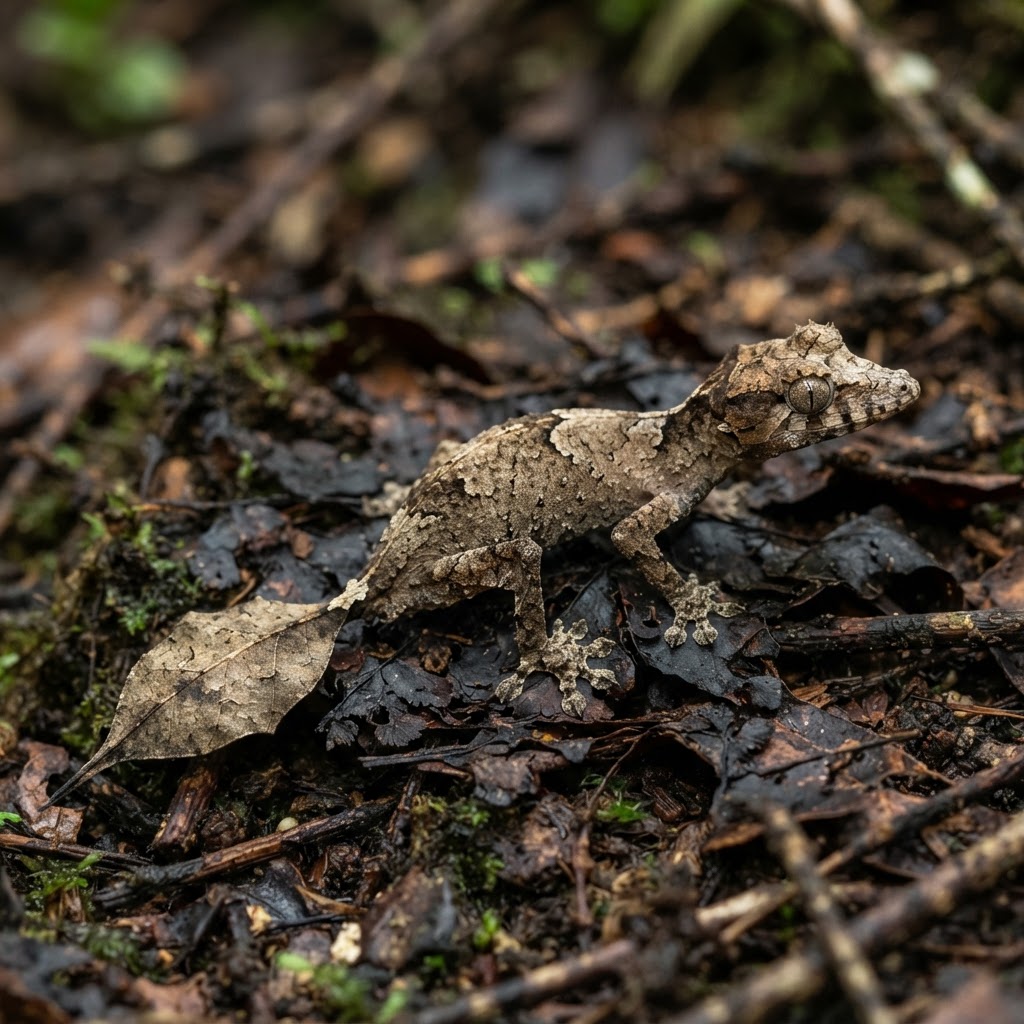
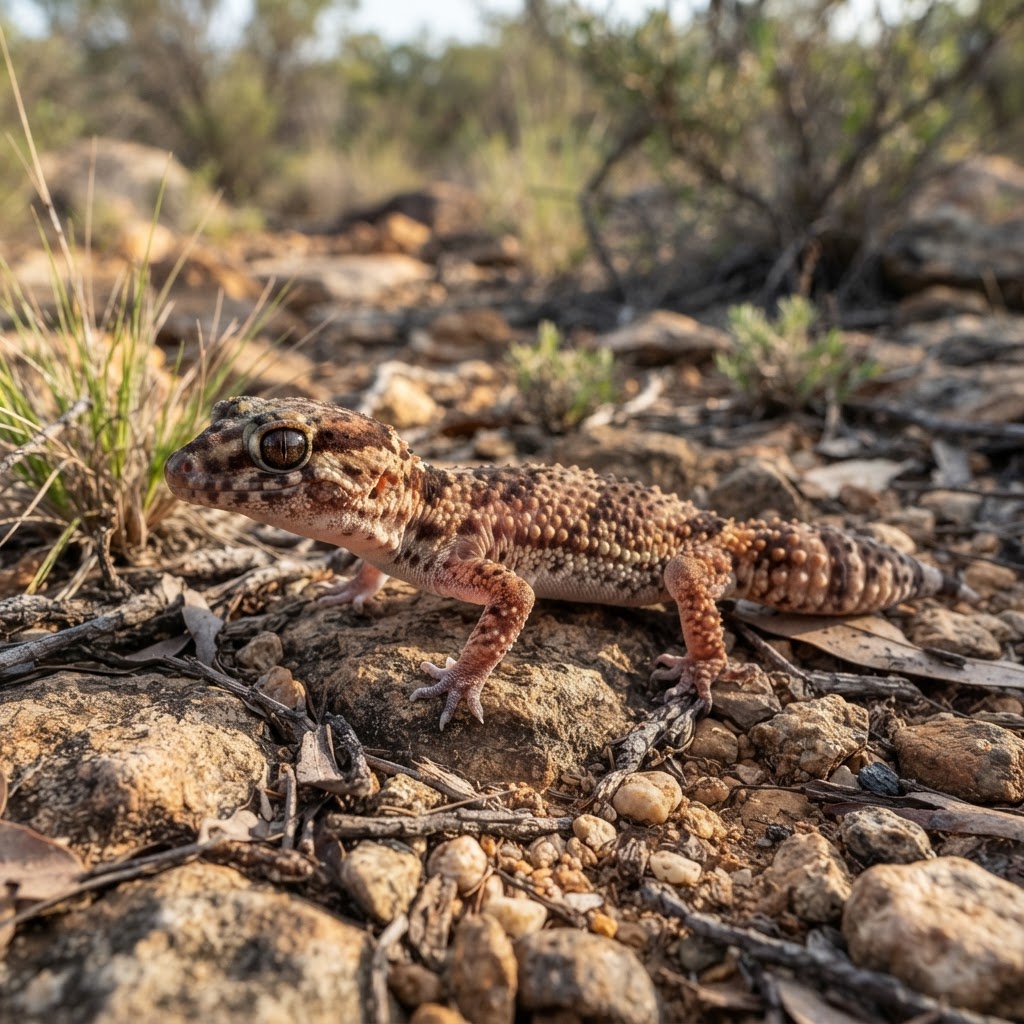
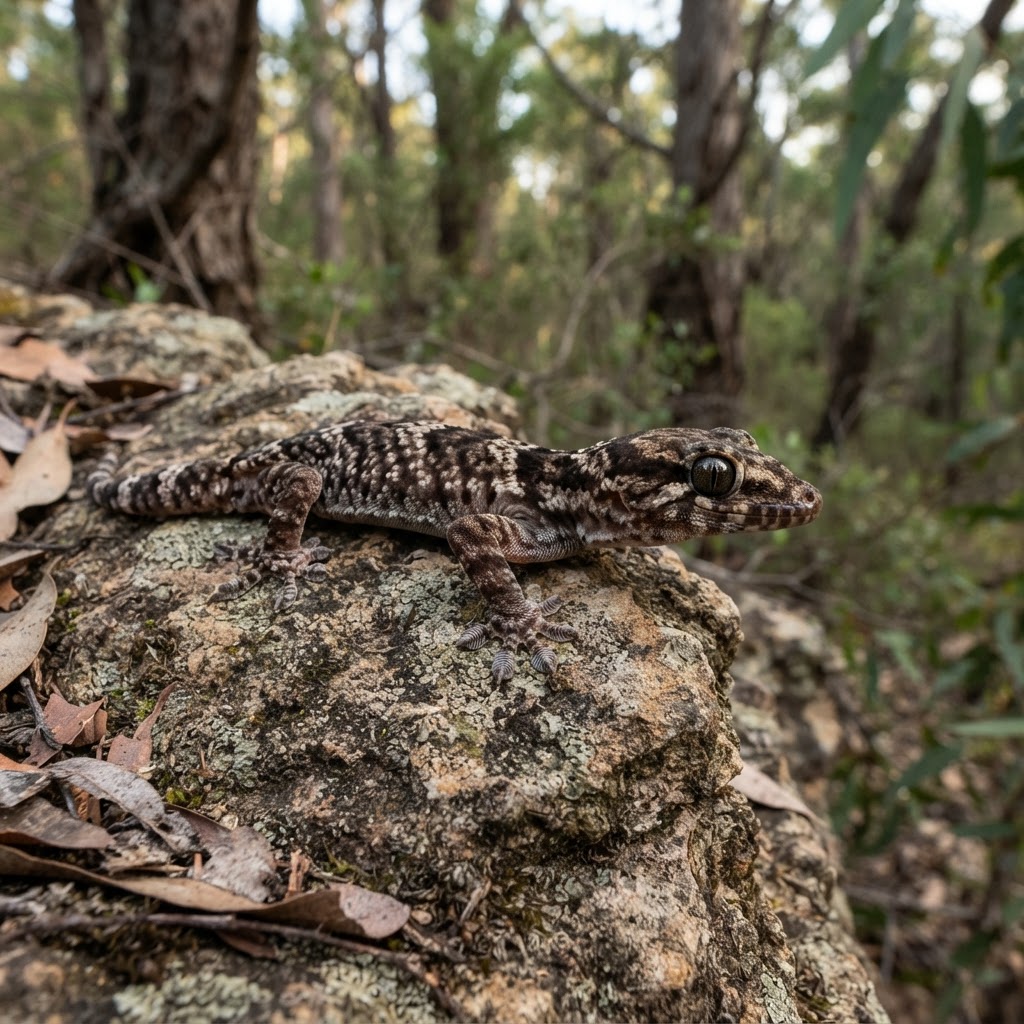
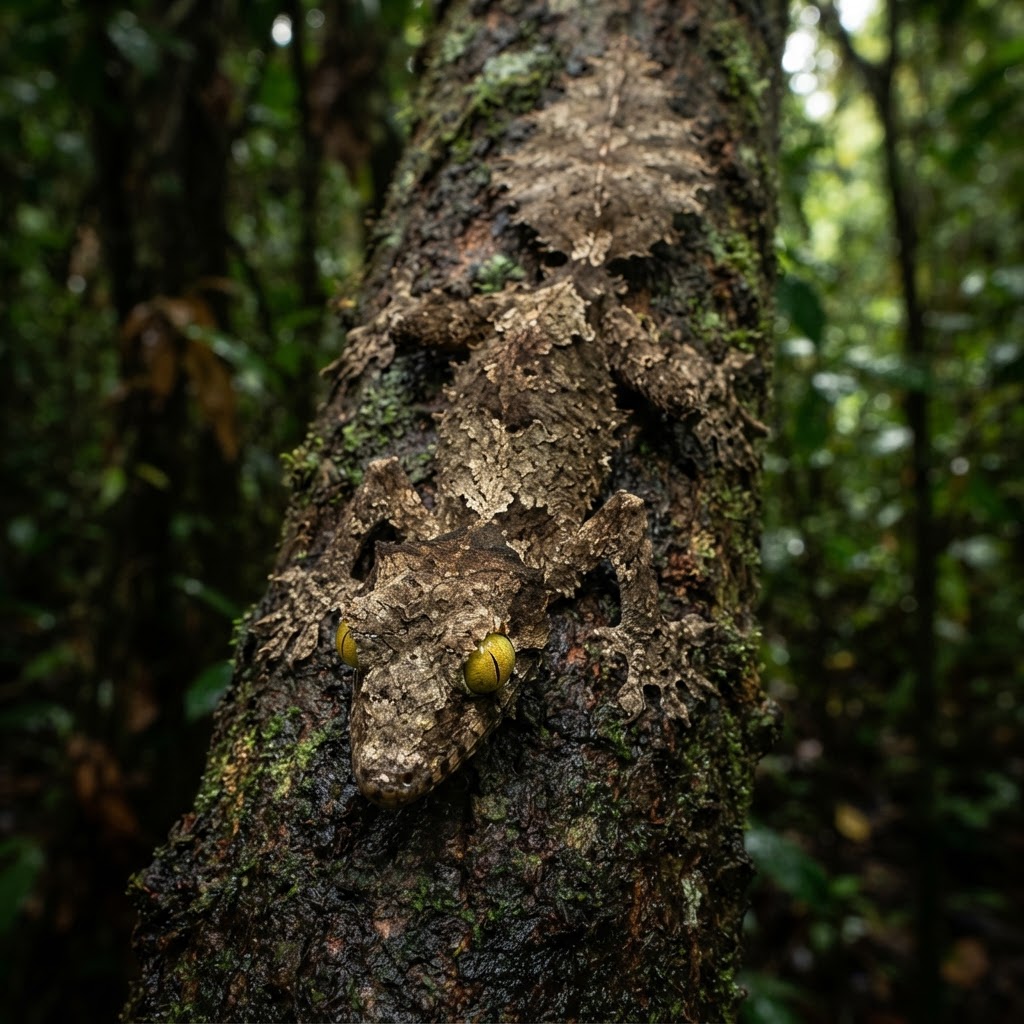
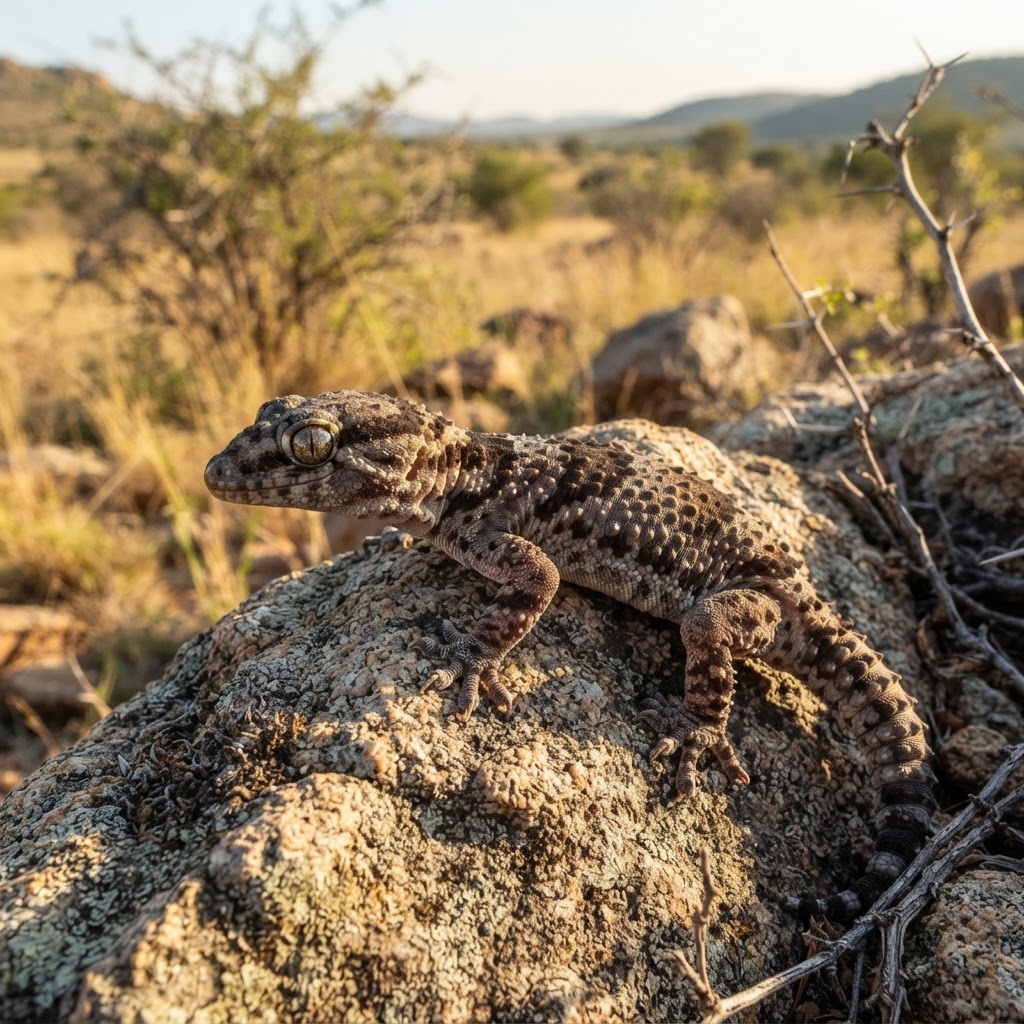
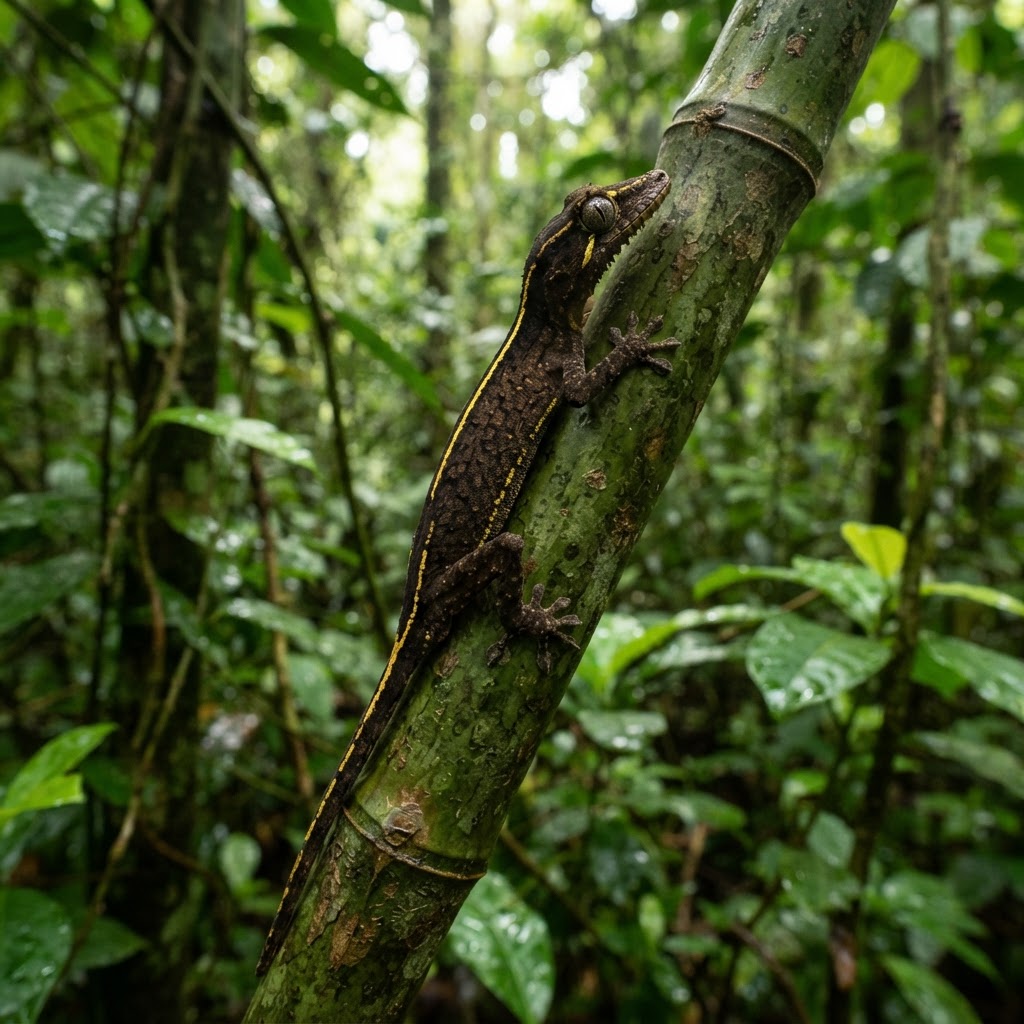
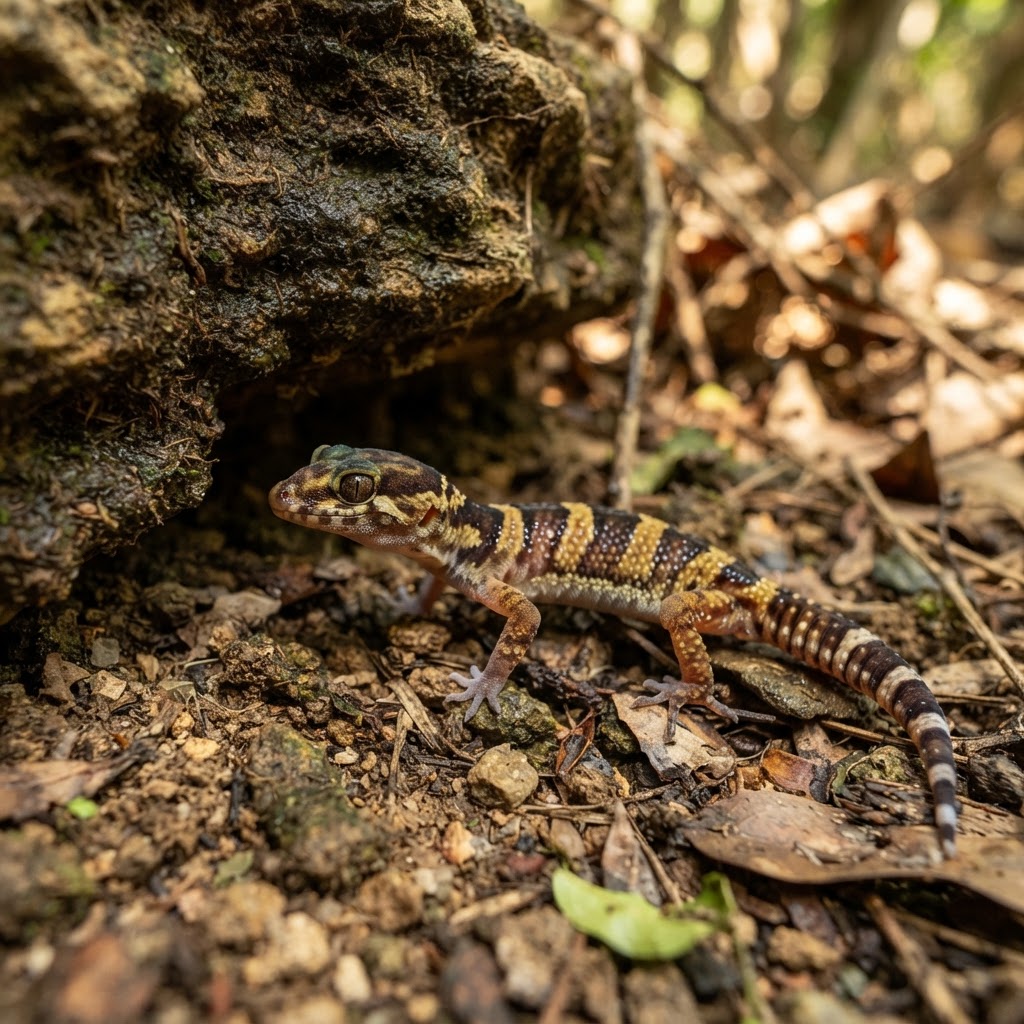
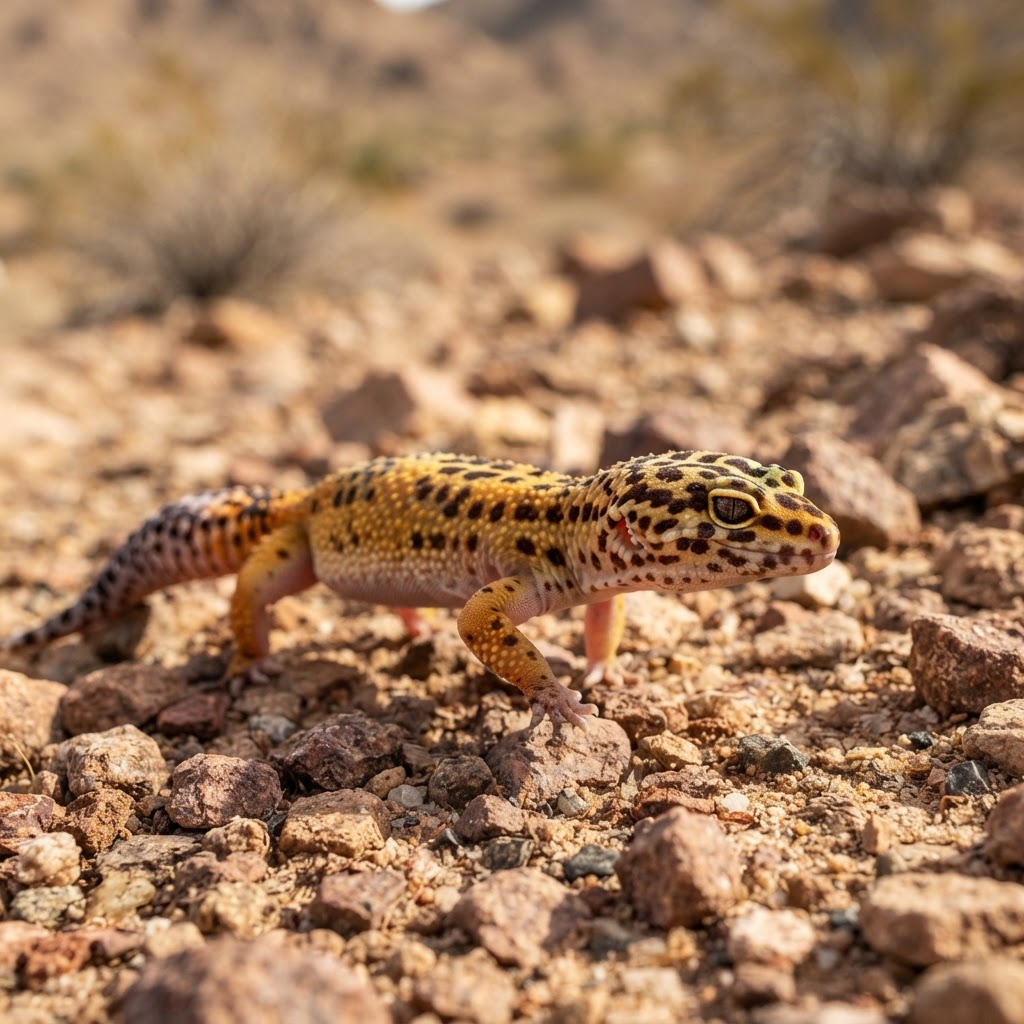
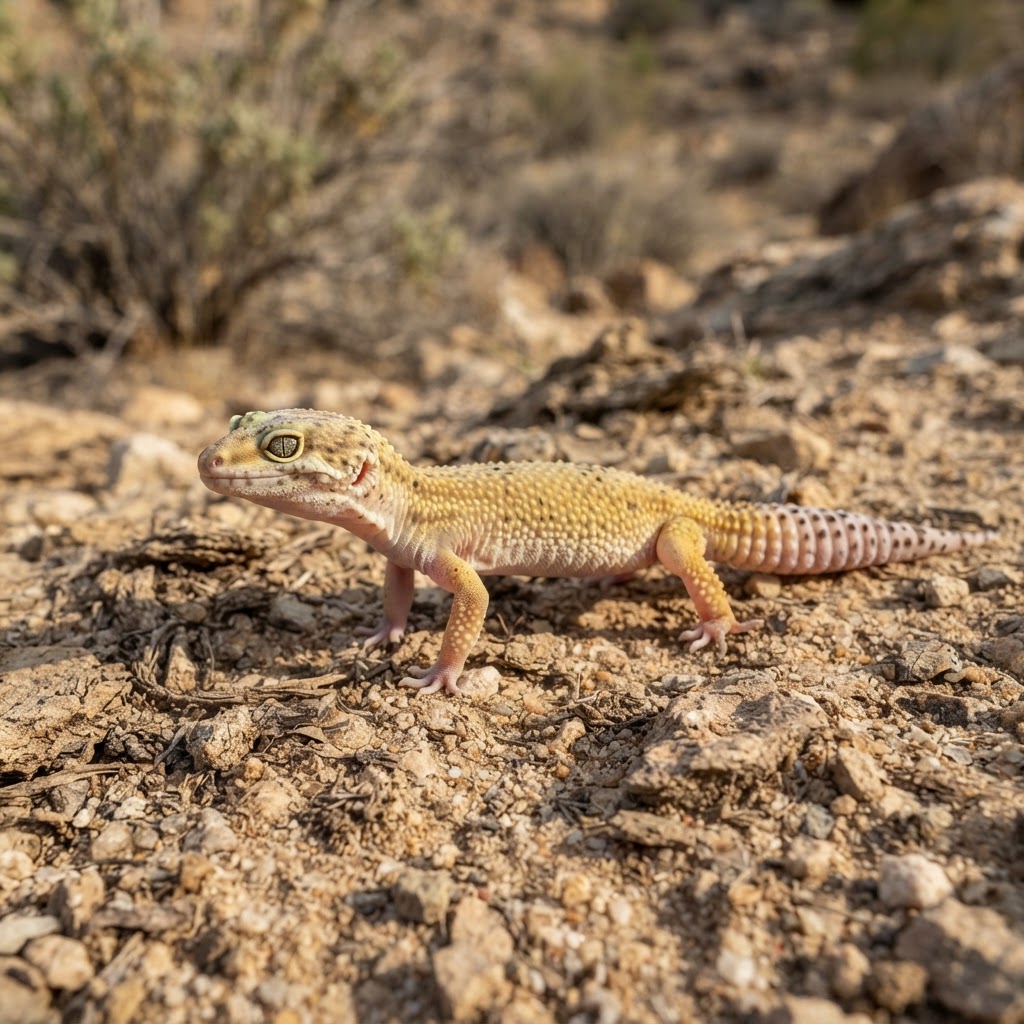

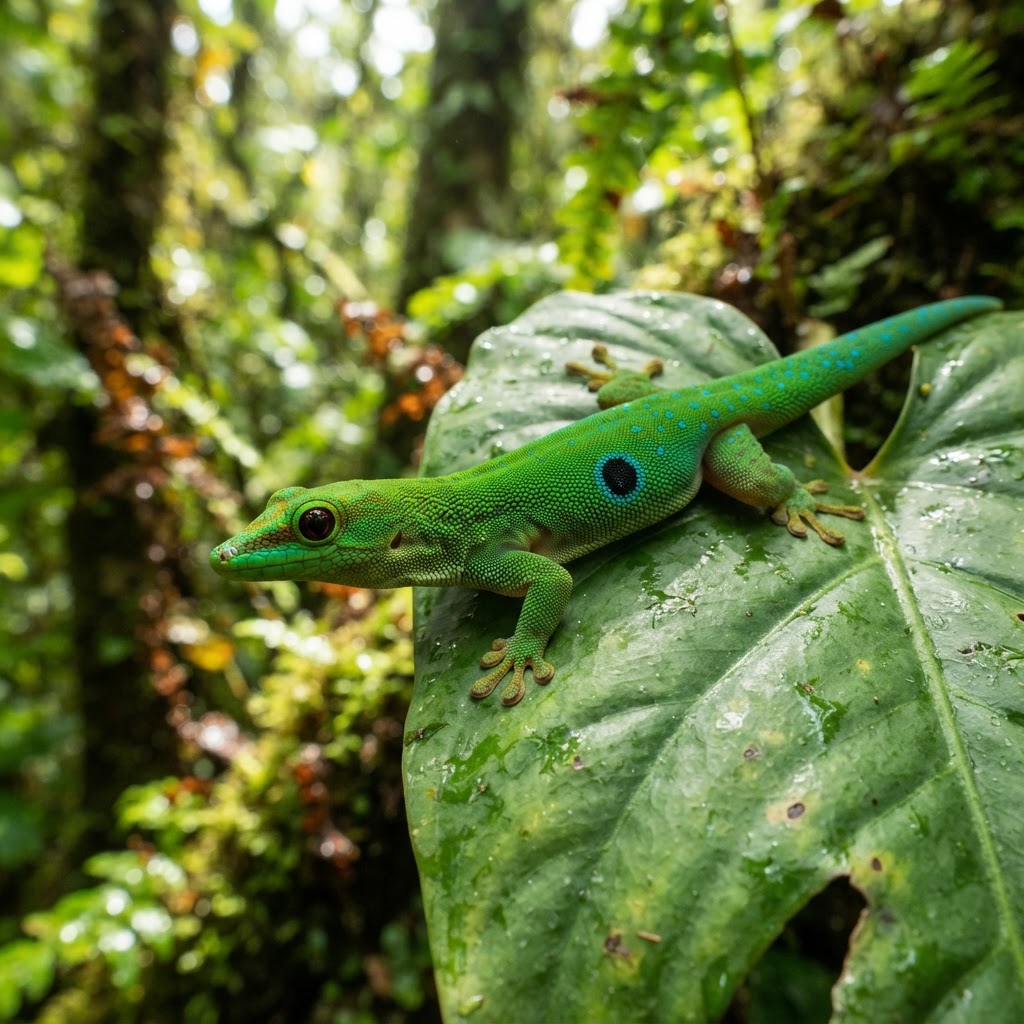
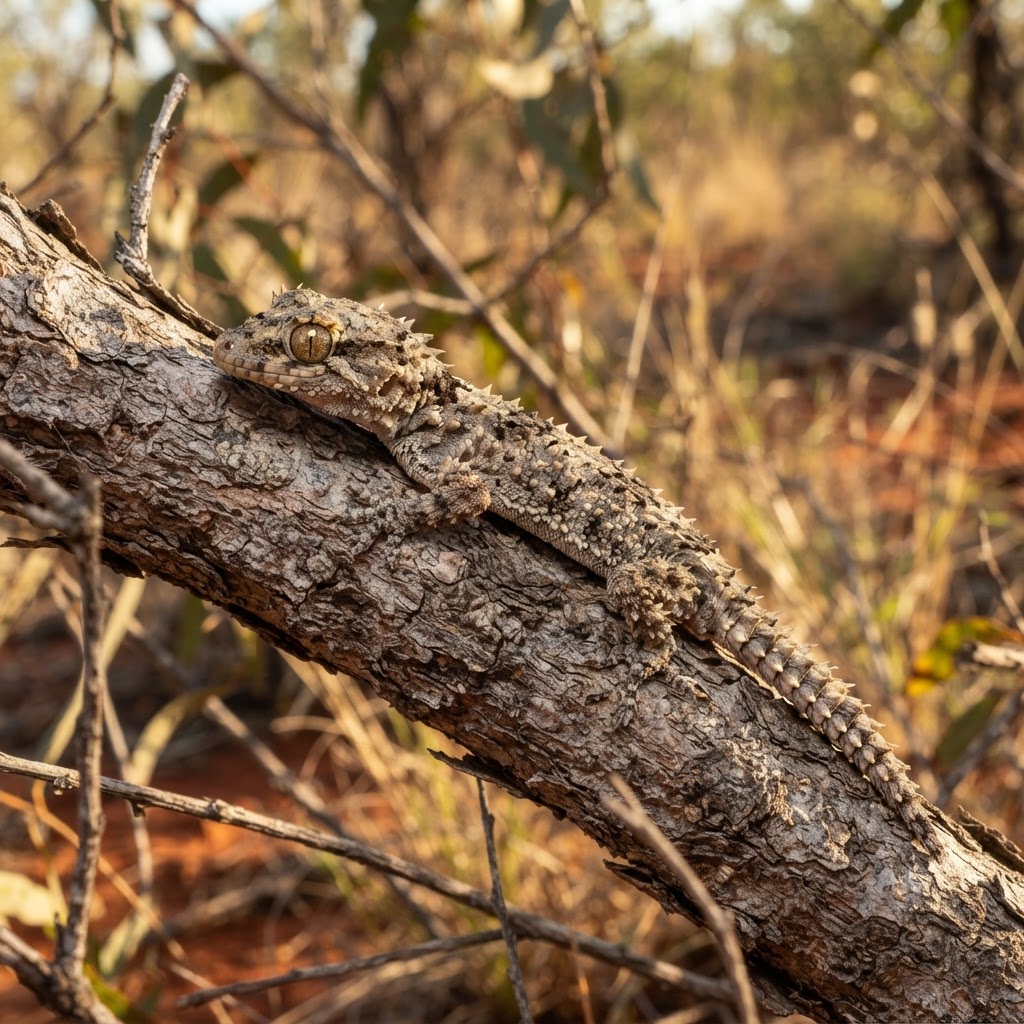
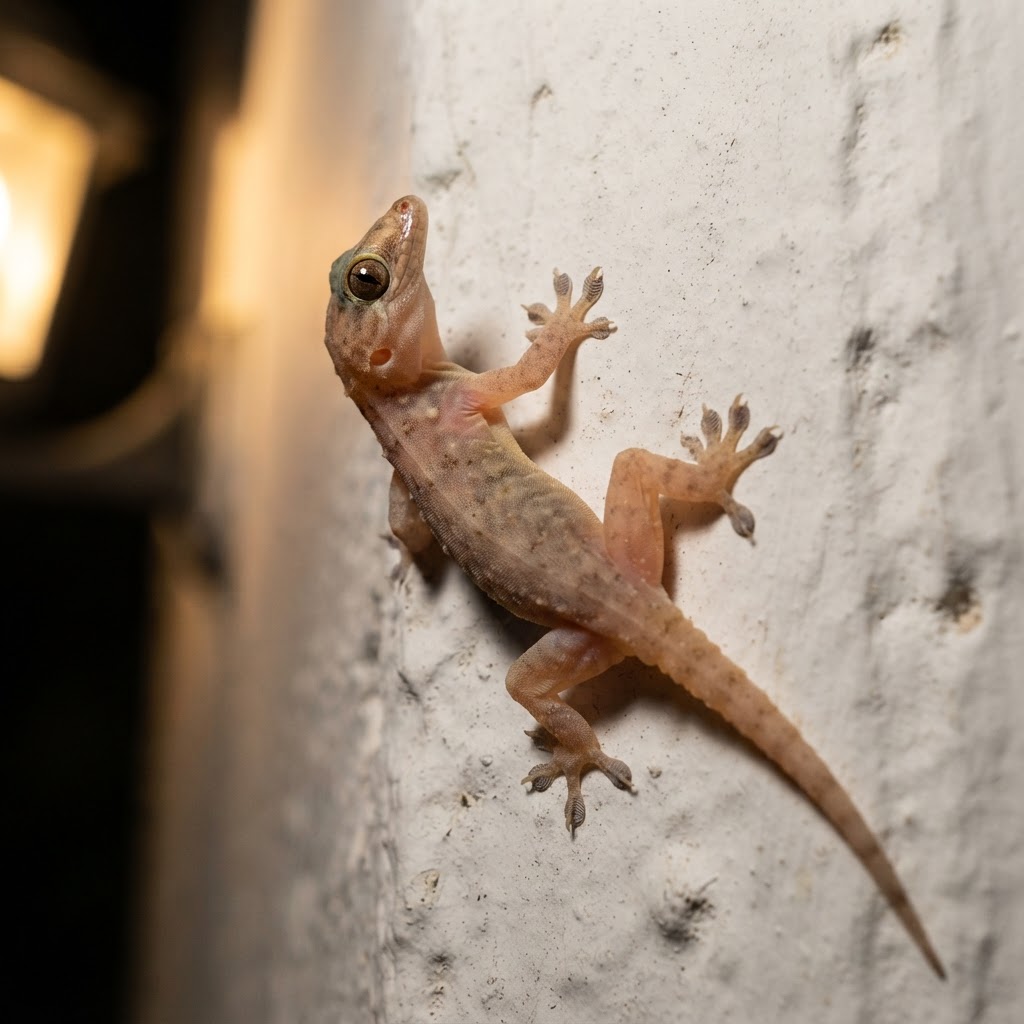
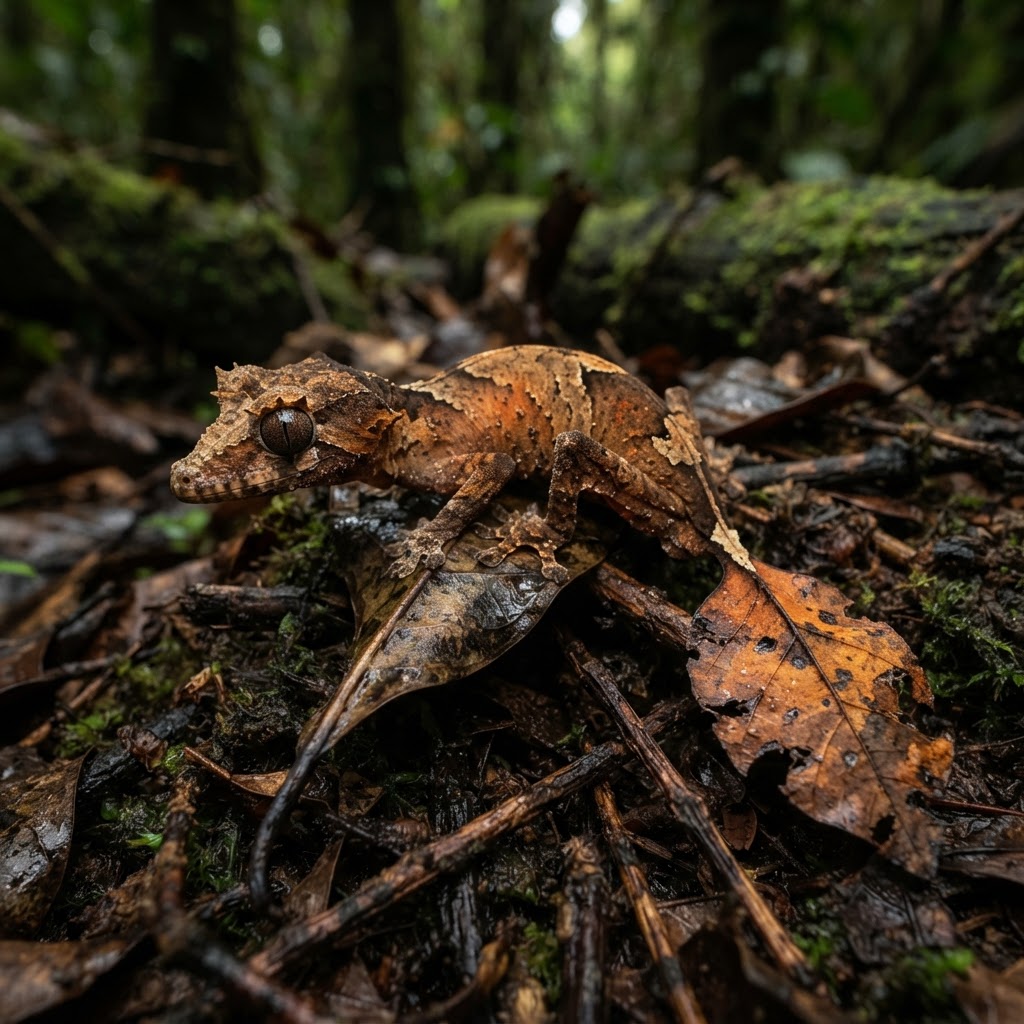
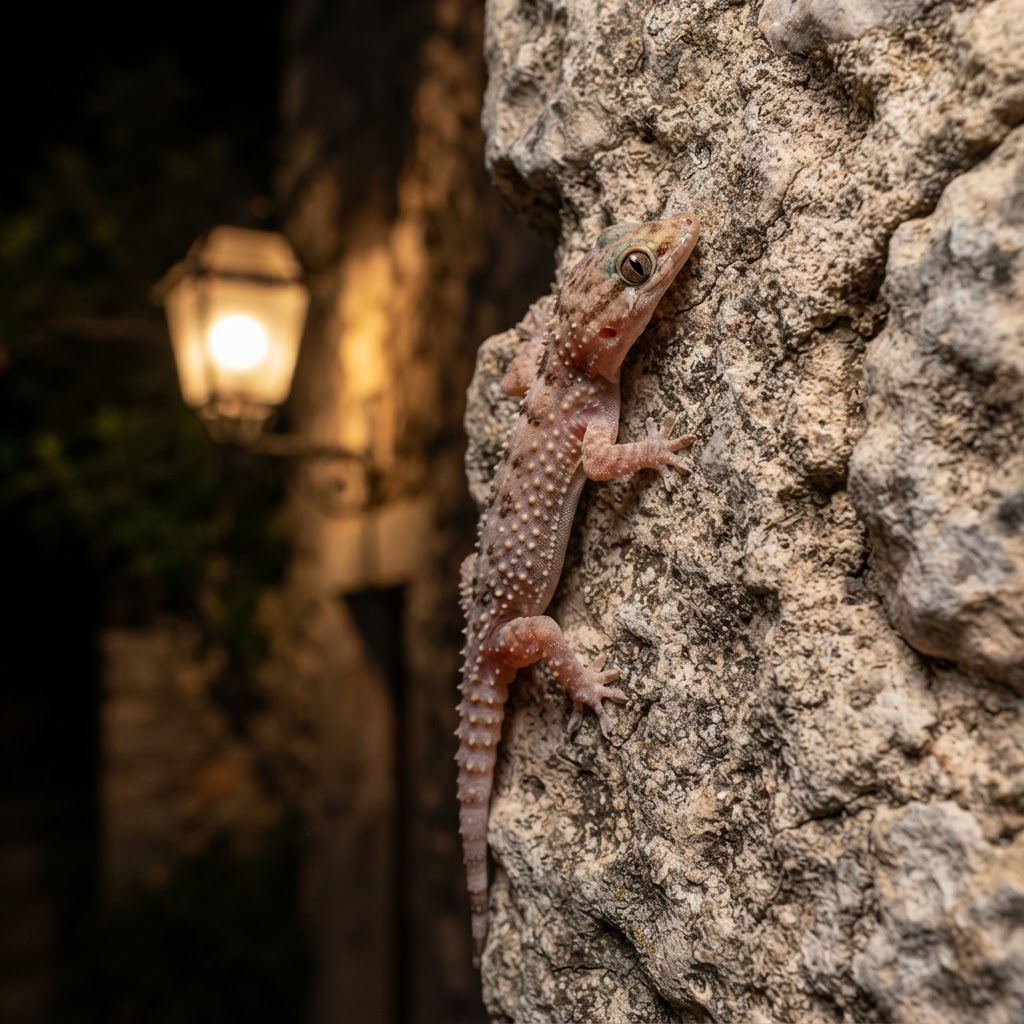
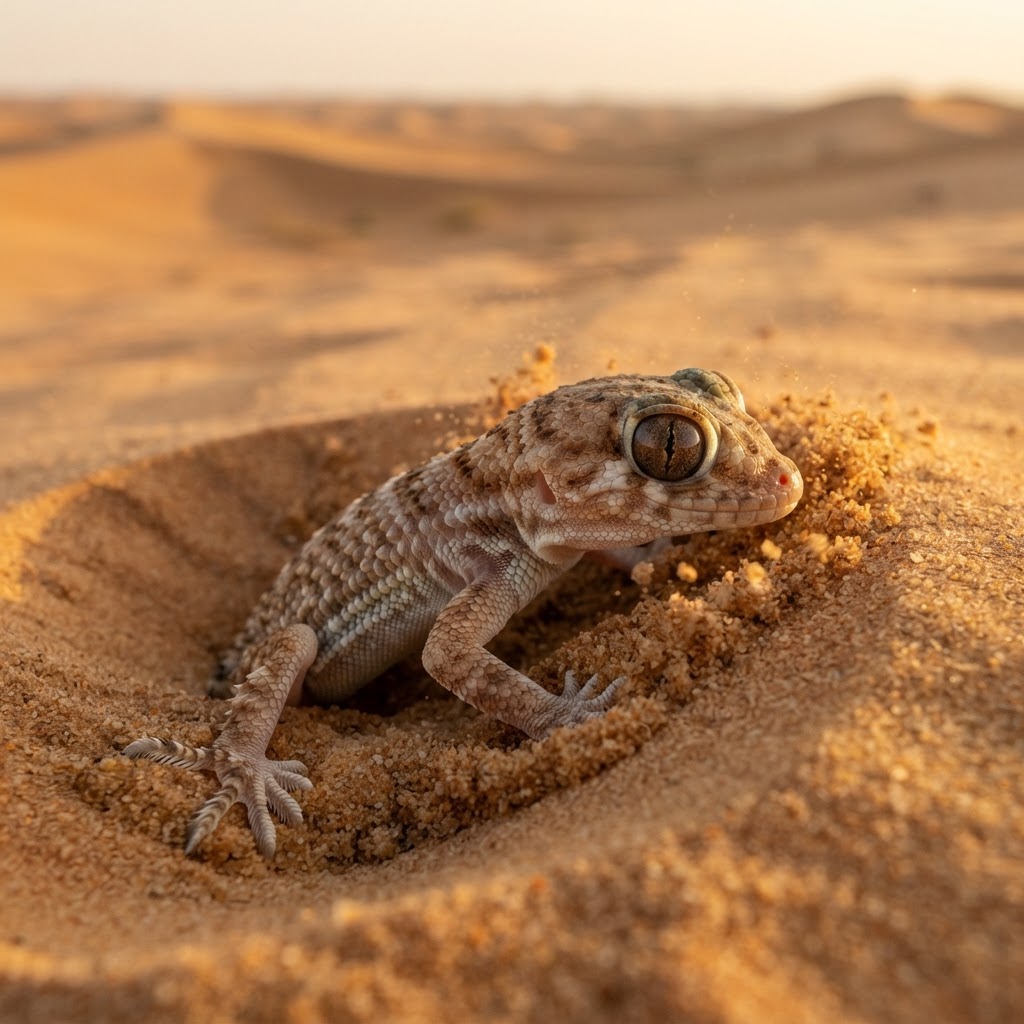
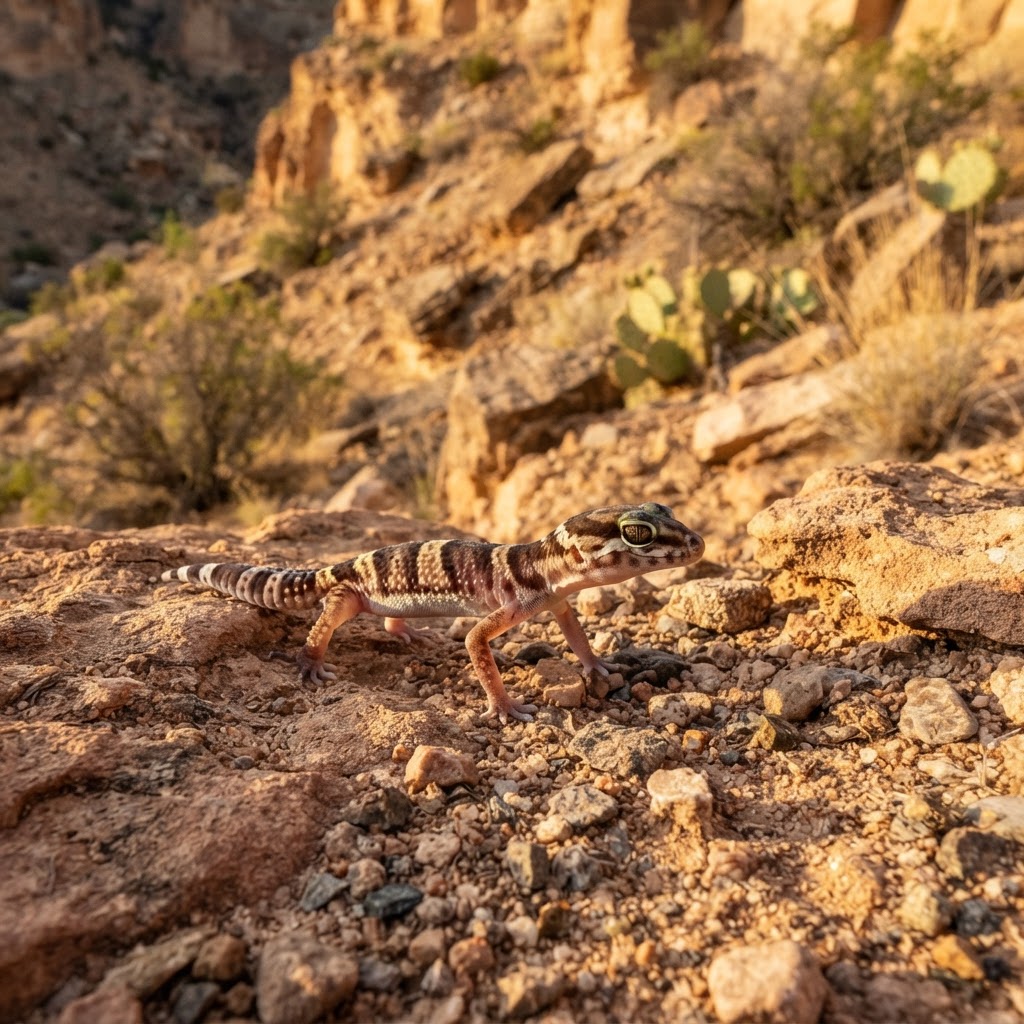
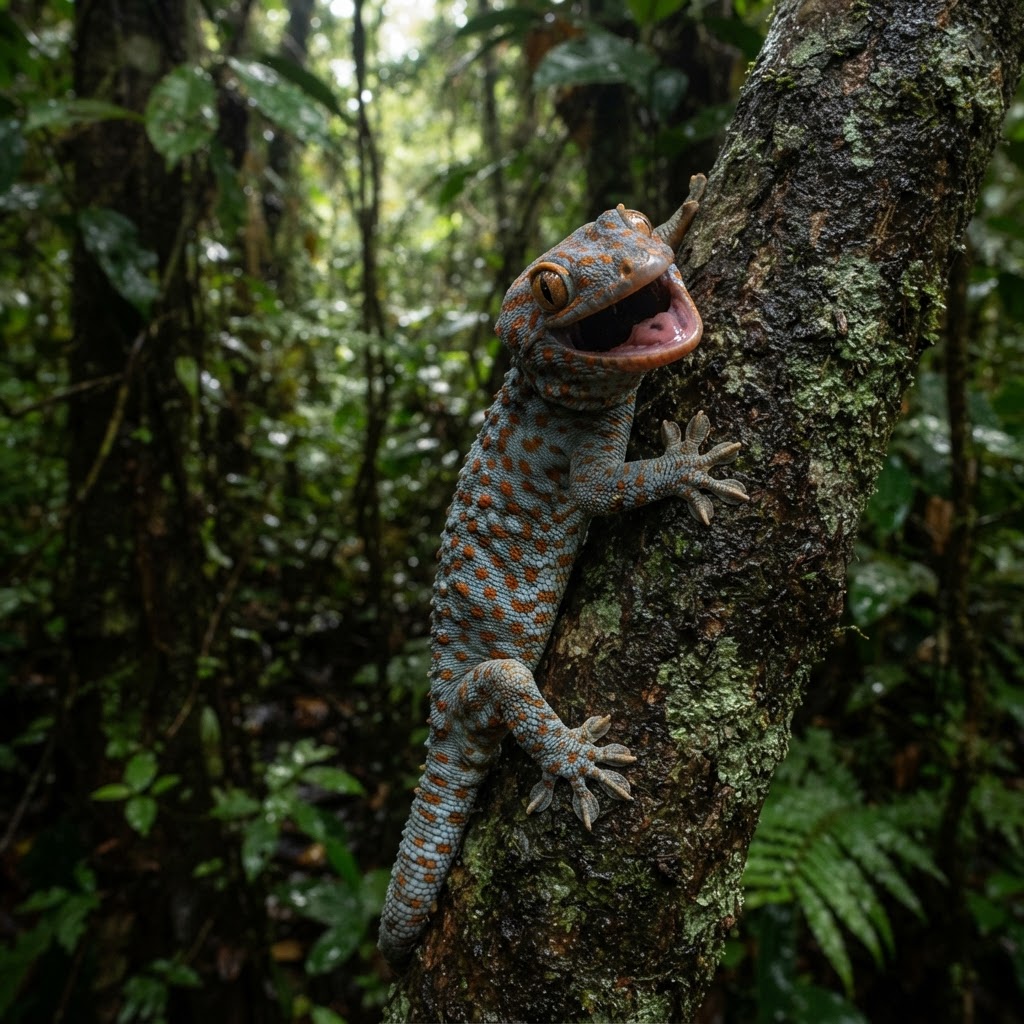


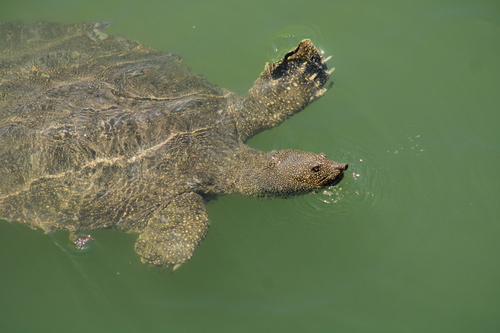
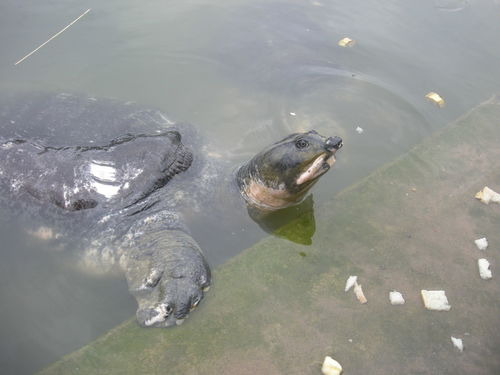
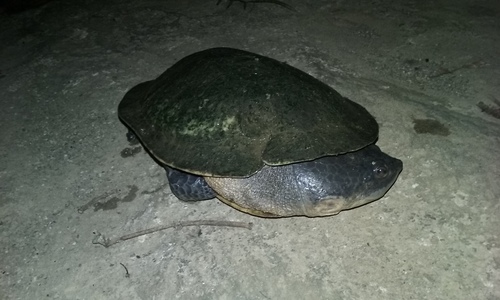
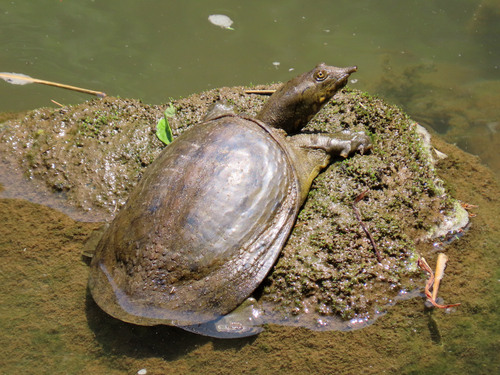
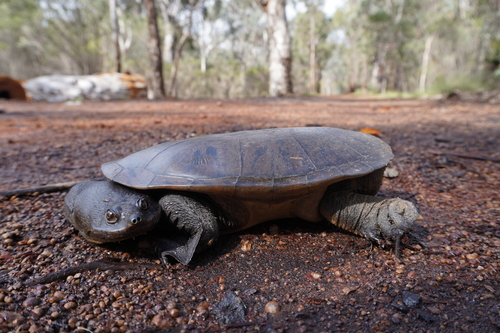
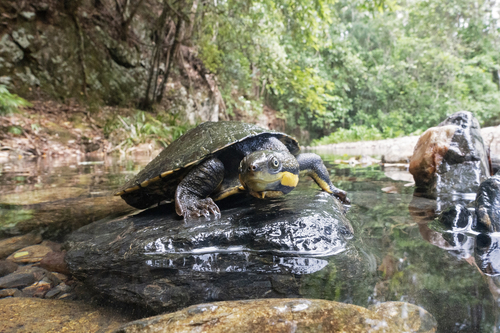
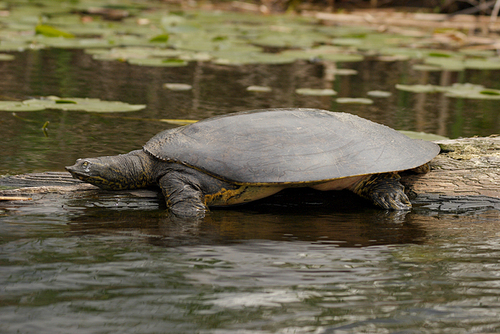

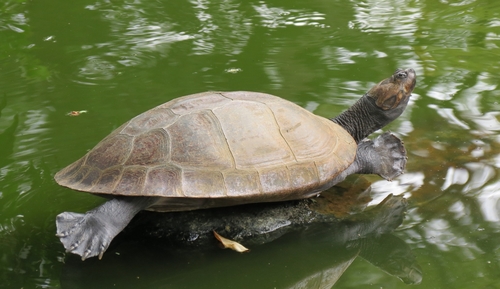
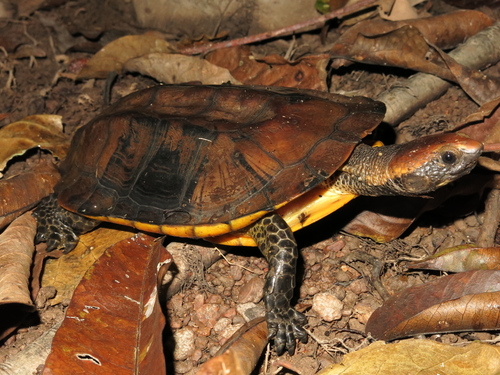
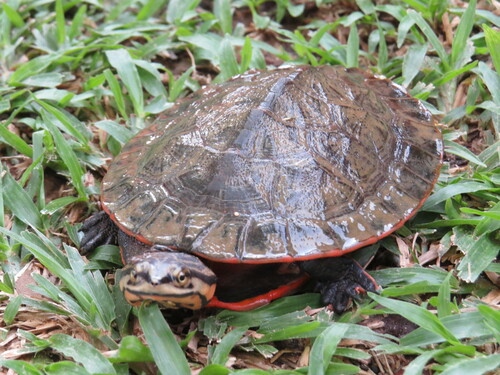
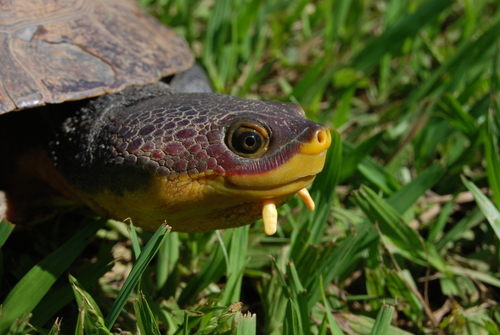

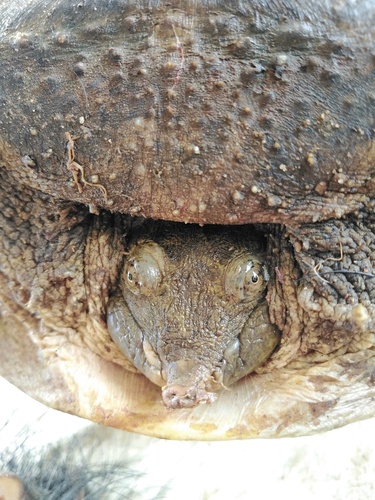
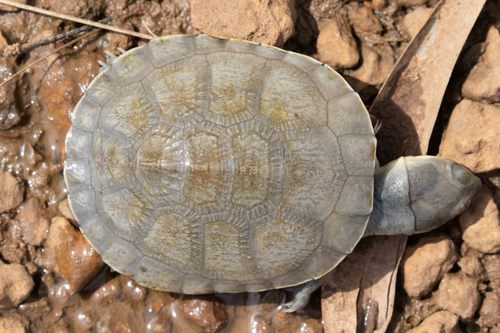
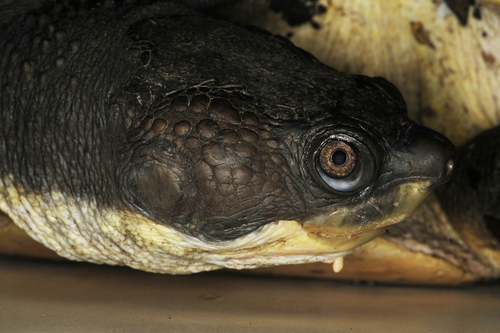
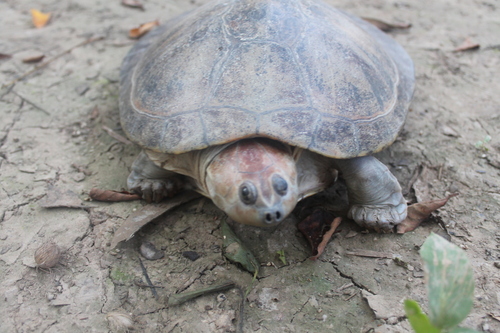
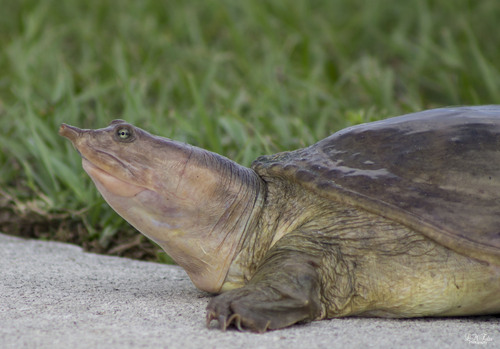
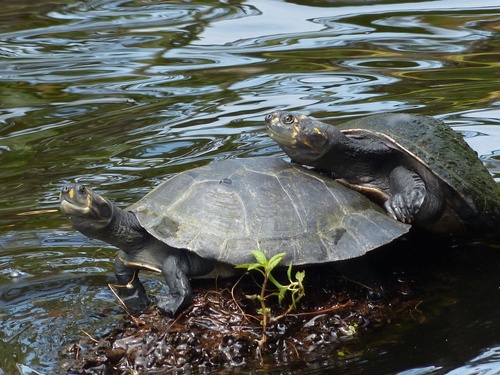
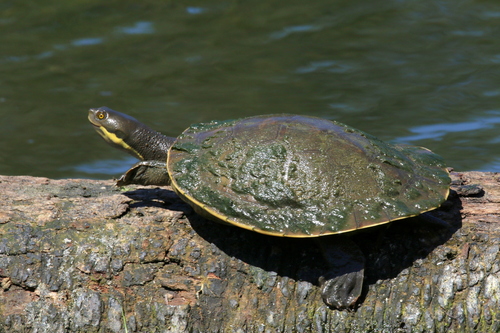
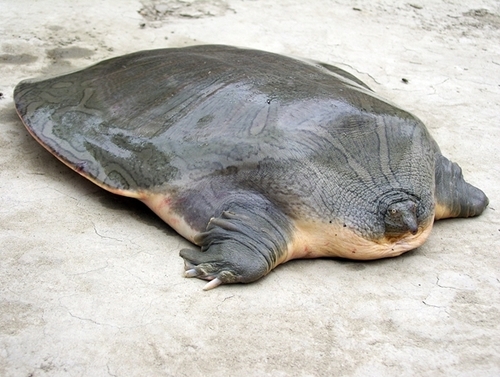
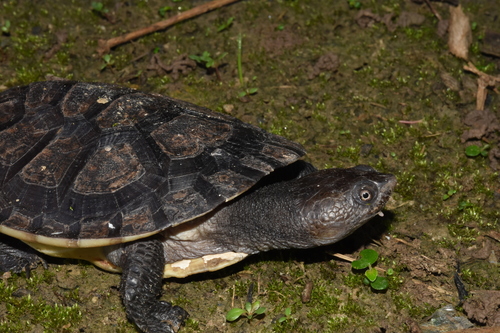
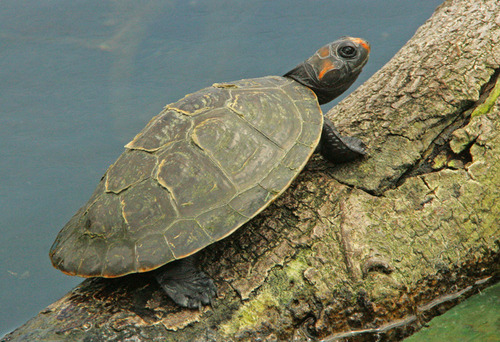
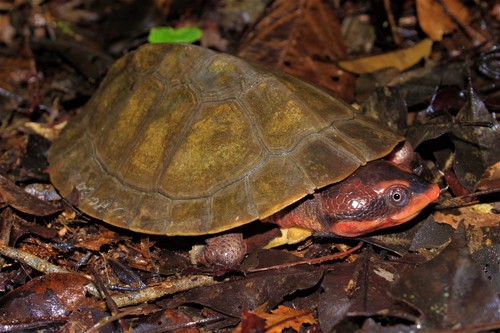
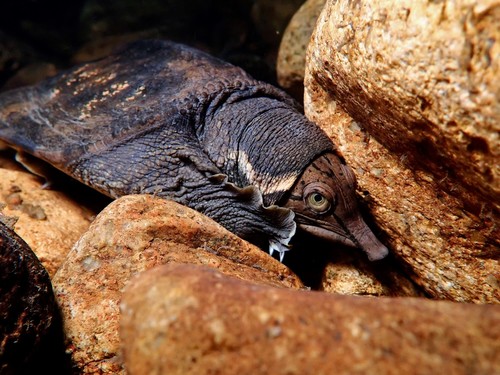
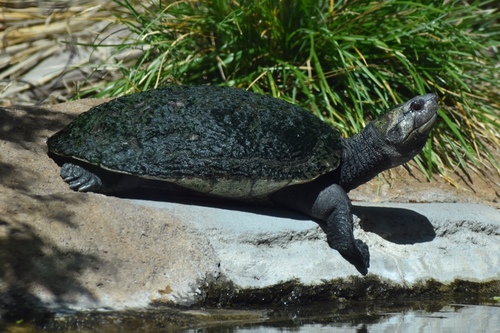

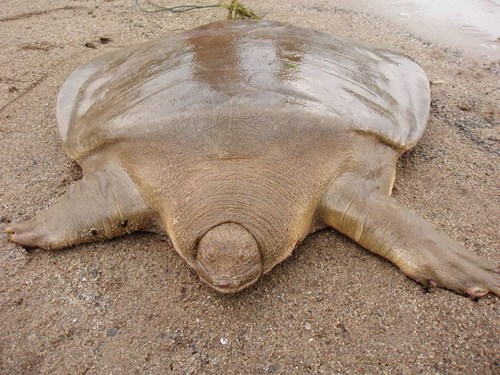
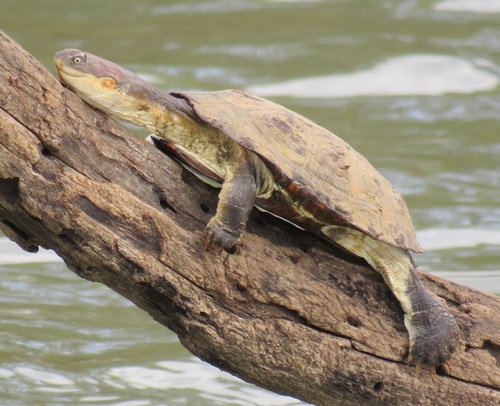
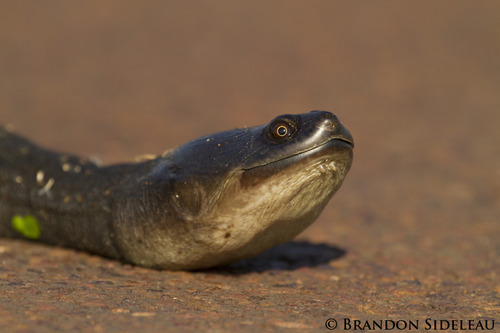
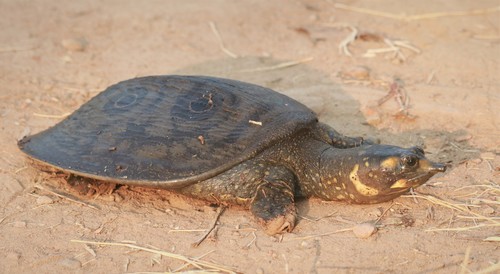
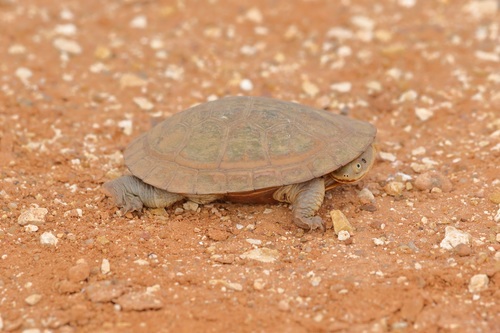
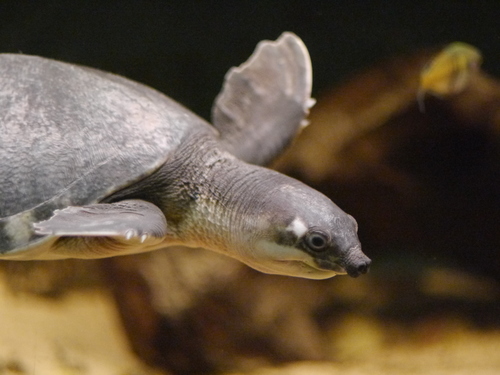
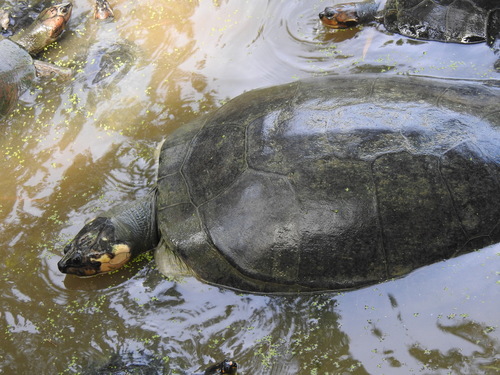
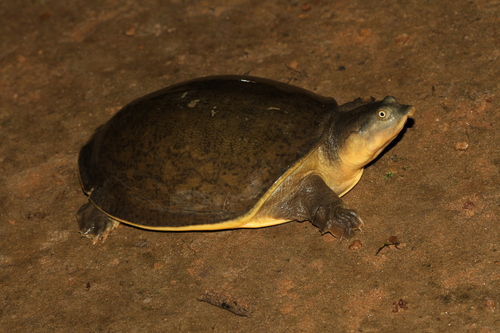
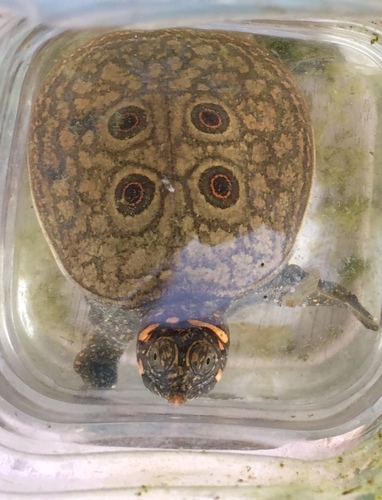
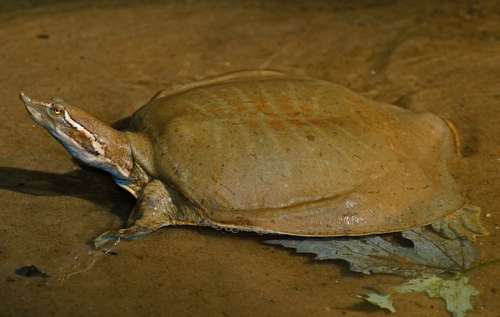
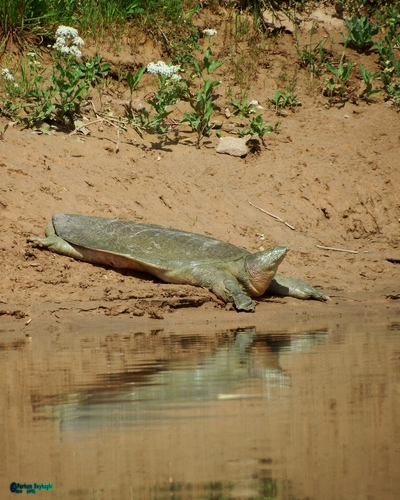
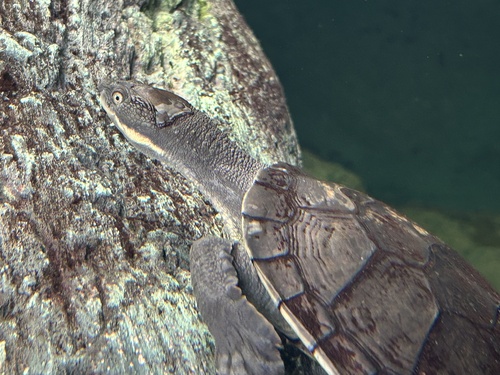
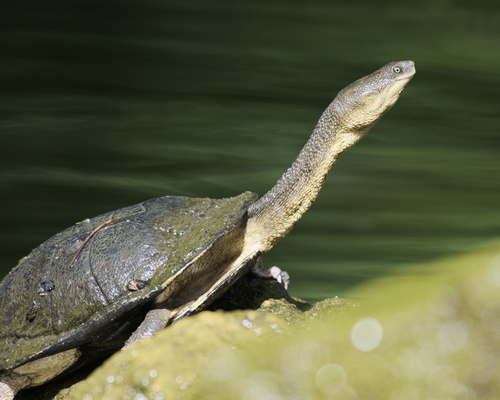
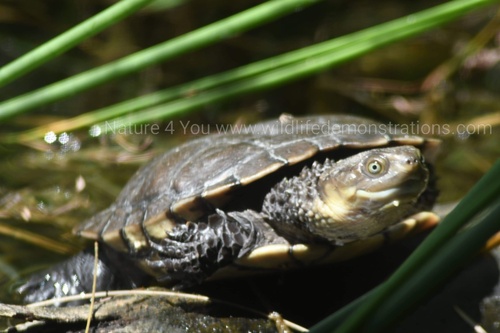

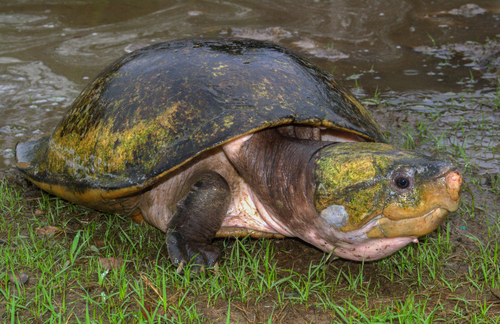
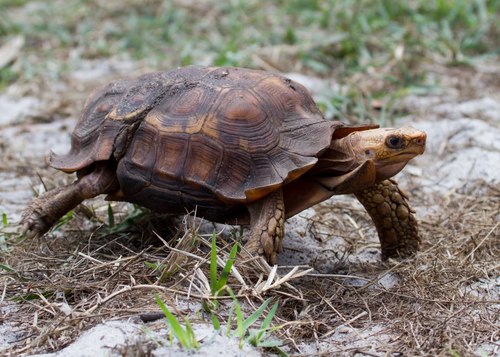
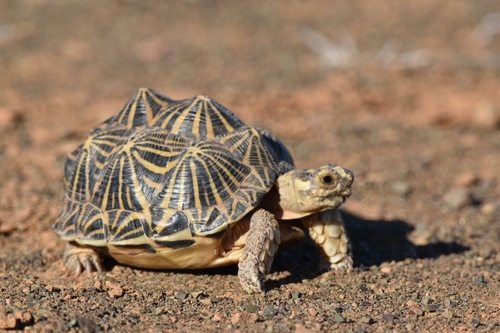
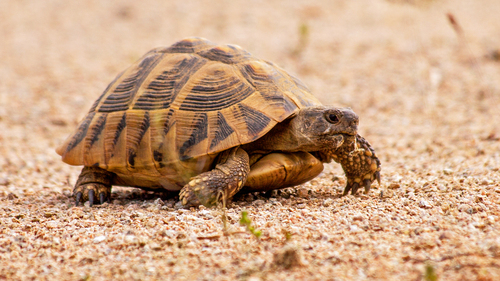

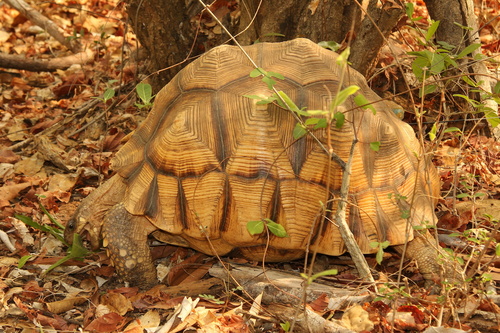
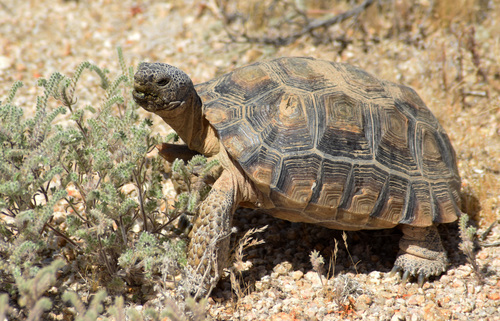
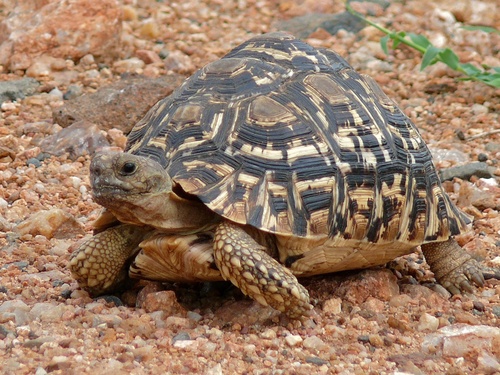


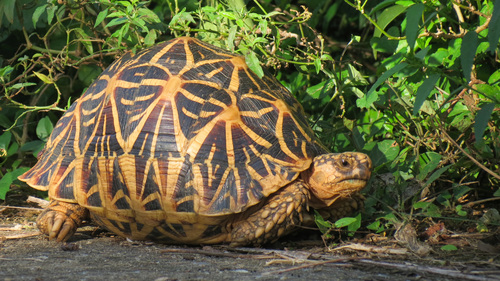
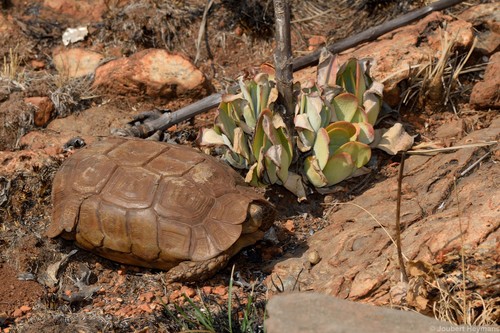
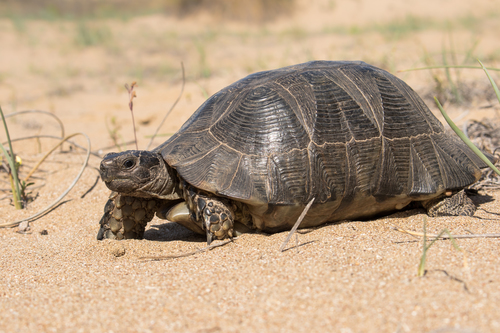
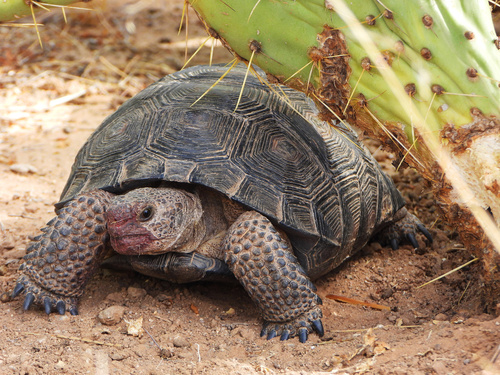
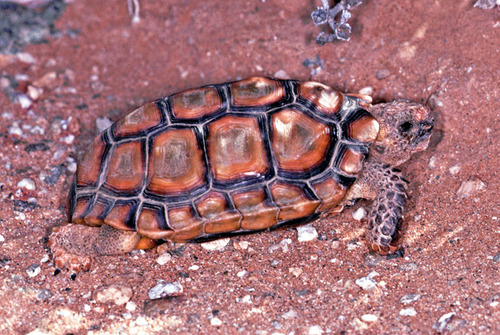
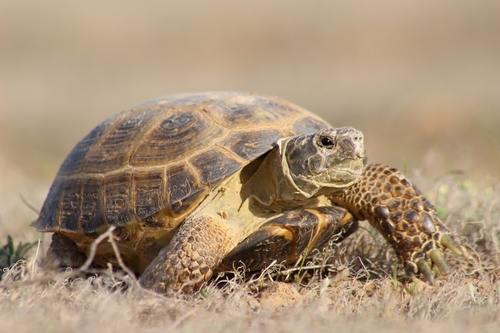
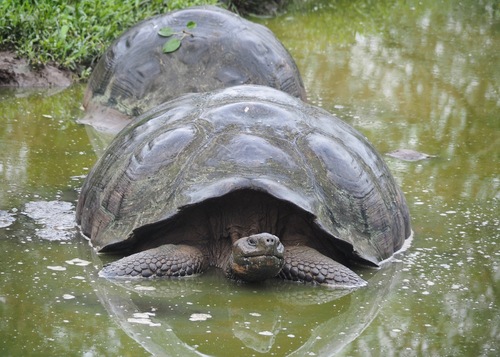
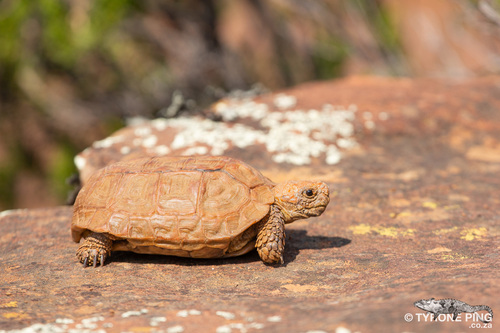
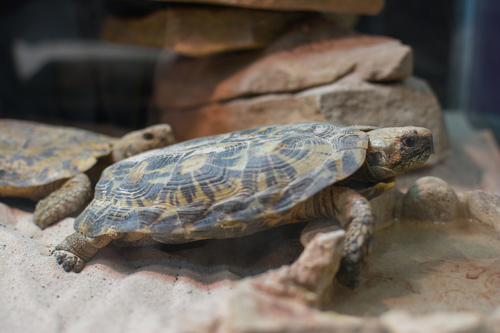

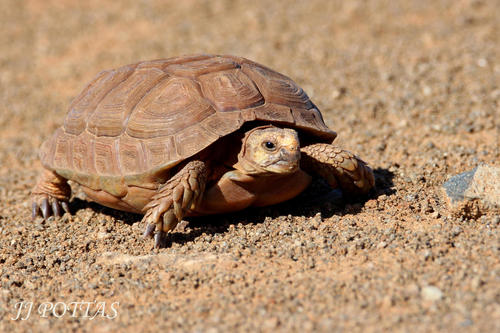
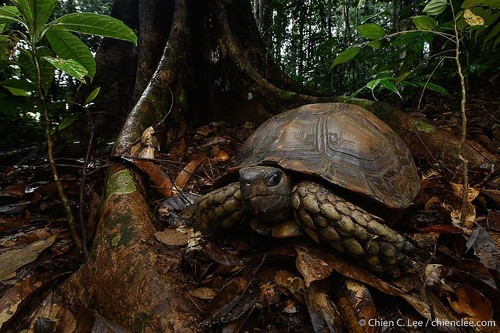
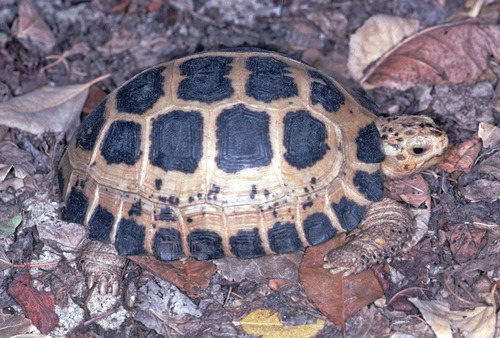
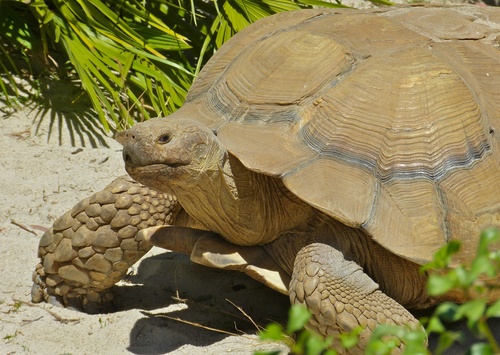
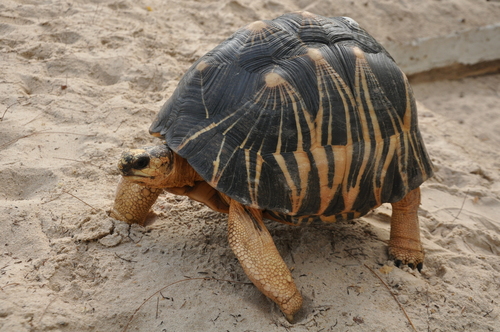
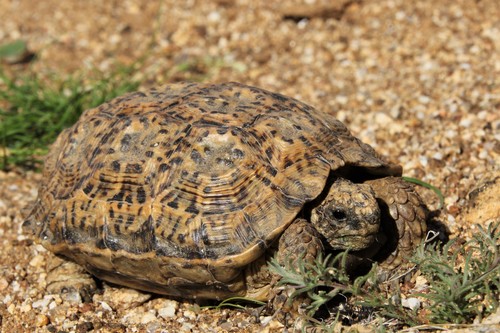
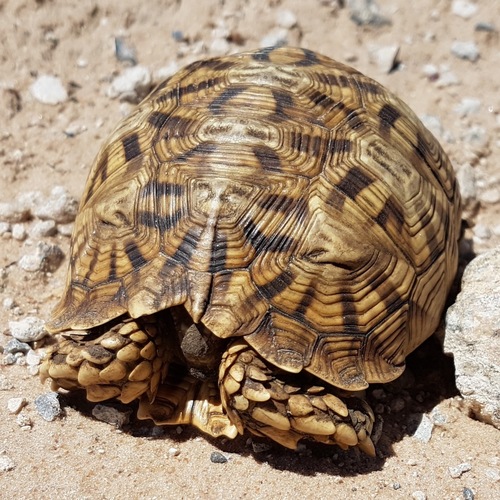
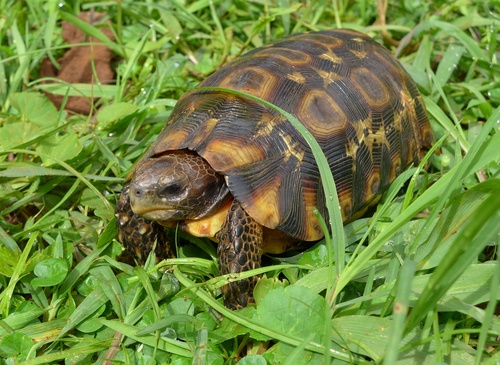
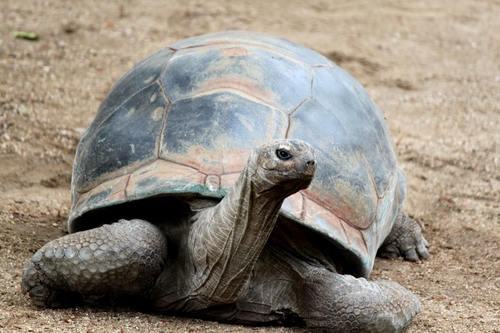

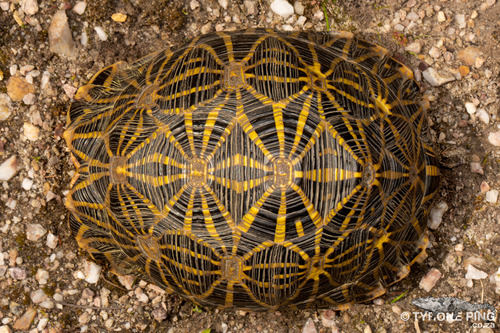
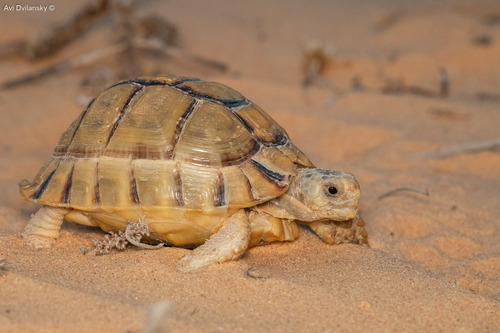


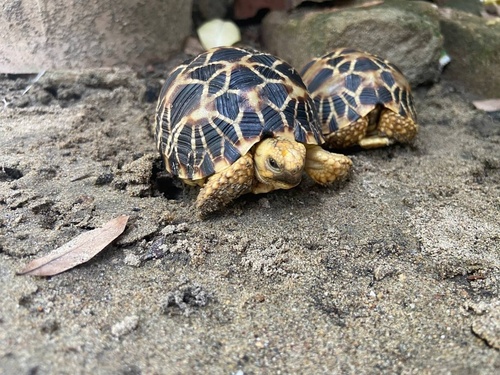

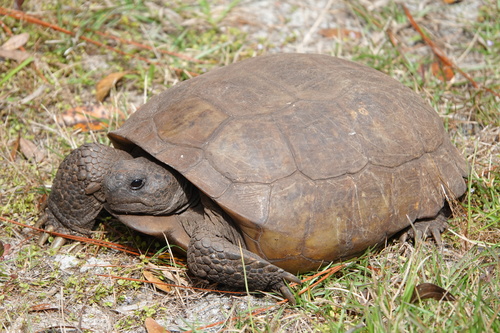


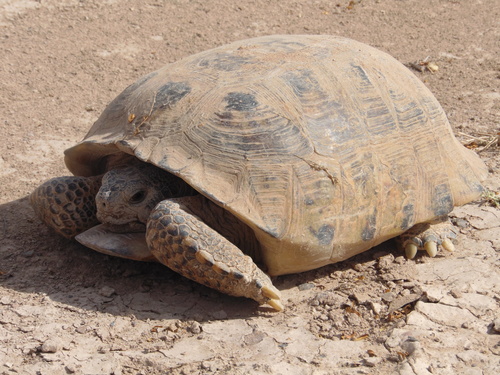

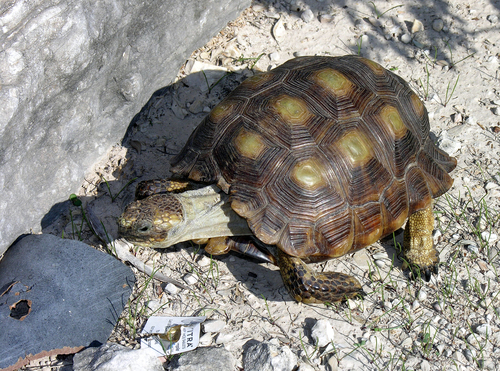
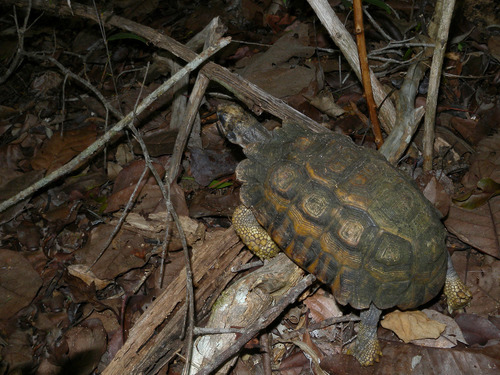
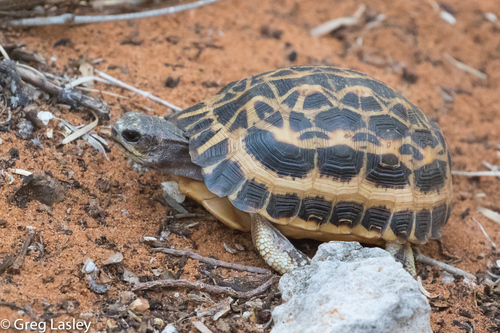


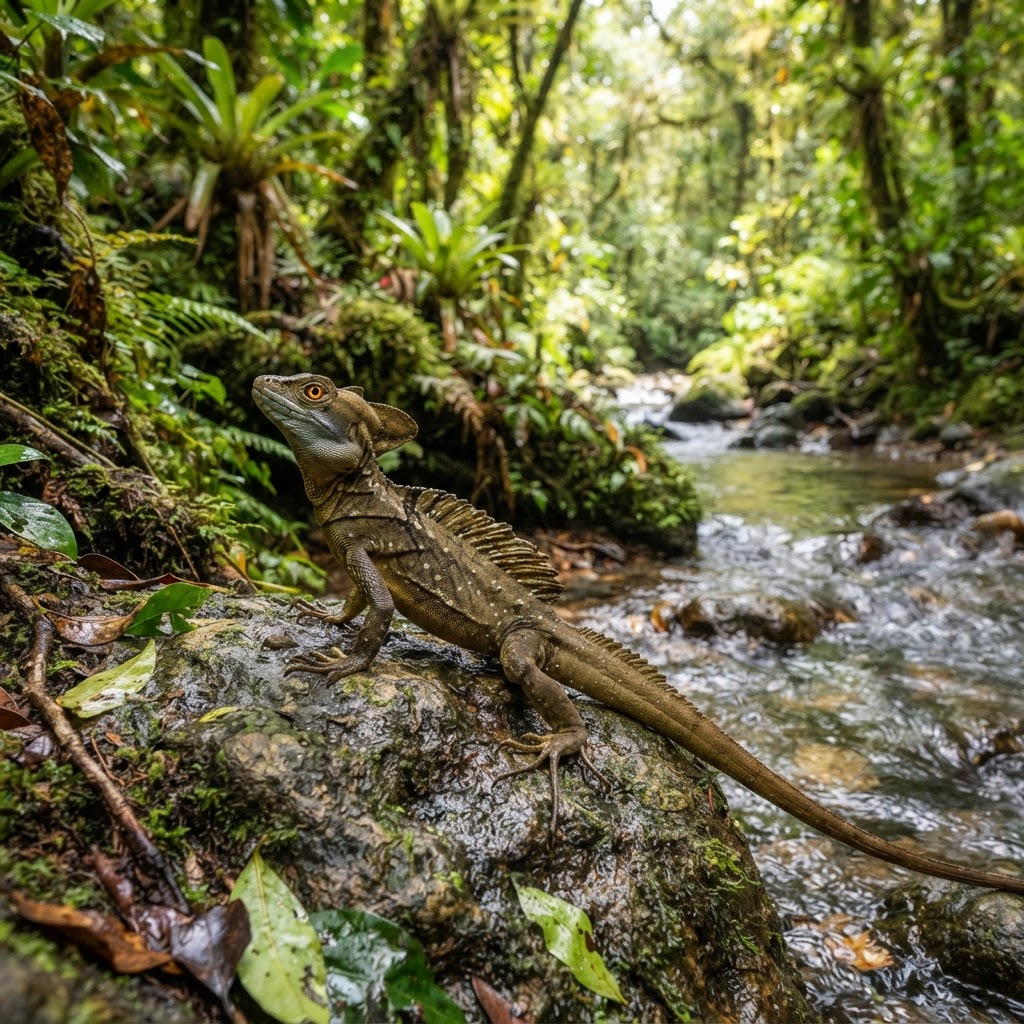


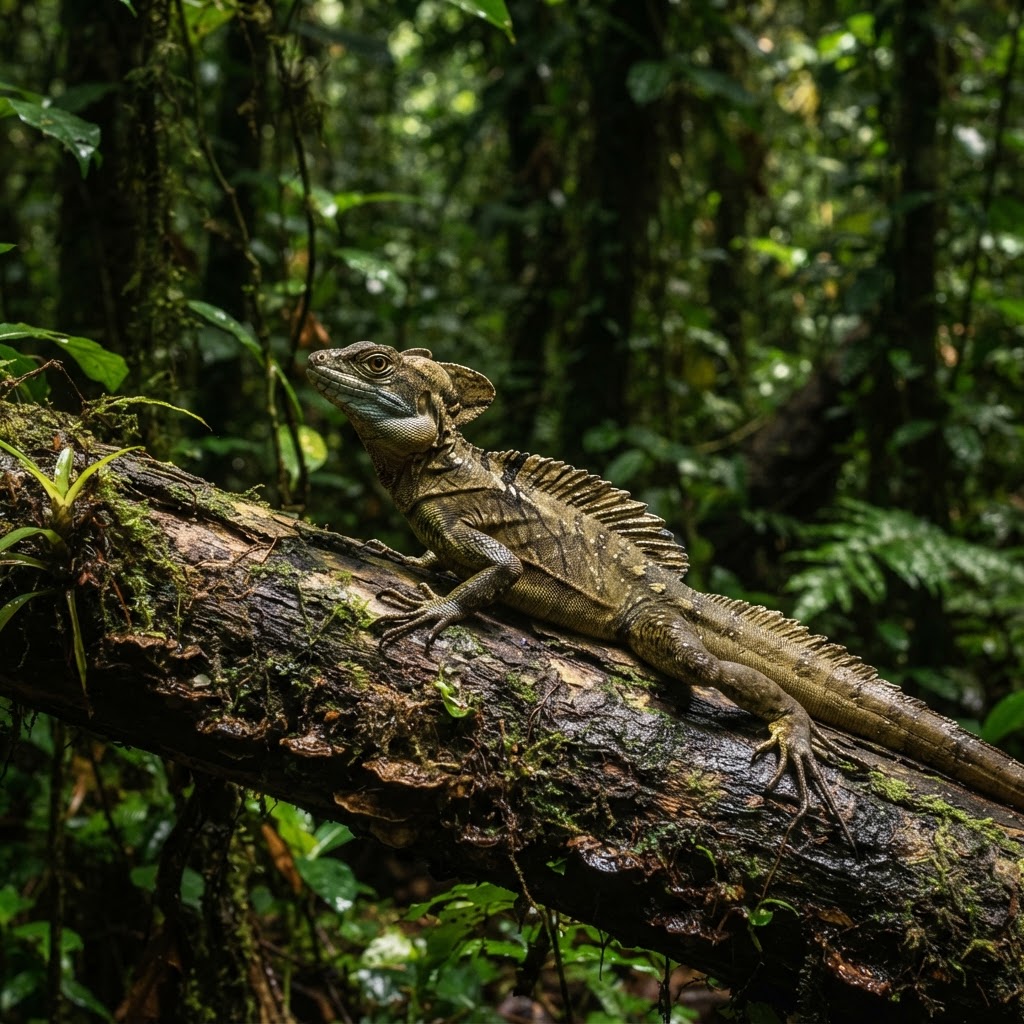

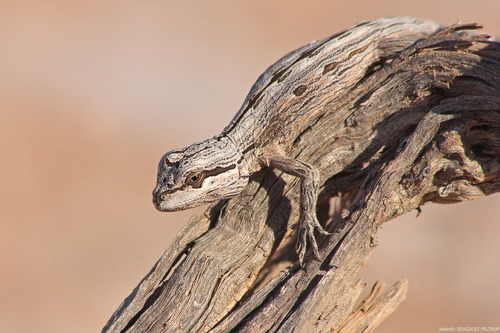
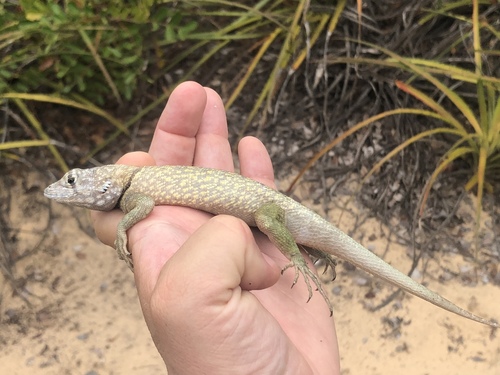


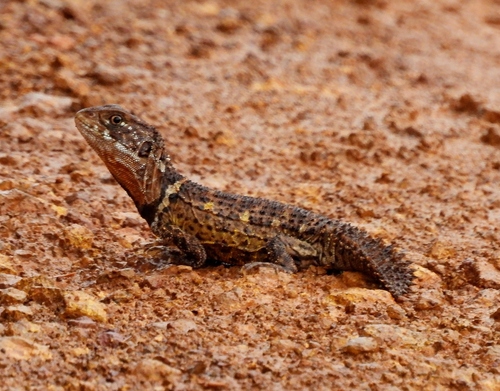


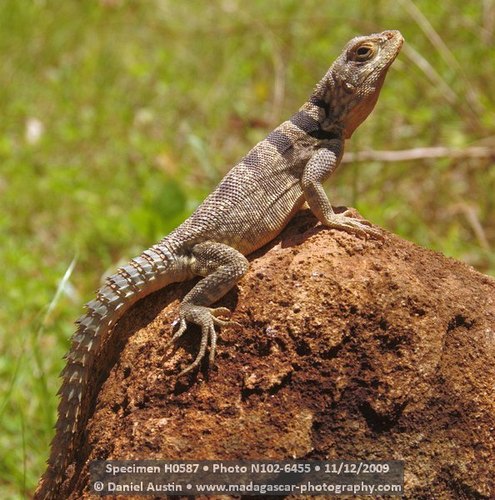
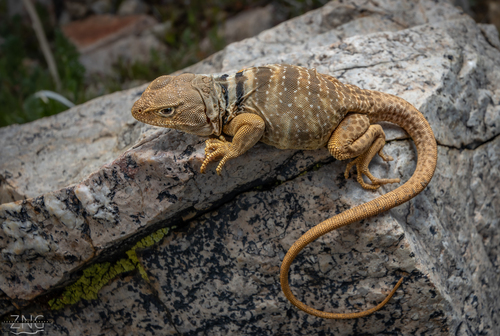


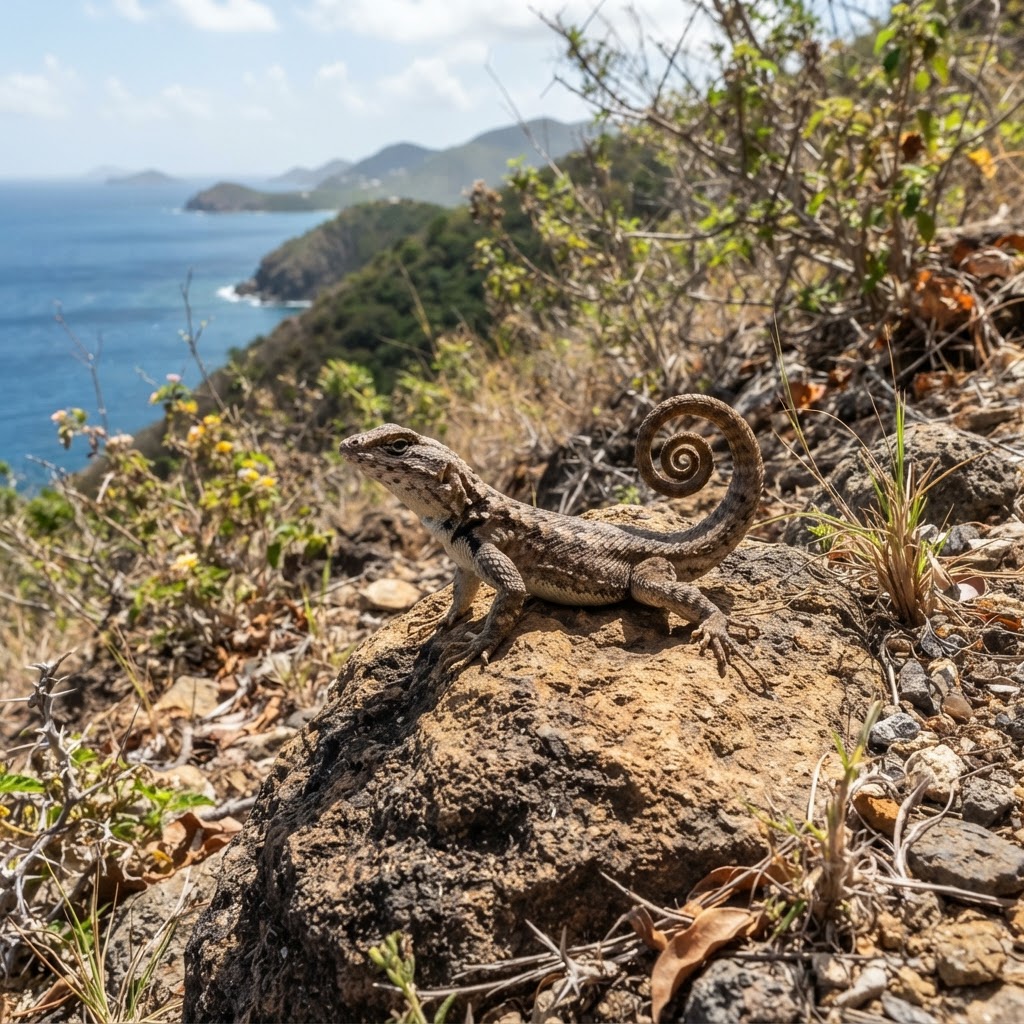


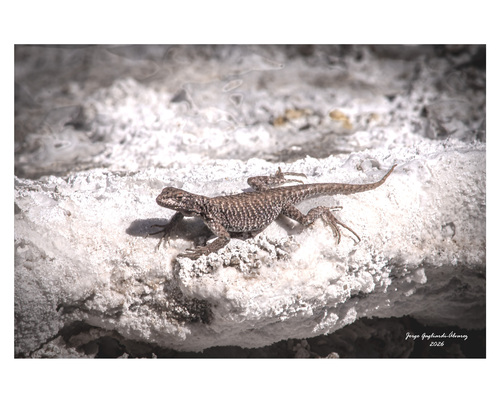


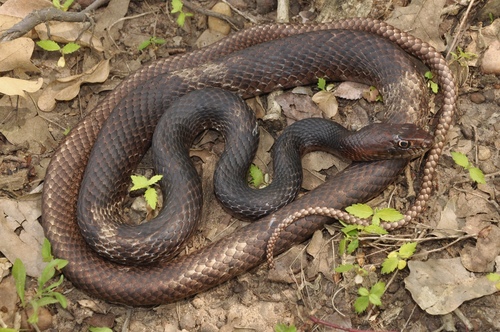


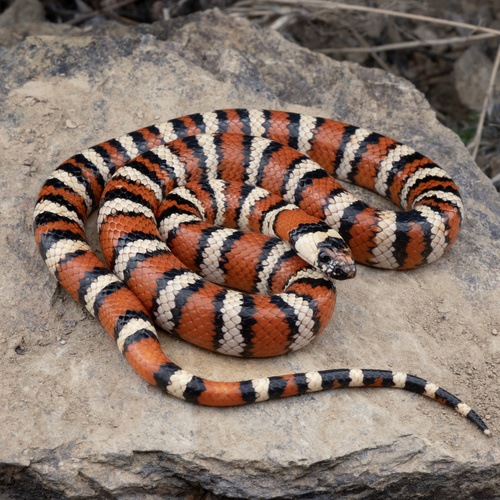
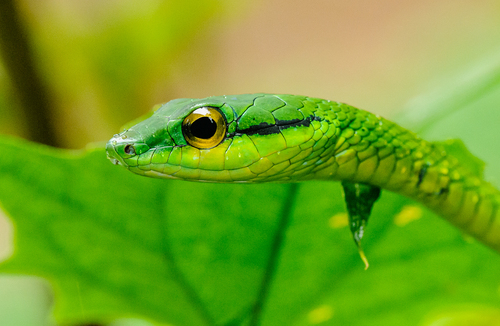


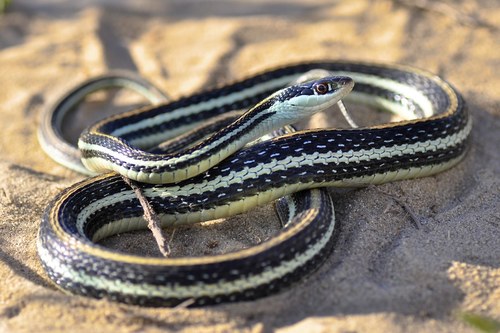
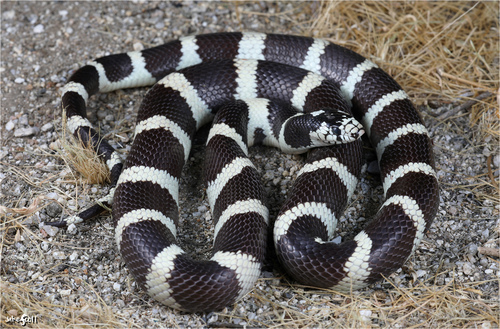
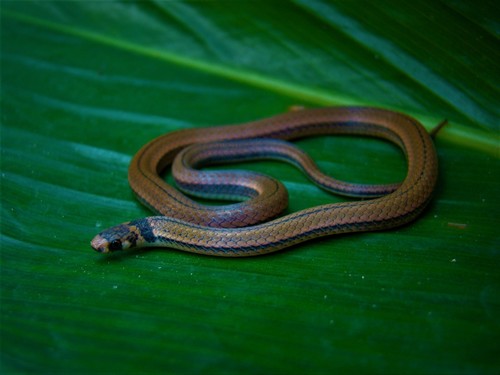
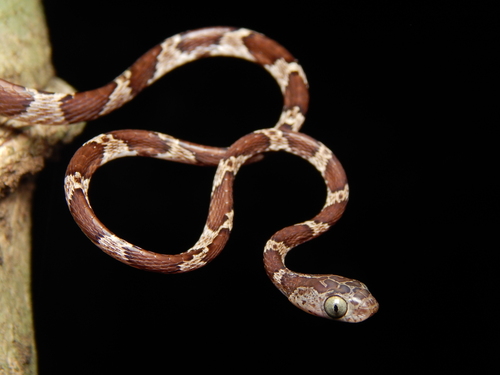
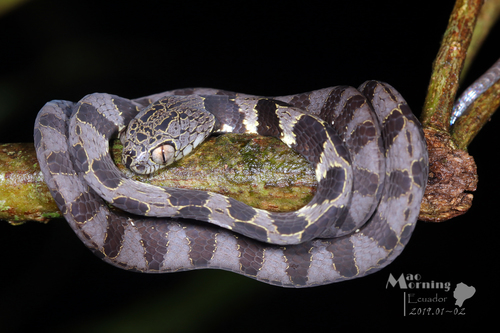








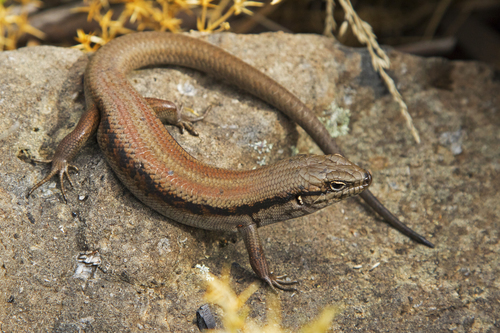


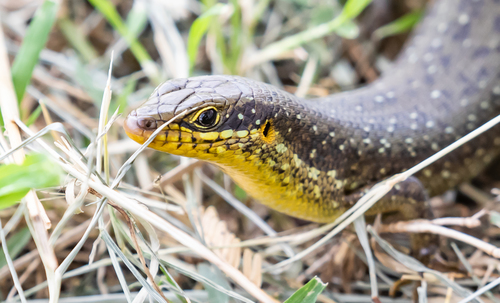


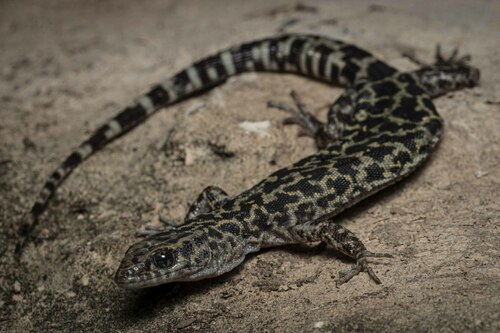


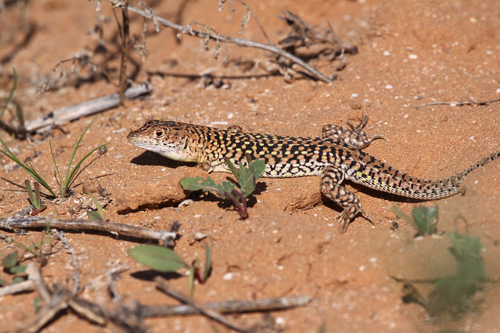


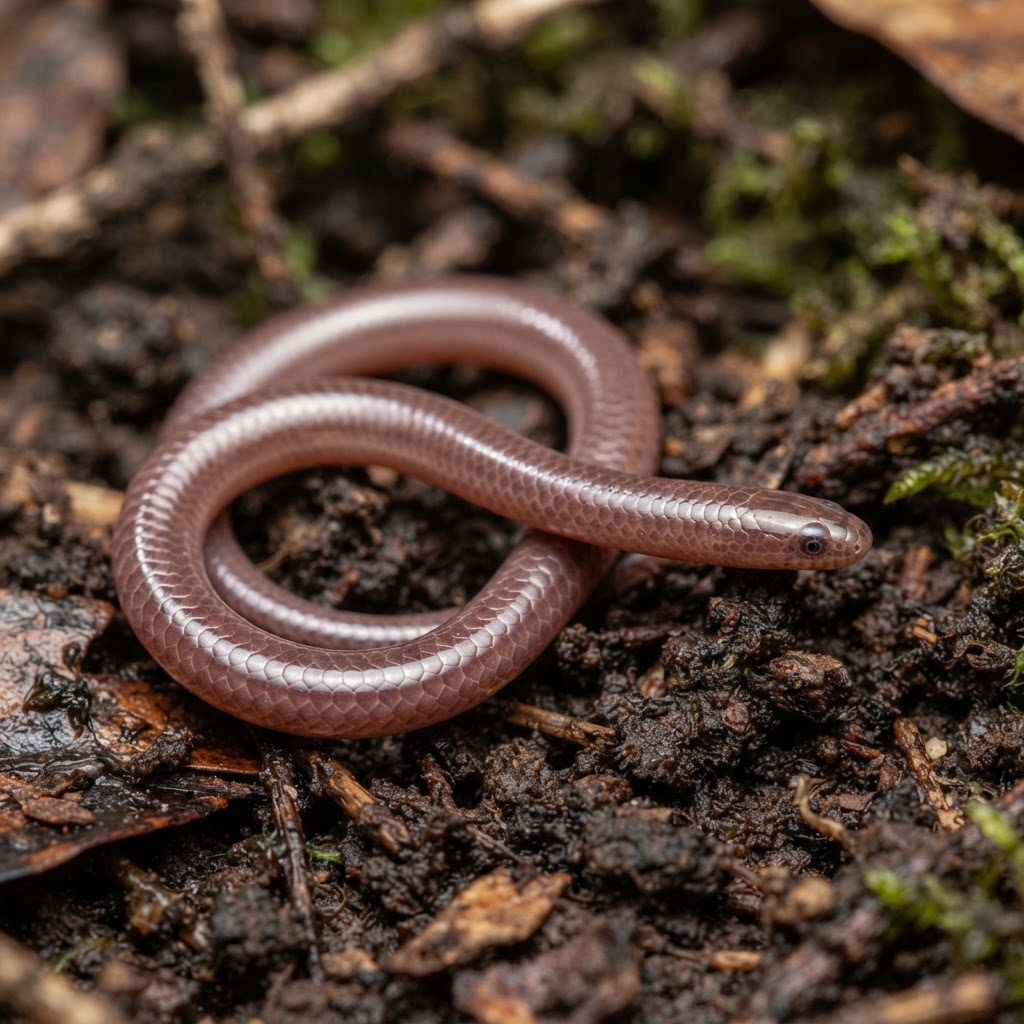
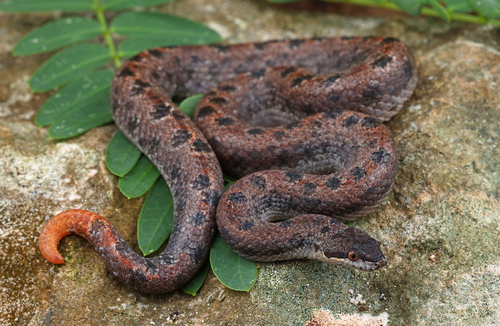
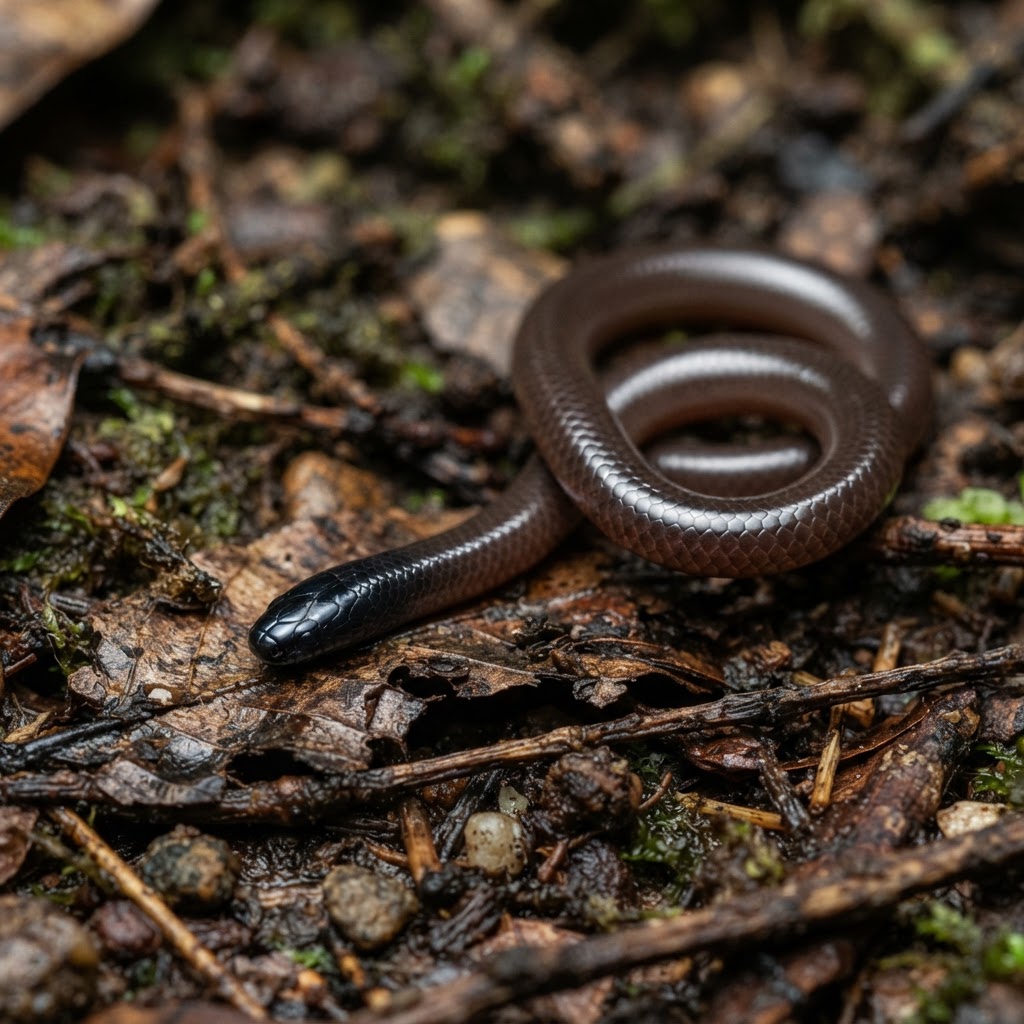

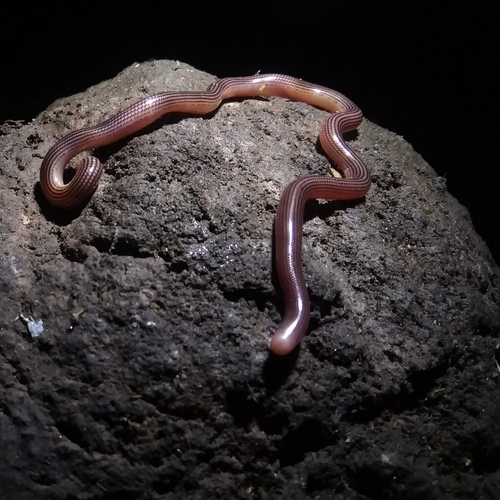










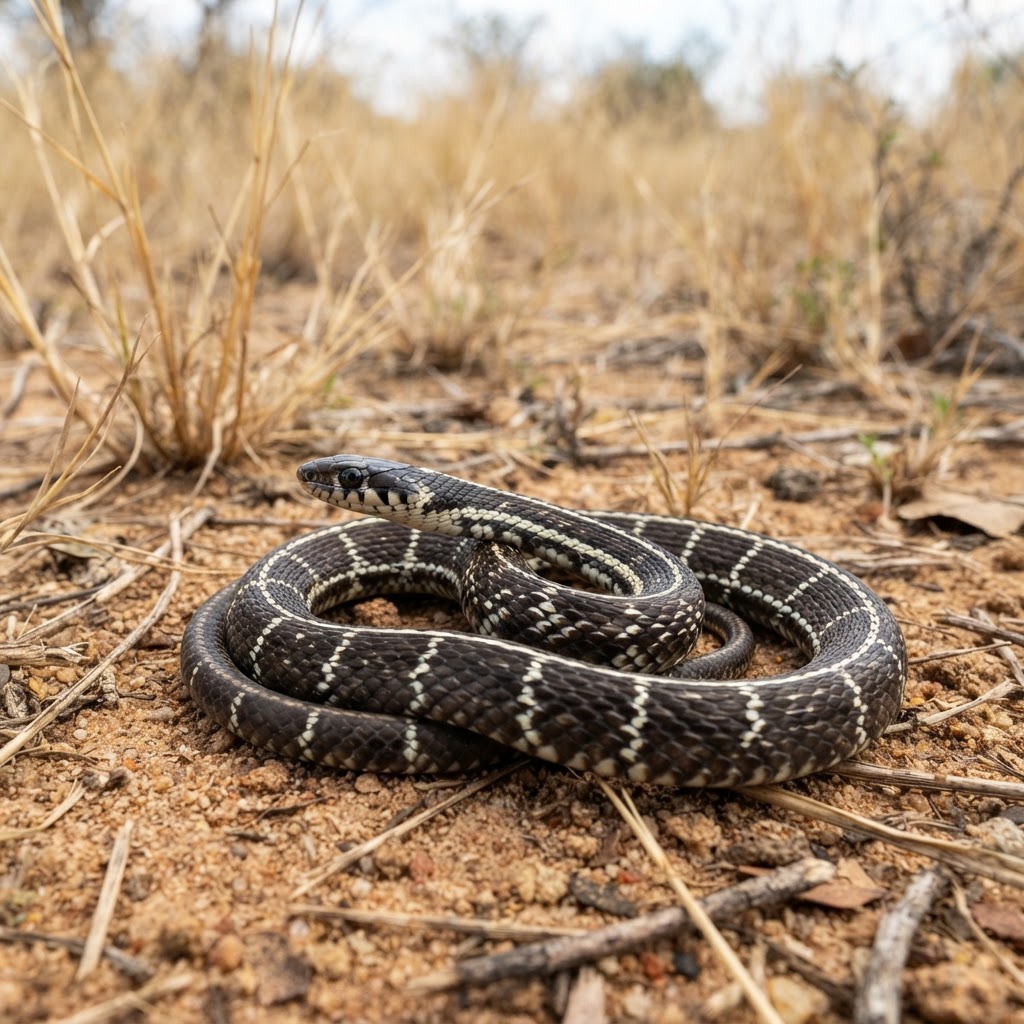


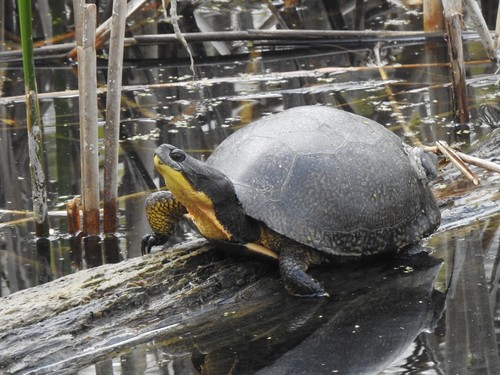


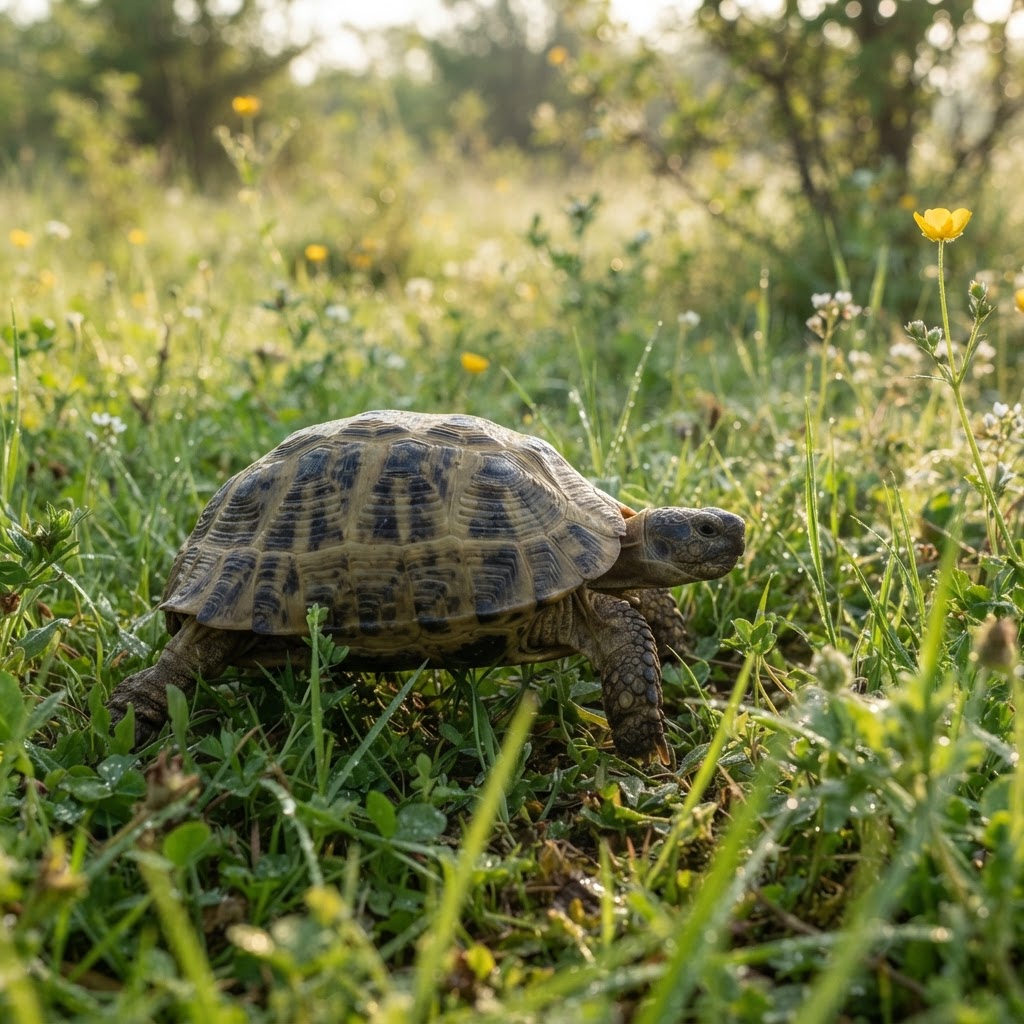
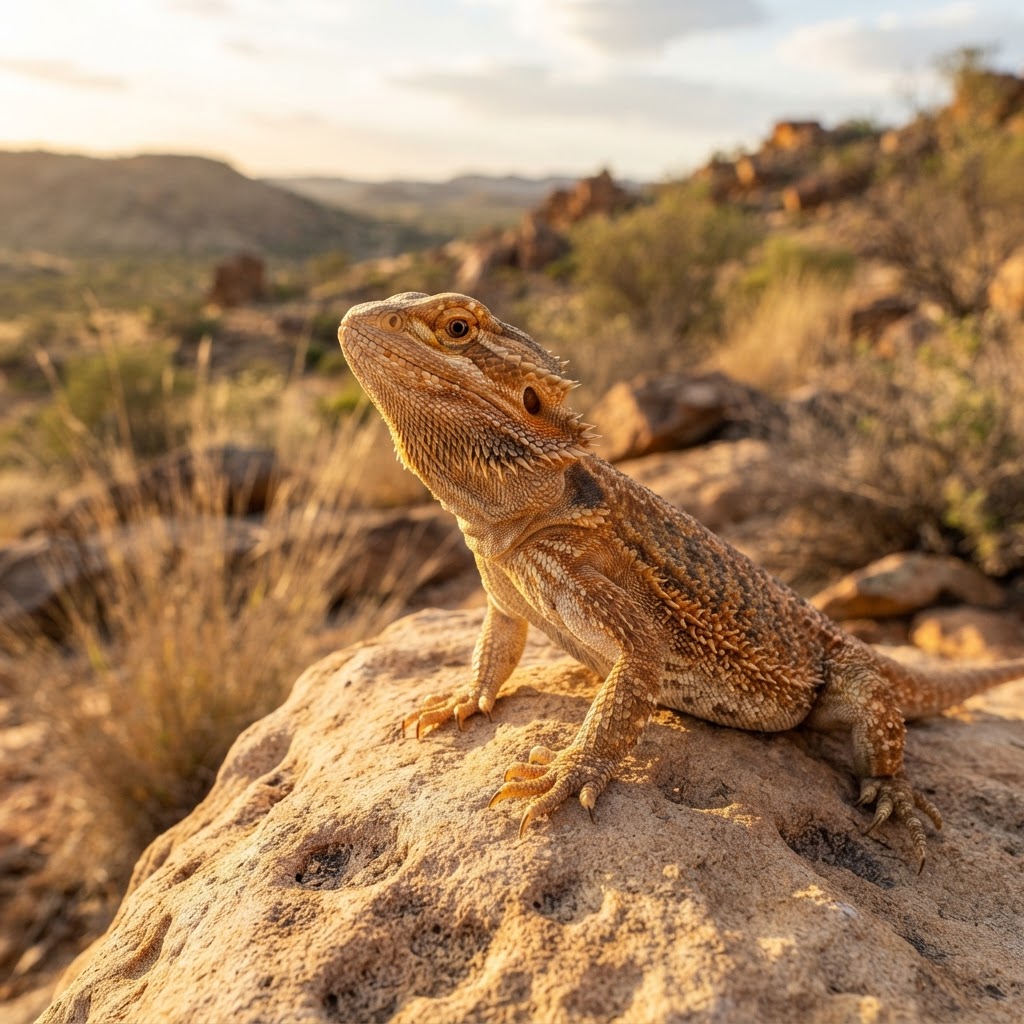

Seasonal Feeding Alerts
Current feeding schedules based on seasonal changes
Autumn
0 species
Spring
0 species
Feeding Dashboard
Bulk Import
Upload spreadsheets to quickly populate your species catalog and feeding logs
Reptile Species
Expected columns
common_name, scientific_name, category, natural_habitat, geographic_range, description, size, diet, image_url, conservation_status
Click to upload a CSV or Excel file
.csv, .xlsx, or .json supported
Feeding Logs
Expected columns
species_name, feeding_date, food_type, quantity, weight_grams, notes, completed
Click to upload a CSV or Excel file
.csv, .xlsx, or .json supported
Plants for Bioactive Enclosures
Every plant referenced across the site's habitat setups — with how to care for each one and how to safely prepare it before adding it to your reptile's enclosure.
Before Adding Any Plant
Nursery plants often carry pesticide residues, fertilizers, and hitchhiker pests that can harm your reptile. Always clean and quarantine every plant before it goes into a live enclosure.
- 1
Source pesticide-free plants
Buy from reptile or plant specialists when possible. Avoid big-box flowering plants — many are treated with systemic insecticides that persist in the leaves for months.
- 2
Remove all nursery soil
Gently rinse every bit of soil off the roots under lukewarm water. Nursery soil contains fertilizers and pesticides you don't want in the enclosure.
- 3
Disinfect foliage & roots
Soak the plant for a few minutes in a 10% bleach solution (1 part bleach to 9 parts water) or 50% hydrogen peroxide, then rinse very thoroughly with dechlorinated water.
- 4
Trim & inspect
Snip dead or damaged leaves and check leaf undersides and crevices for mealybugs, scale, and spider mites.
- 5
Repot in reptile-safe substrate
Use organic, fertilizer- and pesticide-free soil suited to the plant — succulent mix for arid plants, an ABG-style mix for tropical species.
- 6
Quarantine 2–4 weeks
Keep the plant in a separate enclosure to watch for hidden pests, mold, or disease and to let any residual pesticide clear before introducing your animal.
- 7
Acclimate gradually
Ease the plant into the enclosure's humidity, light, and temperature to avoid shock.
- 8
Aquatic plants: separate dip
For Java Fern, Anubias, and similar, use a brief potassium permanganate or dilute bleach dip and quarantine in separate water before adding to a paludarium.
Showing 1 of 26 plants.
 Use with caution
Prickly Pear Cactus (Opuntia)
Opuntia spp.
Common varieties· tap to preview
Light: Full sun / very bright direct light.
Water: Sparingly; drought-tolerant, water only when soil is fully dry (every 3–4 weeks).
Temp: 60–90°F (16–32°C); some species are cold-hardy.
Humidity: Low (20–40%).
Substrate: Cactus mix; sandy and gritty with excellent drainage.
Before adding to the enclosure
Handle spines and glochids with tongs and gloves, rinse roots free of nursery soil, inspect for scale, plant in cactus soil, and quarantine 2–3 weeks. Choose spineless (Opuntia ficus-indica) varieties for safety.
Reptile safety
Pads are edible for many herbivorous reptiles (e.g. tortoises), but spines and glochids can injure — use spineless varieties or singe glochids off first.
General References
Care guidance is general; always verify against current extension and toxicology references and consult a reptile veterinarian for species-specific plant safety.