The Reptile Atlas
Explore the world's reptile species — snakes, lizards, turtles, crocodilians, and more. Discover their habitats, diets, and seasonal feeding guides.
Massive thanks to everyone who has visited the site almost 8k and I really hope it helps yinz out. Google play store app in the works!!!!! Log in for more features
The app is in the testing stage and I'm looking for Android users to help test it out. If interested, you can email me at geckoatlas.support@gmail.com
Seasonal Feeding Alerts
Northern Hemisphere
Autumn
443 species
Southern Hemisphere
Spring
271 species
Current feeding schedule changes
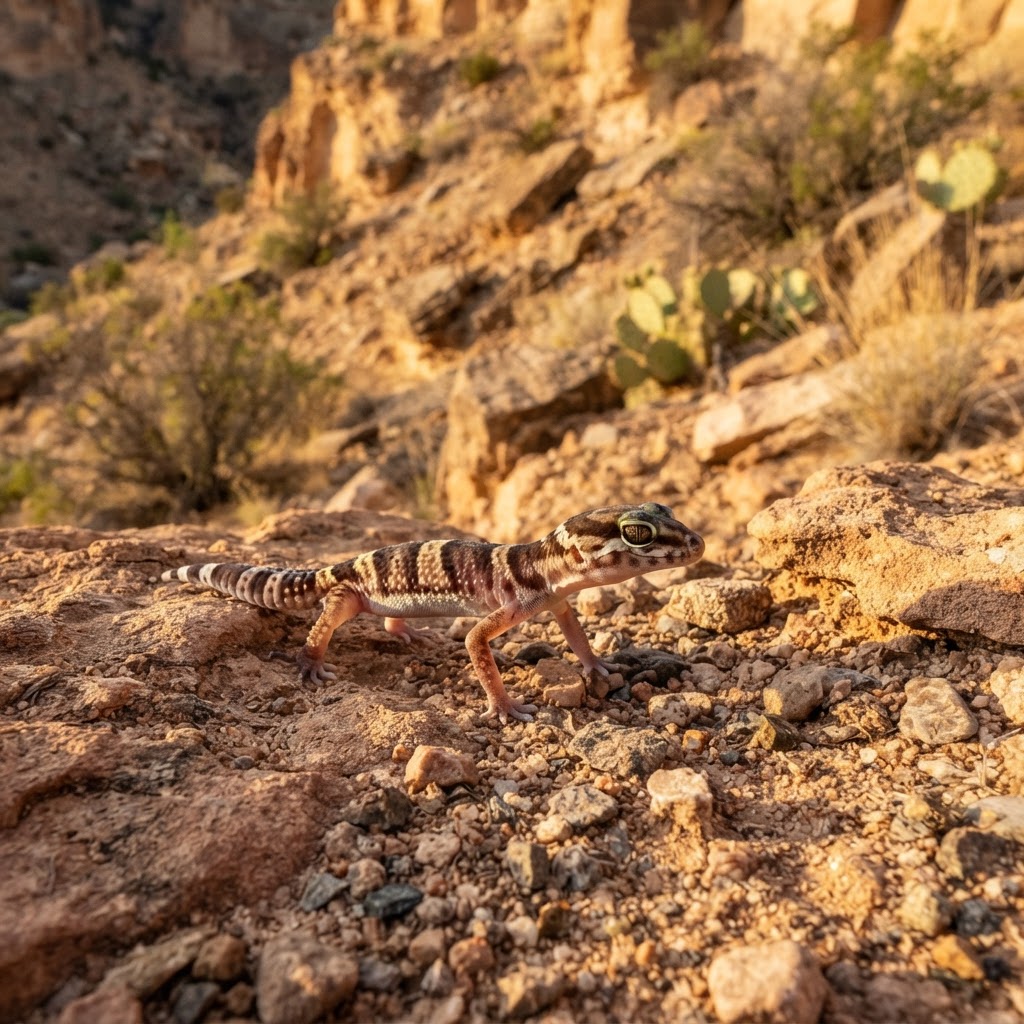
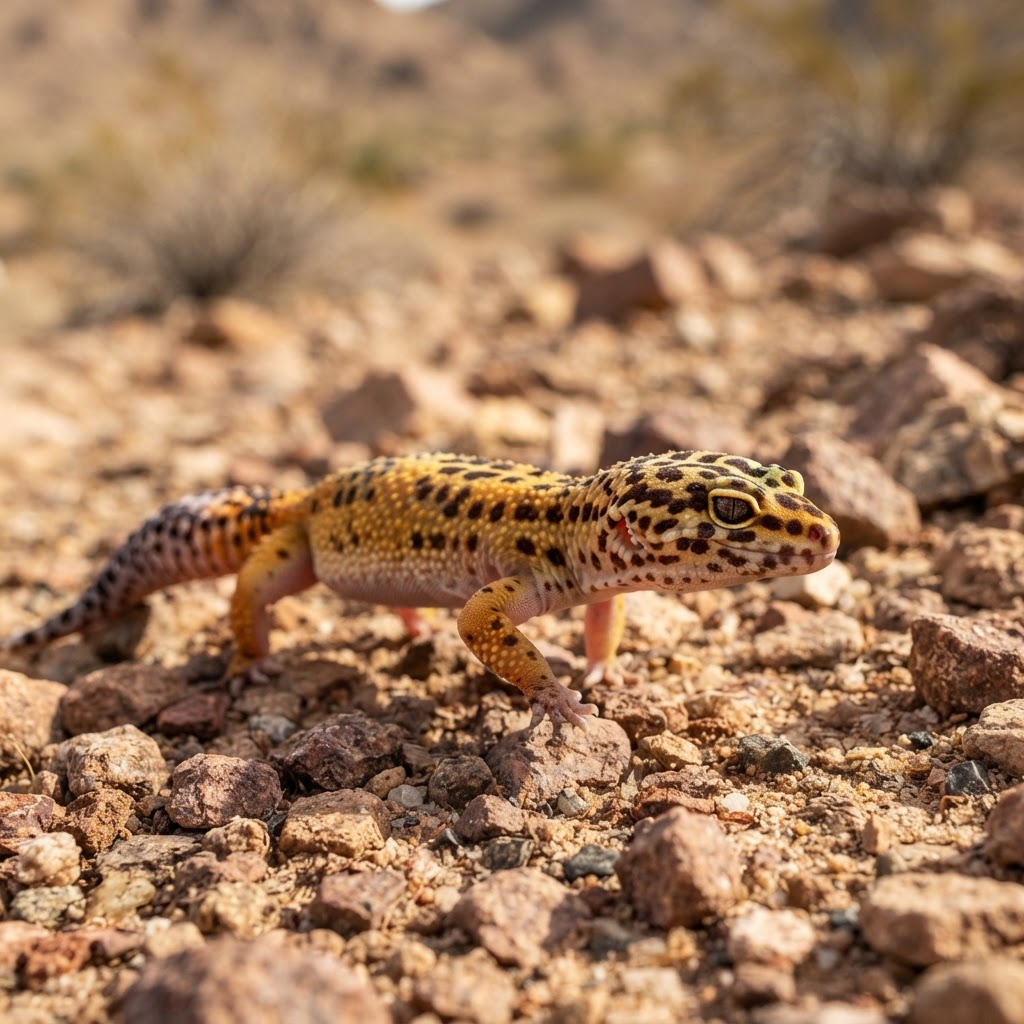
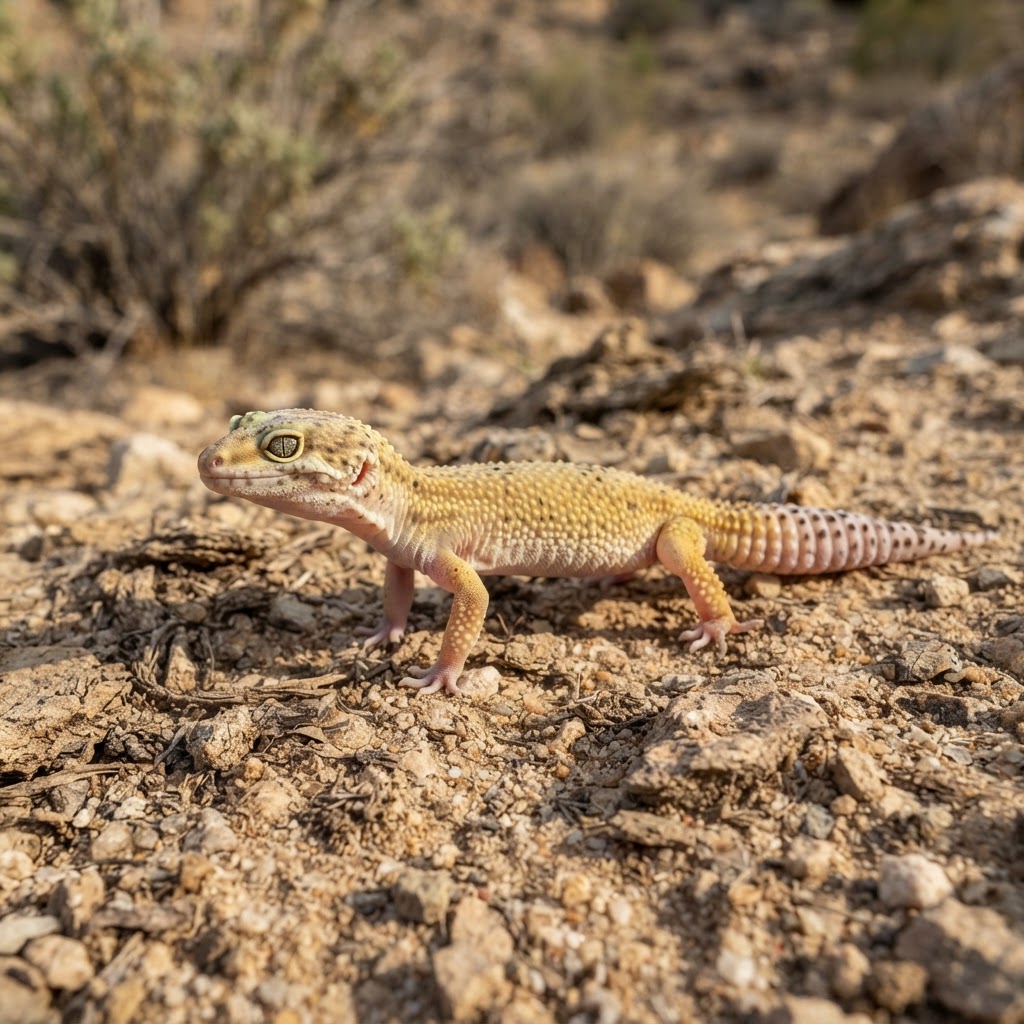
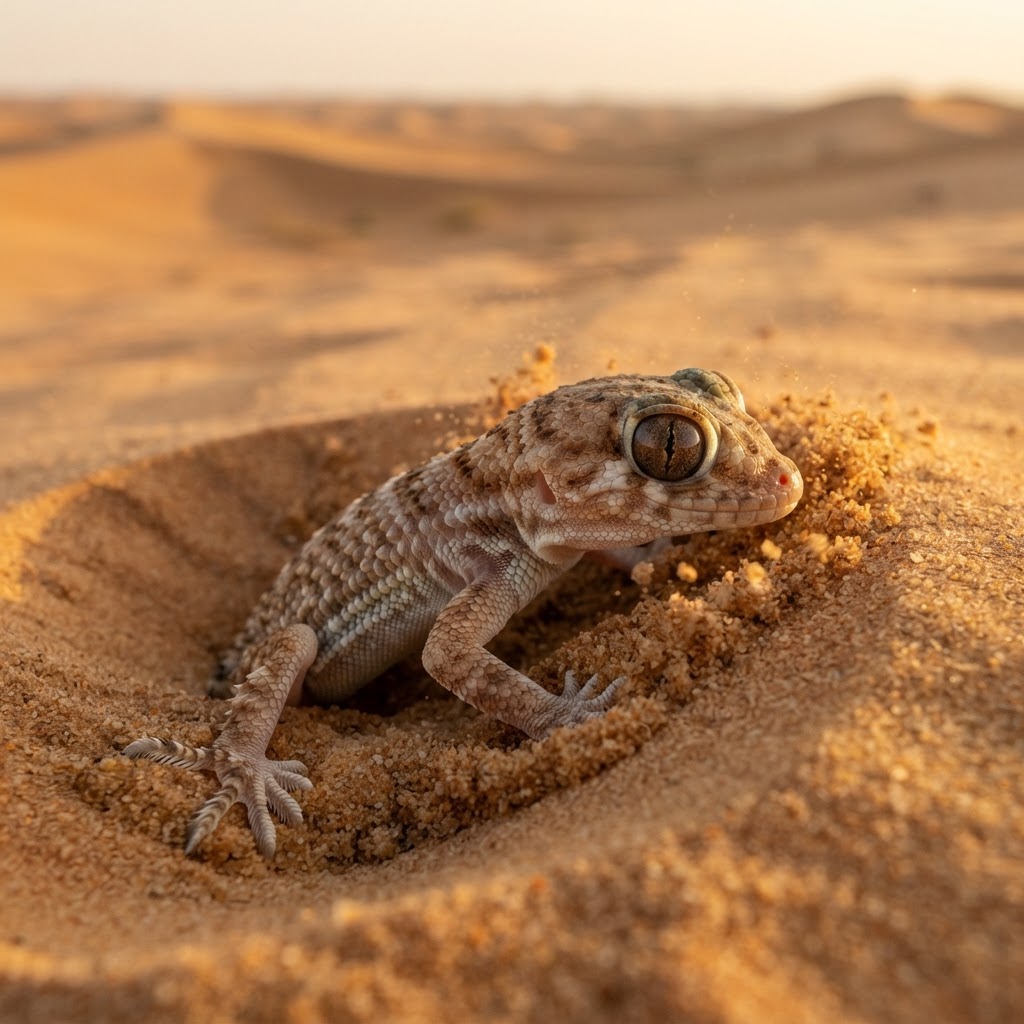
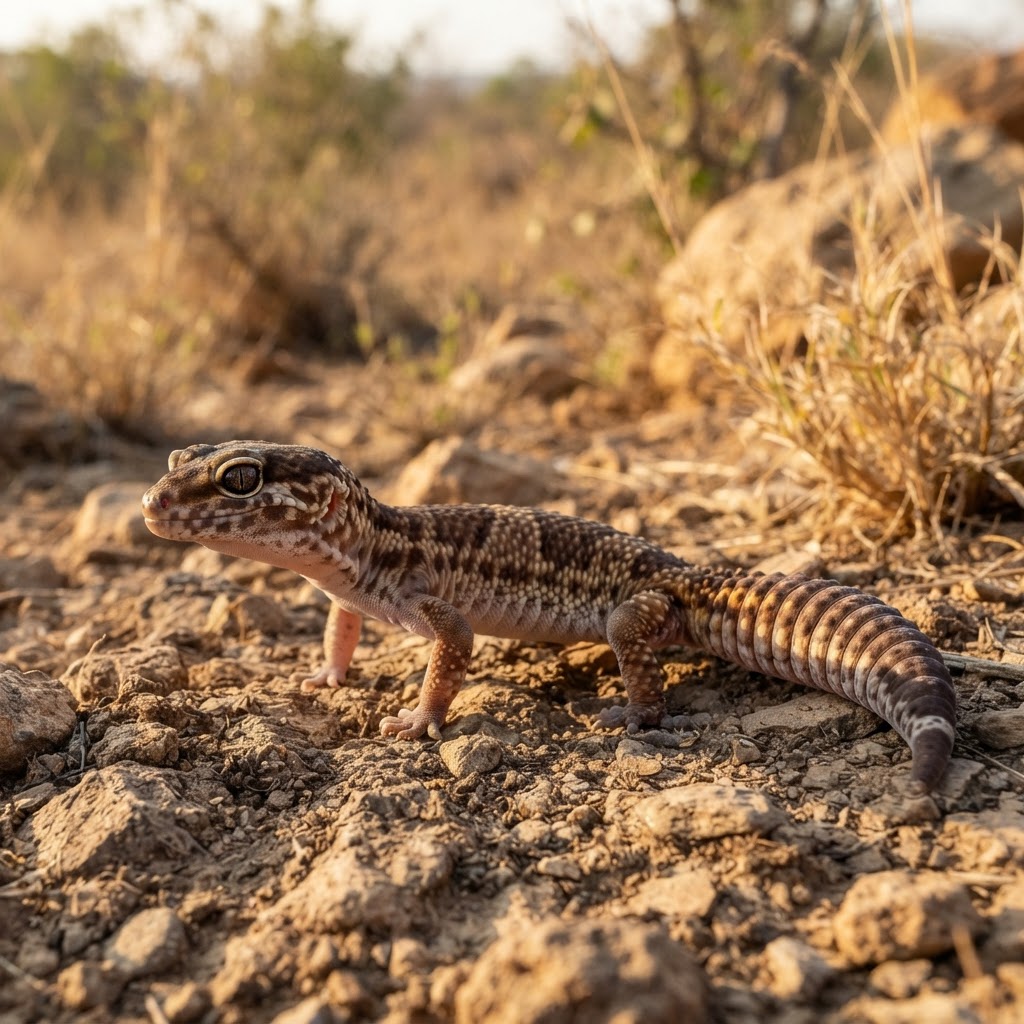
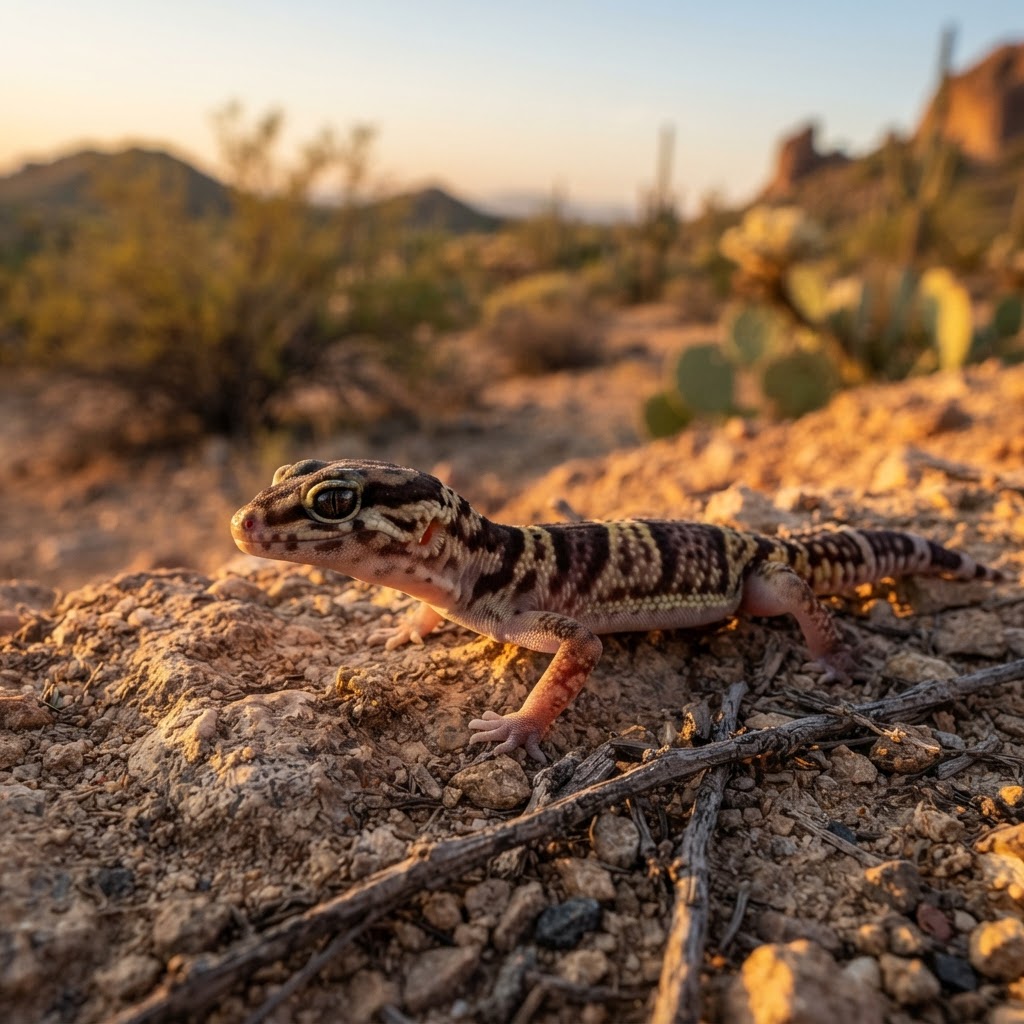
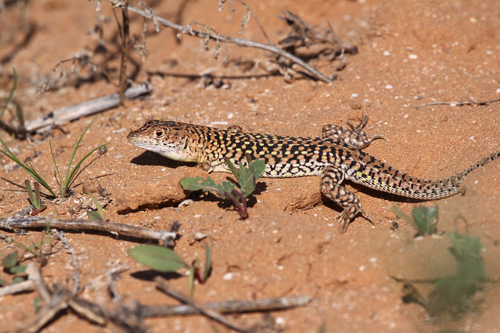
🍂Afghan Leopard Gecko
Autumn: Maintain feeding to build tail fat reserves ahead of winter; 2–3 times per week.
Black Soldier Fly Larvae
Autumn: Harvest remaining larvae. Colony activity decreases with shorter days.
Hornworms
Autumn: Maintain cultures at room temperature. Continue commercial diet only.
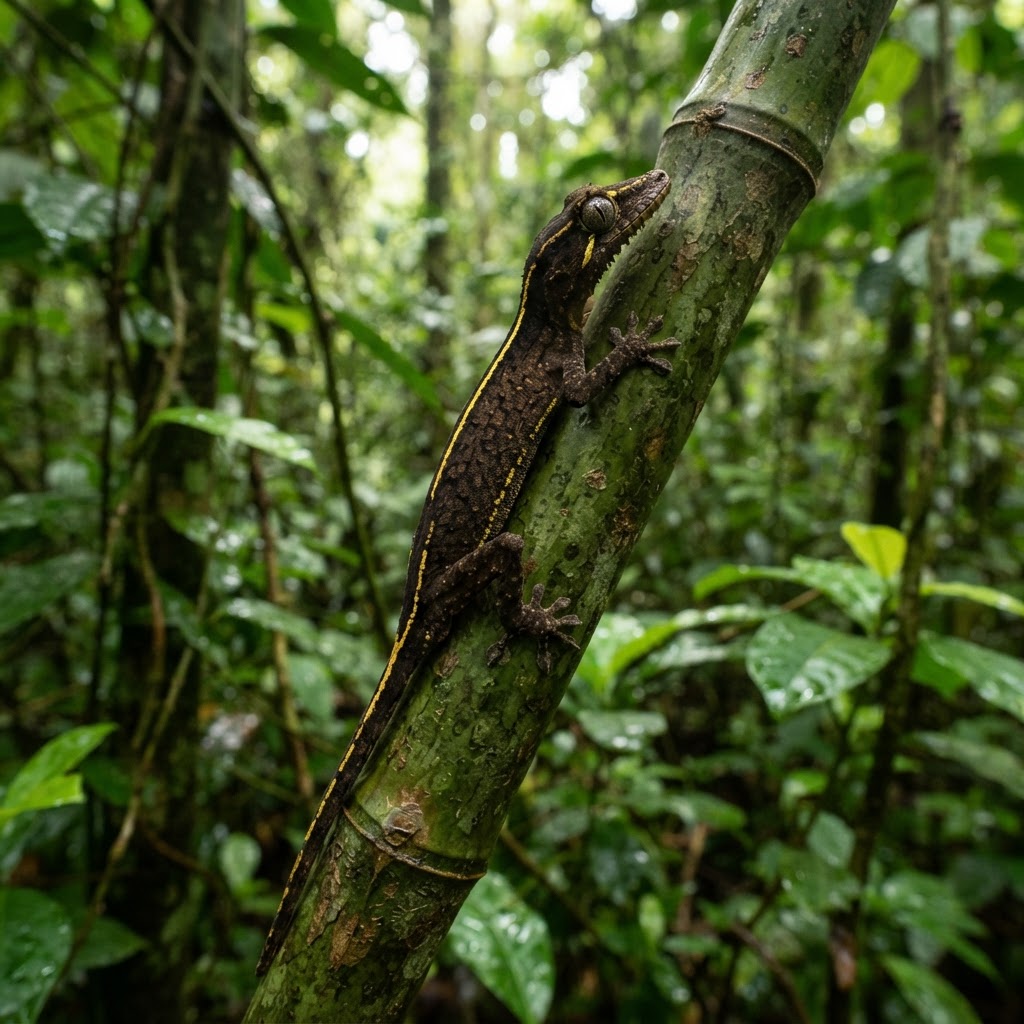
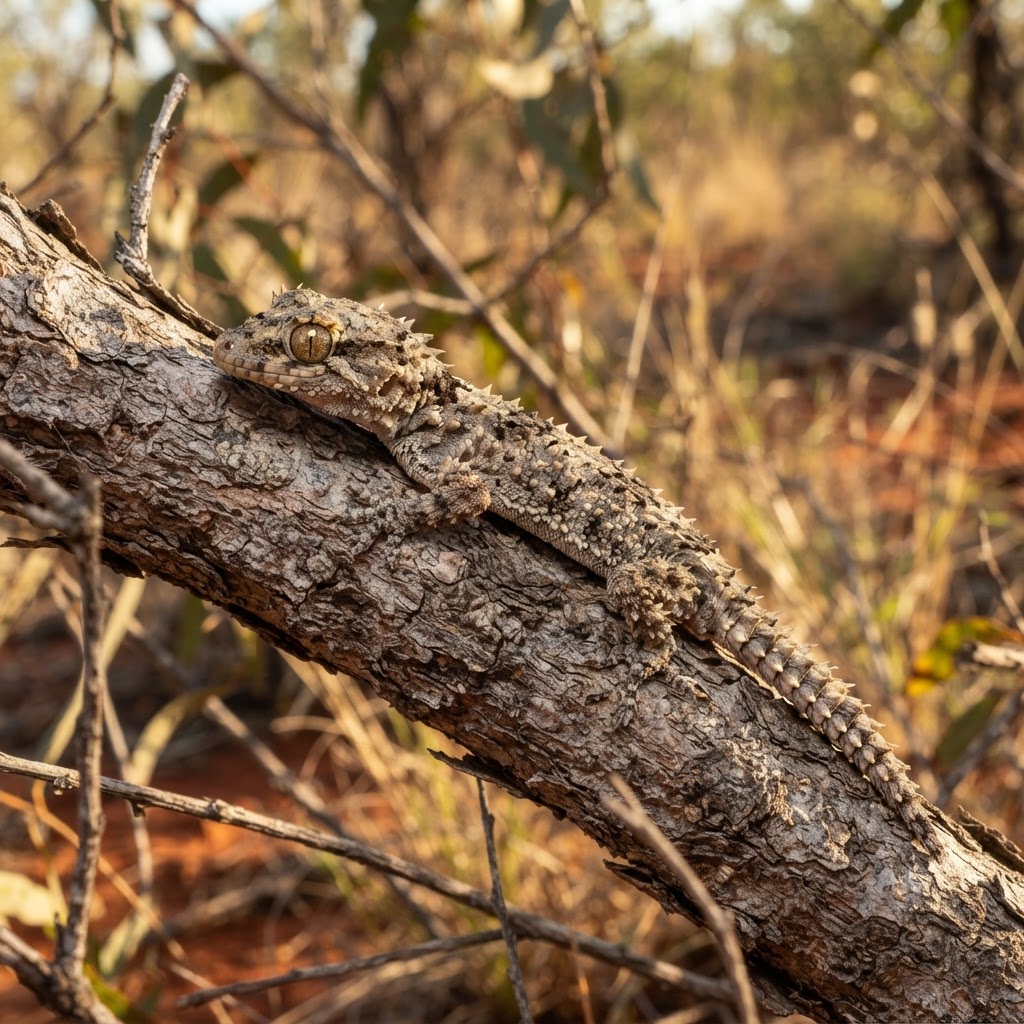
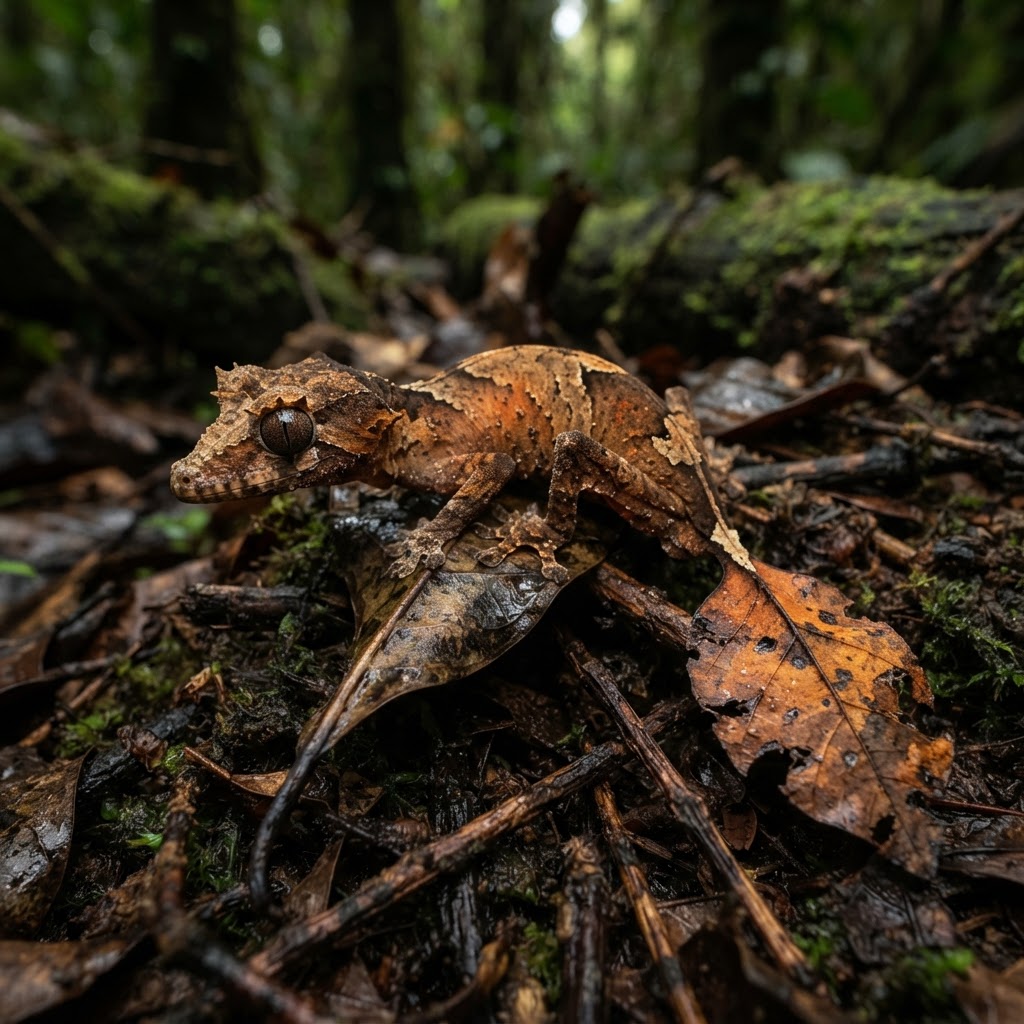
Henkel's Leaf-tailed Gecko
Spring: Increase feeding as temperatures warm; offer appropriately sized insects 3–4 times per week, dusted with calcium.
Sorah Leaf-tailed Gecko
Spring: Increase feeding as humidity rises; offer small insects 3–4 times per week with calcium dusting.
Log in to unlock your personal collection page, feeding logs, breeding tracking, calendar sync, and more features. Fixing Google login issues — you can still log in by registering.
Showing 704 species · 3 sub-species
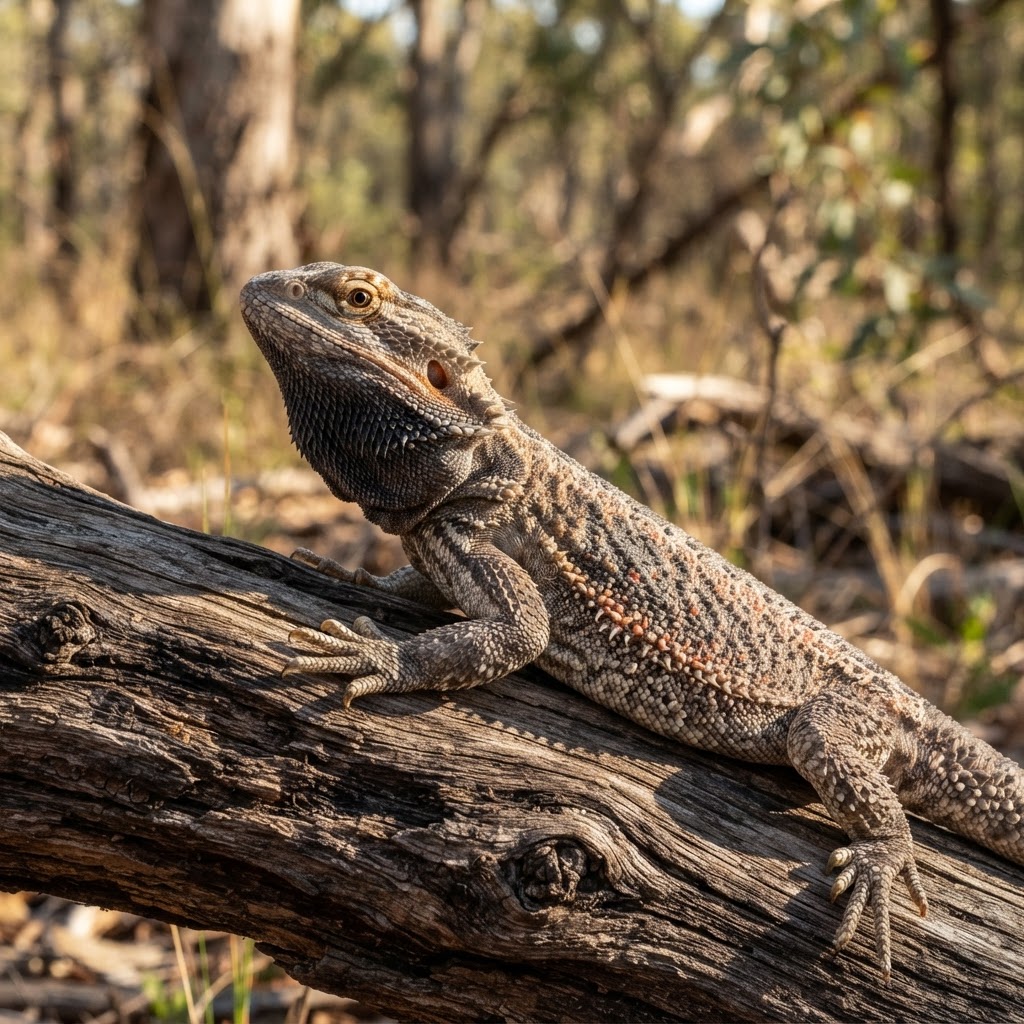


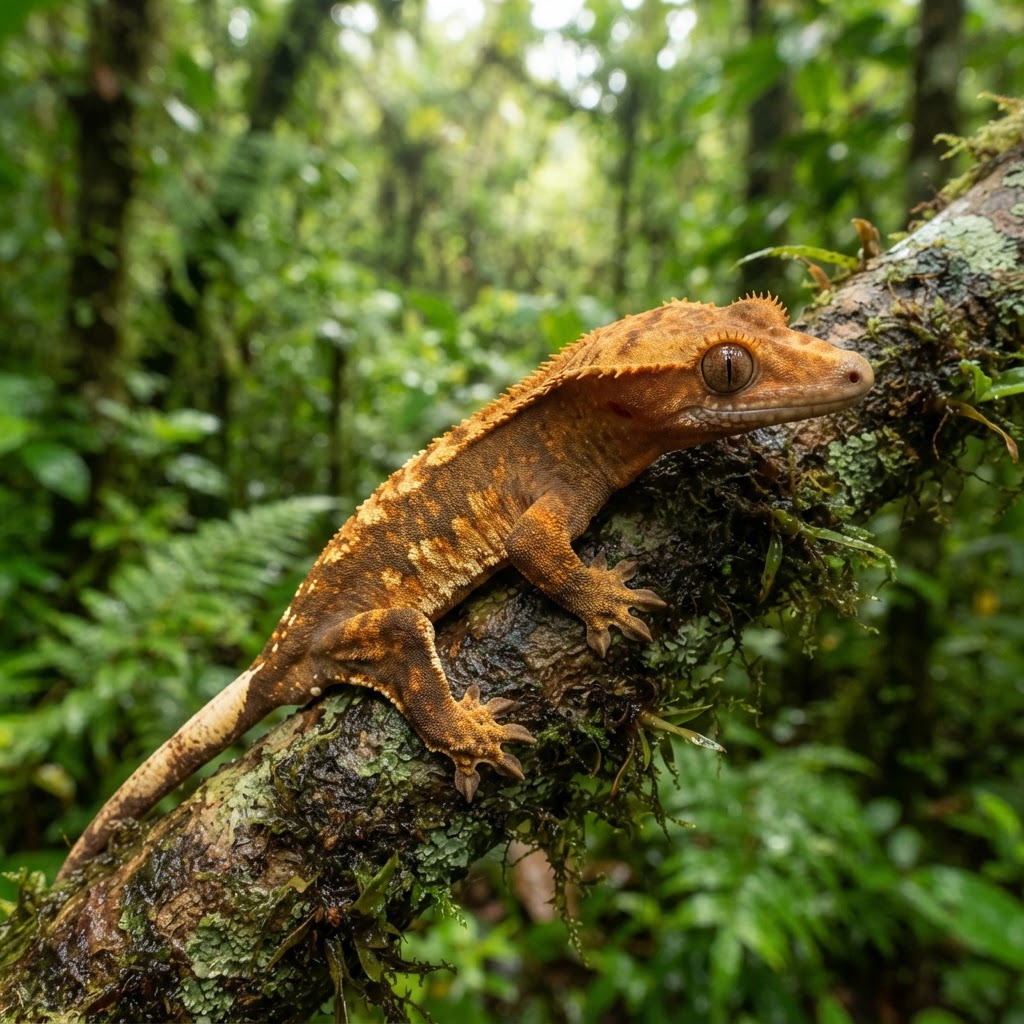
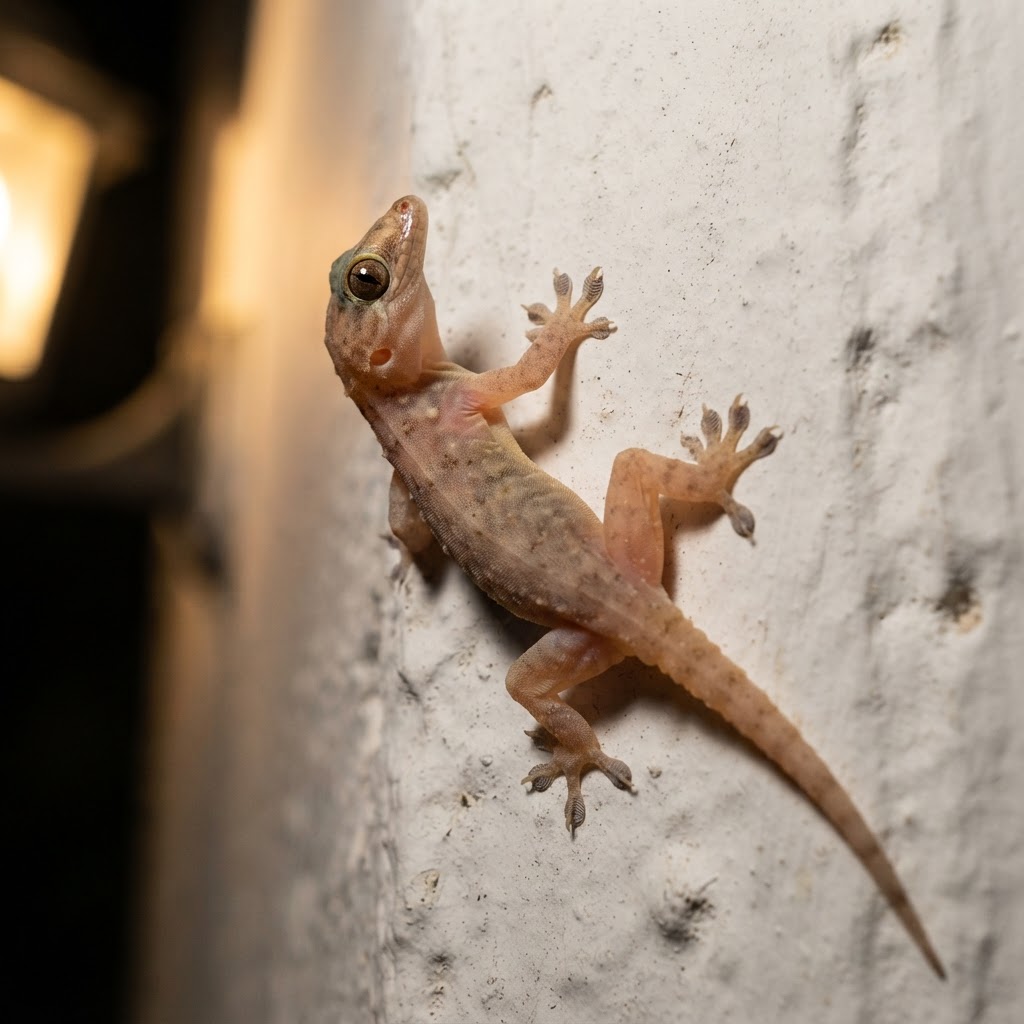
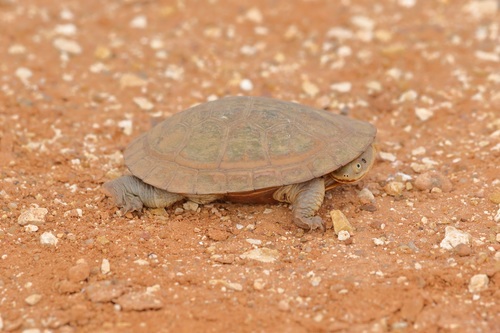
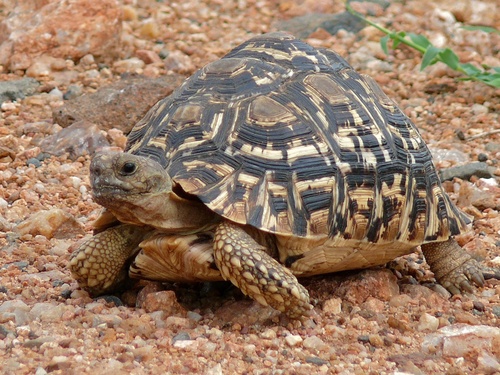
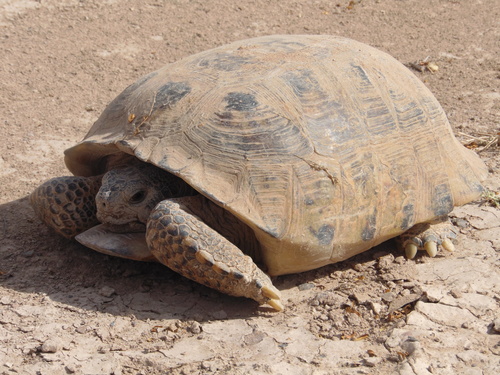
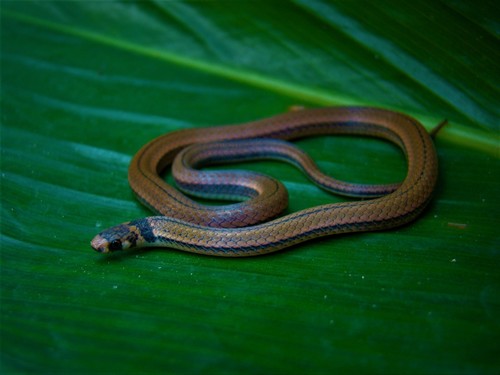
%20male.jpg)
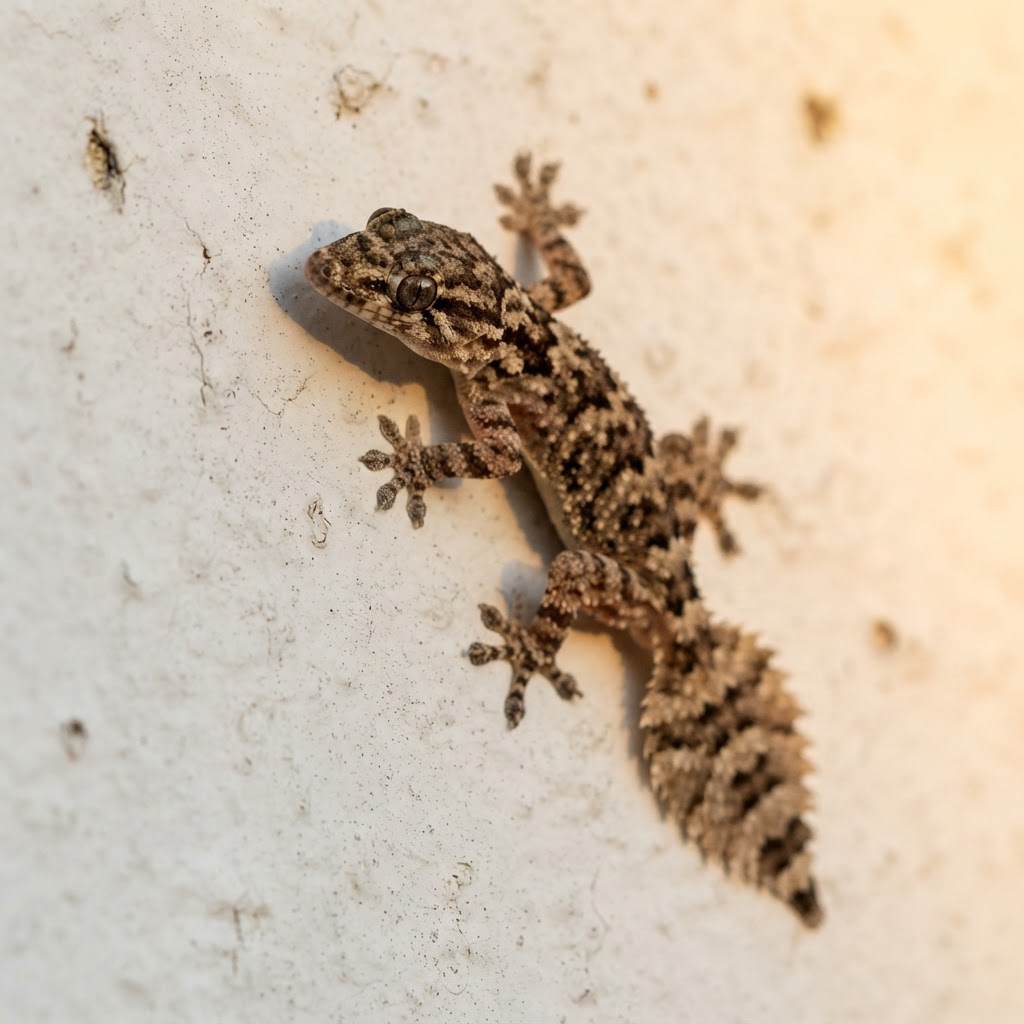
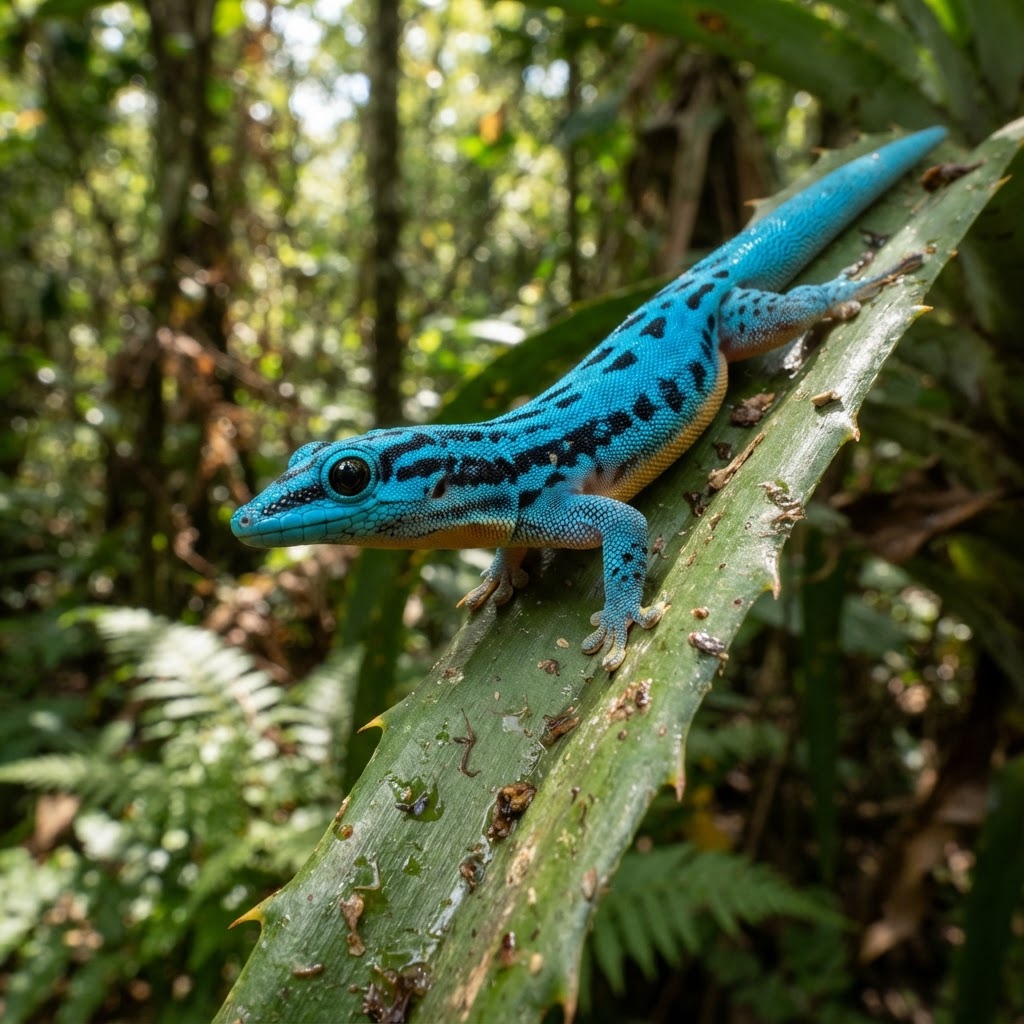
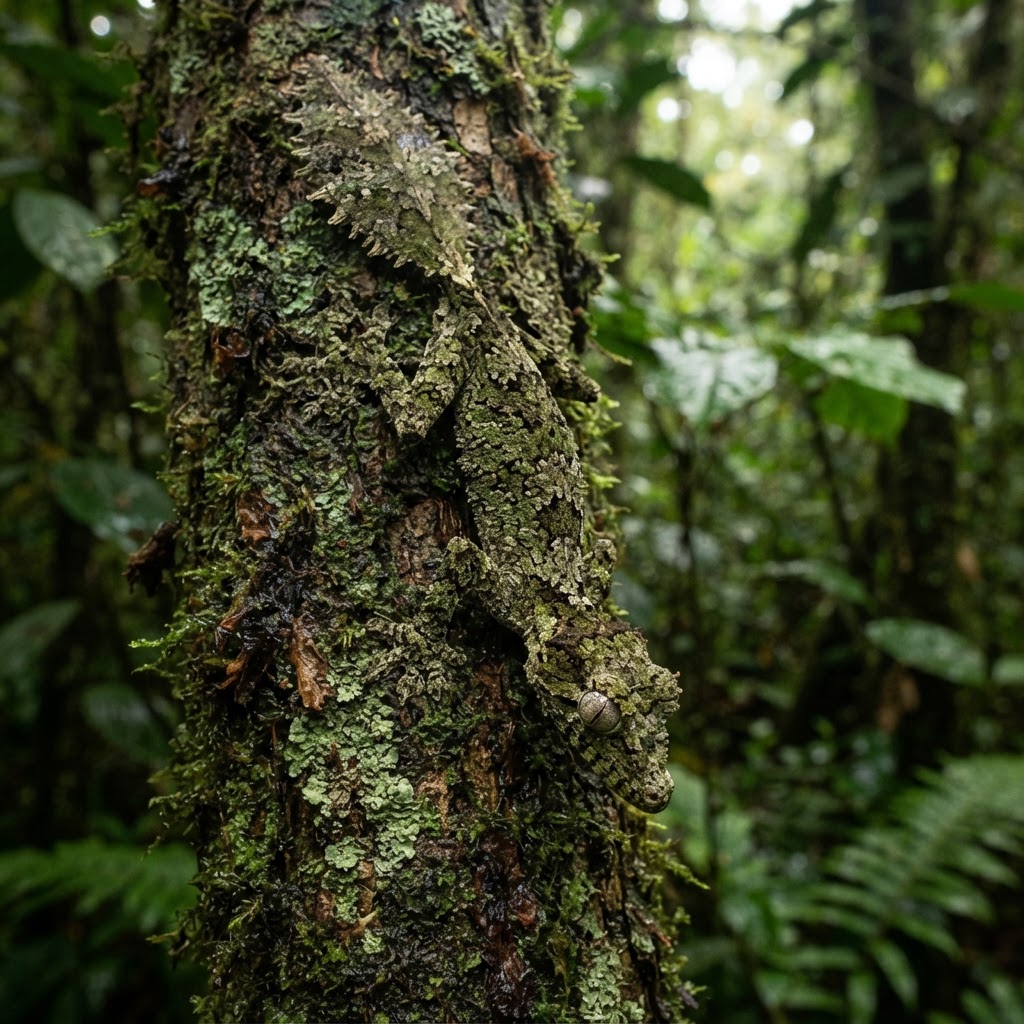
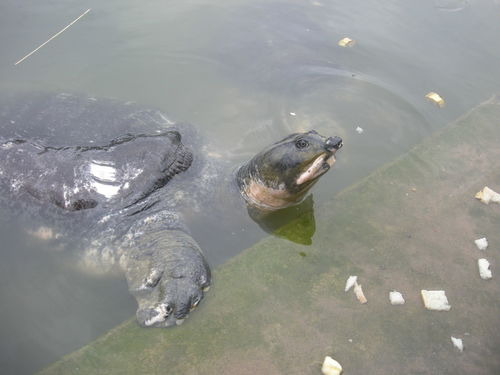
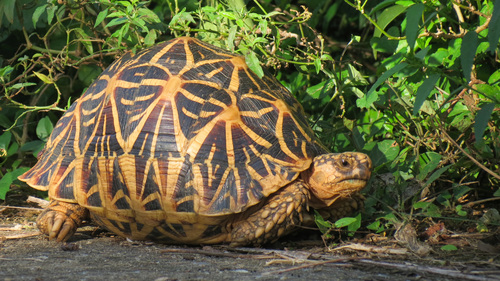
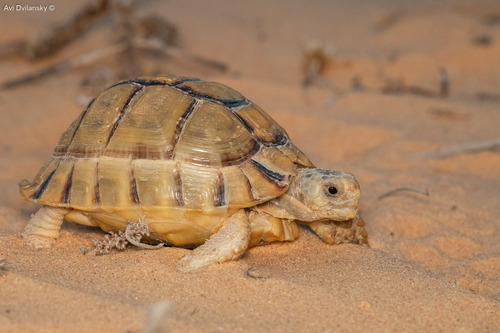
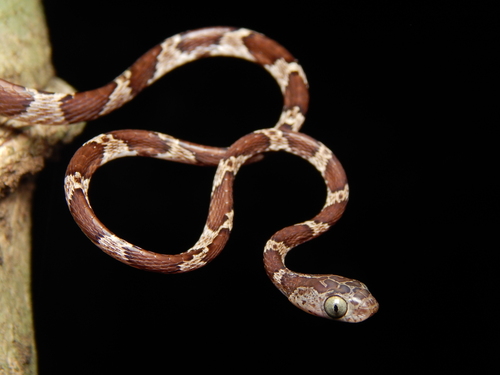
.jpg)
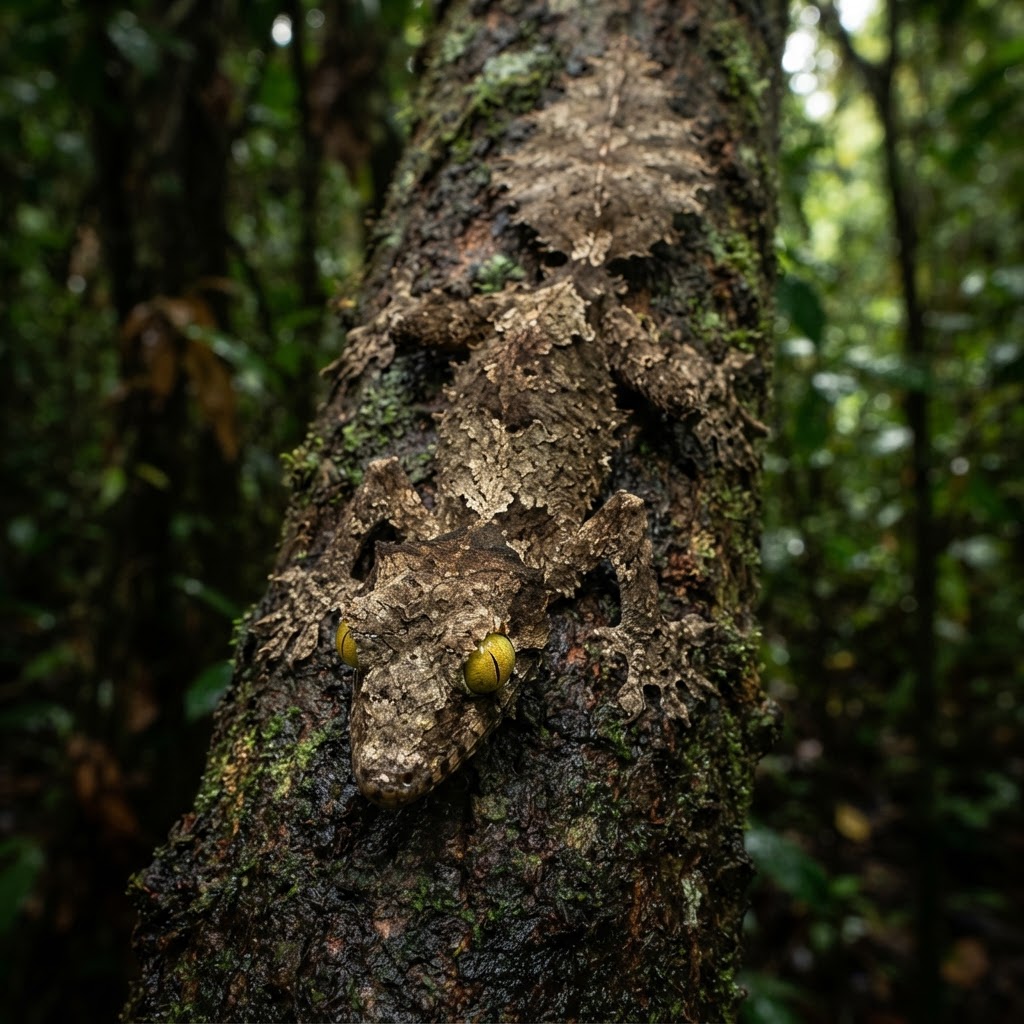
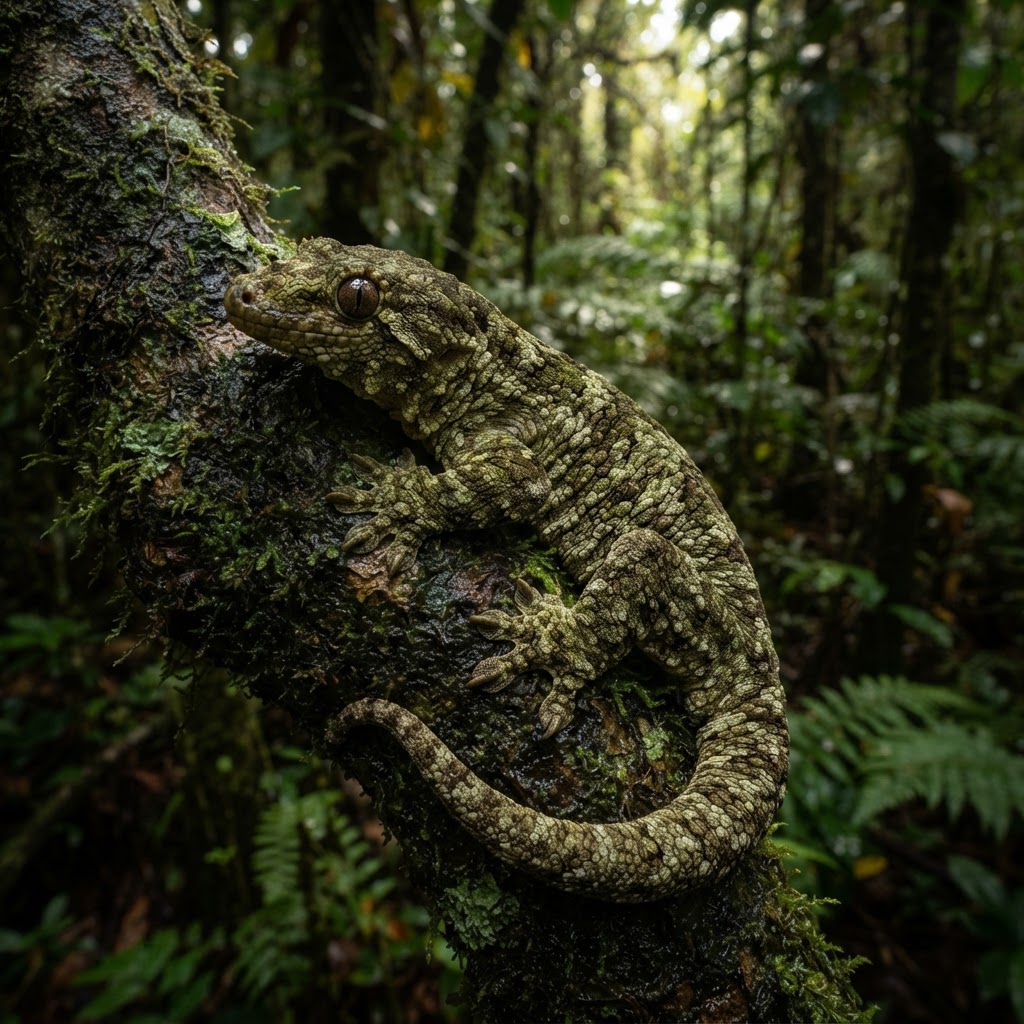
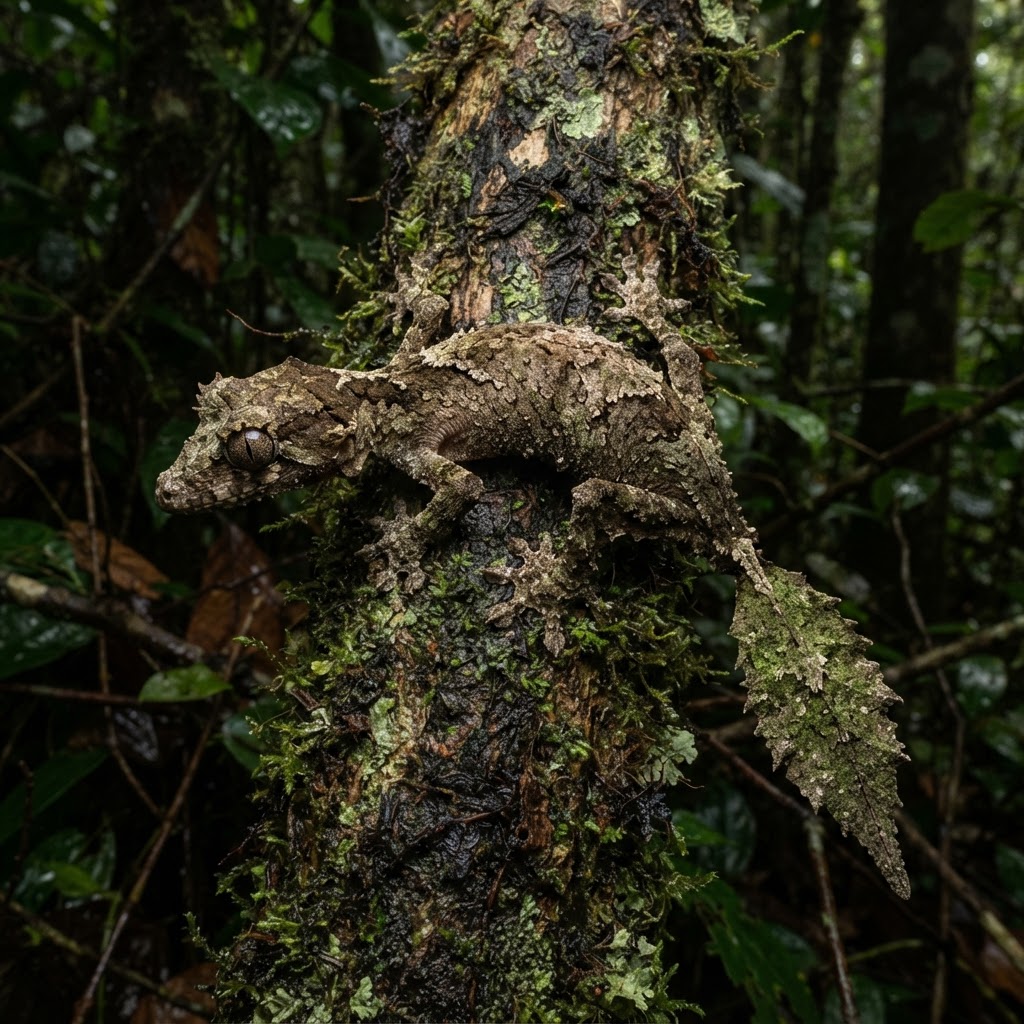
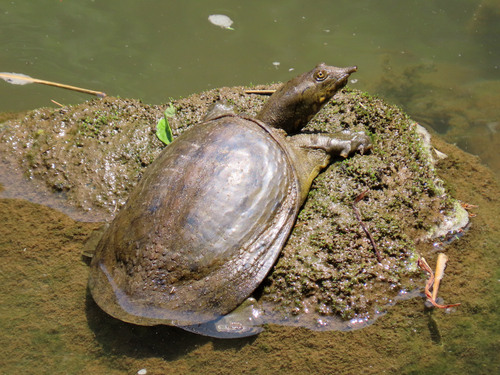
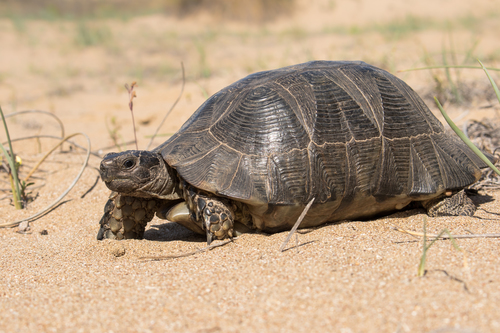
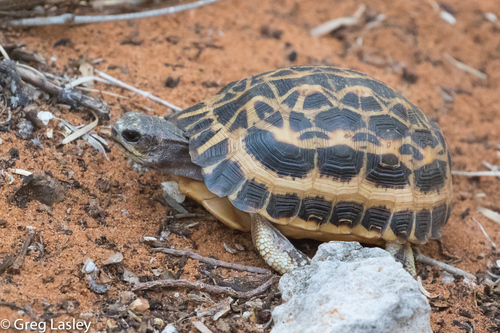
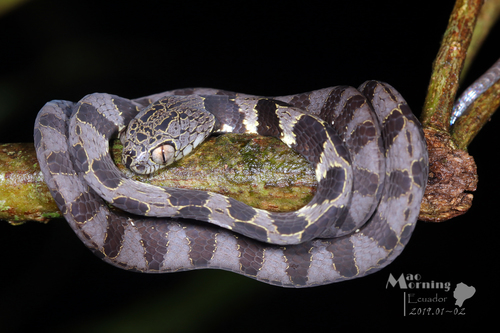
%20(10106331165).jpg)
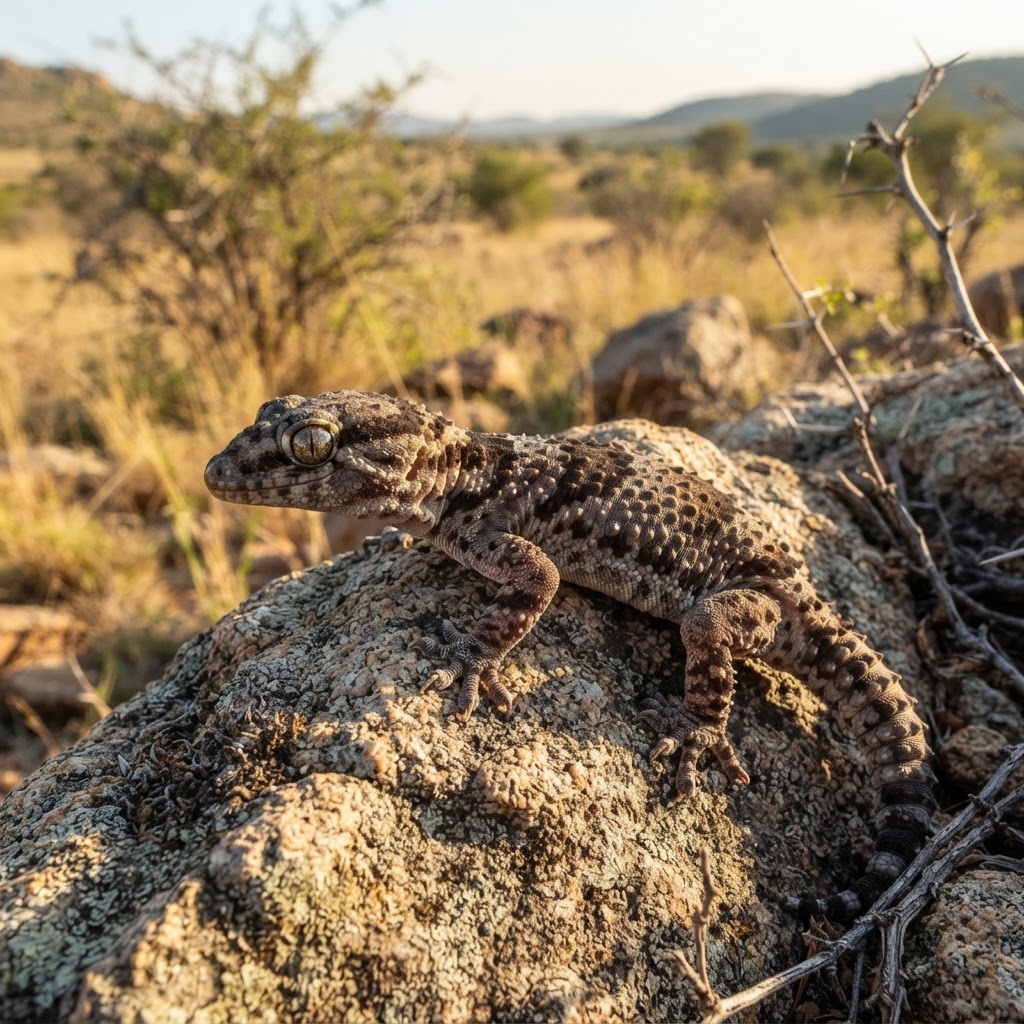
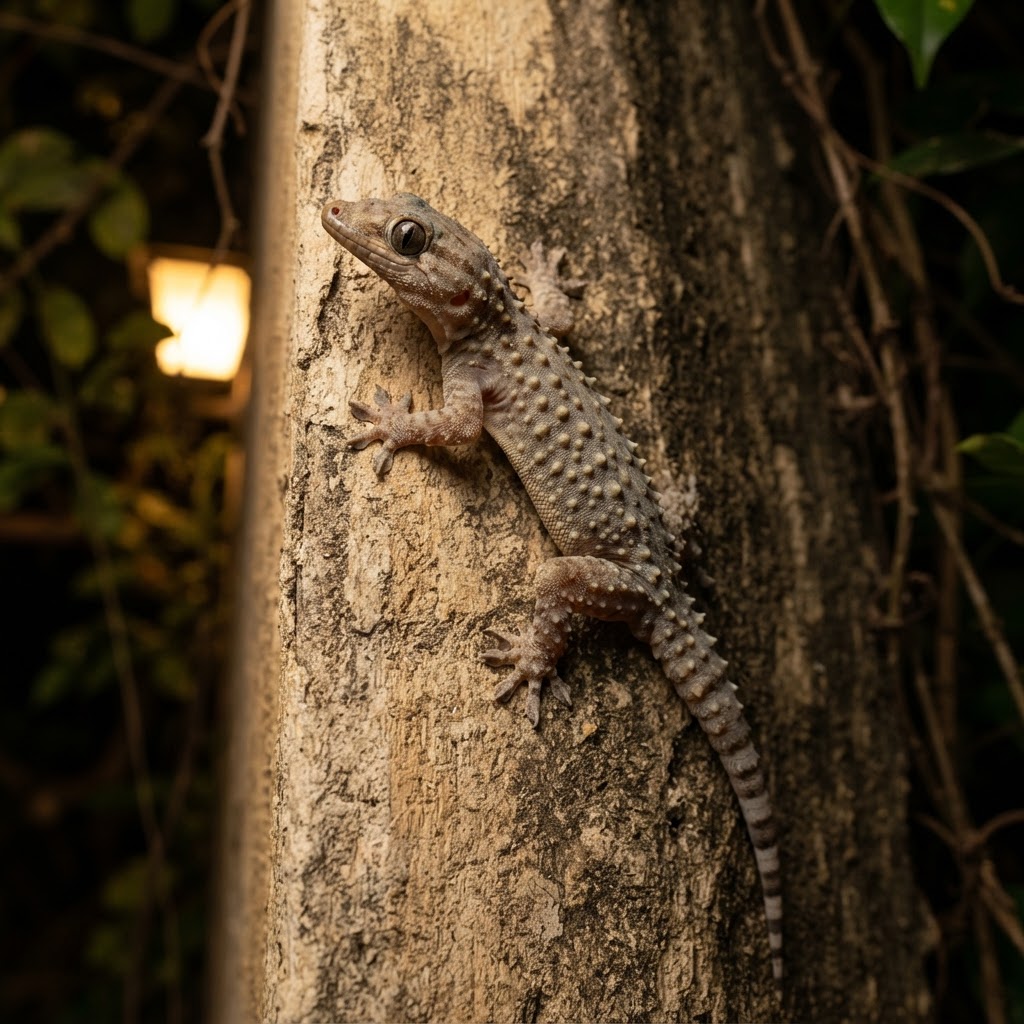
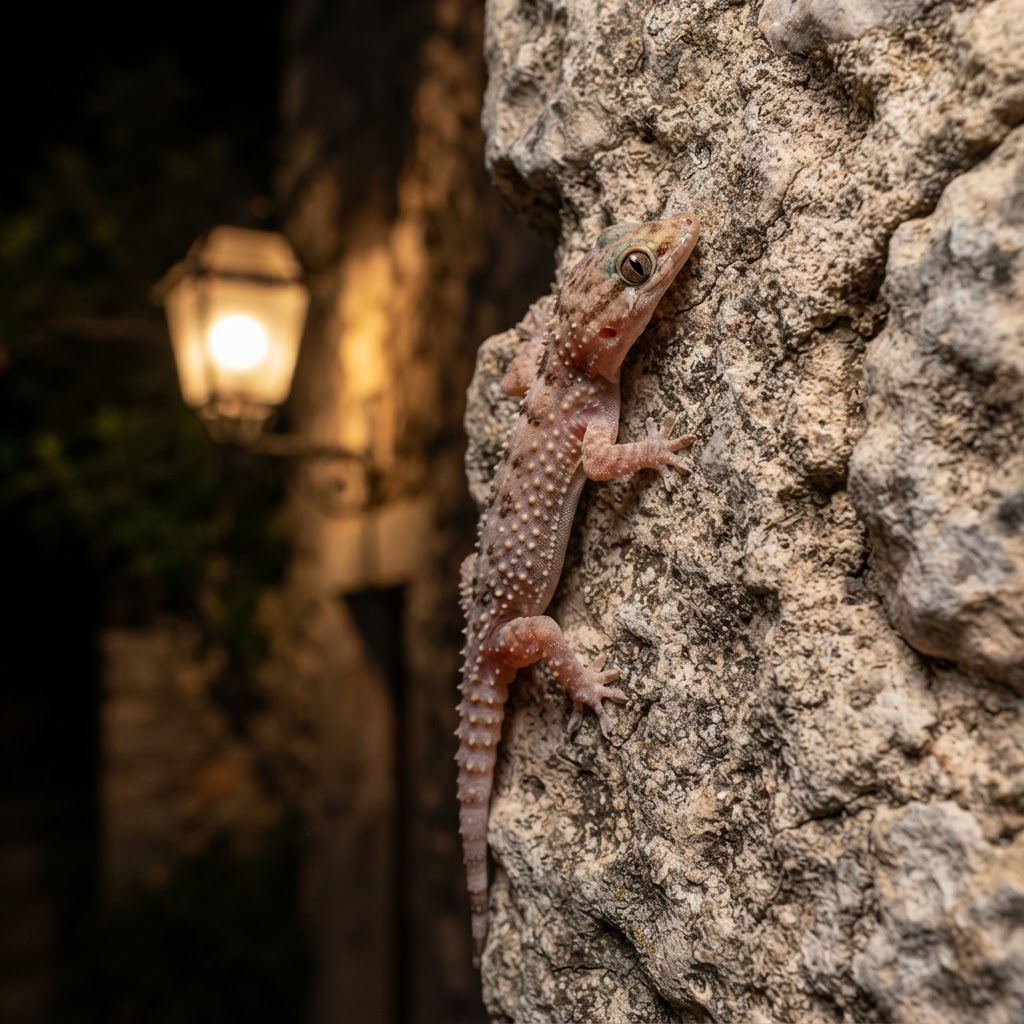
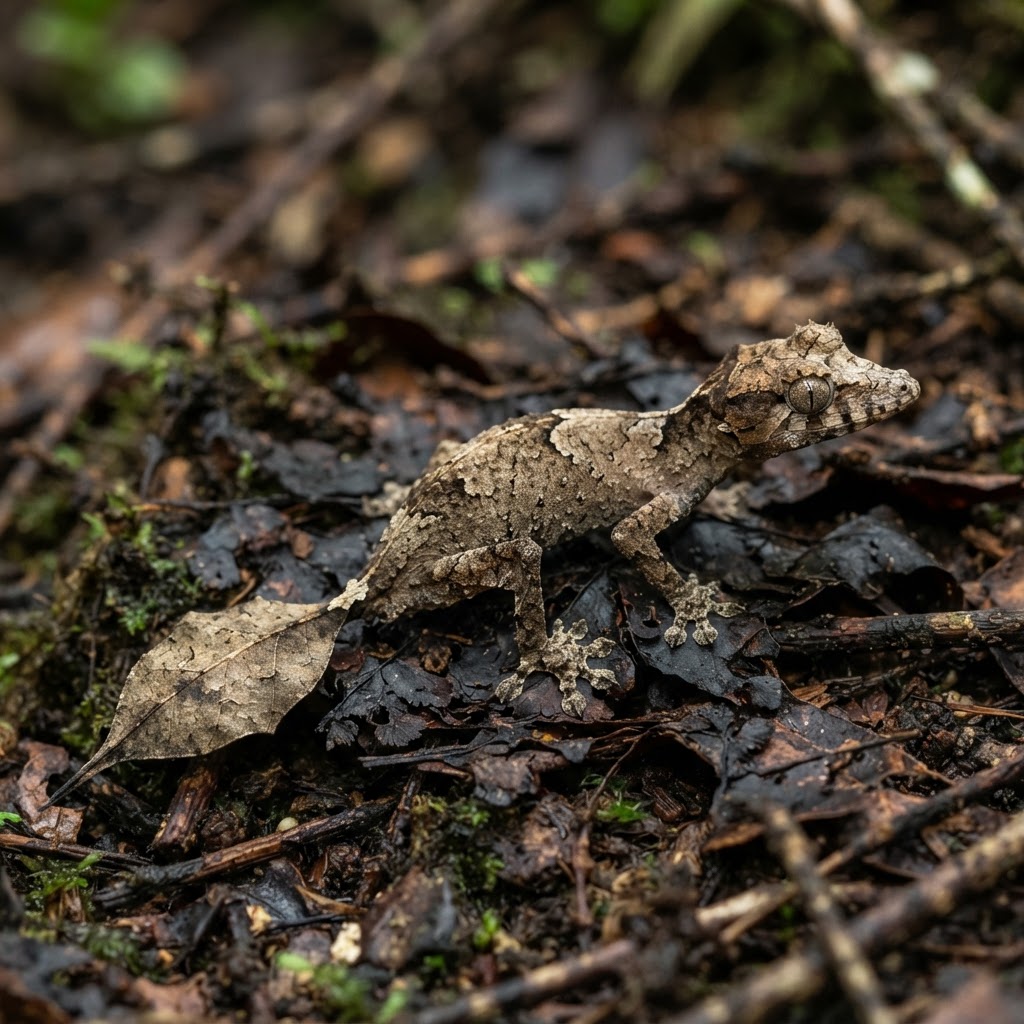
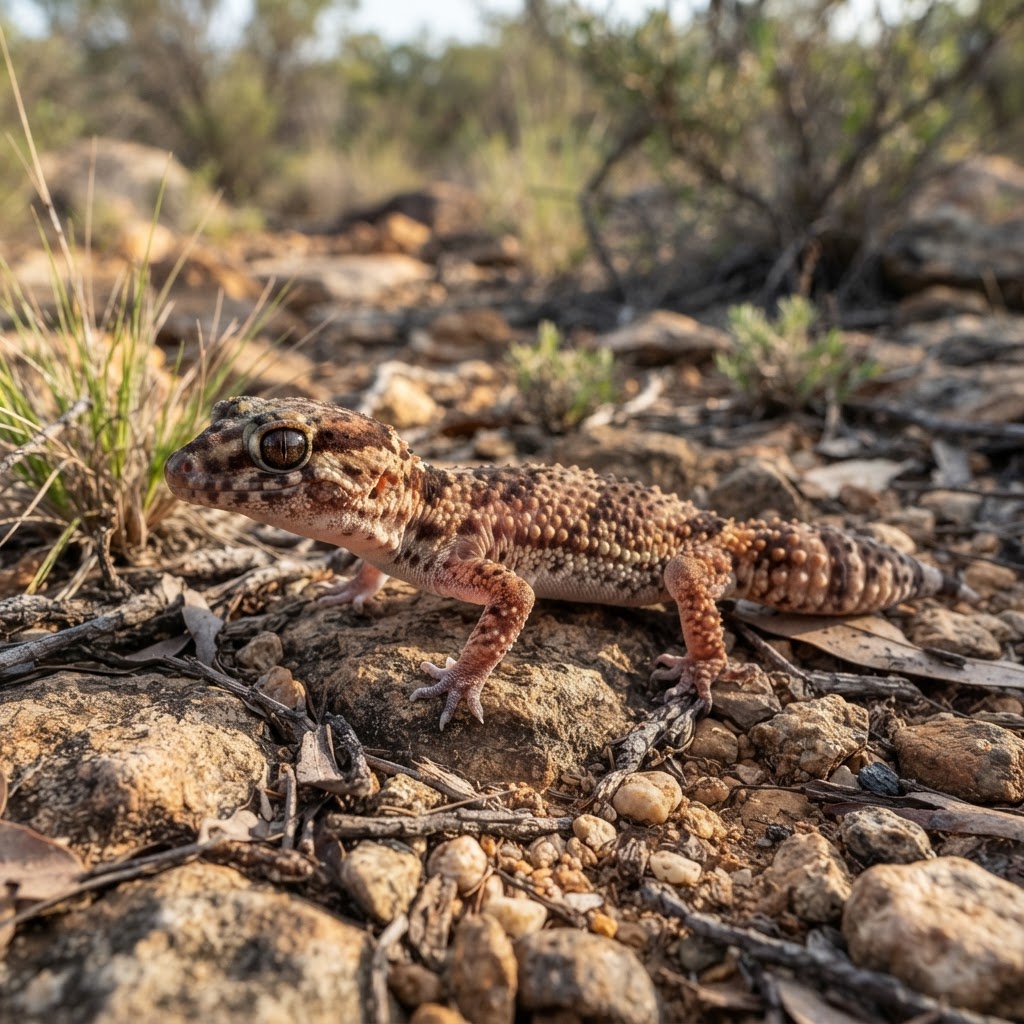
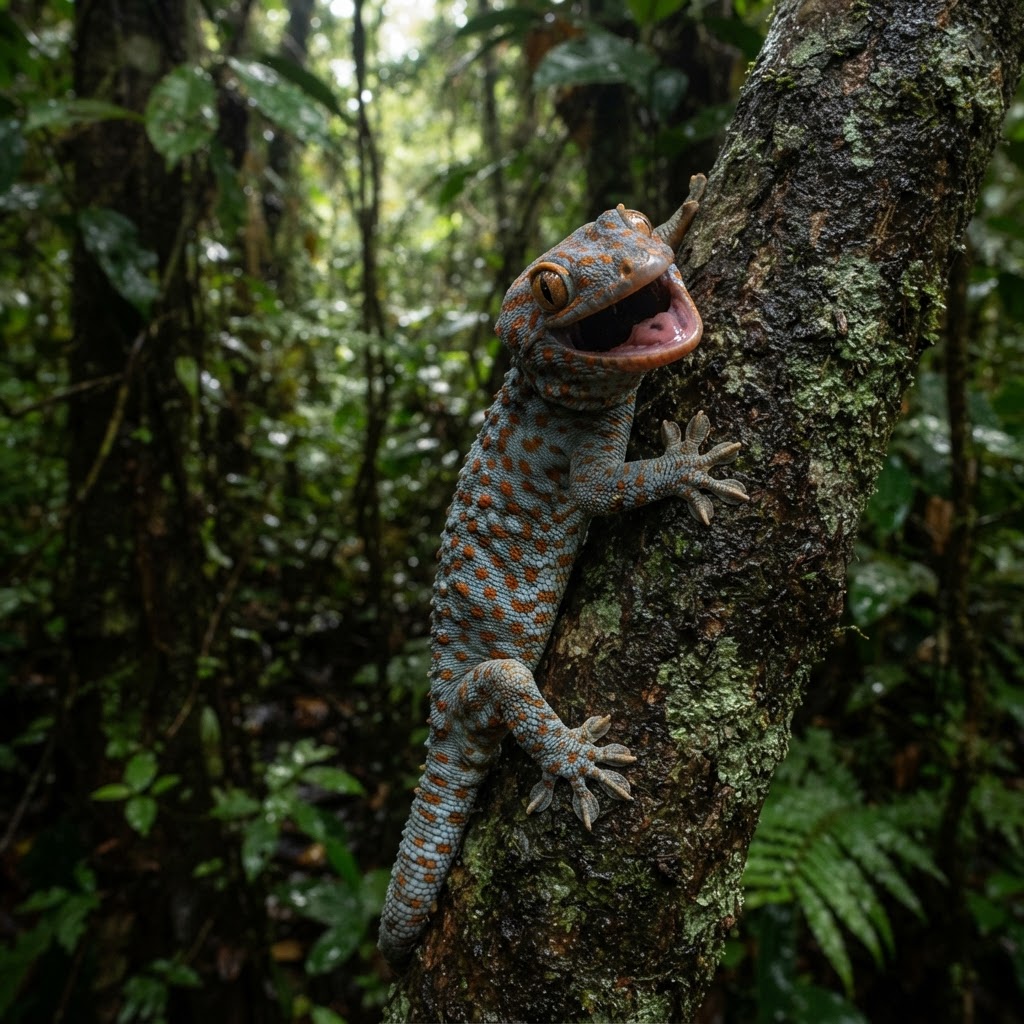
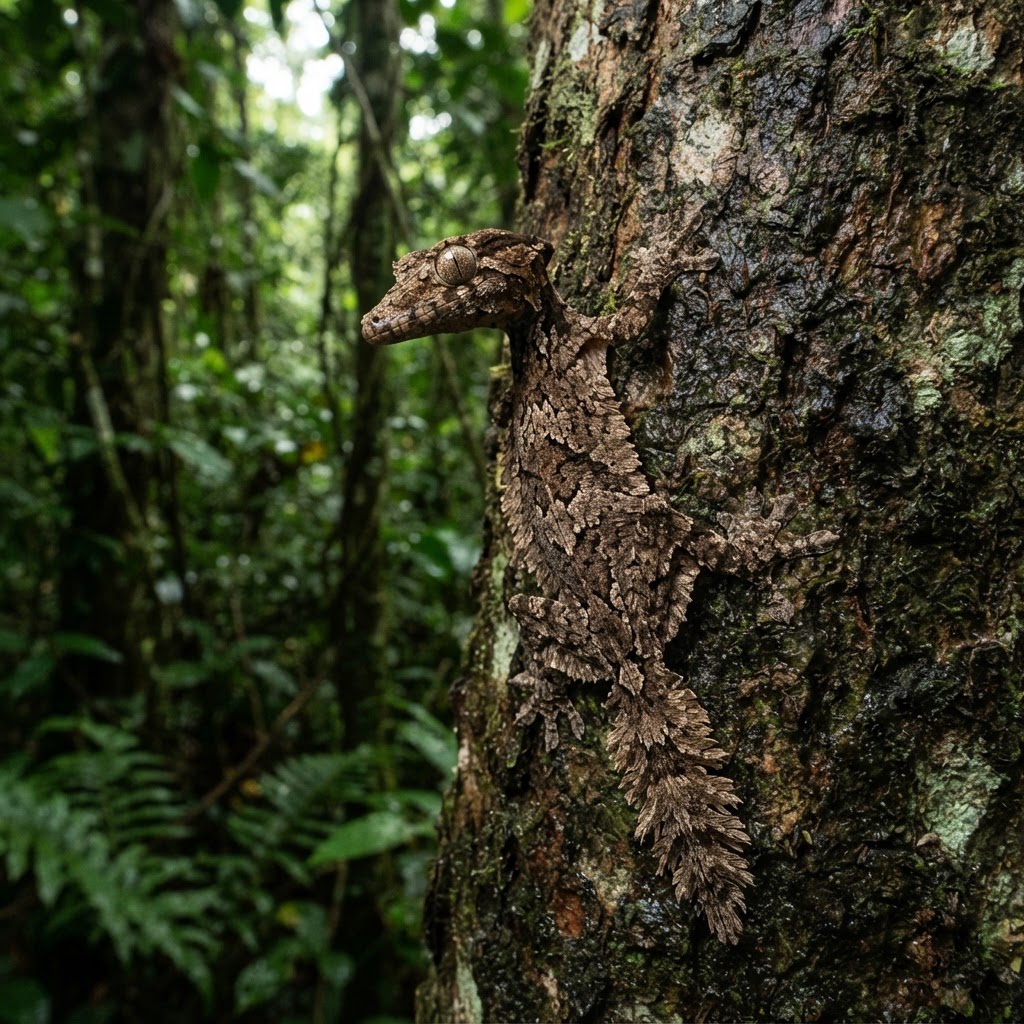
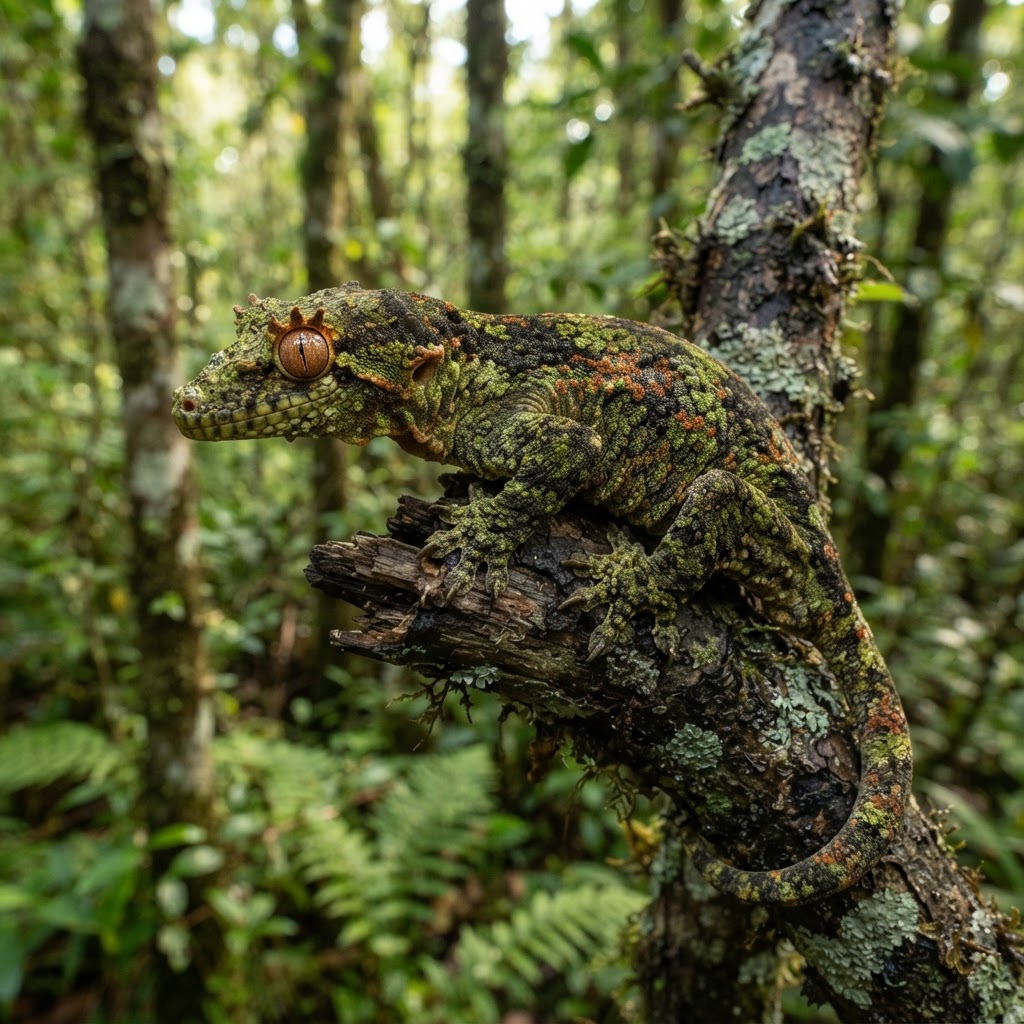
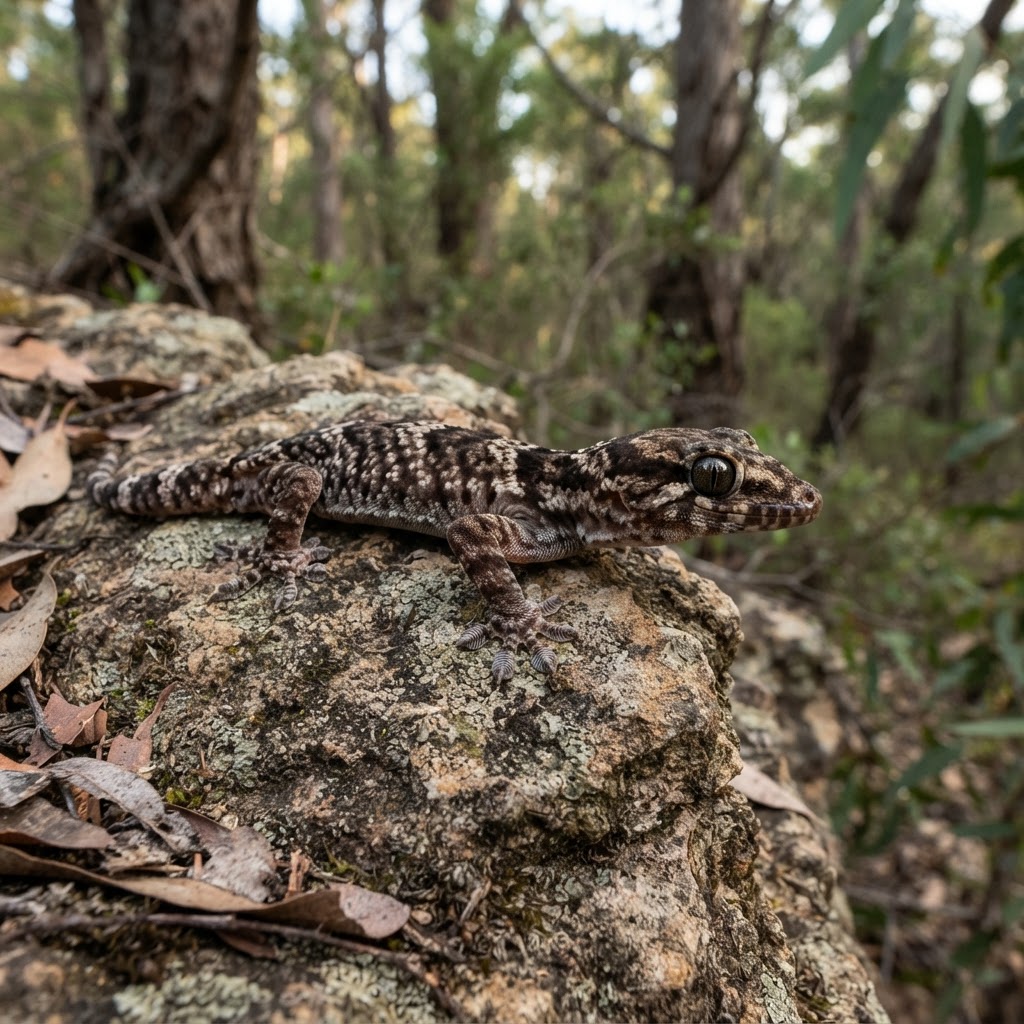
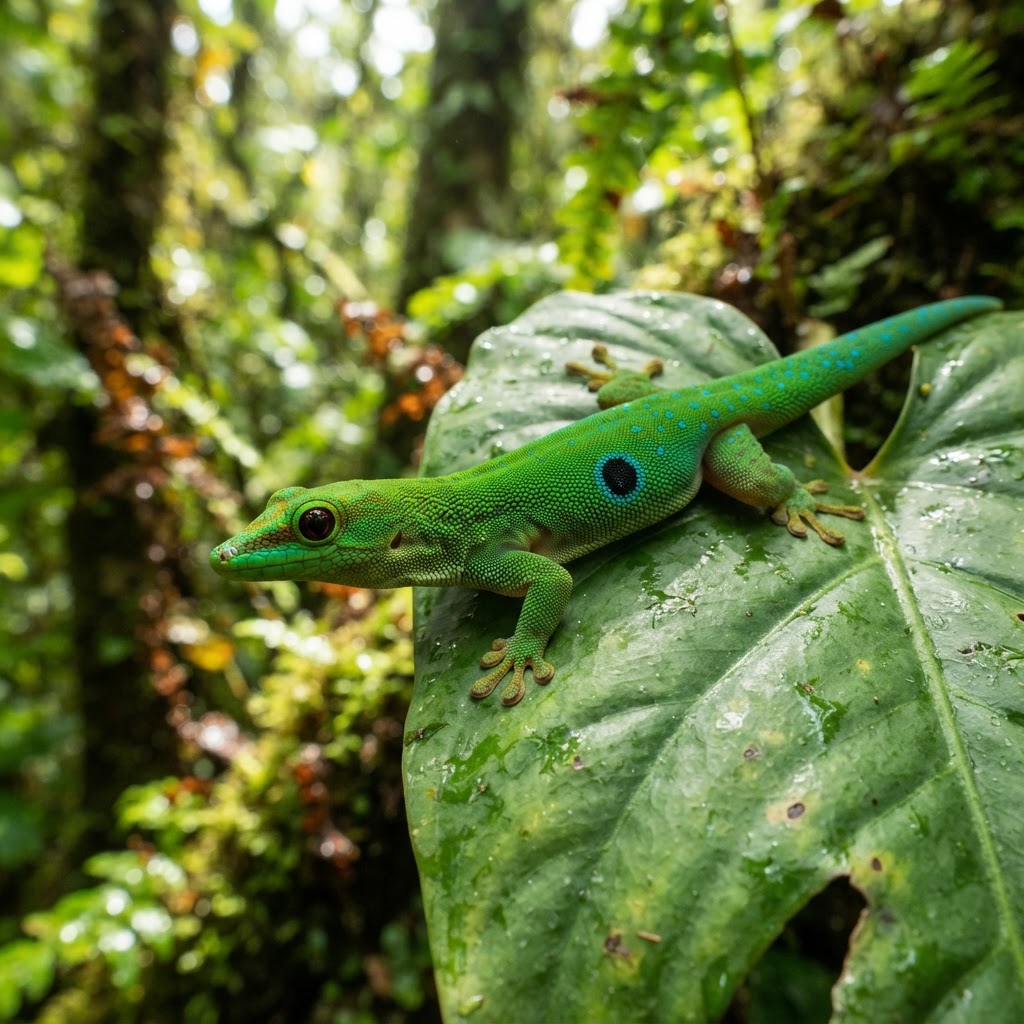
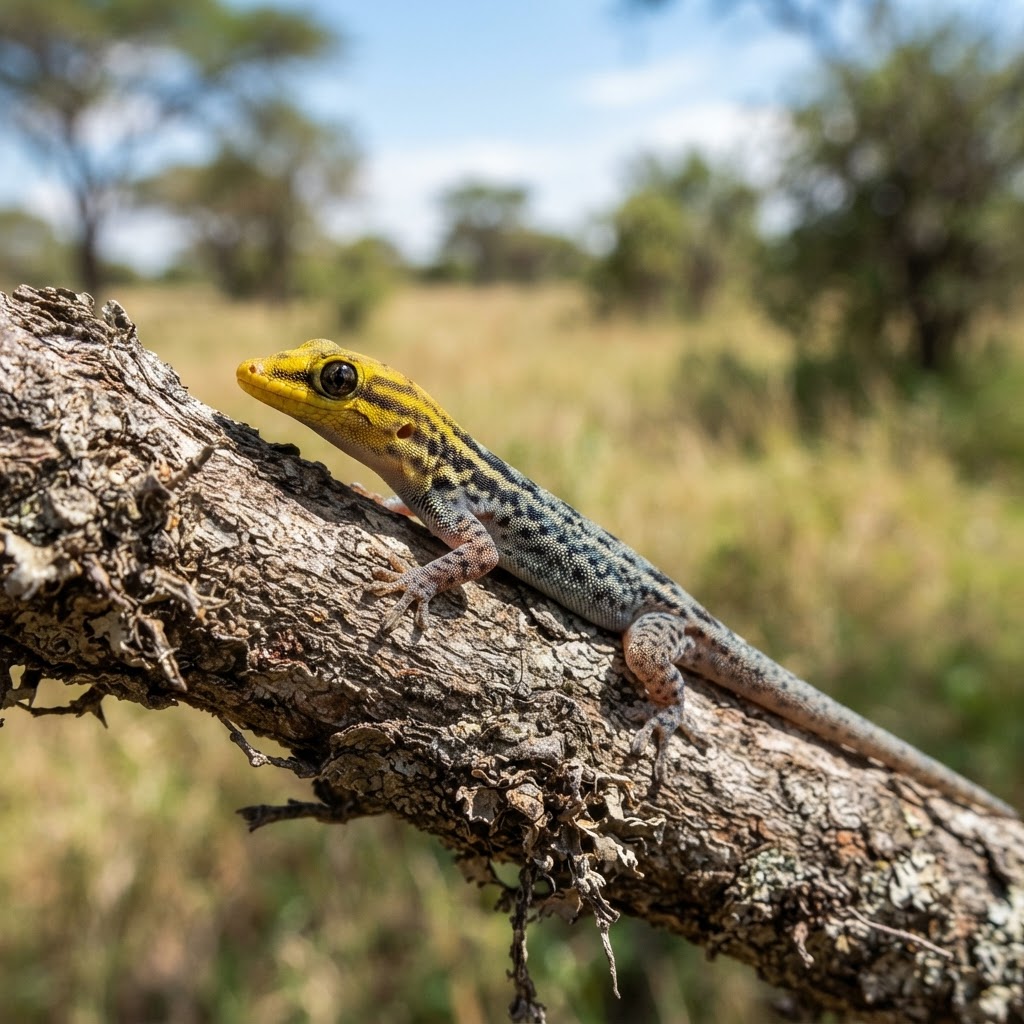
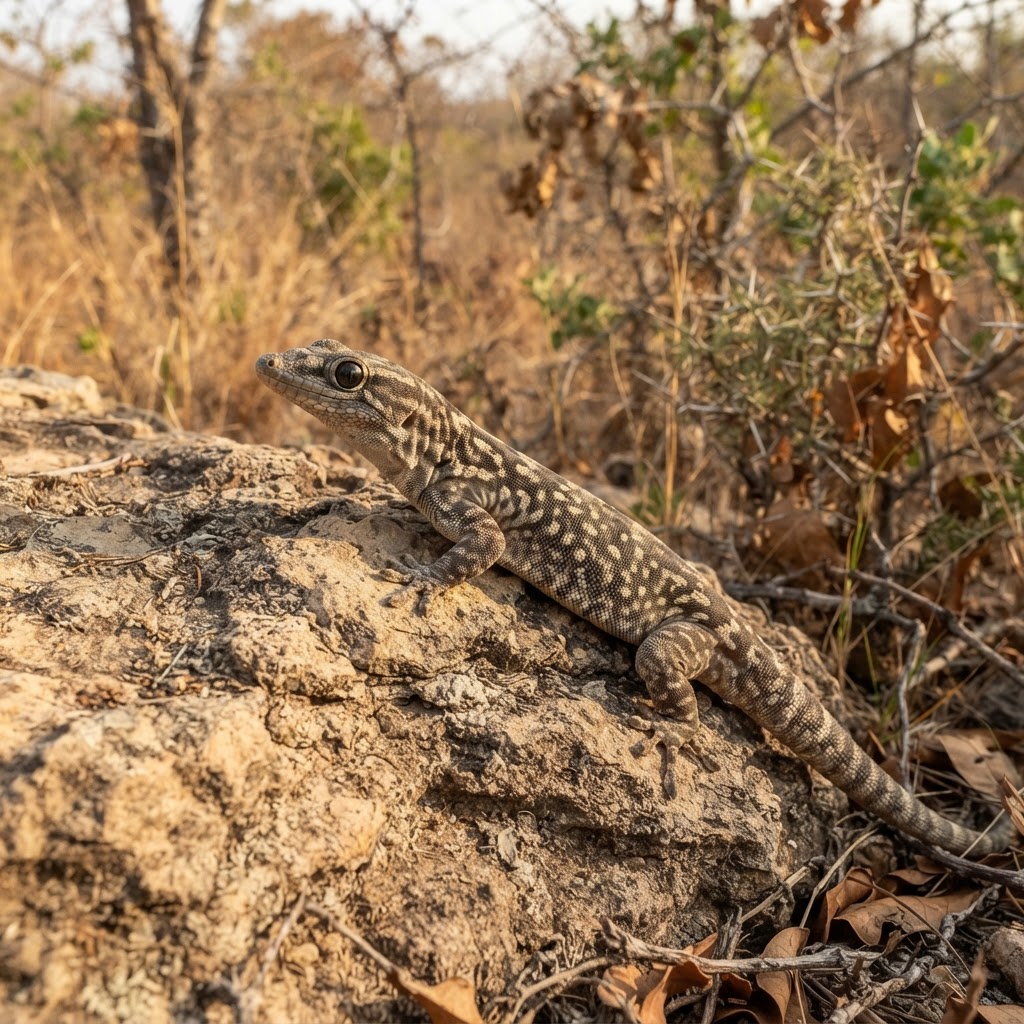
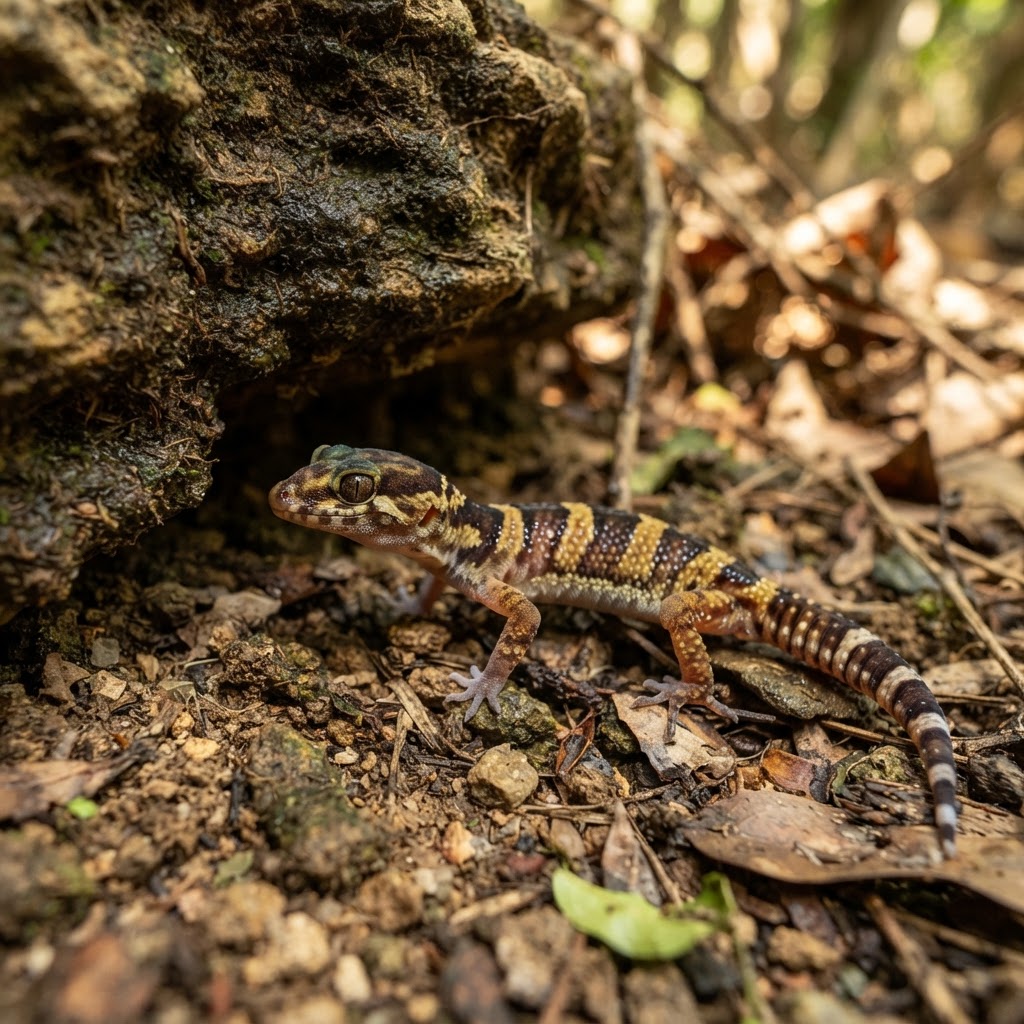
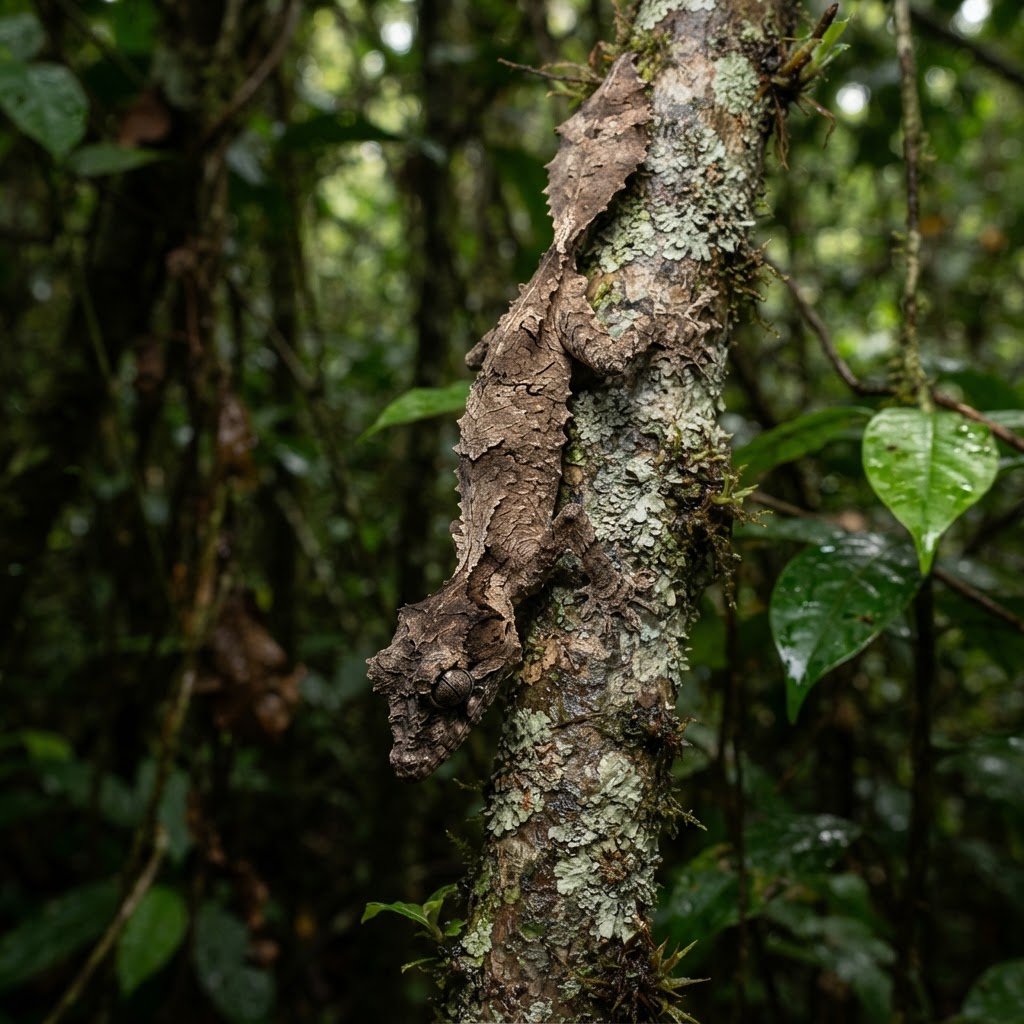


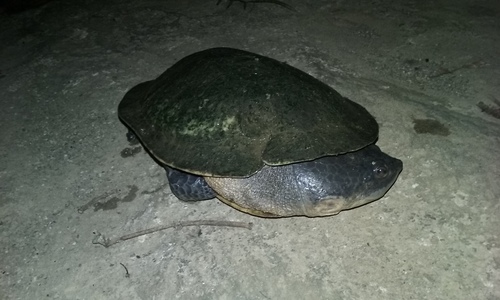

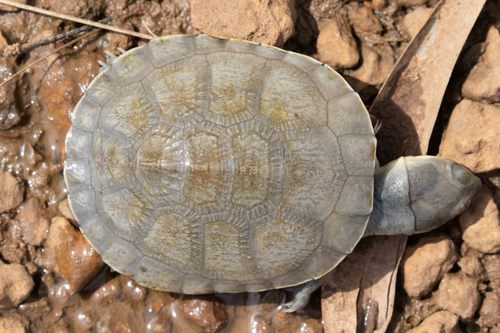
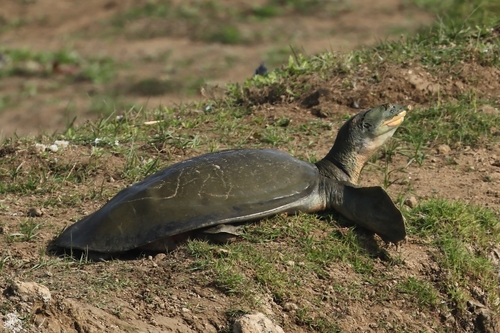
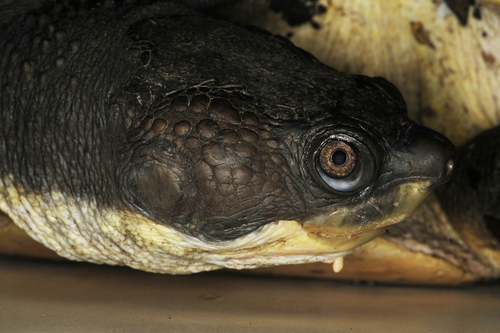
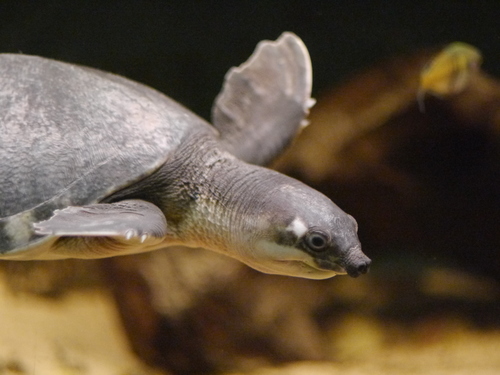
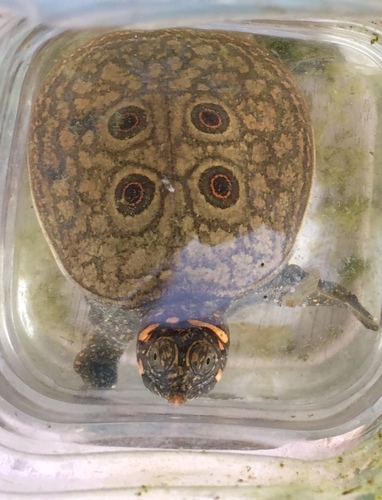
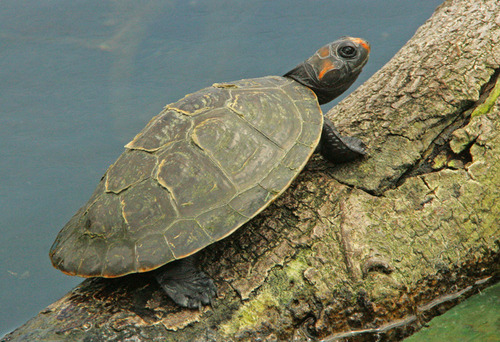
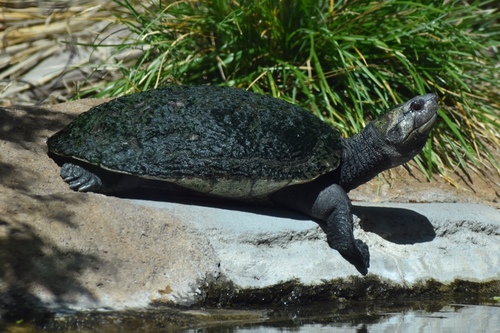
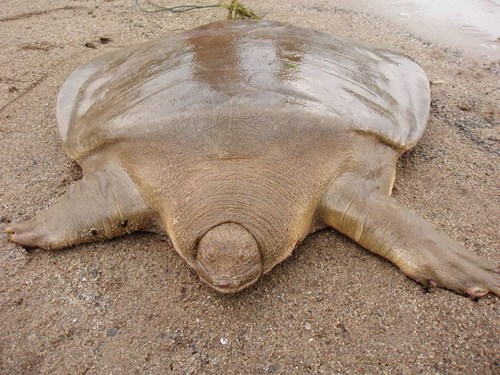
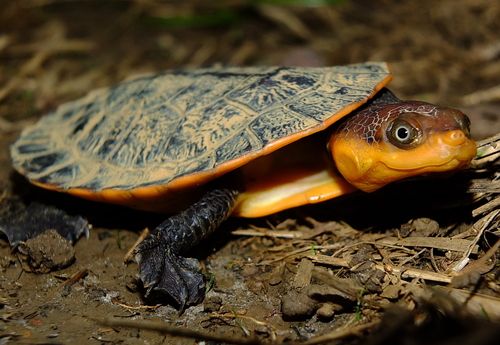
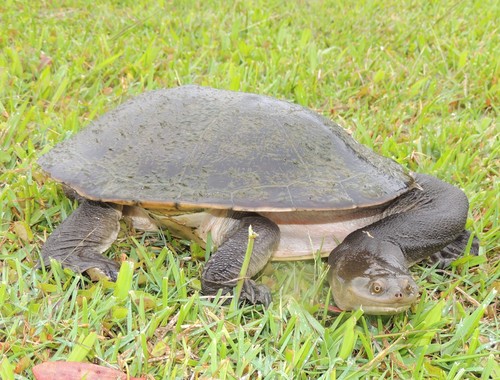
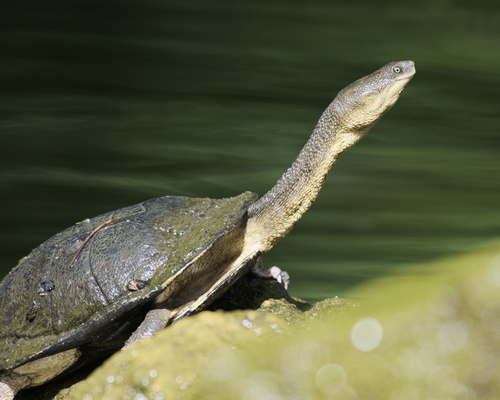

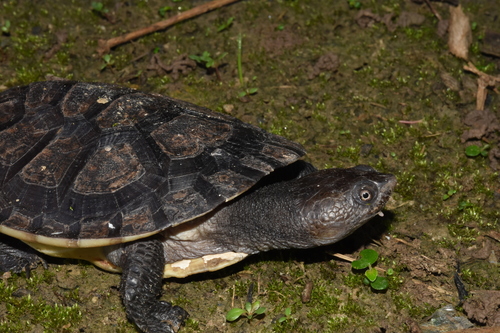
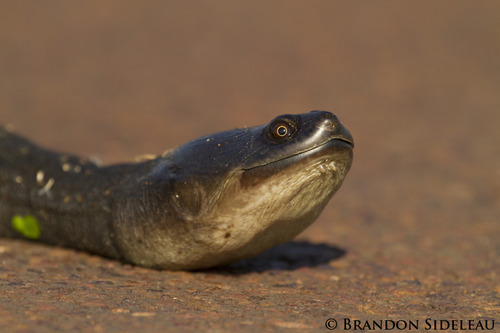
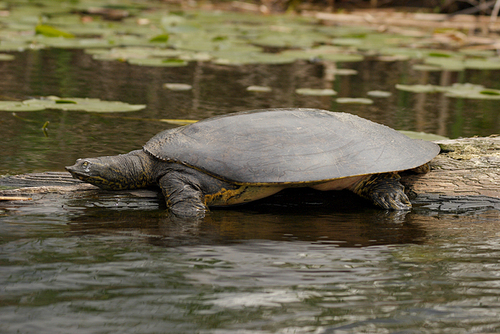
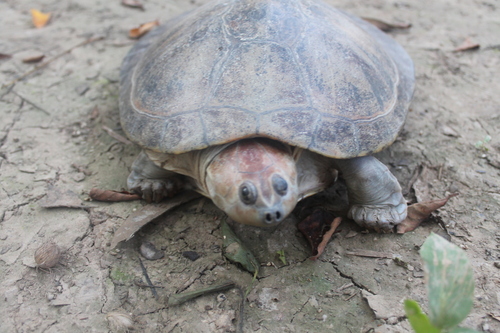


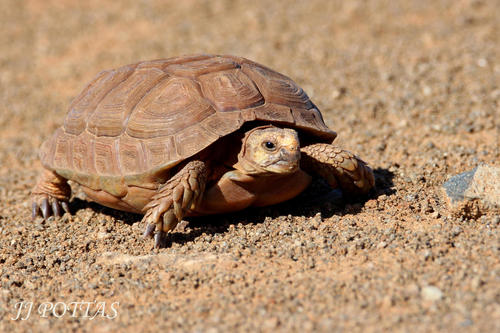
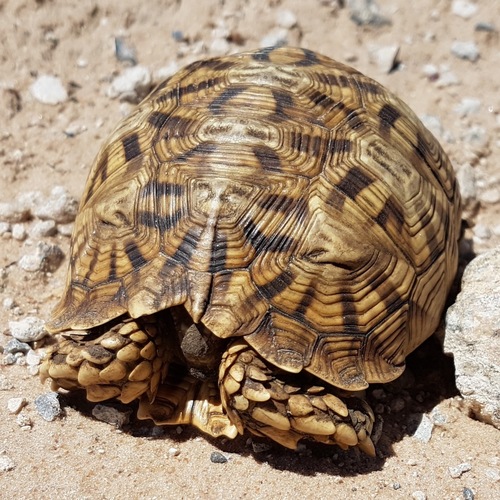
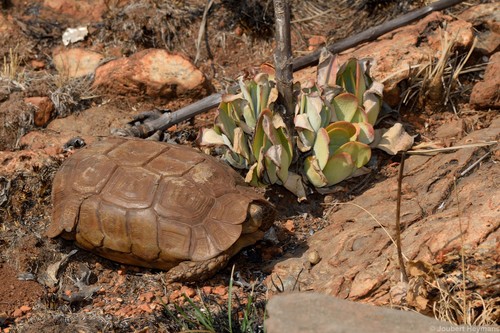
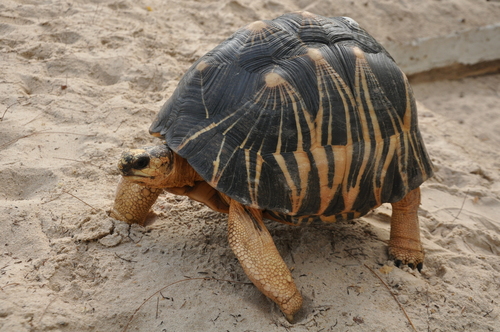


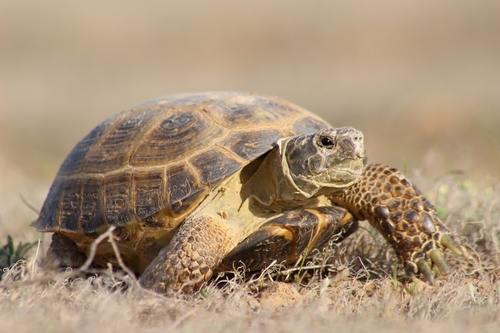
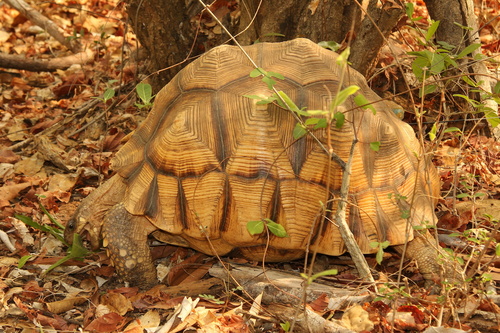
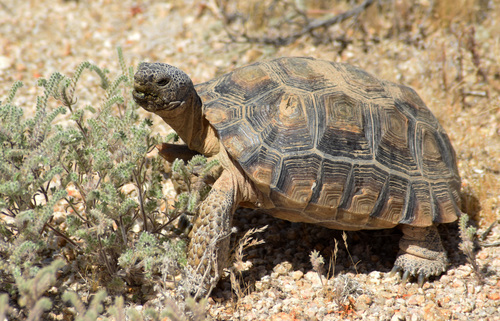
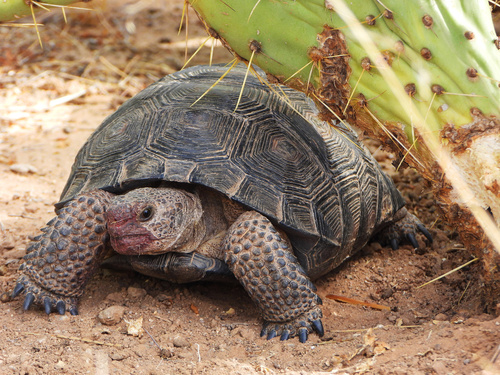

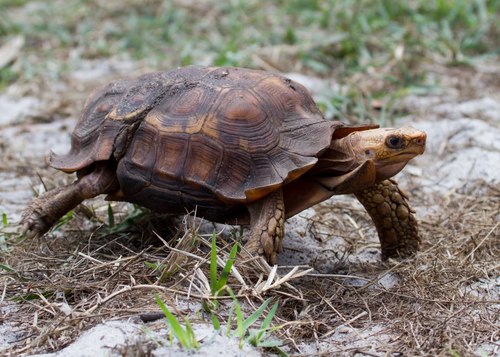


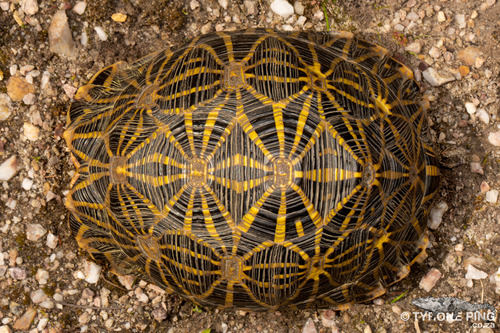
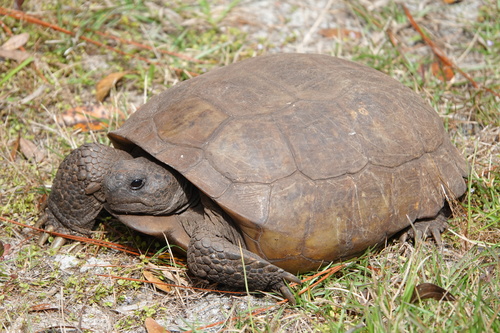

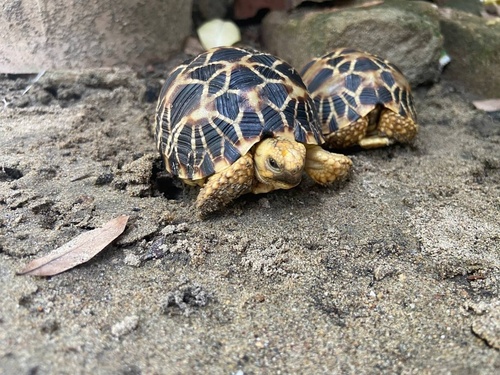
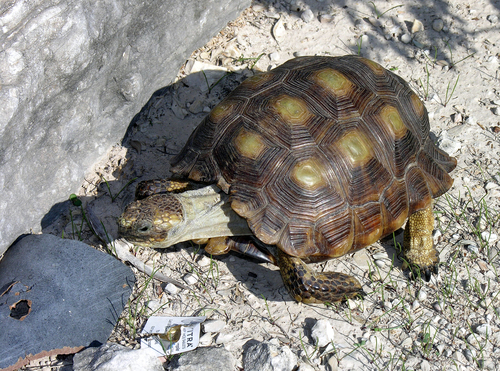























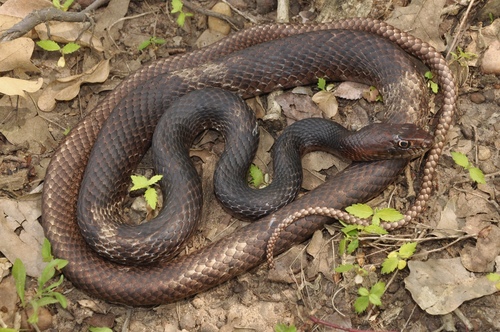

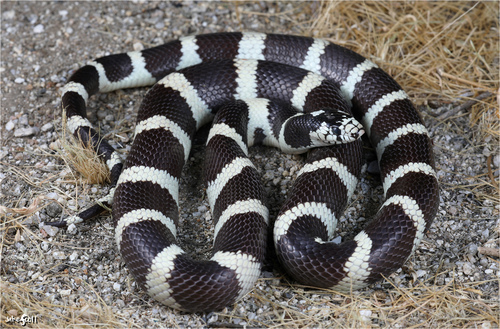


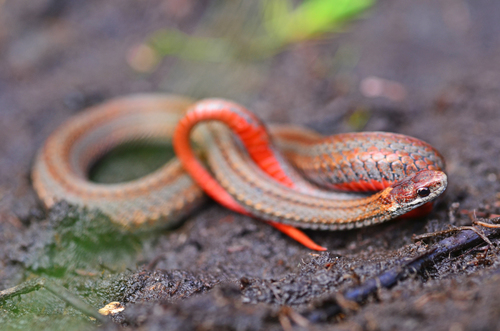


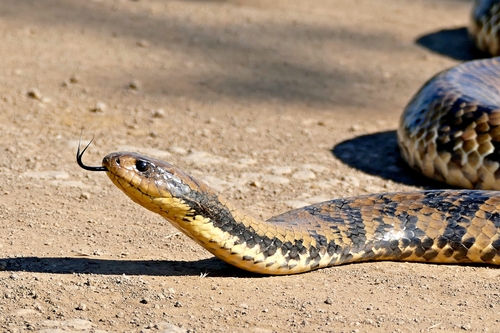


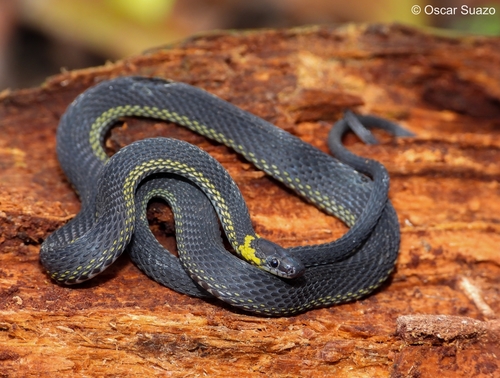

















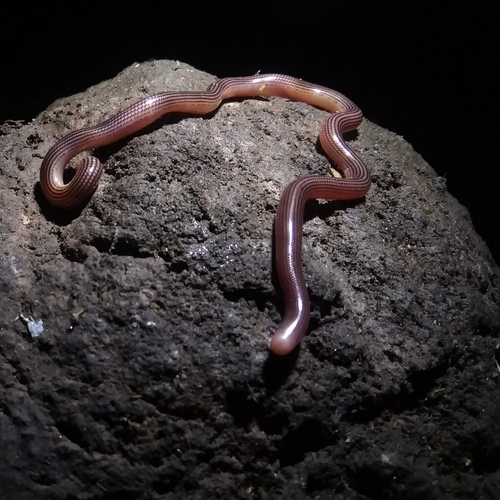


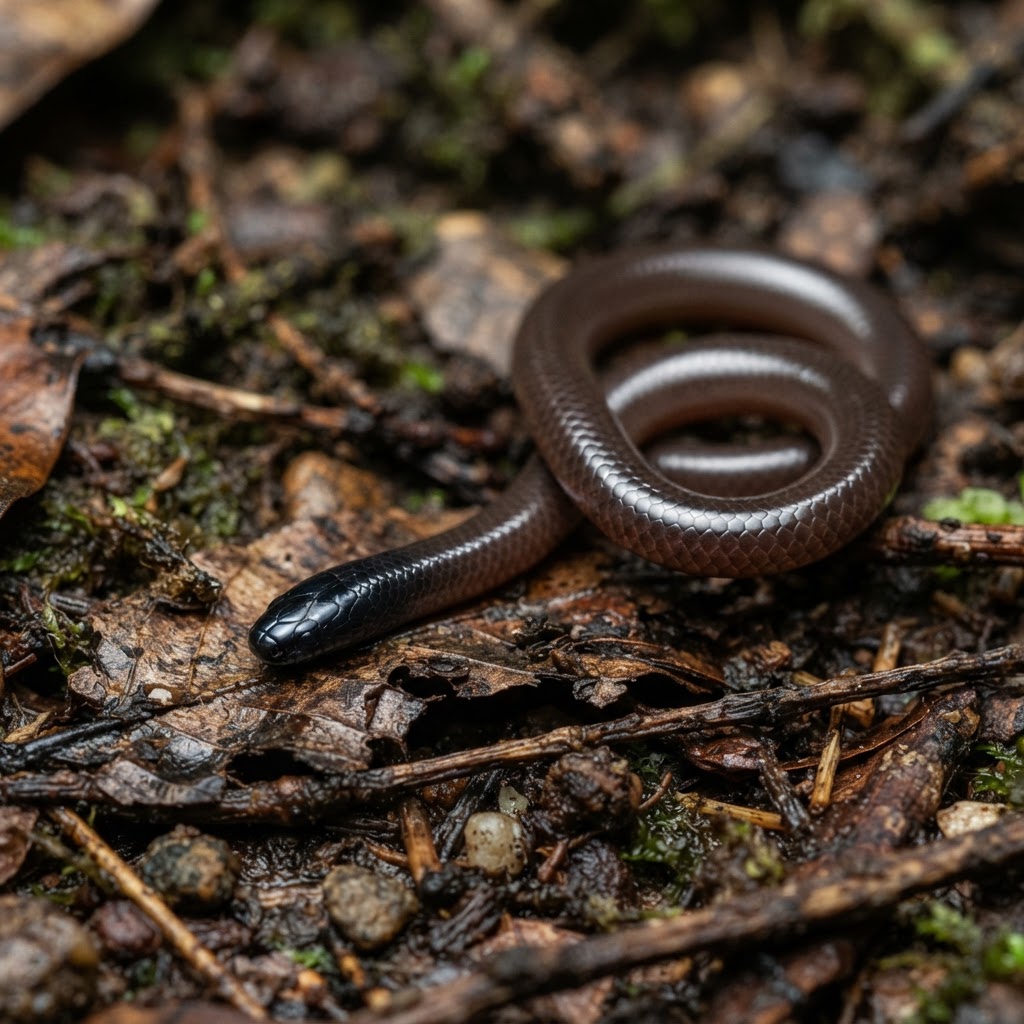


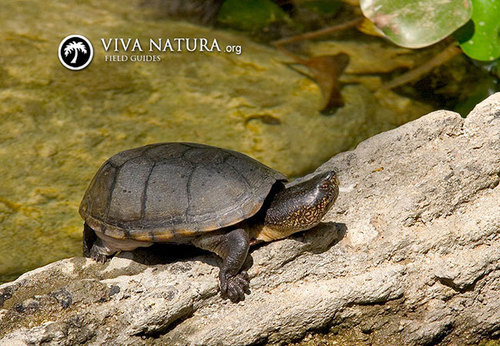


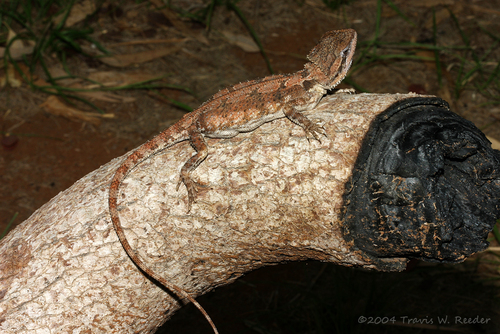








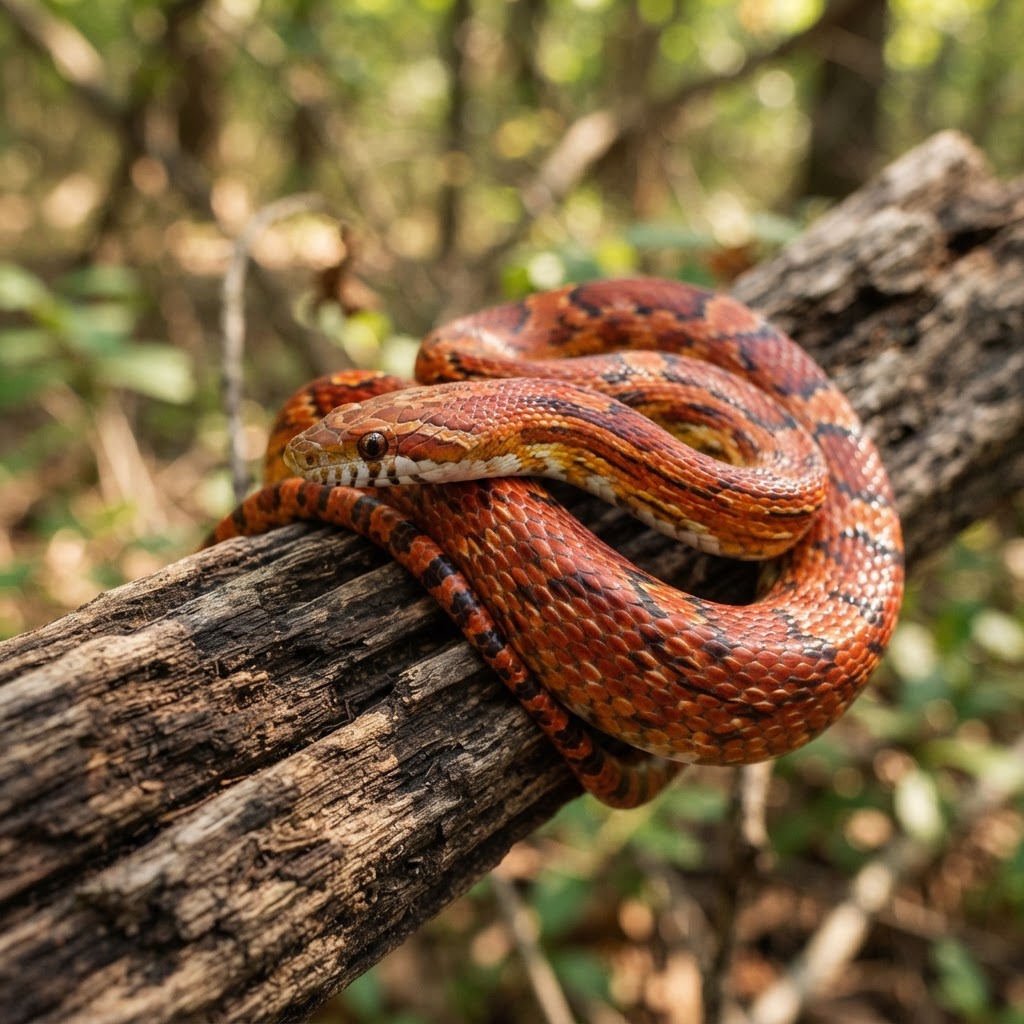
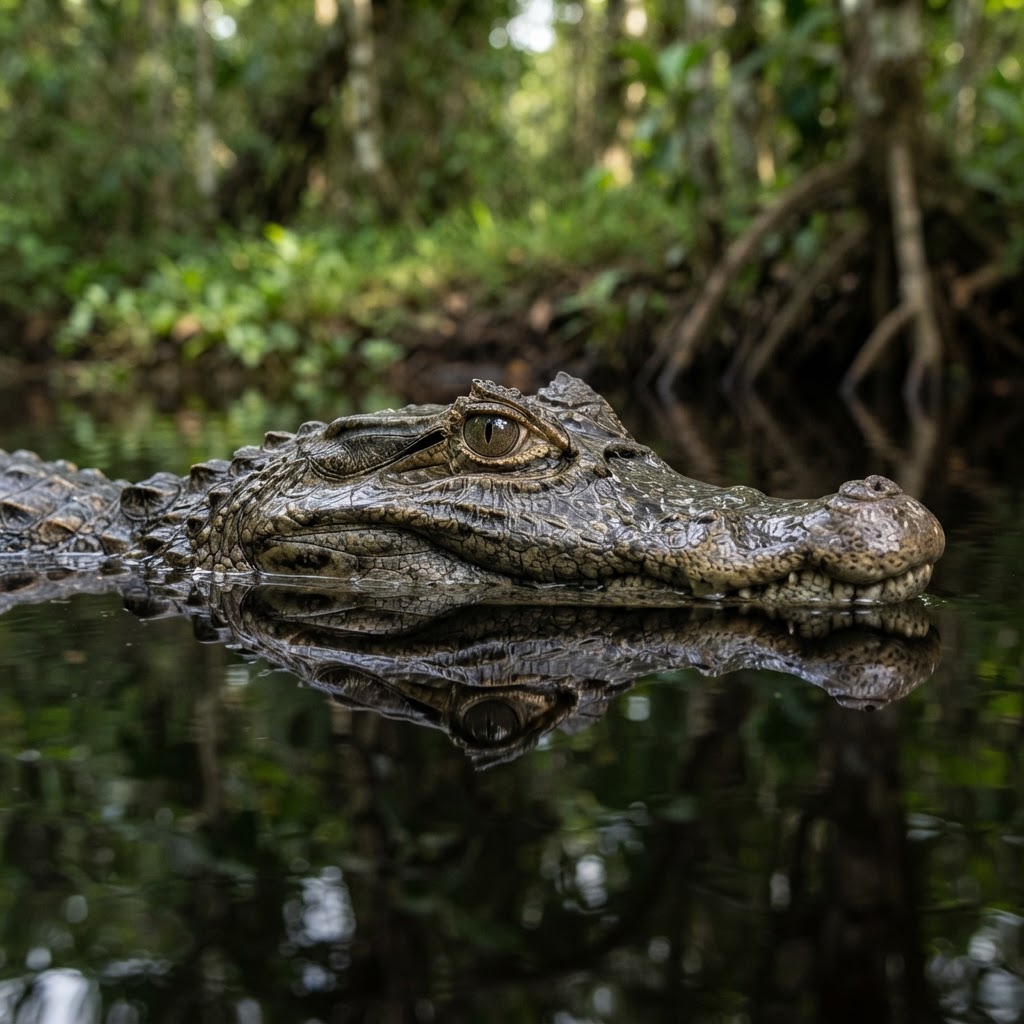

Seasonal Feeding Alerts
Current feeding schedules based on seasonal changes
Autumn
0 species
Spring
0 species
Feeding Dashboard
Bulk Import
Upload spreadsheets to quickly populate your species catalog and feeding logs
Reptile Species
Expected columns
common_name, scientific_name, category, natural_habitat, geographic_range, description, size, diet, image_url, conservation_status
Click to upload a CSV or Excel file
.csv, .xlsx, or .json supported
Feeding Logs
Expected columns
species_name, feeding_date, food_type, quantity, weight_grams, notes, completed
Click to upload a CSV or Excel file
.csv, .xlsx, or .json supported
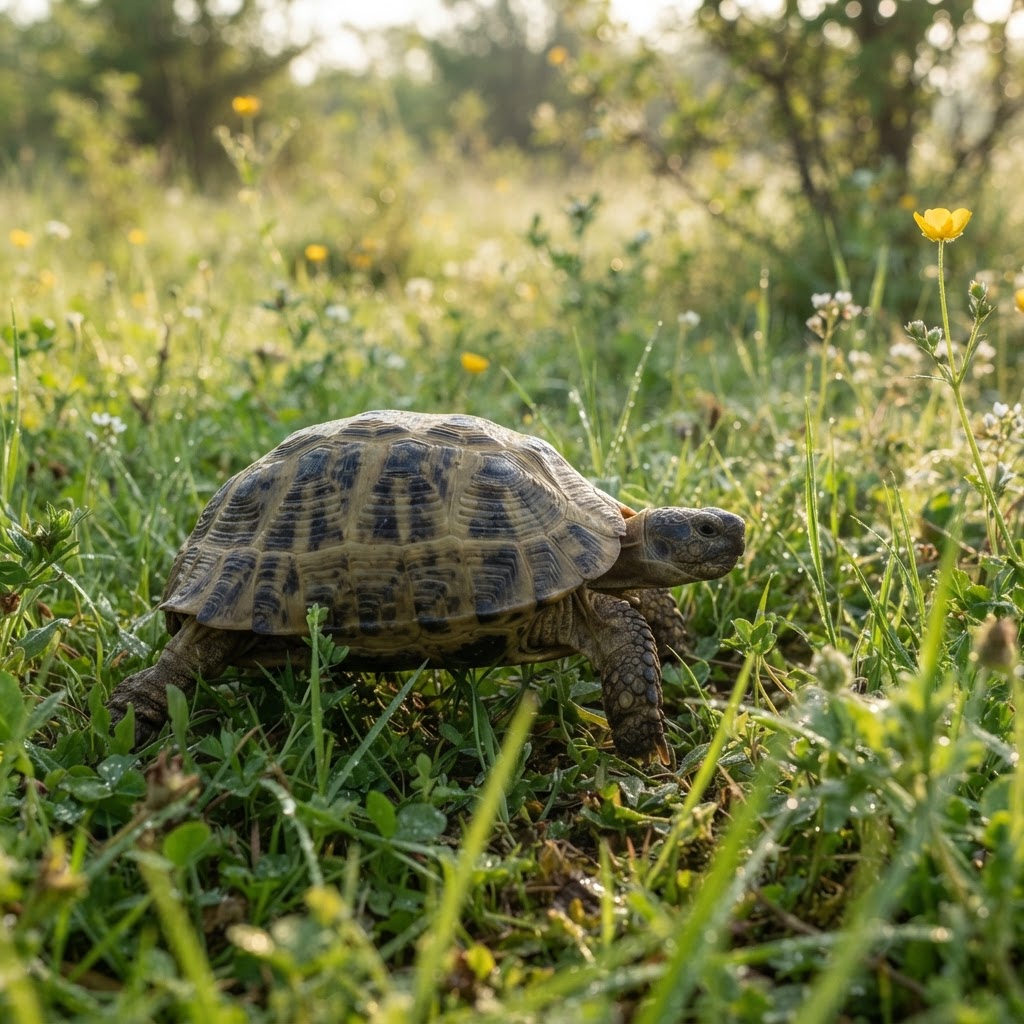
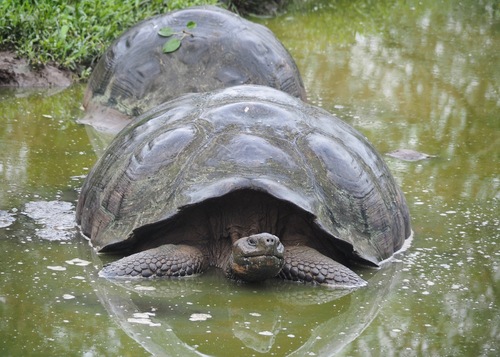
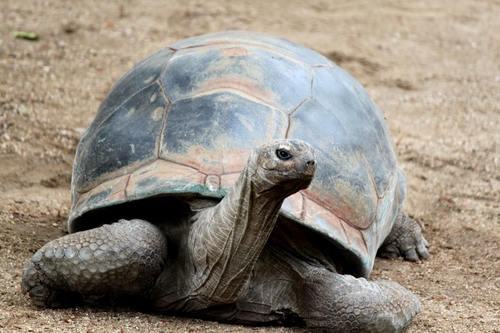
Galápagos Tortoise
Chelonoidis niger
Volcanic islands with varied vegetation zones
Galápagos Islands, Ecuador
48-60 in (120-150 cm)
Herbivorous: grasses, leaves, fruit, cactus
Recommended Tank Sizes
Enclosure size guidance by life stage for Galápagos Tortoise. General guidelines — always research species-specific requirements and size up whenever possible.
10–20 gal (38–76 L), 20"–30" long (51–76 cm)
30–40 gal (114–151 L), 36" × 18" (91 × 46 cm)
40–50 gal (151–189 L), 36"–48" × 18" (91–122 × 46 cm)
50–75 gal (189–284 L), 48" × 18"–24" (122 × 46–61 cm)
Ferguson Zone & UVB
The Ferguson Zone system categorizes reptiles by their natural UVB exposure needs, guiding lighting choices.
Temperate species benefit from low-to-moderate UVB (5–6% T5). They bask intermittently and seek cover in foliage and leaf litter. Provide a gradient with both light and shaded zones.
Zone 1
Crepuscular / Shade
Zone 2
Occasional Basker
Zone 3
Open Sun Basker
Zone 4
Full Sun Lover
Temperature Gradient
basking surface
85–90°F (29–32°C)
warm ambient
75–82°F (24–28°C)
cool side
68–75°F (20–24°C)
Humidity
40–60%
Lighting & Photoperiod
5–6% T5 HO UVB bulb. Halogen or incandescent basking bulb. 12 hr photoperiod in summer, 8–10 hr in winter to simulate seasonal changes.
Heating
Overhead basking bulb. Ceramic heat emitter or heat mat for supplemental warmth if ambient drops too low, especially for tropical temperate species.
Decor & Furnishings
- •Cork bark hides and logs
- •Live or artificial plants (Spider Plant, Ferns)
- •Leaf litter (oak, maple) for natural cover
- •Rocks for basking and structure
- •Shallow water dish
Setup Notes
Some temperate species benefit from a brumation (cooling) period in winter — research species-specific needs. Maintain moderate humidity with occasional misting. Leaf litter enriches bioactive setups.