The Reptile Atlas
Explore the world's reptile species — snakes, lizards, turtles, crocodilians, and more. Discover their habitats, diets, and seasonal feeding guides.
Massive thanks to everyone who has visited the site almost 8k and I really hope it helps yinz out. Google play store app in the works!!!!! Log in for more features
The app is in the testing stage and I'm looking for Android users to help test it out. If interested, you can email me at geckoatlas.support@gmail.com
Seasonal Feeding Alerts
Northern Hemisphere
Autumn
443 species
Southern Hemisphere
Spring
271 species
Current feeding schedule changes
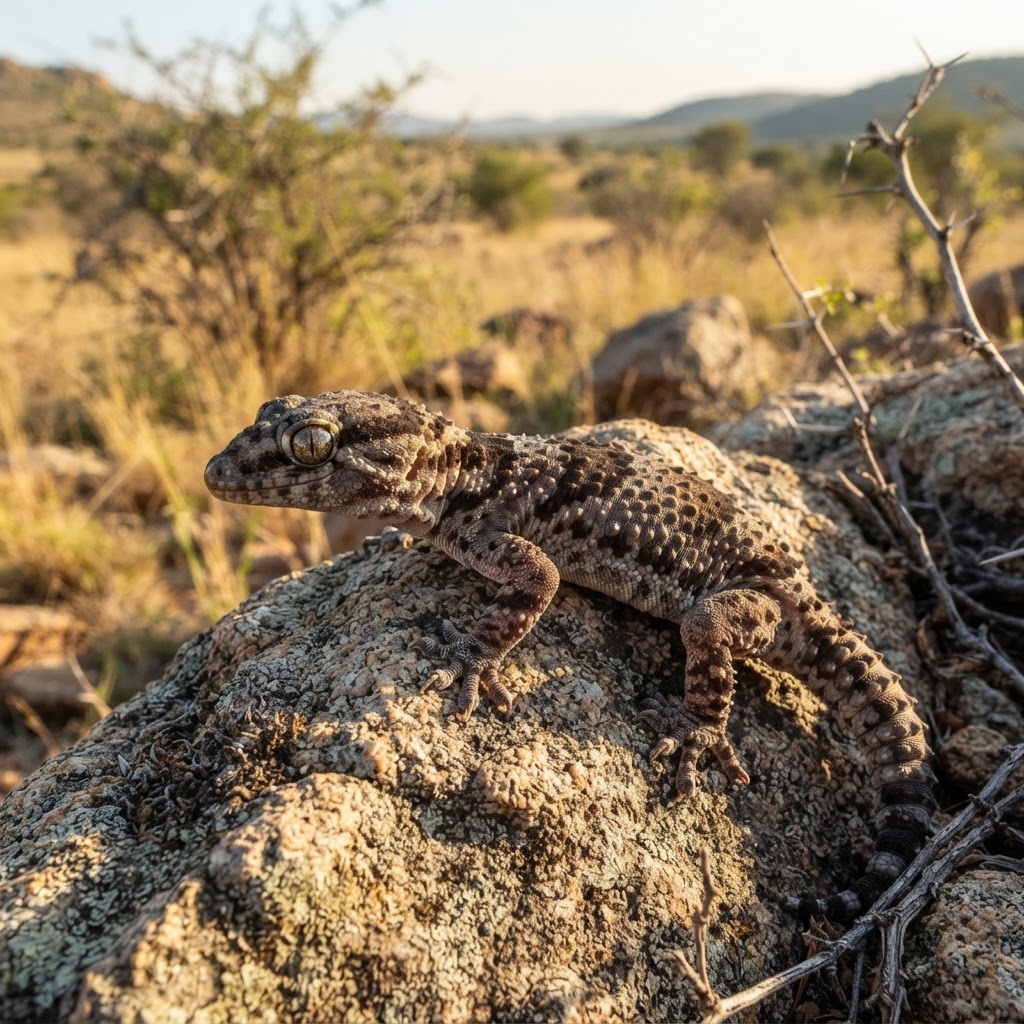
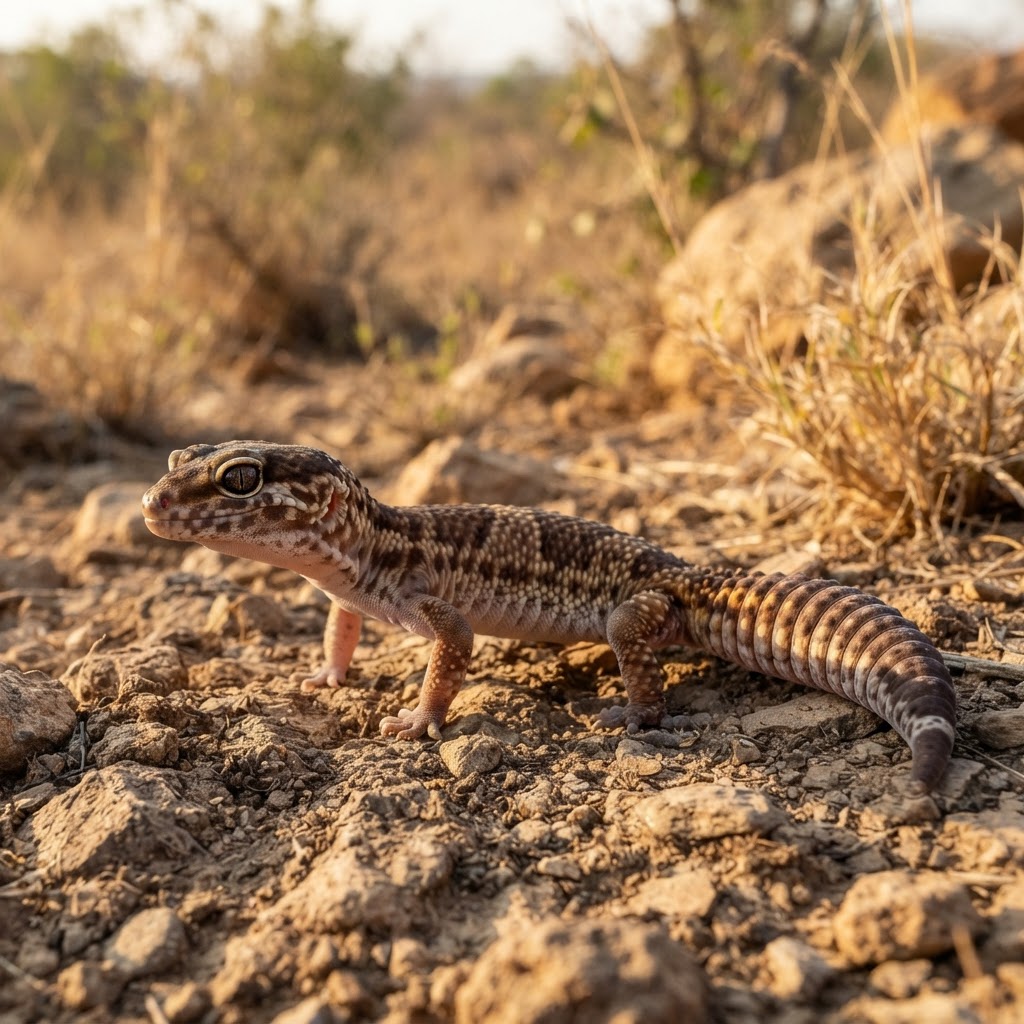
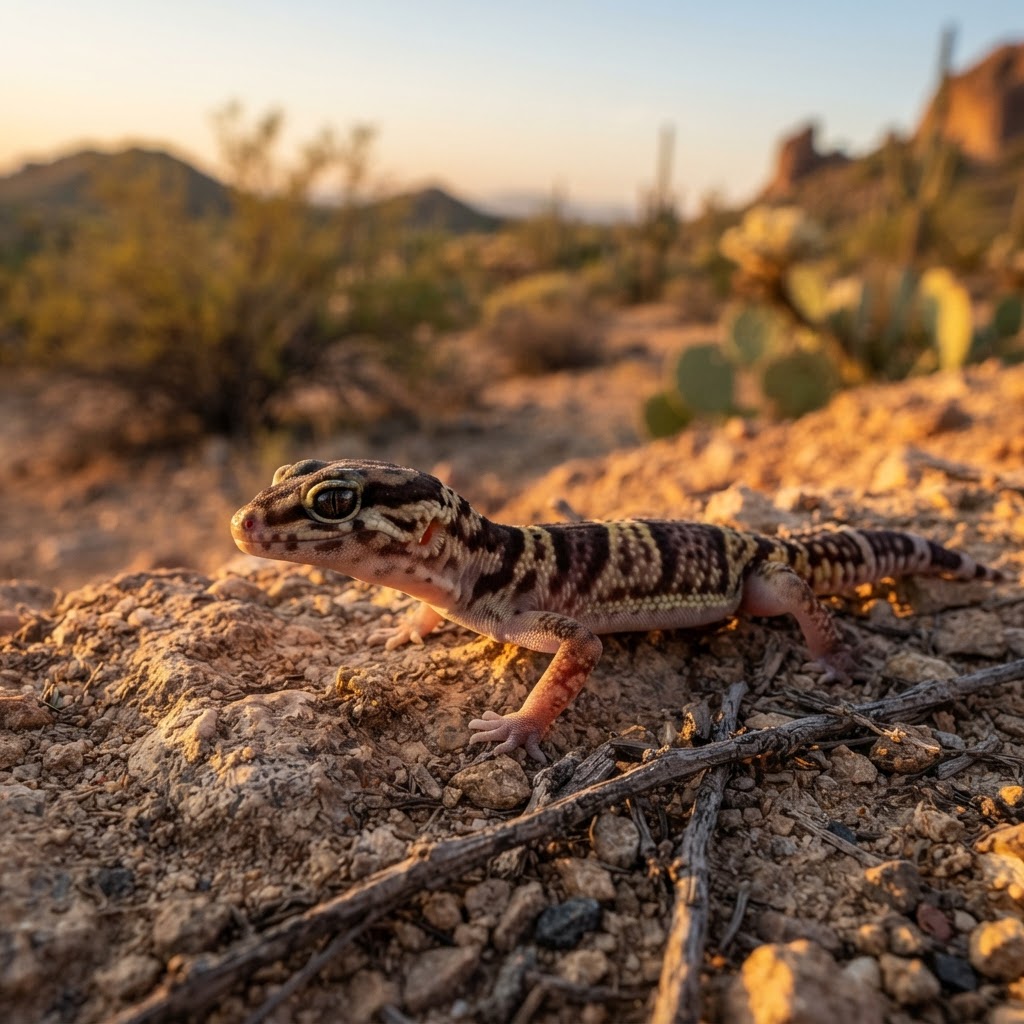
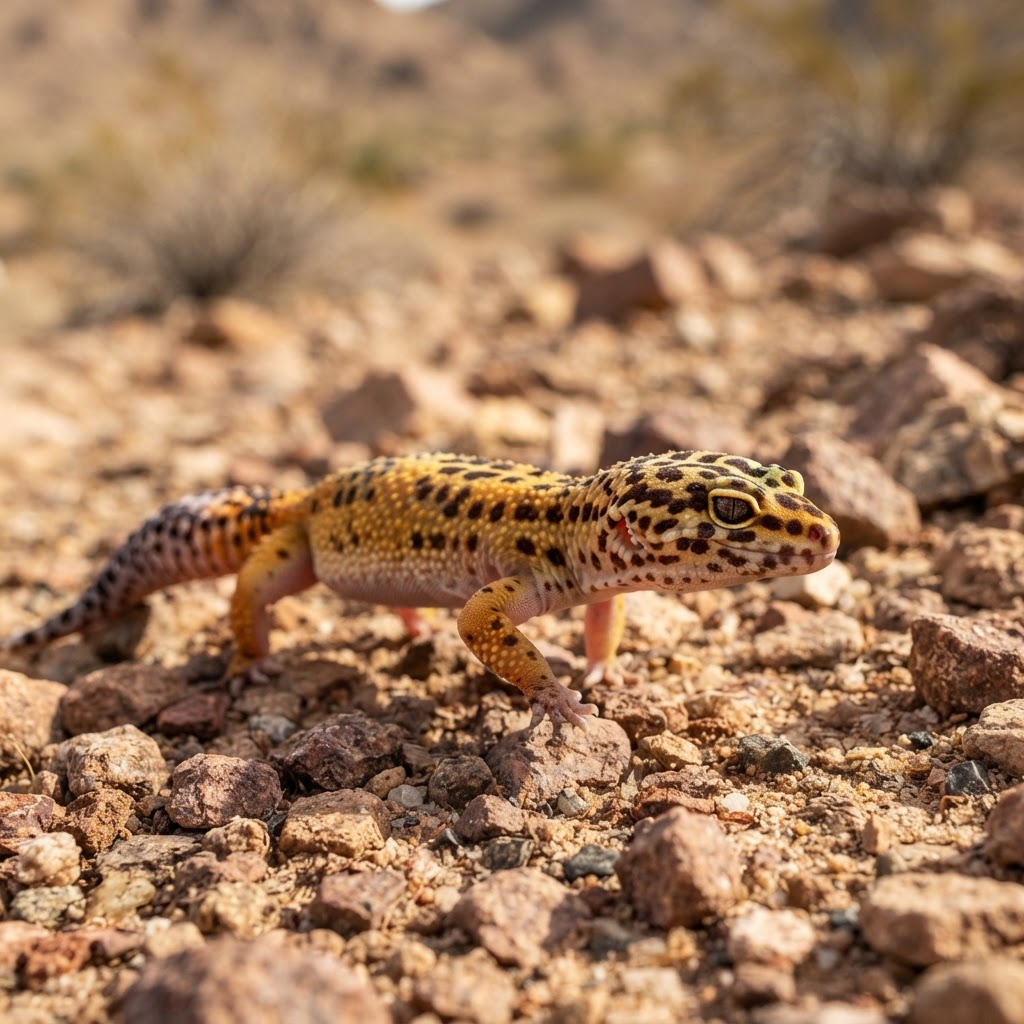
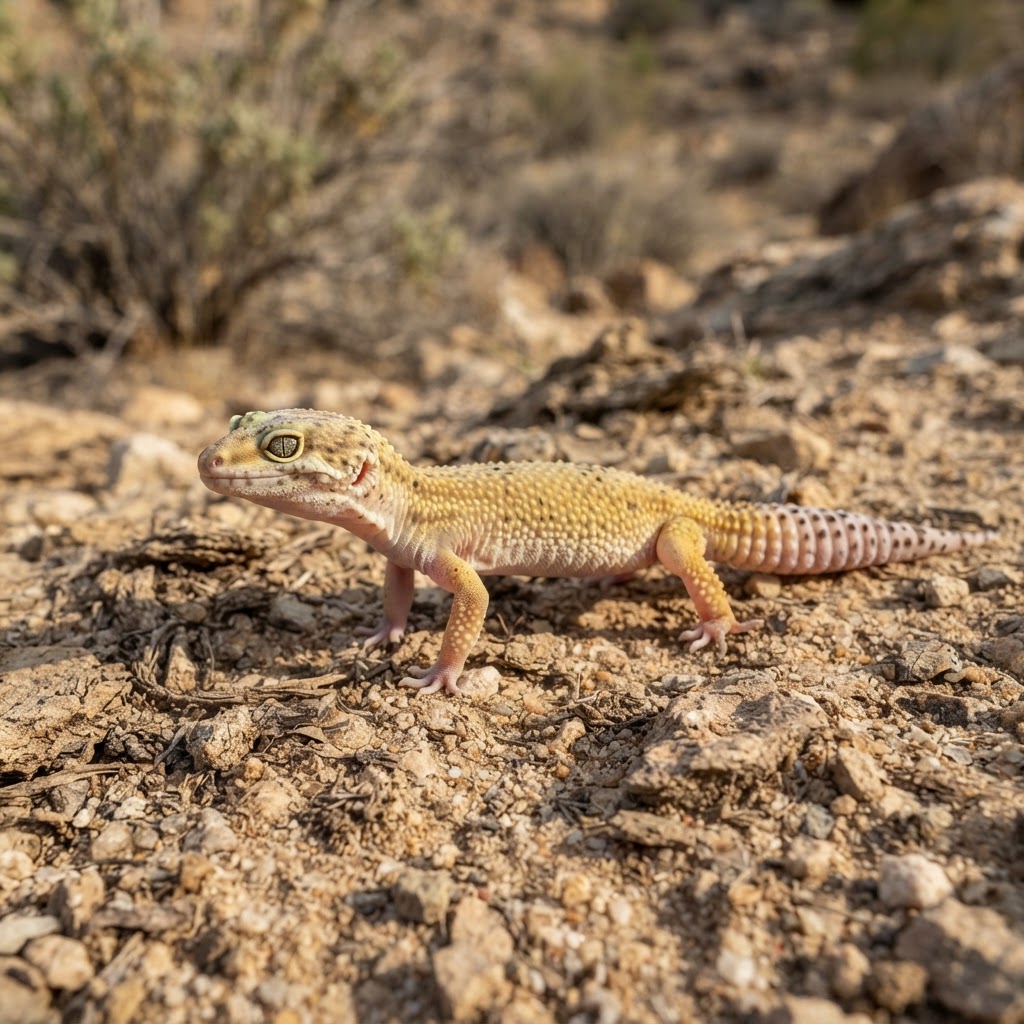
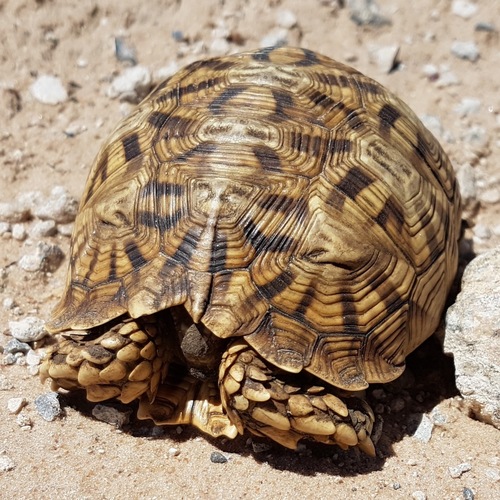
🍂Afghan Leopard Gecko
Autumn: Maintain feeding to build tail fat reserves ahead of winter; 2–3 times per week.
Waxworms & Butterworms
Autumn: Continue cool storage. Monitor for pupation and remove moths.
Silkworms
Autumn: Continue feeding as larvae approach pupation. Maintain clean, dry enclosures.
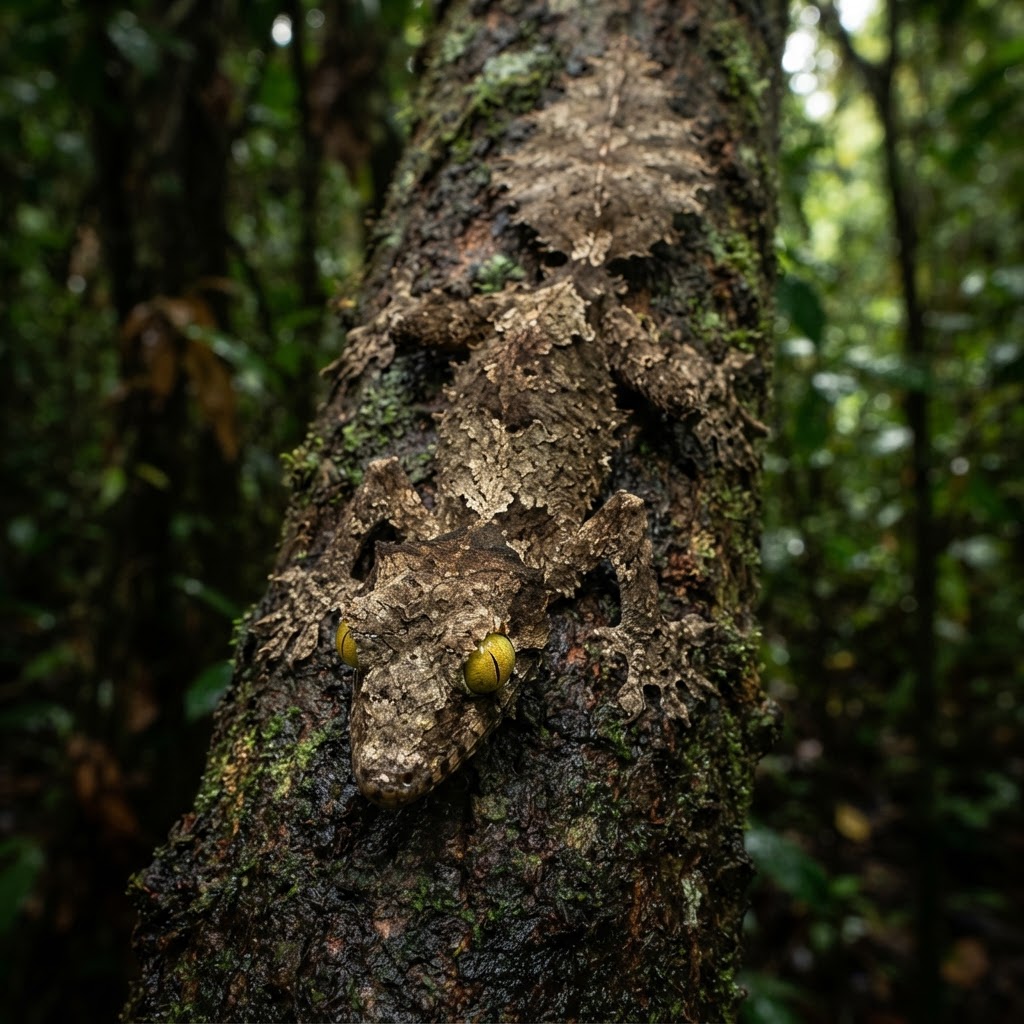
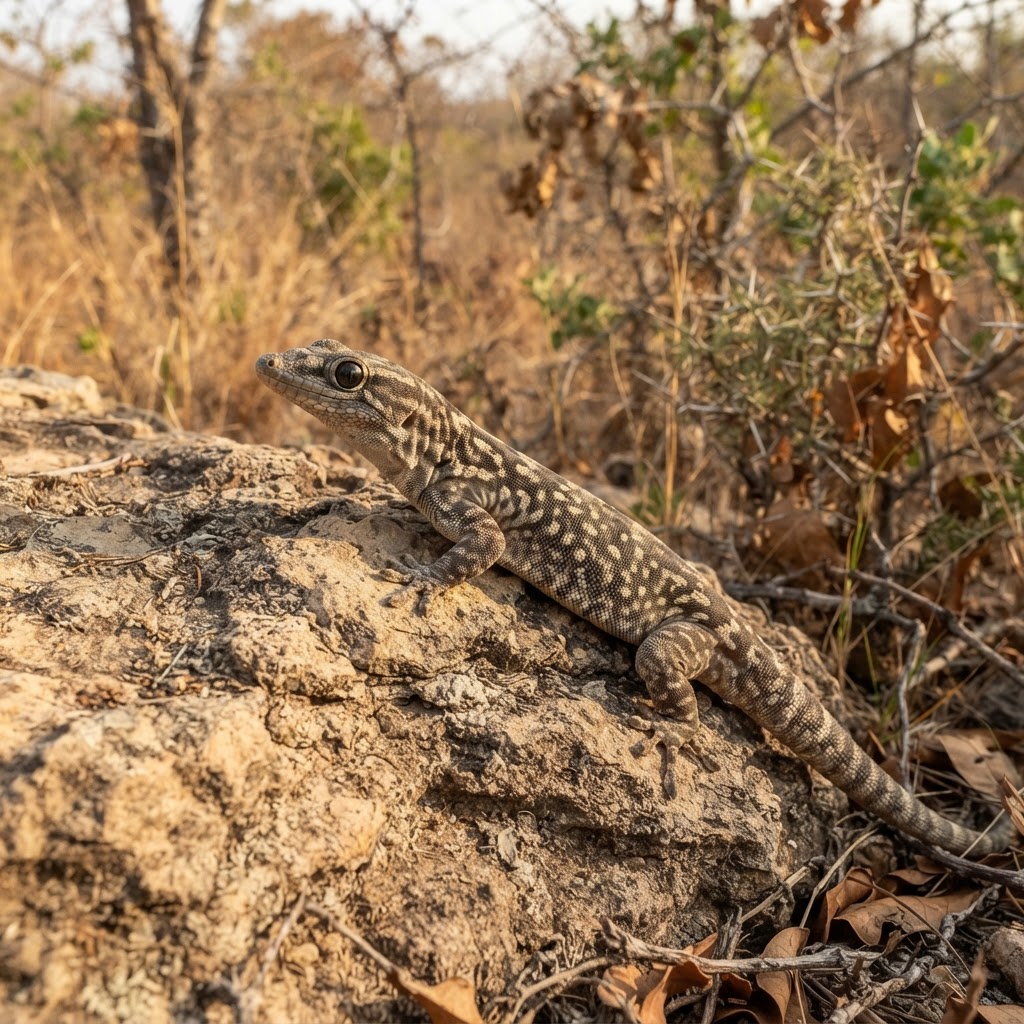
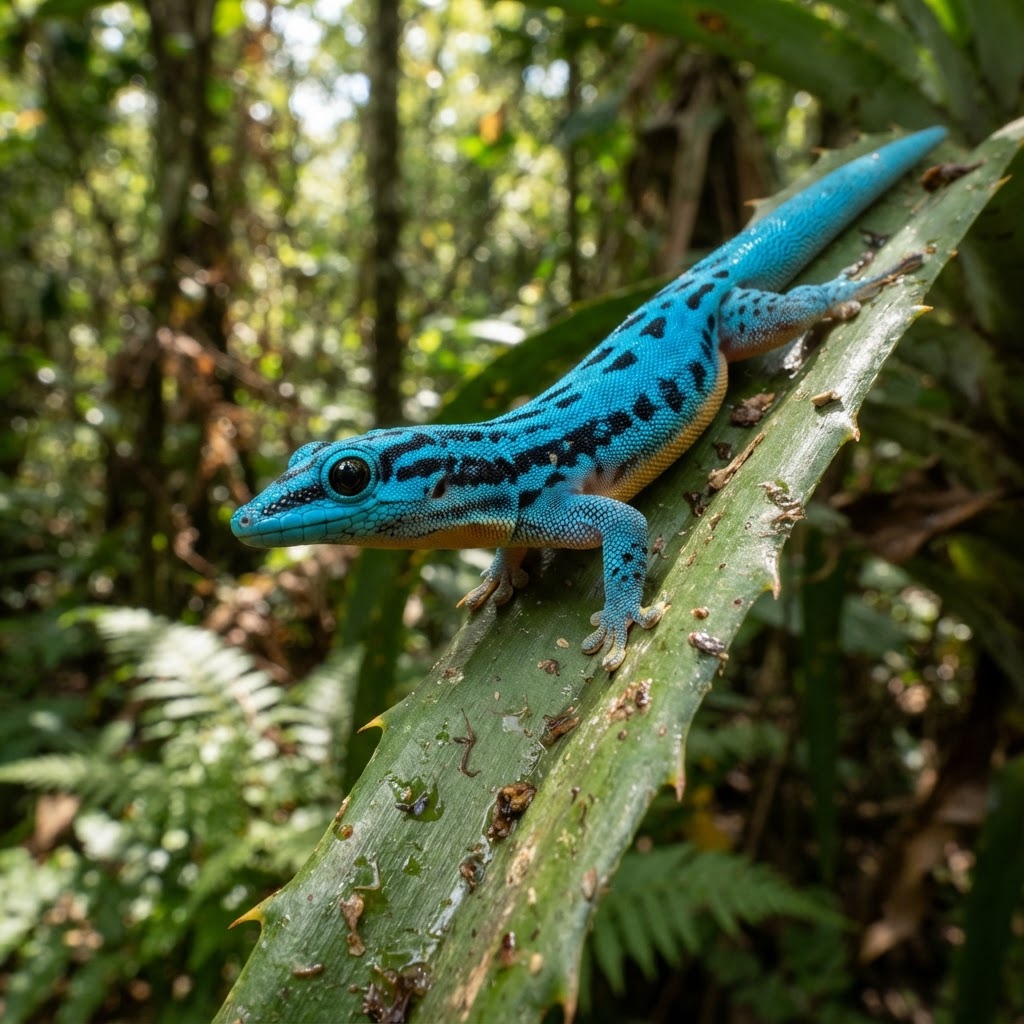
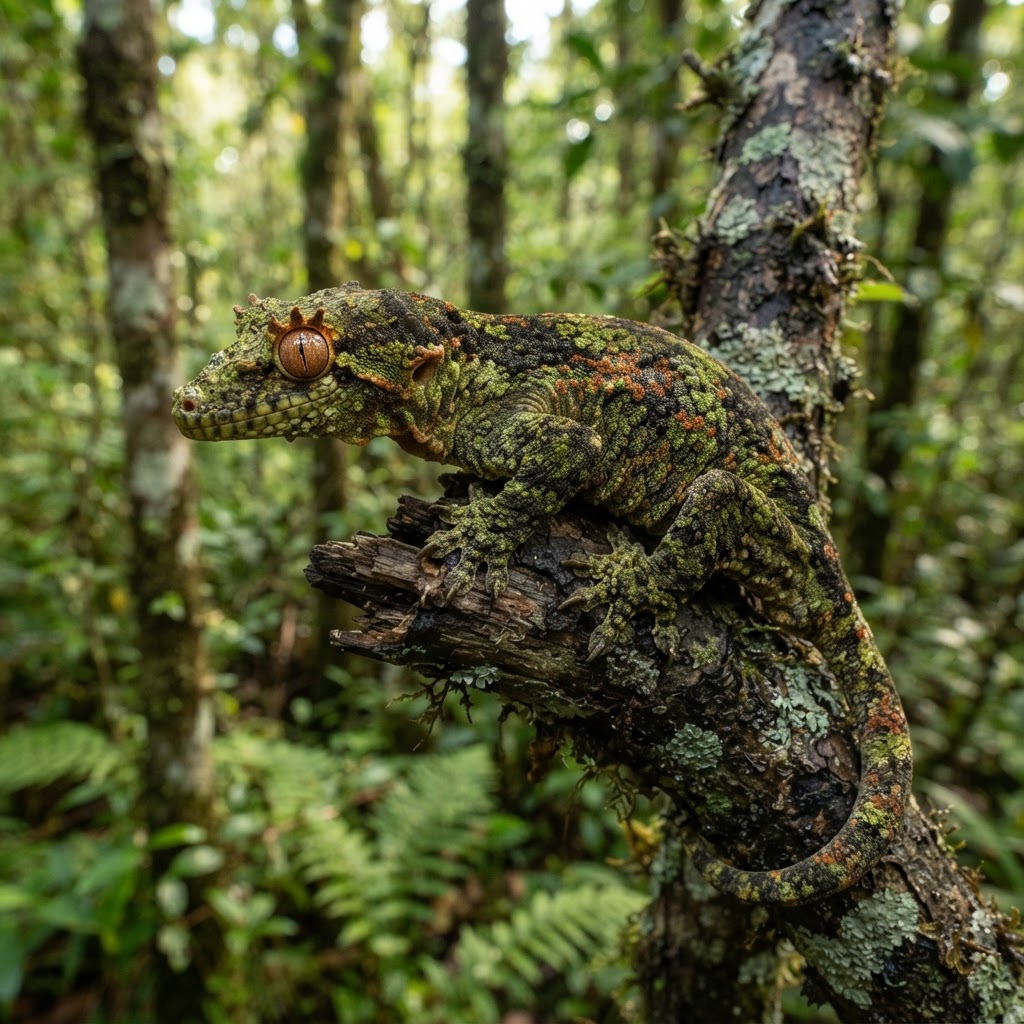
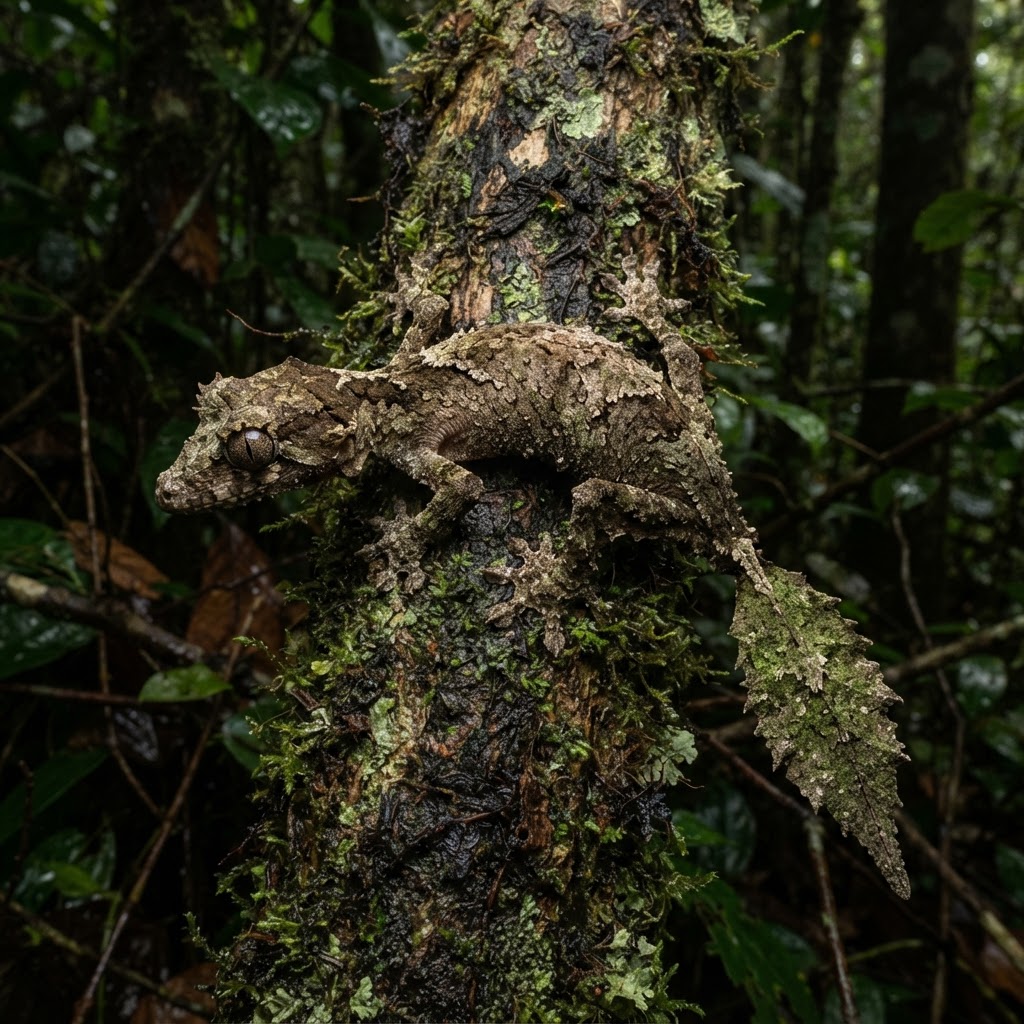
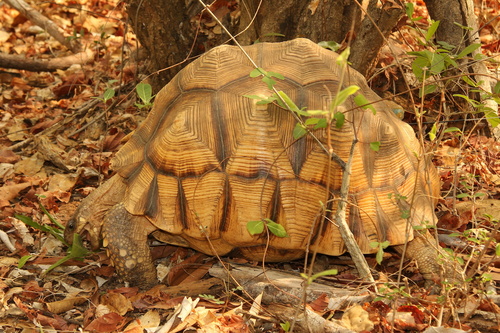
Henkel's Leaf-tailed Gecko
Spring: Increase feeding as temperatures warm; offer appropriately sized insects 3–4 times per week, dusted with calcium.
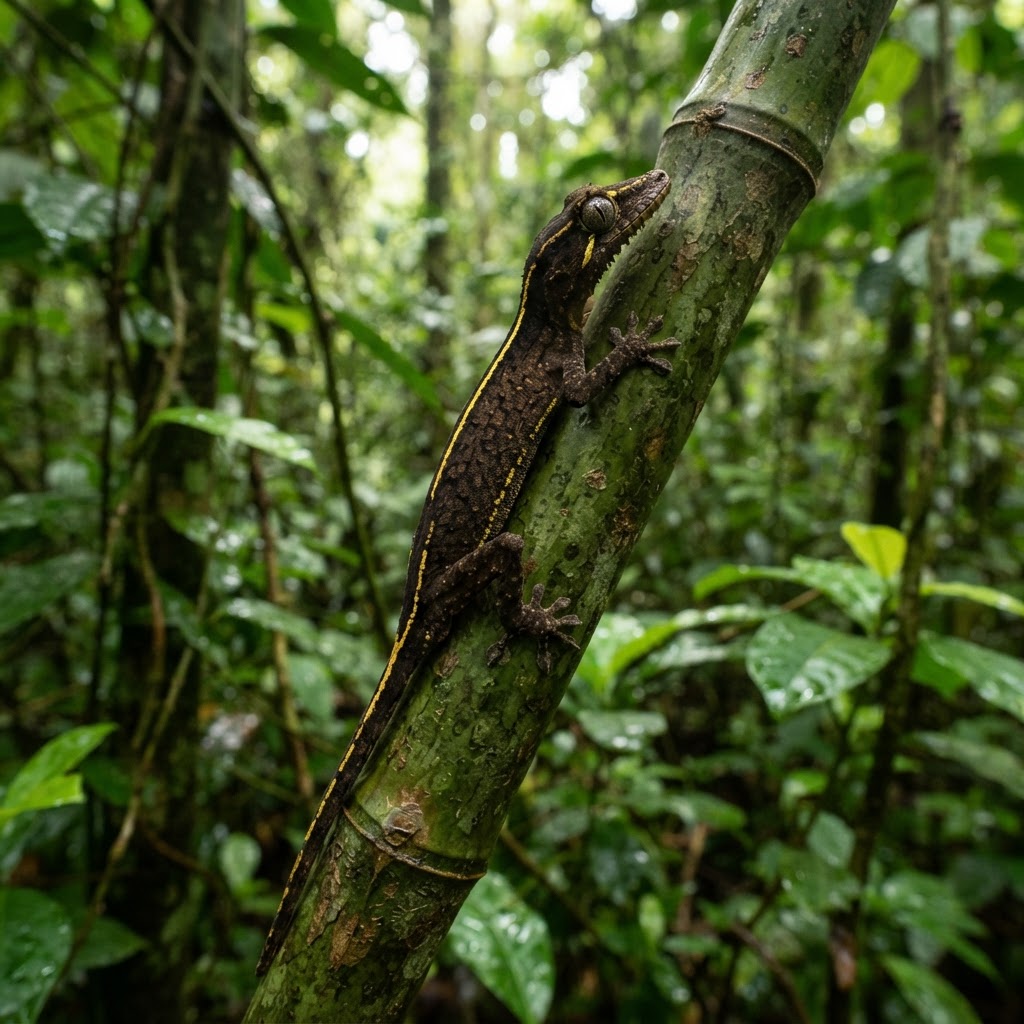
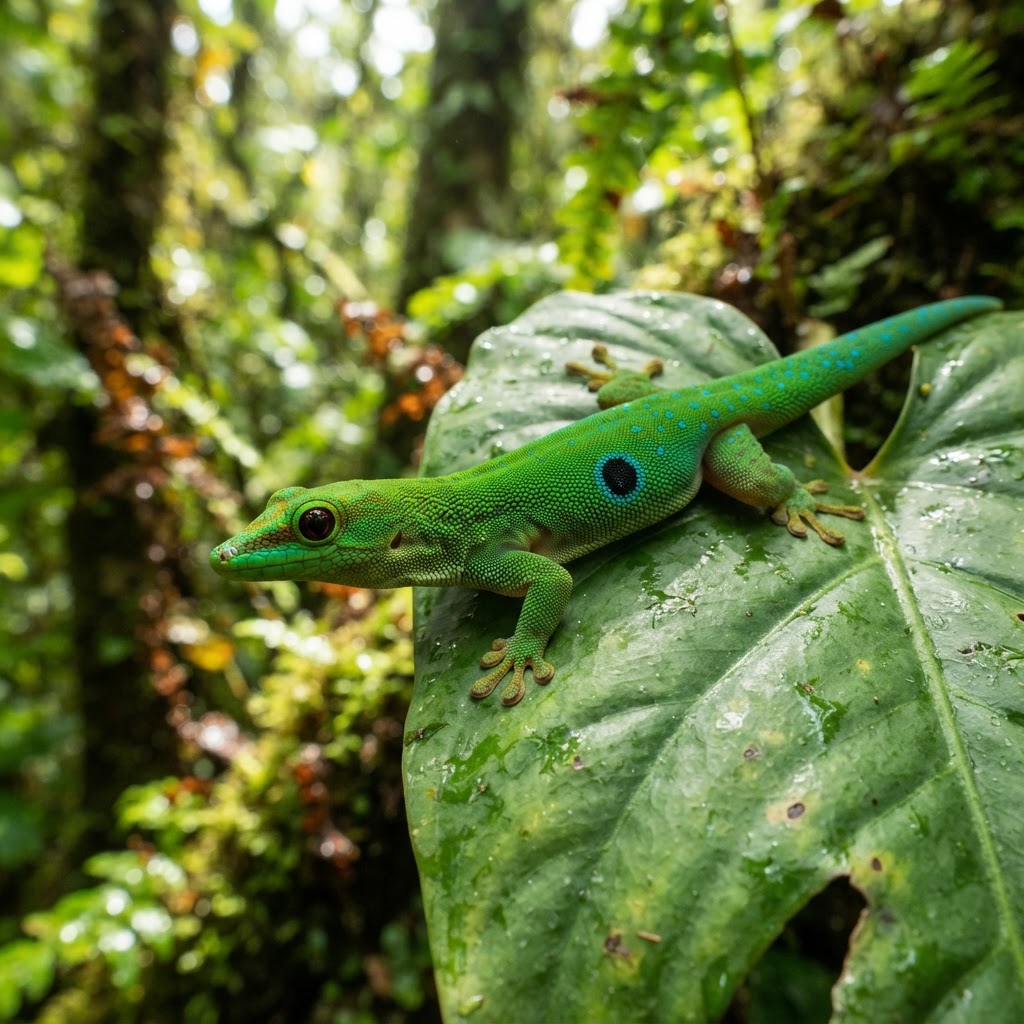
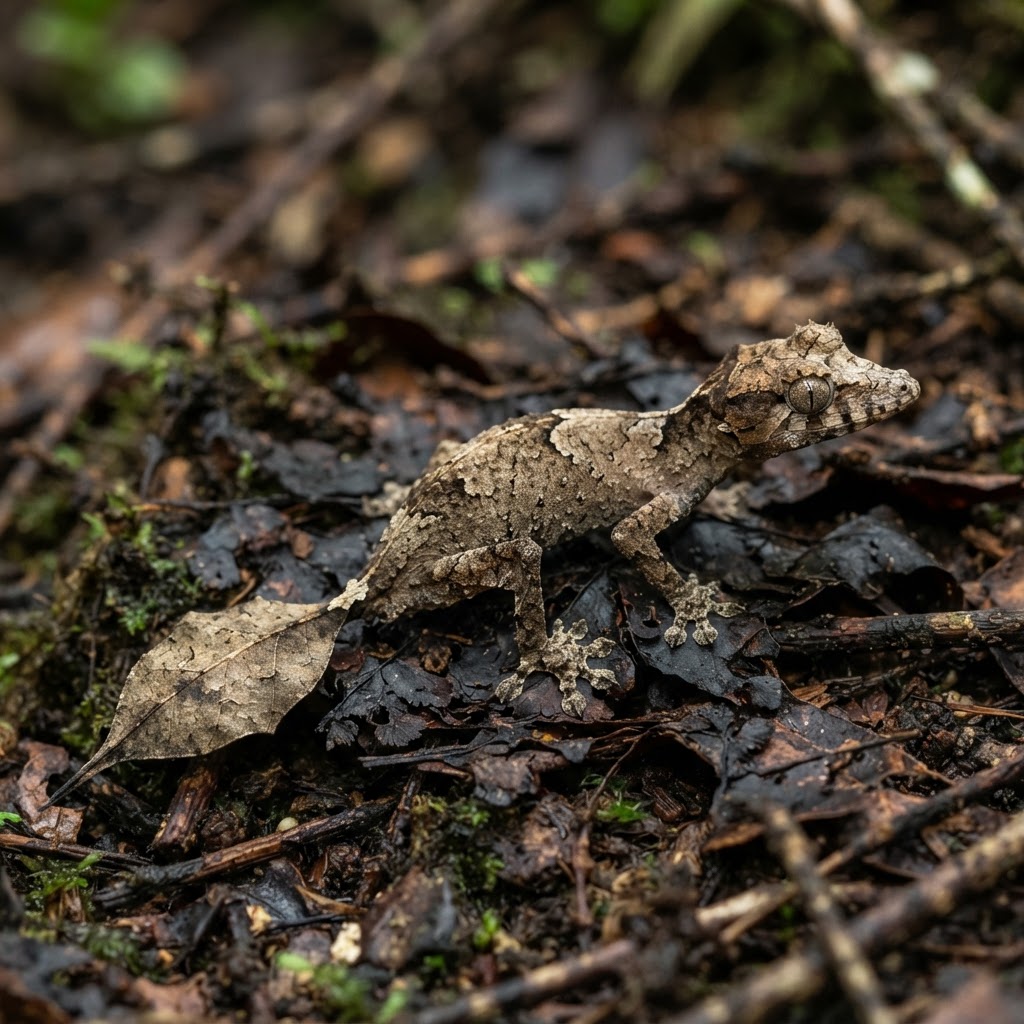
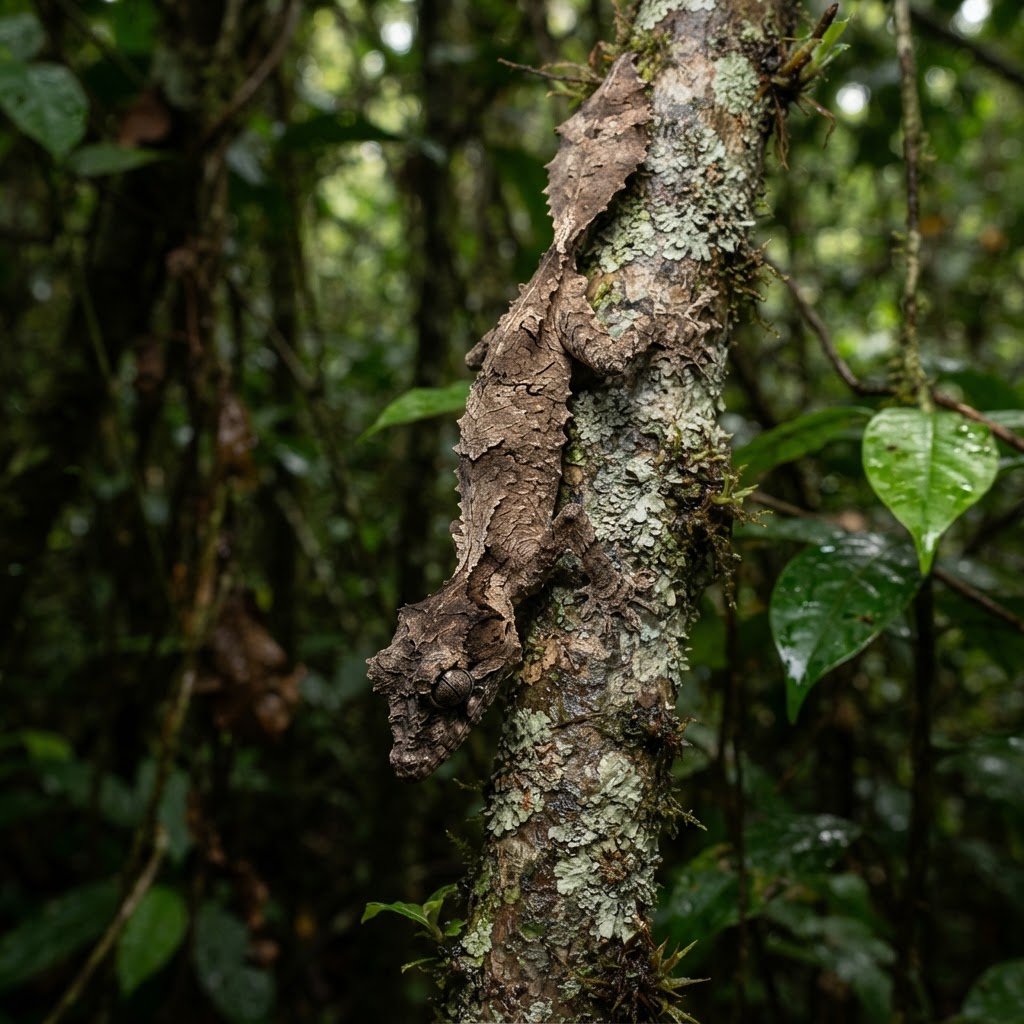
Sorah Leaf-tailed Gecko
Spring: Increase feeding as humidity rises; offer small insects 3–4 times per week with calcium dusting.
Log in to unlock your personal collection page, feeding logs, breeding tracking, calendar sync, and more features. Fixing Google login issues — you can still log in by registering.
Showing 704 species · 3 sub-species


.jpg)
%20(10106331165).jpg)
%20male.jpg)
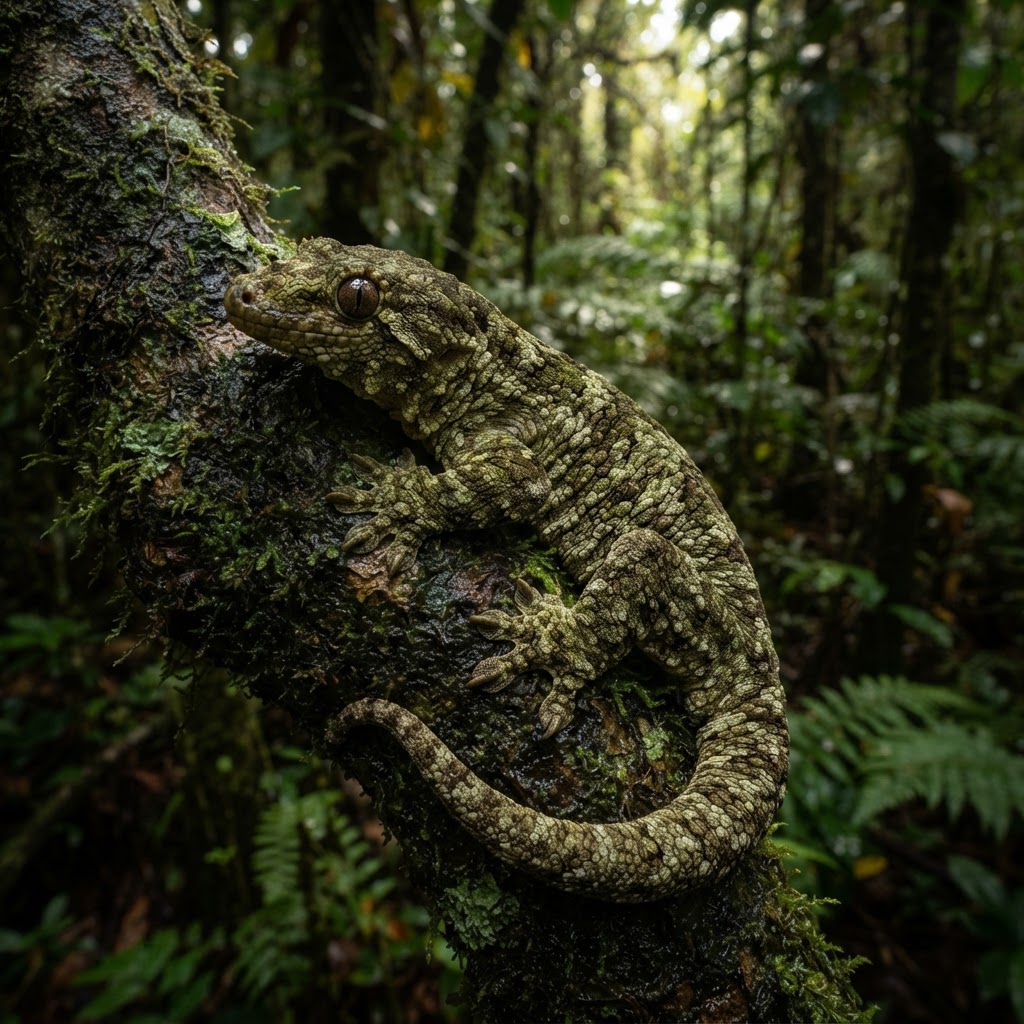
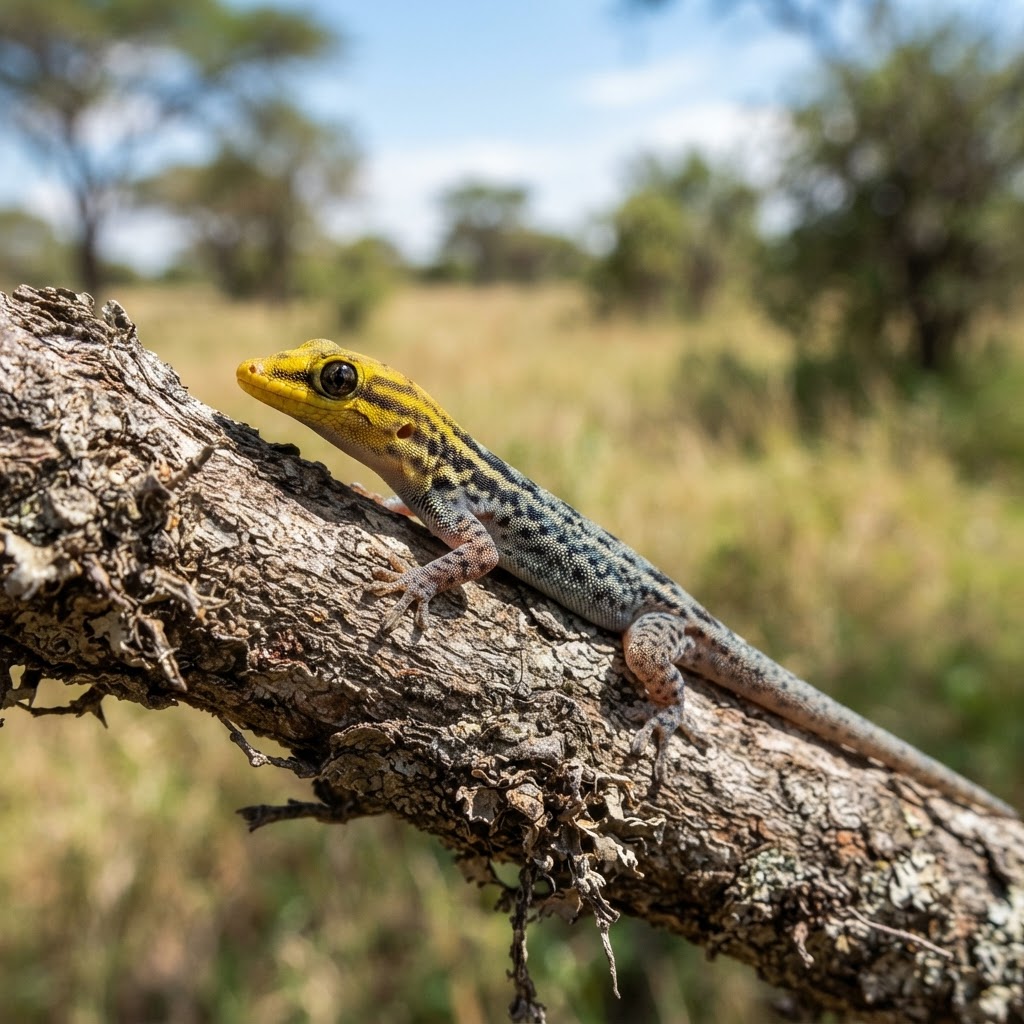
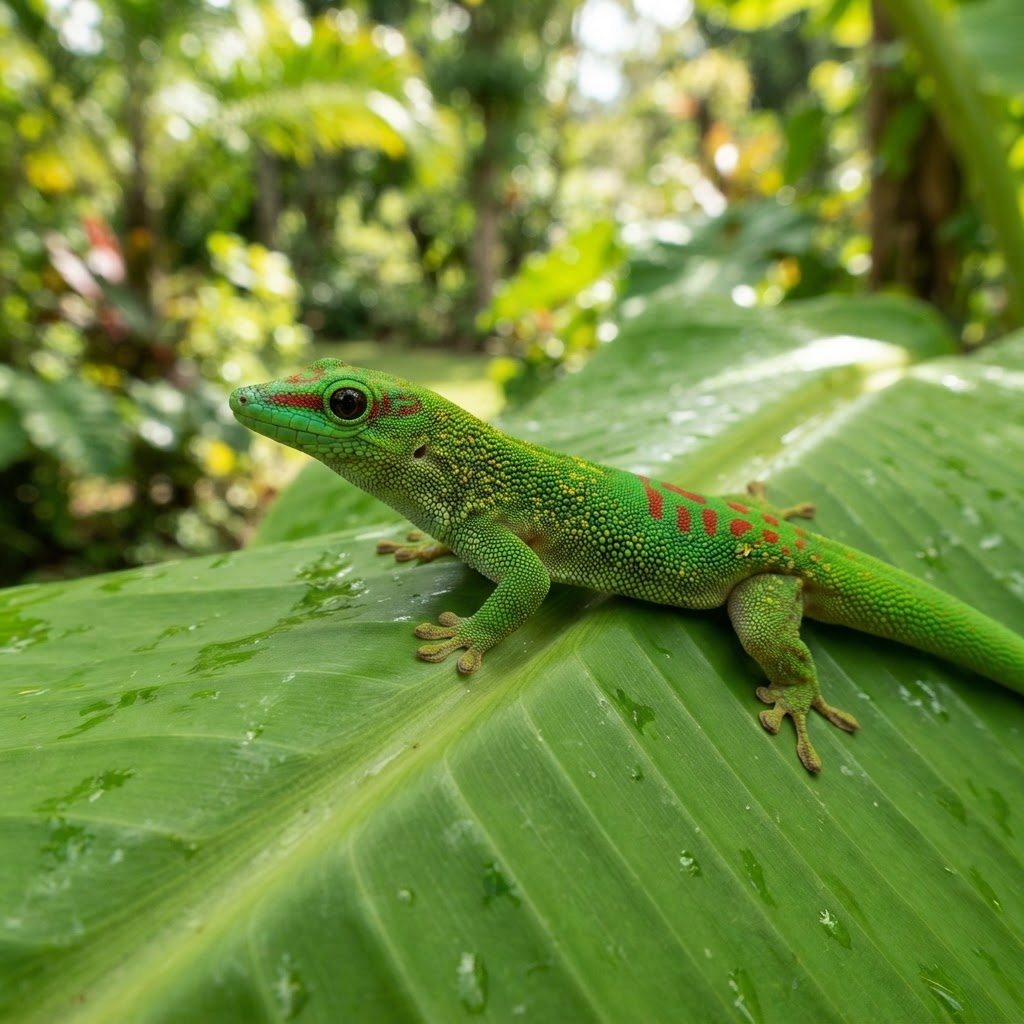
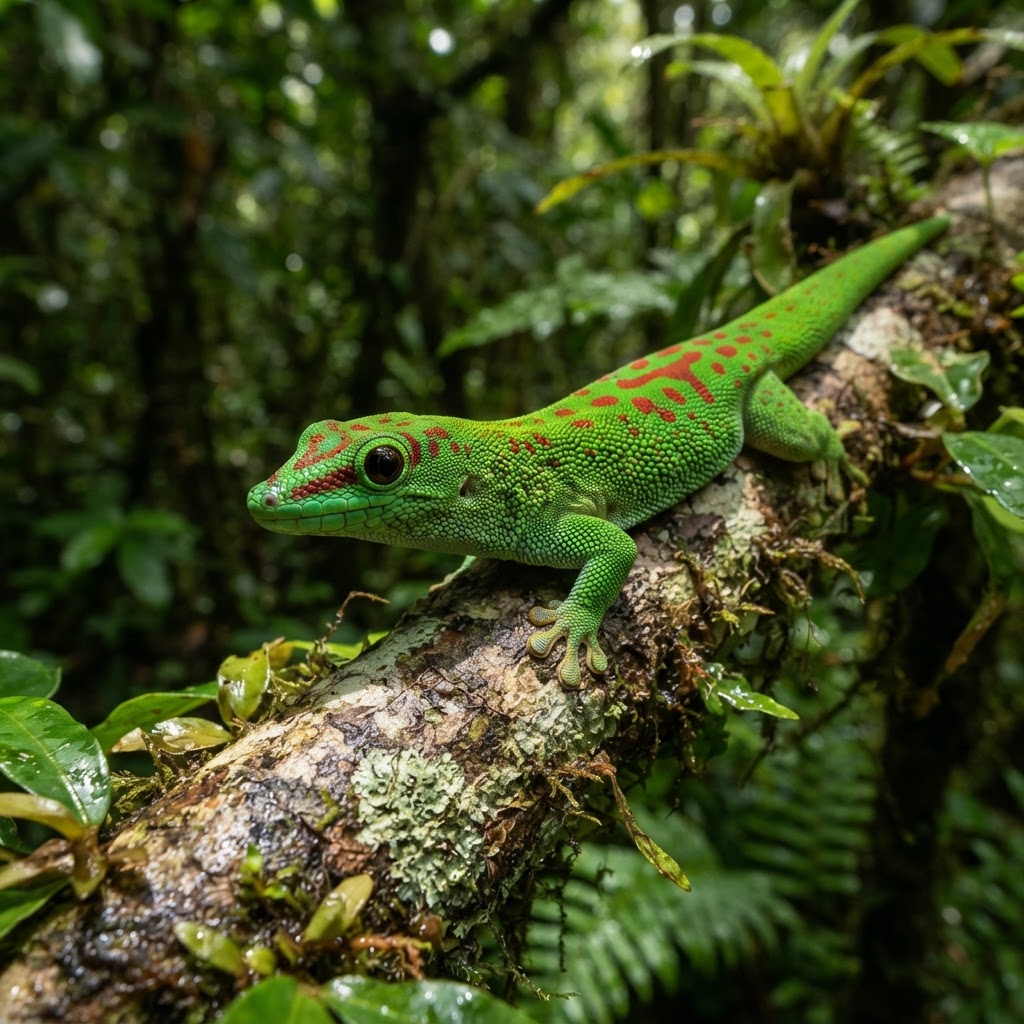

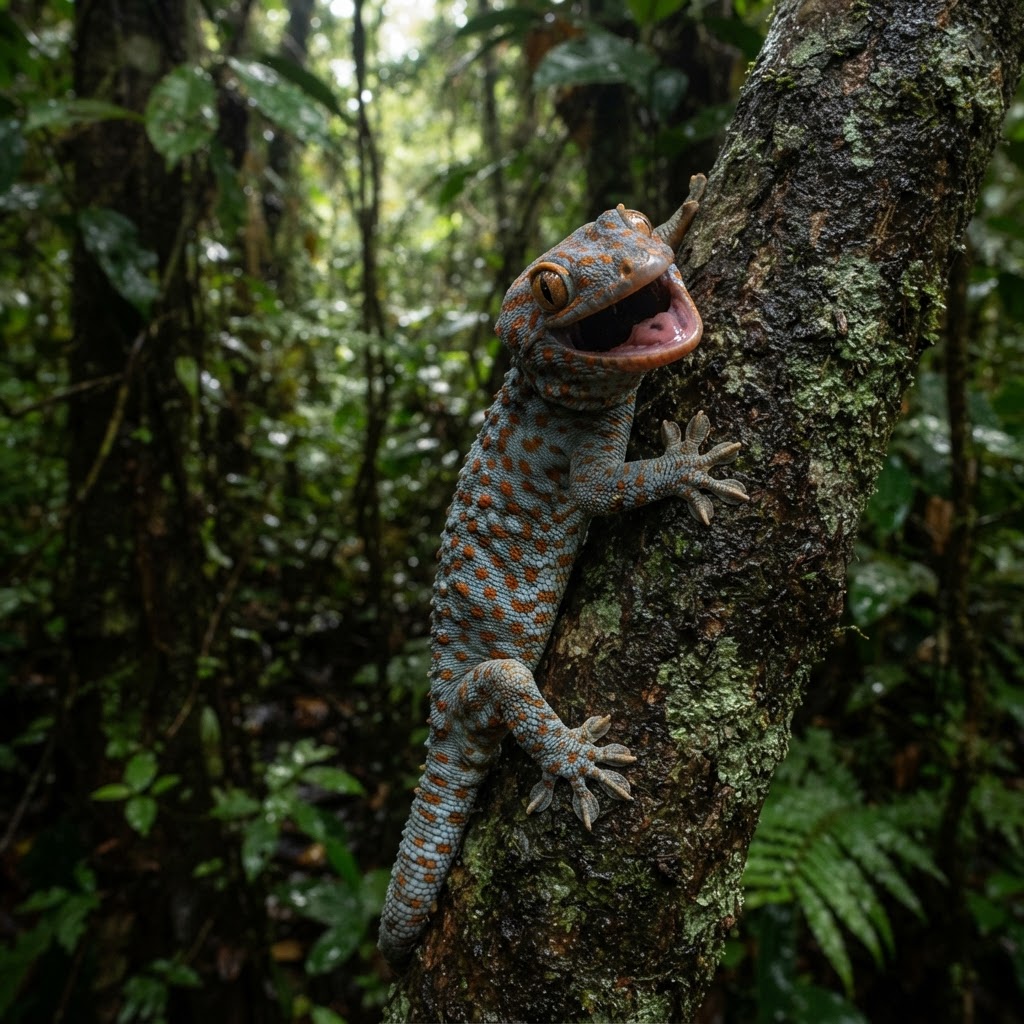
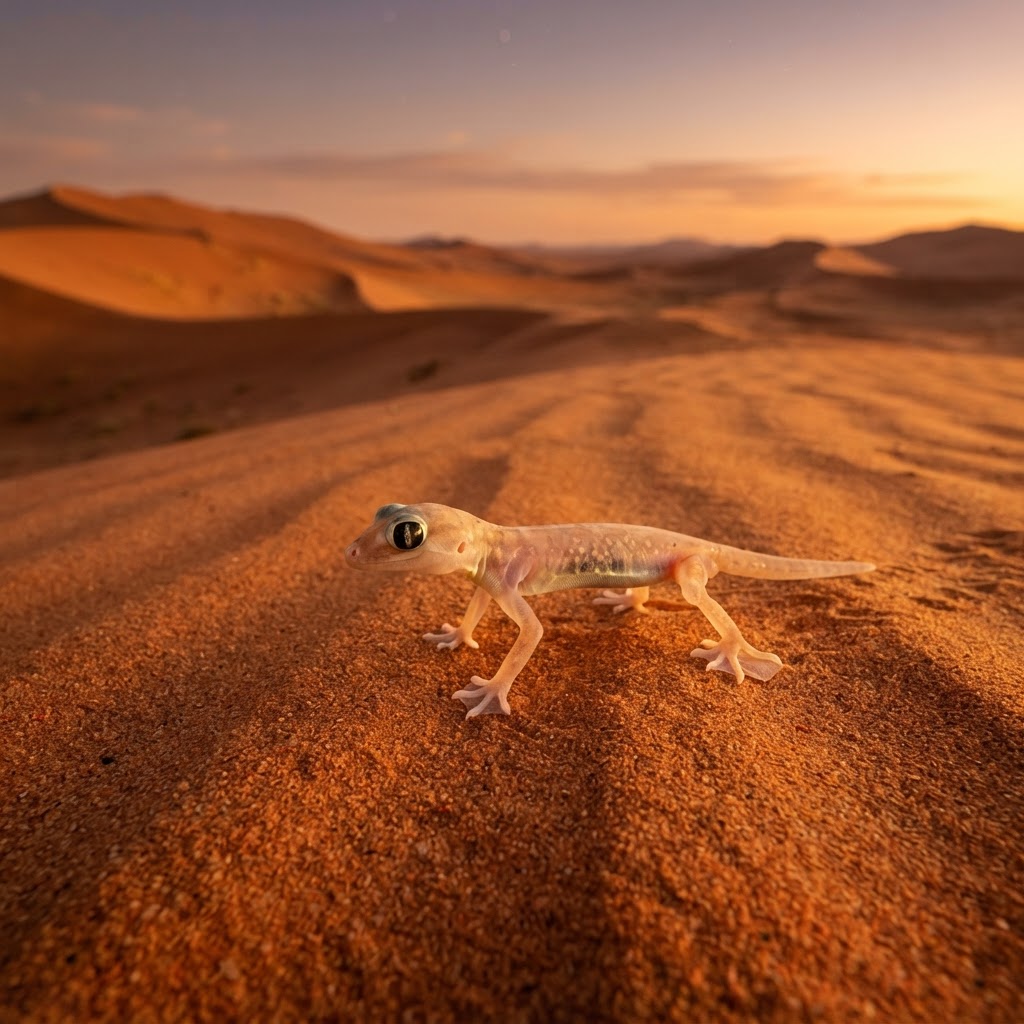
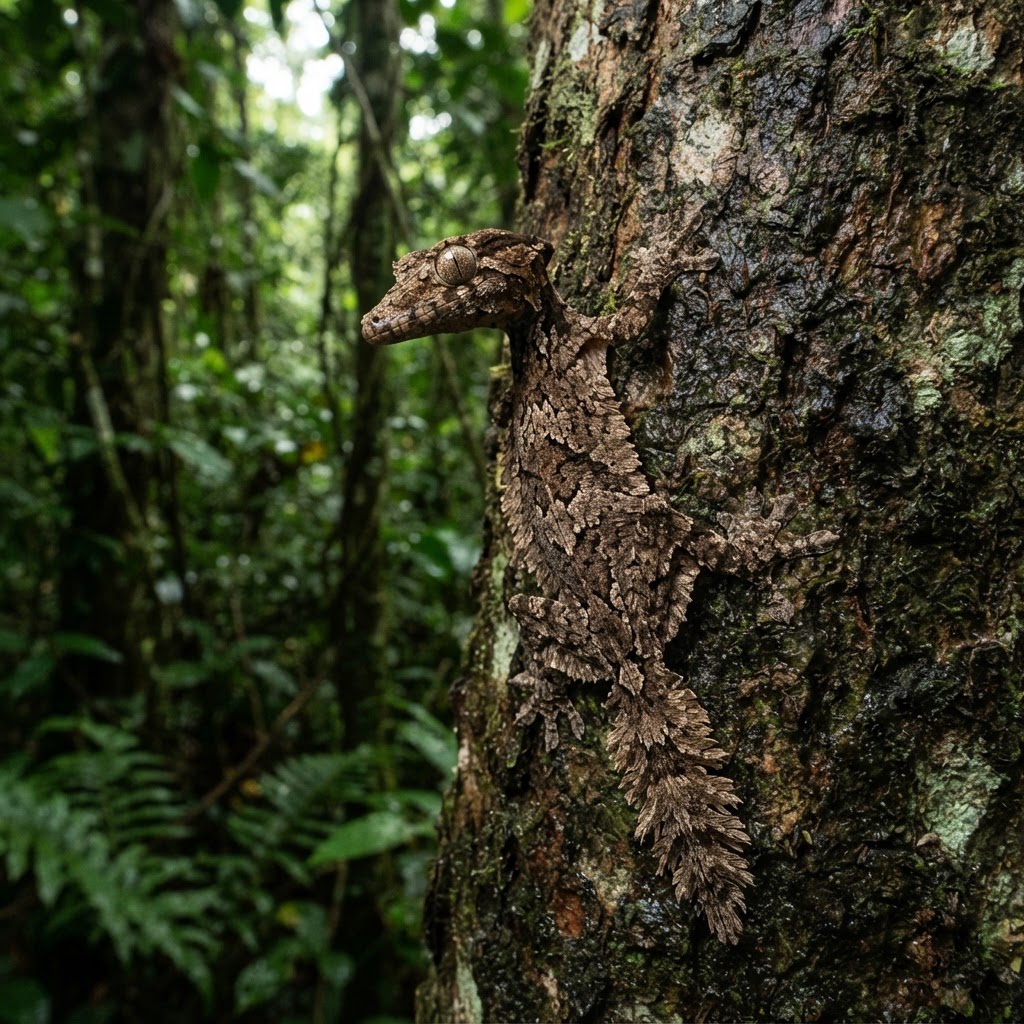
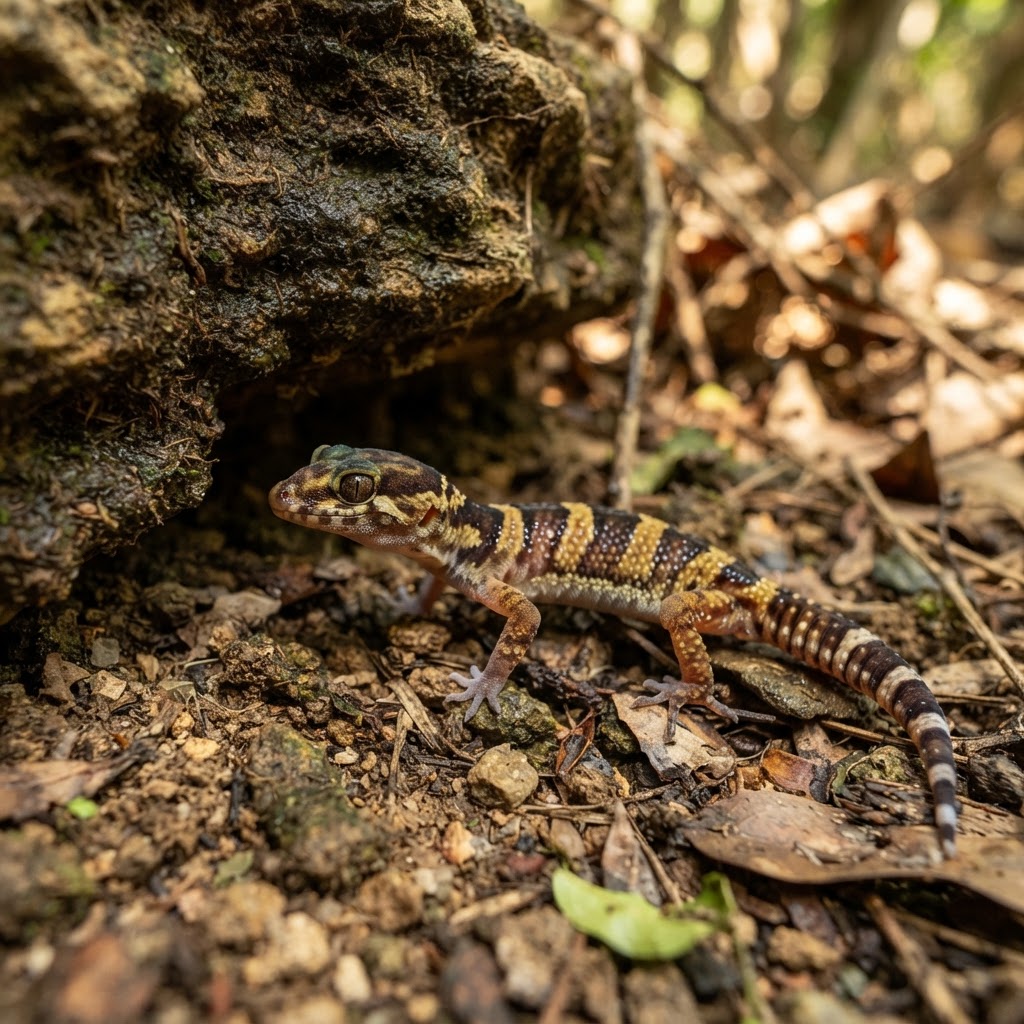
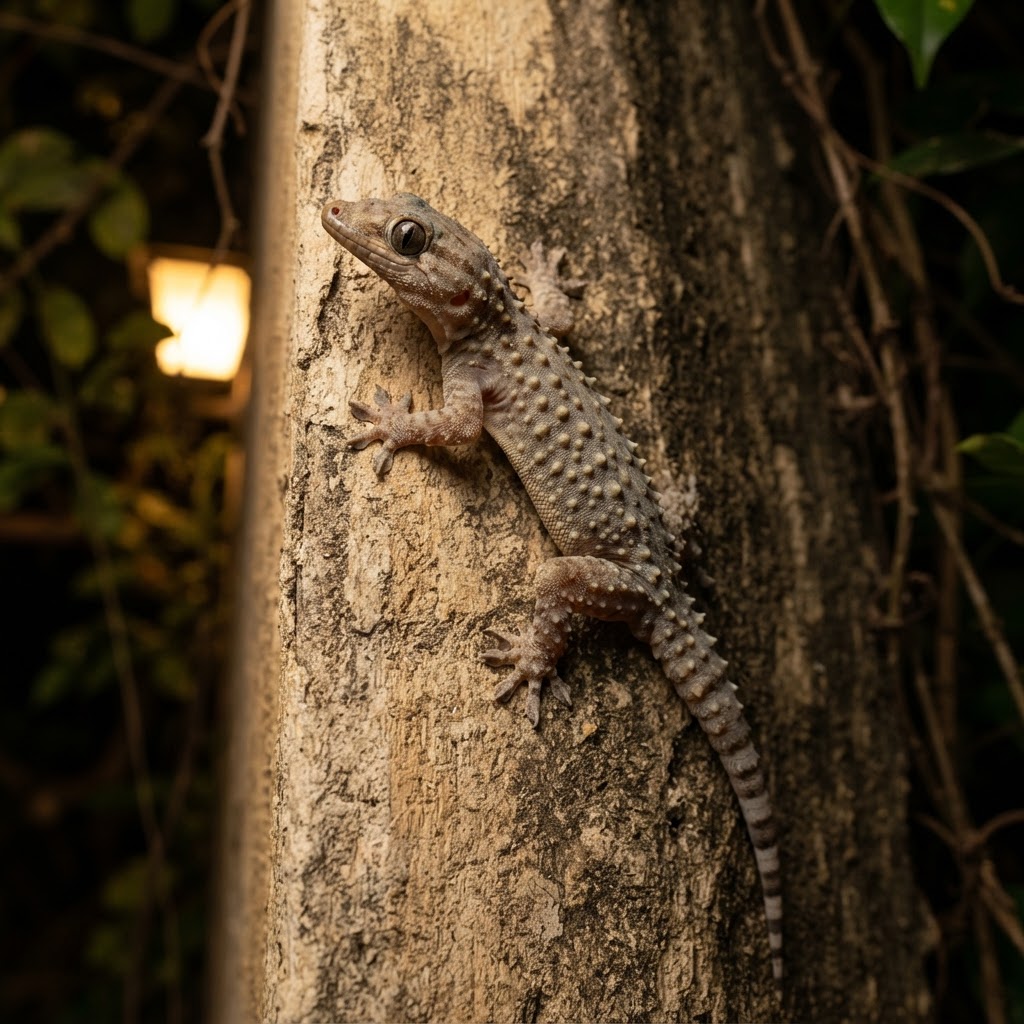
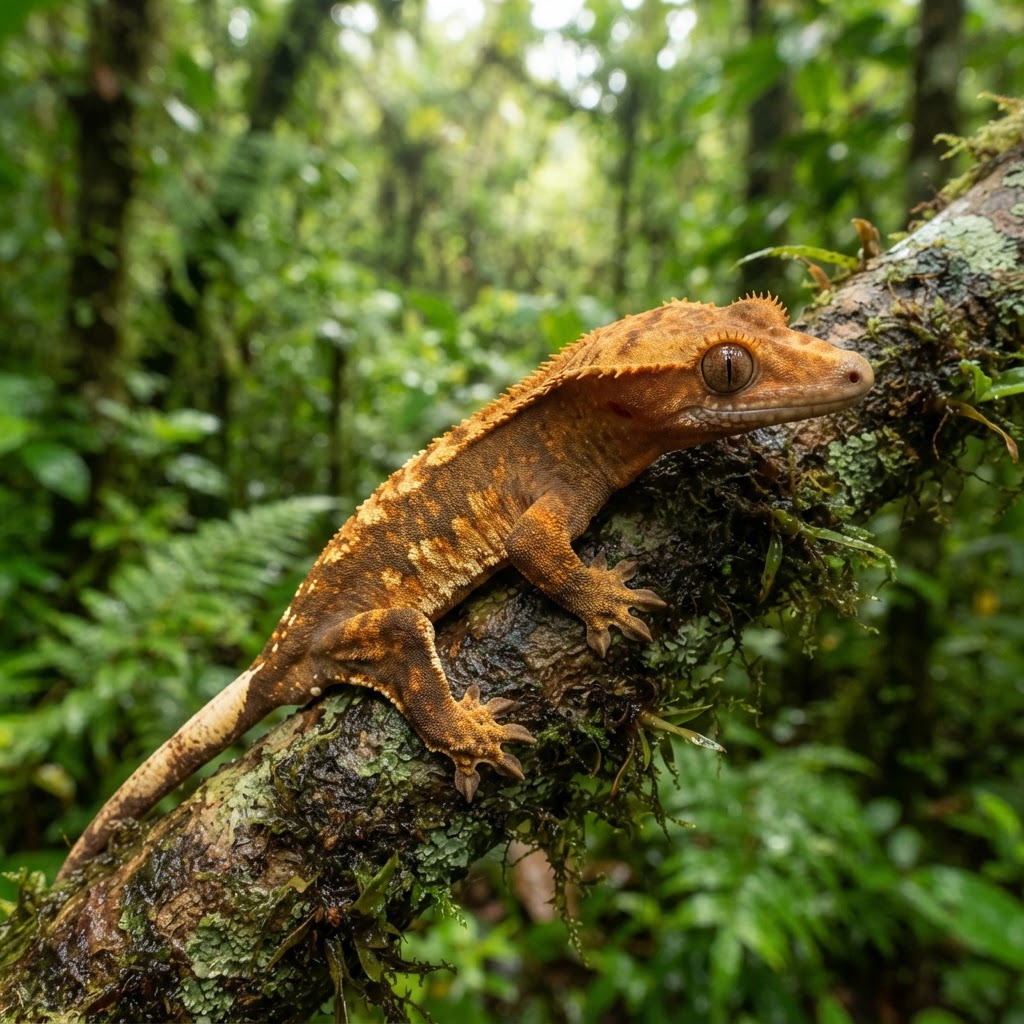
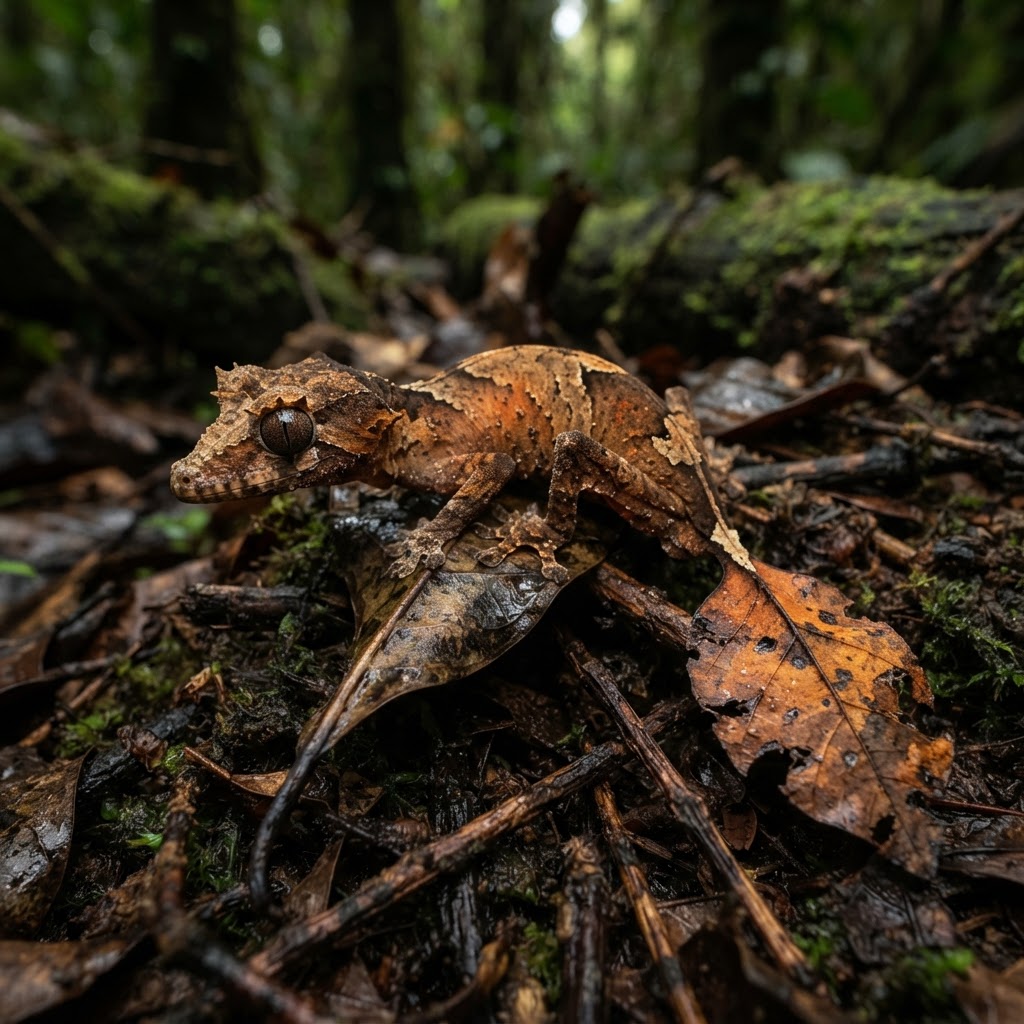
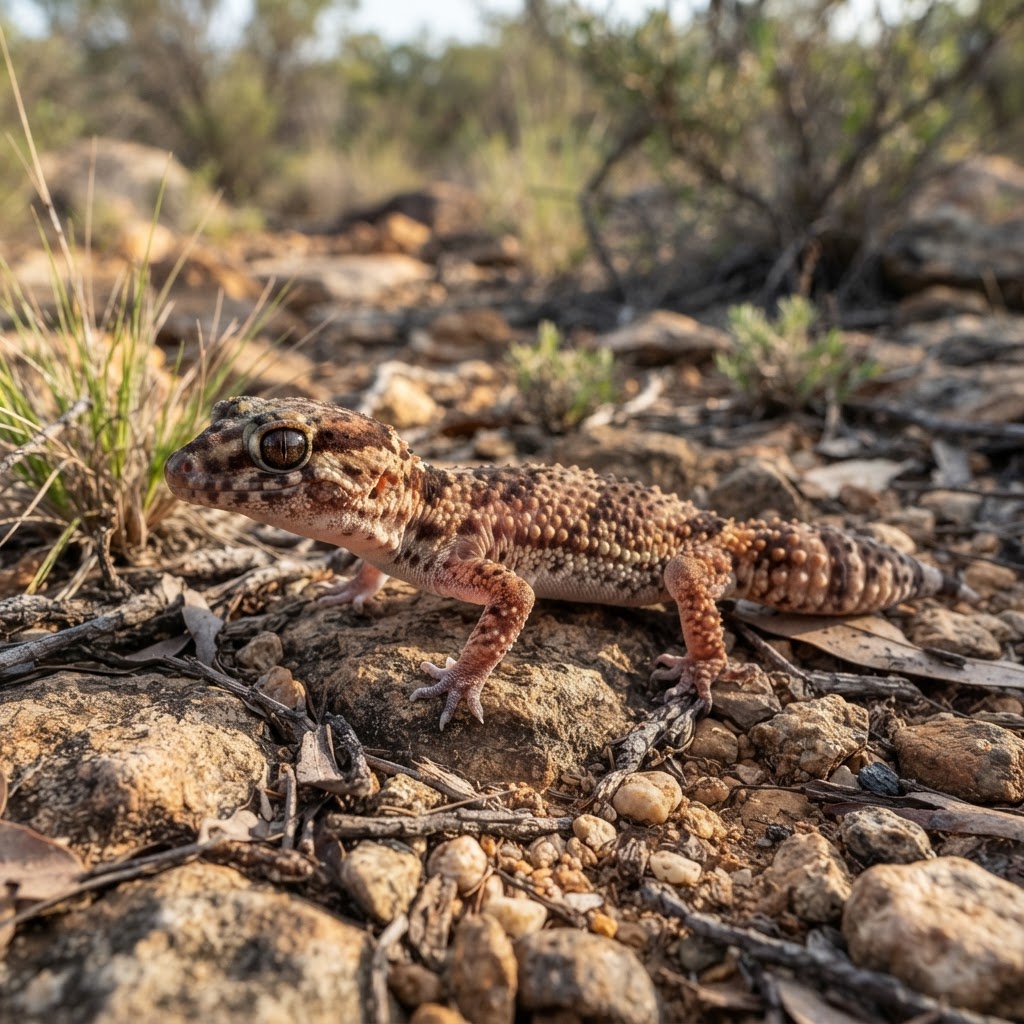
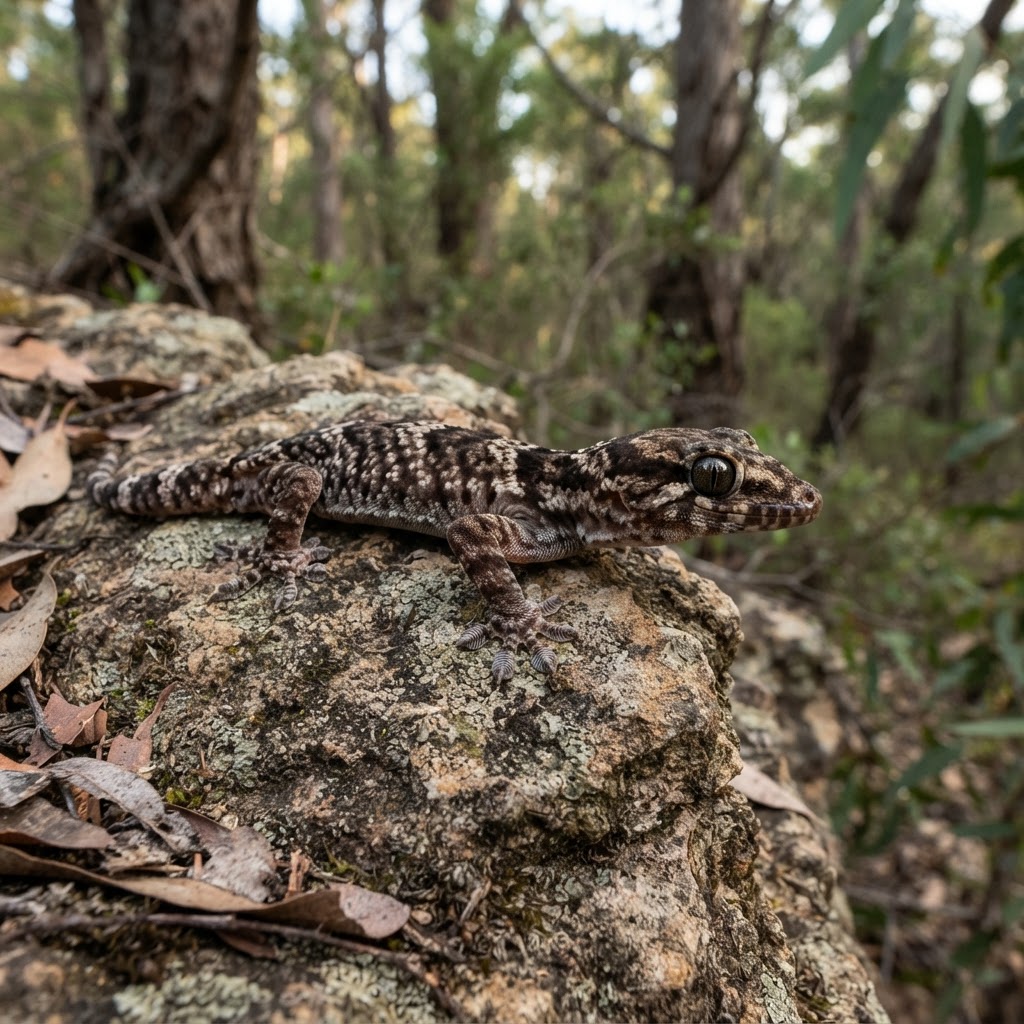
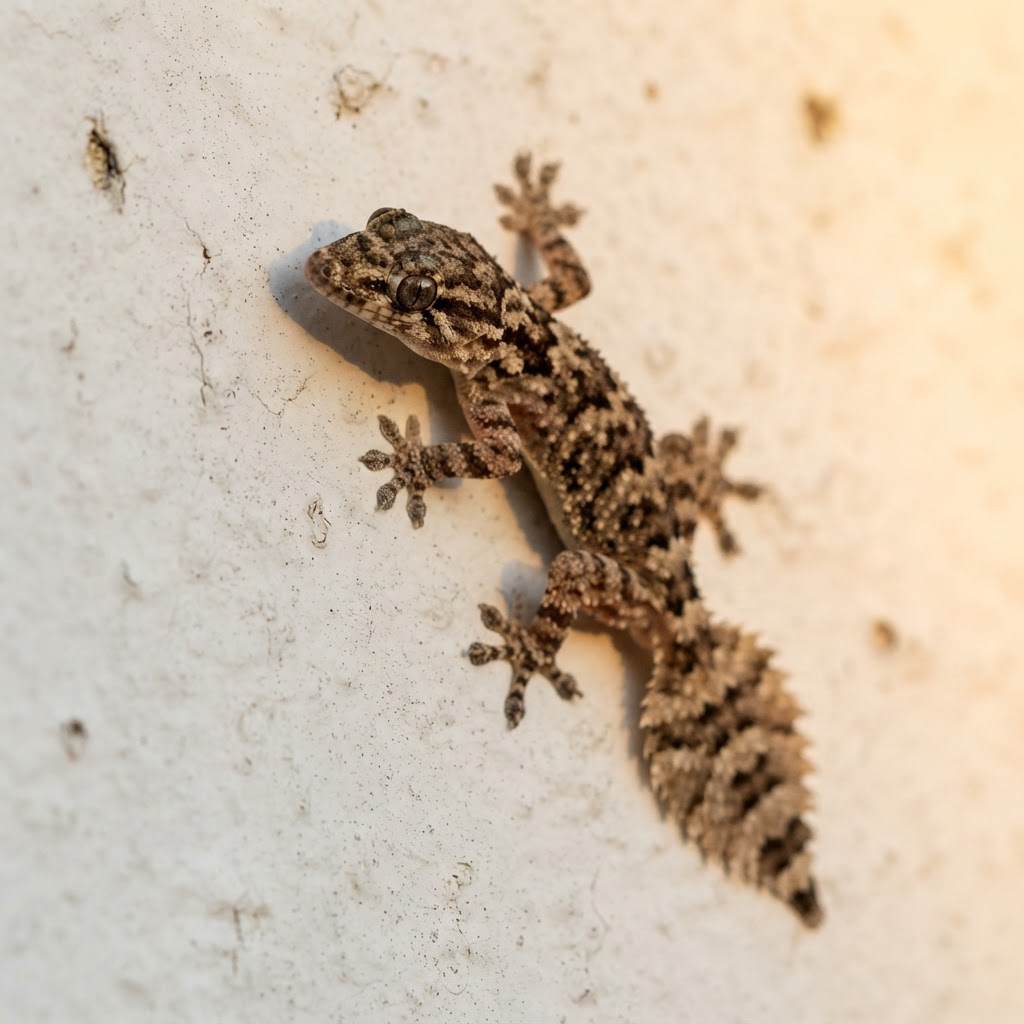
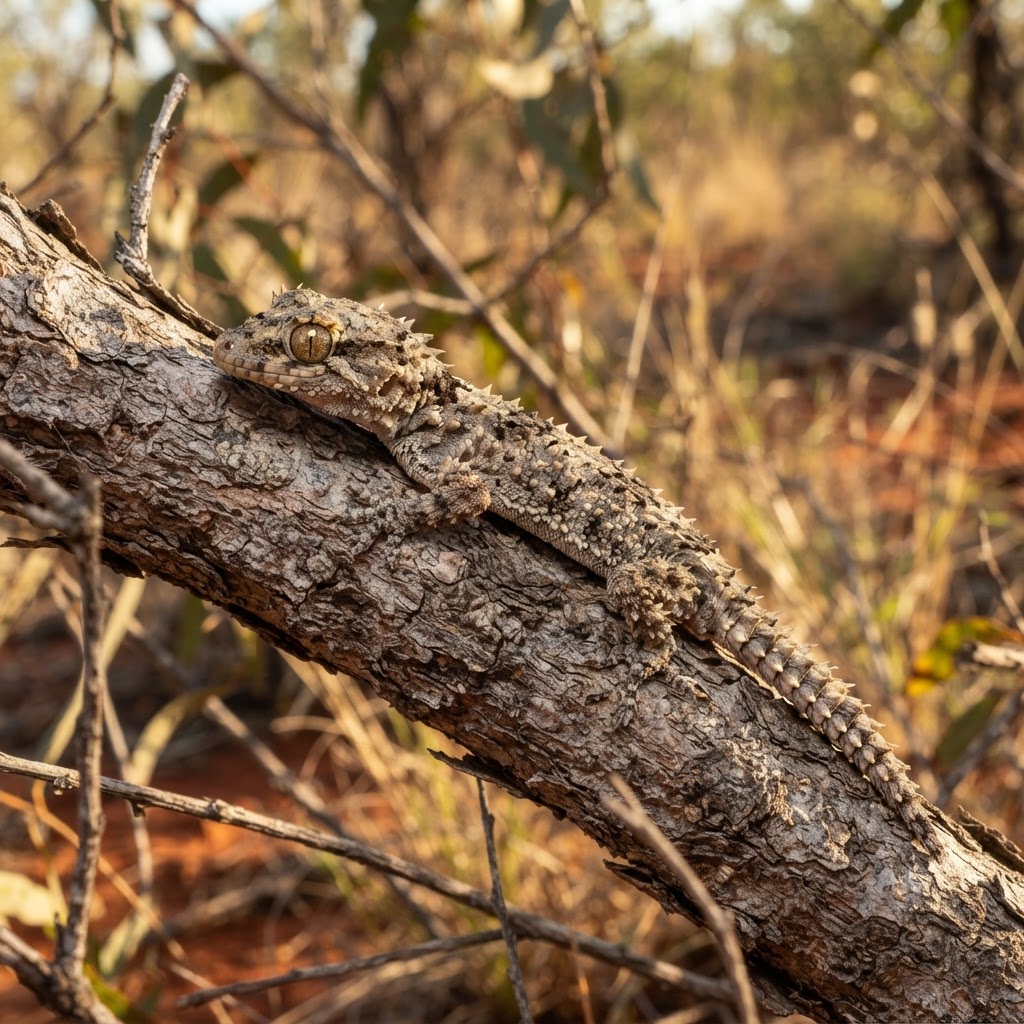
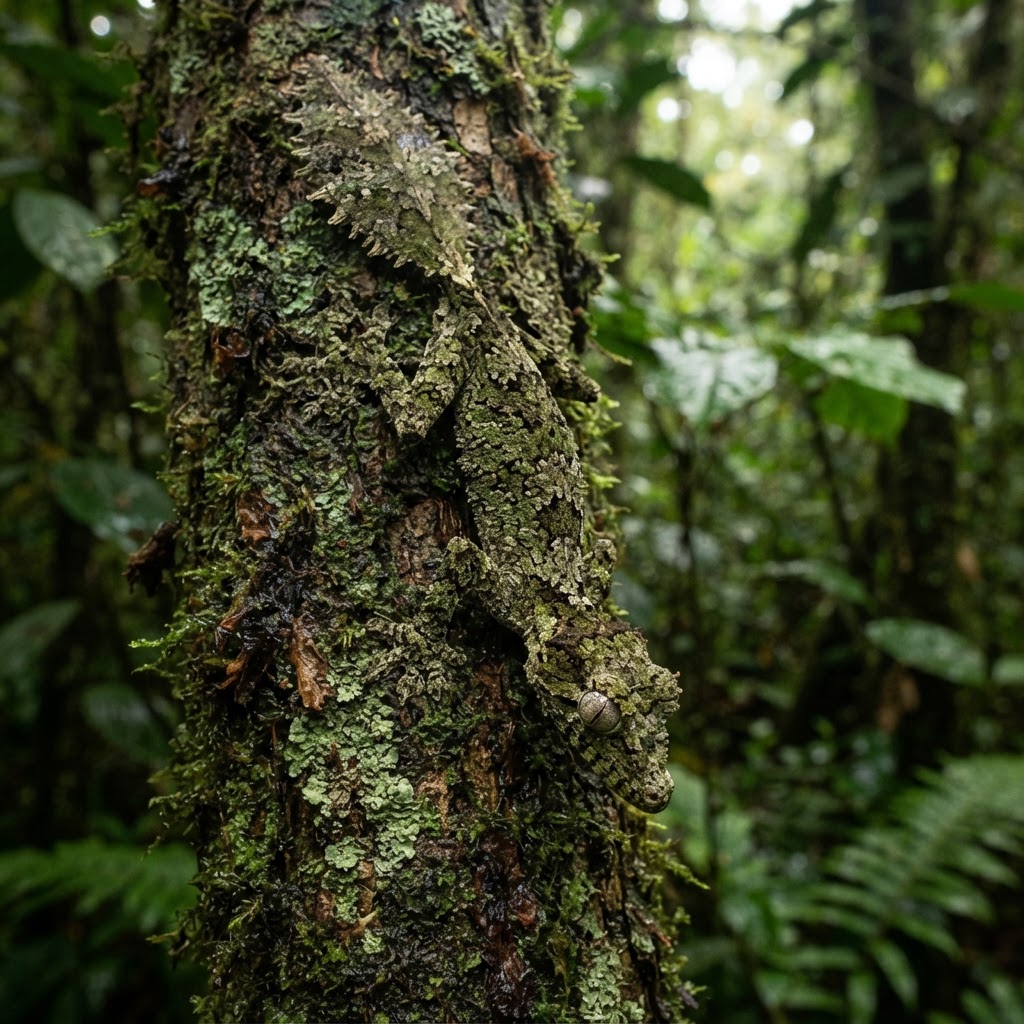


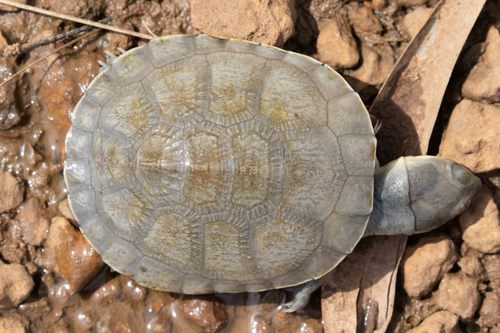
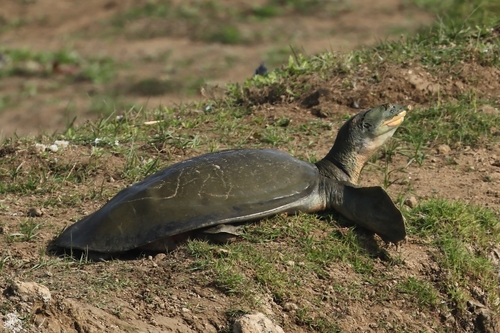
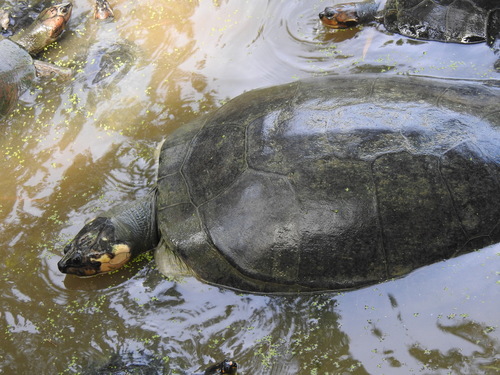
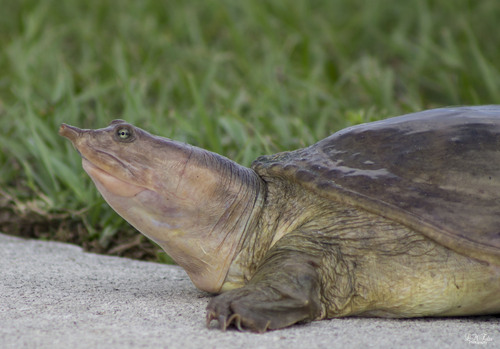
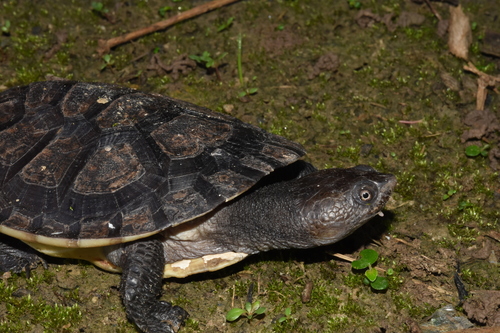
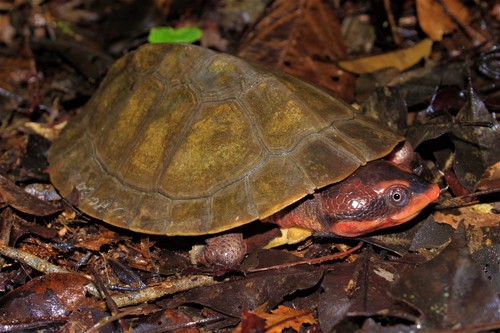
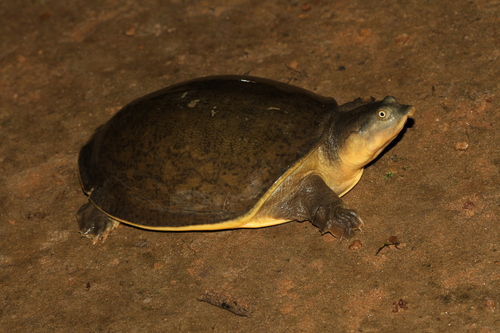
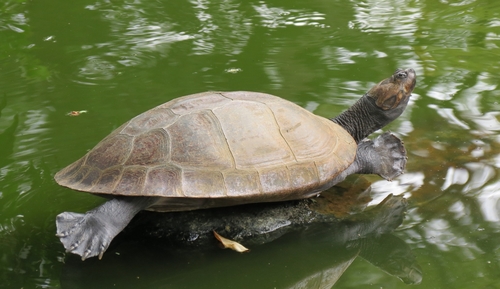
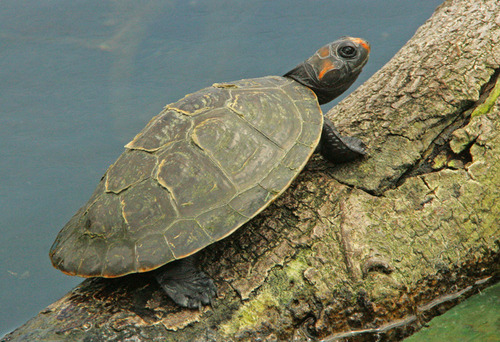
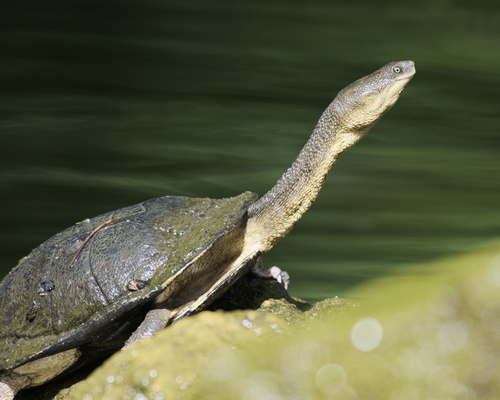
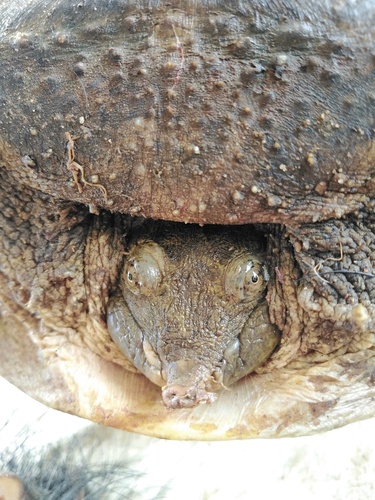
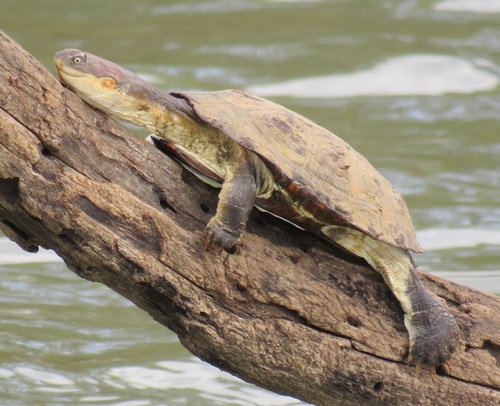
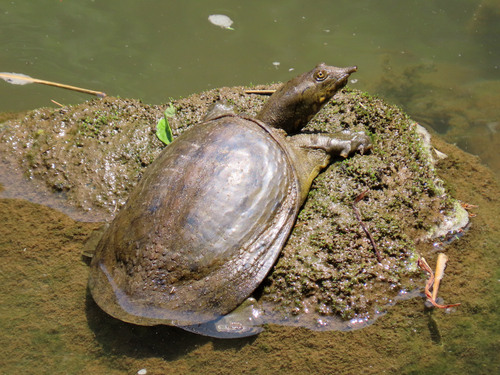
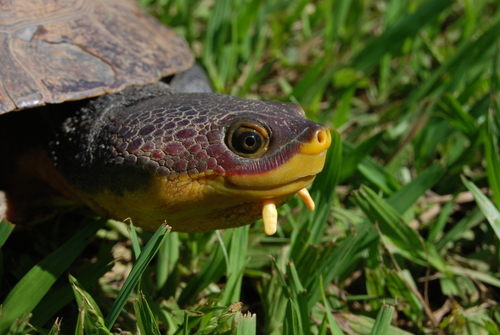
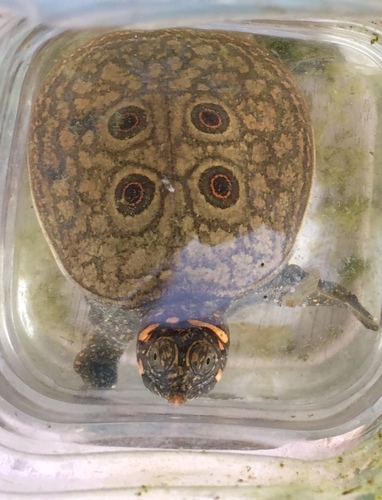
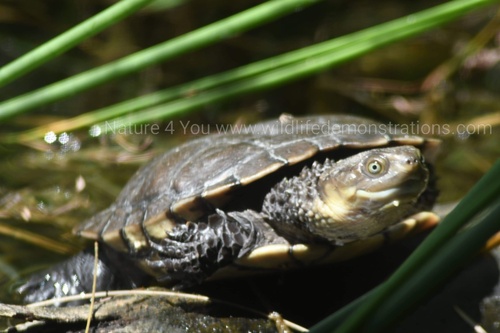



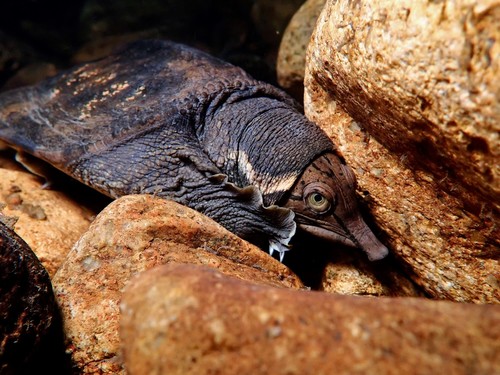
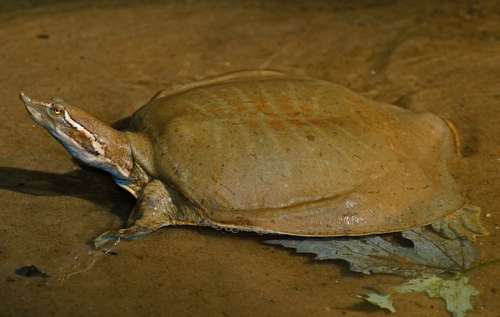

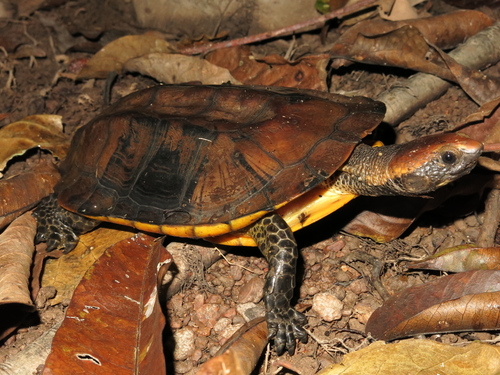
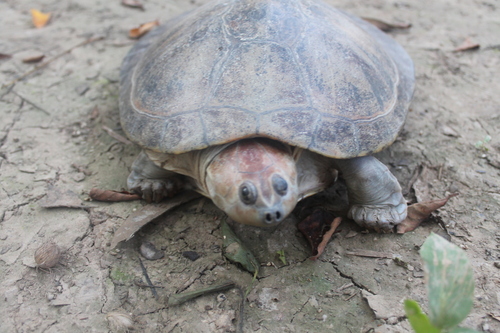
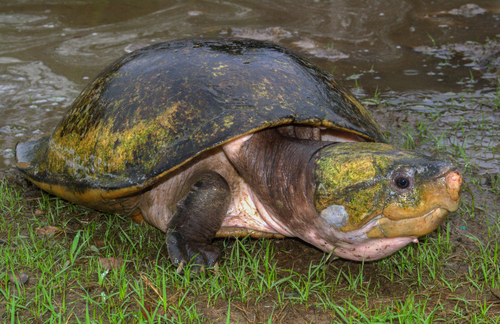
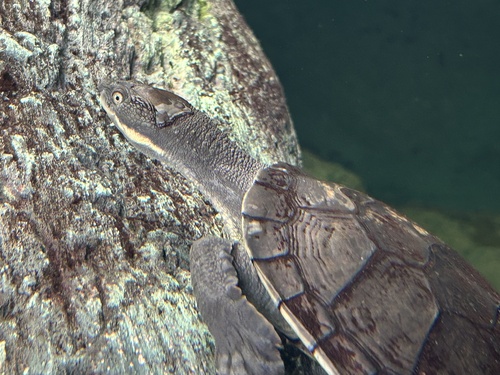
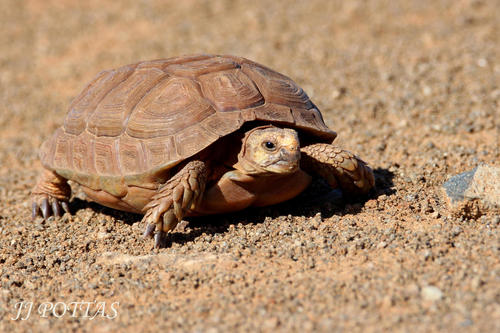
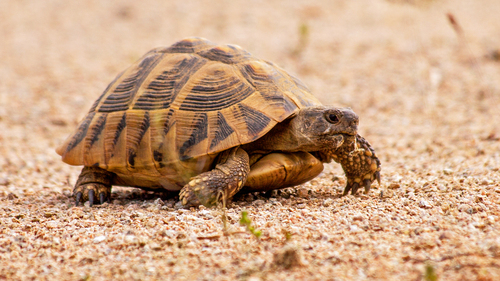
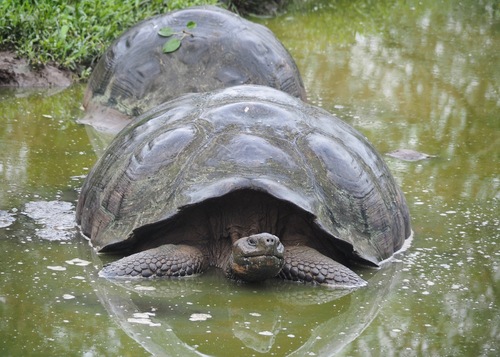

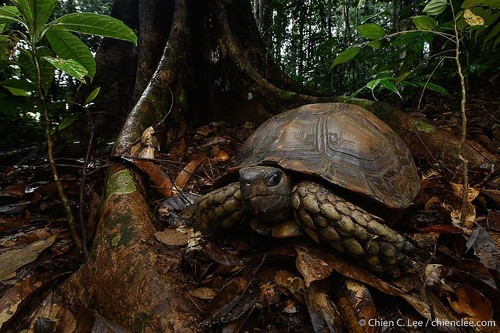
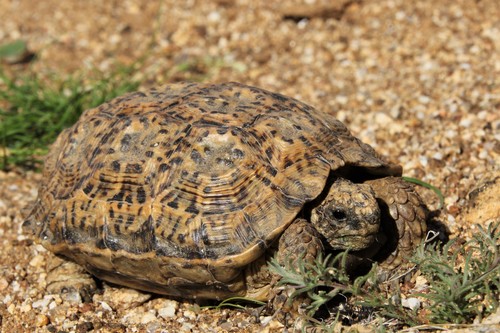
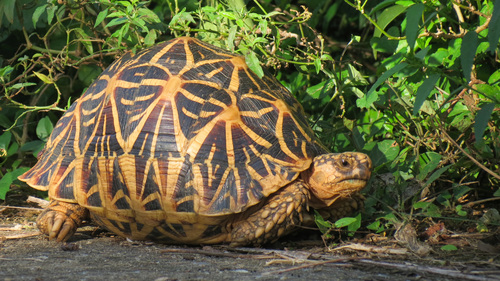
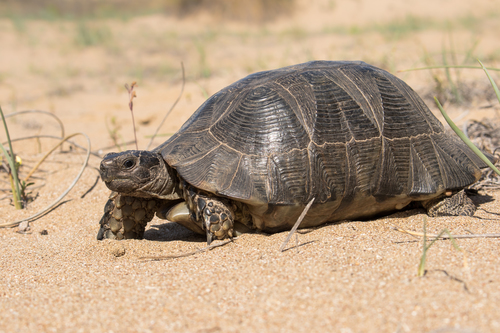
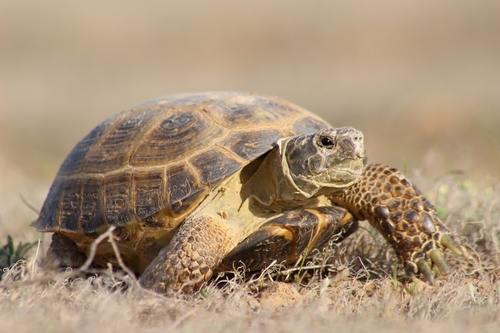
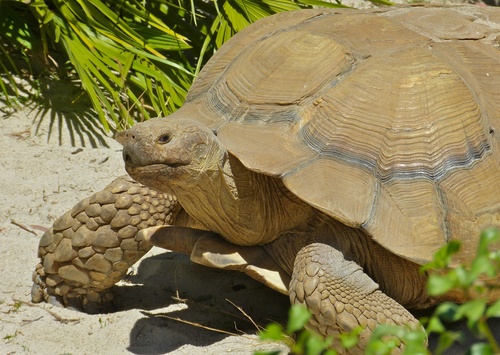
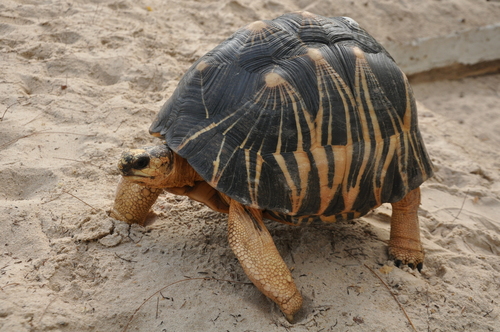
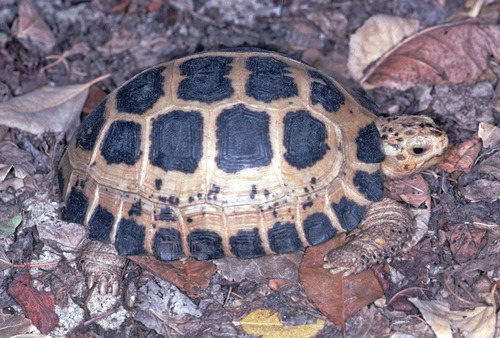

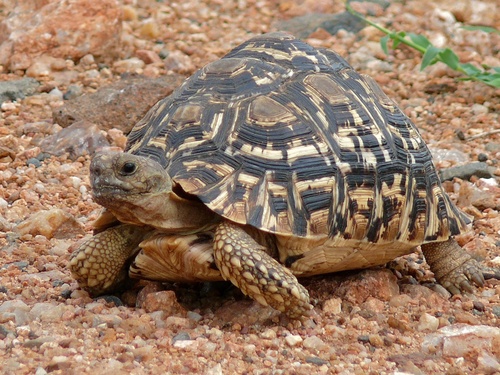
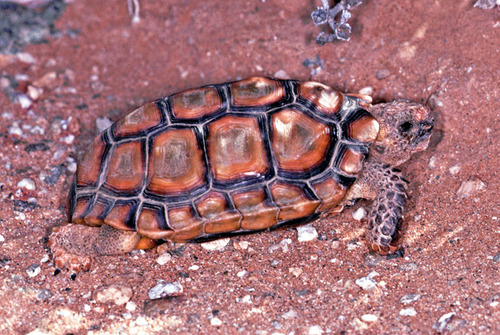
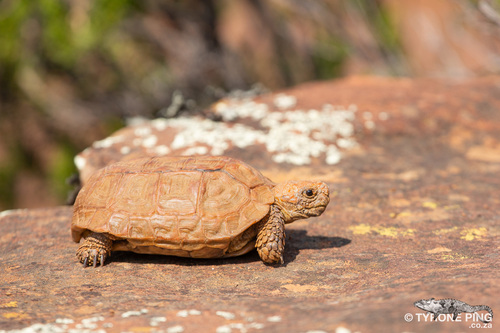





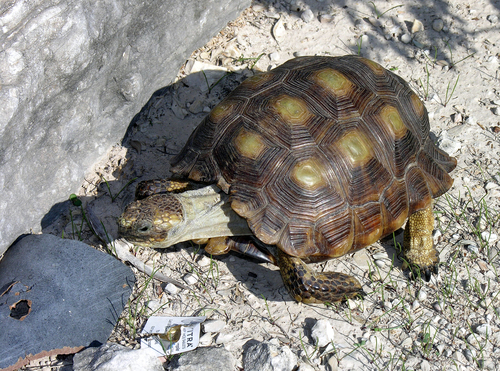
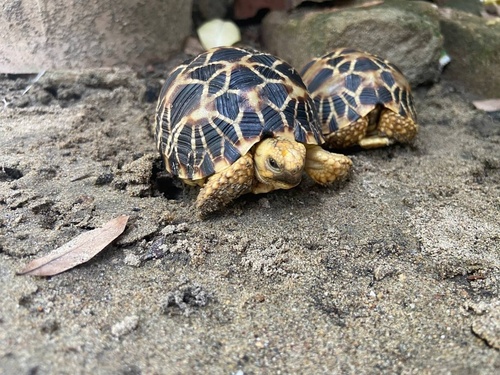
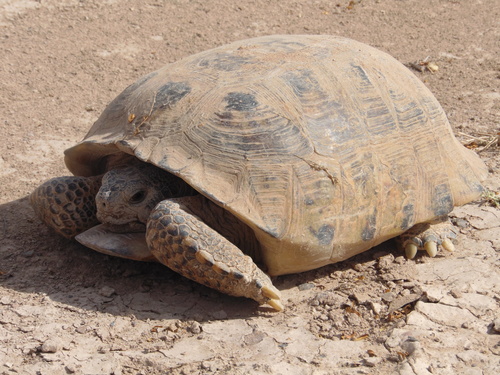


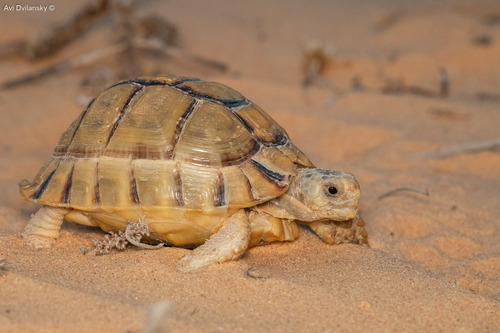


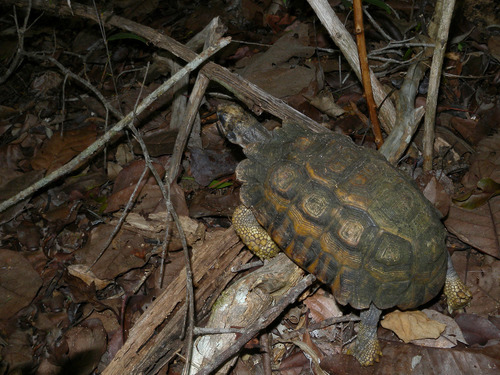


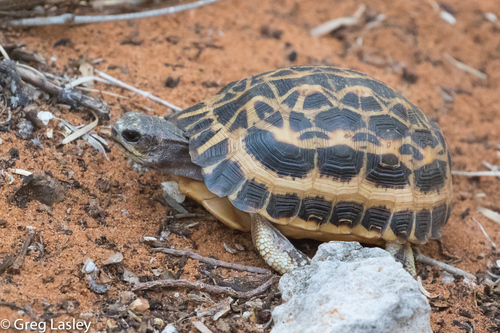
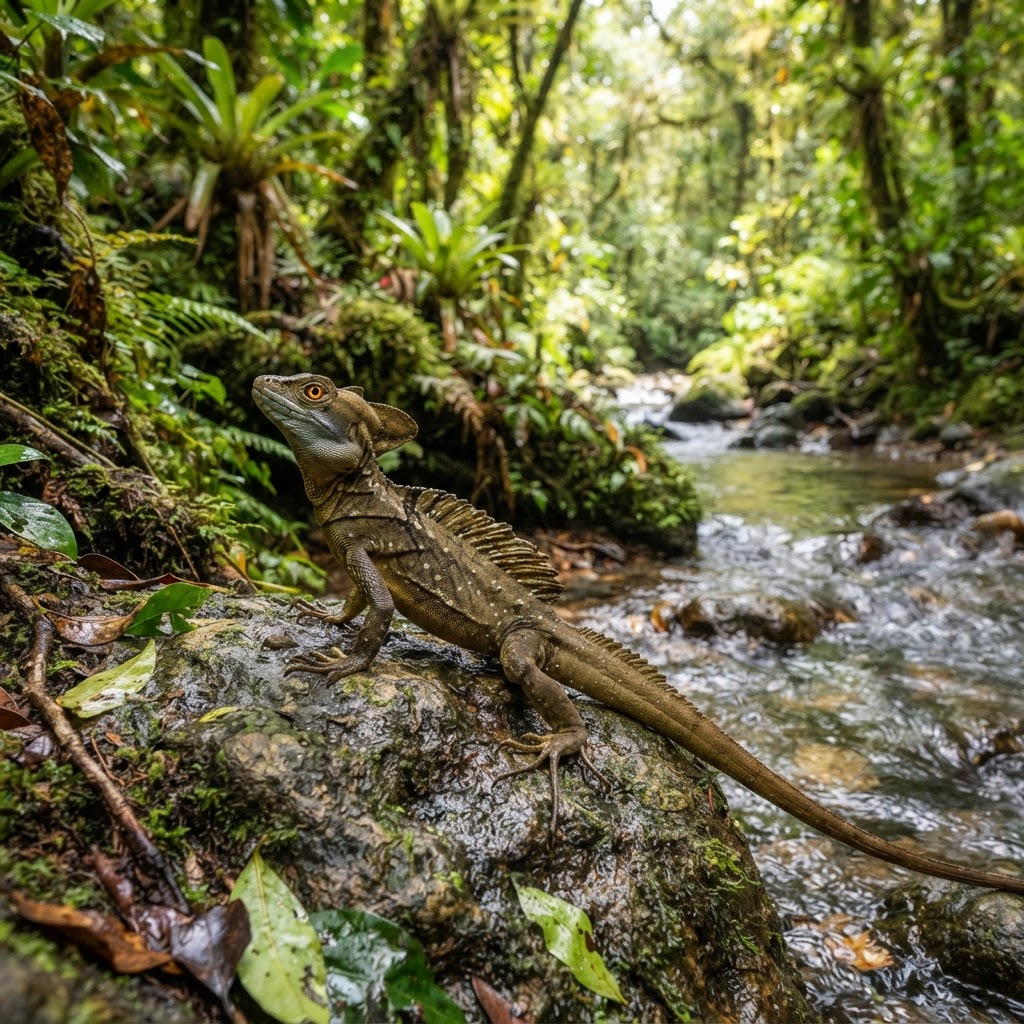


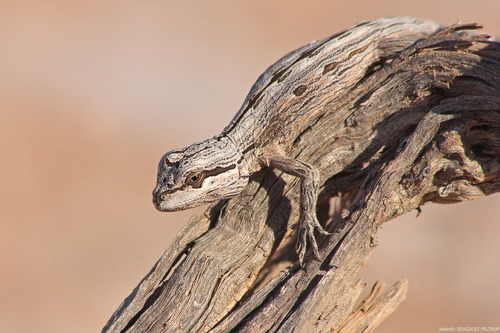


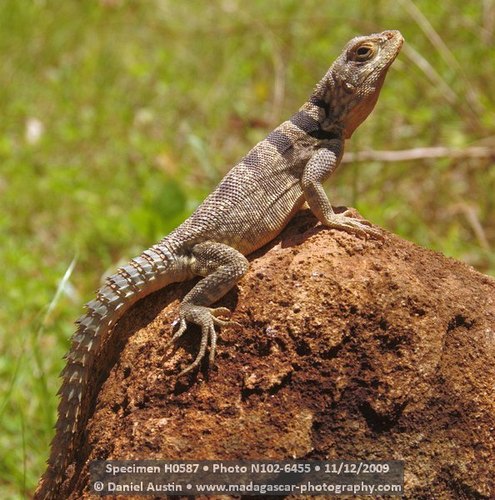


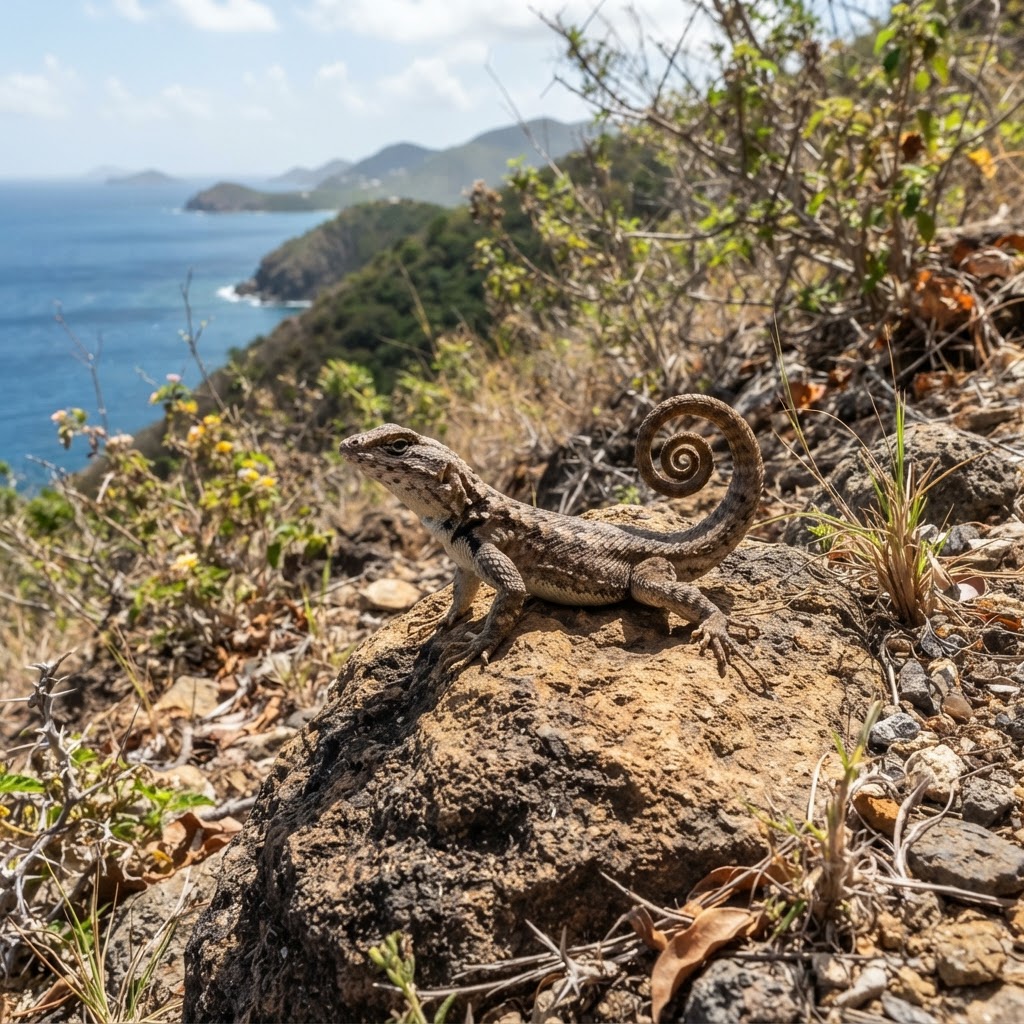


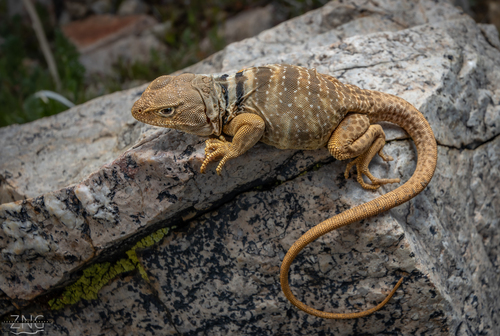


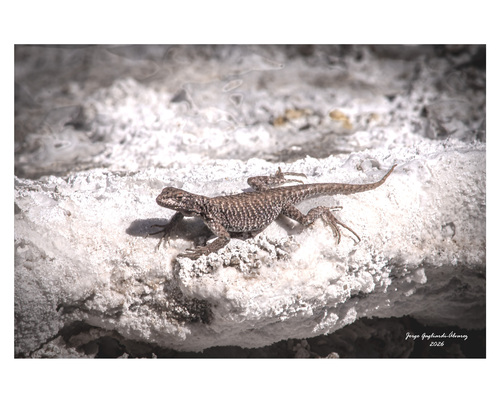


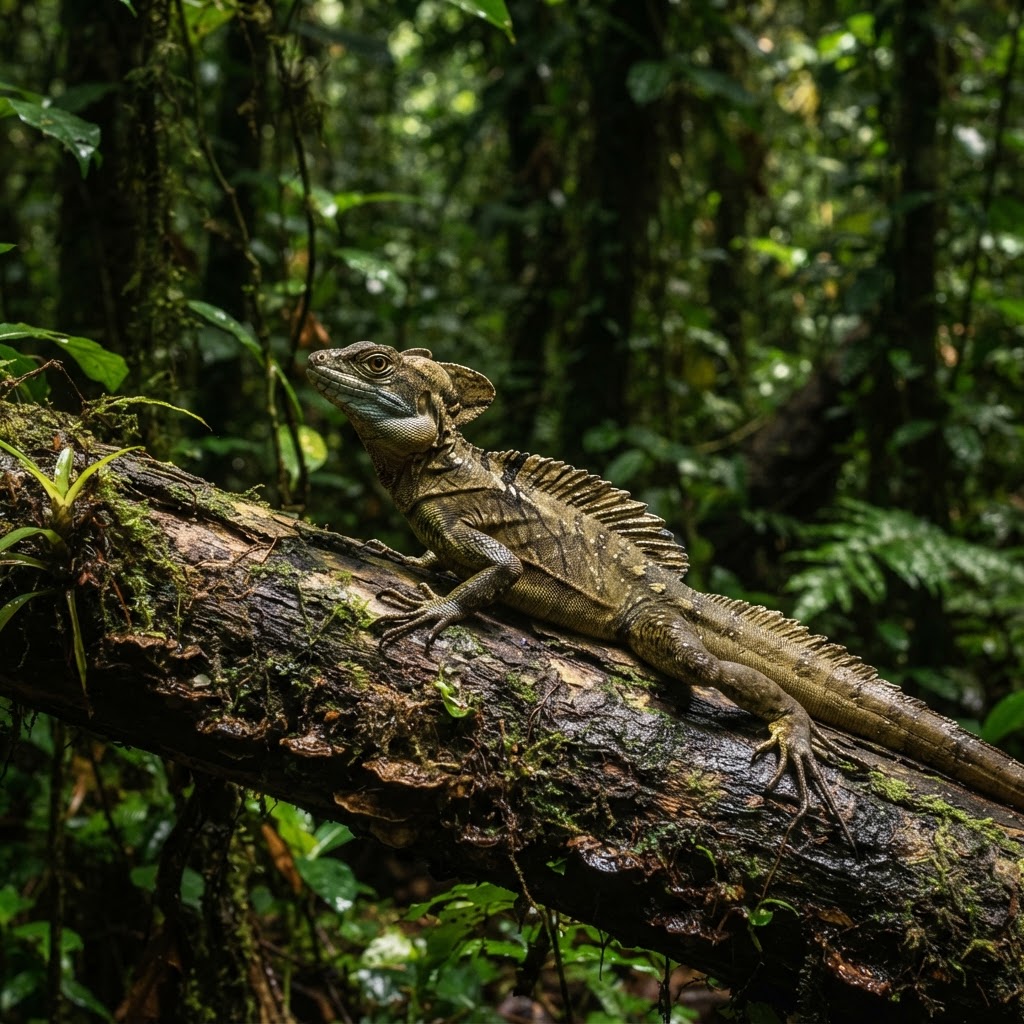

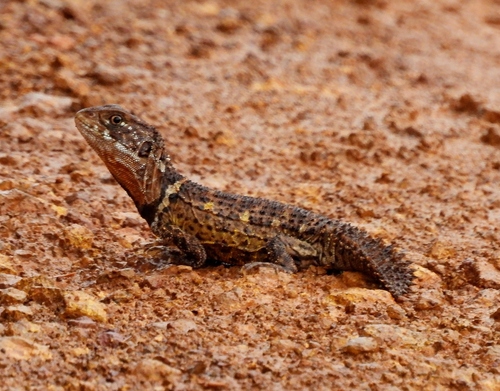


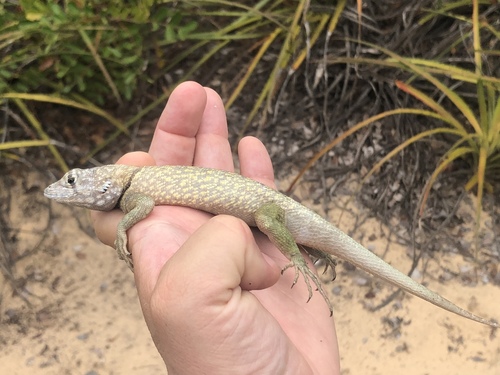


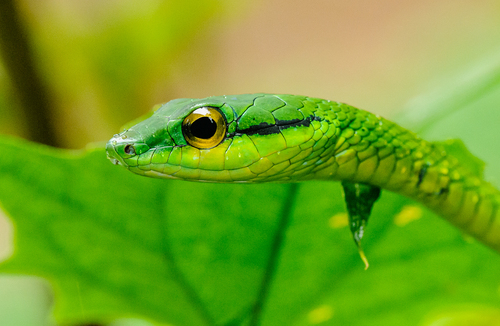










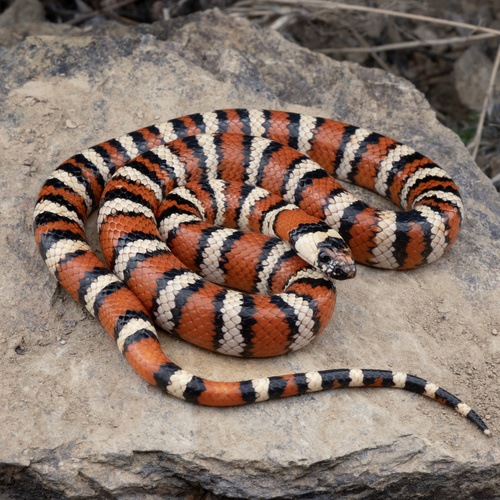


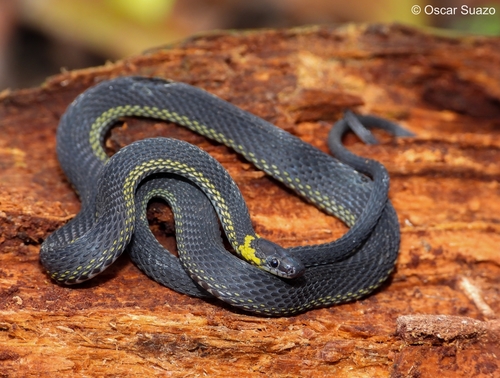


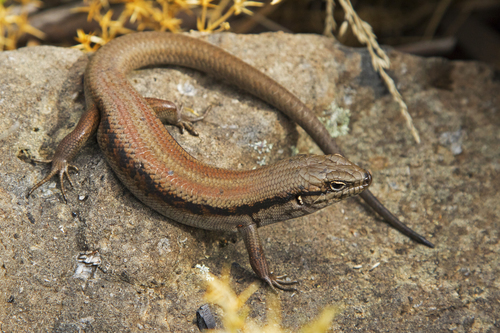
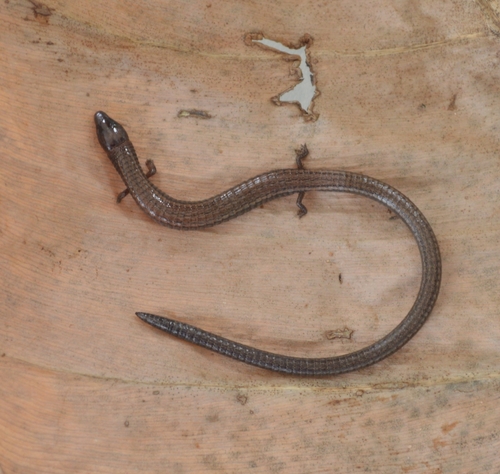


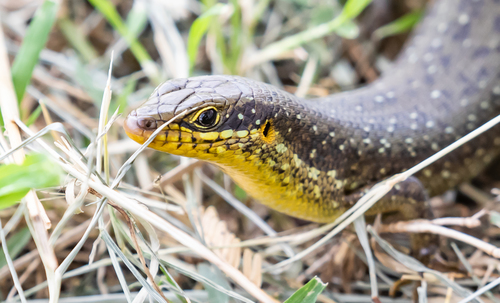


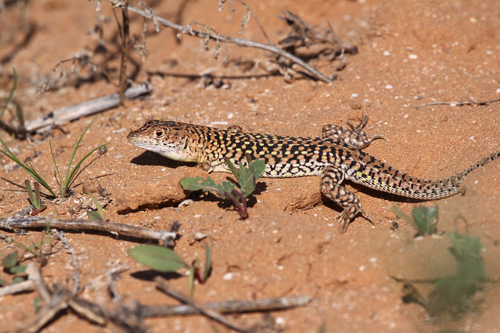


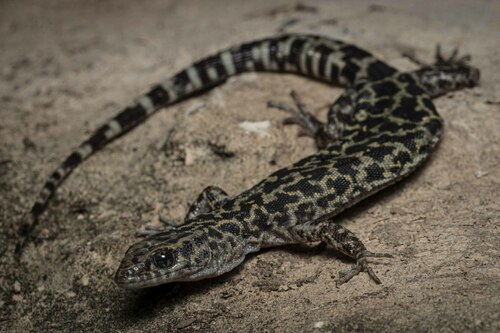


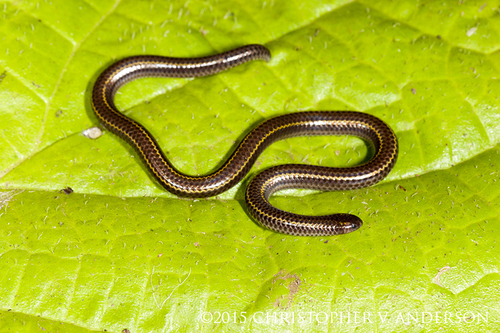





















Seasonal Feeding Alerts
Current feeding schedules based on seasonal changes
Autumn
0 species
Spring
0 species
Feeding Dashboard
Bulk Import
Upload spreadsheets to quickly populate your species catalog and feeding logs
Reptile Species
Expected columns
common_name, scientific_name, category, natural_habitat, geographic_range, description, size, diet, image_url, conservation_status
Click to upload a CSV or Excel file
.csv, .xlsx, or .json supported
Feeding Logs
Expected columns
species_name, feeding_date, food_type, quantity, weight_grams, notes, completed
Click to upload a CSV or Excel file
.csv, .xlsx, or .json supported
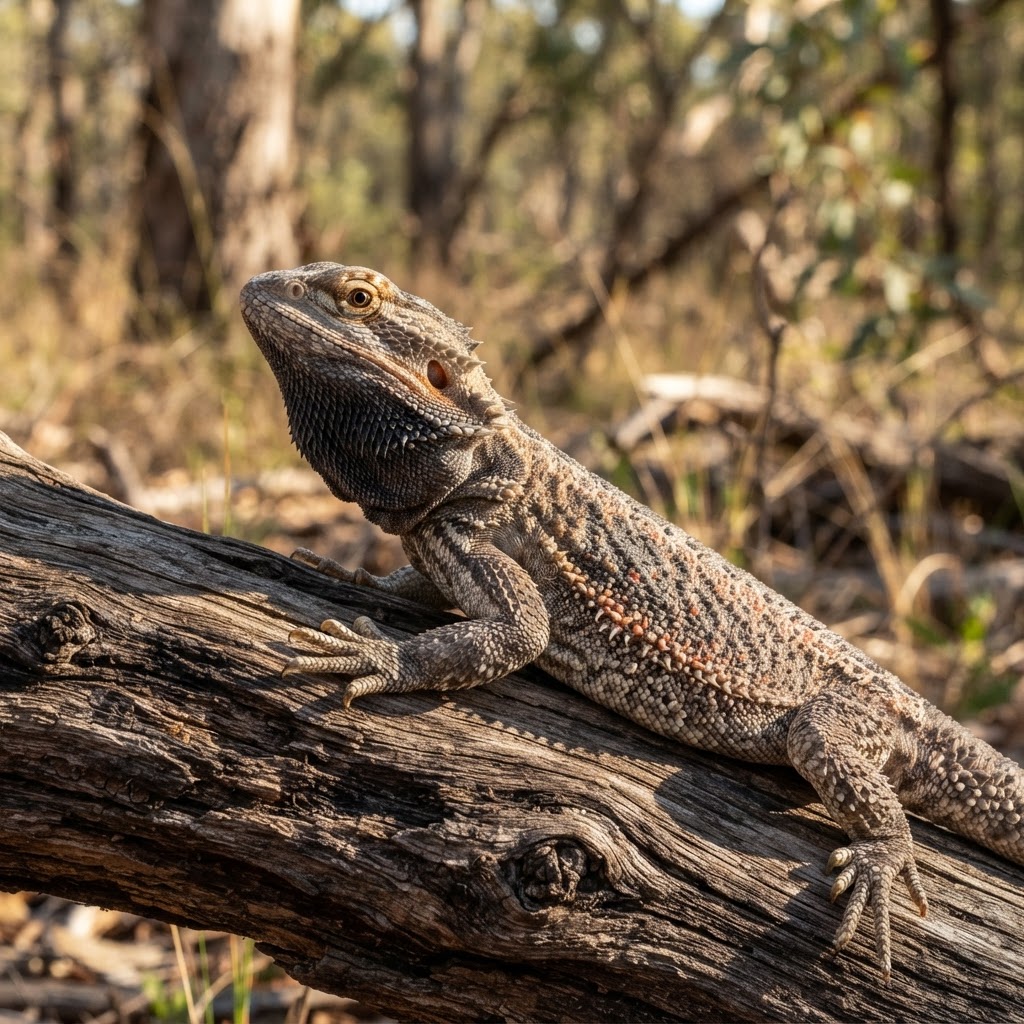
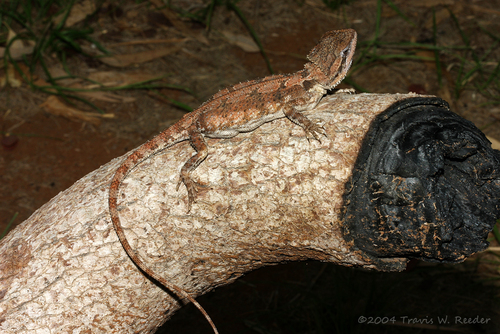
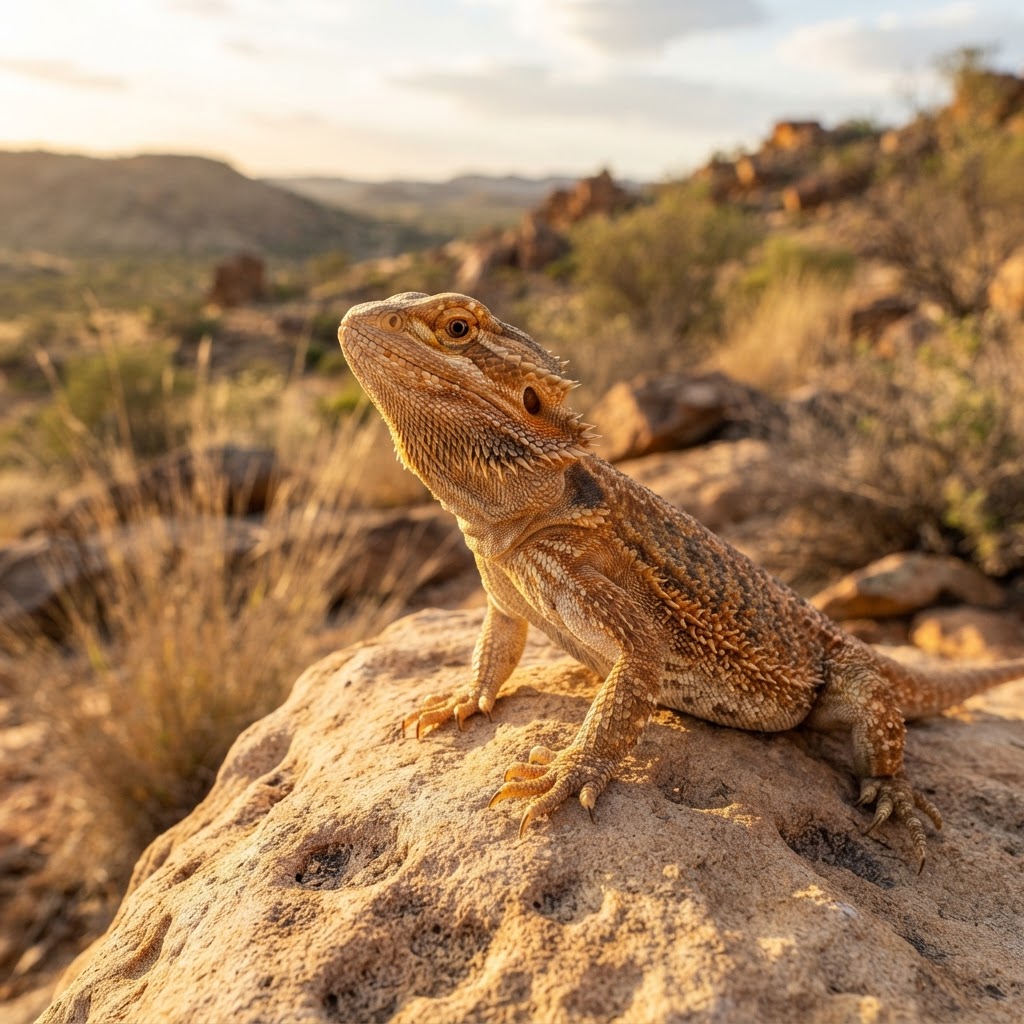
Eastern Bearded Dragon
Pogona barbata
Dry sclerophyll forests, woodlands, heathlands, and coastal dunes; often found basking on fallen timber, fence posts, and rocky outcrops in open, sunlit areas.
Eastern and south-eastern Australia, including eastern New South Wales, Victoria, southern Queensland, and parts of South Australia.
18–24 in / 46–61 cm
Omnivorous: insects (crickets, roaches, grasshoppers, beetles), other small invertebrates, soft vegetation, flowers, fruits, and occasionally small vertebrates.
Seasonal Feeding Schedule
Feeding guidance aligned to the species' native seasons — origin: Southern Hemisphere.
Months shown for the Southern Hemisphere — matches native range.
Increasing appetite as temperatures rise. Offer daily feeding of live insects (crickets, roaches, calci-worms) dusted with calcium, plus a small portion of leafy greens and chopped vegetables. Good hydration and breeding-season protein intake.
Peak feeding season. Provide insects 5–6 times per week alongside daily greens, grated vegetables, and occasional fruit (berries, melon). Ensure ample water and avoid overfeeding fatty prey.
Appetite begins to slow. Reduce insect feedings to 3–4 times per week, maintain greens, and monitor body condition ahead of cooler months.
Often enters a period of reduced activity or brumation in cooler regions. Offer food sparingly (1–2 times per week or less) only if the animal remains active; many individuals refuse food during brumation. Always provide fresh water.