The Reptile Atlas
Explore the world's reptile species — snakes, lizards, turtles, crocodilians, and more. Discover their habitats, diets, and seasonal feeding guides.
Massive thanks to everyone who has visited the site almost 8k and I really hope it helps yinz out. Google play store app in the works!!!!! Log in for more features
The app is in the testing stage and I'm looking for Android users to help test it out. If interested, you can email me at geckoatlas.support@gmail.com
Seasonal Feeding Alerts
Northern Hemisphere
Autumn
443 species
Southern Hemisphere
Spring
271 species
Current feeding schedule changes
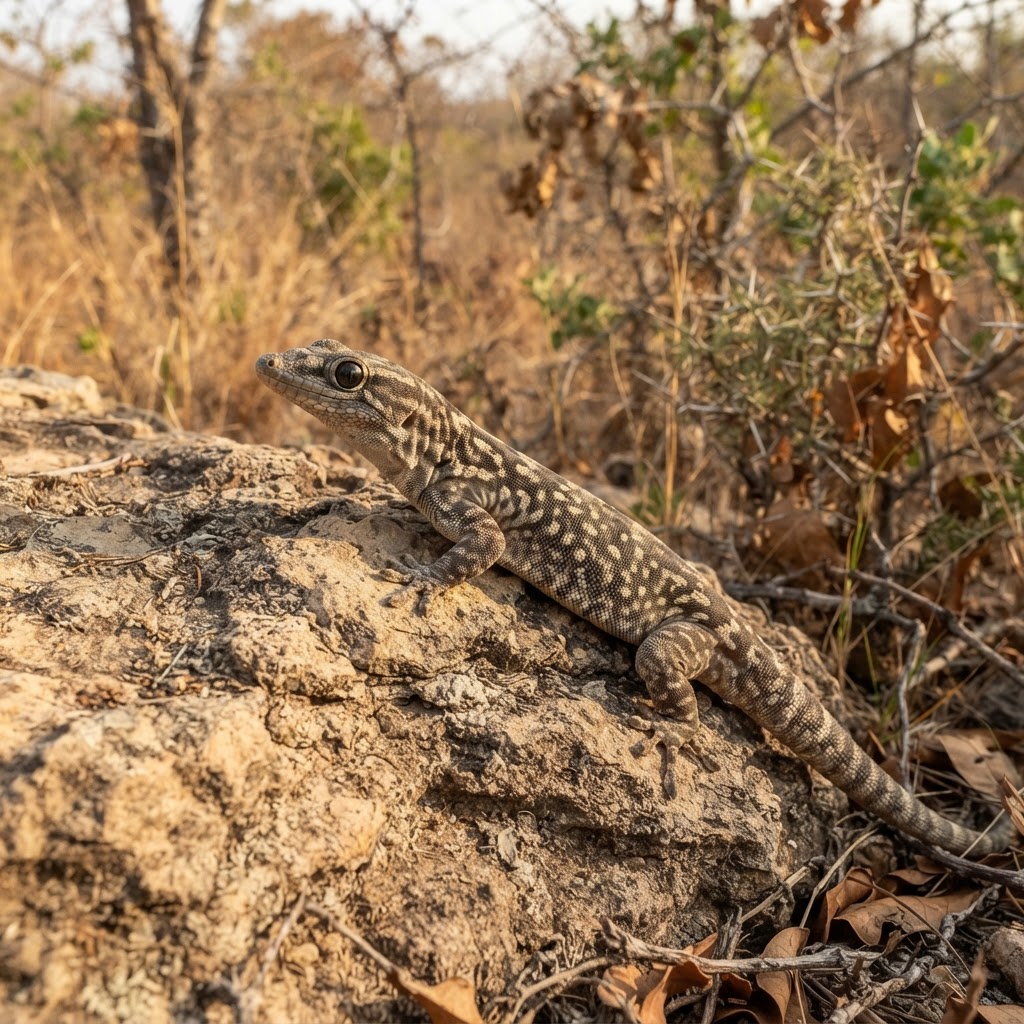
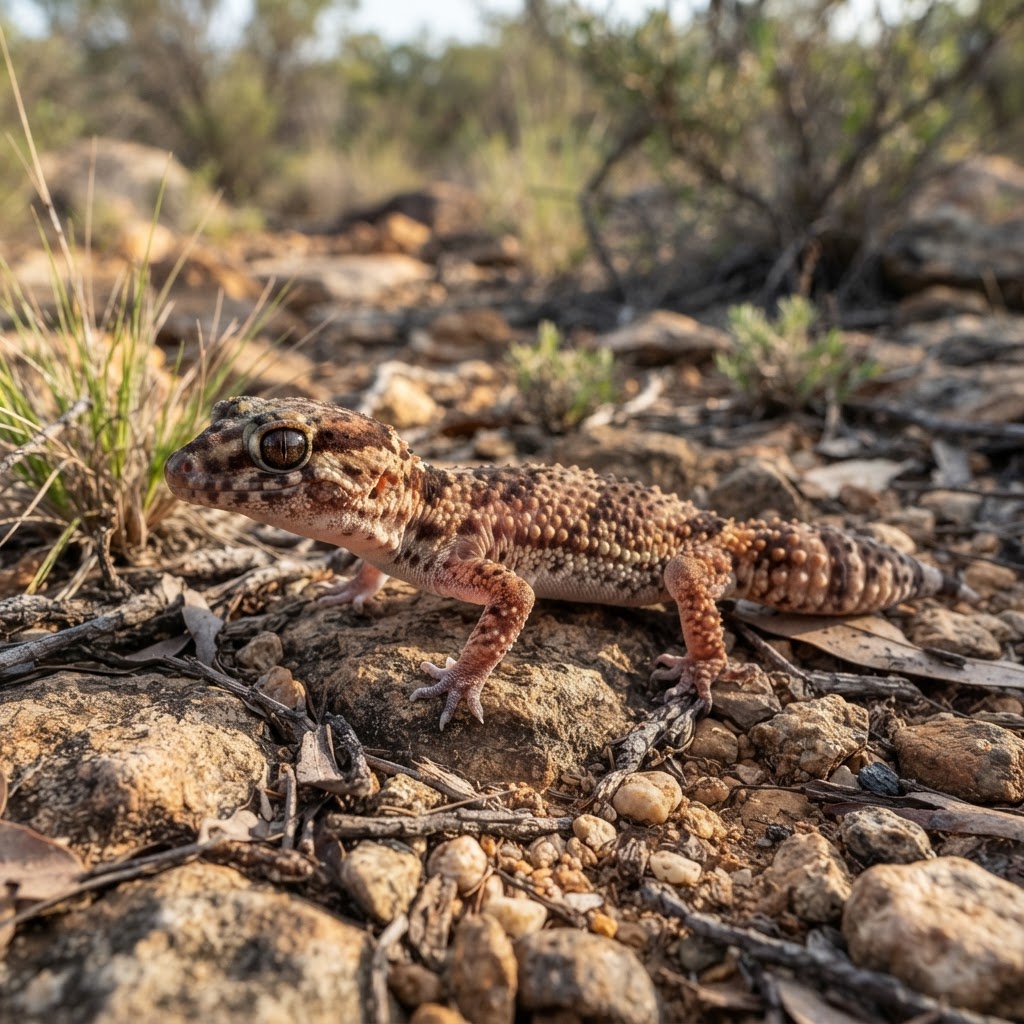
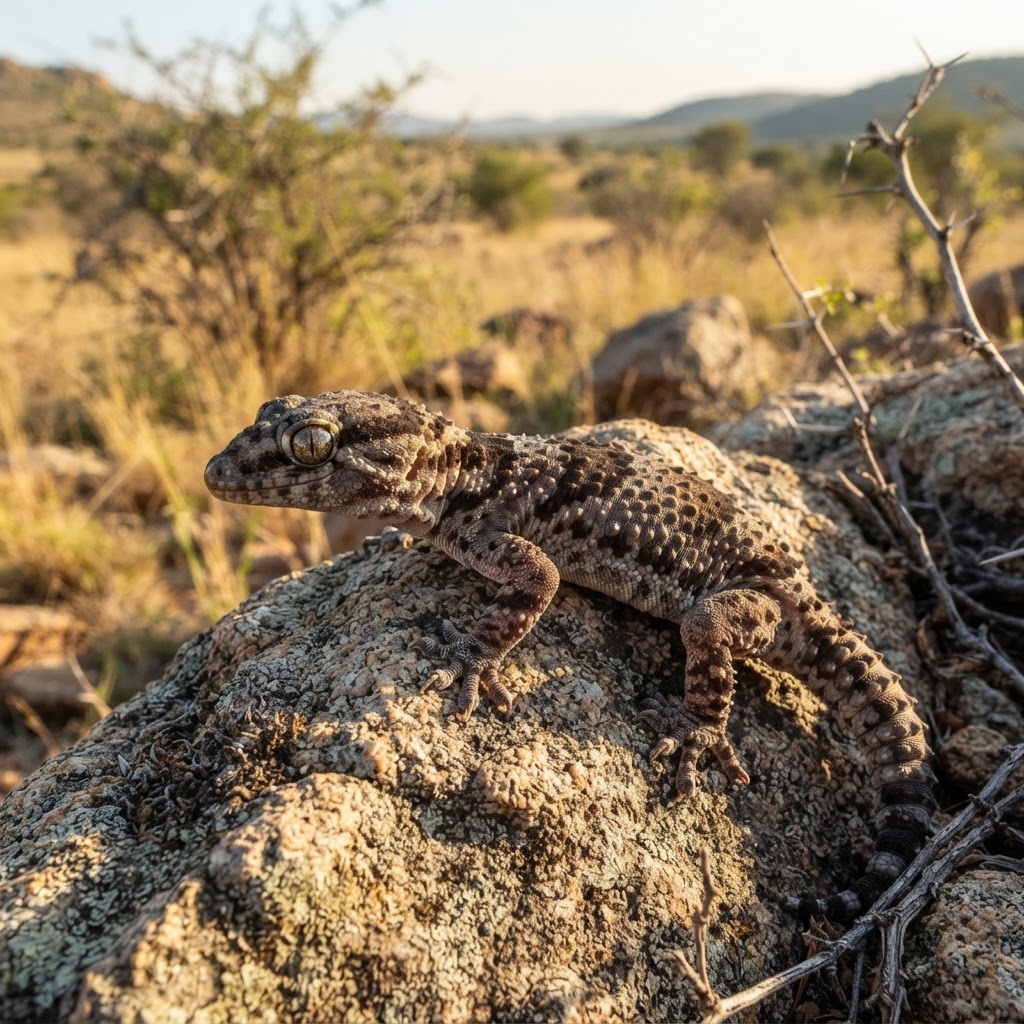
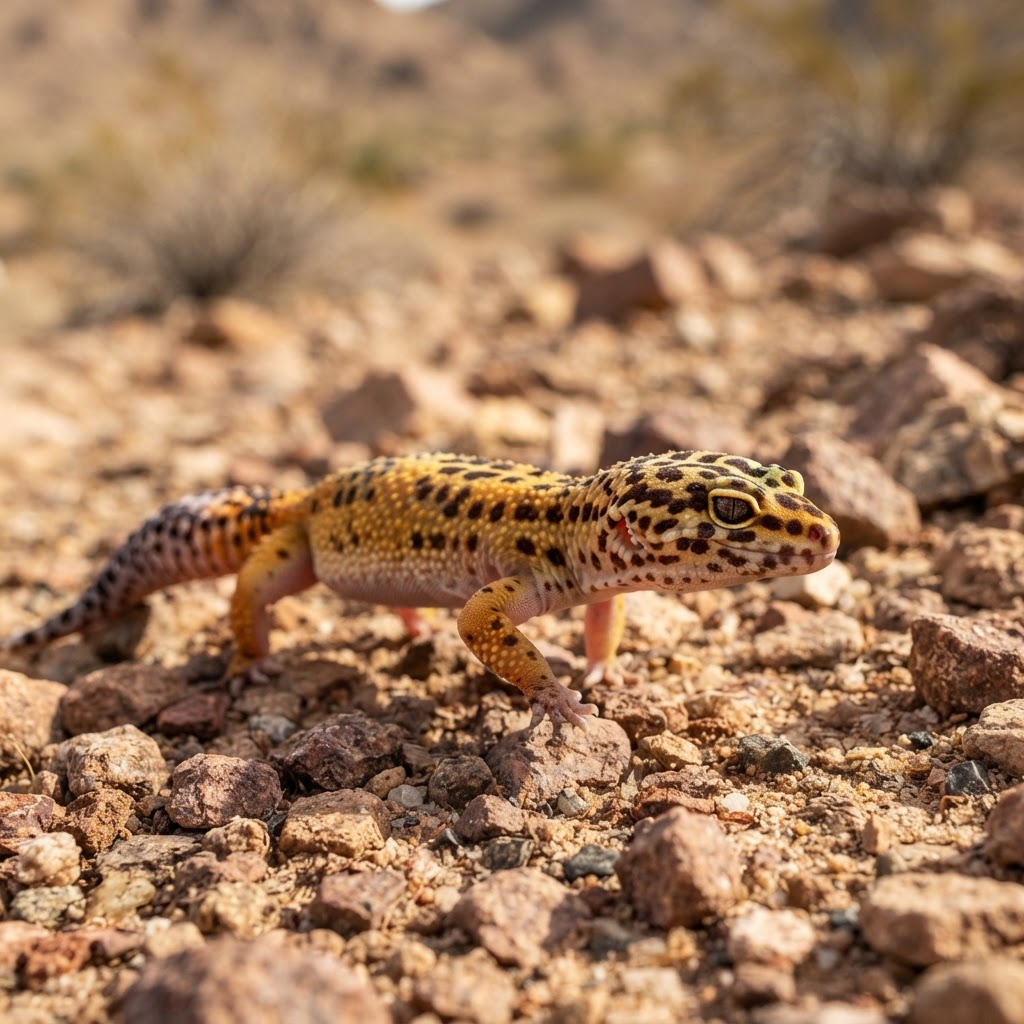
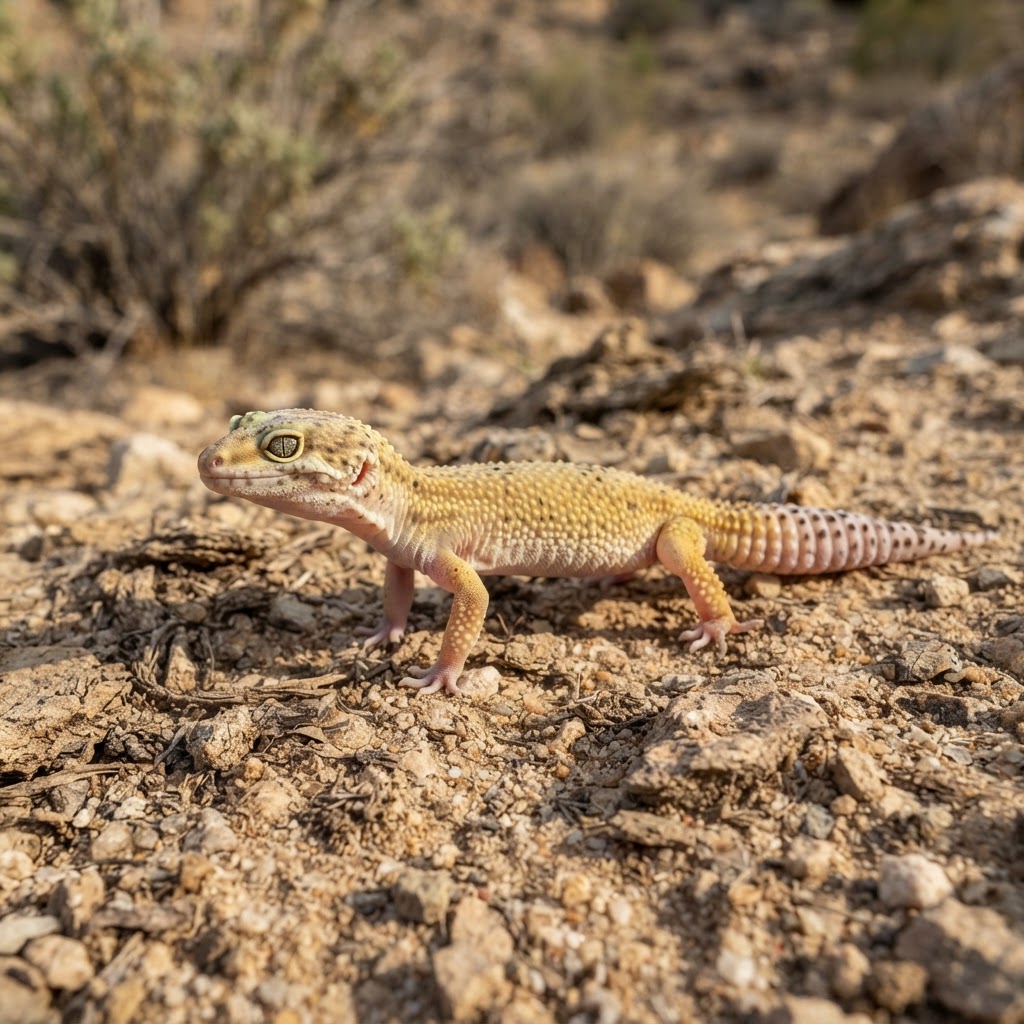
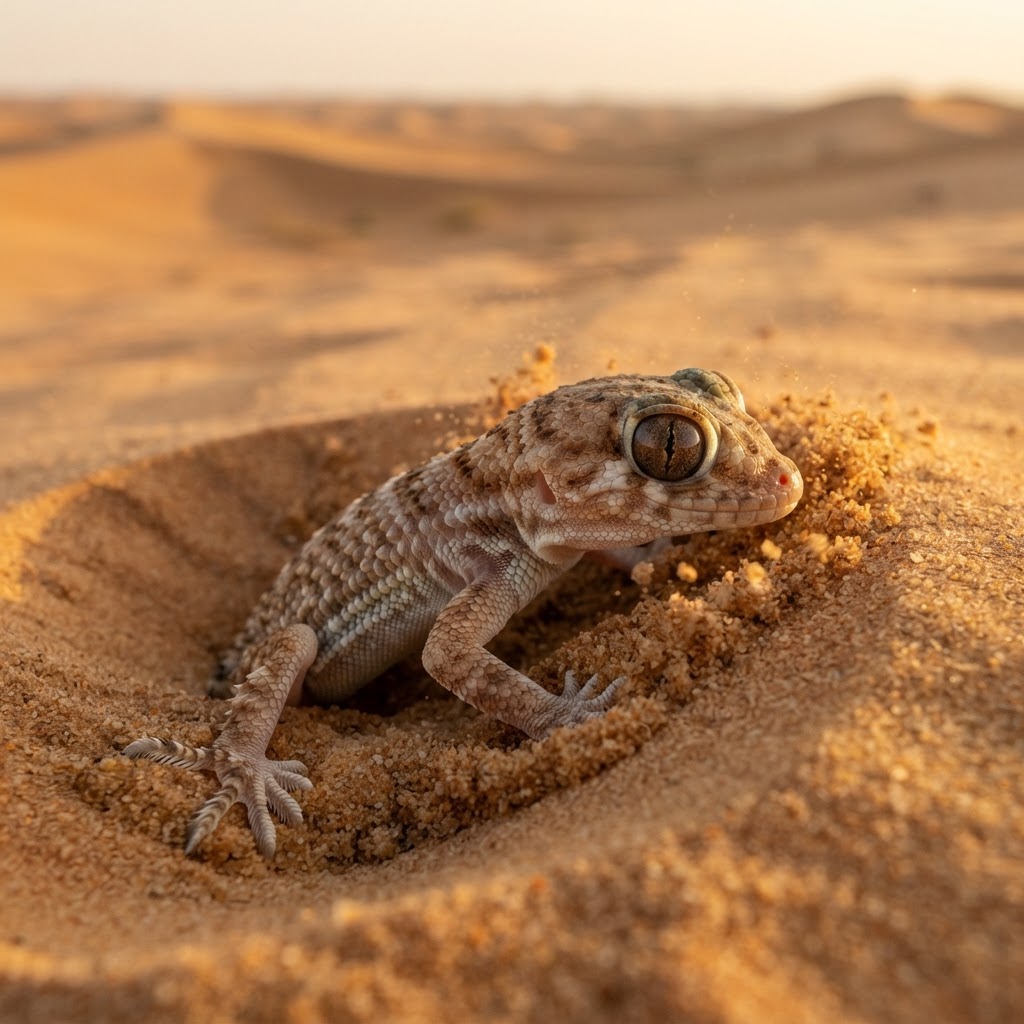
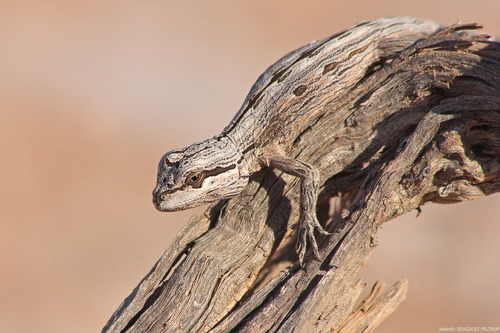
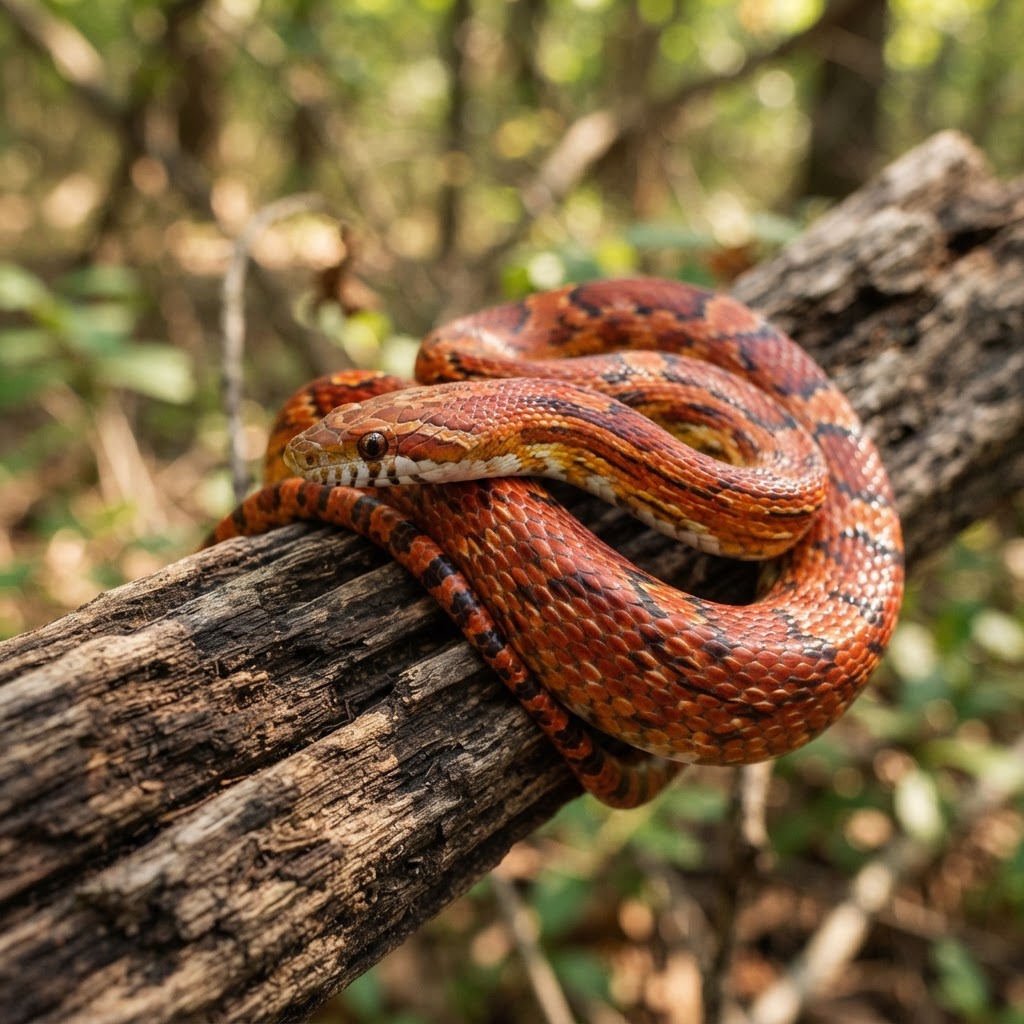
🍂Afghan Leopard Gecko
Autumn: Maintain feeding to build tail fat reserves ahead of winter; 2–3 times per week.
Hornworms
Autumn: Maintain cultures at room temperature. Continue commercial diet only.
Mealworms & Superworms
Autumn: Continue regular feeding. Monitor for pupation and separate beetles from larvae.
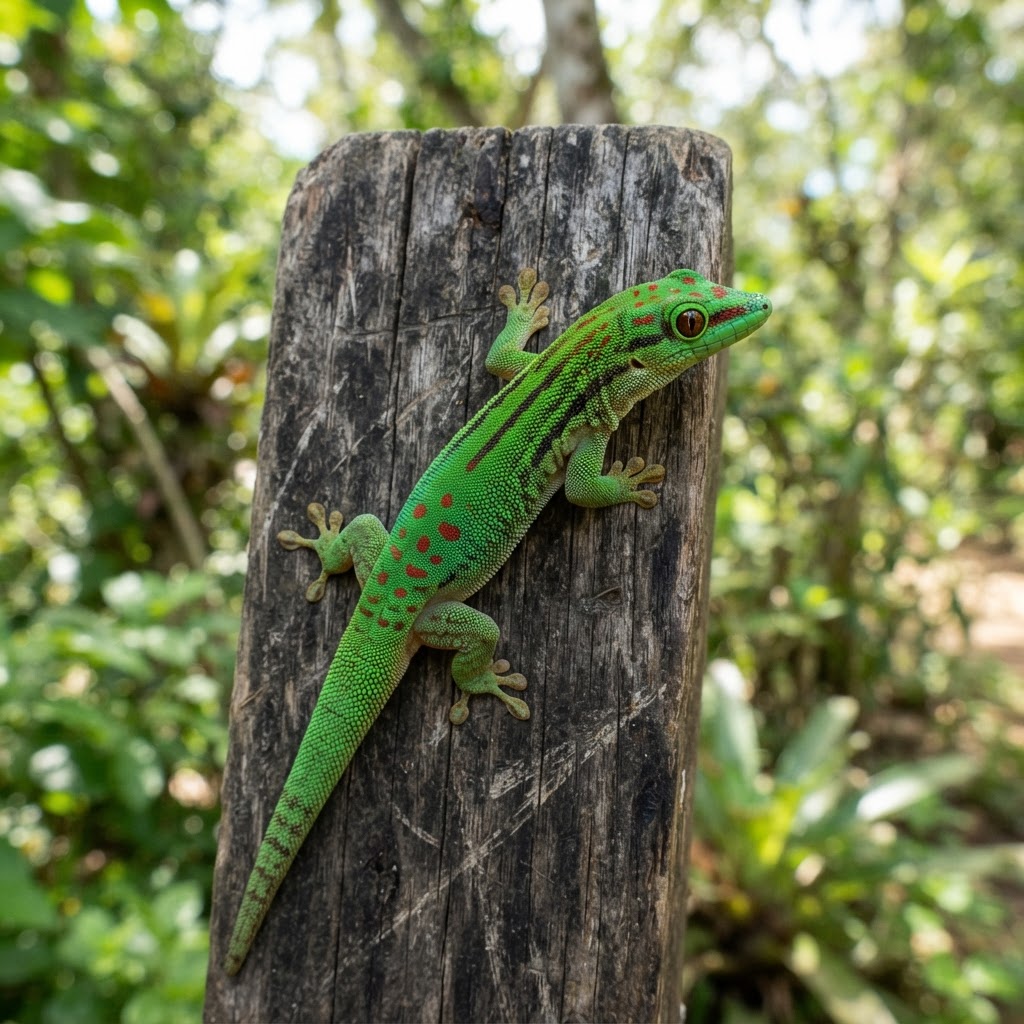
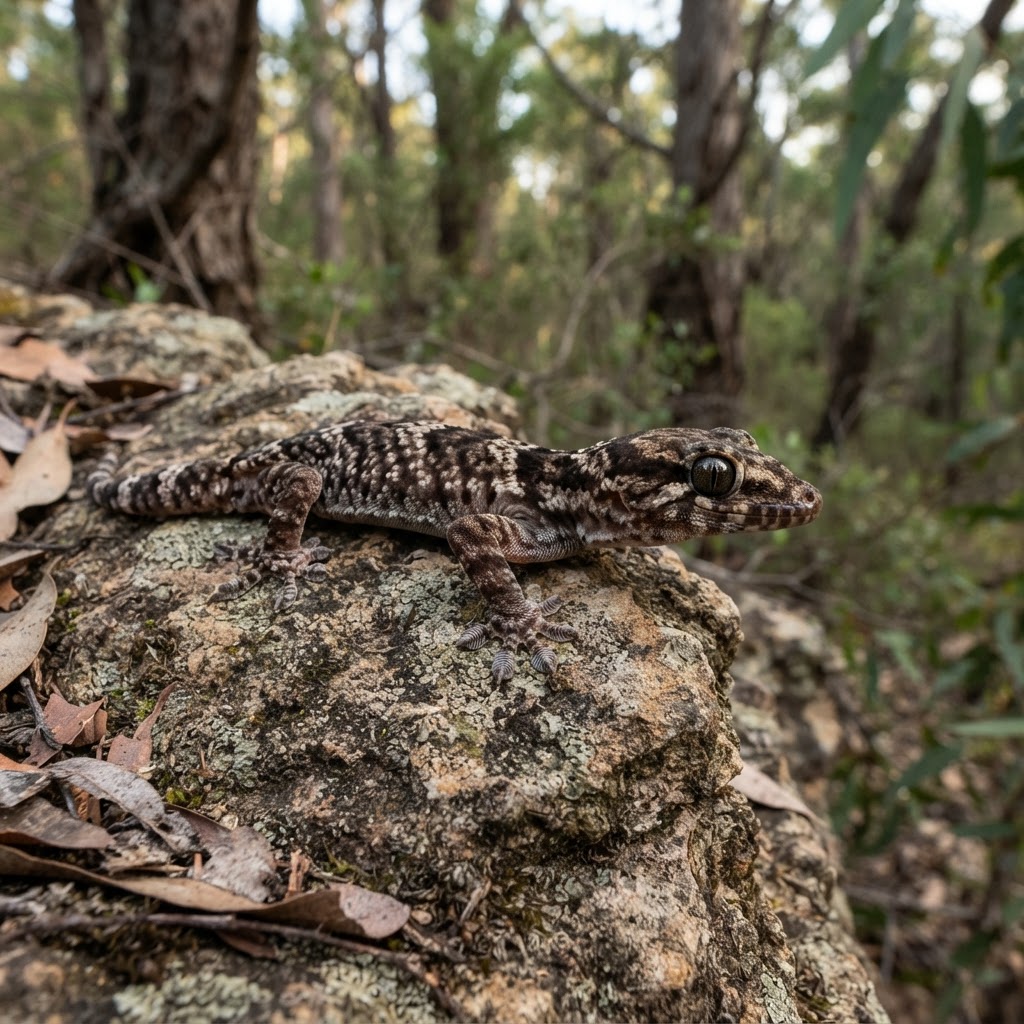
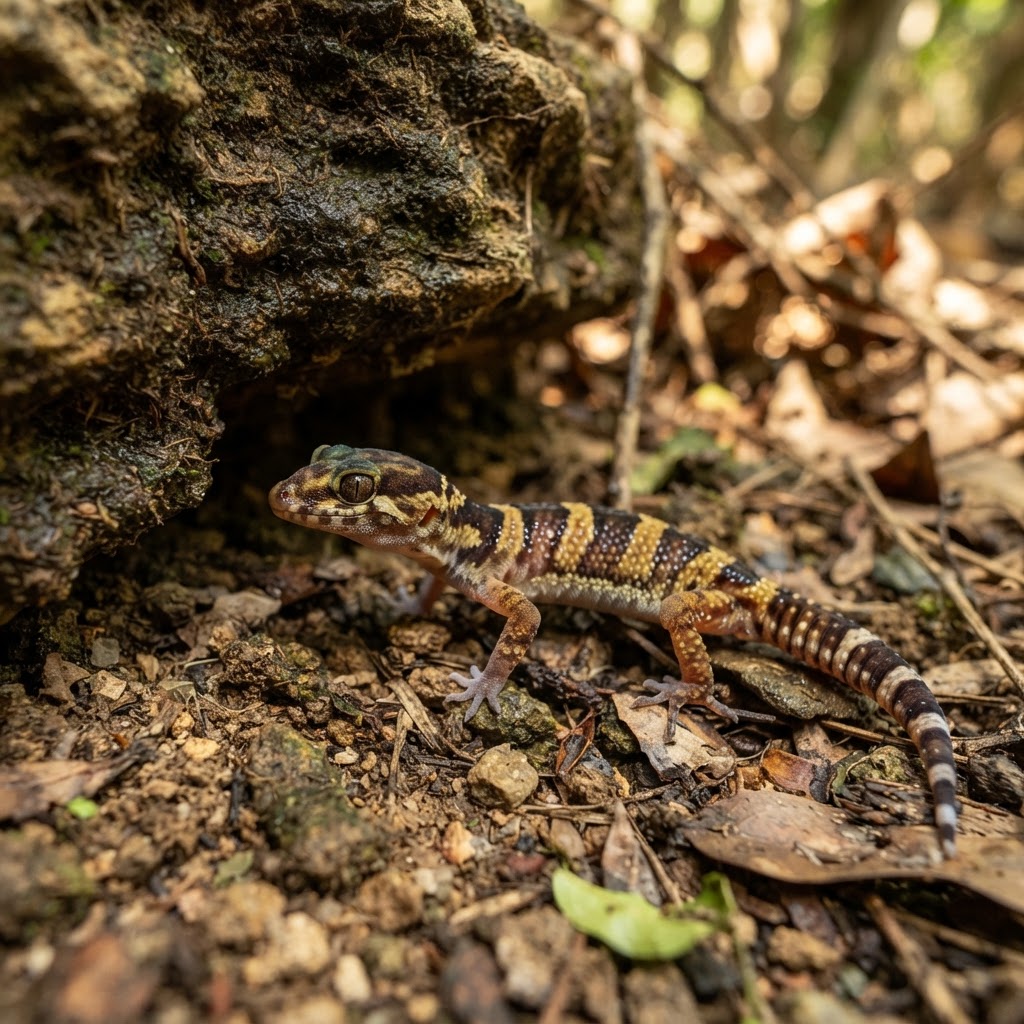
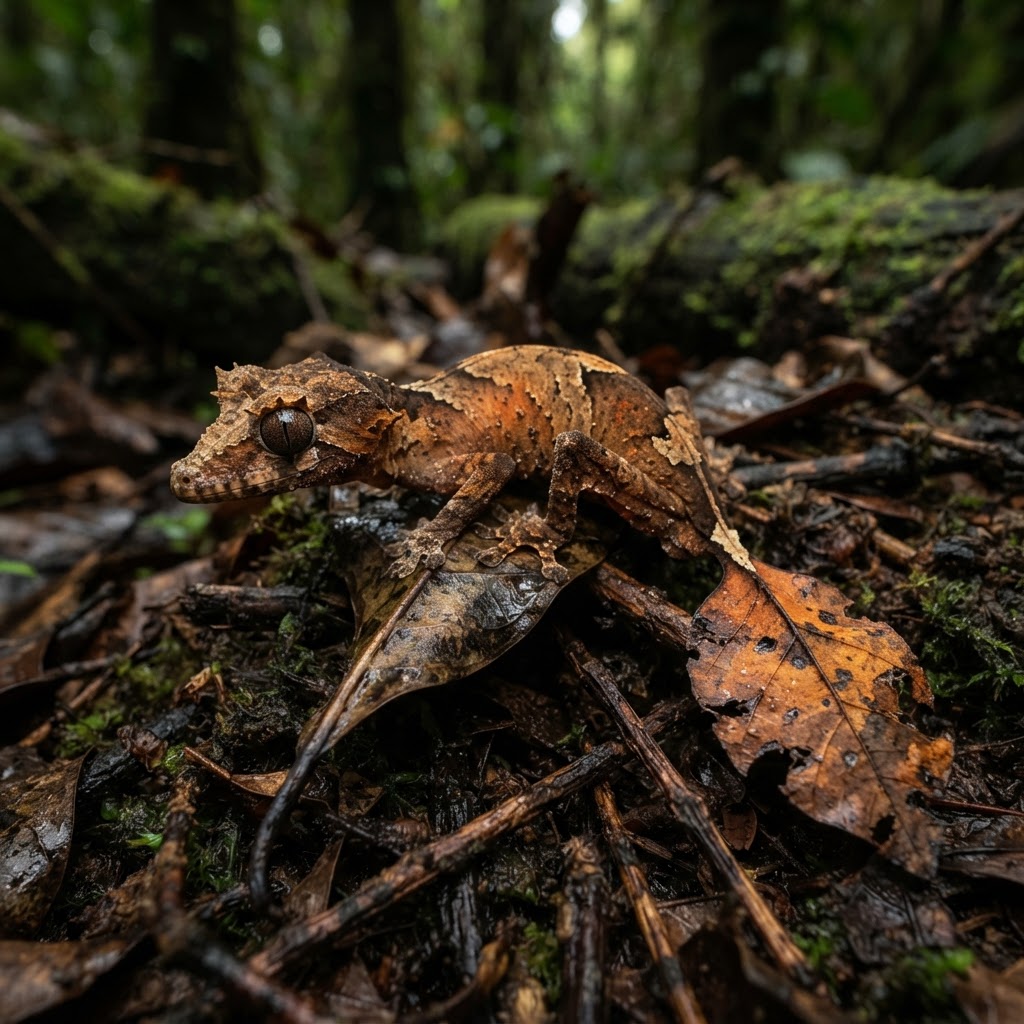
Henkel's Leaf-tailed Gecko
Spring: Increase feeding as temperatures warm; offer appropriately sized insects 3–4 times per week, dusted with calcium.
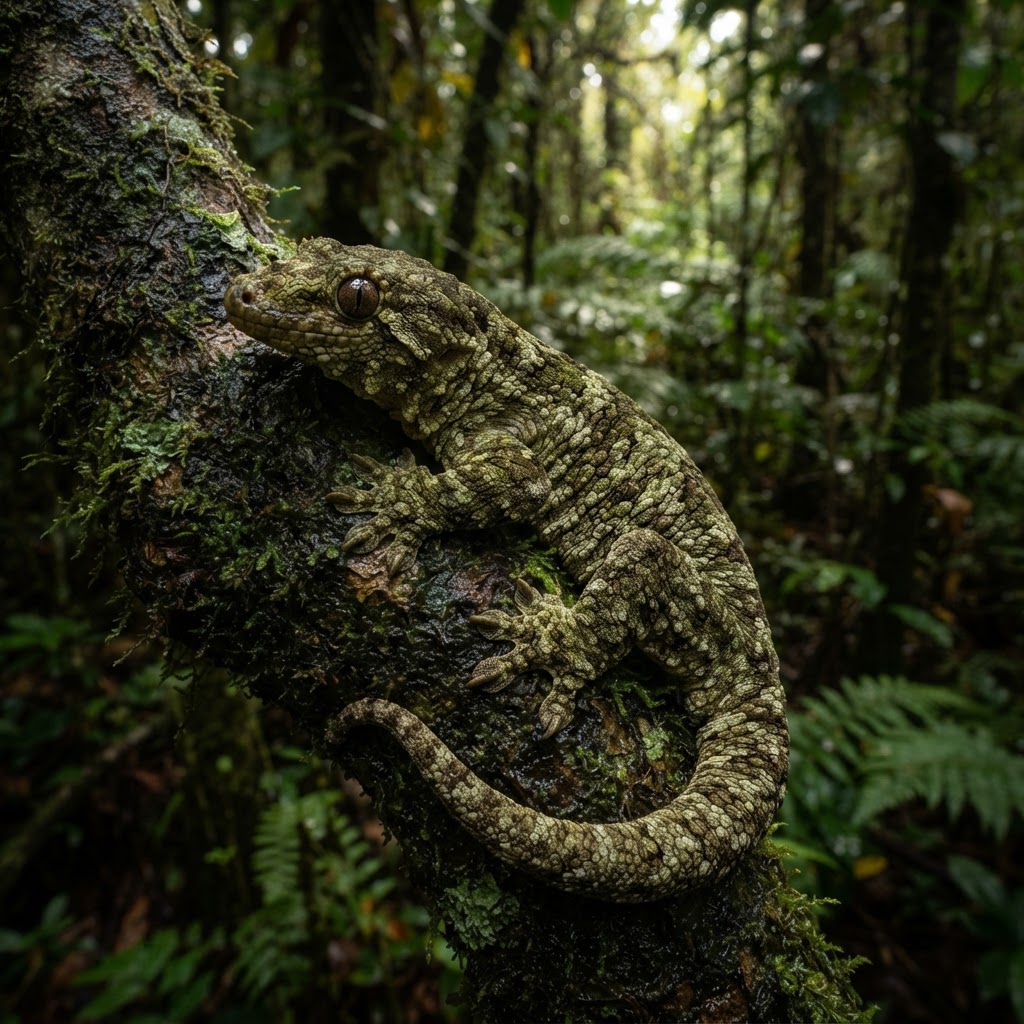
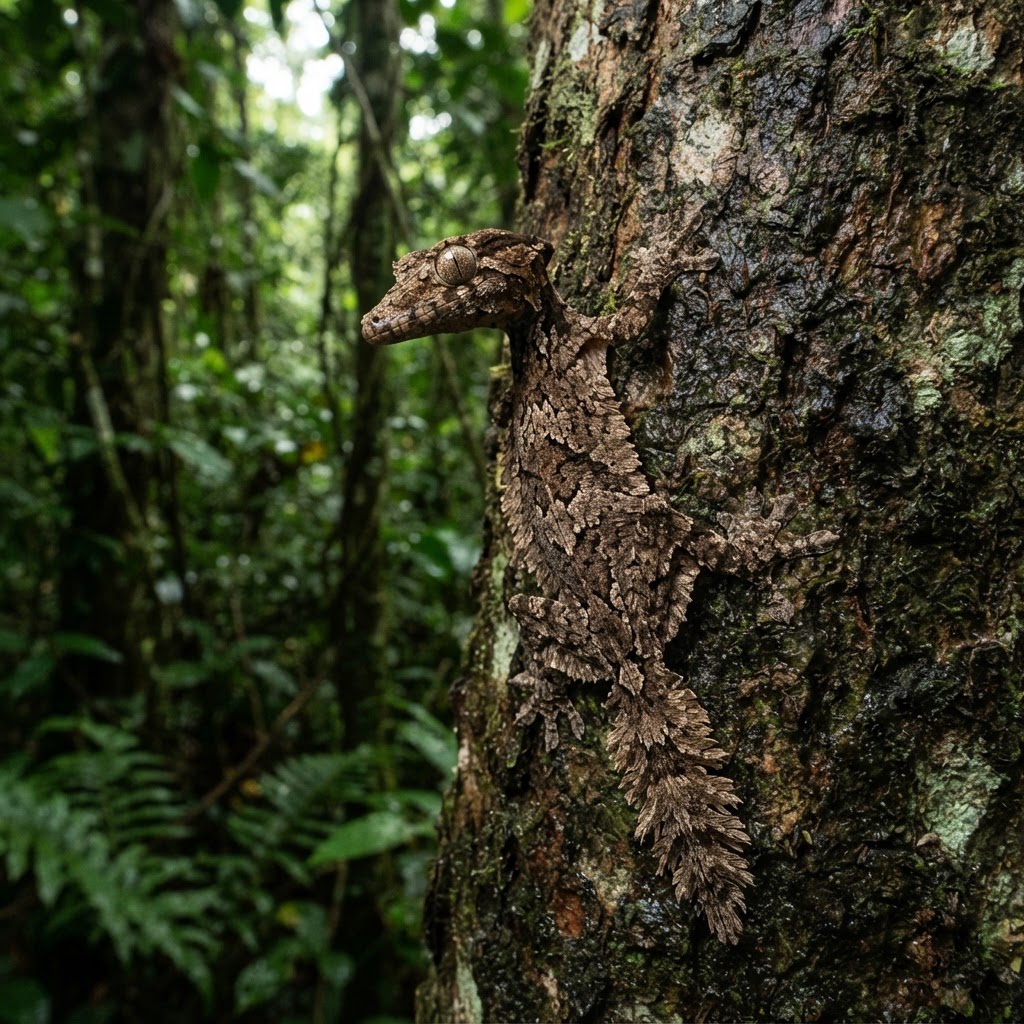
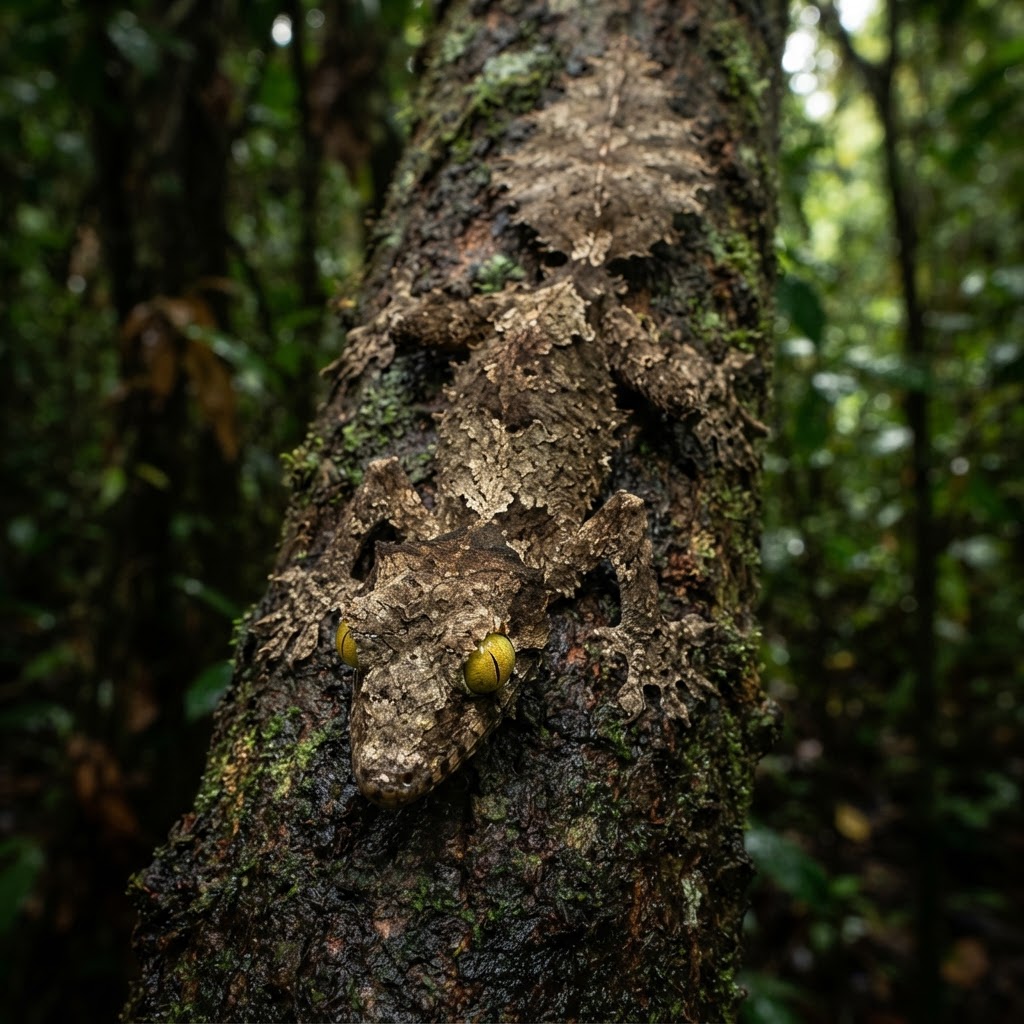
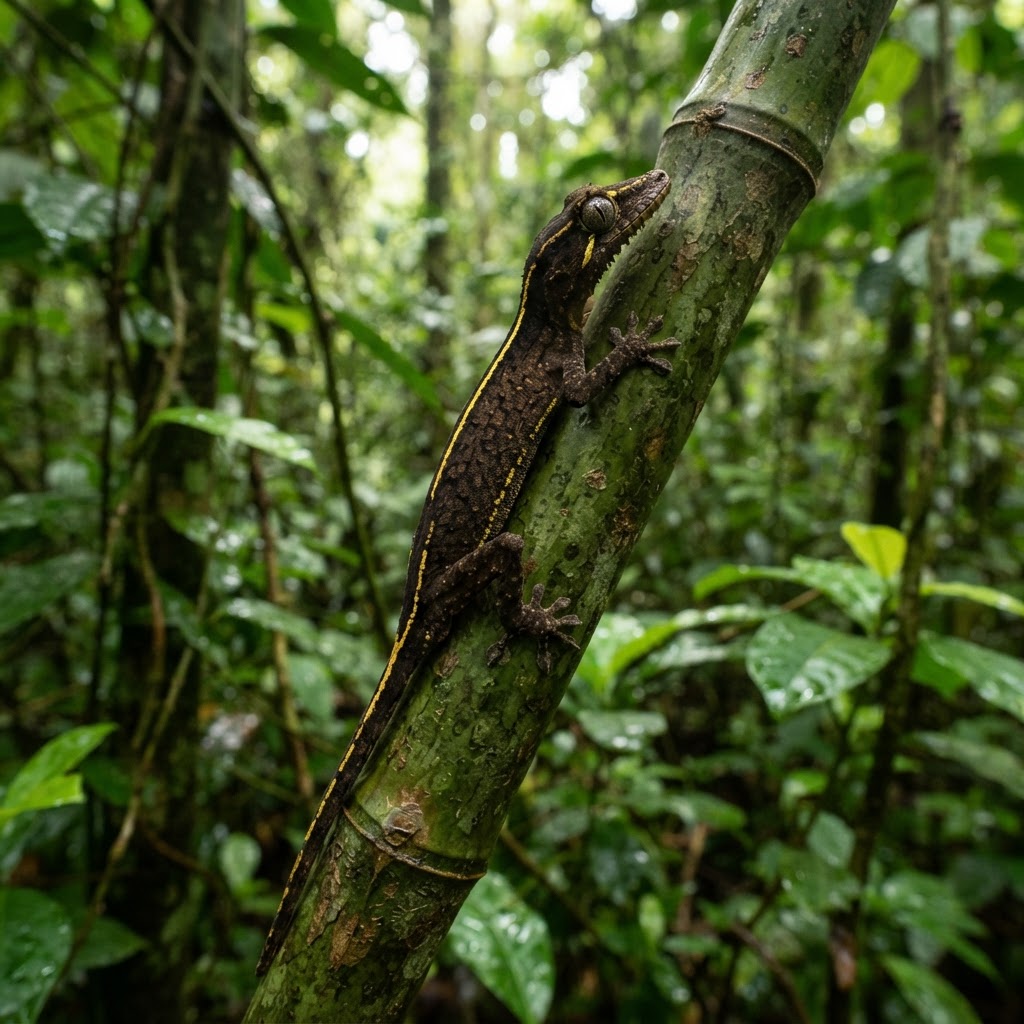
Sorah Leaf-tailed Gecko
Spring: Increase feeding as humidity rises; offer small insects 3–4 times per week with calcium dusting.
Log in to unlock your personal collection page, feeding logs, breeding tracking, calendar sync, and more features. Fixing Google login issues — you can still log in by registering.
Showing 704 species · 3 sub-species
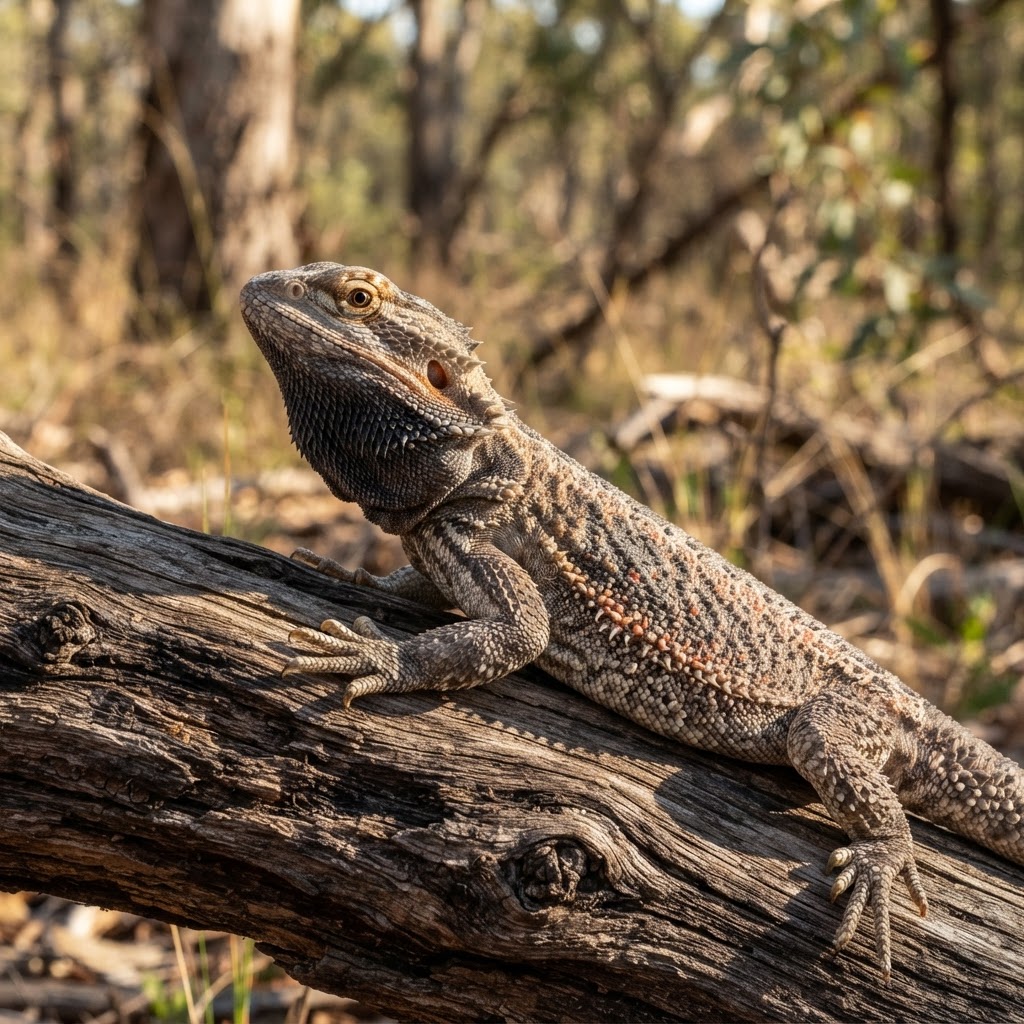


%20male.jpg)
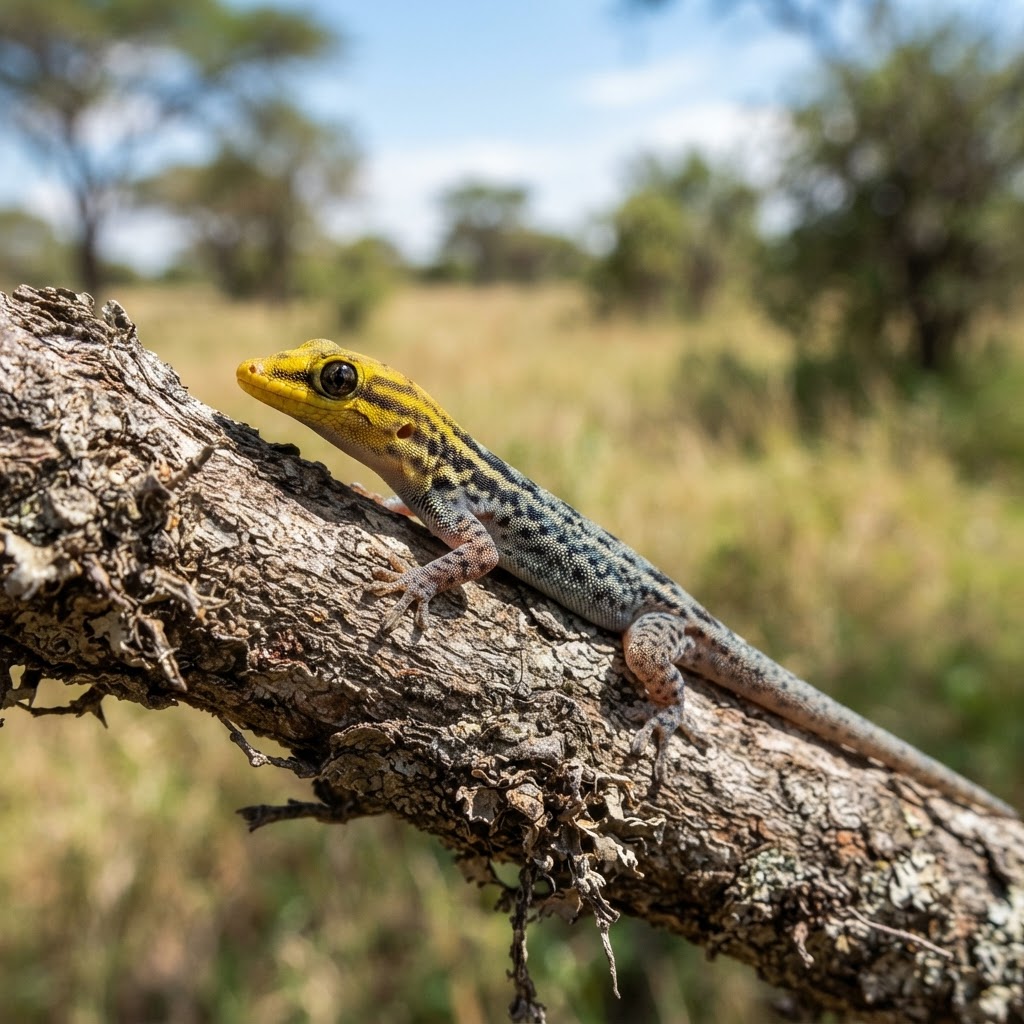
.jpg)

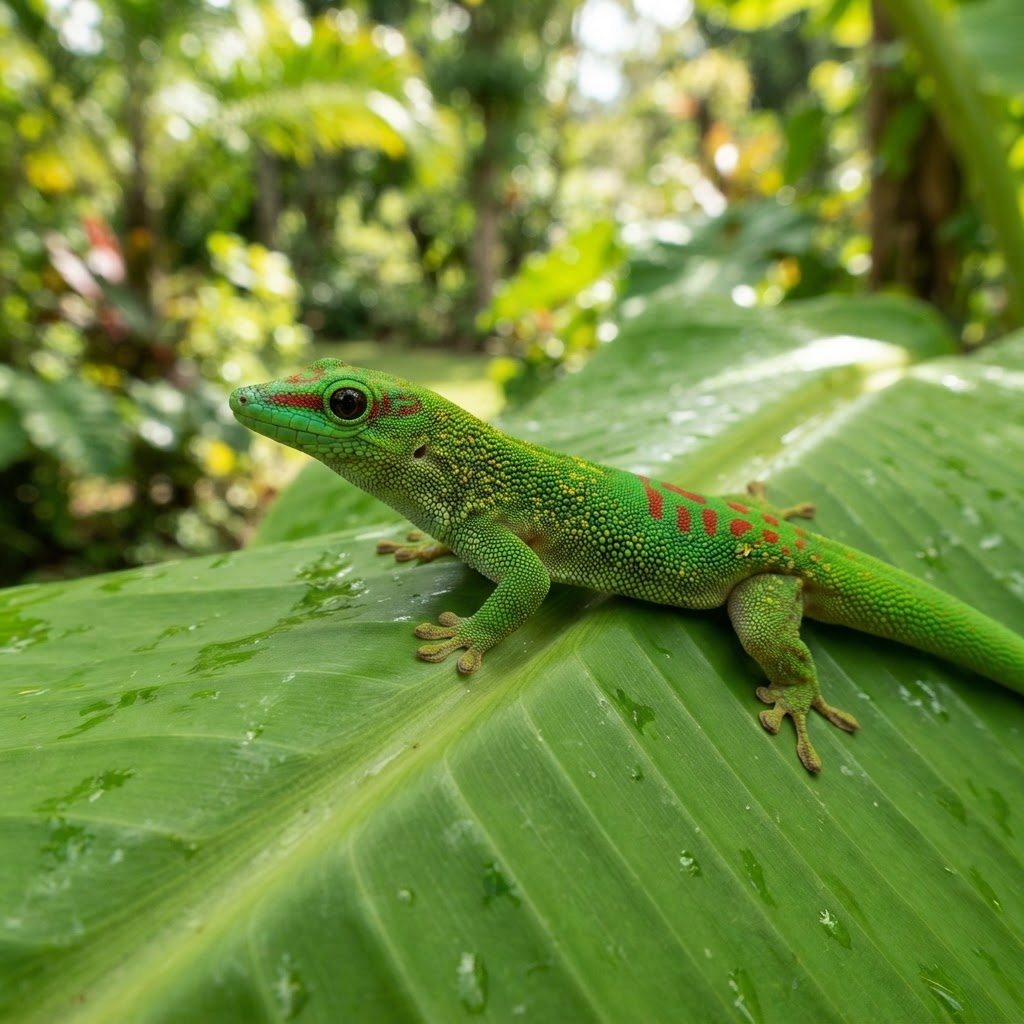
%20(10106331165).jpg)
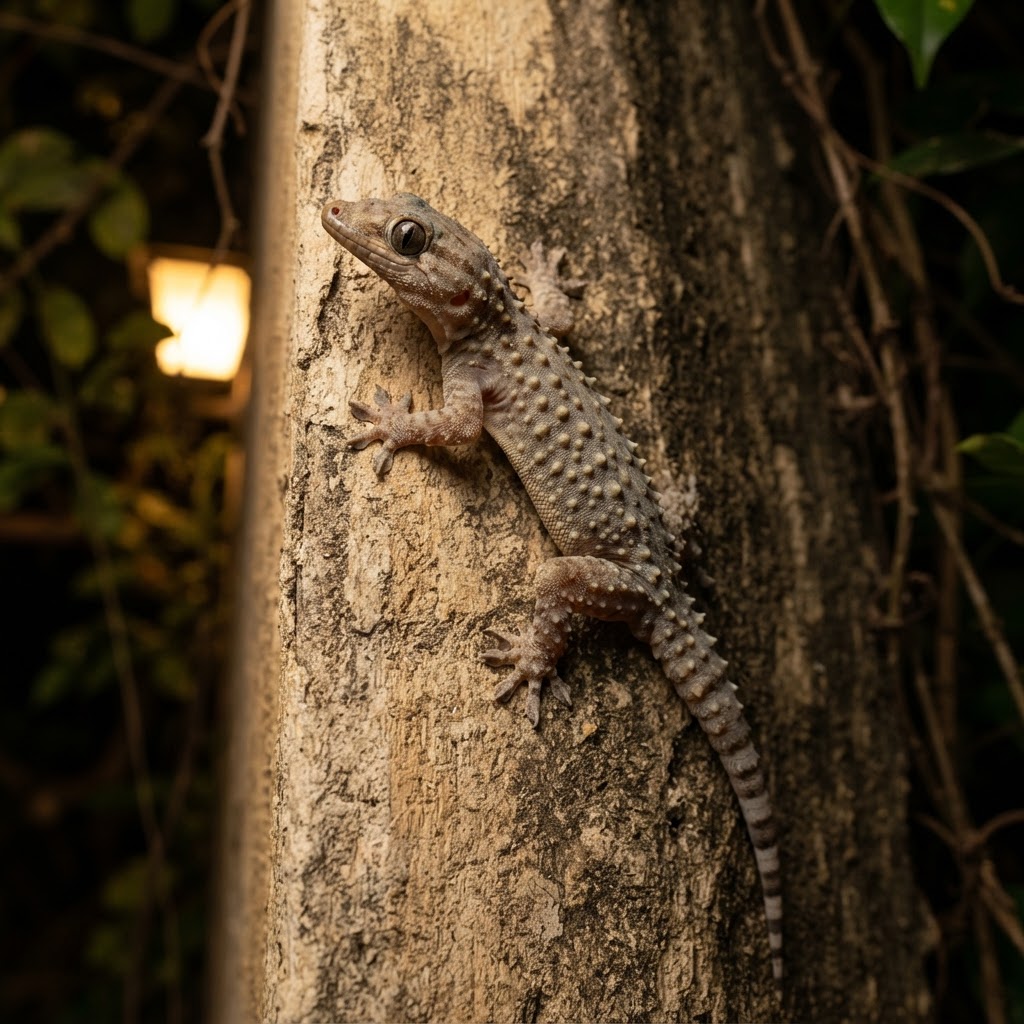
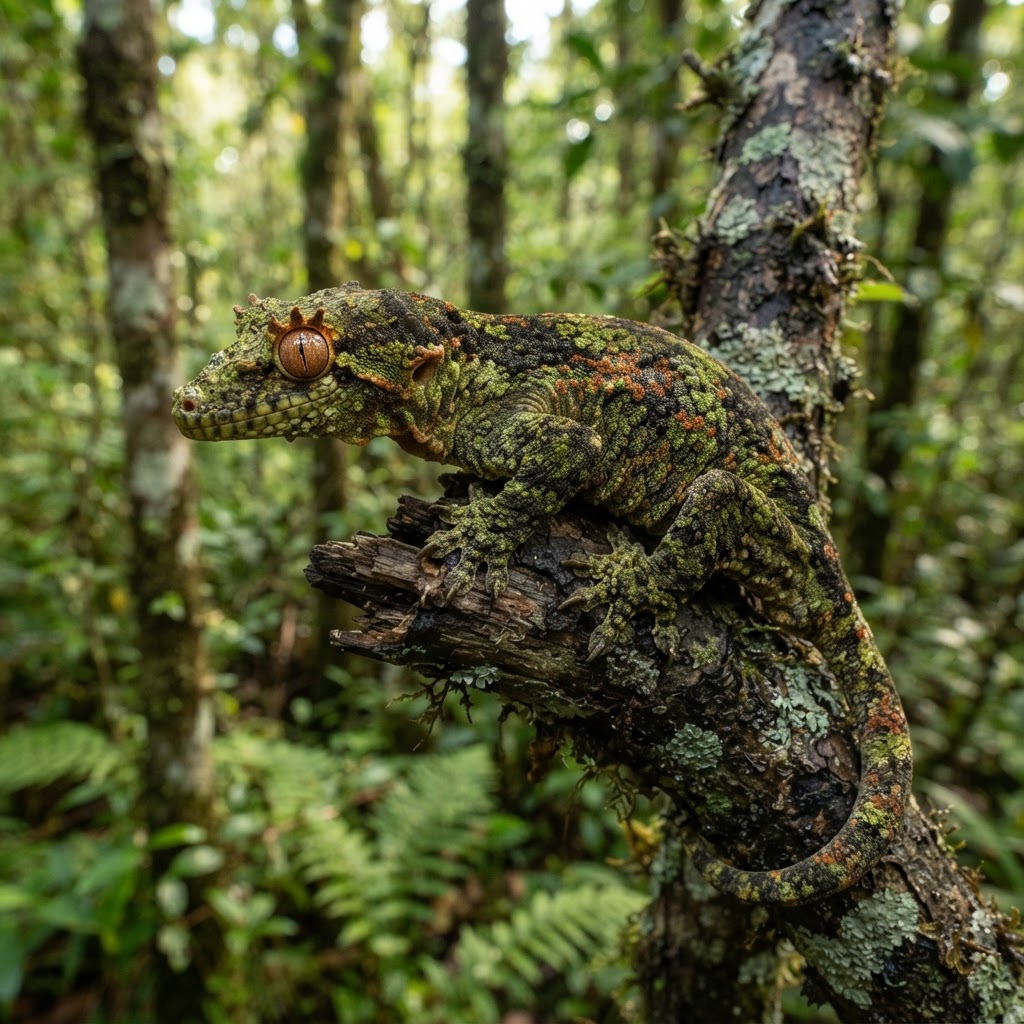
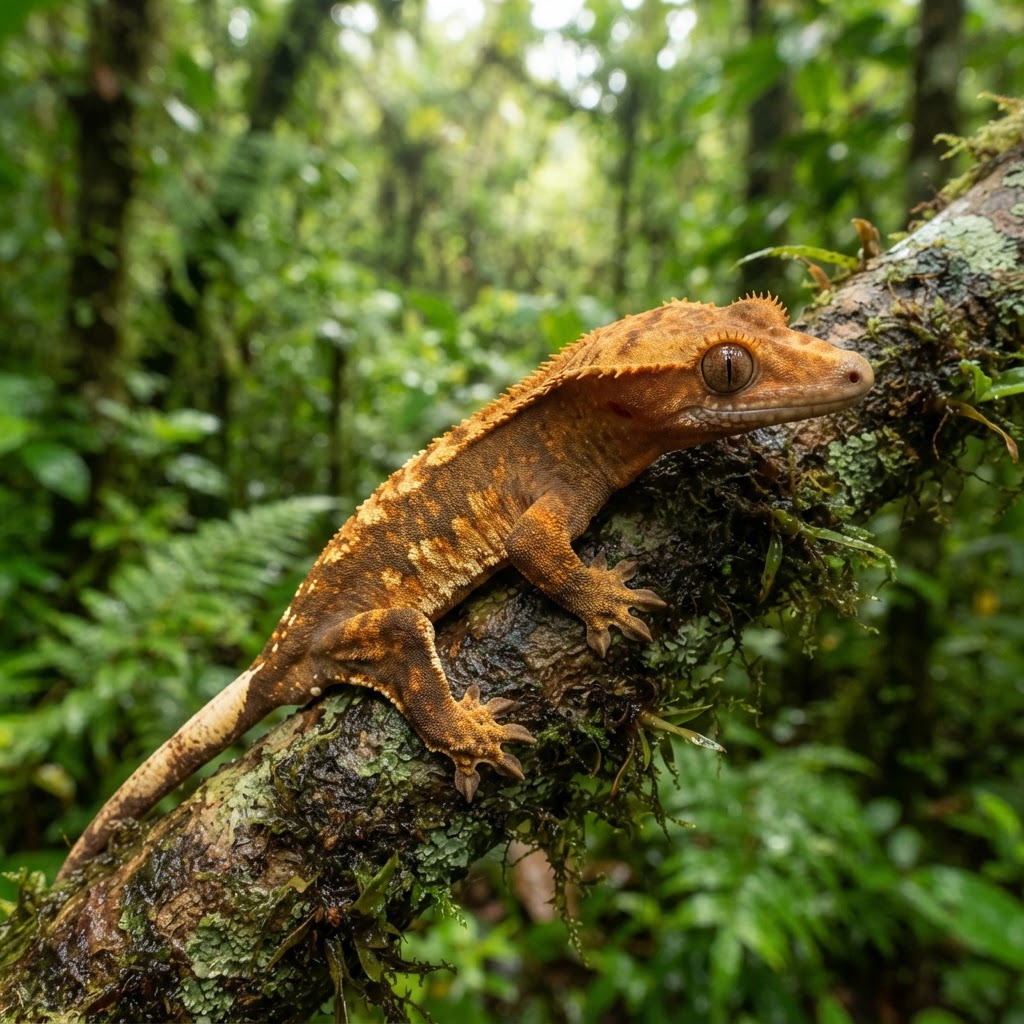
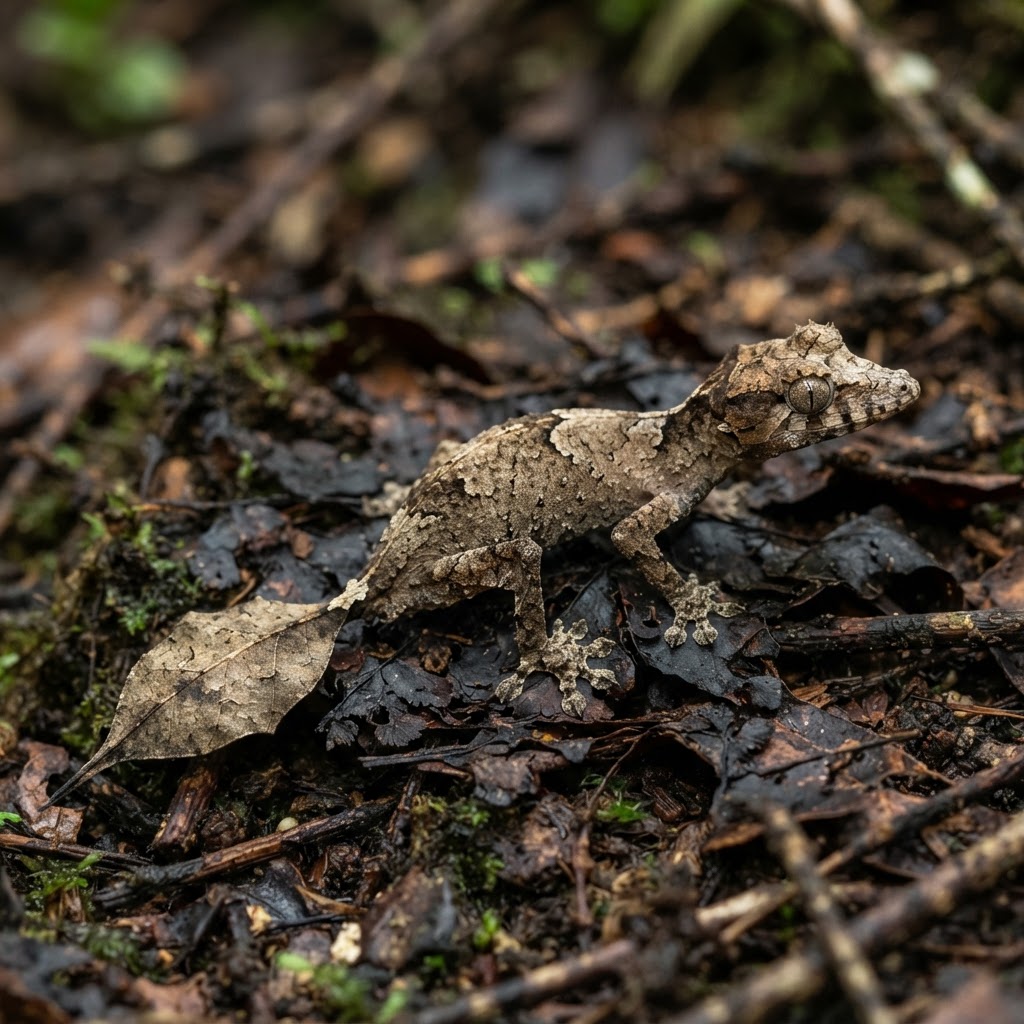
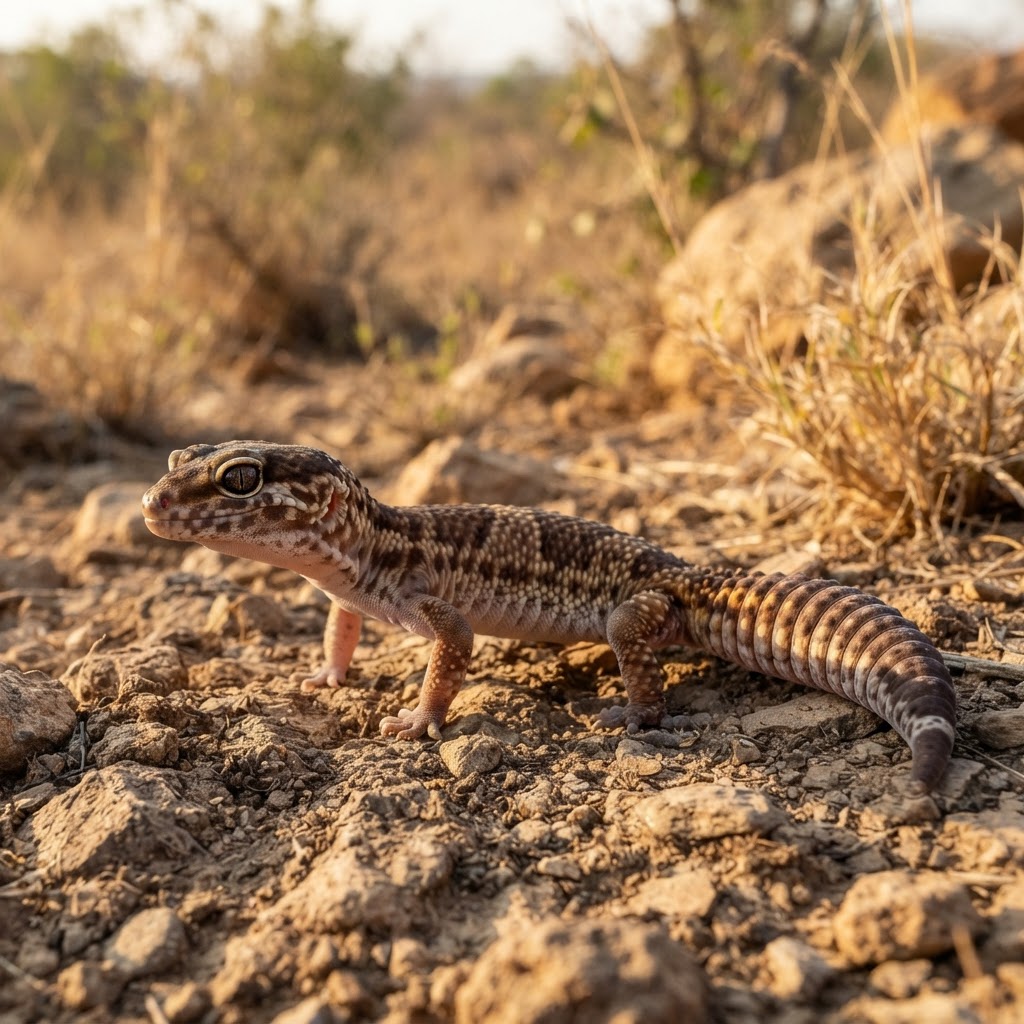
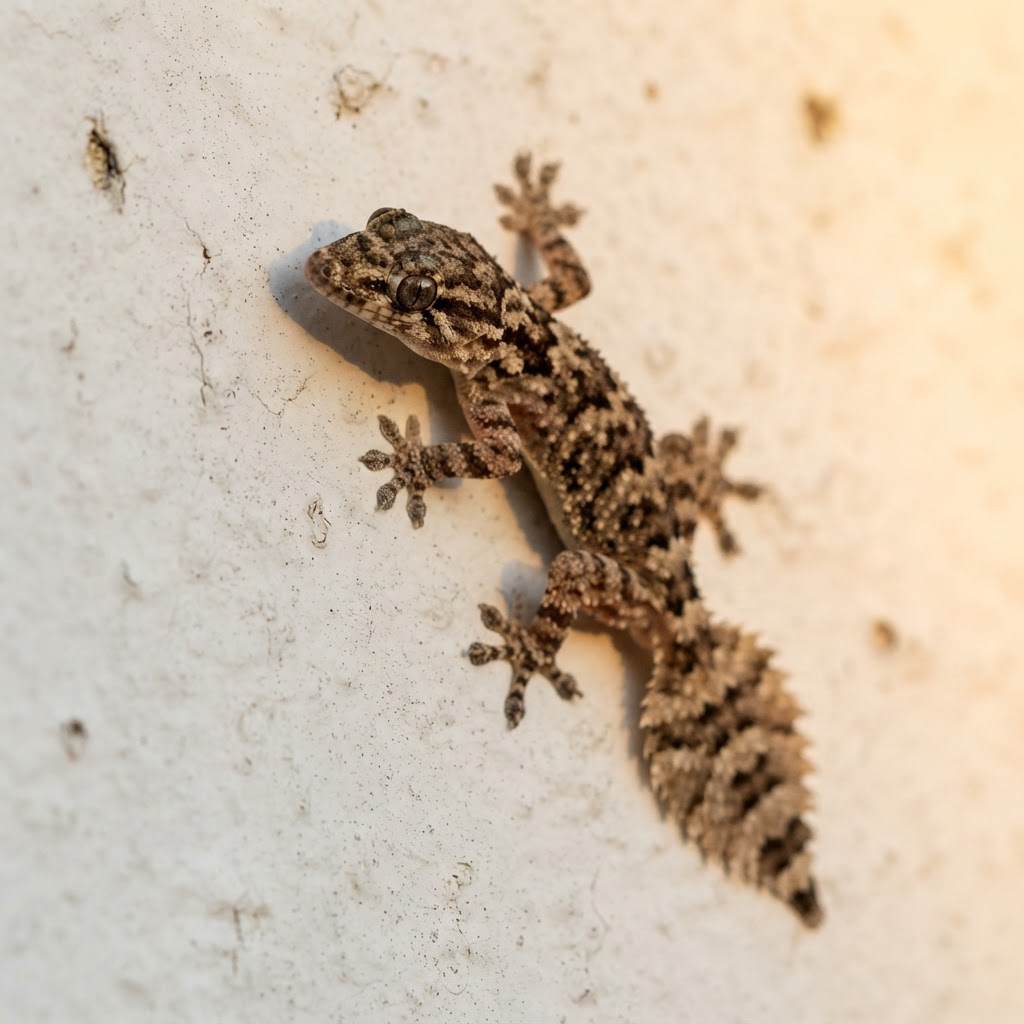
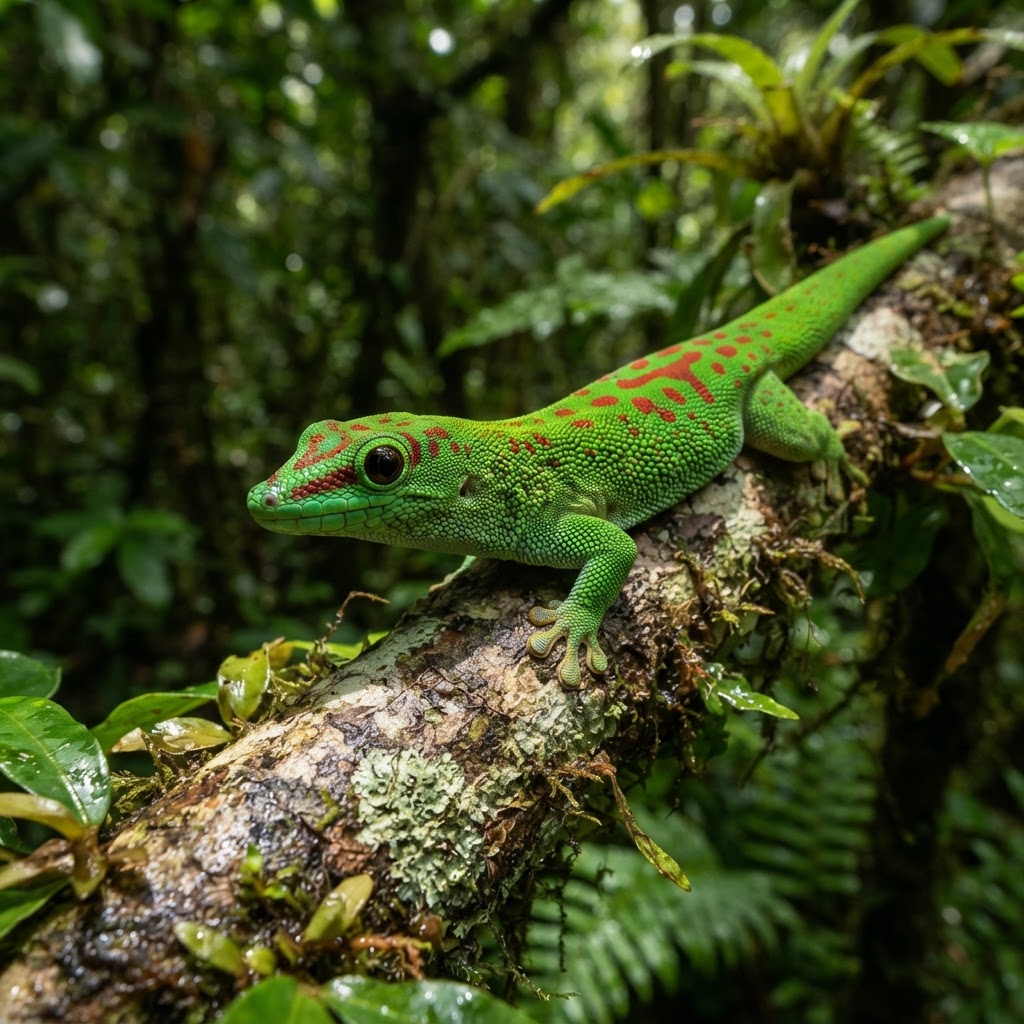
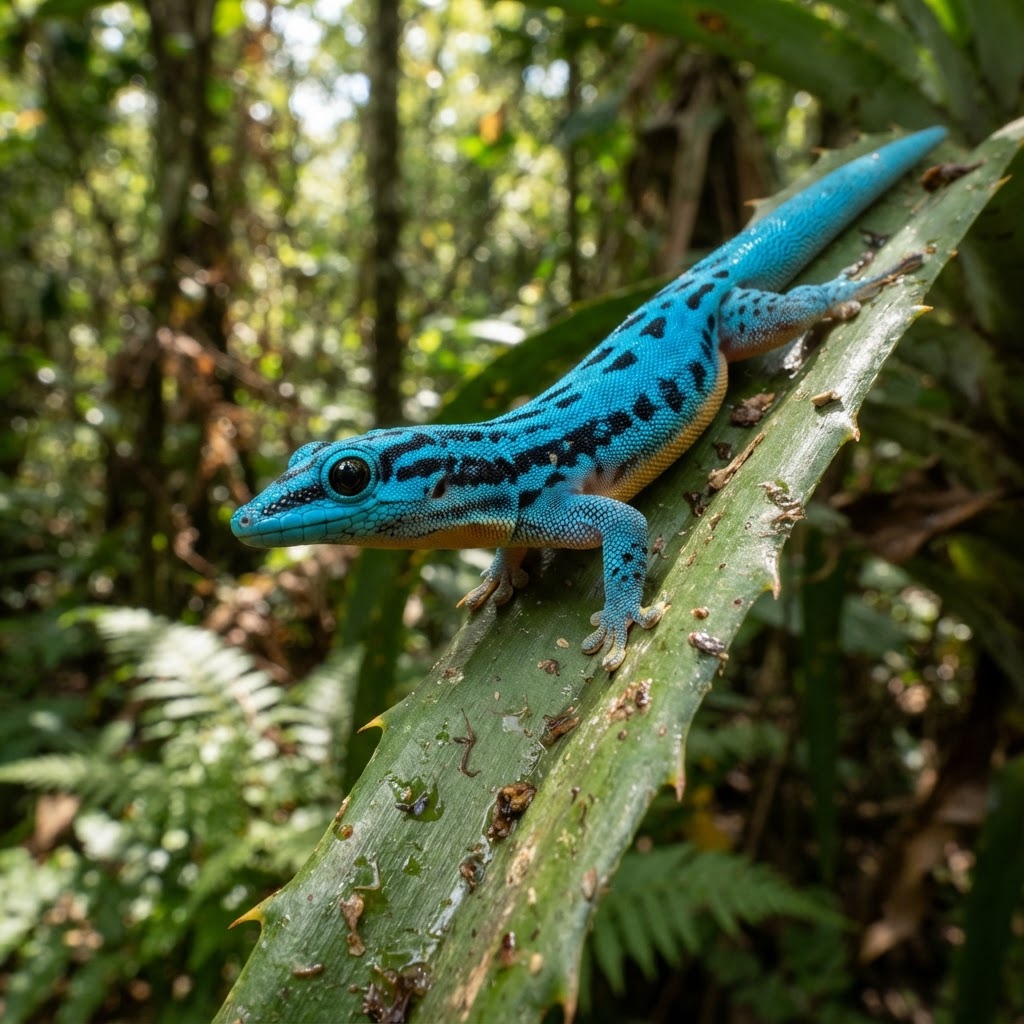
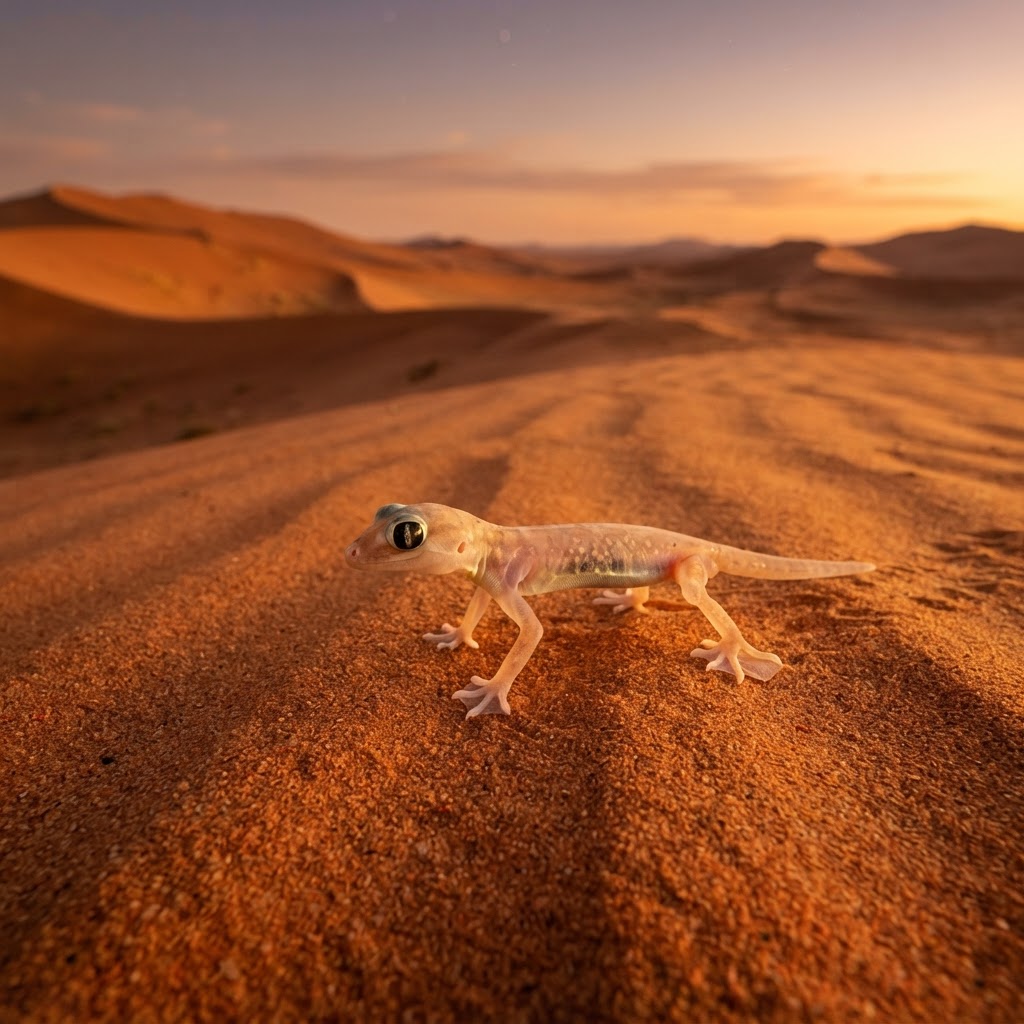
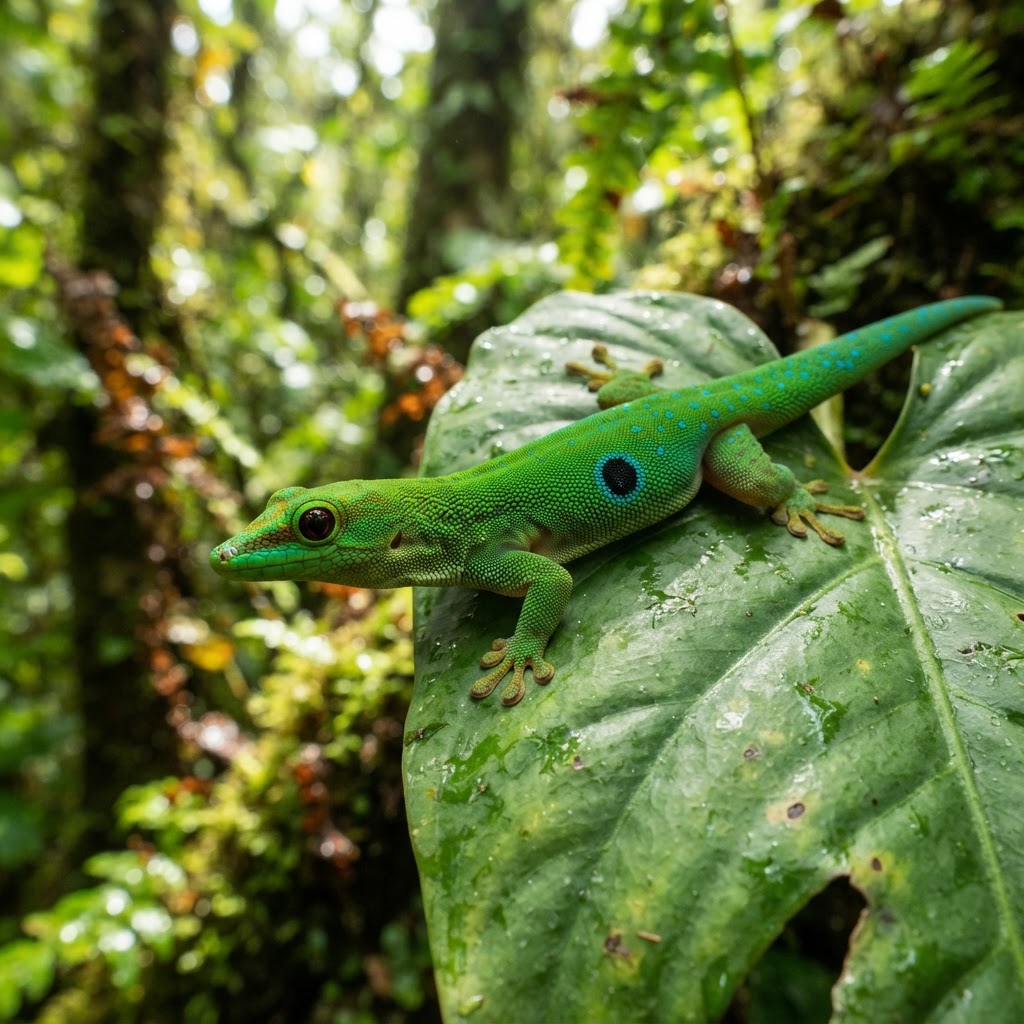
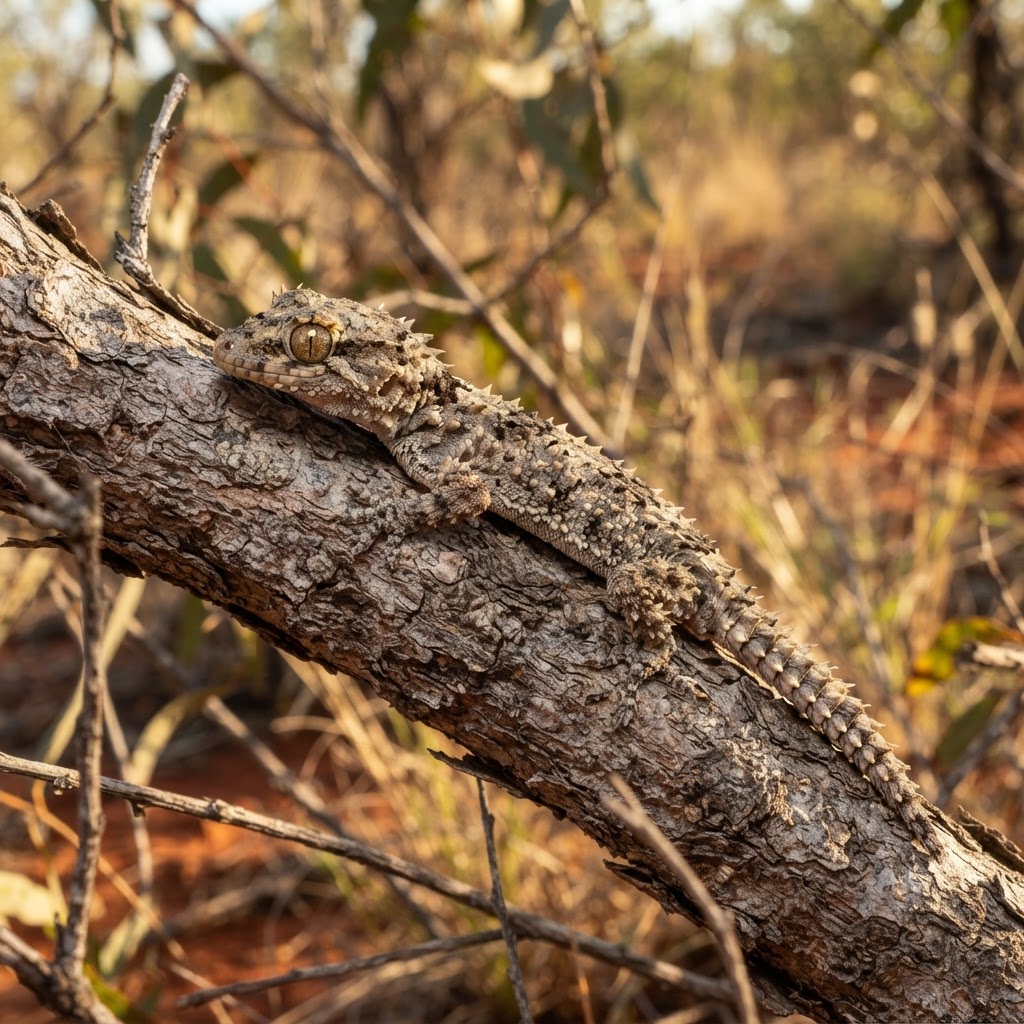
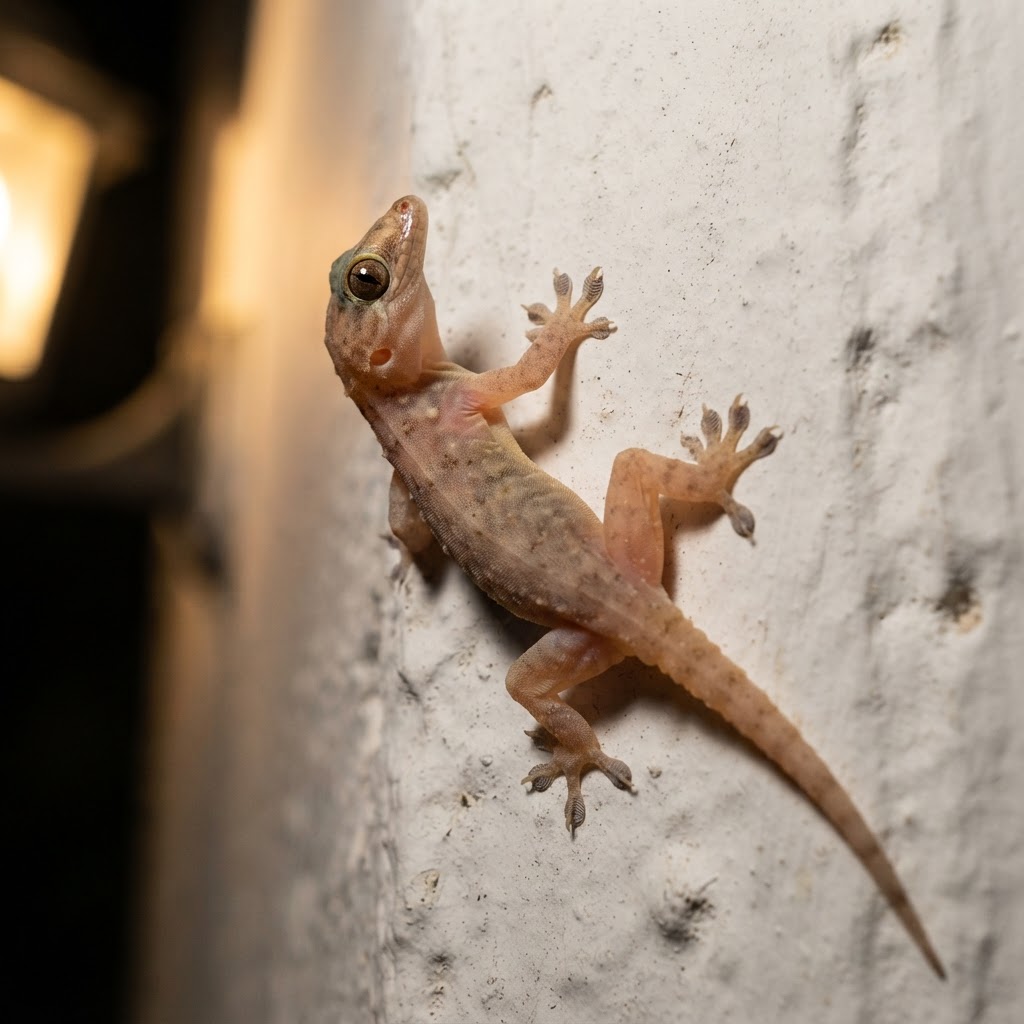
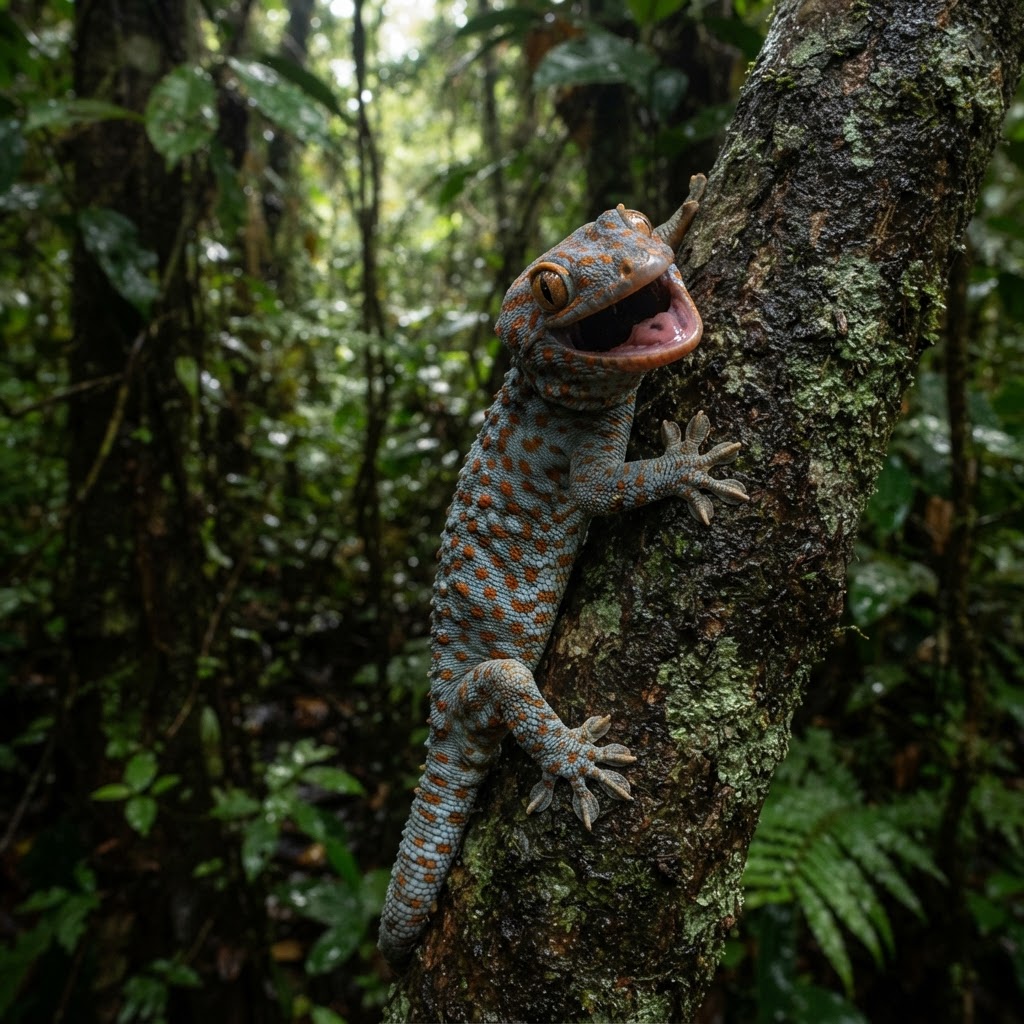
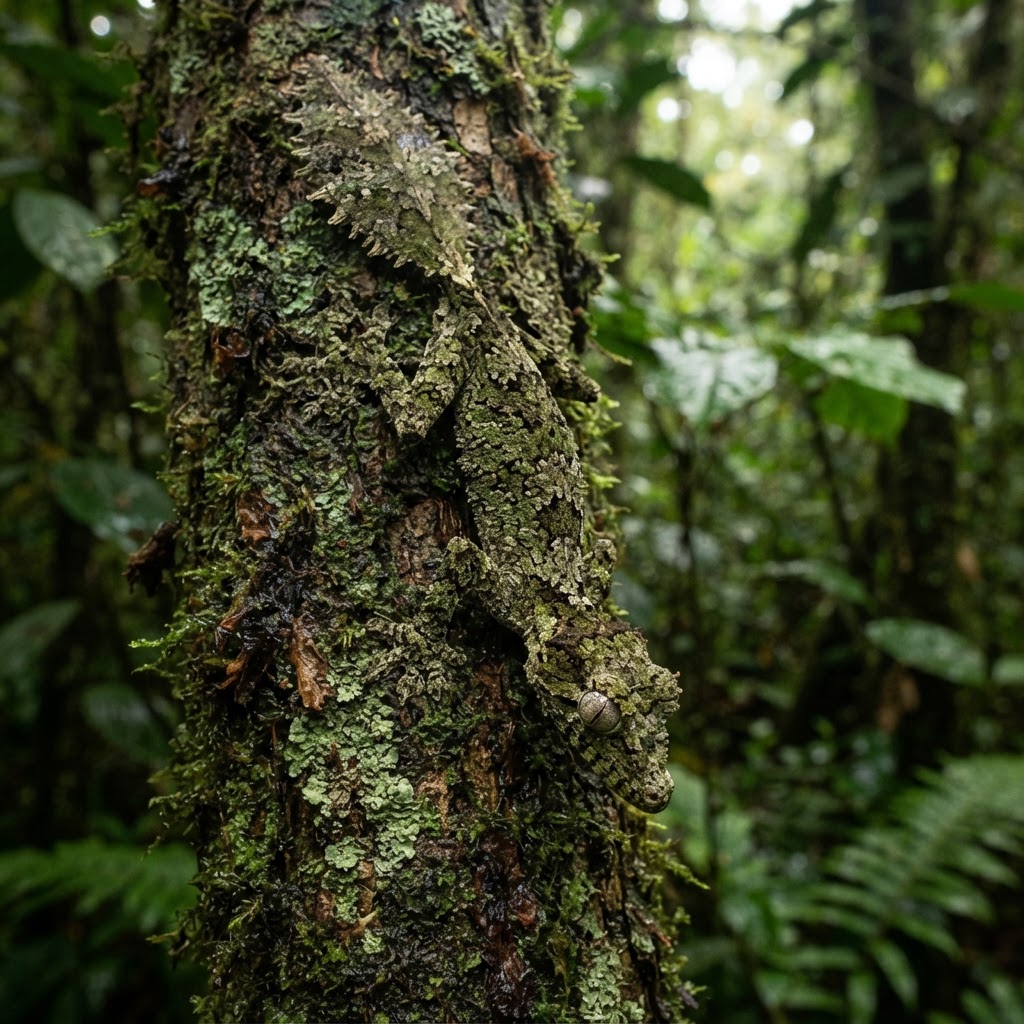
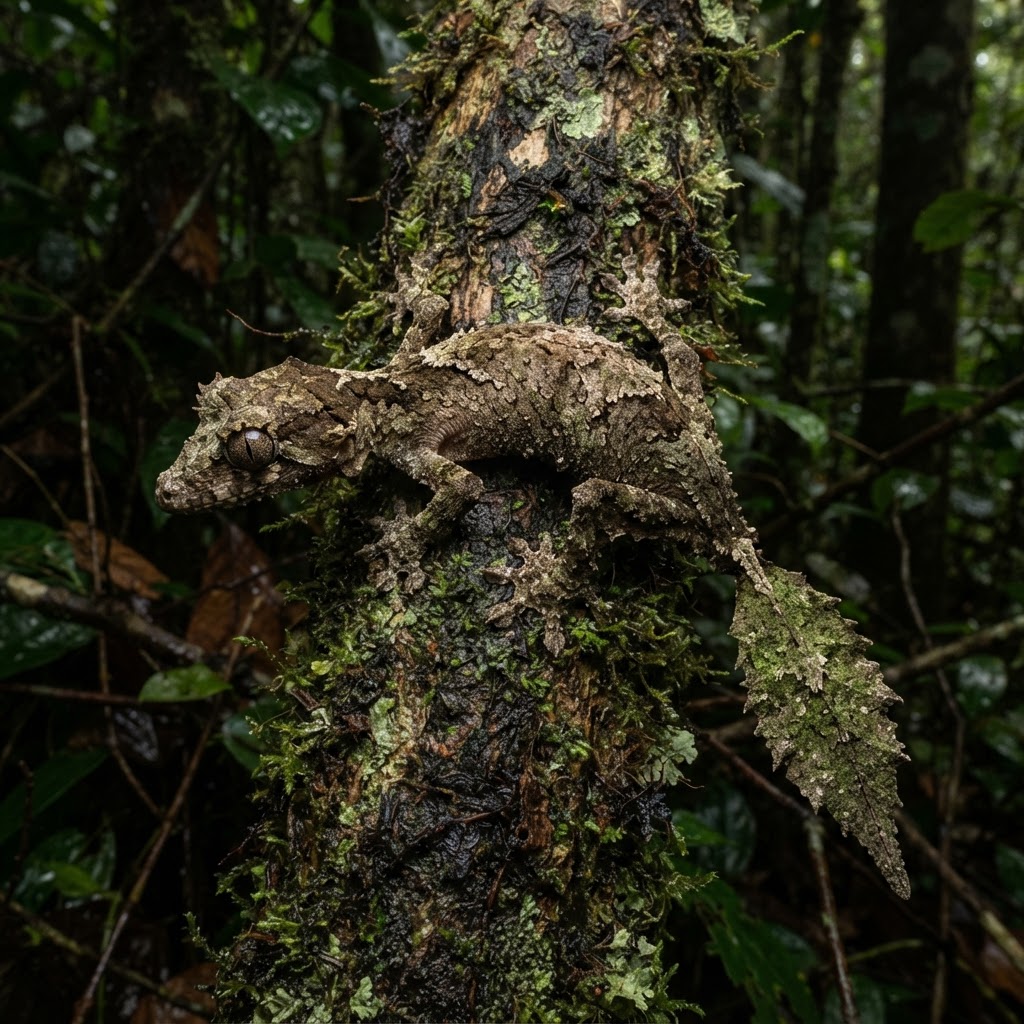


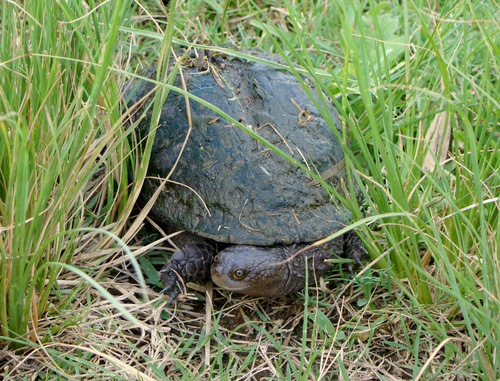
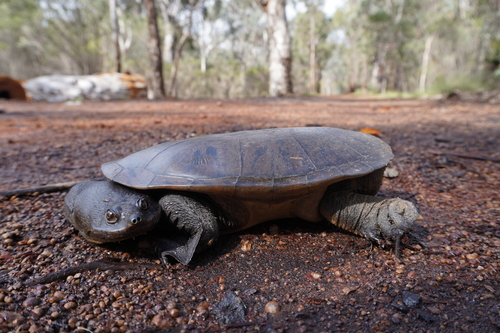
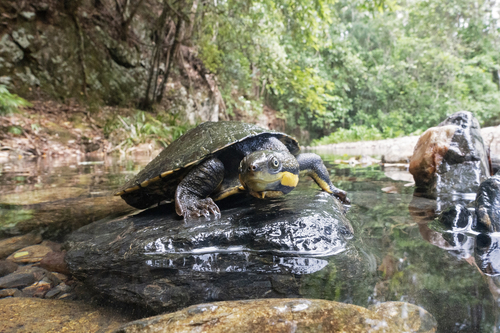
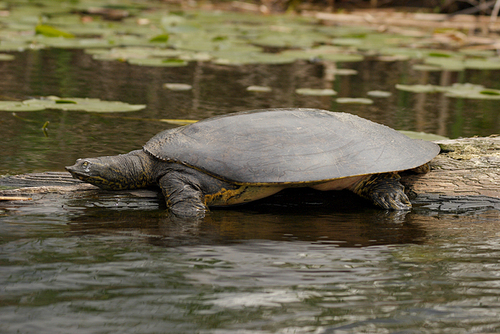

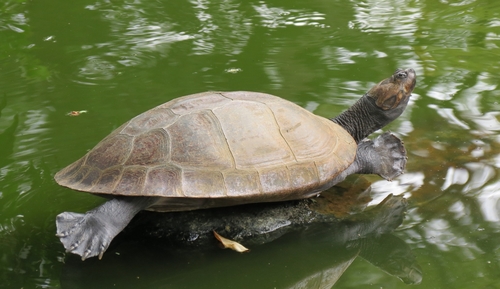


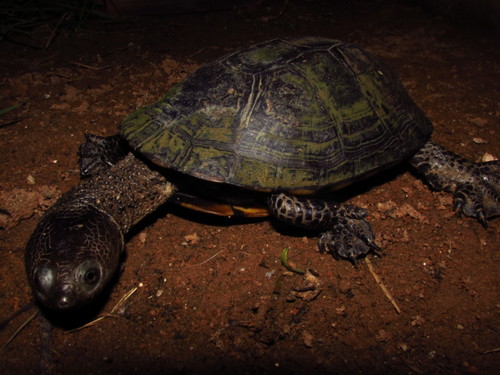
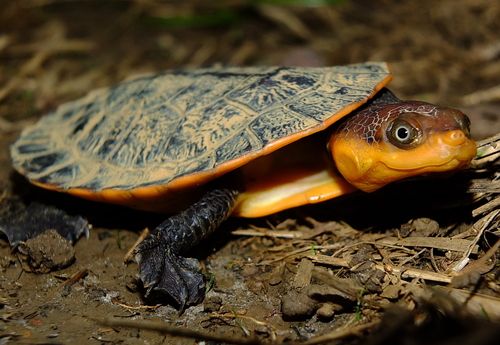
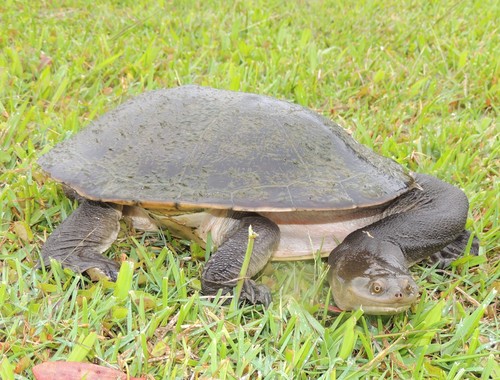
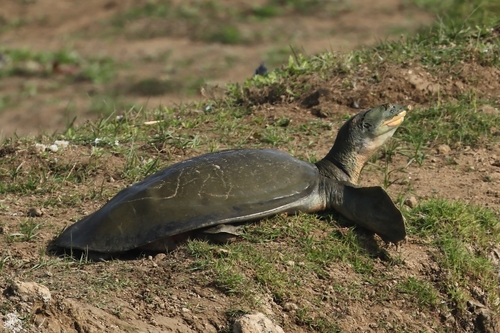

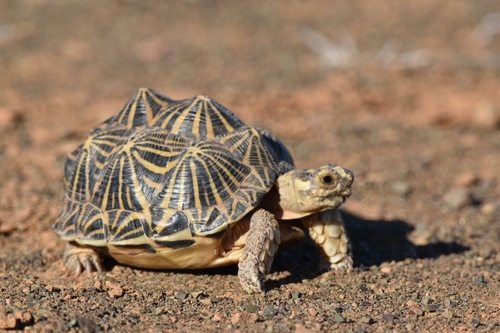
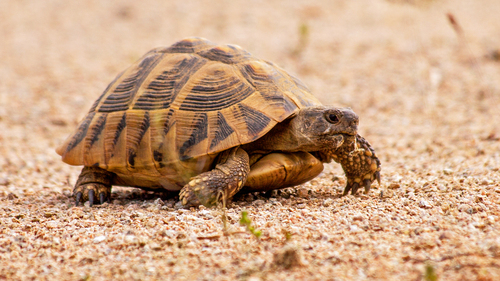

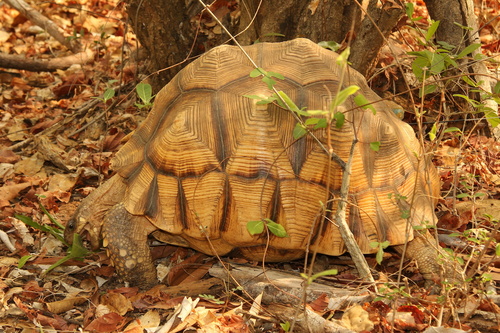
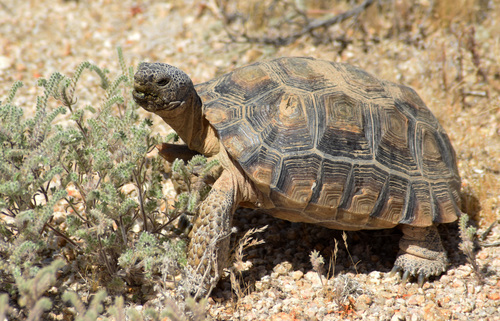
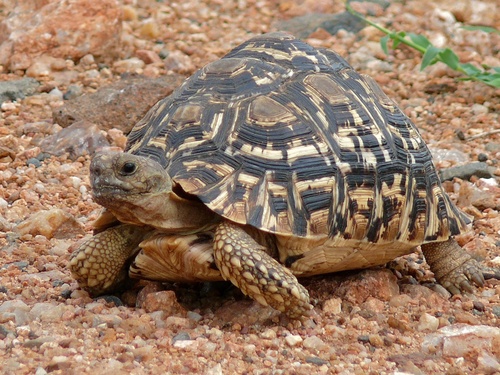


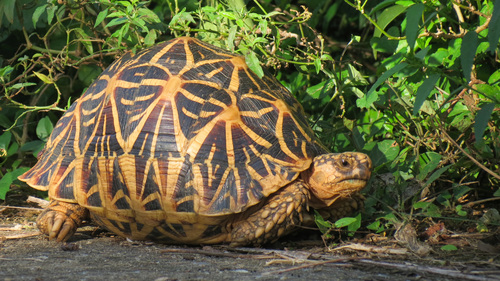
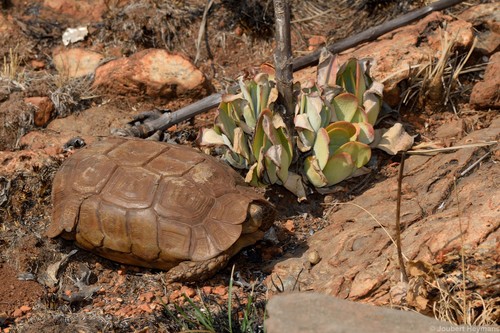
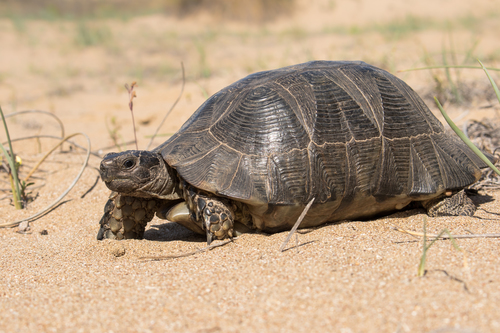

















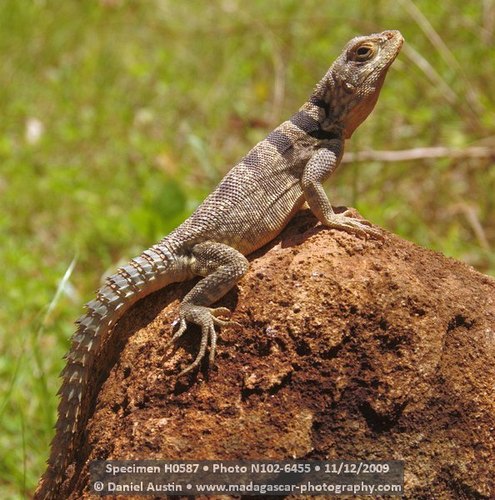
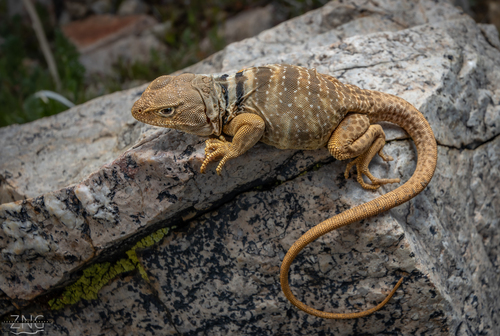


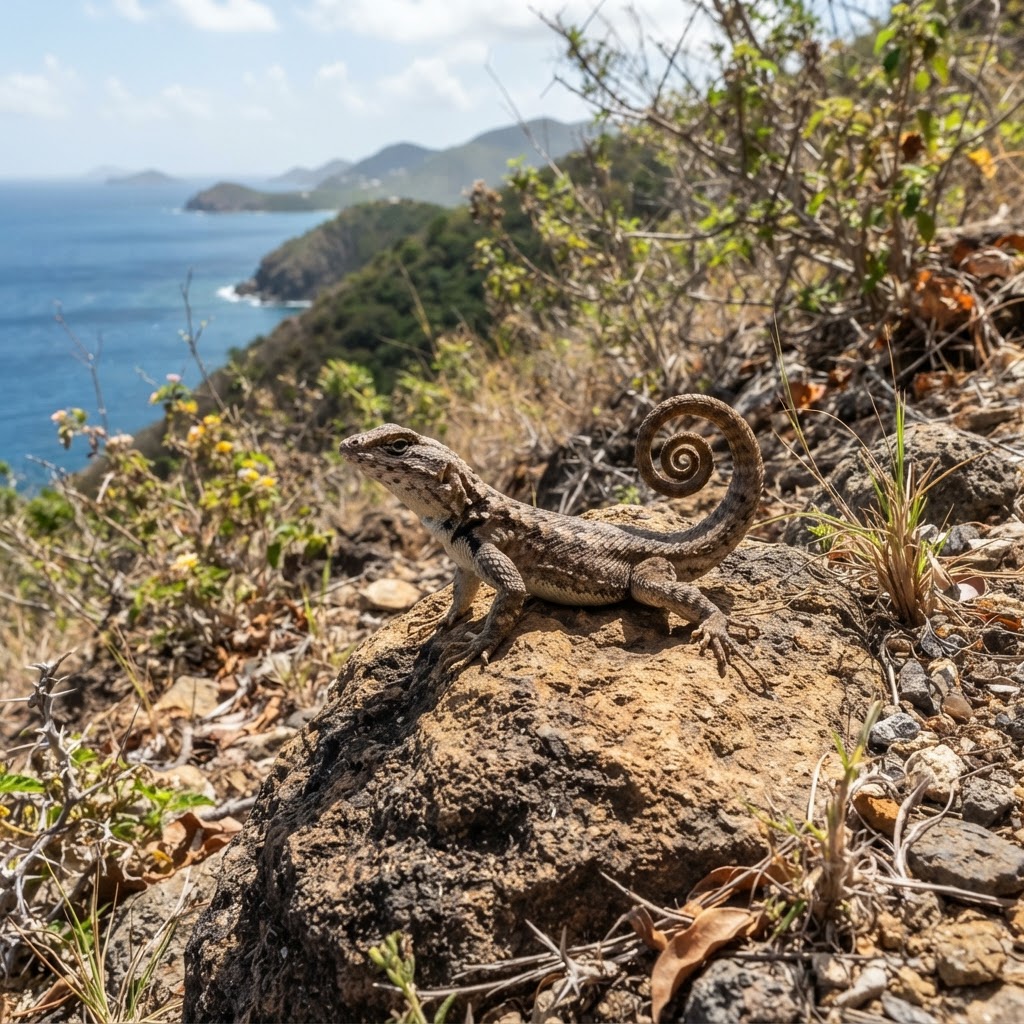


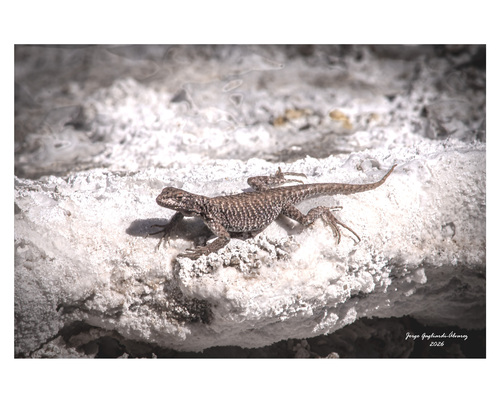






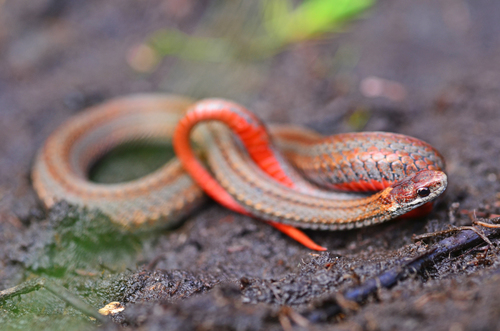


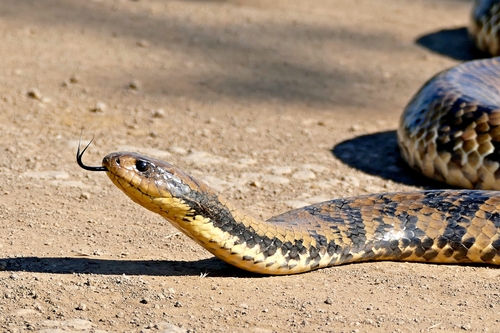


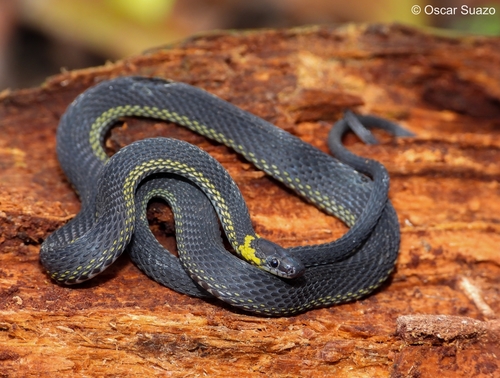


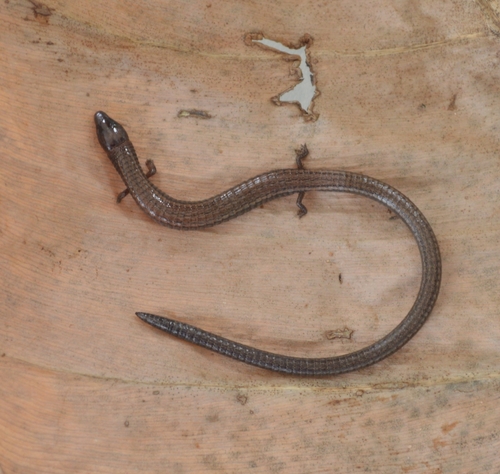


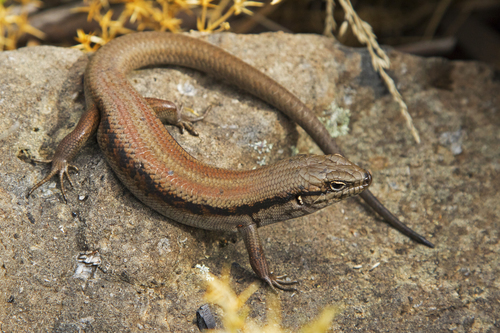


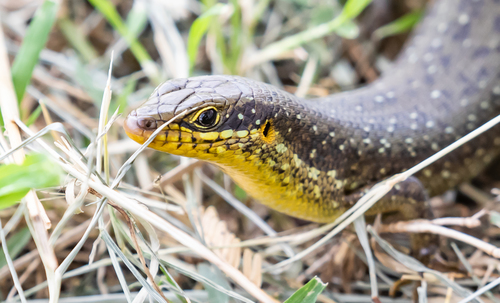


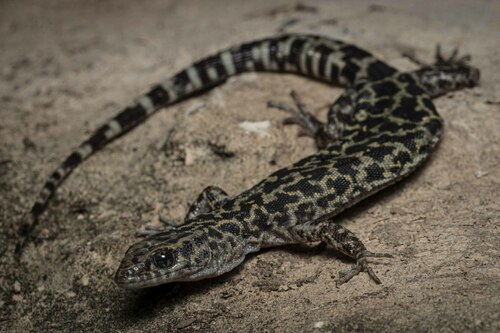


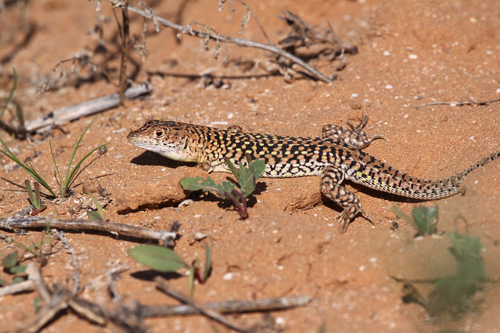





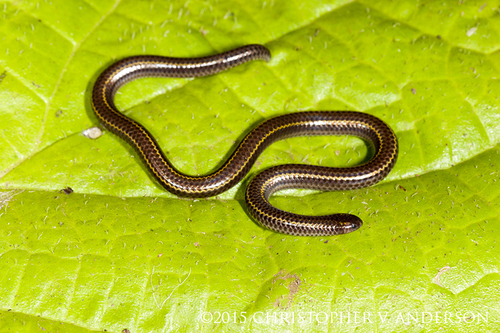


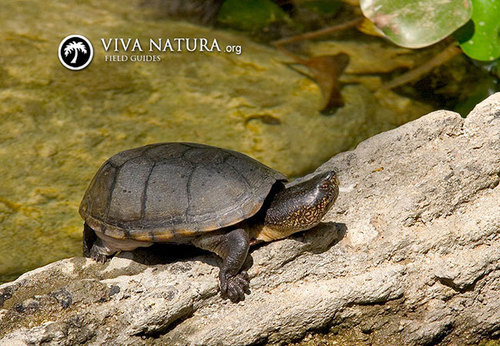


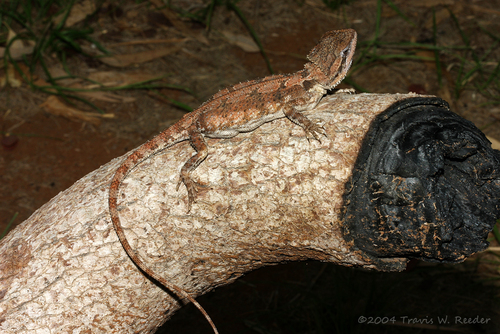


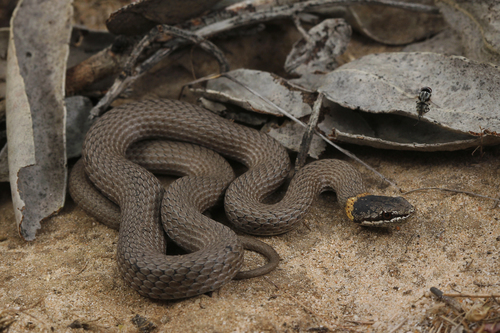


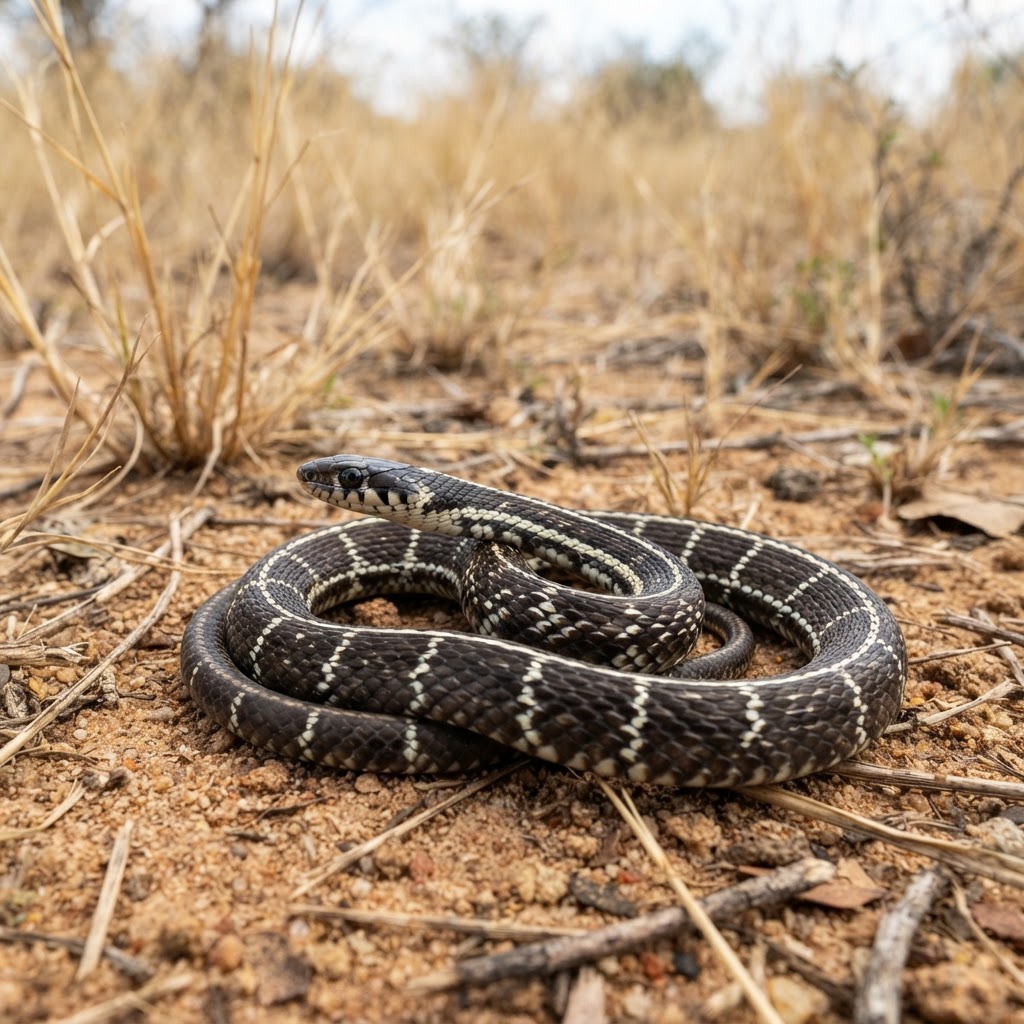


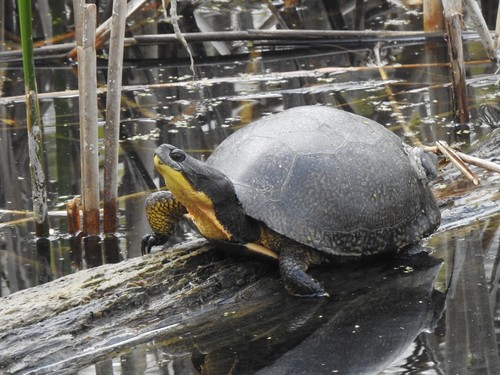


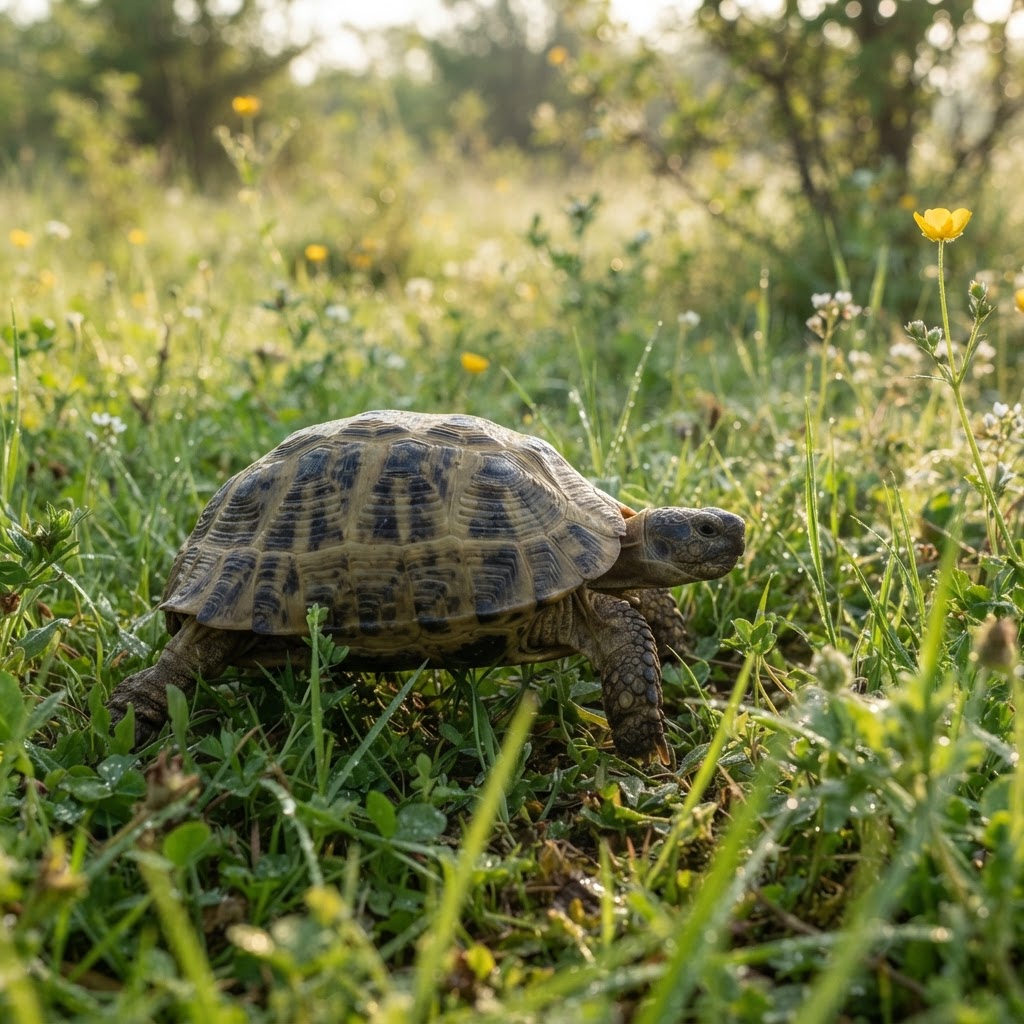
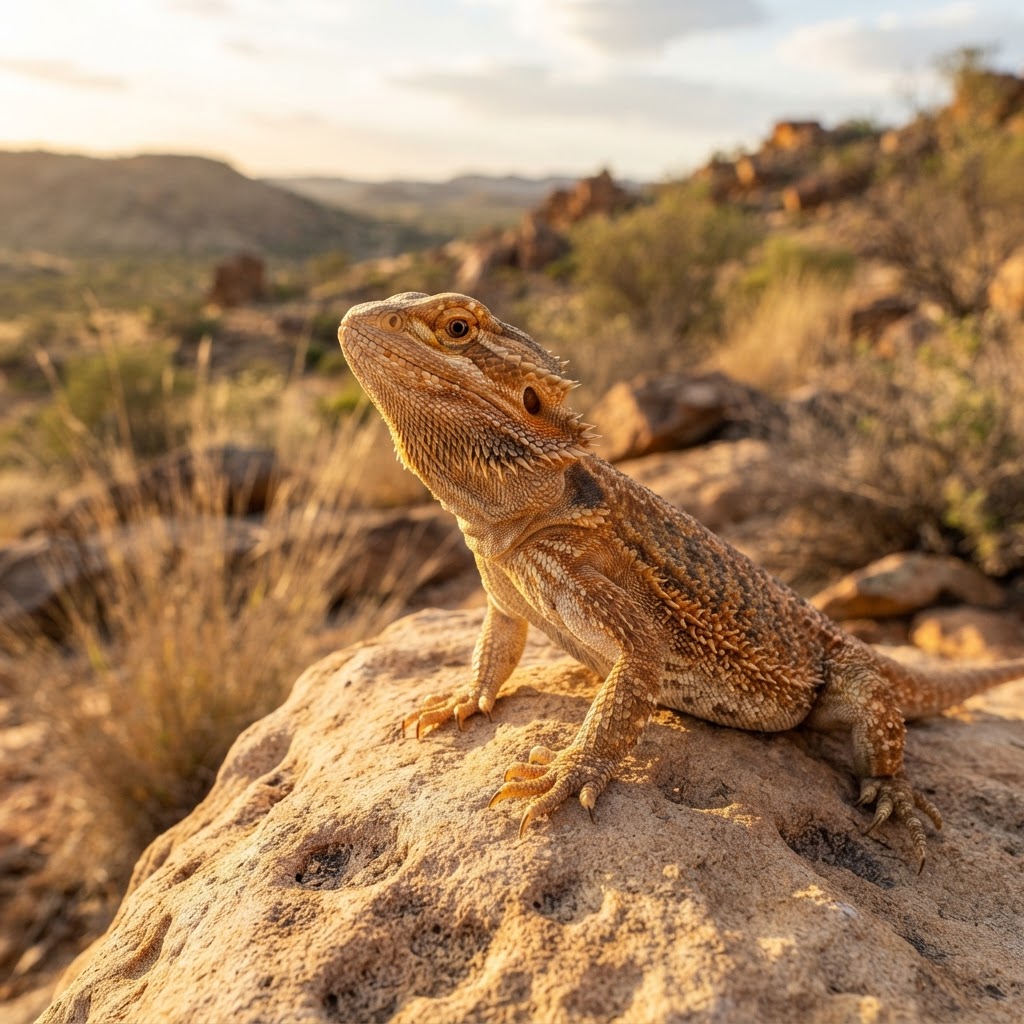

Seasonal Feeding Alerts
Current feeding schedules based on seasonal changes
Autumn
0 species
Spring
0 species
Feeding Dashboard
Bulk Import
Upload spreadsheets to quickly populate your species catalog and feeding logs
Reptile Species
Expected columns
common_name, scientific_name, category, natural_habitat, geographic_range, description, size, diet, image_url, conservation_status
Click to upload a CSV or Excel file
.csv, .xlsx, or .json supported
Feeding Logs
Expected columns
species_name, feeding_date, food_type, quantity, weight_grams, notes, completed
Click to upload a CSV or Excel file
.csv, .xlsx, or .json supported
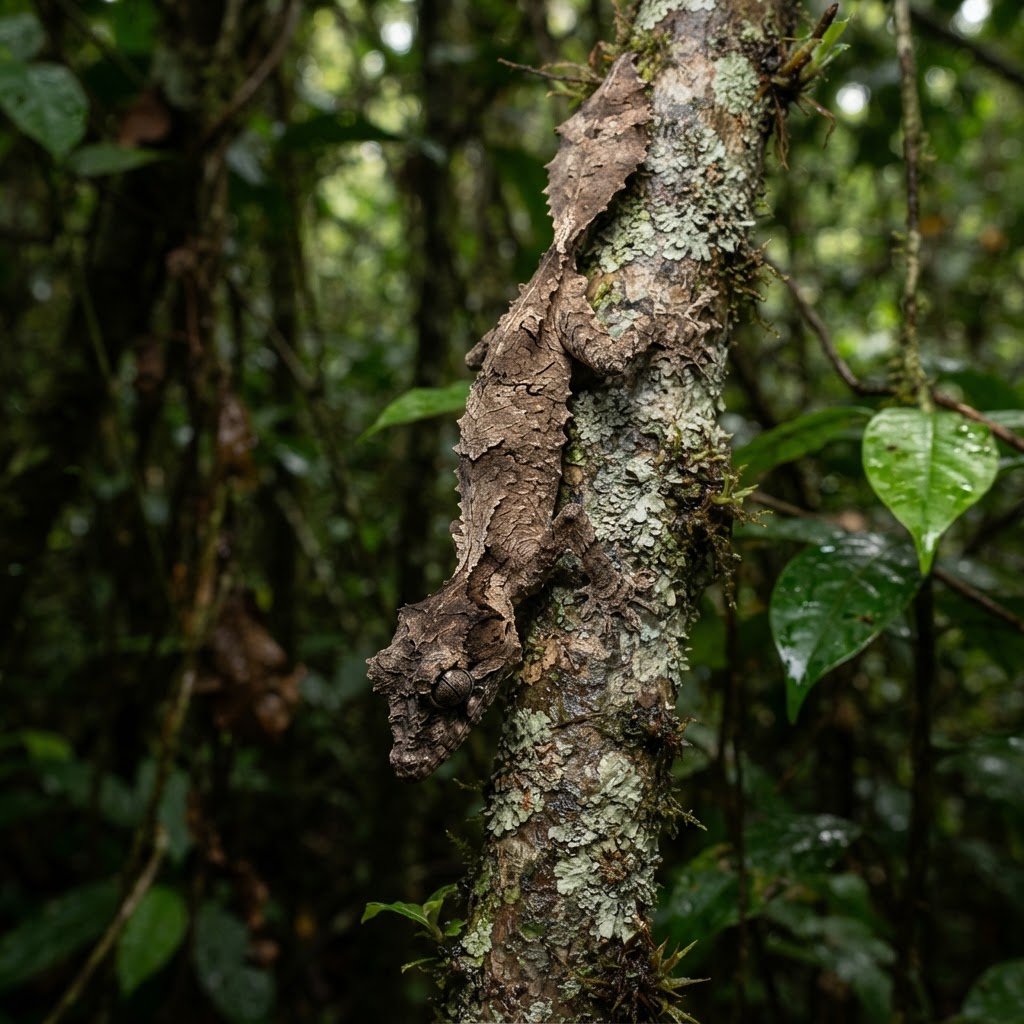
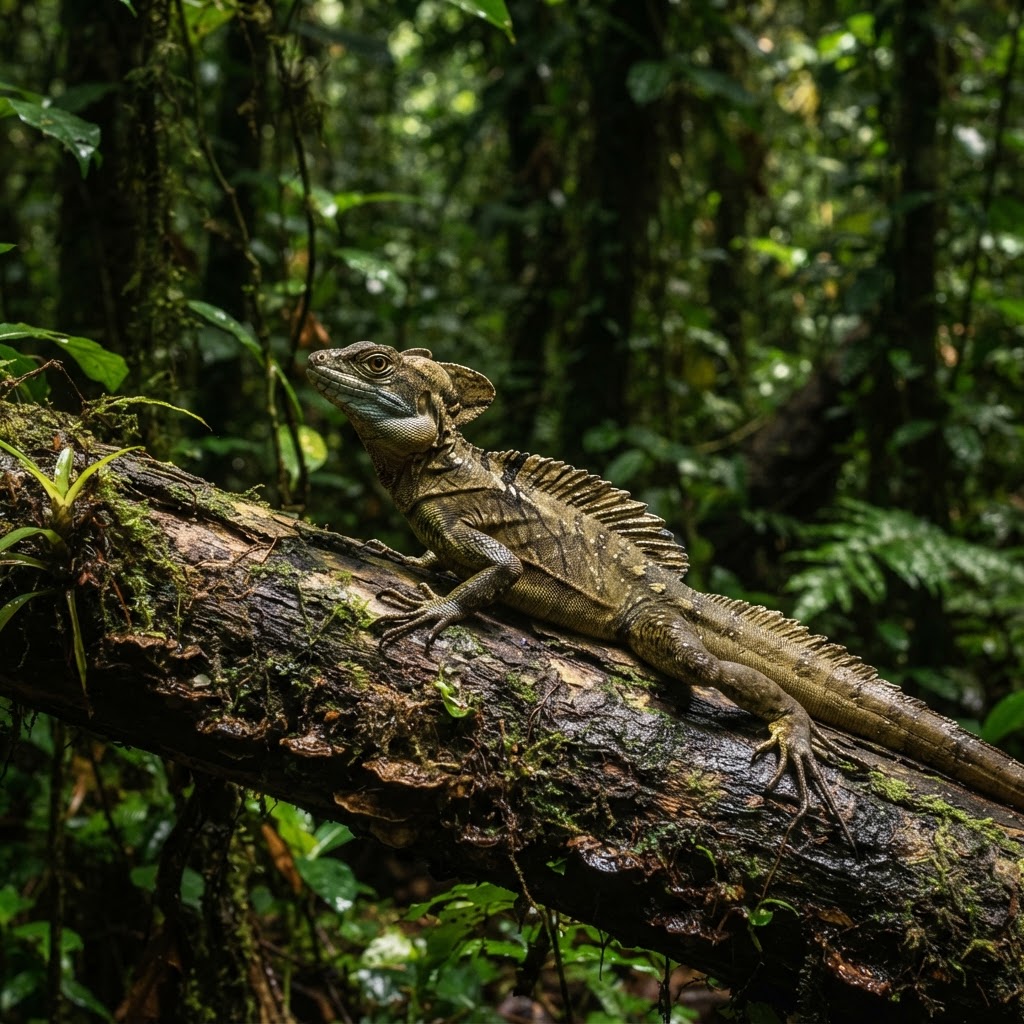
Humid lowland and mid-elevation rainforest of eastern Madagascar; rests head-down on lichen-covered trunks and branches, foraging for insects after dark.
Eastern Madagascar (recorded around Sorah/Ivohibe and adjacent forest remnants).
6–8 in / 15–20 cm total length
Nocturnal insectivore — small arboreal insects such as crickets, moths, and roaches.
Breeding Calendar
Pairing dates, egg lay dates, and projected hatch dates from your genealogy records will appear here.
No genealogy records yet. Add records in the Genealogy tab to populate the calendar.
Incubation
Temperature, humidity, and timeline guidance for incubating Sorah Leaf-tailed Gecko eggs.
72–78°F (22–26°C)
80–100%
60–90 days
Incubate eggs in a container with damp sphagnum moss or vermiculite. Maintain high humidity — eggs should plump up, not dimple or mold. Check weekly and remove any moldy eggs promptly.
Tropical species eggs are sensitive to temperature spikes — keep incubation temps stable and below 82°F to avoid developmental issues. Lower temps produce longer incubation but hardier hatchlings.
Hatchling & Baby Care
House neonates in small arboreal enclosures (12"×12"×18" or kritter keepers) with abundant live or artificial plants for cover. Use paper towel substrate initially for easy monitoring. Mist 1–2× daily.
Ambient 78–82°F, basking spot 85°F, no hot basking surface
Feed pinhead crickets, fruit flies, or small CGD (Crested Gecko Diet) daily. For fruit-feeding species, offer CGD in a small cap and replace daily. Dust insects with calcium + D3 at each feeding.
Tropical hatchlings dehydrate quickly — mist frequently and monitor hydration. Provide climbing surfaces and broad leaves for water droplet drinking. House individually to track feeding response and growth.